How to Get to Aizuwakamatsu: Trains, Buses & Travel Tips
Discover the best ways to get to Aizuwakamatsu, Japan. Find detailed routes by train, bus, and car, plus essential travel tips for a smooth journey.
On this page
Last updated June 2026. Aizuwakamatsu, known as Japan's Samurai City, is one of Tohoku's most rewarding destinations — feudal history, hot springs, sake breweries, and preserved post towns all within a short radius. Getting there from Tokyo takes under three hours by train, and the journey itself is straightforward once you know which route to take.
This guide covers every realistic way to reach Aizuwakamatsu in 2026: the main Shinkansen-plus-local-train route via Koriyama, the scenic Tobu Aizu route through Nikko and Kinugawa, highway buses, and driving. It also covers how to get around once you arrive, what to do in the city, where to eat, and whether Fukushima is safe to visit.
How to Get to Aizuwakamatsu
The fastest route from Tokyo is the JR Tohoku Shinkansen to Koriyama, then the JR Ban-etsu West Line to Aizuwakamatsu Station. Total travel time is roughly 2.5 to 3 hours, and the combined cost runs about ¥9,000–¥10,000 (approximately $60–$68) one-way. This is the route most travelers use and the one that connects best with a Japan Rail Pass.
A second option — less well-known but useful if you're combining Aizuwakamatsu with a Nikko trip — is the Tobu Aizu scenic route via Kinugawa-Onsen. It's slower but gives you a completely different landscape and a chance to use a Tobu-Aizu regional pass instead of the JR Pass. More on that below.
Highway buses offer the cheapest way in, at around ¥4,000–¥5,000 ($27–$35) one-way from Shinjuku, though the journey takes 4 to 5 hours. Driving from Tokyo takes roughly 3.5 to 4 hours via the Tohoku Expressway, plus toll costs of around ¥3,000–¥4,000 each way depending on your route.
The Ban-etsu West Line connection at Koriyama is reliable and frequent — trains depart roughly once per hour, and the timing window between Shinkansen arrival and local-train departure is usually 15–30 minutes. Luggage space on the Ban-etsu West is generous; you won't need to pack light or use luggage forwarding if you keep one carry-on bag.
Both the Tohoku Shinkansen (Yamabiko/Tsubasa services) and the JR Ban-etsu West Line are covered in full by a JR Pass — the entire Tokyo-to-Aizuwakamatsu journey costs you nothing extra. If you hold a 7-day pass and plan to use it only for this trip, the cost-benefit is marginal (around ¥9,000–¥10,000 for point-to-point tickets vs. ¥50,000+ for a week pass). But if you're incorporating other JR destinations into your itinerary, the pass typically pays for itself within 2–3 intercity journeys.
| Route | Duration | Approximate Fare | Best for |
|---|---|---|---|
| Shinkansen (Yamabiko/Tsubasa) → Ban-etsu West Line | 2.5–3 hours | ¥9,000–¥10,000 ($60–$68) | Speed, reliability, JR Pass holders |
| Tobu Aizu (Asakusa → Nikko → Kinugawa → Aizu Railway) | 3.5–4 hours | ¥5,000–¥6,500 ($34–$44) | Scenic route, Nikko + Aizu combo, Tobu Pass holders |
| Highway bus (Shinjuku Expressway Terminal) | 4–5 hours | ¥4,000–¥5,000 ($27–$35) | Budget travelers, overnight option available |
| Car (Tohoku Expressway) | 3.5–4 hours | ¥3,000–¥4,000 tolls ($20–$27) + rental/parking | Rural exploration, flexibility, groups |
Step-by-Step: Tokyo to Aizuwakamatsu by Train
Start at Tokyo Station or Ueno Station — both have direct Tohoku Shinkansen departures. Board a Yamabiko or Tsubasa service bound for Koriyama. Non-reserved seats cost around ¥8,000 ($55) and the leg takes about 80 minutes. Reserved seats are slightly more expensive but worthwhile on busy weekend and holiday trains. Note: the faster Hayabusa and Hayate services do not stop at Koriyama, so choose Yamabiko or Tsubasa specifically.
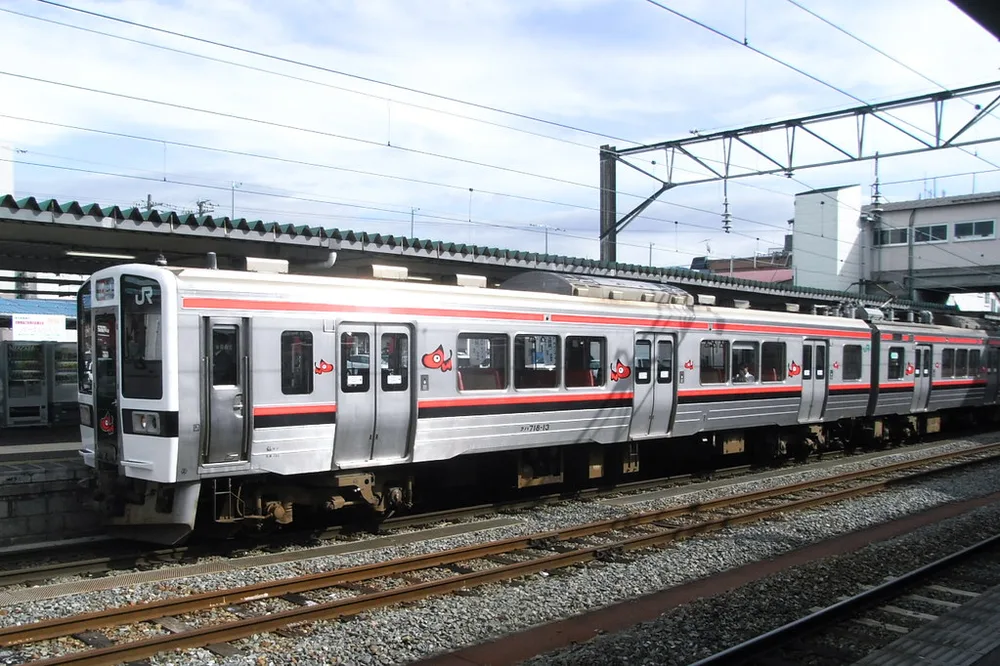
At Koriyama Station, follow the signs to the JR Ban-etsu West Line (磐越西線). The platform is on the same level as the Shinkansen concourse. The local train to Aizuwakamatsu costs about ¥1,170 ($8) and takes 60–70 minutes. Trains run roughly once per hour — check the timetable board at Koriyama, as connections can be tight if your Shinkansen arrives on the hour. The Ban-etsu West Line runs through farming valleys and low mountain passes, and the scenery becomes noticeably greener once you clear Kooriyama city limits.
You arrive directly at Aizuwakamatsu Station, the city's central transport hub. From there, the Akabee city loop bus and taxis serve all major attractions. Total journey time from Tokyo Station to Aizuwakamatsu Station, including the transfer, is typically 2 hours 40 minutes to 3 hours. JR Pass holders can use both the Shinkansen (Yamabiko/Tsubasa) and the Ban-etsu West Line at no extra charge.
The Tobu Aizu Route: A Scenic Alternative via Nikko
If your itinerary already includes Nikko, there's a backdoor route into Aizuwakamatsu that no major travel site seems to flag: the Tobu Aizu Liner and Aizu Railway combination via Kinugawa-Onsen. You travel from Asakusa (Tokyo) on the Tobu Nikko Line to Kinugawa-Onsen, then board the Aizu-Liners (a direct through service operated jointly by Tobu and Aizu Railway) to Aizuwakamatsu Station. Total journey time from Asakusa is approximately 3.5 to 4 hours.
The scenic payoff is real. The Aizu Railway section winds through the Okina Gorge and mountain forest between Yunokami-Onsen and Aizuwakamatsu, with open-top sightseeing carriages (Torokko cars) running on select dates in autumn and spring. Ticket prices are typically around ¥5,000–¥6,500 ($34–$44) for the full journey from Kinugawa-Onsen to Aizuwakamatsu. The Tobu-Aizu Pass (¥6,360 for two days as of 2026) covers unlimited rides on Tobu lines including Nikko access plus the Aizu Railway, making it a solid value if you're spending two days in the region.
The key practical note: the Aizu-Liner runs only a handful of times daily and does not accept the JR Pass. Book seats at Tobu stations or via the Tobu Railways website. If you're a JR Pass holder prioritizing cost, stick with the Koriyama route. But for travelers who want the scenic Tohoku mountain experience and are combining Nikko with Aizu, this route is worth planning around.
Choosing Your Route: Train, Bus, or Car?
The Shinkansen-plus-Ban-etsu West route is the right default for most visitors. It's fast, reliable, comfortable, and covered by the JR Pass. The Ban-etsu West Line itself has good luggage space and isn't crowded outside of Golden Week and autumn foliage season. If you're on a Japan-wide rail pass itinerary, this route costs you nothing extra.
Highway buses from Shinjuku Expressway Bus Terminal take 4 to 5 hours and cost roughly ¥4,000–¥5,000 one-way. Willer Express and JR Bus operate the main routes. Some buses are overnight, which can save you a night's accommodation if you time it right. The trade-off is comfort over long distances and the lack of luggage forwarding services. Book a few days ahead for weekend buses; popular departure times sell out.
Driving makes the most sense if you're planning to visit rural areas around Aizuwakamatsu — Ouchi-juku, Kitakata's kura warehouses, or the Urabandai plateau with its volcanic crater lakes. The Tohoku Expressway from Tokyo reaches Aizuwakamatsu in around 3.5 hours in normal traffic. Factor in tolls of ¥3,000–¥4,000 each way and parking costs near central attractions. An international driving permit is required; you'll need it to rent a car at most major agencies.
- JR Pass holders traveling from Tokyo: take the Yamabiko/Tsubasa Shinkansen to Koriyama, transfer to Ban-etsu West Line. Free with pass.
- Budget travelers: Shinjuku highway bus (¥4,000–¥5,000). Book 2–3 days ahead.
- Nikko + Aizu combo itinerary: consider the Tobu Aizu route and the Tobu-Aizu Pass.
- Groups or families visiting rural Fukushima: renting a car is the most flexible option.
- Travelers with heavy luggage: trains — buses have limited luggage space, and trunks fill up fast on popular routes.
Practicalities and Booking Your Trip
Train tickets for the Shinkansen and Ban-etsu West Line can be bought at any JR station ticket window or vending machine. The JR East English website also allows online booking with seat selection — useful for busy travel periods. If you have a JR Pass, reserve your Shinkansen seat at any JR ticket counter free of charge; walk-on non-reserved is also an option on Yamabiko services outside peak hours. The Ban-etsu West Line segment is a local service and requires no reservation.
For highway buses, Willer Express and JR Bus Kanto both serve the Shinjuku–Aizuwakamatsu route. Book at their respective websites or at Shinjuku Expressway Bus Terminal. Seats go fast for Friday evening and Sunday return buses, especially during October and November when autumn foliage draws large crowds to the Aizu region.
Luggage forwarding (takuhaibin) is available from many Tokyo hotels direct to Aizuwakamatsu ryokan and hotels — services like Yamato Transport (Kuroneko) typically deliver the next day for ¥1,000–¥2,000 per bag, depending on size. This is worth doing if you're combining the compact Aizuwakamatsu station area with onward travel. Coin lockers are available at Aizuwakamatsu Station in small and medium sizes, but supply is limited during autumn foliage season — arrive early or use luggage storage at your accommodation.
- Verify train and bus schedules at Jorudan or Hyperdia for current 2026 timetables before travel.
- Confirm JR Pass validity: Yamabiko and Tsubasa Shinkansen are covered; Nozomi and Mizuho are not (but neither serves Koriyama anyway).
- Reserve Shinkansen seats at least the evening before during Golden Week (late April–early May), Obon (mid-August), and autumn foliage peak (late October–early November).
- Download offline maps; mobile data coverage on the Ban-etsu West Line is patchy between Kooriyama and Aizuwakamatsu.
Local Transportation in Aizuwakamatsu
The Aizu Loop Bus — locally called the Akabee (red) or Haijiro (white) after its two circuit colours — is the easiest way to get between major attractions. The red Akabee route covers the Tsuruga Castle, the Oyakuen Garden, the Aizu Bukeyashiki, and the Iimoriyama Hill. The white Haijiro route covers the Nanukamachi retro shopping street area. A one-day pass costs ¥600 ($4) and gives unlimited rides on both routes; single rides are ¥200. Buses run every 20–30 minutes from around 09:00 to 17:30. Buy the day pass on board or at the tourist information counter just outside Aizuwakamatsu Station's east exit.
Most central sites are within walking distance of each other, though the distances are longer than they look on maps. Tsuruga Castle is about 1.5 km from the station — a 20-minute walk or 10 minutes by Akabee. Iimoriyama Hill is about 2.5 km from the castle. If you're doing a full day circuit on foot, allow 5–6 hours and wear comfortable shoes. The city is flat, which helps.
Taxis are available at Aizuwakamatsu Station's taxi rank and can be hailed at major attractions. Fares start at around ¥700 ($5) for the first kilometer. A direct taxi from the station to Tsuruga Castle costs around ¥900–¥1,100. For Higashiyama Onsen (10 minutes by taxi), fares typically run ¥1,200–¥1,500 each way. There is no rideshare service (Uber, etc.) operating in Aizuwakamatsu as of 2026.
Rental bicycles are available near the station and at some ryokan — daily rates run around ¥500–¥1,000. Cycling is a pleasant way to cover the central sites, particularly between Tsuruga Castle, Oyakuen Garden, and Nanukamachi Street, which form a natural triangle of about 3 km.
Wait, Is Fukushima Safe?
Yes. Aizuwakamatsu is located in the Aizu region of Fukushima Prefecture, more than 100 km west of the Fukushima Daiichi Nuclear Power Plant. It is well outside any restricted or evacuation zone and has been a freely accessible tourist destination throughout the post-2011 period. Radiation levels in Aizuwakamatsu are comparable to those in Tokyo and other major Japanese cities.
The Japanese government, local tourism bureaus, and international health organizations consistently classify the Aizu region as safe for visitors. The agricultural products of Fukushima Prefecture — including the famous local sake, rice, and lacquerware — are subject to rigorous safety testing and are sold freely across Japan and internationally. Many Japanese travelers specifically choose Fukushima destinations as an act of support for the region's recovery.
Visitors can confidently explore Aizuwakamatsu's castles, hot springs, sake breweries, and mountain villages. Local businesses are active and welcoming, and the city experiences healthy tourist numbers during peak seasons. For up-to-date official guidance, check the Fukushima Prefecture tourism website or Japan's Ministry of the Environment monitoring data.
Things to Do in Aizuwakamatsu
Tsurugajo Castle is the city's centrepiece — a reconstructed 1965 keep with a distinctive red-tiled roof that replaced the original grey tiles in a historically debated renovation. Inside, the museum traces the Aizu domain's role in the Boshin War of 1868–69 and the story of the Byakkotai (White Tiger Corps). The top floor offers panoramic views of the city and Mount Bandai on clear days. Admission is ¥410 for adults; the adjacent Rinkaku tea house is included in a combined ticket for ¥510.
Iimoriyama Hill is where 19 teenage Byakkotai members took their own lives after mistakenly believing the castle had fallen. The hilltop memorial and views toward Tsuruga Castle make this one of the most emotionally resonant sites in Tohoku. While there, visit the Sazaedo — a remarkable wooden temple with a double-helix staircase that lets visitors ascend and descend without crossing paths. Admission to Sazaedo is ¥400. You can reach the hill via the Akabee bus or on foot in about 35 minutes from the castle.
Aizu Bukeyashiki is a large reconstructed samurai residence complex that gives a detailed picture of a senior retainer's household in the late Edo period. It's about 3 km east of the castle and is best reached by Akabee bus. Admission is ¥850 for adults. Allow at least 90 minutes. For more on the full list of Aizuwakamatsu attractions, including Oyakuen Garden and the Sento-ke samurai school, see our dedicated attractions guide.
What and Where to Eat in Aizuwakamatsu
Aizuwakamatsu's most distinctive local dish is miso dengaku — skewered tofu, konnyaku, and vegetables coated in a rich walnut or sesame miso paste and grilled over a charcoal irori hearth. Mitsutaya on Nanukamachi Street is the classic place to try it: a long-established restaurant with an open hearth and multi-course sets from around ¥1,500. Expect a wait at lunch on weekends.
The Aizu region is one of Japan's most respected sake-producing areas, taking advantage of cold mountain air and pure snowmelt water. Suehiro Sake Brewery's Kaei Kura warehouse on Nanukamachi Street offers free tours and sake tasting every day — a reliable, no-fuss stop that doesn't require advance booking. For a deeper dive, visit one of the Aizu sake guide outside the city centre, including Miyaizumi and Robata no Yuki.
Other local specialties worth seeking out: negi-soba (soba eaten using a whole green onion as a chopstick, a specialty of Ouchi-juku), Aizu sauce katsudon (a local riff on the classic pork cutlet bowl, using a sweet-savoury brown sauce rather than egg), and tempura manju (deep-fried steamed buns with sweet azuki filling, sold at street stalls near Tsuruga Castle). The city also has a small but good ramen scene centred on a clear soy-sauce broth style unique to the Aizu area.
Nanukamachi Street is the best place to base your eating and shopping. The 400-metre stretch preserves Taisho-era (1912–1926) merchant buildings and houses a dozen restaurants, a craft sake bar, lacquerware shops, and sweet stalls alongside the Suehiro Brewery. It's accessible by Akabee bus (Nanukamachi stop) or a 15-minute walk north from Aizuwakamatsu Station.
Aizu-Wakamatsu History Walking Tour (City Loop)
The city's attractions fall naturally into a loop that takes a full day by foot or half a day using the Akabee bus. Start at Aizuwakamatsu Station at around 09:30, buying a one-day Akabee pass from the tourist counter outside the east exit. Head first to Tsurugajo Castle to beat the tour-group crowds — it opens at 08:30 and the grounds are less congested before 10:00. Allow 60–90 minutes for the castle museum and Rinkaku tea house.
From the castle, ride or walk to Iimoriyama Hill. The Akabee stops at the base of the hill, from which you either walk up the stone steps (5–10 minutes) or take the paid escalator (¥250 one-way). The Sazaedo spiral temple and Byakkotai memorial are both at the summit. Budget 45–60 minutes here. The hilltop view back toward Tsuruga Castle is the best urban vista in the city.
Continue to Aizu Bukeyashiki via the Akabee. This takes the longest to explore — the reconstructed residence complex covers around 20 buildings including a sake storehouse, paper workshop, and rice-processing facility. Return to Nanukamachi Street in the late afternoon for dinner and sake tasting at Suehiro Brewery. The street is about a 5-minute walk from the Nanukamachi Akabee stop.
Scenic Relaxation and Hot Springs by Train (Outskirts Area)
For a contrast to the city's samurai history, the Aizu Railway line south from Aizuwakamatsu leads to one of the most atmospheric corners of Fukushima Prefecture. Board the Aizu Railway at Aizuwakamatsu Station bound for Aizu-Tajima. The journey takes about 55 minutes to Yunokami-Onsen Station — a beautifully preserved wooden station building with a thatched roof that looks more like a tea house than a train stop.
From Yunokami-Onsen Station, buses run to Ouchi-juku in about 15–20 minutes (¥310 each way). This Edo-period post town is one of Japan's best-preserved historic villages: a single main street lined with thatched-roof buildings, no modern storefronts, and the famous negi-soba available at several restaurants. It's most crowded in late October and early November during autumn foliage. Arrive by 10:00 to have the street largely to yourself before coach tours arrive mid-morning.
Higashiyama Onsen is an easier half-day option if you want hot springs without the train journey. Just 10 minutes from Aizuwakamatsu by bus or taxi, this traditional hot spring village sits along a narrow river gorge with 17 inns and ryokan offering day-use bathing (立ち寄り湯, tachiyori-yu). Costs for day baths typically run ¥500–¥1,000. The free footbath near the main bridge is the easiest entry point for a short visit. Higashiyama was historically popular with geisha and well-known literary figures — a quieter and more atmospheric onsen than the large resort towns of Tohoku.
Samurai Heritage and Traditional Crafts
Aizuwakamatsu was the last major stronghold of the Tokugawa-aligned forces in the Boshin War. When Meiji government troops advanced in 1868, the city's samurai — including the teenage Byakkotai corps — mounted a fierce defence before the castle surrendered after a month-long siege. This chapter of Japanese history is remembered with unusual intensity here; local pride in the Aizu samurai tradition remains a defining element of city identity even in 2026.
That identity extends into craft. Aizu-nuri lacquerware is the city's most famous export — pieces are characterised by deep reds and blacks with hand-painted floral motifs, and the quality is notable even by the standards of Japanese lacquer. Shirakiya on Nanukamachi Street is the best-known shop for finished pieces; for those who want to try making their own, the Aizu lacquer workshop near Tsuruga Castle offers 90-minute hands-on sessions for around ¥2,000. Aizu-momen cotton — woven in bold stripes and known for its durability — is another local textile worth looking for at craft shops along Nanukamachi.
the Nisshinkan, the former domain school where samurai children were educated, now operates as a museum and activity centre. Visitors can try archery, Zen meditation, and calligraphy. It's a short walk from the city centre and provides good context for understanding the structured world of Aizu samurai culture beyond castle walls. Admission is ¥620 for adults.
Day Trips and Nearby Attractions
Aizuwakamatsu is a strong base for exploring a wide area of inland Tohoku. The most popular day trip is Ouchi-juku, covered above — accessible by Aizu Railway and bus in about 75 minutes total. Kitakata, 30 minutes north by JR Ban-etsu West Line, is famous for its unusual density of kura (traditional earthen-walled storehouses) and its thick, chewy Kitakata ramen style. The city centre can be explored on rented bikes in 2–3 hours.
The Urabandai plateau, northeast of Aizuwakamatsu, features the Goshiki-numa (Five-Colour Lakes) — a collection of volcanic crater lakes whose mineral content gives each a distinct hue: cobalt blue, turquoise, green, and ochre. Access is by bus from Inawashiro Station on the JR Ban-etsu West Line. The main boardwalk trail around the lakes takes about 60 minutes. Autumn and spring are the best seasons; the colour contrast with the surrounding forest is dramatic in October.
Oze National Park, further north, is a larger and more committed excursion — typically 6–7 hours from Aizuwakamatsu by a combination of train and long-distance bus. Its wetland boardwalk and alpine flower meadows are exceptional in late May and June. It's better done as an overnight stay than a true day trip. For a full overview of what's reachable in a single day, see our guide to day trips from the city.
Frequently Asked Questions
Which how to get to Aizuwakamatsu option is best for first-time visitors?
For first-time visitors, the train route via JR Tohoku Shinkansen to Koriyama then the JR Ban-etsu West Line is highly recommended. It is the fastest, most reliable, and easiest to navigate option. Consider a Japan Rail Pass if you plan extensive train travel.
How much time should you plan for traveling to Aizuwakamatsu?
From Tokyo, plan for a total travel time of 2.5 to 3 hours by train, including transfers. By highway bus, expect 4 to 5 hours for the journey. Always factor in extra time for navigating stations and potential delays.
What should travelers avoid when planning how to get to Aizuwakamatsu?
Avoid arriving without pre-booked tickets during peak seasons or holidays, as services can be fully booked. Do not rely solely on local train schedules late at night, as frequency decreases significantly. Always verify operating hours for your chosen transport.
Reaching Aizuwakamatsu is straightforward from Tokyo: the Shinkansen to Koriyama plus the Ban-etsu West Line is the most efficient route, taking under three hours and covered by the JR Pass. Travellers combining Nikko with Aizu have a scenic scenic alternative via the Tobu Aizu route. Highway buses suit budget travellers willing to trade time for savings.
Once you arrive, the Akabee loop bus connects the main historical sites in a single day. The city rewards at least two nights: one day for the castle, Iimoriyama, and Nanukamachi; a second day for Ouchi-juku or Higashiyama Onsen. Aizuwakamatsu's samurai history, sake culture, and mountain-valley setting make it one of the most distinctive destinations in Tohoku.
For trip-planning details, see Aizuwakamatsu on Wikipedia.
The Tobu route to Aizu passes through Nikko, making a combined trip easy; Sendai is the wider Tohoku rail hub.
Free guide: Japan's Hidden Gems
12 under-the-radar places beyond Tokyo & Kyoto — with the best season to visit each and a local tip you won't find in the guidebooks.
You might also like


Continue reading
More guides you'll find useful