Best Time To Visit Aizuwakamatsu: A Seasonal Travel Guide
Plan the best time to visit Aizuwakamatsu with our seasonal guide. Discover top attractions, weather, events, and practical tips for a memorable trip.
On this page
Choosing the best time to visit Aizuwakamatsu shapes your entire experience of Japan's foremost samurai city. Tucked into a mountain-ringed valley in western Fukushima Prefecture, this compact city offers something genuinely different in every season — cherry blossoms at a red-roofed castle in late April, atmospheric fall foliage in October, deep snow burying a historic post town in February, and the long sake-brewing season that runs from autumn through winter. For most first-time visitors in 2026, late April to early May and mid-October to early November are the sweet spots.
This guide covers weather, crowds, prices, and the specific festivals and activities that define each season. It also includes practical details on how to get here, move around, eat well, and find a room — everything you need to decide when to come and what to do when you arrive.
Why Aizuwakamatsu's Seasons Matter for Your Trip
Aizuwakamatsu sits at around 550 metres above sea level in the Aizu Basin, surrounded by the Ou Mountains on three sides. This geography gives it dramatically distinct seasons — heavier snow in winter than coastal Tohoku, cooler summers than Tokyo, and spectacular autumn colour that arrives earlier than it does further south. The city's distance from the Pacific coast also means it misses most of the extended rainy season humidity that plagues coastal Japan in June and July.
The other reason timing matters here is the concentration of cultural events. The Aizu Matsuri (Aizu Autumn Festival), held every year on the third weekend of September, is one of Tohoku's most atmospheric processions — some 500 participants in period costume recreate a samurai parade through the old castle town. The Byakkotai tragedy is at the heart of local identity, and the annual memorial ceremony at the Iimoriyama on 24 September draws visitors who want to pay their respects rather than simply photograph the tombs. Neither event gets much coverage outside Japan, which means crowds are local-heavy rather than tourist-heavy.
Finally, the sake-brewing calendar matters. Aizu is one of Japan's most celebrated sake-producing regions. Brewing begins when the mountain water drops to optimal temperatures in late October and runs through February. If sake tourism is part of your itinerary — brewery tours, tasting flights, seasonal namazake (unpasteurised sake) — plan for October through February.
| Season | Weather | Highlights | Best For |
|---|---|---|---|
| Spring (Mar–May) | 7–17°C; occasional rain in late April | Tsuruga Castle cherry blossoms (late Apr–early May); 1,000 trees; lantern festival at peak bloom | First-time visitors; Golden Week crowds if unavoidable; photography |
| Summer (Jun–Aug) | 28–30°C; lower humidity than coastal Japan | Green landscapes; Urabandai lakes (Goshikinuma); Aizu Summer Festival (mid-Aug); Bon Odori dancing | Budget travel; hiking; day trips; Ouchi-juku accessibility |
| Autumn (Sep–Nov) | 10–20°C; clear, dry skies | Aizu Festival (3rd weekend Sept); Tsuruga Castle autumn foliage (mid-Oct–early Nov); sake brewing begins (late Oct) | Peak season; photographers; sake enthusiasts; cultural events |
| Winter (Dec–Feb) | Below −5°C at night; heavy snow (1+ metre/week possible) | Ouchi-juku snow festival (2nd weekend Feb); Tsuruga Castle in snow; sake production at peak; low crowds | Winter scenery; sake tours; solitude; budget accommodations |
Spring in Aizuwakamatsu (March–May): Cherry Blossoms at Tsuruga Castle
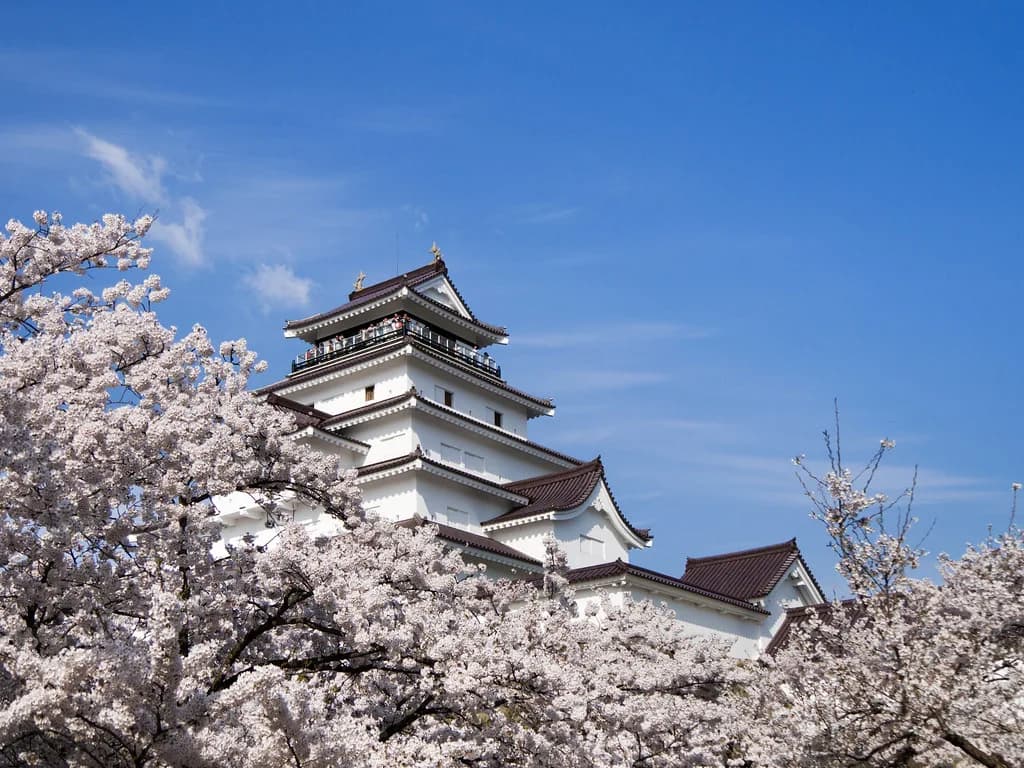
Cherry blossom season typically runs from late April to early May in Aizuwakamatsu, arriving about two weeks later than Tokyo due to the higher elevation. the Tsuruga Castle park is the prime viewing spot. The castle's distinctive red-tiled roof — the only one of its kind among Japan's remaining castles — frames the blossom canopy in a way you won't see anywhere else. The park has around 1,000 cherry trees and holds a lantern festival during peak bloom, so evening visits are worthwhile.
Temperatures in April range from roughly 7°C overnight to 17°C in the afternoon, making it comfortable for walking between the castle, Iimoriyama Hill, and the samurai district. Rain is possible, particularly in late April. May warms quickly and Golden Week (late April to early May) brings the biggest domestic crowds of the year — book accommodation at least two months ahead if your dates fall within that window.
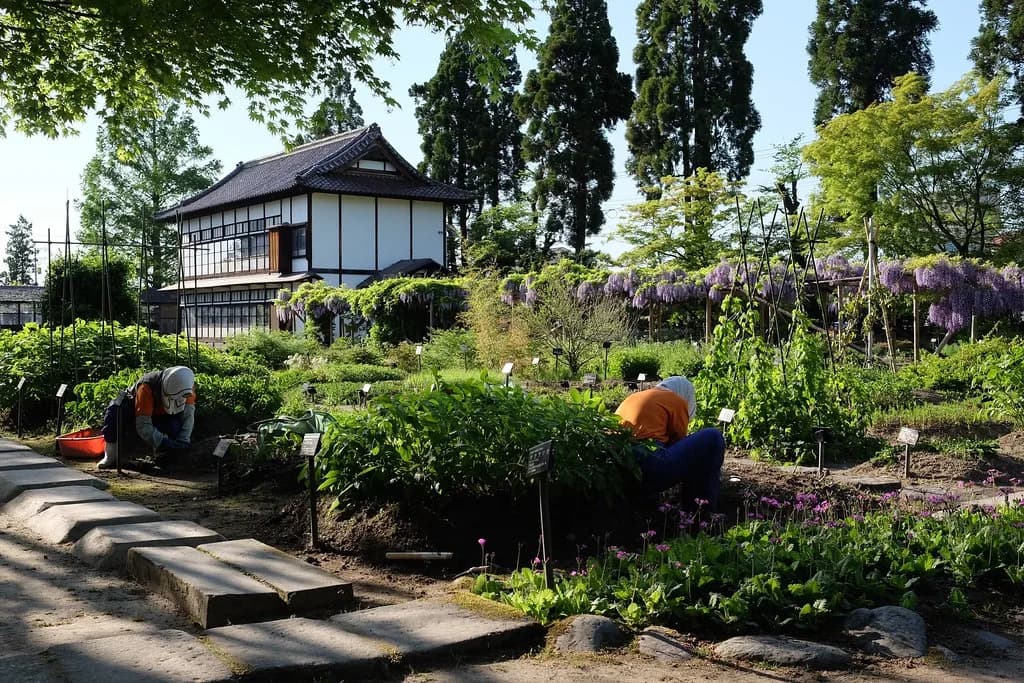
Outside of Golden Week, spring is the least crowded of the two peak seasons. Early May after the holiday rush is a particularly good window: the blossom has usually peaked but Tsuruga Castle park remains green and lively, the Aizu Bukeyashiki samurai residence reopens its garden, and the Oyakuen medicinal herb garden starts to show its spring plantings. Entrance to Tsuruga Castle costs ¥520 (includes the Rinkaku Tea House); a matcha set in the teahouse adds another ¥600 and is worth it.
Summer in Aizuwakamatsu (June–August): Green Landscapes and Outdoor Activities
Summer temperatures in Aizuwakamatsu reach 28–30°C in July and August, with humidity lower than coastal Japan thanks to the mountain basin location. June brings the tail end of the rainy season — expect several days of sustained rain, though the city's hydrangeas and green castle moat are beautiful in the grey light. The Urabandai plateau, about 40 minutes north by car, is a worthwhile summer excursion: volcanic lakes in five distinct colours (Goshikinuma) surrounded by beech and pine forests offer hiking trails ranging from easy 30-minute loops to full-day ridge walks.
The Aizu Wakamatsu Summer Festival (typically mid-August) centres on Bon Odori dancing in the streets around the castle. The Obon week (mid-August) also brings a spike in Japanese domestic visitors — if you want a quiet summer visit, aim for late June or early July. This is one of the cheapest periods to visit: accommodation rates drop noticeably from the blossom and foliage peaks, and the main attractions operate normal hours without queues.
Summer is the practical season for day trips requiring a car. Ouchi-juku in summer looks very different from its famous snow-buried winter incarnation — the thatched-roof houses are visible in their full structure, the negi (leek) soba restaurants are open and easier to access, and the walking paths around the historic post town are dry. Mount Bandai's ski slopes become hiking terrain, with the summit offering views across the Aizu Basin on clear days.
Autumn in Aizuwakamatsu (September–November): Fall Foliage, Festivals, and the Byakkotai
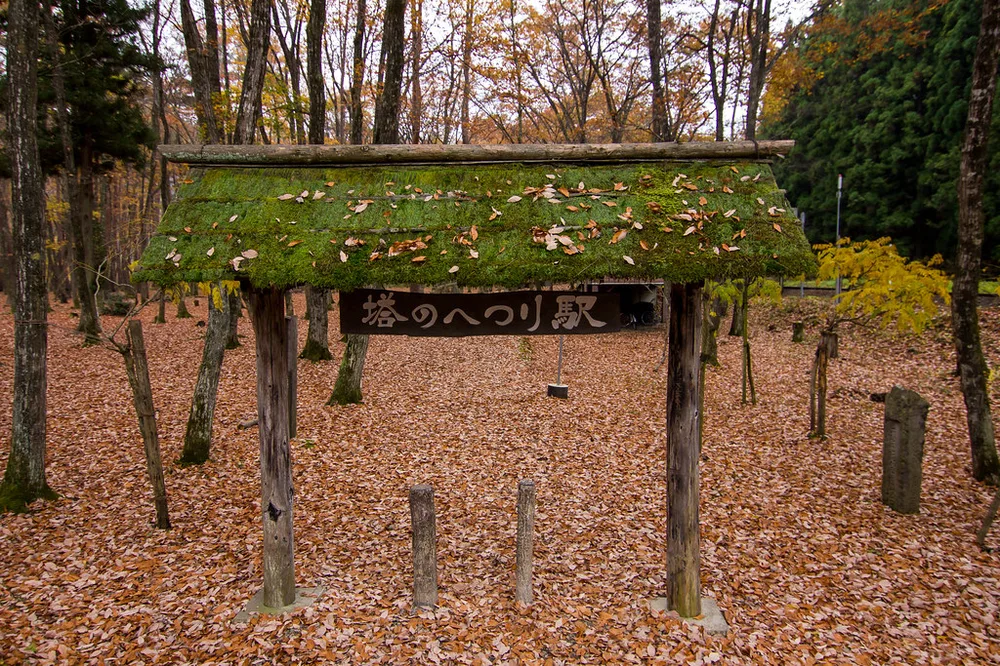
Autumn is the most rewarding season for most visitors. Temperatures from mid-September through October sit between 10°C and 20°C — ideal for walking the city on foot. The fall foliage at Tsuruga Castle park typically peaks between mid-October and early November, when the maples surrounding the castle walls turn deep red and orange against the red-tiled roof. This combination makes for one of the most photographed autumn scenes in the Tohoku region.
The Aizu Matsuri runs across three days on the third weekend of September each year. The centerpiece is the Byakkotai procession — a re-enactment of the 1868 samurai youth brigade that has become a civic act of collective memory rather than simple pageantry. Street food stalls line the routes and the atmosphere in the evening is relaxed and genuinely local. If you time your visit for this festival, book accommodation in July or August: the city fills up quickly and ryokans within walking distance of the castle sell out first.
The Aizu Matsuri typically falls on the third weekend of September, while the autumn foliage at Tsuruga Castle reaches its peak brightness in mid-October through early November. These windows are separate — plan accordingly if you want to catch both the samurai parade and the full autumn colour display.
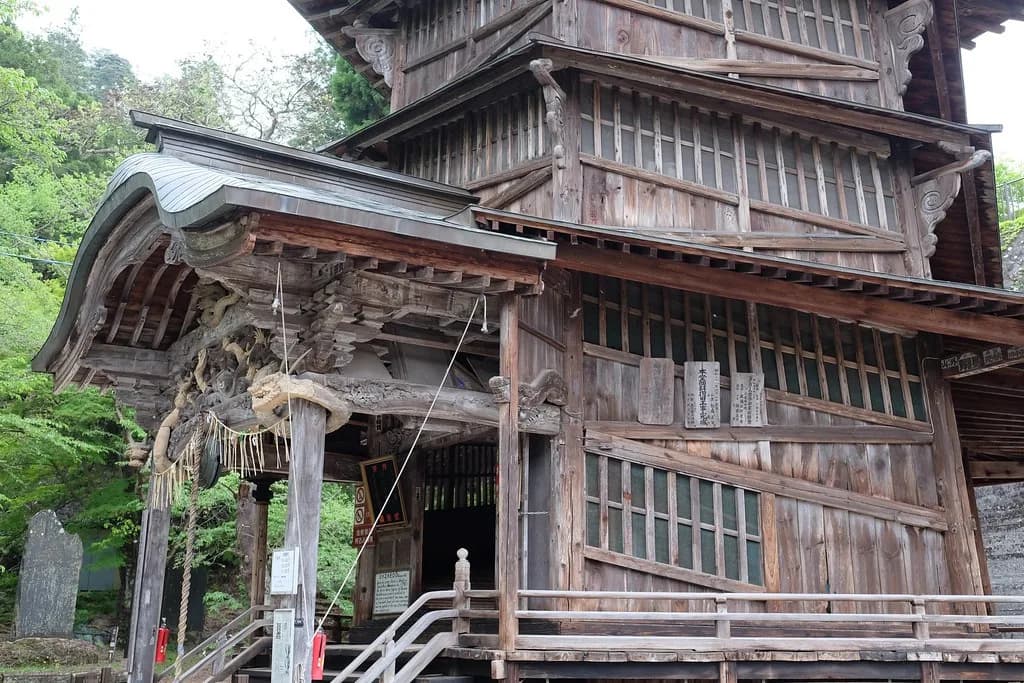
The Byakkotai memorial ceremony on 24 September at Iimoriyama is a separate, quieter occasion — a formal gathering at the tombs of the 19 young soldiers who died in 1868. It draws Japanese visitors who know the history, not tourist crowds, and is one of the more moving experiences Aizuwakamatsu offers. Adjacent to the tombs is the Sazaedo Temple, built in 1796 with an interior double-helix staircase that allows visitors going up and coming down to never cross paths — structurally unique and worth the ¥400 entry. Explore our guide to the Byakkotai on Iimoriyama Hill for the full historical context.
Late October through early November is when sake brewing begins in earnest at Aizuwakamatsu's breweries. Suehiro Sake Brewery (12-38 Nisshinmachi) offers free 30-minute tours daily from 10:00 to 16:00, with sake tasting in the shop. Aizu Miyaizumi Sake Brewery (8-7 Higashisakaemachi, open 09:00–16:30) sits a short walk from Tsuruga Castle and is one of the oldest in the region, with 400 years of continuous brewing. Autumn visits catch the breweries mid-production run, which means fresher stock and sometimes the chance to taste unpasteurised seasonal releases not available in summer.
Winter in Aizuwakamatsu (December–February): Snow, Sake, and Ouchi-juku
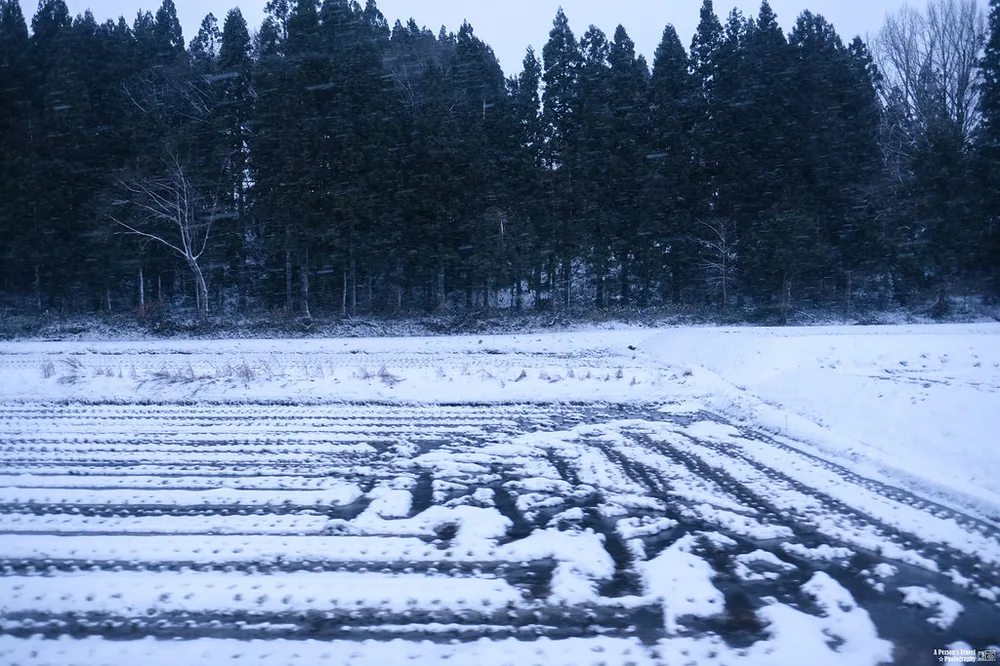
Winter in Aizuwakamatsu is cold and snowy, with temperatures often dropping below −5°C overnight in January and February and snowfall that can accumulate to over a metre in a single week. This is also when the city is at its most visually dramatic. Tsuruga Castle in snow is a genuinely different sight from the castle in blossom — stark, quiet, and far less visited. The moat reflects the white rooftop against a grey sky in a way that feels more like a woodblock print than a travel photo.
Ouchi-juku, the preserved Edo-period post town about 35 minutes south by train from Aizu-Wakamatsu Station (then 20 minutes by taxi or bus from Yunokami Onsen Station), is most famous in winter. The thatched-roof houses along its main street are buried to the eaves in snow, creating the image that appears on most tourist literature about the region. The Ouchi-juku Snow Festival is held on the second weekend of February and includes snow lanterns and bonfire events along the street. This is Ouchi-juku at its peak — plan your visit for Saturday afternoon and stay overnight in one of the minshuku (inns) on the main street if you want to see the lanterns lit after dark. Learn more in our Ouchi-juku day trip guide.
The sake brewery circuit is at its most active from December through February. For serious sake visitors, this is the only season. Sake Bar Kanmasu (1 Chome-2-54 Omachi) pours flights from 24 Aizu-region breweries through a dispenser system called "Nomasse" — ¥1,000 for six cups, allowing proper comparison across breweries you won't have time to visit individually. Aizu Shurakukan Watanabe Shouta Shoten stocks an extensive range of local bottles and is the right stop for taking bottles home. The Higashiyama Onsen district, ten minutes by taxi from the station, provides 17 ryokan and hotel options with private and public hot spring baths — a logical base for a winter trip and a welcome end to a cold day walking the city.
Winter crowds are low outside the Ouchi-juku Snow Festival weekend and New Year's. Accommodation rates are the lowest of the year in January and February outside those specific dates. Waterproof boots and thermal layers are not optional — the pavements get icy and the wind off the mountains is sustained.
Ouchi-juku's famous snow-buried appearance — the image that defines winter in the Aizu region — is most reliable from late January through mid-February, with the peak Snow Festival on the second weekend of February. Earlier winters may lack sufficient depth; later winters risk thaw. Check weather forecasts from early February before committing to a visit.
Year-Round Cultural and Culinary Experiences
The Aizu Bukeyashiki samurai residence is one of the most complete restored samurai estates in Japan and is open year-round. The compound includes the main residence, a medical room, a rice store, a well, and the family shrine — enough to spend 90 minutes in without rushing. Adjacent to the samurai district, the Oyakuen garden (originally a 14th-century medicinal herb garden) is quiet even in peak season and charges no admission fee. Both sites are on the Aizu Loop Bus circuit.
Aizuwakamatsu's food scene rewards slow exploration. For ramen, Kitakata Ramen Specialty Shop Kirin (1-84 Higashisakaemachi, open weekdays 11:00–15:00, weekends 11:00–17:00) serves Kitakata-style ramen made with a golden shoyu broth using chicken bones, pork bones, kombu, and three types of dried fish, finished with a soy sauce blended by a long-established Kitakata brewery. The signature Golden Shoyu Ramen costs ¥1,200. For a local experience no visitor should skip, Mitsutaya (1 Chome-1-25 Omachi, open 10:30–16:30, closed Wednesdays) has been serving Miso Dengaku since the end of the Edo period. The set costs ¥1,850 and includes six preparations — mochi, fried tofu, konjac, taro, shingorou rice cake, and smoked herring — each skewered and grilled over charcoal with a different in-house miso. The egoma (perilla seed) miso on the shingorou is particularly distinctive.
Noguchi Hideyo Seishun Street is a short retro shopping street lined with preserved Taisho-era (1912–1926) buildings that now house cafes and craft souvenir shops. It's named after the world-famous bacteriologist Hideyo Noguchi, who grew up in the Aizu region. The street is relaxed and uncommercialised compared to similar preservation districts elsewhere — a good stop for Aizu lacquerware (Aizu-nuri), painted candles, and locally produced ceramics. The lacquerware here uses a distinctive hand-painted style with intricate floral and geometric patterns; quality pieces are genuinely expensive, but smaller items (chopsticks, small trays) are reasonably priced as gifts.
Getting to Aizuwakamatsu and Getting Around the City
From Tokyo, the standard route is the Tohoku Shinkansen to Koriyama (approximately 70 minutes from Tokyo Station), then the JR Ban'etsu West Line to Aizuwakamatsu (approximately 75 minutes). Total journey time is under three hours. There is no shinkansen to Aizuwakamatsu directly — the transfer at Koriyama is unavoidable. JR Pass holders can use both legs without extra payment. From Sendai, the same train via Koriyama takes around two hours in total.
Inside the city, the Aizu Loop Bus (Aizu Akabe/Haikara-san Town Bus) is the most practical option. Two lines serve all major sights: the Haikara-san (blue line) runs counter-clockwise; the Akabe (red line) runs clockwise. Both depart from Bus Stop #4 in front of JR Aizu-Wakamatsu Station. A one-day pass costs ¥600 and covers unlimited rides on both lines. Individual fares are ¥210 per ride, so the pass pays for itself after three trips. Purchase the pass at the station information centre before boarding. One important planning note: most attractions in the city close between 16:30 and 17:00, and the buses run less frequently in the late afternoon. Build your day with the earliest stop furthest from the station (typically Iimoriyama) and work back toward the castle and sake district as the day progresses — this avoids the rush of visitors all heading to the last bus at the same time.
For Ouchi-juku, the Aizu Railway Aizu Line departs from Aizu-Wakamatsu Station and reaches Yunokami Onsen Station in about 35 minutes. Taxis from Yunokami Onsen to Ouchi-juku run around ¥1,500 one way and take 20 minutes. Buses also cover this route but run infrequently. A rental car from the station makes the Ouchi-juku trip significantly easier and opens up Urabandai (Goshikinuma lakes) as a second stop on the same day. Winter driving requires snow tyres — confirm when booking your rental whether they are included (they usually are in this region from November through March).
Is Fukushima Safe to Visit? Addressing Common Concerns
Aizuwakamatsu is located approximately 100 kilometres west of the Fukushima Daiichi nuclear power plant, on the opposite side of the mountains from the affected Pacific coast zone. The city was not in the evacuation zone during the 2011 disaster and has consistently registered background radiation levels comparable to Tokyo and other major Japanese cities. The World Health Organisation, the Japanese government's own monitoring data, and international travel authorities all classify Aizuwakamatsu as safe for visitors without restriction.
The concern that Fukushima Prefecture equals radiation risk is one of the most persistent misconceptions in Japan travel, and it has genuinely suppressed visitor numbers to a region that deserves more attention. Local food — including the sake, rice, and vegetables grown in the Aizu Basin — is subject to rigorous testing and meets Japan's strict safety standards, which are among the tightest in the world. Eating locally in Aizuwakamatsu carries no health risk.
Where to Stay and Eat in Aizuwakamatsu
The Aizuwakamatsu Washington Hotel (a short walk from JR Aizu-Wakamatsu Station) is the most convenient business hotel option. Rooms are spacious by Japanese standards, the location puts you within easy reach of the Loop Bus, and the buffet breakfast includes local specialities — local vegetables with wafu dressing, rice from the Aizu Basin, regional dairy products, and a rotating selection of Aizu dishes. If you stay here in winter, request a room with a castle view for a genuinely memorable breakfast backdrop.
For a more immersive option, the Higashiyama Onsen district (10 minutes by taxi from the station) has 17 ryokan and hotels offering hot spring baths. The district sits along a river gorge and has the feel of a classic Japanese onsen town — geisha culture, kaiseki meals, private and communal baths. Rates vary considerably by season: winter weekdays outside the Snow Festival weekend are the cheapest; autumn foliage weekends and cherry blossom season are the most expensive. Booking three to four months ahead for peak autumn is sensible.
Beyond ramen and Miso Dengaku, Aizuwakamatsu's culinary scene extends to Nanukamachi, a street of preserved Taisho-era buildings that houses several cafes and traditional restaurants. Tempura manju — a deep-fried sweet bun filled with azuki bean paste — is a local street food available from vendors near the castle park and along Nanukamachi. The sake bars along Omachi, particularly Sake Bar Kanmasu, serve food made with Aizu produce alongside their pours, making them a practical dinner option if you're combining the brewery circuit with an evening out.
Related Posts
To continue planning your trip, explore our other detailed guides on Aizuwakamatsu and Japan. Discover more about specific attractions, local cuisine, and travel logistics. These resources provide further insights to enhance your Japanese adventure. Find everything you need for a seamless and memorable visit.
Learn about the tragic history of the Byakkotai on Iimoriyama Hill before you visit. Plan a day trip to Ouchi-juku for a glimpse into Edo-period Japan. Dive deeper into the world of Aizu sake guide and their unique offerings. Explore the full range of Things to Do in Aizuwakamatsu for your itinerary planning.
Frequently Asked Questions
Which best time to visit Aizuwakamatsu options fit first-time visitors?
First-time visitors should consider late April to early May for cherry blossoms. Alternatively, mid-October to early November offers spectacular fall foliage. These periods provide comfortable weather and iconic Japanese scenery.
How much time should you plan for a visit to Aizuwakamatsu?
Plan at least two to three full days to explore Aizuwakamatsu thoroughly. This allows time for Tsuruga Castle, samurai residences, and local culinary experiences. Add an extra day for a side trip to Ouchi-juku.
What should travelers avoid when planning their Aizuwakamatsu trip?
Avoid Golden Week (late April/early May) if you dislike crowds and higher prices. Also, avoid the peak of summer (August) if you are sensitive to heat and humidity. Heavy winter snow can also impact travel plans.
Is a seasonal visit to Aizuwakamatsu worth including on a short itinerary?
Yes, a seasonal visit to Aizuwakamatsu is definitely worth it, even on a short itinerary. The city offers concentrated historical and cultural experiences. Its distinct seasonal beauty makes any visit memorable and unique.
Aizuwakamatsu truly shines throughout the year, with each season offering a unique appeal. The best time to visit ultimately depends on your personal interests and travel style. Whether you chase cherry blossoms, vibrant autumn leaves, or serene winter snows, Aizuwakamatsu delivers. Plan your trip carefully to match your expectations with the city's seasonal rhythms.
From the bustling spring festivals to the quiet, sake-filled winter, your adventure awaits. Remember to factor in weather, crowd levels, and specific events when making your choice. This historic samurai city promises an unforgettable experience whenever you decide to explore it. Embrace the seasonal beauty of Aizuwakamatsu for a truly enriching Japanese journey.
For trip-planning details, see Aizuwakamatsu on Wikipedia and the official Fukushima travel guide.
Free guide: Japan's Hidden Gems
12 under-the-radar places beyond Tokyo & Kyoto — with the best season to visit each and a local tip you won't find in the guidebooks.
You might also like

Continue reading
More guides you'll find useful