4 Best Aizu Sake Breweries: Guide to Tours & Tastings (2026)
Discover the top sake breweries in Aizu, Fukushima. Plan your visit with our guide to tours, tastings, unique brewing philosophies, and local insights.
On this page
Aizuwakamatsu sits inside a natural brewing laboratory. Cold mountain air, deep seasonal snowfall, and some of the softest groundwater in Japan's Tohoku region combine to create conditions that sake brewers elsewhere spend fortunes trying to replicate. This guide covers the best Aizu sake breweries to visit in 2026 — what they produce, what a visit actually looks like, and how to plan your day between them.
Fukushima Prefecture has won more gold medals at Japan's National New Sake Competition than any other prefecture for over a decade in a row. Aizu is the engine behind that record. The breweries here range from industrial operations producing 1,800 kiloliters per year to family-run kura farming their own organic rice on four hectares of paddy. Both ends of that spectrum are worth visiting, and for different reasons.
Why Aizu Sake Wins National Awards
Fukushima Prefecture has claimed the top spot at Japan's National New Sake Competition for eleven consecutive years through 2026 — more golds than any other region in the country. Aizu's breweries account for a disproportionate share of those medals. The explanation starts with water. The Aizu basin is ringed by the Echigo, Asahi, and Iide mountain ranges, and the snowmelt that filters through these volcanic soils arrives in the lowland wells as exceptionally soft, low-mineral water. Soft water produces a delicate, clean fermentation that suits the fragrant ginjo and daiginjo styles that competition panels reward.
Rice is the second lever. Fukushima developed its own brewing rice variety, Yumenokaori, specifically engineered for the Tohoku climate. The large, starchy cores of Yumenokaori grains polish cleanly and dissolve evenly in the moromi mash, giving brewers fine control over fermentation speed and the resulting flavor. Older varieties like Gohyakumangoku are also widely grown here and prized for their early-ripening resilience in the short Aizu growing season.
The third factor is winter length. Sake fermentation benefits from cold, stable temperatures. Aizu winters routinely hold below freezing from December through February, allowing a slow, controlled ferment that builds aromatic complexity without risk of the moromi heating and turning acidic. Brewers describe it as having nature do a significant part of the technical work for them.
Aizu Homare Sake Brewery: Champion Sake and Industrial-Scale Craft
Aizu Homare is the largest sake producer in the Aizu region and operates from Kitakata City, about 20 minutes by train northwest of Aizuwakamatsu. The scale is striking: 69 employees, annual output of 1,800 kiloliters of sake alongside 400 kiloliters of shochu, and a four-story gravity-flow brewery designed so rice enters at the top and finished product descends to ground-floor storage tanks. The building houses the largest koji-making machine in all of Japan — an enormous automated room that manages temperature and humidity for what would otherwise be the most labor-intensive step in brewing.
None of this industrialization has dulled the quality. Aizu Homare holds 14 Gold Medals at the Japan National Sake Competition, 7 Fukushima Governor Awards, and won the IWC Grand Champion prize in 2015 — the top award in the International Wine Challenge's sake category, given to the single best sake entered globally that year. Their Daiginjo also won a Trophy and Gold Medal at IWC 2015. President Hiroyuki Karahashi is direct about his philosophy: sake is made to be enjoyed, not just to win medals. He makes both a finely polished Junmai Daiginjo Black Label for competition and a wildly popular Strawberry Nigori that local retailers struggle to keep in stock.
Visitors can take guided brewery tours and explore a substantial Japanese garden on site. The tasting room is open daily 09:00–17:00 (closed New Year's Day), with tasting flights priced ¥500–¥1,500. From Kitakata Station, a taxi takes about 5 minutes. Allow 90 minutes to cover the tour and gardens properly. This is the easiest Aizu brewery to visit without a car and the best starting point for first-timers. View Aizu Homare sake products.
Takahashi Shosaku Brewery: One Field, One Brew
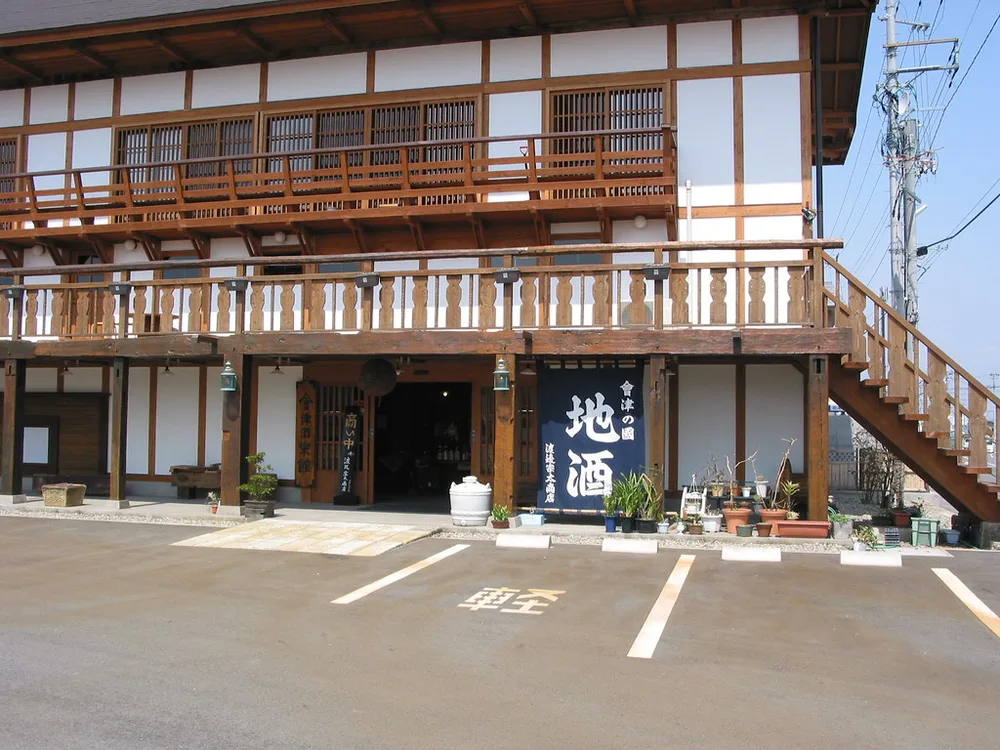
If Aizu Homare represents what scale can achieve, Takahashi Shosaku Brewery represents the opposite extreme — and it is equally compelling. Located in the Tondenmachi district on the rural south-central fringe of Aizuwakamatsu City, the brewery is surrounded by rice paddies that the brewery itself farms. Owner-brewer Wataru Takahashi completed a brewing degree at Tokyo University of Agriculture, trained in the trade at one of Tokyo's leading sake retailers, then apprenticed at a respected Ibaraki kura before returning to the family business in 1995.
The brewery produces its signature label Aizu Musume (meaning "Daughter of Aizu") under a strict dosan doho philosophy: local rice, local water, local people, local methods. No Yamada Nishiki from Hyogo. No hired toji from outside the region. Takahashi's father had already discontinued mass-market futsushu in 1987 — a counter-current decision that cost them two-thirds of their output volume but left the brewery free to concentrate entirely on tokutei meisho-shu (premium designation sake) by the time Wataru took over. Their own fields span four hectares, cultivated under JAS-certified organic and "special cultivation" standards. Organic yields run 6–8 bales per tan, roughly 30–40% below conventional output, and Takahashi is clear that organic farming does not automatically produce specific aromas — it produces a more vigorous, stable moromi that can be guided more reliably through fermentation.
Since 2019, the brewery has taken terroir a step further with Ichi Den Ichi Jo ("one field, one brew") — a single sake produced using rice harvested from a single, named rice field. No two fields share identical soil conditions, so no two Ichi Den Ichi Jo releases taste alike. This is the kind of agricultural precision more common in Burgundy than in a sake region, and it makes Takahashi Shosaku one of the most intellectually interesting breweries in Tohoku. Visits are by appointment; email the brewery in advance. Tastings run ¥1,000–¥2,000 and are typically available 10:00–15:00. A taxi from central Aizuwakamatsu takes about 15 minutes.
Yamaguchi Sake Brewery: Kaishuichi and a Story of Resilience
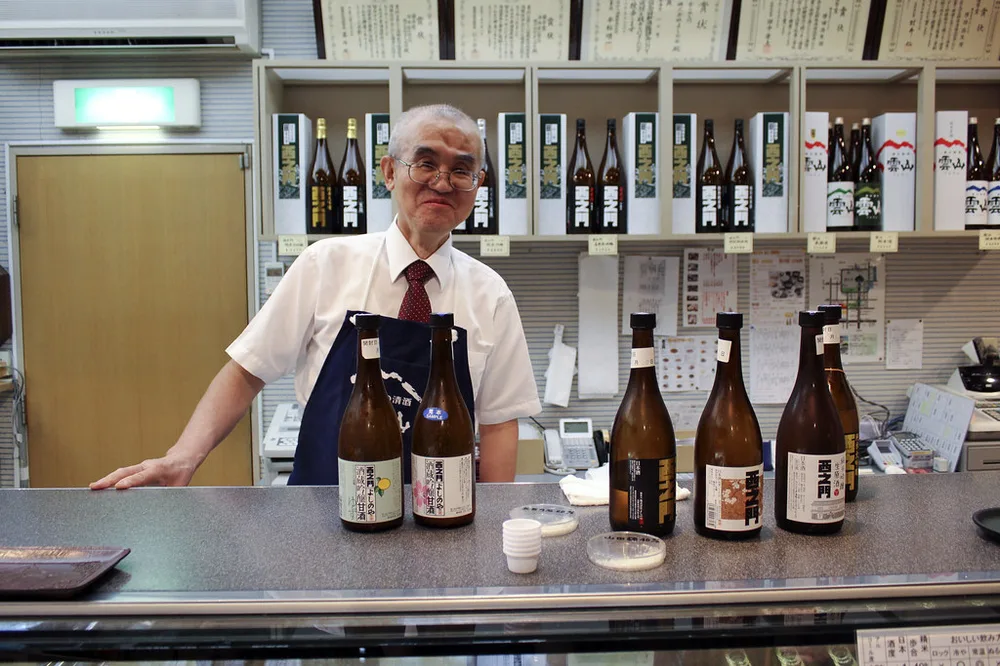
Yamaguchi Sake Brewery sits within walking distance of central Aizuwakamatsu, which makes it an easy addition to a day that already includes the Tsuruga Castle or the Bukeyashiki samurai residence. The brewery produces the Kaishuichi label — a name with deliberate historical weight, evoking the samurai reformer Katsu Kaishu, whose spirit of pragmatic resilience the brewers see reflected in their own story. The brewery has rebuilt and continued production through significant setbacks over the decades, and that persistence is part of its identity.
The visitor experience is informal and welcoming. A small retail shop is open weekdays from 09:30–16:30 (closed Sundays and public holidays), where complimentary samples are often available alongside paid tasting flights priced ¥500–¥1,200. Tours of the brewing floor can sometimes be arranged on request. This is a good option for a shorter stop — plan 45 minutes — and the central location means you can combine it easily with other things to do in Aizuwakamatsu. Learn more about Yamaguchi Sake Brewery.
Suehiro Shuzo and AIZU BREWERY: Two More Worth Your Time
Suehiro Shuzo was founded in 1850 and is one of the most historically significant breweries in the city. It sits in central Aizuwakamatsu and operates a well-organized public brewery museum alongside its working production facility. The museum — called the Suehiro Sake Museum (Kinenkan) — is open daily 09:00–17:30 and charges a modest entry fee of around ¥350. Inside, visitors walk through the original koji room, storage cellars, and bottling areas while audio guides explain each stage of brewing in English and Japanese. The flagship Ryu no Tsukasa label ("Lord of the Dragon") uses Gohyakumangoku rice and local well water; the Junmai Ginjo version consistently appears in curated selections at Tokyo sake specialty shops. Suehiro is the easiest brewery to visit in the city for independent travelers who want an educational experience without a reservation.
AIZU BREWERY, also based in Aizuwakamatsu, takes a deliberately intimate approach. The brewery is smaller than Suehiro and built its reputation around the Yamanoi brand, emphasizing handcrafted methods and historical tools that larger operations have long since retired. Tours typically run weekdays 10:00–16:00 and require advance booking — a phone call or email to the brewery a few days ahead is sufficient. Tasting fees are ¥300–¥1,000. The Yamanoi Junmai Daiginjo has placed in regional competitions and is a particular draw for visitors who prefer the small-kura atmosphere over a polished visitor center. Plan one hour.
| Brewery | Signature Label | Visit Note |
|---|---|---|
| Aizu Homare | Strawberry Nigori / Daiginjo Black Label | Largest in Aizu region; IWC Grand Champion 2015; walk-in friendly 09:00–17:00; ¥500–¥1,500 tastings; 5 min by taxi from Kitakata Station |
| Takahashi Shosaku | Aizu Musume / Ichi Den Ichi Jo | Organic farm (4 hectares), dosan doho philosophy; appointment-only (book 1+ week ahead); ¥1,000–¥2,000 tastings; rural fringe location, 15 min taxi |
| Yamaguchi | Kaishuichi | Walking distance from Aizuwakamatsu center; weekdays 09:30–16:30; ¥500–¥1,200 tastings; complimentary samples often available |
| Suehiro Shuzo | Ryu no Tsukasa (Junmai Ginjo) | Founded 1850; museum (Kinenkan) ¥350 entry, 09:00–17:30 daily; walk-in friendly; koji room + bottling area visible with audio guide |
| AIZU BREWERY | Yamanoi (Junmai Daiginjo) | Small-kura, handcrafted methods; advance booking required (phone/email); weekdays 10:00–16:00; ¥300–¥1,000 tastings |
Planning Your Aizu Sake Brewery Day
Most Aizu breweries cluster in two zones: central Aizuwakamatsu City (Yamaguchi, Suehiro, AIZU BREWERY) and Kitakata City (Aizu Homare), with Takahashi Shosaku on the rural fringe of Aizuwakamatsu. A practical half-day covers two or three central Aizuwakamatsu breweries on foot and by local bus. A full day adds Aizu Homare in Kitakata, easily reached by the JR Ban'etsu West Line from Aizuwakamatsu Station in about 20 minutes (¥330 one way).
The brewing season runs October through March, which is when production floors are most active and tours most interesting. Autumn visits (October–November) combine the open fermentation season with Aizu's maple foliage. That said, most tasting rooms operate year-round, so a summer or spring visit still gives you a full range of finished sakes to try — just without the visual drama of active moromi tanks. Book Takahashi Shosaku at least a week in advance; the brewery does not accept walk-ins. Aizu Homare and Suehiro are walk-in friendly. AIZU BREWERY and Yamaguchi are best called ahead but occasionally accommodate same-day visitors.
If you are driving between breweries, designate one non-drinking person — tasting flights add up quickly, and the roads between Aizuwakamatsu and Kitakata are rural with limited public transport after 18:00. Taxi apps (GO and S.RIDE both cover Aizuwakamatsu) are practical for single brewery hops. For a broader look at the region, our Ouchi-juku day trip guide pairs well with an afternoon brewery stop.
Book Takahashi Shosaku Brewery at least one week in advance — it does not accept walk-in visitors. Most other Aizu breweries (Aizu Homare, Suehiro, Yamaguchi) are walk-in friendly, but calling ahead increases the chance of catching a scheduled tour guide who can explain the brewing process in English. AIZU BREWERY also benefits from advance booking despite smaller size.
Aizu Sake Styles: What to Order and What to Bring Home
Aizu sake leans toward clean, moderately dry, and aromatic. The regional water profile — soft and low in iron — keeps the fermentation restrained, producing sakes that taste precise rather than bold. Ginjo and daiginjo styles dominate the competition circuit and the tasting rooms. Expect stone fruit aromas (nashi pear, green apple, white peach) with a brisk finish. If you prefer richer, more umami-forward sake, ask specifically for junmai varieties — several Aizu breweries produce junmai lines that have more texture and work better with food.
For pairing with local cuisine, a junmai or junmai ginjo cuts through the richness of Aizu horse sashimi (basashi) and complements the dashi-soaked Wappa Meshi steamed rice dish. Kitakata ramen — a lighter soy-based broth — works with a brighter ginjo. For dessert or casual drinking, Aizu Homare's Strawberry Nigori is a crowd-pleaser that needs no food pairing justification.
When buying to take home, note that premium daiginjo bottles from Aizu Homare and Suehiro typically run ¥2,000–¥5,000 per 720ml at brewery shops — cheaper than equivalent bottles in Tokyo specialty retailers, sometimes by 20–30%. Takahashi Shosaku's Ichi Den Ichi Jo releases are produced in very small quantities and sell out quickly; if your visit coincides with a new release, buy it on the spot. Most breweries will wrap bottles for air travel. International shipping is available from Aizu Homare's online shop but is restricted to certain countries due to alcohol export regulations — confirm before your trip if shipping home directly.
If you prefer approachable crowd-pleasers, Aizu Homare's Strawberry Nigori (nigori / cloudy sake) is widely stocked and works well for casual drinking without food pairing. For limited-production terroir-driven bottles, prioritize Takahashi Shosaku's single-field releases (Ichi Den Ichi Jo) — these are rare and sell out. Budget ¥2,000–¥5,000 for premium daiginjo from any brewery; brewery shop prices undercut Tokyo retailers by 20–30%, so buy on-site rather than shipping.
The Dosan Doho Philosophy — and Why It Matters Beyond Marketing
Dosan doho — local ingredients, local production — is the organizing principle behind Aizu's best sake. The phrase is used loosely by some breweries and rigorously by others. At Takahashi Shosaku, it means the brewery grows its own rice, uses water drawn from its own well, employs only local brewers, and refuses outside rice varieties that might produce a technically flawless but geographically rootless sake. The comparison Wataru Takahashi draws is useful: hiring a skilled toji from outside the region and sourcing Yamada Nishiki from Hyogo is something any brewery can do if it has money. Making sake that tastes like Aizu requires being embedded in Aizu.
The commercial context matters here. When Takahashi's father discontinued futsushu (mass-market table sake) in 1987, the brewery's annual output fell from 800 koku to 200–300. That was a genuine financial risk. The payoff came gradually: by the mid-1990s, the futsushu market had collapsed industry-wide, and breweries that had loaded their production toward it were scrambling. Takahashi Shosaku, already committed to premium tokutei meisho-shu, was positioned to grow. Dosan doho is not simply an ethos — it was a survival strategy that turned into a competitive identity.
Other Aizu breweries reference dosan doho with varying degrees of strictness. When visiting, it is worth asking specifically which rice varieties come from local farms, whether the brewery sources from contract farmers in Aizu or buys on the national wholesale market, and whether the toji was trained locally. The answers reveal how deeply the philosophy runs in any given kura and help you make a more informed purchase decision at the gift shop.
Aizu Sake Alongside the Region's History
Brewing and samurai culture overlapped in Aizu for centuries. Sake was produced for domain ceremonies, for provisioning castle garrisons, and for the post-town traffic that moved along the old Aizu-Nishi Kaido road. Several of the breweries still operating today trace their founding documents to the Edo period — Suehiro to 1850, Takahashi Shosaku to around 1868. Walking from a brewery to Tsuruga Castle, which is a 15-minute bus ride from the city center, makes the temporal connection concrete. You can read more about the castle at our Tsuruga Castle guide.
The samurai story at the Byakkotai story adds a darker layer to the same period. The Byakkotai youth corps met their end in 1868 — the same year Takahashi Shosaku Brewery was founded — making these two sites unexpectedly linked in historical time. Combining a brewery visit with a morning at the castle and a short hike up the Iimoriyama is a coherent one-day itinerary that covers Aizu's identity as both a brewing culture and a samurai domain without backtracking.
FAQs About Aizu Sake Breweries
Frequently Asked Questions
Which Aizu sake breweries offer tours for first-time visitors?
Aizu Homare Sake Brewery is highly recommended for first-time visitors, offering comprehensive tours and a beautiful setting. AIZU BREWERY also provides a good introduction, though some smaller breweries might require advance booking for tours.
How much time should you plan for an Aizu sake brewery visit?
Plan for 1 to 2 hours per brewery, including a tour, tasting, and time to browse the gift shop. If you visit multiple breweries, allocate a full day, especially considering travel time between locations.
What are the best sake types to try in Aizu?
Aizu is known for its crisp, clean, and often slightly dry sakes, with many excellent Junmai and Ginjo varieties. Look for brands like Aizu Musume, Yamanoi, and Kaishuichi, which showcase the region's unique terroir.
Is Aizu worth visiting just for sake breweries?
While Aizu's sake breweries are a significant draw, the region offers a rich cultural experience beyond sake. Aizuwakamatsu boasts samurai history, including Tsuruga Castle, and charming traditional towns, making it a worthwhile destination for a broader trip. Plan your Aizuwakamatsu itinerary here.
Can you buy sake directly from breweries in Aizu?
Yes, most Aizu sake breweries have on-site shops where you can purchase their products directly. This is an excellent way to buy fresh sake, including limited editions often unavailable elsewhere, and support local producers.
Aizu sake is not a niche pursuit. Fukushima Prefecture's record at the National New Sake Competition makes that plain — this is one of Japan's highest-performing brewing regions, and its breweries range from approachable, walk-in-friendly museums to appointment-only agricultural operations producing field-specific releases. Whether you allocate two hours or a full day, a brewery visit in Aizuwakamatsu adds a layer of depth to the region that castles and historical sites alone cannot provide.
Book Takahashi Shosaku well in advance. Walk into Suehiro for the museum. Take the train to Kitakata for Aizu Homare's gardens and its Grand Champion pour. Bring a bag that fits 720ml bottles. The rest follows naturally.
Free guide: Japan's Hidden Gems
12 under-the-radar places beyond Tokyo & Kyoto — with the best season to visit each and a local tip you won't find in the guidebooks.
You might also like


Continue reading
More guides you'll find useful