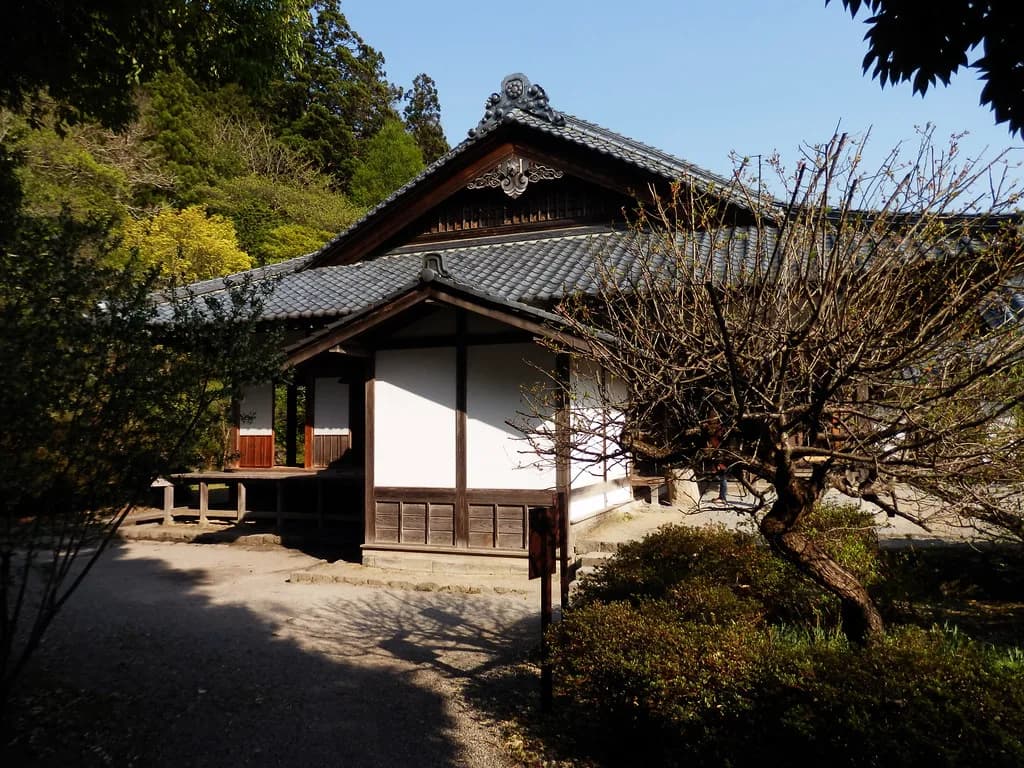
Aizu Basashi Horse Sashimi: A 2026 Guide to Aizuwakamatsu's Lean Horse Meat
A 2026 guide to Aizu basashi horse sashimi: karashi miso, lean cuts, prices, and where to eat it in Aizuwakamatsu, from restaurants to butcher shops.
On this page
Last updated August 2026, this guide covers Aizu basashi horse sashimi, the lean raw horse meat dish that Aizuwakamatsu treats as a household staple. Aizu-style horse sashimi skips the marbling found in other regions and leans on karashi miso, a garlic-chili mustard miso, for its heat. It also explains the dish's Boshin War roots, where to order it in Aizuwakamatsu, and what a plate costs in 2026.
What Is Aizu Basashi Horse Sashimi?
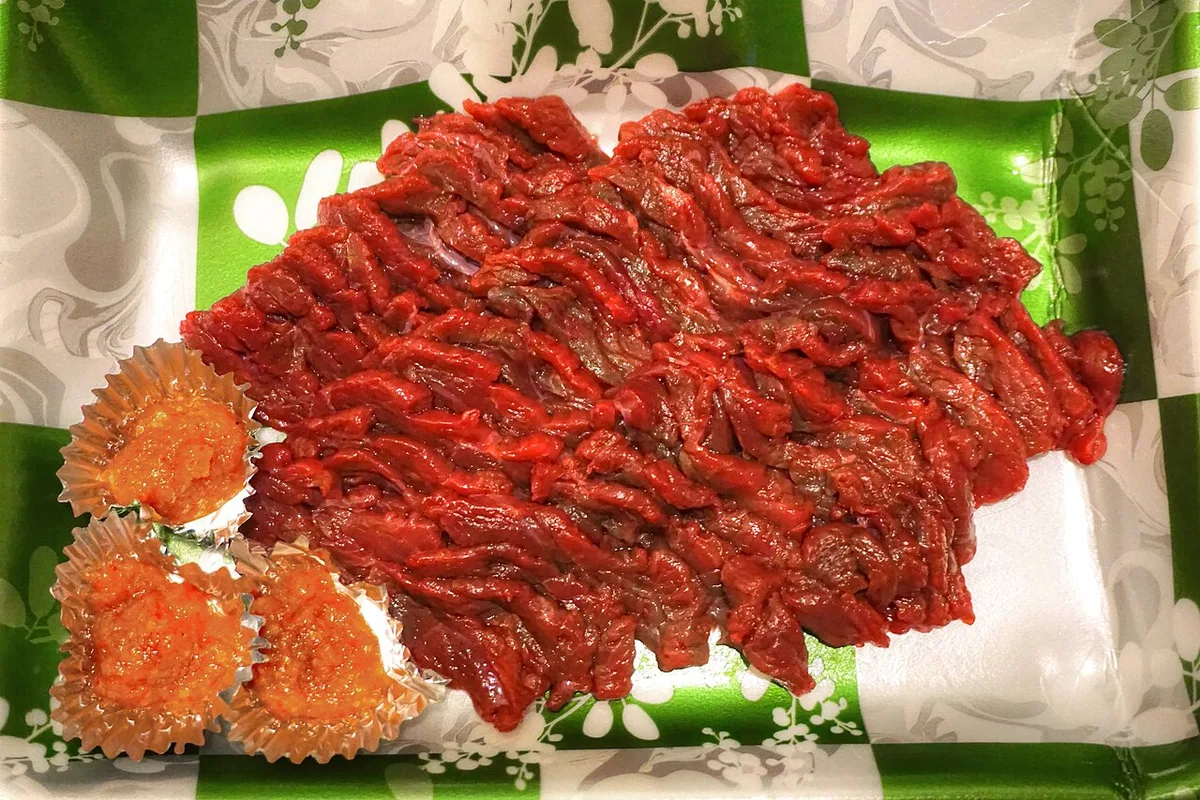
Aizu basashi horse sashimi is raw, thinly sliced horse meat served with karashi miso, a garlic-chili mustard miso, and soy sauce. In Aizuwakamatsu, the meat is lean by tradition and comes without the marbled fat found in some other regions. Aizuwakamatsu sits inland, so fresh ocean fish sashimi was historically hard to source there. Locally, the word sashimi has come to mean horse sashimi specifically, not fish, according to the Ministry of Agriculture, Forestry and Fisheries. The tradition is documented in Aizuwakamatsu City and neighboring Aizusakashita-cho, the two areas MAFF's own regional food records list as its main home ground. Most horse meat in Aizuwakamatsu is still eaten at home rather than in restaurants, a pattern that sets it apart from Japan's other basashi regions. That home-first pattern also explains why local butcher shops carry it as a regular counter item rather than a special-order product. This dish anchors Aizuwakamatsu's food identity alongside two other signature dishes, sauce katsudon and kozuyu soup, part of the wider Aizuwakamatsu food scene.
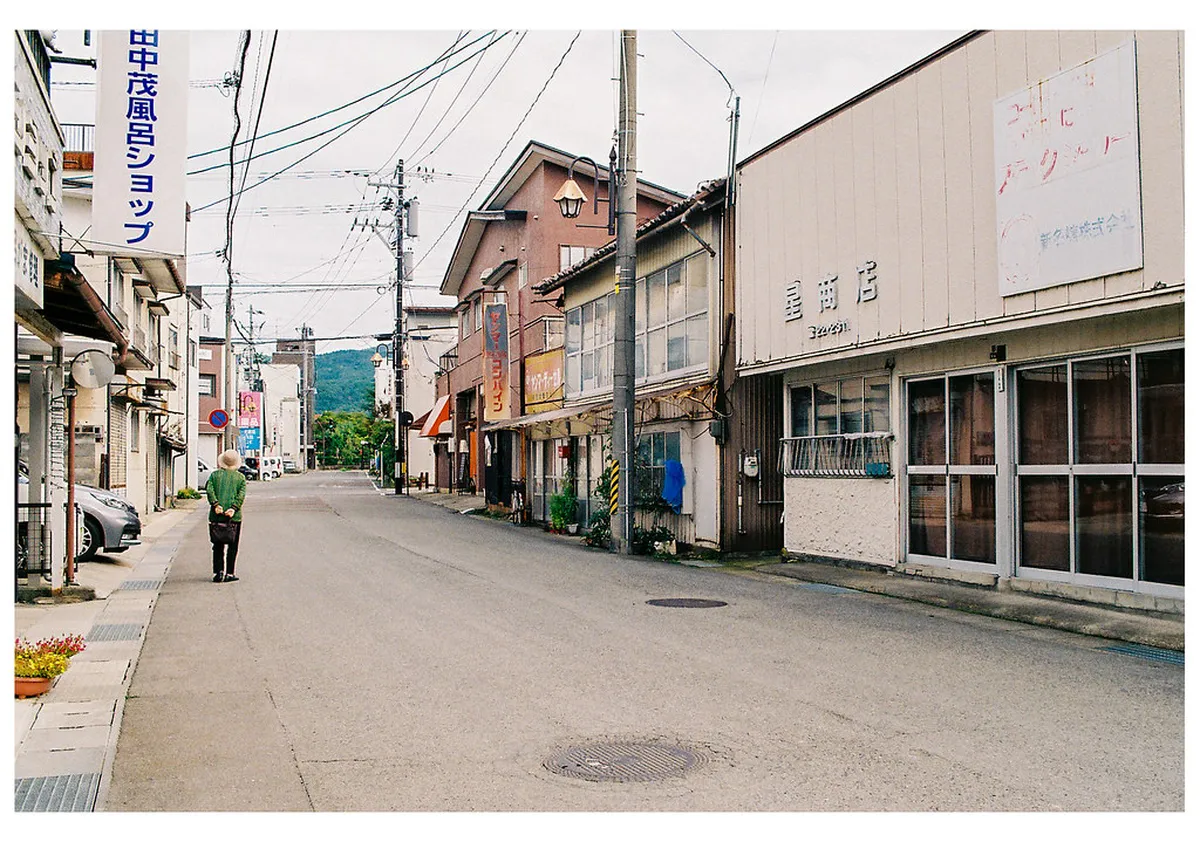
Aizu vs. Kumamoto vs. Shinshu: The Three Great Basashi Regions
Kumamoto, Shinshu in Nagano, and Aizu in Fukushima form Japan's Three Great Basashi Regions. As the country's largest horse meat producer, Kumamoto favors marbled cuts with sweet soy sauce, grated garlic, and ginger. Shinshu serves lean, light-flavored meat with garlic miso, often alongside soba noodles. Aizu keeps the meat lean too, but swaps in karashi miso, a spicier garlic-chili mustard miso. Choose Kumamoto for fat-forward richness. Choose Aizu instead for a lean, sharply spiced version. If you're choosing between the three on a single Japan trip, texture is the simplest tiebreaker: fattier means Kumamoto, leaner and spicier means Aizu, and lean-but-mild means Shinshu. A fourth style worth knowing about is Yamagata's Nagai-area horse meat chashu, a cooked, simmered preparation rather than a raw sashimi dish, often served over ramen.
| Region | Meat Style | Condiment | Flavor Profile |
|---|---|---|---|
| Aizu (Fukushima) | Lean red meat, no marbling | Karashi miso (garlic-chili mustard miso) in soy sauce | Sharp, spicy, savory |
| Kumamoto | Marbled and lean cuts | Sweet soy sauce with grated garlic and ginger | Rich, sweet, fatty |
| Shinshu (Nagano) | Lean red meat, light | Garlic miso, often with soba | Light, refreshing |
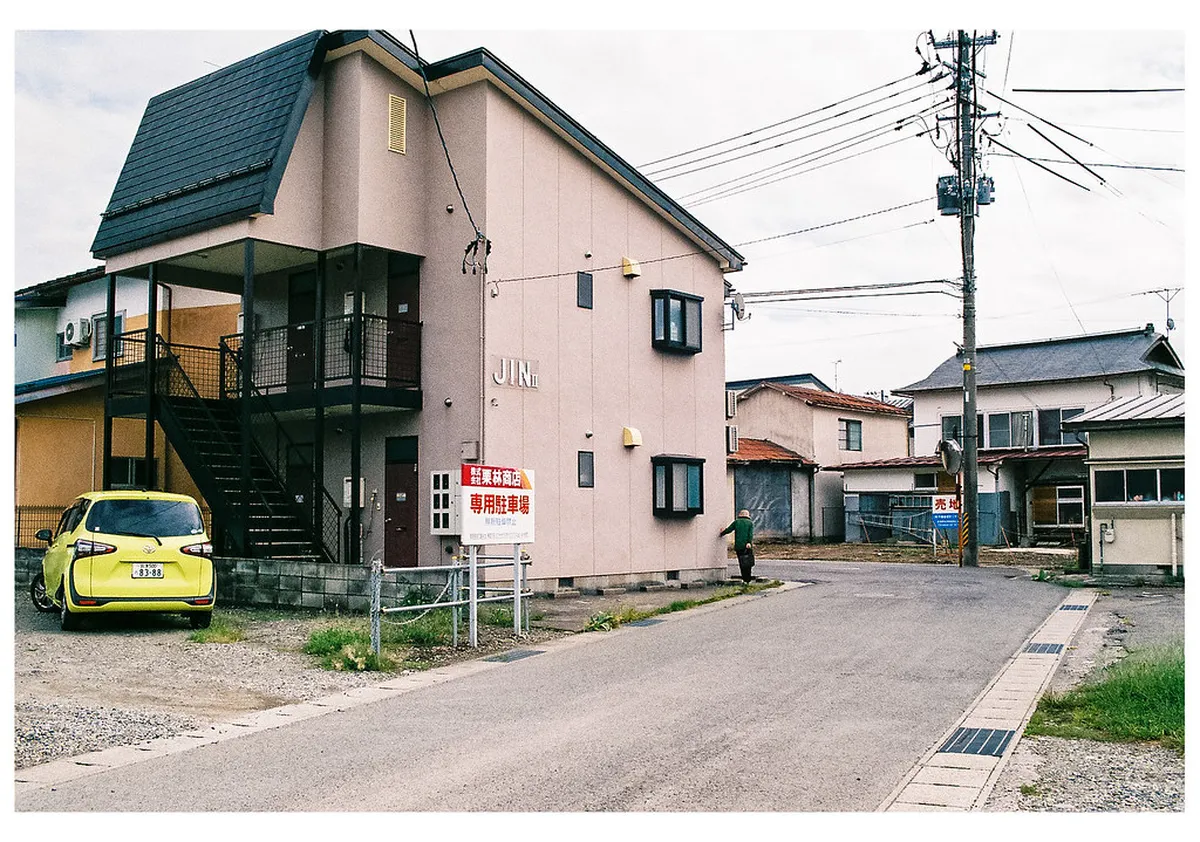
From the Boshin War to Rikidozan: The History Behind Aizu Basashi
Horses were already common in the area before the Boshin War, since Aizu functioned as a post station on the Echigo highway during the Edo period, and inns and shops kept packhorses to move travelers and goods. Horse meat consumption then spread through Fukushima around the Boshin War, fought in the Aizu region in 1868. Wounded soldiers reportedly received horse meat as a recovery food. It grew into an everyday household protein, similar to pork or chicken, according to the Ministry of Agriculture, Forestry and Fisheries. Cooking the meat thoroughly was standard practice at first. Eating it raw became popular later, after a touring professional wrestler ordered it raw and paired it with mustard miso he had brought along himself. Local accounts name that wrestler as Rikidozan, and the karashi miso pairing he popularized during a 1950s tour is now the region's signature style.
How to Eat Aizu Basashi Like a Local
Order Aizu basashi and you receive a plate of raw sliced horse meat with karashi miso and soy sauce on the side. Stir the karashi miso into the soy sauce until it fully dissolves, then draw each slice through the mixture before eating. Servers usually plate the meat simply, without heavy garnish, so the condiment does most of the flavor work. Restaurants and butcher shops both use the same basic serving style, so the ritual stays consistent whether the meat comes from a plate or a home kitchen. Sakuranabe, a cooked horse meat hot pot, is the fallback dish for travelers who want the flavor without eating the meat raw. Some local students and businesses are also experimenting with new dipping sauces beyond karashi miso, expanding how the dish gets served. For a cooked alternative built around a different local staple, compare it against Aizu sauce katsudon on the same trip.
- Akami (lean loin): the standard order at most restaurants and butcher counters.
- Harami (skirt): a chewier cut offered at some spots.
- Mane (mane fat): a rare cut, not always on the menu.
The Karashi Miso Recipe Behind Aizu Basashi
Karashi miso is what separates Aizu basashi from every other regional style. The base recipe, credited by the Ministry of Agriculture, Forestry and Fisheries to Tsuruga Ltd., balances sweet, salty, and spicy in roughly equal measure. Sake and mirin get simmered first to cook off the alcohol, then the miso and sweetener go in. Garlic and chili pepper are added last for heat, along with a pinch of powdered Aizu carrot for color and a touch of vegetal sweetness. Restaurants keep their own house ratios, so the miso at Sakuranabe Yoshita won't taste identical to the miso at Tsuruga Honten. Travelers who want to recreate the flavor at home can find rice miso, mirin, and gochujang at most Japanese grocery stores, though powdered Aizu carrot is a regional specialty ingredient that's harder to source outside Fukushima.
Rikidozan's 1950s tour popularized the karashi miso pairing, establishing what now distinguishes Aizu basashi sharply from Kumamoto's sweet, fatty cuts and Shinshu's mild garlic miso style.
- Rice miso: 3 tbsp
- Sake: 3 tbsp
- Mirin: 3 tbsp
- Starch syrup: 3 tbsp
- Soy sauce and salt: a little of each
- Chili pepper: 2 tbsp
- Gochujang: 2 tbsp
- Powdered Aizu (Otane) carrot: 1 tbsp
- Garlic: 2 cloves, minced
Where to Eat: Restaurants and Butcher Shops in Aizuwakamatsu
Two long-running spots anchor Aizuwakamatsu's horse meat scene: Sakuranabe Yoshita and Tsuruga Honten. Sakuranabe Yoshita serves specialty horse dishes alongside broader Aizu cuisine, about 15 minutes by car east of City Hall from the Aizuwakamatsu IC exit. Its lunch service runs 11:00 to 13:45 and closes early once the rice sells out, with dinner from 17:00 to 22:00. Tsuruga Honten is known for its Aizu Sakura Nabe horse hot pot and sits a five-minute walk from the Shinmei bus stop near Aizuwakamatsu Station. Tsuruga Honten also pairs its seasonal dishes with local sake, echoing Aizuwakamatsu's broader reputation for rice wine. Both restaurants report irregular closures, often on Sundays, so call ahead before visiting. The Aizu Brand Horse Meat Sakura Association promotes matching restaurant set menus on August 29, marked locally as Horse Meat Day. Pricing below reflects each restaurant's own published rate card, last updated in 2017. Treat the figures as a floor, and confirm current 2026 menu pricing directly with the restaurant. Unlike cities where basashi stays restaurant-only, Aizuwakamatsu also treats it as home food bought fresh from neighborhood butcher shops.
| Restaurant | Lunch From | Signature Item | Access |
|---|---|---|---|
| Sakuranabe Yoshita | ¥850 | Horse hot pot from ¥1,080 | 15 min by car from Aizuwakamatsu IC, east of City Hall |
| Tsuruga Honten | ¥980 | 8-cut horse meat course, ¥2,700 | 5 min walk from Shinmei bus stop, near Aizuwakamatsu Station |
- Look for a sakura (cherry blossom) sign or a case labeled basashi or sakura-niku.
- Ask whether a cut is sold sashimi-grade (raw-ready) or intended for cooking.
- Late August lines up with Horse Meat Day, observed August 29, when some restaurants run matching set menus.
Sakura-niku: Why Aizu Basashi Counts as a Lean, High-Protein Choice
Horse meat carries the nickname sakura-niku, or cherry blossom meat, for its pink-red color once sliced thin. The name describes the meat's hue, not a specific season to eat it. Compared with beef or pork, horse meat runs lower in fat while delivering a high concentration of protein and iron. It's also associated with B vitamins that support metabolism, plus DHA and EPA, compounds more commonly linked to fish. Because Aizu's version skips marbling entirely, its fat content stays lower than the Kumamoto style, which keeps portions lean without sacrificing protein. That combination is part of why the dish is often framed locally as an everyday protein choice rather than an occasional indulgence. None of this makes Aizu basashi a diet food on its own, but relative to fattier cuts of meat, it's a leaner way to get a substantial protein hit.
Costs, Timing, and Mistakes to Avoid
Expect to pay roughly ¥850 to ¥980 for a basashi-focused lunch set. A multi-cut tasting course at dinner starts near ¥2,700, based on each restaurant's own published starting rates. Lunch sets generally offer better value than dinner platters, since dinner menus add multi-cut tasting courses and sake pairings. Horse meat pairs naturally with local rice wine, and several producers near Aizuwakamatsu pour tastings, covered in the Aizu sake breweries guide. For something sweet afterward, Aizuwakamatsu's local sweets and cafes scene sits a short walk from most dining streets downtown. The most common mistake is expecting the fat-marbled texture of Kumamoto basashi; Aizu's version is intentionally lean instead. A second mistake is underestimating the karashi miso, since it carries real garlic and chili heat. Start with a small dab before coating an entire slice. A third pitfall is skipping the karashi miso altogether and eating the meat with plain soy sauce only, which misses the point of the Aizu style entirely.
Planning a Full Aizu Food Day Around Basashi
Aizu basashi works best as a lunch stop between sightseeing, since both featured restaurants close mid-afternoon before reopening for dinner service. Build it into a day that also covers Aizuwakamatsu's main attractions, then plan the meal itself around basashi as the centerpiece. If you're combining the meal with a full day of sightseeing, mid-afternoon works well as a buffer before dinner reservations open back up. Close with a bowl of Aizu kozuyu soup, the dried-scallop soup locals pair with basashi for a complete traditional meal.
Sakuranabe Yoshita's lunch service 11:00 to 13:45 closes mid-afternoon, creating a natural planning buffer for sightseeing before dinner reopens. Plan your basashi meal as a deliberate break in your day rather than a rushed stop.
Frequently Asked Questions
Is Aizu basashi safe to eat raw?
Horse meat served as Aizu basashi is prepared and sold specifically for raw eating, the same as any sashimi-grade product. Buy it from an established Aizuwakamatsu butcher shop or order it at a working restaurant, rather than sourcing horse meat of unknown origin. If you have any concern, ask staff directly how the cut was prepared for raw service.
What is karashi miso made of?
Karashi miso is a garlic-and-chili mustard miso built from rice miso, sake, mirin, and minced garlic, with chili pepper and a little gochujang added for heat. Dissolve it into soy sauce before dipping each slice of horse meat. The exact recipe varies slightly by household and restaurant.
How much does Aizu basashi cost in Aizuwakamatsu?
Published starting rates put a basashi-focused lunch set around ¥850 to ¥980, with horse hot pot from about ¥1,080. Multi-cut tasting courses at dinner start near ¥2,700 and climb from there. Those figures come from each restaurant's own rate cards and may have changed since publication, so confirm current 2026 pricing directly with the restaurant.
What's the difference between Aizu basashi and Kumamoto basashi?
Aizu basashi is lean red meat served with spicy karashi miso, while Kumamoto basashi features marbled, fattier cuts served with sweet soy sauce, garlic, and ginger. Choose Aizu for a lighter, spice-forward bite. Choose Kumamoto for a richer, fat-forward texture instead.
Is there a cooked version for travelers who don't want raw meat?
Yes, sakuranabe is a cooked horse meat hot pot available at restaurants such as Tsuruga Honten. It delivers the same lean horse meat flavor without serving the meat raw. Ask any Aizuwakamatsu restaurant listing horse dishes whether they offer a hot pot option.
Why is horse meat called sakura-niku (cherry blossom meat)?
The name describes the meat's pink-red color once it's thinly sliced, similar to cherry blossom petals. It's a descriptive nickname rather than a reference to a specific season. Both sakura-niku and basashi appear interchangeably on menus in Aizuwakamatsu.
Is there a best time of year to try Aizu basashi?
Aizu basashi is available year-round at both featured restaurants and local butcher shops. August 29 stands out locally as Horse Meat Day, when the Aizu Brand Horse Meat Sakura Association promotes matching set menus at participating restaurants. Outside that date, expect it as a standard menu item during normal business hours.
Free guide: Japan's Hidden Gems
12 under-the-radar places beyond Tokyo & Kyoto — with the best season to visit each and a local tip you won't find in the guidebooks.
You might also like


Continue reading
More guides you'll find useful