Aizu Kozuyu and Traditional Cuisine: A 2026 Aizuwakamatsu Food Guide
Aizu kozuyu and traditional cuisine explained: what's in the bowl, lacquerware refill etiquette, and where to order a full regional set in Aizuwakamatsu in 2026.
On this page
Last updated August 2026: Aizu kozuyu and traditional cuisine define what a special-occasion meal looks like in Aizuwakamatsu, Fukushima Prefecture. Kozuyu is a clear soup built on dried scallop stock, served in shallow Aizu lacquerware bowls at weddings, funerals, and New Year gatherings. This guide covers what fills the bowl, how to eat it politely, and which restaurants near Nanukamachi Street serve it inside a full regional set.
Aizu Kozuyu and Traditional Cuisine: What's Actually in the Bowl
Cooks build kozuyu on dried scallop, known locally as kaibashira, soaked until it softens and shreds into the stock. Dried shiitake mushroom adds a second layer of umami without turning the broth heavy. Japan's Ministry of Agriculture, Forestry and Fisheries lists kozuyu as a signature dish of the Aizu region, excluding the neighboring Minamiaizu area. Soy sauce and salt season the broth lightly, so the scallop stays audible rather than buried under salt. The broth itself runs clear, almost pale, with carrot and wood-ear mushroom breaking up the color. Texture carries much of the interest, since seasoning stays intentionally light: taro turns creamy, kikurage stays crisp, and the mamefu go soft and heavy with broth by the time they reach the table. Mamefu add almost no flavor on their own; instead they soak up broth and give each spoonful a gentle bounce. Aizu households traditionally build the recipe around seven or nine ingredients, since odd numbers read as good luck. That rule functions as a custom rather than a strict law, and some home cooks still add extras like ginkgo nuts or a rolled egg. The Agency for Cultural Affairs has separately recognized kozuyu as a traditional regional dish, a status that reflects how long the recipe has held its shape in Aizu households.
- Dried scallop (kaibashira): the broth's base, soaked overnight and shredded
- Dried shiitake mushroom: a second umami layer, used sparingly
- Mamefu: small wheat gluten balls that soak up broth and add texture
- Satoimo (taro): parboiled first to remove its sliminess
- Carrot: cut thin for color
- Kikurage (wood-ear mushroom): rehydrated and torn into pieces
- Ito-konnyaku: thread-cut konjac noodles
Why Dried Scallops? The Inland History Behind the Broth
Aizu sits inland, closed in by mountains, without a coastline of its own. Fresh fish rarely reached the region intact, especially through the long Edo-period winters. Kitamaebune trading ships carried dried scallop, dried herring, and rock-dried cod south from Hokkaido instead, and those preserved goods became the backbone of Aizu's celebration cooking. That trade route explains why a landlocked region built its most prized soup on a marine ingredient rather than anything grown locally. Origin accounts trace kozuyu back to a formal banquet dish served in samurai households, who could afford dried seafood when ordinary families could not. Distribution improved through the late Edo period and into the Meiji era, as dried goods became easier to buy outside samurai circles. By the end of the Meiji period, cooks had largely settled into the version of kozuyu still served today. Hosts once brought the soup out in a large lidded vessel, ladling portions into individual teshiozara bowls across two separate rounds; that two-bowl service faded by around the 1980s, and a single bowl became the standard format. Aizu's history adds a harder edge to that story. The Boshin War of 1868 devastated the domain. Resilience built into everyday cooking, stretching preserved goods across hard winters, carried into how the region still treats kozuyu as an occasion dish today. For a wider view of how kozuyu fits the city's broader food identity, see the Aizuwakamatsu food guide.
Lacquerware Etiquette: Why You Should Ask for a Refill
Restaurants traditionally serve kozuyu in a teshiozara, a shallow bowl of red Aizu lacquerware called Aizu-nuri. Some regions call the same dish shape kaishiki or suigasa, though teshiozara remains the common name in Aizu. That shallow shape cools each portion fast, which matters when guests take several servings in one sitting. Red lacquer flatters the pale broth, and the orange carrot and dark kikurage stand out sharply against it. At most formal Japanese gatherings, asking for seconds reads as impolite. Kozuyu breaks that rule entirely. Hosts expect guests to refill their bowl repeatedly, a custom locally called tsuyugaeshi. Formal banquet trays were once carried home mostly untouched, so kozuyu became the one dish guests actually ate at the table, alongside a pour of sake. Aizu-nuri is a regional craft in its own right, produced in the Aizu basin for centuries. Visitors can find workshops covered in the Aizuwakamatsu attractions guide, where several studios let guests watch or try the technique.
The tradition of tsuyugaeshi—refilling one's bowl multiple times, uniquely encouraged at kozuyu meals—mirrors the resilience that emerged in Aizu after the Boshin War of 1868, when stretching preserved goods became ingrained in regional cooking culture.
Beyond Kozuyu: Aizu's Other Traditional Dishes
Kozuyu anchors a wider table of Aizu specialties, several built on the same preservation instinct that shaped the soup itself. Each dish below turns up regularly on set menus and izakaya boards across Aizuwakamatsu. For the full story on the region's raw horse meat tradition, see the Aizu basashi guide. Its casual, everyday counterpart gets its own coverage in the sauce katsudon guide. Basashi and nishin no sansho-zuke both pair naturally with a local pour. Fukushima counts roughly sixty sake breweries, and about a third cluster in Aizu. The Aizu sake breweries guide covers where those bottles come from.
Aizu's ceremonial dishes—kozuyu and botara-ni—both derived from the Hokkaido-sourced preservation techniques that became central after the Boshin War of 1868, shaping how the region still commemorates significant occasions through seafood-based broths.
- Wappa-meshi: steamed rice with seasonal toppings, served in a bentwood container; Takino is often credited as its pioneer restaurant
- Nishin no sansho-zuke: dried herring pickled with sansho pepper leaves, a classic pairing with local sake
- Botara-ni: rock-dried cod simmered slowly until tender, from the same dried-seafood trade route as kozuyu
- Miso dengaku: grilled tofu or vegetables coated in sweet miso
- Aizu basashi: raw horse meat served with spicy garlic miso, a specialty unique to the region
- Aizu sauce katsudon: a fried pork cutlet and shredded cabbage over rice, the region's everyday alternative to ceremonial dining
Where to Order a Full Regional Set in Aizuwakamatsu
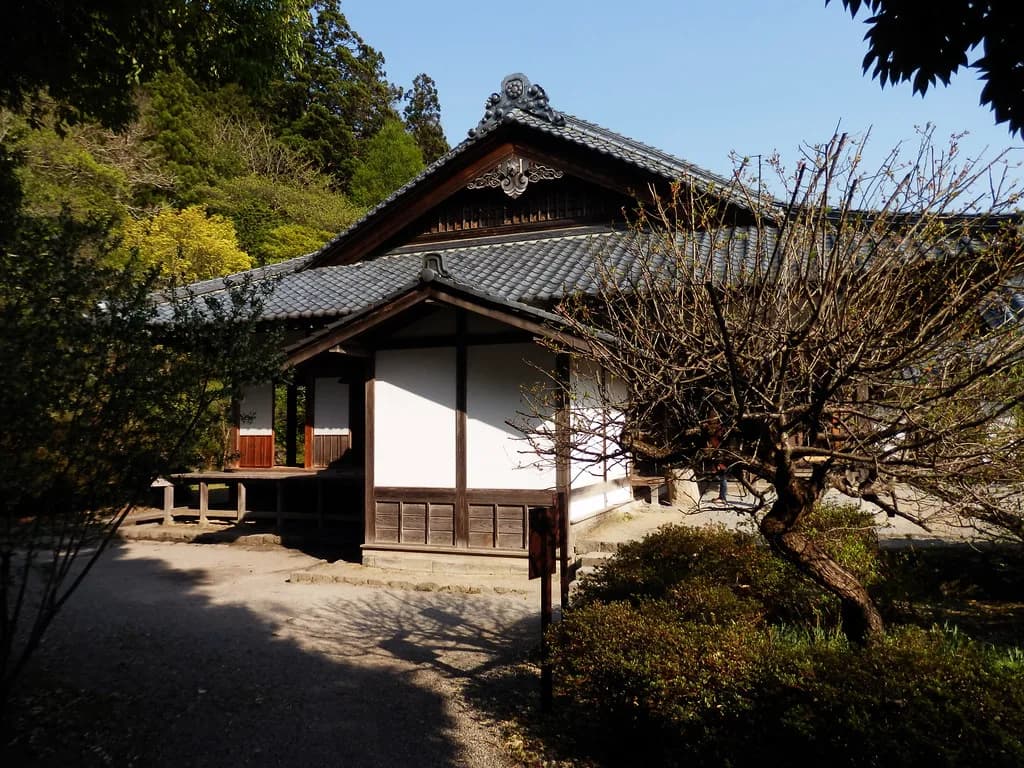
Kozuyu rarely appears alone on a menu in Aizuwakamatsu. Most restaurants serve it as one course inside a set meal or banquet spread, alongside wappa-meshi or nishin no sansho-zuke. Takino, the wappa-meshi pioneer, occupies a restored Edo-period rest house once used along the Aizu western road. Its central pillar and ceiling beams still carry marks from the Boshin War. Guests eat around a large hearth, and the kitchen serves seasonal, locally produced dishes alongside the wappa-meshi and kozuyu. Kagota, an izakaya a short walk from the historic district, pairs Aizu's local sake with seasonal small plates. Nanukamachi Street ties the district together. This retro shopping street mixes cafes and restaurants, and several regional specialties turn up within one walk of it. Hot spring ryokan in nearby onsen areas also serve kozuyu as part of a multi-course dinner, though availability shifts by season, so confirm the menu before booking.
| Restaurant / area | Known for | Hours | Notes |
|---|---|---|---|
| Takino | Wappa-meshi, kozuyu sets | 11:00-15:00 and 17:00-22:00, open year-round | Set menus run ¥1,470-¥5,400 per rates last published by the tourism board; confirm current pricing before visiting. About 2 minutes on foot from the Haikara-san Shiyakushomae bus stop. |
| Kagota | Izakaya, local sake and small plates | 17:00-23:00, closed some Sundays | About 30 minutes on foot from JR Aizuwakamatsu Station, or roughly 10 minutes by taxi. |
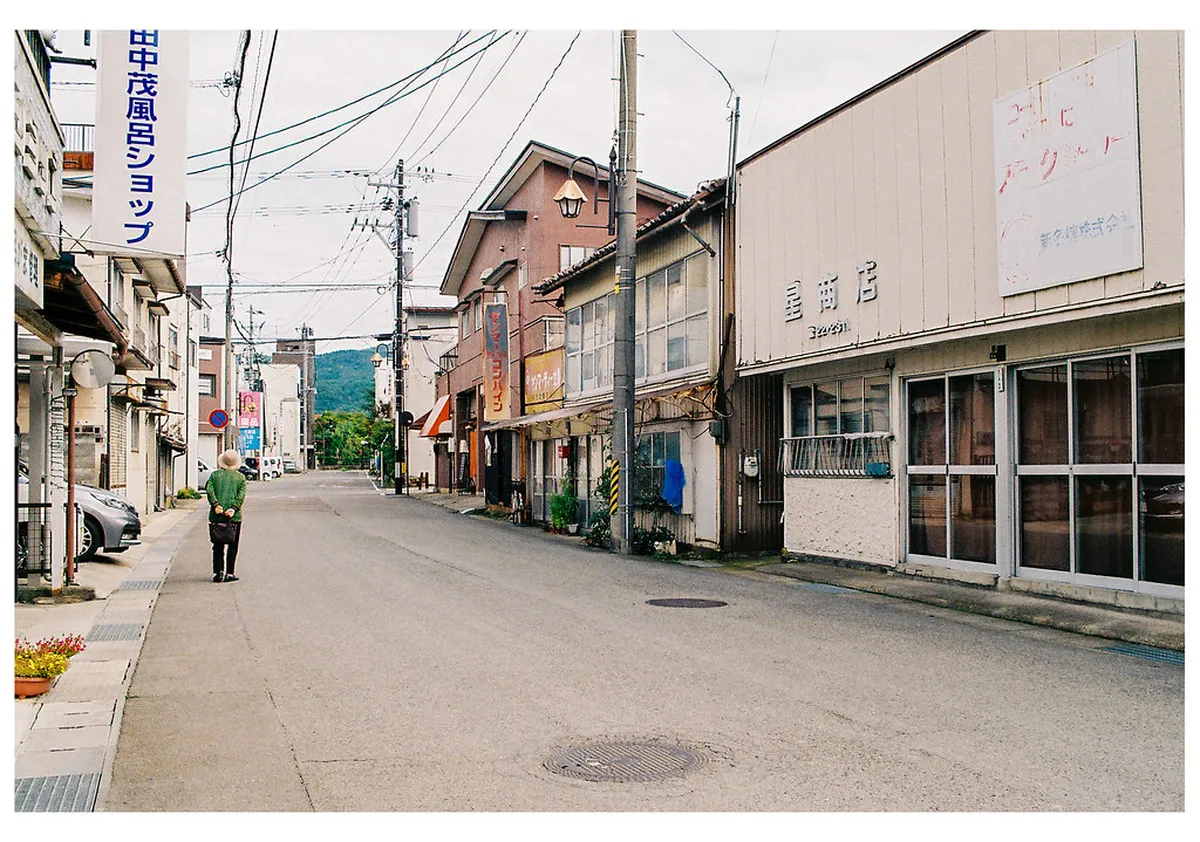
| Nanukamachi Street | Multiple cafes and restaurants | Varies by shop | Retro streetscape near central Aizuwakamatsu, good for combining several dishes in one walk. |
Planning a Culinary Route: Timing and Budget
Build a kozuyu outing around a few practical details. The Haikara-san sightseeing bus loops past Nanukamachi Street and several restaurant districts, and it is an easy way to reach Takino without a car. Many traditional restaurants close between lunch and dinner, typically somewhere around 15:00 to 17:00. Plan a midday meal before mid-afternoon or a dinner after 17:00 to avoid that gap. Kozuyu itself is rarely a standalone order. Expect it as one course inside a teishoku set meal or a banquet spread, so budget for the full set rather than a single bowl. After a savory set, look for manju tempura, a deep-fried sweet bun, at nearby cafes. The Aizuwakamatsu sweets and cafes guide lists where to find them. Across the region's dishes, price and mood shift quite a bit, so match the order to the occasion.
| Dish | Style | Best for | Price range |
|---|---|---|---|
| Kozuyu | Refined, ceremonial | History-minded travelers and light eaters | Low as a side dish; mid-range inside a full set |
| Wappa-meshi | Rustic, filling | A sit-down meal with a distinctive presentation | Mid to high |
| Sauce katsudon | Casual, hearty | Budget travelers and families | Low |
| Aizu basashi | Bold, savory | Sake pairings | Mid-range |
Mistakes to Avoid and Local Tips
A few misconceptions trip up first-time visitors. Kozuyu is not a fishy or heavy soup, despite the seafood base. Scallop stock stays light, and seasoning stays restrained, so the dashi leads rather than salt. Do not expect exactly seven ingredients either. Odd numbers are the custom, and seven or nine both count as lucky, so a bowl with nine components is just as traditional as one with seven. Do not assume kozuyu is vegetarian because it looks like a vegetable soup. Dried scallop stock makes it a seafood dish at its core, and travelers with dietary restrictions should ask before ordering. Order it inside a set meal rather than searching for it as a standalone dish, since that is how most Aizuwakamatsu restaurants serve it.
Frequently Asked Questions
Why does Aizu kozuyu use dried scallops instead of fresh seafood?
Aizu sits inland behind mountain ranges, and fresh fish historically could not survive the journey there. Kitamaebune trading ships carried dried scallop, herring, and cod south from Hokkaido instead. That preserved-seafood trade route explains why an inland region built its most prized soup on a marine ingredient.
Can kozuyu be made vegetarian?
Traditional kozuyu is not vegetarian, since dried scallop stock forms the base of the broth. Some modern kitchens build a plant-based version around kombu and extra shiitake instead. Ask before ordering if the scallop base matters for your diet.
What is the difference between kozuyu and tsuyuju?
Tsuyuju is a related soup from nearby Koriyama City, built on a similar dried-scallop stock. Both dishes share most ingredients, but tsuyuju recipes generally skip the mamefu wheat gluten balls that define kozuyu. Treat tsuyuju as kozuyu's regional cousin rather than the same dish under a different name.
Is kozuyu really served at funerals as well as weddings?
Yes. Kozuyu appears at both joyful and solemn Aizu gatherings, including weddings, funerals, and New Year meals. What matters in Aizu food culture is the occasion itself, not whether it marks a celebration or a memorial.
Do you have to use exactly seven ingredients in a bowl of kozuyu?
No. Seven or nine ingredients both count as lucky, since Aizu tradition favors odd numbers over even ones. Recipes vary by household, so the exact count and mix of ingredients differ from one kitchen to the next.
Where can visitors order a full traditional Aizu meal that includes kozuyu?
Restaurants near Nanukamachi Street and the historic district typically build kozuyu into a set meal alongside wappa-meshi or nishin no sansho-zuke. Takino, the wappa-meshi pioneer, and Kagota, a local izakaya, both serve traditional Aizu dishes as part of a fuller spread rather than as single orders.
Free guide: Japan's Hidden Gems
12 under-the-radar places beyond Tokyo & Kyoto — with the best season to visit each and a local tip you won't find in the guidebooks.
You might also like


Continue reading
More guides you'll find useful