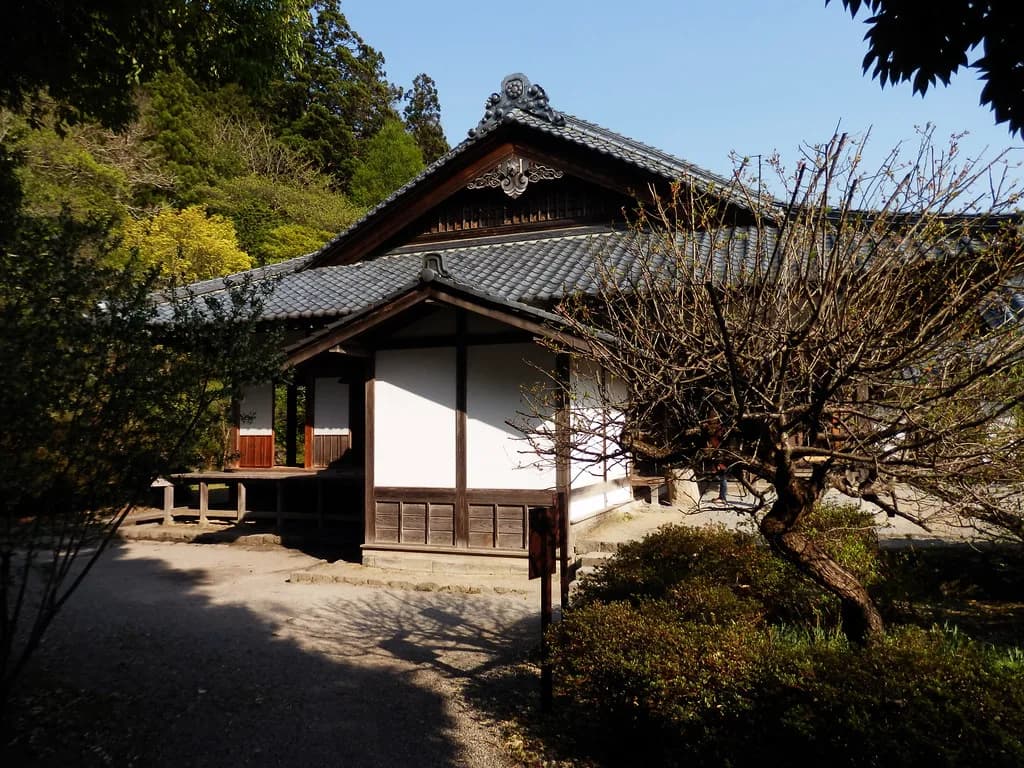
Aizu Sauce Katsudon: A 2026 Guide to Aizuwakamatsu's Signature Bowl
Aizu sauce katsudon guide: the three shop styles, Nakajima's Nikomi version, the Haikara-san bus route, and 2026 prices in Aizuwakamatsu.
On this page
Last updated August 2026, this guide breaks down Aizu sauce katsudon before you sit down at a counter in Aizuwakamatsu. Order plain katsudon here and you get a thick pork cutlet in sweet-savory sauce over shredded cabbage and rice. Three shop styles, a specific bus stop, and a Tuesday closure pattern shape where you should actually eat it.
Aizu Sauce Katsudon at a Glance
A few reference points make it easier to plan a visit before reading the full breakdown below. Use this table to decide whether Nakajima's nikomi style or a simpler standard bowl fits the day better.
| Detail | What to Expect |
|---|---|
| Price band | ¥1,000–¥1,999 for a bowl at Nakajima |
| Closed day | Tuesdays at most long-running shops, Nakajima included |
| Bus from the station | About 15 to 16 minutes on the Haikara-san loop bus to Shiyakusho-mae |
| Walk from the station | About 20 to 25 minutes on foot, or roughly 0.75 miles to Nakajima |
| Signature style | Nikomi (stewed) sauce katsudon at Nakajima |
| Payment | Cash only at most traditional counters |
| Best season | Year-round, per local listings |
What Is Aizu Sauce Katsudon?
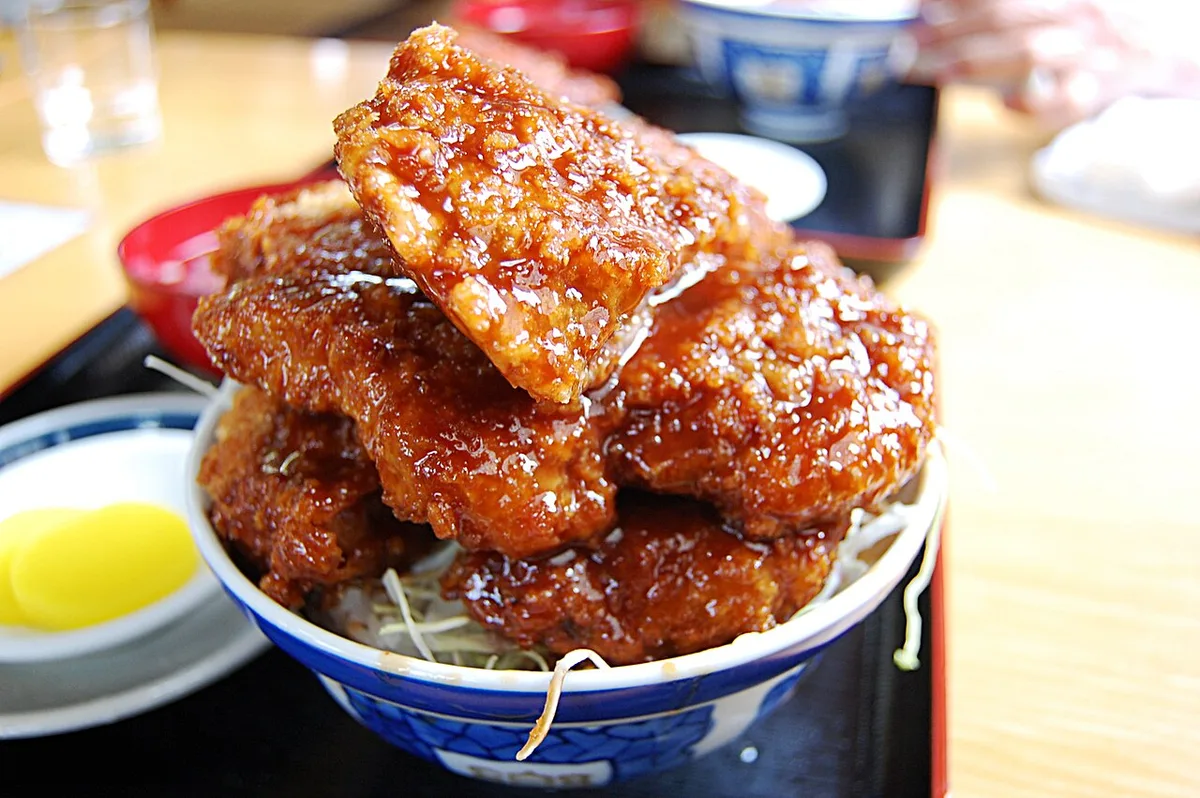
Sauce katsudon in Aizu means a thick, deep-fried pork cutlet coated in a Worcestershire-style sauce, set on shredded cabbage over rice, served without egg. Ask for katsudon anywhere else in Japan and staff usually bring the egg-bound version instead. In Aizuwakamatsu, plain katsudon defaults to the sauce style, so you rarely need to specify. The dish traces back to the Taisho era, when Western food culture reached the region and local cooks adapted it into what is now considered a soul food here. Each shop blends its own sauce from vegetables and fruit, balancing sweetness against acidity, so the flavor shifts noticeably from one counter to the next. More than 20 diners across Aizu serve some version of it, according to local tourism information. This dish anchors any broader look at Aizuwakamatsu's food scene, from festival stalls to long-running counters.
Three Styles of Sauce Katsudon You'll Find in Aizu
Aizu is not a single-recipe town. Three distinct approaches to sauce katsudon show up on menus, and knowing the difference helps you pick a shop on purpose rather than by accident. Nikomi sauce katsudon keeps the Aizu sauce flavor profile rather than switching to a plain dashi broth. That is what separates it from the egg-bound katsudon found elsewhere in Japan. Because of that egg drop, nikomi sauce katsudon can look similar to standard egg-bound katsudon at a glance, though the sauce base underneath is what keeps it distinctly Aizu. Yanaizu-style sauce katsudon is a separate regional variation, served in the town of Yanaizu and at the Aizu Yanaizu Roadside Station. That egg-under-cutlet style is specific to the Yanaizu area, not central Aizuwakamatsu.
| Style | What It Is | Where to Try It |
|---|---|---|
| Standard sauce katsudon | Cutlet dipped in sauce, plated over cabbage and rice | Most diners across Aizuwakamatsu |
| Nikomi (stewed) sauce katsudon | Cutlet simmered in sauce, often finished with a beaten egg on top | Nakajima's signature version |
| Yanaizu-style sauce katsudon | A cooked egg layer sits underneath the cutlet instead of on top | Suzuya Shokudo and other diners in Yanaizu |
Where to Eat: Nakajima and Other Long-Running Shops
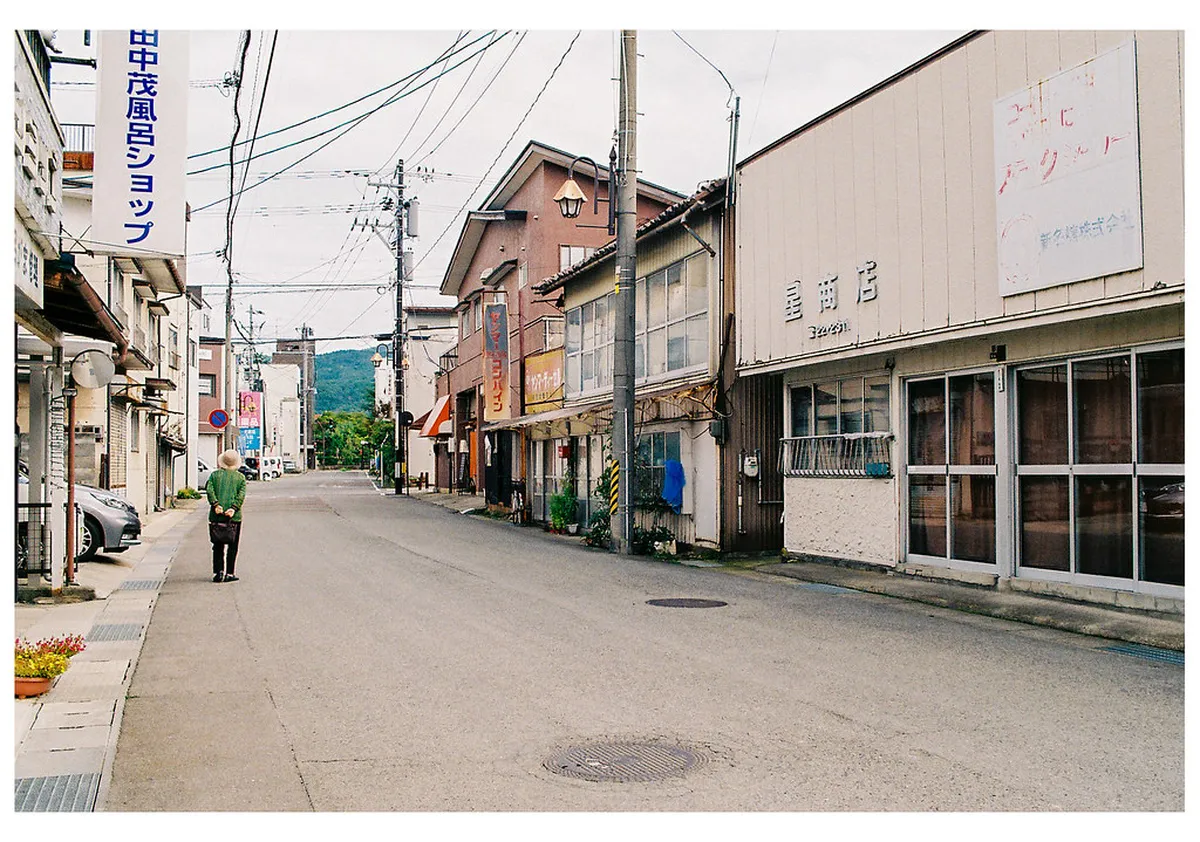
Nakajima is the shop most guides point to first. It sits at 2-39 Uwamachi in Aizuwakamatsu and specializes in nikomi sauce katsudon, the stewed version simmered in the shop's own sauce. Tabelog users rate it 3.48 out of 5 across 355 reviews, and reviewers commonly single out the stewed cutlet as the reason to visit. The menu highlights Ganso Nikomi Sosu Katsudon, the original stewed sauce katsudon made with loin, alongside Kyabetsu Sosu Katsudon, a cabbage sauce katsudon also made with loin. At Nakajima specifically, the stewed version was invented by a previous owner who had trained as a chef in Western-style cooking. That background is part of why the sauce leans sweeter than a standard soy-based glaze. Expect a wait during peak lunch hours at Nakajima, since it seats only 32 people, 20 at the counter and 12 on a raised tatami platform. Shioe is a longtime favorite for standard sauce katsudon, particularly for diners who want a thicker cut of pork. Kotobuki Jizaemon carries both standard and nikomi versions on one menu, which makes it useful if comparing styles matters more than picking a single specialty. For the Yanaizu-style version, Suzuya Shokudo in Yanaizu and the Aizu Yanaizu Roadside Station are the reference points. That egg-under-cutlet style is specific to the Yanaizu area, not central Aizuwakamatsu.
At only 32 people capacity, Nakajima fills during lunch hours; arriving at 11:00 opening is the most reliable way to avoid the queue.
| Shop | Signature Style | Price Band | Notes |
|---|---|---|---|
| Nakajima | Nikomi (stewed) sauce katsudon | ¥1,000–¥1,999 | Cash only; closed Tuesdays; busy at peak lunch |
| Shioe | Standard sauce katsudon | Check locally | Known for thick-cut cutlets |
| Kotobuki Jizaemon | Standard and Nikomi both on the menu | Check locally | Useful for comparing styles in one visit |
| Suzuya Shokudo (Yanaizu) | Yanaizu-style sauce katsudon | Check locally | Egg sits under the cutlet, not on top |
Getting to Nakajima: The Haikara-san Bus and Your Options
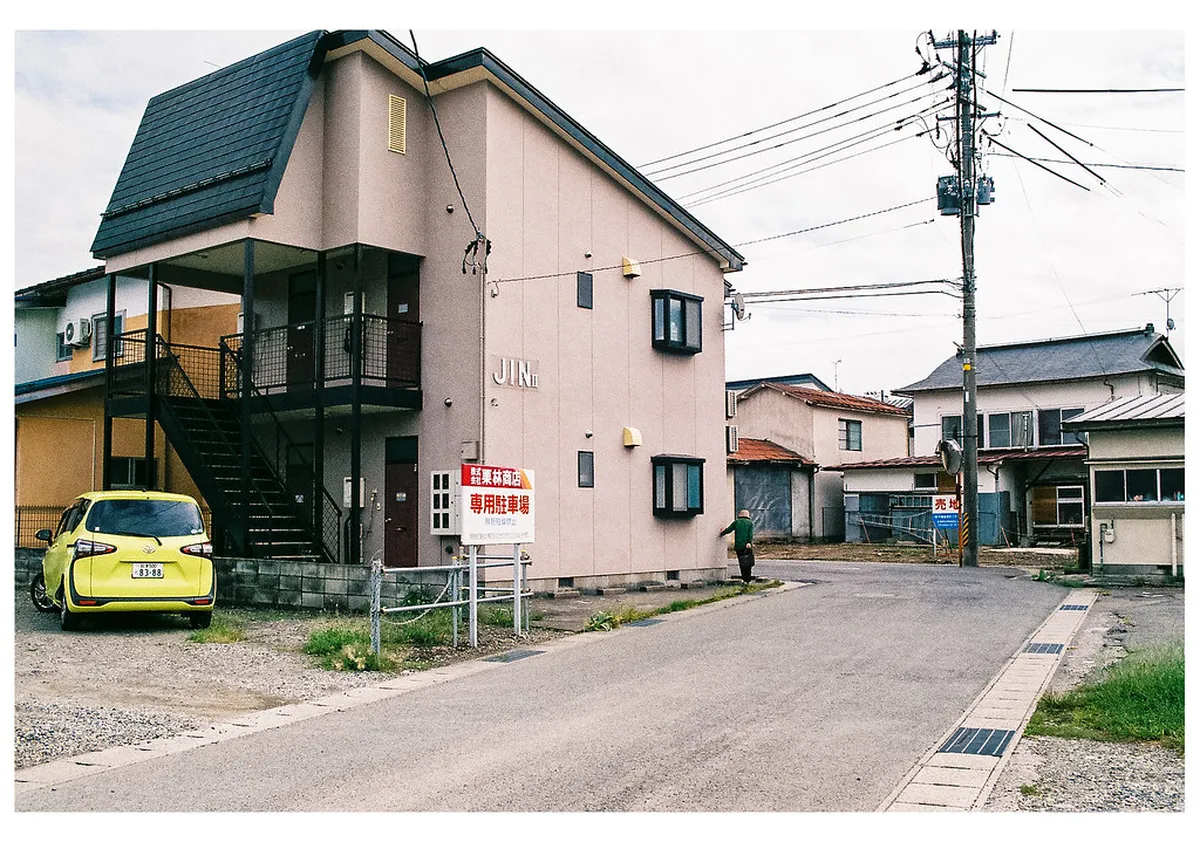
Aizu-Wakamatsu Station sits on the JR Ban'etsu West Line, so most travelers arrive there before heading to lunch. Reaching Nakajima from the station works best on the Haikara-san sightseeing loop bus, though walking or driving are both realistic too. Nakajima serves lunch and dinner most days; see the hours below for the small variations on Sundays and public holidays. Many long-running katsudon shops in Aizu, Nakajima included, close on Tuesdays. Avoid planning a Tuesday lunch around this dish without checking first. Parking is available on-site at Nakajima if you are driving in from outside the city. Nakajima is roughly 0.75 miles from Aizu-Wakamatsu Station, and the restaurant's phone number is 0242-24-5151 if you want to confirm hours before heading over.
| Day | Lunch | Dinner |
|---|---|---|
| Mon, Wed–Sat | 11:00–14:30 | 17:00–20:00 |
| Sunday | 11:00–15:00 | 17:00–19:30 |
| Public holiday | 11:00–15:00 | 17:30–20:00 |
| Tuesday | Closed | Closed |
- Board the Haikara-san sightseeing loop bus at JR Aizu-Wakamatsu Station.
- Ride about 15 to 16 minutes to the Aizu Wakamatsu Shiyakusho-mae stop.
- Walk roughly 6 minutes from the stop to Nakajima.
- Walk the full route directly in about 20 to 25 minutes instead of taking the bus.
- Drive from the station in about 5 minutes, or about 15 minutes from the Aizu-Wakamatsu Interchange on the Ban'etsu Expressway.
Portions, Prices, and the Volume Warning
A bowl of sauce katsudon at Nakajima runs ¥1,000 to ¥1,999, based on figures collected from customer reviews. Traditional katsudon counters across Aizu tend to sit in a similar range, since the dish is built around everyday pricing rather than a premium format. Cash is the safer plan at these shops. This cash-first pattern is common across Aizu's older food shops, not just at katsudon counters. Portion size is its own decision point. Shops are known for cutlets thick enough that the lid will not sit flat on the bowl, a detail regulars mention as part of the appeal rather than a complaint. Order the standard size first. A large portion is a genuine commitment, not a polite upgrade, and the standard bowl already carries more pork than most single meals elsewhere in Japan.
- Credit cards: not accepted at Nakajima
- Electronic money: not accepted at Nakajima
- QR code payments: not accepted at Nakajima
Beyond the Bowl: Building a Food Day Around Sauce Katsudon
Sauce katsudon works well as a midday anchor rather than the only stop on a food-focused day in Aizuwakamatsu. Pair the meal with a stop at one of the 4 Best Aizu Sake Breweries: Guide to Tours & Tastings (2026) for a tasting later in the day. Locals and repeat visitors often treat the dish as a refuel after a sake brewery tour or a stroll around town, based on how local tourism material frames it. Nanukamachi-dori is a walking street suited to an afternoon break for sweets or browsing lacquerware. Read up on the local sweets and cafes along that street before you go. For dinner, shift toward other regional dishes instead of a second katsudon. Kozuyu and other traditional dishes make a lighter follow-up if the katsudon portion left you full. Aizu's horse meat dishes are the other common dinner pivot for travelers building out a full day of local food. Between meals, Aizuwakamatsu's sightseeing spots like Tsuruga-jo Castle give the day some walking room to offset the meal.
Traveler Tips and Mistakes to Avoid
A few small decisions make the difference between a good bowl and a frustrating one. Most of them come down to timing, payment, and portion size.
Nakajima costs ¥1,000 to ¥1,999 per bowl and accepts cash only—no credit cards, electronic money, or QR payments—so plan your payment method ahead of arrival.
- Carry cash. Most traditional katsudon counters, including Nakajima, do not take credit cards, electronic money, or QR payments.
- Skip the large size on a first visit. The standard bowl at these shops is already a full meal.
- Eat the cabbage as you go. It is layered under the katsu specifically to cut the richness of the sauce.
- Check the day before you go. Long-running shops close on Tuesdays more often than any other day of the week.
- Compare styles across two shops in one trip if time allows. Standard at one counter and nikomi at another shows the range better than sticking to a single shop.
Frequently Asked Questions
What's the difference between Aizu sauce katsudon and regular katsudon?
Regular katsudon found across most of Japan comes bound with egg and a savory-sweet broth over rice. Aizu sauce katsudon skips the egg entirely and instead dips the cutlet in a Worcestershire-style sauce, served over shredded cabbage and rice. In Aizuwakamatsu, ordering plain katsudon gets you this sauce version by default.
What is nikomi sauce katsudon?
Nikomi sauce katsudon is a stewed variation where the cutlet simmers in the shop's sauce, often finished with a beaten egg on top. Nakajima, near Aizu-Wakamatsu Station, is the shop most associated with this style. It keeps the Aizu sauce flavor rather than switching to the plain dashi broth used in standard egg-bound katsudon elsewhere.
How do you get to Nakajima from Aizu-Wakamatsu Station?
Take the Haikara-san sightseeing loop bus from JR Aizu-Wakamatsu Station and get off at the Aizu Wakamatsu Shiyakusho-mae stop, about 15 to 16 minutes later. From there, it is roughly a 6-minute walk to the restaurant. Walking the entire route instead takes about 20 to 25 minutes.
Is Nakajima open every day?
No. Nakajima closes on Tuesdays, though it opens on public holidays that fall on a Tuesday. Regular hours run 11:00 to 14:30 for lunch and 17:00 to 20:00 for dinner, with slightly later hours on weekends.
How much does sauce katsudon cost in Aizu?
At Nakajima, a bowl runs ¥1,000 to ¥1,999, based on figures collected from customer reviews. Other long-running counters in Aizuwakamatsu tend to price in a similar everyday range. Pay in cash. Most traditional shops, Nakajima included, do not accept credit cards, electronic money, or QR payments.
What does Aizu's katsudon sauce taste like?
The base across most shops is a Worcestershire-style sauce built from vegetables and fruit, though the exact blend is shop-specific. Sweetness and acidity are balanced differently at every counter, which is part of why comparing a few shops is worthwhile. Cabbage sits under the cutlet specifically to cut the richness of the sauce, not just as a garnish.
Do you need a reservation at Nakajima?
No. Nakajima does not accept reservations, according to its Tabelog listing, so arrival time is the only way to manage a wait. Visiting right at opening, 11:00, is the most reliable way to avoid a queue during peak lunch hours.
Is Aizu sauce katsudon the same as tonkatsu?
Tonkatsu is the fried pork cutlet itself. Aizu sauce katsudon is a full rice bowl built around that cutlet, layered with shredded cabbage and finished with the region's Worcestershire-style sauce instead of the egg-bound sauce used elsewhere.
Free guide: Japan's Hidden Gems
12 under-the-radar places beyond Tokyo & Kyoto — with the best season to visit each and a local tip you won't find in the guidebooks.
You might also like


Continue reading
More guides you'll find useful