5 Best Takayama Ramen Shops for Chuka Soba in 2026
Find the best Takayama ramen at five local shops, including Menya Shirakawa and Tsuzumi Soba, with 2026 prices, hours, and queue tips.
On this page
Last updated August 2026, this guide ranks the best Takayama ramen shops serving the city's soy-and-dashi Chuka Soba style. Locals rarely say ramen; they order Chuka Soba, thin curly noodles in a soy-based broth topped with chashu and menma. Each entry below lists queue timing, payment style, and a price range so you can decide before you sit down.
What Is Takayama Ramen? The Chuka Soba Identity
Locals call this dish Chuka Soba, not ramen, because the recipe traces back to Chinese street vendors who once worked in Takayama. The broth starts as a chicken-bone dashi, simmered with bonito flakes and vegetables. Instead of keeping a separate tare sauce, cooks boil soy sauce directly into that dashi as it reduces. That step gives Takayama ramen its dark color and salt-forward edge. The noodles are chijire-men, thin curly wheat noodles that hold the broth instead of sliding off it. Standard toppings stay simple: bamboo shoots (menma), scallions, and roasted pork (chashu). Unlike miso ramen or rich tonkotsu bowls, Takayama's version leans on a single soy-forward dashi with no doubling of fats or thickeners. Takayama sits in the mountains of Gifu Prefecture, and its Chuka Soba stayed distinct from the thicker tonkotsu ramen served in other parts of Japan. Visually, the broth should look clear-to-dark amber, not the cloudy white typical of tonkotsu ramen. That clarity is the fastest way to confirm a bowl is genuine Hida Takayama style. For a wider view of Hida Takayama's food scene, the Takayama Food Guide: What to Eat and Where to Eat covers Hida beef, hoba miso, and the morning markets.
5 Best Takayama Ramen Shops to Try
These five shops represent the range of Takayama ramen, from beef-based dashi to a French-inflected take on Chuka Soba. Addresses and hours below reflect currently published information, so confirm before visiting. Traditional shops keep tight schedules and often close once the day's broth sells out. Every shop below appears in local coverage of Takayama's Chuka Soba scene, from long-running family shops to newer, single-dish specialists. Expect a wait at the most popular counter and a simpler welcome at the older, family-run shops. Each shop keeps its own recipe stable rather than chasing trends, which is part of why Takayama ramen reads as consistent across the city.
- Menya Shirakawa
- Menya Shirakawa serves a single ramen dish built on a beef-based dashi instead of the usual chicken-bone broth, a rare approach among Takayama noodle shops.
- A wall of maneki-neko lucky cats lines the small dining room, and a line often forms up to 30 minutes before the 11 AM opening.
- The shop is at 56-2 Aioimachi, open 11 AM–1:30 PM and 9 PM–1 AM, and closed all day Tuesday and Monday evenings.
- Tsuzumi Soba
- Tsuzumi Soba has served the same soy-and-chicken-bone Chuka Soba since 1956, with a lighter, less salty broth than most competitors.
- There's no ticket machine here. Order at the counter, then pay in cash when you leave.
- The shop sits near JR Hida Takayama Station and the Nohi Bus Terminal. It also offers an Okosama Chuka kids' half portion for ¥500.
- Takasago Chuka Soba
- Takasago Chuka Soba builds its dashi from dried sardines, Hokkaido kelp, and vegetables, a combination distinct enough that Japanese TV crews have covered it.
- The dark wood and bamboo interior at 2 Chome-383 Ishiuramachi makes it a good stop on a cold Takayama afternoon.
- Hours run 11 AM–4 PM on weekdays and 11 AM–6 PM on weekends and holidays, closed Tuesdays.
- Yayoi Soba
- Yayoi Soba is one of the oldest noodle shops in Takayama and still follows its original recipe.
- The kitchen marinates its pork for two hours before slow-roasting it. A soy-marinated, deep-fried tofu topping is available for anyone skipping meat.
- It's at 1-43 Nanukamachi, open 11 AM–6 PM from December through March and 11 AM–7 PM the rest of the year, closed Mondays and holidays.
- Le Midi
- Le Midi is a French-style bistro built around Hida beef. It also runs a small noodle counter serving elevated Chuka Soba.
- Bowls here come topped with Hida beef or wild boar instead of the usual chashu, extending the flavors in the Hida beef dining guide.
- It's a useful stop if a fixed Chuka Soba lineup feels repetitive after a few days in Takayama.
The Takayama Ramen Decision Matrix
The table below compares the five shops on broth style and kid-friendliness. Match a shop to your travel style. Traditionalists who want the base recipe should choose Tsuzumi Soba or Yayoi Soba, both running versions largely unchanged since they opened. Foodies chasing something distinct should try Menya Shirakawa's beef dashi or Takasago's sardine-and-kelp broth. Families traveling with kids get the clearest option at Tsuzumi Soba, the only shop here with a confirmed kids' portion. Time-pressed travelers with only one meal window should default to Tsuzumi Soba, the only shop confirmed near JR Hida Takayama Station and the Nohi Bus Terminal. None of these five shops is objectively best. The right pick depends on available time and how adventurous the broth should be.
With the Okosama Chuka kids' portion at ¥500, Tsuzumi Soba undercuts the standard ¥800–¥1,100 adult range by more than half, making it uniquely budget-friendly for families.
| Shop | Broth Style | Near Station/Bus Terminal | Best For |
|---|---|---|---|
| Menya Shirakawa | Rich, beef-based dashi | Not specified | Foodies who don't mind a 30-minute queue |
| Tsuzumi Soba | Lighter, less salty broth | Yes | Traditionalists and families (kids' portion available) |
| Takasago Chuka Soba | Sardine-and-kelp dashi | Not specified | Cold-weather comfort food |
| Yayoi Soba | Traditional recipe, slow-roasted pork | Not specified | Traditionalists and vegetarians (tofu option) |
| Le Midi | Hida beef and wild boar toppings | Not specified | Travelers who want a Hida beef pairing |
Prices, Hours, and Ordering Etiquette for Takayama Ramen
At Tsuzumi Soba, wonton noodles cost ¥1,000 and the Okosama Chuka kids' portion is ¥500. Both fit the wider ¥800–¥1,100 range typical across Takayama's ramen shops. Several shops split lunch and dinner service instead of staying open all afternoon. Traditional shops can also sell out of broth before closing time, so arriving early in a serving window is safer than arriving late. Tsuzumi Soba has more seating than a typical Tokyo ramen counter, with both counter stools and tables, so groups don't have to split up. Tsuzumi Soba doesn't take reservations either, so the counter operates on a first-come basis alongside the walk-in line. Takayama's older ramen shops lean cash-only. Tsuzumi Soba has no ticket vending machine and does not accept credit cards, so order at the counter and settle the bill in cash when you leave. Carry yen in small bills for shops like this, since standing in line to break a large note slows the next group down. Slurping noodles is normal in Japanese ramen shops, including these, and isn't considered rude. Most counters seat solo diners easily, since counter-style seating is standard at ramen shops across Japan.
Menya Shirakawa's afternoon closure at 1:30 PM creates a six-hour service gap until 9 PM reopening, a timing trap for travelers expecting unbroken lunch availability like other Takayama ramen shops.
| Shop | Hours | Payment Notes |
|---|---|---|
| Menya Shirakawa | 11 AM–1:30 PM, 9 PM–1 AM; closed Tue (all day) & Mon (night) | Ticket policy not specified |
| Tsuzumi Soba | 11:30 AM–2 PM & 5–8 PM weekdays/Sat; 11 AM–2 PM Sun; closed Tue | No ticket machine; cash only; no reservations |
| Takasago Chuka Soba | 11 AM–4 PM weekdays; 11 AM–6 PM weekends/holidays; closed Tue | Ticket policy not specified |
| Yayoi Soba | 11 AM–6 PM Dec–Mar; 11 AM–7 PM Apr–Nov; closed Mon & holidays | Ticket policy not specified |
| Le Midi | Hours not detailed in current sourcing; confirm before visiting | Bistro-style ordering |
Pairings and Mistakes to Avoid With Takayama Ramen
Takayama ramen makes a light, salty finish after a heavier tasting session, which is why it pairs well with a stop on a Takayama sake brewery tour. Come expecting Chuka Soba, not the thick tonkotsu broth served elsewhere in Japan. This bowl is lighter and soy-forward instead. Don't skip the menma. The bamboo shoots cut through the broth's richness and are part of what makes the topping set distinct. Avoid walking in ten minutes before closing. Many traditional shops sell out of broth and shut once it's gone, no matter what the posted hours say. Confirm the closing day before making a shop the centerpiece of a one-day visit, since most of these shops close at least one day a week. When the menu feels unfamiliar, simply ask for Chuka Soba. That's the phrase Tsuzumi Soba's own staff suggest for first-time visitors. For a wider taste of Hida cuisine beyond noodles, pair a ramen stop with the hoba miso guide, which covers the region's miso-grilled beef and vegetables.
Fitting Ramen Into a Takayama Day
Start the morning at the 10 Essential Things to Know About Takayama Morning Markets, then walk to a ramen shop for an early lunch before the midday queue builds. Time lunch before 1:30 PM if Menya Shirakawa is the goal, since the shop closes until 9 PM after that. Save Menya Shirakawa for a day when the schedule is flexible, since its queue and split hours don't suit a tight itinerary. Takayama's Old Town preserves Edo-period wooden buildings, and a ramen stop fits naturally into an afternoon spent walking those streets. After lunch, spend the afternoon at the 20 Best Takayama Attractions: The Complete 2026 Guide in the old town. Evening options open up too, since Takasago Chuka Soba and Yayoi Soba both close well before typical dinner hours, leaving Menya Shirakawa's 9 PM reopening or Tsuzumi Soba's dinner window as the later choices. If a shop's evening window has already passed, plan dinner elsewhere.
Navigation and Map-First Planning
Most Takayama ramen lanes are compact, so map-first planning is more practical than guessing from station-area signboards. Save each shop address before stepping out, then open turn-by-turn navigation.
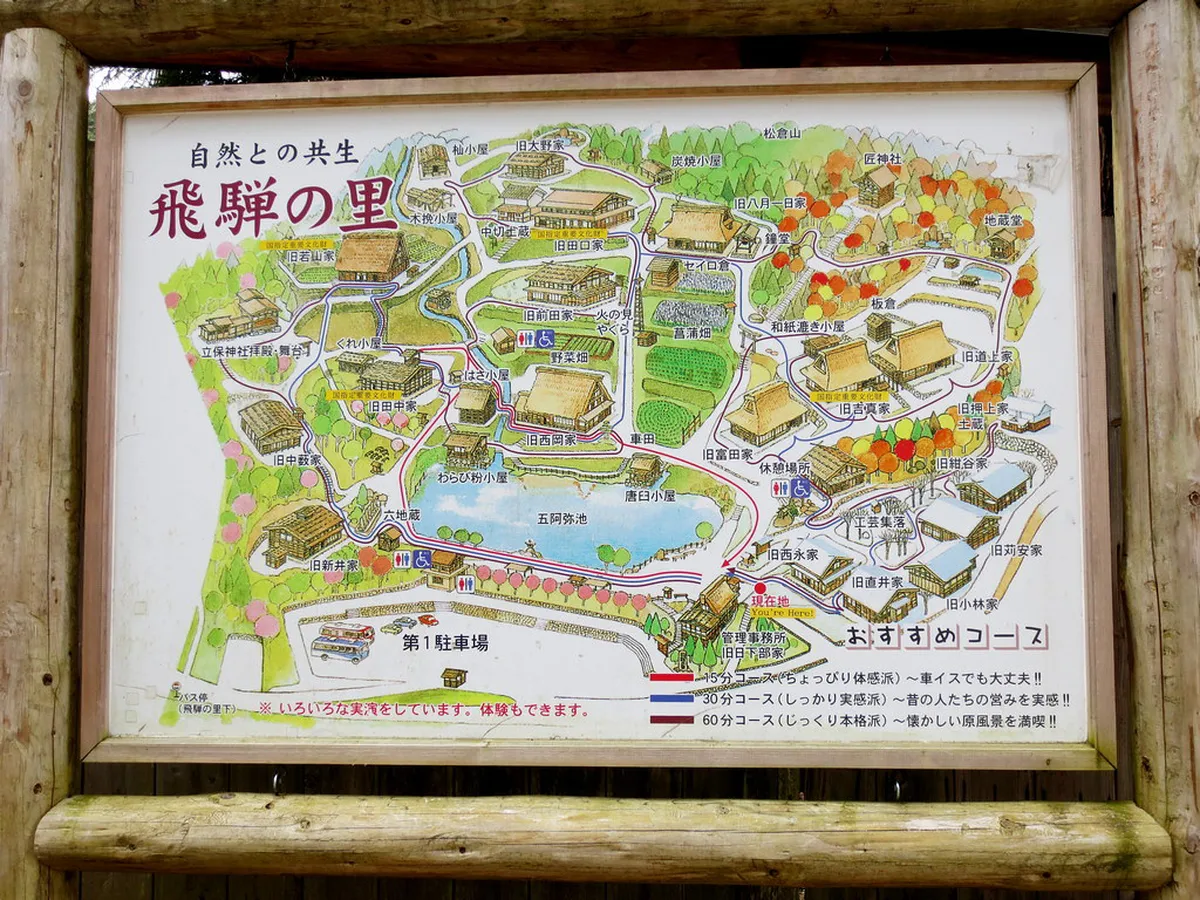
Use this sequence:
- For tight schedules, start at JR Hida Takayama Station and head toward Tsuzumi Soba, which sits near station and the Nohi Bus Terminal area.
- For Menya Shirakawa, use the exact address 56-2 Aioimachi and allow a short transit buffer; the lunch queue is known to build well before opening.
- For a daytime loop after markets, place both 1-43 Nanukamachi (Yayoi Soba) and 2 Chome-383 Ishiuramachi (Takasago Chuka Soba) on one route so you avoid backtracking.
- For evening plans, confirm Le Midi’s current opening times in advance, because this guide does not provide a stable confirmed hour window for that location.
Preloading all four destinations also helps if one shop is closed early or out of broth during a crowded window.
Frequently Asked Questions
What does Chuka Soba mean, and why don't Takayama locals call it ramen?
Chuka Soba means Chinese noodles, a nod to the Chinese street vendors who created the dish. Locals use that name because, to them, it's simply the standard local noodle, not a specialty style.
What's the difference between Menya Shirakawa and Tsuzumi Soba?
Menya Shirakawa uses a beef-based dashi and draws a queue up to 30 minutes before opening. Tsuzumi Soba uses a chicken-bone dashi, has served the same recipe since 1956, and has no ticket machine.
How much does a bowl of Takayama ramen cost?
Expect roughly ¥800–¥1,100 for a standard bowl. At Tsuzumi Soba, wonton noodles run ¥1,000 and the Okosama Chuka kids' portion is ¥500.
Do Takayama ramen shops accept credit cards?
Not reliably. Tsuzumi Soba is confirmed cash-only with no card option. Older shops in Takayama tend to follow the same pattern, so carrying yen is the safer plan.
When is the best time to avoid a queue at Menya Shirakawa?
Arrive at least 30 minutes before the 11 AM opening, since the line forms early and the shop serves only one ramen dish. The same logic applies to its 9 PM dinner reopening.
What toppings come standard on a bowl of Takayama ramen?
Expect bamboo shoots (menma), scallions, and thin slices of roasted pork (chashu) over curly chijire-men noodles. Menya Shirakawa swaps in a beef-based dashi, and Le Midi adds Hida beef or wild boar instead of standard chashu.
Can you get Takayama ramen for dinner, or is it a lunch-only dish?
Both. Menya Shirakawa reopens for dinner at 9 PM, while Tsuzumi Soba serves dinner from 5 to 8 PM on weekdays and Saturdays. Takasago Chuka Soba and Yayoi Soba, though, run daytime hours only, so check before planning a late meal there.
Are there vegetarian options for Takayama ramen?
Not fully. Most dashi in this guide is built on chicken bones, beef, or pork, so the broth itself isn't vegetarian. Yayoi Soba is the one shop here with a plant-based topping, a soy-marinated, deep-fried tofu in place of chashu.
Do any of these ramen shops take reservations?
No. None of the shops in this guide accept reservations. Tsuzumi Soba explicitly lists reservations as unavailable, and the others operate as walk-in counters.
Free: The Takayama Essentials guide
Top things to do, where to stay, a perfect day plan, getting around, and the best time to go — a Takayama mini-guide you can take offline.
You might also like


Continue reading
More guides you'll find useful