Hida Takayama Retro Museum: Prices, School Lunch and Games
Plan a visit to the Hida Takayama Retro Museum: ¥700 entry, 11:00–15:00 school lunch, free arcade games, Showa-kan comparison, hours and access.
On this page
Last updated October 2026: the Hida Takayama Retro Museum is an indoor Showa-era attraction where you can touch the exhibits, play old arcade machines and eat a school lunch. It sits about a minute on foot from Nakabashi Bridge, so it fits neatly into an Old Town walk. This guide covers prices, hours, what to play, how it differs from Takayama Showa-kan, and how to avoid the common slip-ups.
Hida Takayama Retro Museum vs. Takayama Showa-kan
Takayama has two Showa-themed museums, and travelers often mix them up. Both recreate mid-century streets, but they feel different once you step inside. At the Retro Museum, most items can be handled. Takayama Showa-kan, according to the Hida tourism listing, rebuilds the streets of 1950 for you to walk through and look at.
Both museums are a 15-minute walk from Takayama Station, so distance will not decide between them.
The Retro Museum describes itself as a place to see, snap and play. Its toy corner, arcade, cotton candy machine and school lunch booth all invite participation. Showa-kan's draws are Midget Alley, a barbershop, a photo studio and a general store. If you only have time for one, pick based on who is traveling with you.
| Detail | Hida Takayama Retro Museum | Takayama Showa-kan |
|---|---|---|
| Adult admission | ¥700 | ¥800 |
| Younger visitors | ¥500 (child rate) | ¥500 junior/senior high, ¥300 child |
| Hours | 9:30–17:30 (17:00 close Dec–Feb) | 9:00–18:00 |
| Address | 4-7 Shinmeicho | 6 Shimoichinomachi |
| Style | Hands-on play, arcade, school lunch | Walk-through 1950 street scenes |
| Walk from Takayama Station | About 15 minutes | About 15 minutes |
Why the Showa Retro Boom Suits Takayama
The Showa era ran from 1926 to 1989, and Japanese visitors often feel real nostalgia for its sweets, toys and shopfronts. Younger visitors treat the same objects as curiosities. That split explains why the museum works for grandparents, parents and children at once.
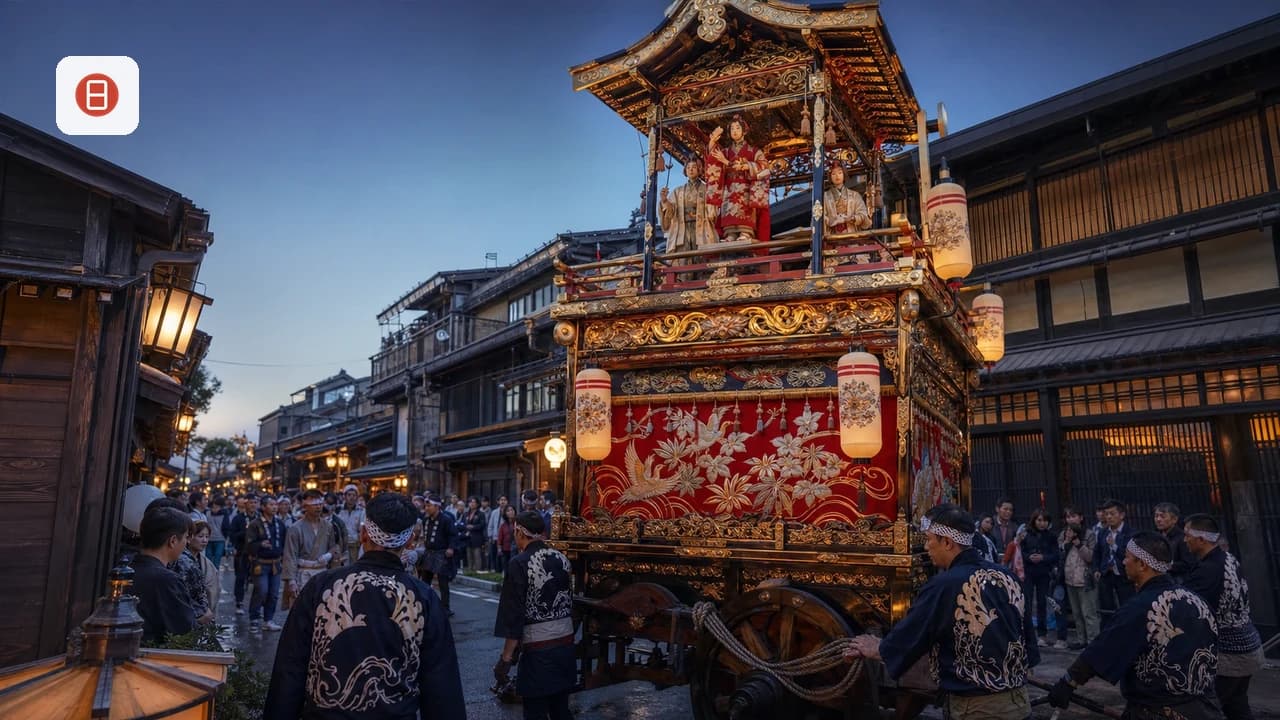
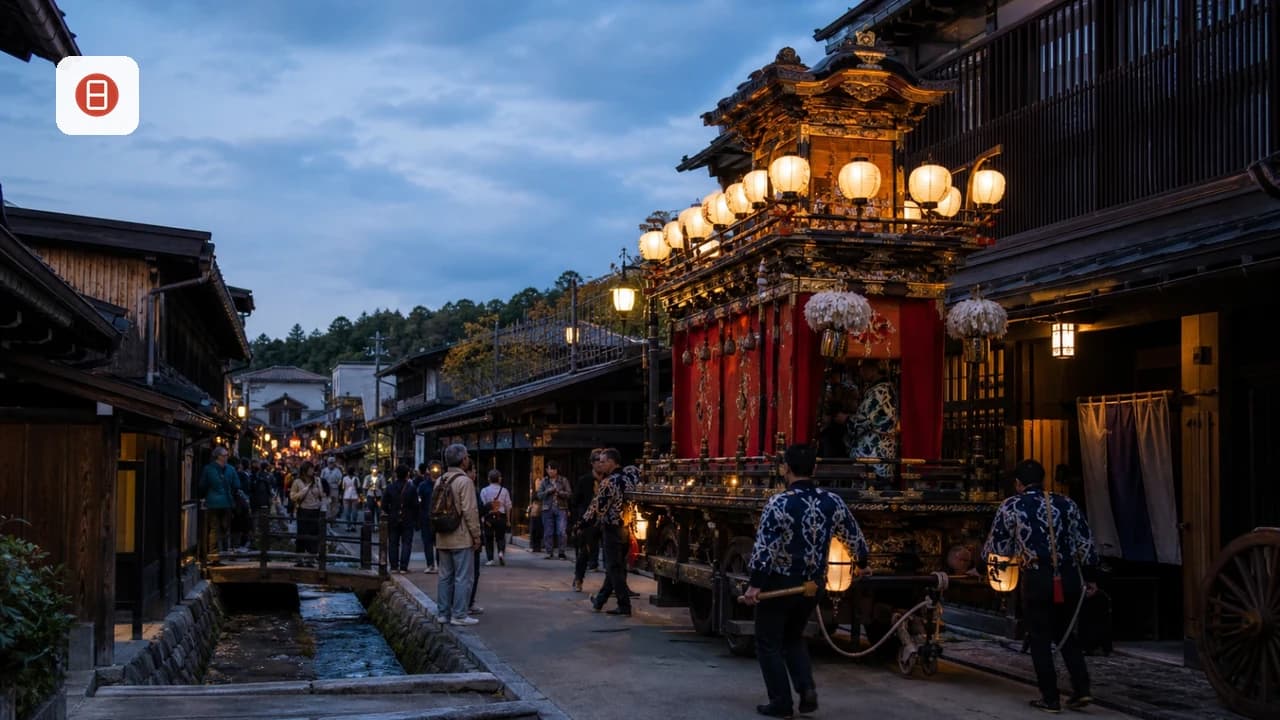
Takayama's Old Town is known for wooden merchant streets, so a Showa museum adds a second layer of history within a few minutes' walk. If you are still shaping your route, 20 Best Takayama Attractions: The Complete 2026 Guide shows where this stop sits among the bigger sights. For wider trip planning, our Japan travel guide covers the national picture.
The official site stresses that nobody needs to be a Showa expert. Visitors are encouraged to try things rather than read about them. Staff also note that small children enjoy toys they have never seen before.
What to See, Snap and Play Inside
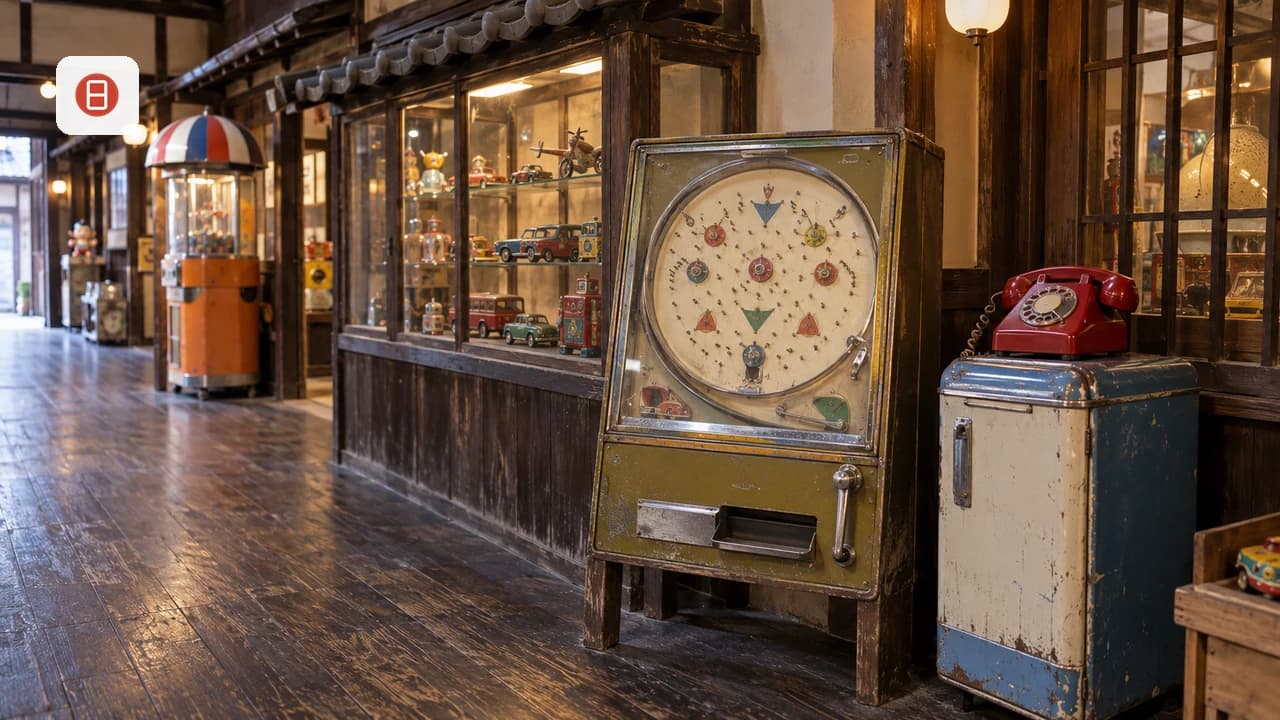
Expect to spend up to 2 hours here. The official page says there is plenty to play with, and long stays run that long. Start at the entrance, where a large Showa-era candy shop front stands with a cat on the roof and laundry hung out. Inside, small streets recreate a toy store, an electric shop, a barber and a clinic.
The building is compact. Mind your head, because the hall is described as very small. Photos are allowed, but the museum asks you not to upload images of characters to social media.
- Free arcade corner: Pac-Man, Missile Command and Galaga cost nothing to play, and so does the smart ball game.
- Paid table games: ¥100 buys a table-style retro game, with titles such as Space Invaders, Galaxian and QIX. Some pachinko and Piccadilly Circus-style games cost ¥10.
- Retro pachinko corner: ten machines from the Showa era to the early Heisei era are free to play. There is no prize exchange.
- Retro slot corner: six machines are free, including Thunderbird 3 and Pink Panther. There is no prize exchange here either.
- Cotton candy: drop in ¥50 and spin your own on the working Showa machine.
- Bottle drinks: ¥150 each, in cola, Fanta, ginger ale or HI-C orange.
- Sarubobo love fortune: ¥100 per draw, a local twist on the paper fortune.
- Birthday newspaper: ¥400 prints an A3 front page from the day you were born.
- Jukebox and air hockey: ¥100 each, and the air hockey rounds run 60 seconds.
- Play square: super ball scooping and yo-yo balloon fishing, with 3 super balls to take home for ¥50.
The Showa School Lunch Experience
Many visitors come for the school lunch. It is served in a reconstructed elementary school classroom with wooden desks and a blackboard. Lunch hours are 11:00 to 15:00, and the museum is open all year. Outside that window, the classroom is mainly for photos.
Lunch runs 11:00 to 15:00, and your entry receipt allows same-day re-entry, so you can leave for a walk and come back.
Soft noodles and fried bread are the nostalgic icons. Soft noodles were a staple of postwar school lunches, and the museum notes that memories vary by region. Fried bread comes coated in sugar or kinako (roasted soybean flour).
The official site is frank that this is a nostalgia meal rather than a gourmet one. Cooking methods and ingredients follow the old style. If you want a proper local dinner afterward, see where to eat Hida beef.
Menu contents can change with the day's ingredients. Fried items rotate daily and may include shrimp, ham cutlet or fried chicken. Whale bacon appears in some sets. If you cannot drink milk, staff can swap it for tea or a bottle drink.
- School lunch set: ¥980. It includes soft noodles, fried bread, the day's fried item, whale bacon, salad, milk with magic powder and Showa-era sweets.
- School lunch 3-piece set: ¥750. It has soft noodles, fried bread and milk. The museum suggests it for women and children.
- Soft noodles alone: ¥480.
- Fried bread alone: ¥280.
- Fried whale: ¥600.
- Hida milk with magic powder: ¥250.
Planning Your Visit: Hours, Prices and Payment
Standard hours are 9:30 to 17:30, closing at 17:00 from December through February. Last entry is 30 minutes before closing. Another listing shows 10:00 to 17:00, so confirm on the official museum page before you go. Adult entry is ¥700 and the child fee is ¥500.
If you hold your receipt, you can re-enter as many times as you like on the same day. That makes it easy to explore, walk the Old Town, then return for the 11:00 to 15:00 lunch. Pets are welcome inside.
QR payment options include Sarubobo Coin, PayPay and Alipay. Electronic and convenience store ticketing options are also listed. Carry some cash for the ¥100 machines anyway.
| Ticket type | Price |
|---|---|
| Adult | ¥700 |
| Child | ¥500 |
| Adult with disability | ¥600 |
| Child with disability | ¥400 |
| Group adult (20 or more) | ¥500 |
| Group child (20 or more) | ¥300 |
| Infants under 3 | Free |
Getting to the Museum From Takayama Station
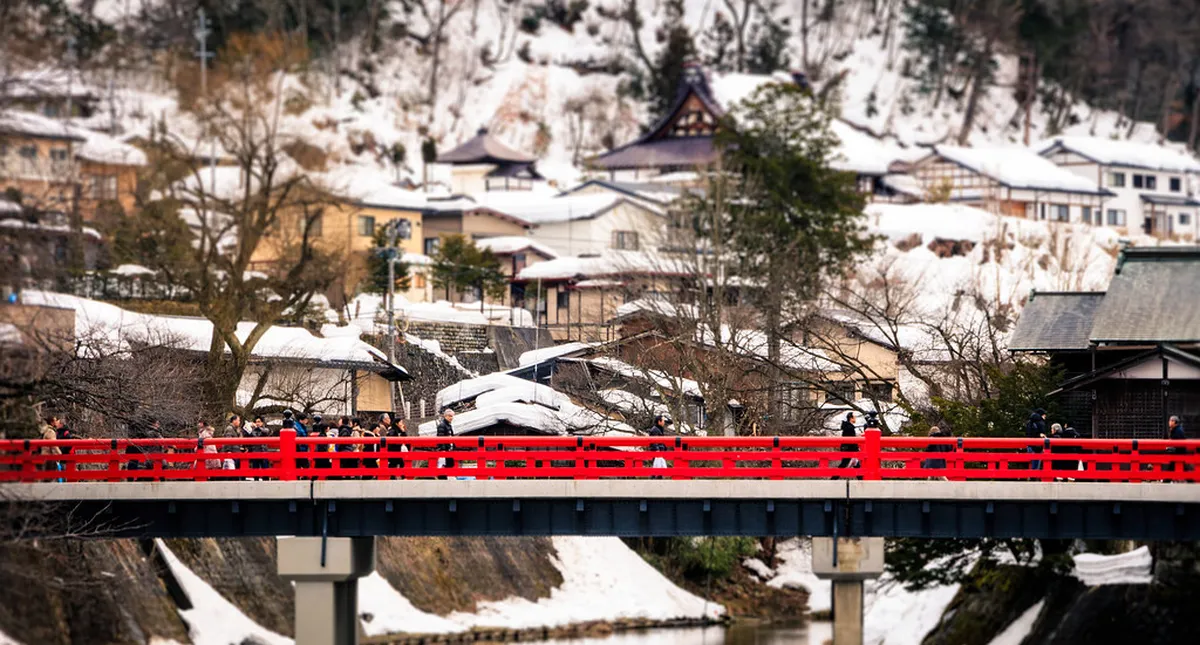
The address is 4-7 Shinmeicho, Takayama. From Takayama Station, expect roughly a 15-minute walk. The museum itself is about 1 minute from Nakabashi Bridge and the Old Town, and it backs onto the Miyagawa River. Large movie signs face the river side, and a bench there makes a handy rest stop.
For arrival logistics, read our Takayama Station Guide: Exits, Lockers, Buses and Trains (2026). If you are using regional passes, the tourist pass guide explains the options. Pass details are also on the pass operator's page.
There is no car park. Use the paid Shinmei or Nakahashi parking lots nearby. At the reception counter you can store large luggage and baby strollers, which helps if you are arriving or leaving the same day.
Pair the visit with an Old Town stroll in the morning. For a longer outing, Hida Folk Village shows a very different, rural side of history. If you need a base, browse Takayama hotels first.
A Rainy-Day Option and Accessibility Notes
Everything here is indoors, which makes it a dependable fallback when Takayama turns wet or snowy. A rainy day also means fewer people choosing outdoor Old Town walks, though that is a guess rather than a published figure.
The toy corner and video games sit in a living room on the second floor. The sources do not describe a lift or step-free route. Call 0577-70-8384 before visiting if mobility is a concern. Reduced admission applies to adults (¥600) and children (¥400) with disabilities.
Mistakes to Avoid and Practical Tips
Do not come alone if you can help it. The museum says it is less fun to simply look at things, because the toys, photos and lunch are designed to be shared. Solo travelers can still enjoy the arcade, but a companion makes photos and air hockey easier.
Avoid arriving after the school lunch window closes. Check the last-entry time as well, which is 30 minutes before closing. Remember that outside food and drink are not allowed, though candies, drinks and ice cream bought at the store can come inside.
Be gentle with exhibits. Visitors can touch toys freely, but damage may be reimbursed. Do not move or take away items. Free Wi-Fi and self-timer tripods for smartphones are available for photos.
- Arrive by 11:00 if lunch is your priority.
- Budget 1 to 2 hours, more if you play every machine.
- Bring ¥100 coins for the jukebox, air hockey and table games.
- Keep your entry receipt for same-day re-entry.
Frequently Asked Questions
How much does the Hida Takayama Retro Museum cost?
Adult admission is ¥700 and child admission is ¥500. Infants under 3 enter free. School lunch, cotton candy and some games cost extra.
Is the Hida Takayama Retro Museum different from Takayama Showa-kan?
Yes. The Retro Museum is hands-on, with free arcade games, pachinko and a school lunch booth. Takayama Showa-kan recreates 1950 streets for walking through. Adult admission is ¥800 at Showa-kan.
When can I eat the school lunch?
School lunch is served from 11:00 to 15:00. The set costs ¥980 and the 3-piece set costs ¥750. Menu contents can vary by day.
How long should I plan to spend here?
Plan 1 to 2 hours. The official page says the long stay is about 2 hours. You can re-enter on the same day with your receipt.
How do I get to the museum from Takayama Station?
Walk for about 15 minutes. The museum is roughly 1 minute from Nakabashi Bridge. There is no parking lot, so use nearby paid parking if you drive.
Free: The Takayama Essentials guide
Top things to do, where to stay, a perfect day plan, getting around, and the best time to go — a Takayama mini-guide you can take offline.
You might also like
Continue reading
More guides you'll find useful