10 Best Areas and Hotels in Takayama (2026)
Discover the best hotels in Takayama with our expert guide. We compare 10 top accommodations, from luxury ryokans with private onsens to budget station hotels.
On this page
After three visits to Takayama over the last five years, I have learned that your choice of neighborhood defines your experience far more than the individual hotel. This mountain town in the Japanese Alps offers a unique blend of Edo-period charm and modern convenience that rewards those who pick their base carefully. Our editors have reviewed all four main neighborhoods so you can match the right area to your travel style and budget. For historical context on the town's Edo-era merchant culture, japan-guide.com's Takayama guide provides excellent background.
Updated for 2026 after my recent autumn return to check on new boutique openings and pricing. The local hospitality scene is evolving quickly, with modern apartment-style hotels appearing near the station alongside long-established ryokans in the old streets. This guide walks you through where to stay in Takayama area by area, with specific hotel picks at every price point.
Our Experience Staying in Takayama
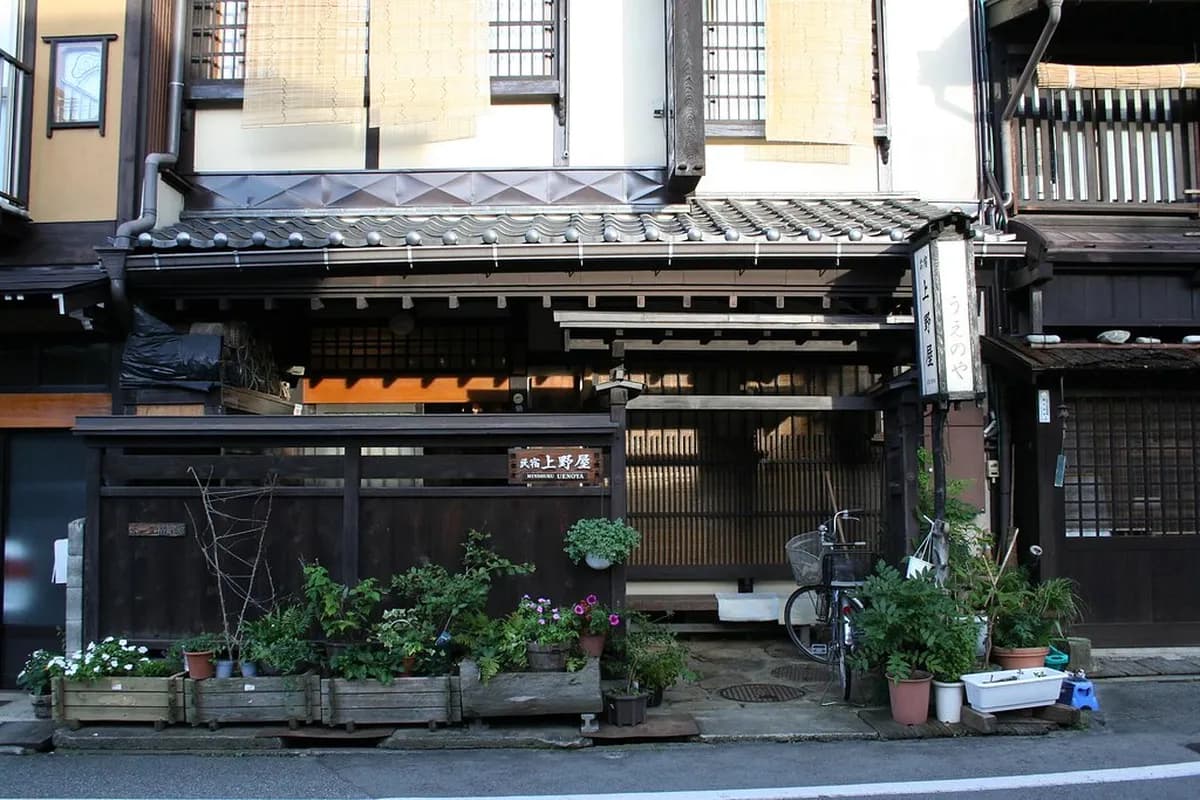
On our first trip we stayed at a traditional ryokan in Central Takayama, which put us within walking distance of almost everything. Crossing the Miyagawa River into Sanmachi Suji took about five minutes on foot, and the morning markets were empty and peaceful before 8:00 AM. That early-morning access alone was worth the overnight stay.
For our second visit we switched to a western-style hotel near Takayama Station. The walk to the old streets was longer — around fifteen minutes — but having the train terminal steps away made departure morning completely stress-free. On that trip we were catching the Hida Limited Express back to Nagoya with heavy bags, and the station location paid off immediately.
The consistent conclusion across both stays: Takayama is genuinely worth an overnight. The town transforms once the last day-tripper buses leave at around 17:00. Sake breweries, small izakayas, and lantern-lit alleys open up in a way that simply cannot be experienced between morning and late afternoon. If you are trying to fit Takayama into a tight Tokyo-Kyoto corridor itinerary, a two-day visit gives you enough time to see the town at its best.
Best Areas to Stay in Takayama
Takayama is compact — roughly 3.5 kilometres along the Miyagawa River — so no matter where you stay in Takayama, you are never more than a 15-minute walk from the core sights. The real trade-off is between transport convenience, atmosphere, and price. The four main areas are the Station precinct, Central Takayama, Sanmachi Suji (Old Town), and Sakuramachi/Hanasatomachi.
As a quick orientation: the Station area is best for anyone doing day trips or catching early trains. Central Takayama is the best all-round choice for first-timers who want walking access to attractions without paying Old Town prices. Sanmachi Suji is ideal for a fully immersive, atmosphere-first stay but has fewer properties. Sakuramachi and Hanasatomachi offer a quieter, residential feel a short walk south of the main sightseeing belt.
- Station Area — Modern hotels, highest availability, best for day-trippers to Shirakawa-go and Nagoya connections.
- Central Takayama — Mid-range ryokans and business hotels, walkable to both the station and the old town.
- Sanmachi Suji — Atmospheric but limited inventory; book 3–4 months ahead (6+ months for festival dates).
- Sakuramachi / Hanasatomachi — Quiet residential streets, independent cafes, fewer tourists.
| Area | Best For | Vibe | Walk to Old Town |
|---|---|---|---|
| Station Area | Day-trippers, early trains, Shirakawa-go access | Modern, practical, touristic | 15 minutes |
| Central Takayama | First-timers, foodies, families | Walkable, lively, mixed modern/traditional | 5–7 minutes |
| Sanmachi Suji | History lovers, atmosphere seekers, photographers | Immersive, Edo-era, peaceful evenings | 0 minutes (you are there) |
| Sakuramachi / Hanasatomachi | Local experience, quiet stays, long-termers | Residential, authentic, fewer tourists | 10–15 minutes |
Takayama Station Area: Best for Transport and Day Trips
The Station area is the most practical choice if your Takayama stay is a hub for regional travel. The Nohi Bus Terminal sits directly in front of the station, with buses departing for Shirakawa-go village throughout the day. Buses to Shirakawa-go take 50 minutes and cost around ¥2,800 each way; you can find bus tickets to Takayama online to lock in seats during busy periods.
A practical note for heavy packers: if you are doing a Shirakawa-go day trip, the best hotels in this area — including Koko Hotel and Live Takayama — offer luggage storage at the front desk so you can travel light on the bus. Koko Hotel also provides free bicycle rentals, which is one of the most underrated perks in Takayama: cycling closes the gap between the station and Sanmachi Suji in under five minutes instead of fifteen on foot.
Restaurants around the station are generally less expensive than those inside the tourist belt. You will find reliable Hida beef options and local izakayas along the main road without the tourist markup. The drawback is purely atmospheric — the station precinct lacks the Edo-era character that makes Takayama distinctive, so it suits travellers who treat lodging as a practical base rather than part of the experience.
Station Area picks: Koko Hotel (¥9,000–¥16,000/night, free bikes, rooftop onsen); Live Takayama (¥12,000–¥21,000/night, apartment-style with kitchenette, 24h digital check-in).
Central Takayama: Best for Walkability and Foodies
Central Takayama runs along the west bank of the Miyagawa River, between the station and the old canal district. Takayama Jinya — the only remaining Edo-era government house in Japan — sits in this zone, along with the Jinya-mae Morning Market which sets up daily from 07:00 to 12:00. Staying here means you can walk to the market before breakfast and be first in line at the sake tasting rooms before the tour groups arrive.
This area holds the largest concentration of Hida beef restaurants in the city. The local cattle, raised in the mountain valleys under strict prefectural standards, appears on menus as yakiniku, sukiyaki, and nigiri. For families, the streets around Hida Kokubunji Temple are calm and well-lit at night, with hotel rooms noticeably more spacious than the narrow-room ryokans of the old town.
Takayama Ouan is the standout mid-to-upper choice in this zone. It sits steps from the station edge and combines a Western hotel lobby with tatami-floored rooms and a famous rooftop onsen with panoramic mountain views. Standard rooms run ¥15,000–¥24,000 per night; the rooftop is accessible to all guests from 15:00 onwards. The Machiya Hotel is a ten-minute walk away and offers both western and Japanese-style rooms at ¥20,000–¥34,000, plus two reservable private onsen on the premises.
Sanmachi Suji (Old Town): Best for Traditional Ryokan Atmosphere
Sanmachi Suji is the heart of historic Takayama. The narrow streets are lined with preserved wooden merchant houses dating from the Edo period, and the morning market along the Miyagawa riverbank is one of the most picturesque in Japan. Staying here puts you inside the atmosphere that most visitors only see on a rushed afternoon walk before catching the evening train out.
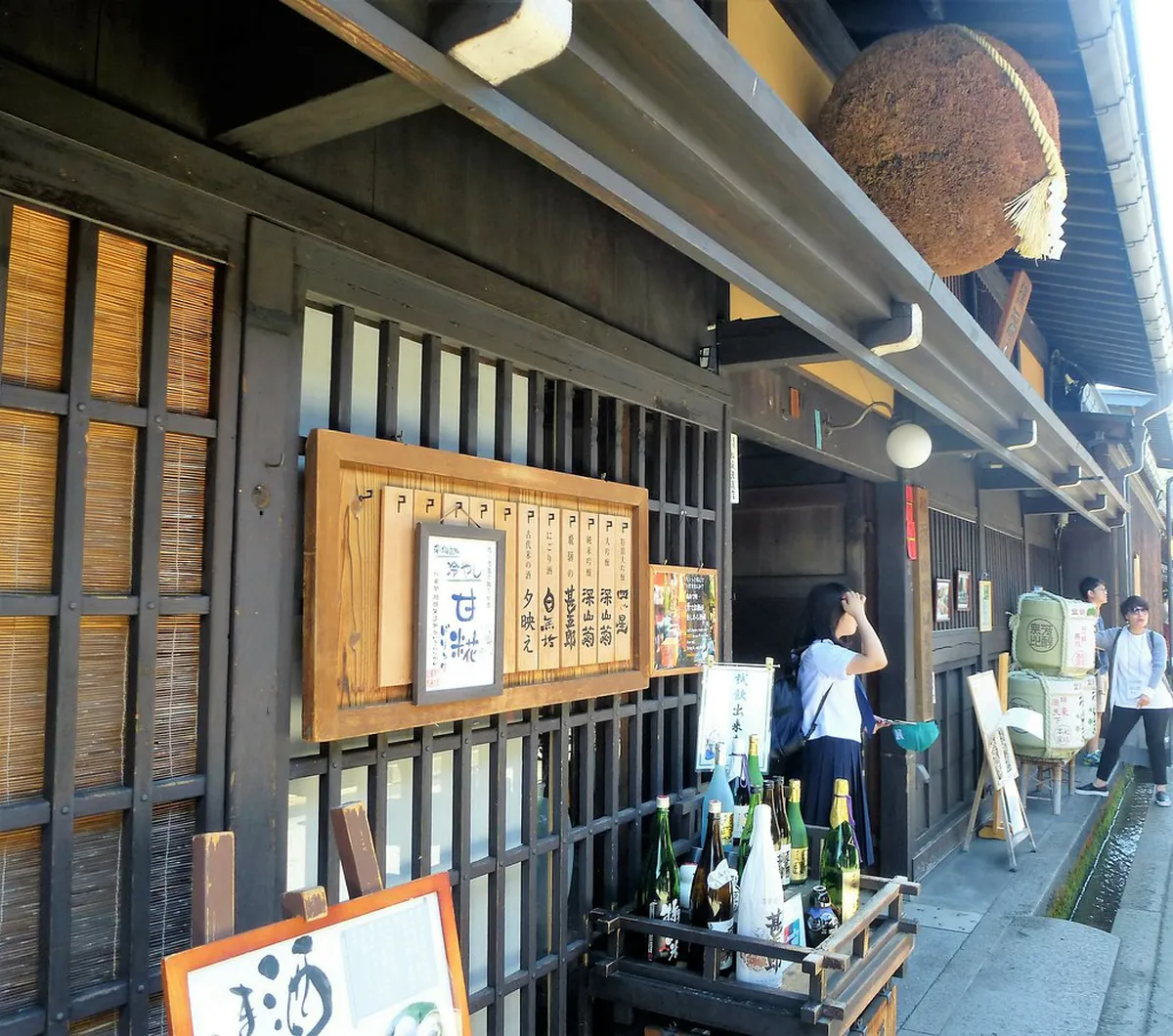
The trade-off is availability and price. There are relatively few lodging options inside Sanmachi itself, and the best ryokans fill months in advance — especially around the April Takayama Spring Festival and the October Autumn Festival. During festival weekends, the whole old town becomes the event venue, which is extraordinary if you planned ahead, and very frustrating if you did not. We recommend booking Old Town accommodation six months out for festival dates and three months out for regular weekends.
Honjin Hiranoya Kachoan sits directly beside Takayama Jinya and across the famous Nakabashi Red Bridge from the main Sanmachi street. This is one of the most prestigious addresses in the city, with full kaiseki dinner service and attentive staff who handle check-in, yukata preparation, and futon setup as discrete, unhurried rituals. Rates run ¥50,000–¥83,000 per person including dinner and breakfast. For a slightly more accessible price point, Hotel Wood Takayama blends a modern interior with the Edo-era streetscape and includes a large communal onsen as well as optional guided night tours of the old town — a genuinely useful add-on for first-time visitors.
Sakuramachi and Hanasatomachi: Best for Local Atmosphere
South of the Miyagawa River, the Sakuramachi and Hanasatomachi districts feel like a different city. Tourist traffic thins dramatically, and the streets are lined with the kinds of bakeries, tofu shops, and neighbourhood bars that locals actually use. The French bakery Train Bleu in Hanasatomachi is a favourite among long-stay visitors for breakfast pastries.
Sakuramachi holds the Sakurayama Hachimangu Shrine and the Takayama Matsuri Yatai Kaikan, where four of the Autumn Festival floats are stored year-round. If you happen to visit during the October festival, staying in this area puts you within metres of the float procession route. The Homeitaigumi Preservation Area nearby is quieter than Sanmachi Suji and less photographed — excellent for a morning walk without crowds.
Accommodation here skews toward smaller guesthouses and whole-house rentals rather than large hotels. Minshuku Iwatakan is a traditional wooden inn with shared toilets and a small outdoor wooden tub onsen — simple and authentic, at around ¥8,000–¥12,000 per night. For travellers who want a spa upgrade, the Wat Hotel & Spa in Hanasatomachi offers a mineral water spa, sky lounge with mountain views, and a high-end residential vibe with fewer crowds than the central tourist belt.
Best Takayama Hotels with Private Onsen
A word on terminology before you book: "private onsen" in Takayama means different things at different properties. Most mid-range hotels offer what is called a kashikiri bath — a private room containing a hot spring bath that you reserve by the hour (typically ¥1,500–¥3,000 per booking, 45–60 minute slots). You share this room only with your travel party, not with other guests. It is a genuinely private experience, but the bath is not physically inside your bedroom.
In-room baths — where the hot spring pipe runs directly into an open-air tub on your private balcony or inside your suite — are rare and significantly more expensive. These are found at luxury ryokans such as Hidatakayama Futarishizuka Hakuun (hillside location, views of the Alps, shuttle from station; rooms with private open-air baths from ¥35,000 per person including two meals) and Mozumo Ryokan (mountain setting, Huyrin natural onsen, kaiseki dinner included). Both require advance booking of 2–3 months minimum.
Takayama Ouan and The Machiya Hotel both offer the kashikiri model, which is the right choice for couples or families who want onsen privacy without committing to a full luxury ryokan rate. Book your kashikiri slot at check-in; popular times (18:00–21:00) go quickly. Properties with genuine natural mineral water — as opposed to heated tap water — will state "onsen" certification explicitly on their booking pages; this distinction matters for the therapeutic properties of the soak.
Best Budget-Friendly Hotels and Hostels
Budget travellers face a meaningful choice between two very different experiences. Station-area hostels like K's House Takayama Oasis are modern, social properties with dormitory beds from around ¥2,800 per night and private rooms from ¥7,500. The communal kitchen is genuinely well-equipped — picking up Hida beef from a local butcher and cooking it yourself saves considerably compared to restaurant prices. The building is clean and modern, three minutes from the station, and the vibe skews toward solo travellers and backpackers.
Old Town guesthouses offer a very different atmosphere at similar or slightly higher prices. Properties like Hostel Murasaki in Central Takayama sit in traditional wooden buildings with tatami rooms and shared baths. The setting is quieter and more reflective of old Takayama than a station hostel, but the social infrastructure is thinner. If your priority is meeting other travellers, stay near the station. If your priority is absorbing the town's character from early morning, a Central or Old Town guesthouse is worth the marginal extra cost.
The best budget tip in Takayama applies regardless of where you stay: the Jinya-mae Morning Market and the Miyagawa Morning Market both run until noon and sell local produce, pickles, and crafts at non-tourist prices. Grab breakfast there and save your restaurant budget for a single exceptional Hida beef dinner instead of spreading it thin across multiple mid-range meals.
Is Staying Overnight in Takayama Worth It?
Many tourists attempt to see Takayama as a quick stop between Tokyo and Kyoto, arriving mid-morning and leaving on the late-afternoon Hida Express. That approach works — the old town is walkable in two hours — but it misses the town entirely. The morning markets peak between 07:00 and 09:00. The sake breweries are quietest before 10:00. The lantern-lit evening streets, the unhurried dinners at riverside restaurants, and the early-morning mist over the Miyagawa are all completely inaccessible to day-trippers.
Staying overnight is also the practical answer for anyone visiting during festival season. The Takayama Spring Festival in April and the Autumn Festival in October transform the city completely. Festival floats parade through the old streets, the crowds are thick, and every ryokan within the central belt is fully booked. If a festival visit is your goal, plan the hotel first and build the rest of the trip around it.
For a complete itinerary framework, our two-day Takayama plan covers how to sequence the morning markets, sake breweries, Hida Folk Village, and evening dining into two days without rushing. One night is the minimum to do the town justice; two nights is the sweet spot for most visitors.
Essential Planning: Getting Around and Best Time to Visit
Most visitors arrive via the JR Hida Limited Express from Nagoya (around 2 hours 20 minutes) or by highway bus. Highway buses from Tokyo take approximately 5–6 hours but connect directly without a Nagoya transfer — useful if you are coming from the capital. You can book bus seats in advance at Willer Travel to secure seats during peak periods. The Japan National Tourism Organization provides official regional travel information and seasonal event calendars. Once in Takayama, the city centre is entirely walkable; Koko Hotel's free bicycle rentals cover the full town in under 20 minutes.
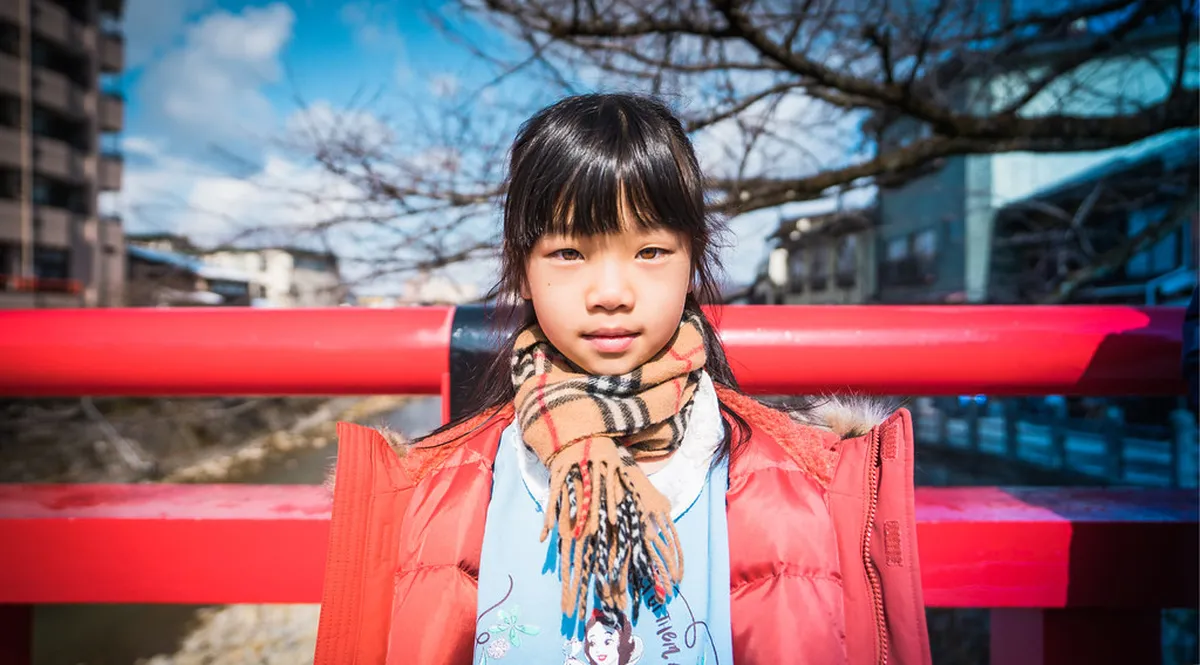
Spring (late March to May) and autumn (October to November) are the optimum visiting seasons. Spring brings cherry blossoms and the April festival; autumn brings crimson maple leaves and the October festival. Both festival periods require booking accommodation 6 months ahead minimum — local hotels reach full capacity within days of festival dates going public each year. Winter (December to February) is cold and snowy but crowd-free, and some ryokans offer discounted rates plus the atmospheric bonus of snow on the old rooftops.
For luggage management on side trips: most Station-area hotels offer free storage if you are doing a Shirakawa-go day trip. Alternatively, the Takkyubin courier service allows you to forward large bags between hotels in different cities overnight for ¥1,000–¥2,000 per bag — a genuine quality-of-life upgrade if you are moving on to Kanazawa or Kyoto after Takayama. Many front desks can arrange same-day pickup before 12:00.
Frequently Asked Questions
What is the best area to stay in Takayama for first-timers?
The area around Takayama Station is best for first-time visitors due to its transport links. It provides easy access to trains, buses, and most major attractions within walking distance. You will also find the highest concentration of modern hotels and dining options here.
Are there many hotels with private onsens in Takayama?
Yes, several hotels offer private 'kashikiri' baths that can be reserved for personal use. Takayama Ouan and Oyado Koto No Yume are popular choices for this feature. These are ideal for families or couples who prefer a private bathing experience.
How far in advance should I book a hotel for the Takayama Festival?
You should book at least six to eight months in advance for the April and October festivals. These events attract thousands of visitors and local hotels reach full capacity very quickly. Prices also tend to rise significantly as the festival dates approach.
Takayama remains one of Japan's most rewarding destinations for those who choose their accommodation wisely. Whether you prefer a luxury ryokan in the old streets or a practical station hotel for day-trip access, staying overnight is the only way to experience the town at its genuine best. We hope this area-by-area guide helps you find the right base for your 2026 journey into the heart of the Japanese Alps.
Remember to book early for peak seasons and weigh the neighbourhood trade-offs carefully against your own itinerary. The hospitality in this mountain town is legendary, and picking the right area will make the difference between a good trip and a memorable one.
Free: The Takayama Essentials guide
Top things to do, where to stay, a perfect day plan, getting around, and the best time to go — a Takayama mini-guide you can take offline.
You might also like

Continue reading
More guides you'll find useful