Takayama Winter Events: Illuminations, Festivals & Okuhida Guide
Plan Takayama winter events for 2026-2027: city illuminations, New Year markets, and which Okuhida onsen festivals require an overnight stay.
On this page
Last updated September 2026. Takayama winter events fall into two zones: city-center illuminations you can walk to from the Old Town, and Okuhida onsen festivals an hour or more away by Nohi Bus. Nakabashi Bridge stays lit through mid-March at no charge, while the Nakao Kamakura Festival sits deep in the Alps far enough that a same-day return often is not possible.
Takayama Winter Events Calendar: City Center vs Okuhida Onsen
Winter in Hida Takayama runs from mid-November to early March, with January bringing the deepest cold. City lows average -6°C (21°F), and the Okuhida Onsen area sits roughly 2 to 3 degrees colder, often -8°C to -9°C (18°F to 16°F) above 1,000 meters. Three pillars define the season: historic illuminations around the Old Town, New Year markets and Shinto rituals, and frozen-forest events scattered through Okuhida's five hot spring towns. The Takayama winter snow guide covers weather and packing in full, so this page focuses only on events. Everything below sorts into two zones: walkable from JR Takayama Station, or a Nohi Bus ride into the mountains. Beyond winter, the month-by-month festival calendar maps the full annual spread. Year-round planning starts at the Takayama festivals hub.
The Logistics Reality Check: City Walks vs Okuhida Bus Rides
City-center events need no transport plan. Nakabashi Bridge, the Old Town illuminations, and the December markets sit within a 10-minute walk of JR Takayama Station. Okuhida events are a different trip entirely. Nohi Bus runs from the terminal next to the station, and the ride to Fukuji, Shin-Hirayu, or Shinhotaka takes 60 to 95 minutes depending on the stop. The last bus back to Takayama City typically leaves in the early evening, before igloo-festival and illumination hours end for the night. Three events fall outside that window: the Taruma Kanekori Illumination near Shin-Hirayu, the Nakao Kamakura Festival at Shinhotaka, and the Subzero Forest at Akigami Onsen. Public transport does not run back to Takayama after dark for any of these three. An overnight stay in an Okuhida ryokan is the only way to see them lit up without driving yourself.
| Event | Travel Time from Takayama Station | Cost | Night Bus Back to Takayama? |
|---|---|---|---|
| Nakabashi Bridge light-up | Walk, under 10 minutes | Free | Yes — walkable anytime |
| Hida Folk Village illumination | About 15 minutes by bus | ¥300 adults / ¥100 children | Check last bus time |
| Aodaru Illumination (Fukuji Onsen) | About 1 hr 10 min by bus | Free | No — overnight recommended |
| Taruma Kanekori Illumination (Shin-Hirayu) | About 1 hr 15 min by bus | Free | No — overnight required |
| Nakao Kamakura Festival (Shinhotaka) | About 1 hr 30 min by bus | Free entrance | No — overnight required |
| Subzero Forest (Akigami Onsen) | About 1 hr 30 min by bus | Free | No — overnight recommended |
| Shinhotaka Ropeway | About 1 hr 45 min by bus | ¥3,300 round trip (adults) | Yes — day trip feasible |
Winter Illuminations in Takayama and Okuhida
Five illuminations anchor the season, ranging from a free bridge walk in town to a -10°C (14°F) forest of lit trees an hour and a half out. Dates below follow the pattern from recent seasons. Confirm exact 2026-2027 dates on the Hida Takayama official tourism site before you build a trip around them.
Some mountain illuminations like Taruma run until 17:00 to 21:30, but the last Nohi Bus leaves in early evening, which is why overnight Okuhida stays are necessary for evening visits.
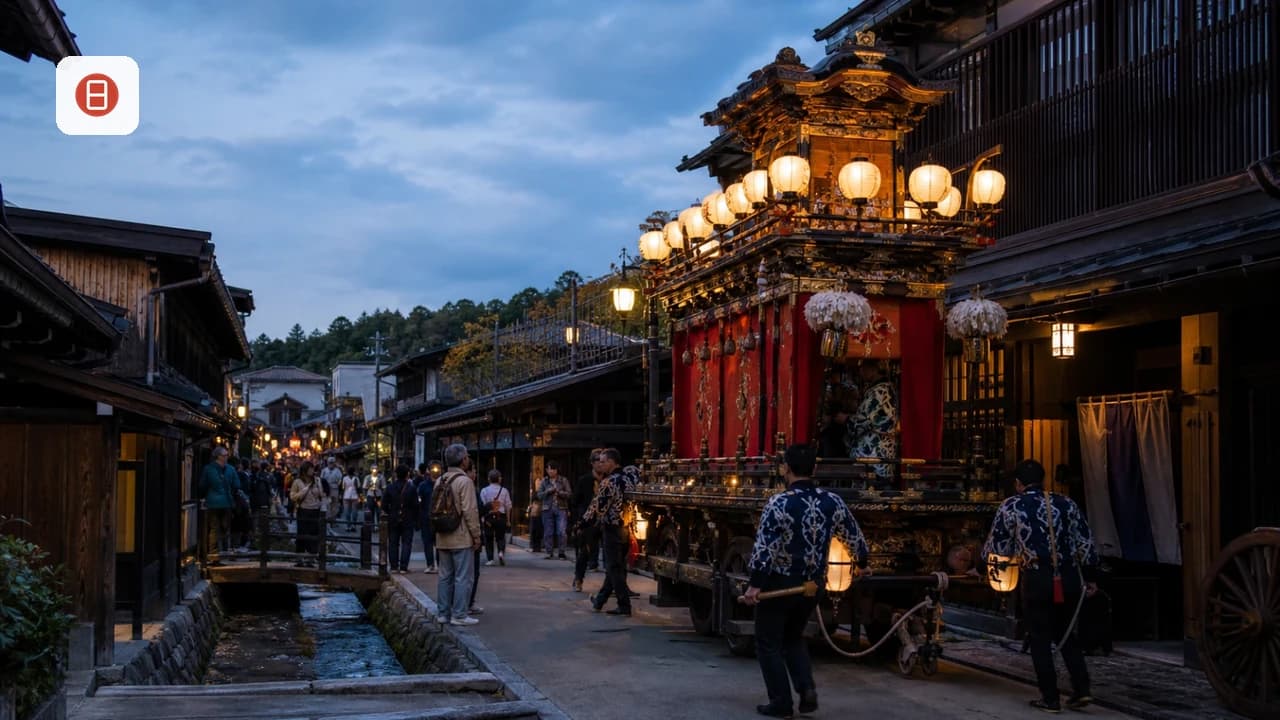
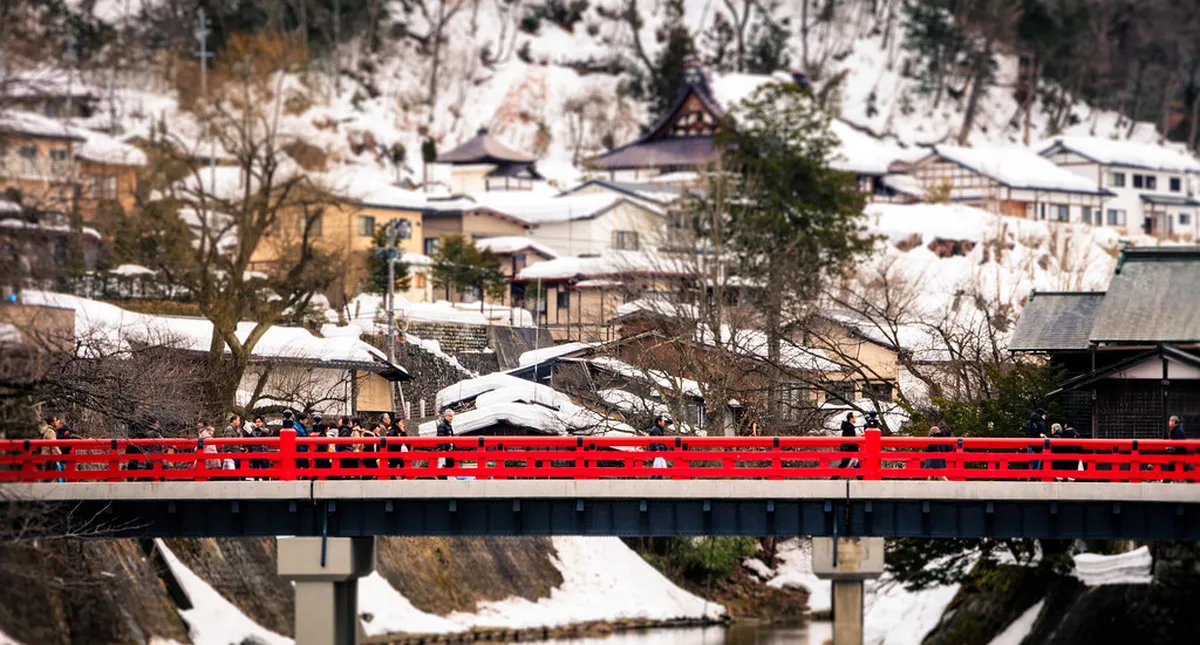
- Nakabashi Bridge, Old Town: lit December 1 to March 15, 16:30 to 21:30, free, no bus needed.
- Hida Folk Village (Hida no Sato): gassho-zukuri houses lit roughly January 10 to February 28, 17:30 to 20:30. Entry runs ¥300 for adults and ¥100 for children, about 15 minutes by bus from JR Takayama Station. Grilled mochi is served at the irori hearth on weekends and holidays during the run.
- Aodaru Illumination, Fukuji Onsen: blue ice columns lit late December to late March, 17:00 to 22:00, free, about 1 hour 10 minutes by bus. Early-to-mid February adds an Ice Path Light-up walk behind the ice, plus Hembetori lion dance performances.
- Taruma Kanekori Illumination, Shin-Hirayu: frozen icicles at the Taruma waterfall lit late December to February 28, 17:00 to 21:30, free entry. It is a 5-minute walk from the Shin-Hirayu Onsen bus stop, about 1 hour 15 minutes from Takayama by Nohi Bus.
- Subzero Forest, Akigami Onsen: frozen trees lit in red, blue, and green until 21:00, running January 1 to March 31, free, about 1 hour 30 minutes by bus on the Asahi Line.
New Year Markets and Shinto Rituals
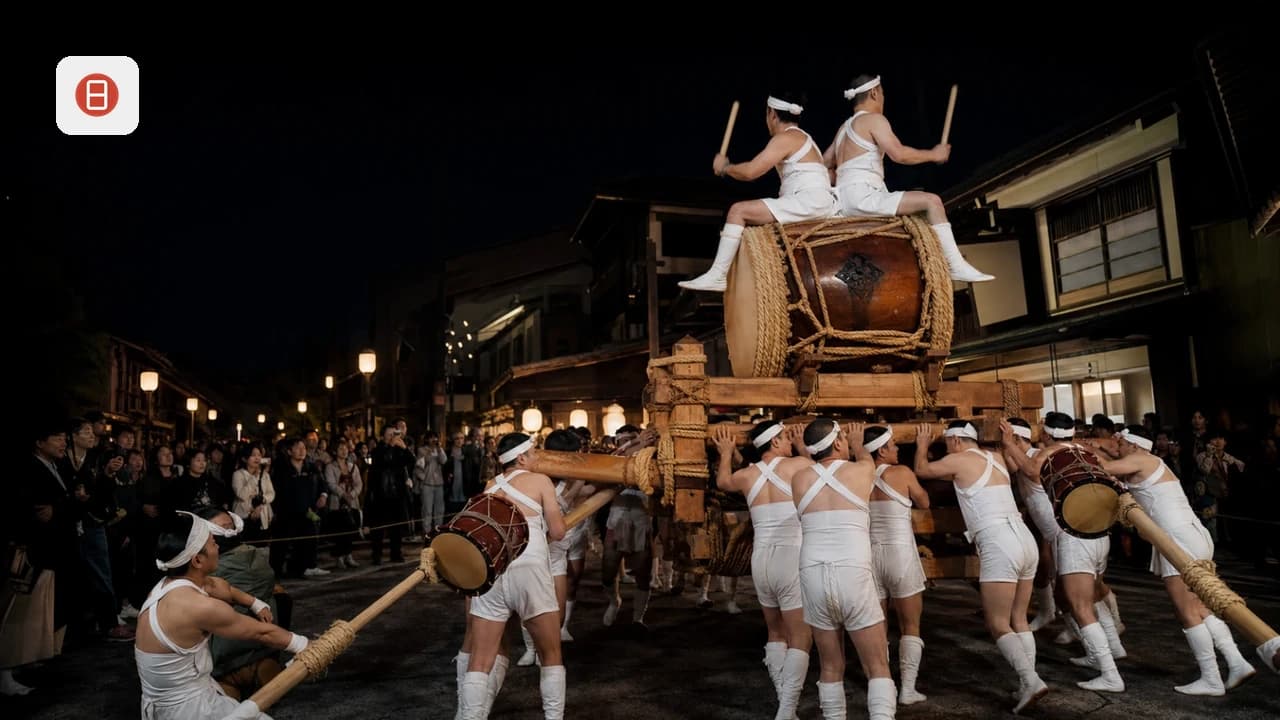
Between late December and early February, Takayama and neighboring Hida-Furukawa run a string of market fairs and purification rites layered onto the illuminations above. The Misogi ritual stays quiet and spiritual, while the Nakao Kamakura Festival runs loud and social, with sake bars built into the snow huts.
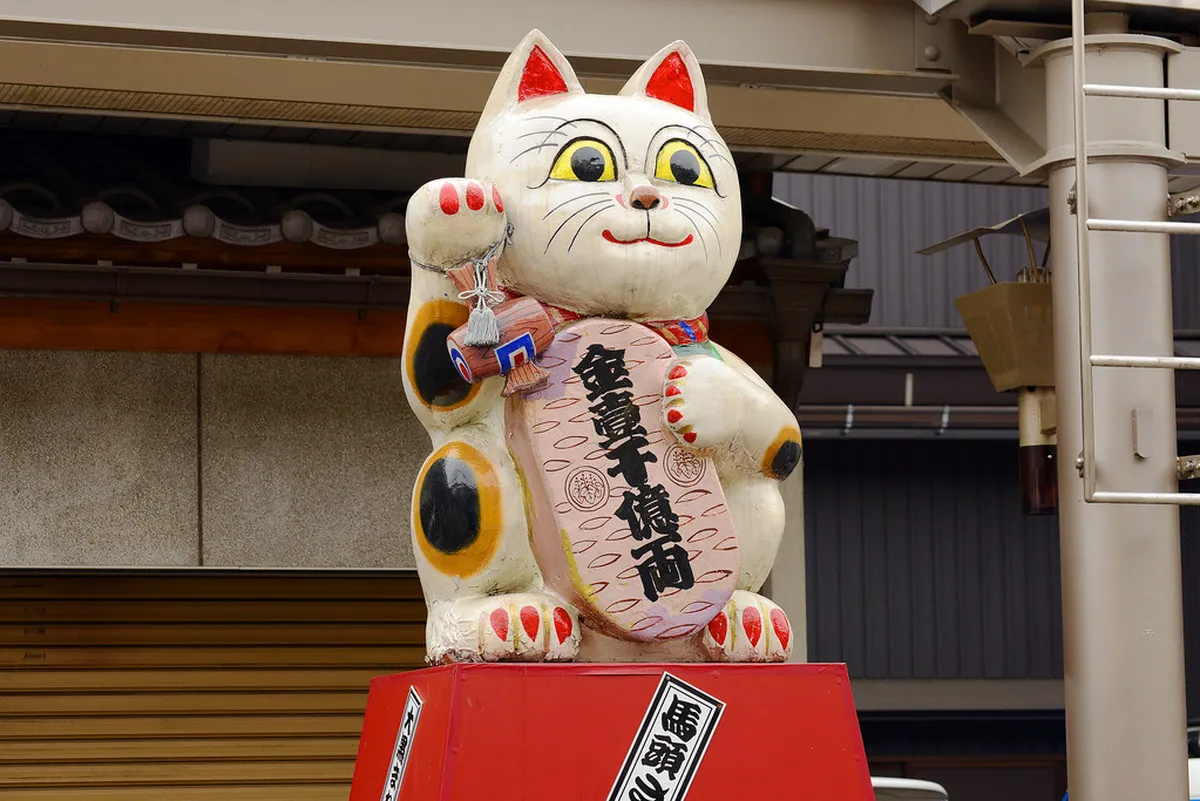
- Toshi-no-se-ichi, December 27-31: year-end markets at Jinya-mae and Miyagawa sell New Year decorations, fresh produce, and crafts alongside the regular morning-market stalls, per the Takayama City Tourist Association.
- Shiwasu no Obarai and Misogi, December 30: a Shinto purification ritual at the Aragi River, about 20 minutes from JR Takayama Station. Water runs as cold as 4°C (39°F), and visitors are welcome to join, not just locals.
- Niju-yokka-ichi, January 24: a market fair on Yasugawa Shotengai, closed to traffic for the day and held on this date every year since 1872.
- Nakao Kamakura Festival, February 1-10: an igloo village at Nakao Shirayama Shrine near Shinhotaka, with sake bars, mochi-making, and a Nakao Lion Dance inside the snow huts. This is the event with no bus back to Takayama at night, so pair it with a stay in Shinhotaka or Okuhida.
- Santera Mairi, January 15: a temple-visiting rite in Hida-Furukawa, covered in the Hida-Furukawa festival guide. Local scheduling details are tracked by Hida City Tourism.
Active Winter Experiences: Ropeway, Skiing, and Onsen Towns
Beyond the light shows, Okuhida's mountains and onsen towns fill the season with active options. The Shinhotaka Ropeway is Japan's only double-decker gondola, climbing to 2,156 meters (about 7,073 feet) through four stations with views toward Mt. Yarigatake and Oku-Hotakedake. Round trip fare runs ¥3,300 for adults and ¥1,650 for children, with a snow corridor walk at the upper station. Reaching it takes about 1 hour 45 minutes from Takayama Station by Nohi Bus, plus the ¥2,200 one-way fare each direction. Shinhotaka Crystal Snow Park runs seasonally inside Chubu Sangaku National Park, about 90 minutes out by bus, though 2026-2027 dates had not been posted on the official site as of this writing. Closer in, Mont Deus Hida Kuraiyama Snow Park offers free shuttle buses from JR Takayama Station on a 40-minute ride, with gentle slopes suited to beginners. Honoki Daira Winter Resort, also 40 minutes out by bus, is known locally for some of the region's best snow quality. Five hot spring towns anchor Okuhida: Hirayu, Fukuji, Shin-Hirayu, Tochio, and Shinhotaka, each 1 to 1.5 hours from Takayama Station by bus. Hirayu Onsen is the oldest and largest of the five, and nearby Hirayu Great Falls freezes into an ice pillar most winters, lit at night from late December through the end of February. For scenery beyond Takayama itself, the snow-covered village at Shirakawa-go makes a common pairing. Back in town, the full Takayama attractions guide rounds out a longer stay.
Season Comparison: Early, Mid, and Late Winter Costs
Costs and crowds shift across the season more than most guides admit. Most illuminations are free, but stacking the Shinhotaka Ropeway with Okuhida bus fares changes the math fast. A single evening at Nakabashi Bridge costs nothing, while a full Okuhida day pairing the round-trip Nohi Bus fare (about ¥4,400) with the ropeway's ¥3,300 round trip runs close to ¥7,700 per adult. If your dates are flexible, the spring festival guide covers early April crowds without the cold. Autumn brings its own logistics, covered in the autumn festival guide. Travelers extending the trip regionally often add Kanazawa's winter events by train. Others pair Takayama with events in Matsumoto on the way back toward Tokyo.
| Period | Typical Low (City) | Signature Events | Planning Note |
|---|---|---|---|
| Early Winter (Dec 1-26) | Cold but milder than peak | Nakabashi light-up begins; ski season opens at Mont Deus and Honoki Daira | Snow scenery without New Year crowds |
| New Year Peak (Dec 27-Jan 3) | Around -6°C (21°F) | Toshi-no-se-ichi market; Misogi ritual Dec 30 | Shops close Dec 31-Jan 2; book ryokans early |
| Deep Winter (Jan-Feb) | -6°C (21°F) in town, -8°C to -9°C (18°F to 16°F) in Okuhida | Hida Folk Village light-up, Niju-yokka-ichi Jan 24, Nakao Kamakura Festival Feb 1-10, Aodaru and Taruma illuminations | Coldest stretch; Okuhida events need an overnight stay |
| Late Winter (Early March) | Still cold, milder at night | Nakabashi and Aodaru wind down by mid-March | Fewer crowds; some Okuhida events already closed |
Practical Planning: Where to Stay and Mistakes to Avoid
Decide where to sleep based on which events matter most. Staying in the city center suits travelers prioritizing markets, food, and the walkable illuminations, and the where to stay in Takayama guide covers those neighborhoods. Okuhida works better for travelers chasing the Nakao Kamakura Festival, Taruma Kanekori, or an onsen soak after dark, and the festival-season accommodation guide breaks down both options side by side. For a shortlist of specific properties, see the 10 Best Areas and Hotels in Takayama (2026). Fold winter events into a broader Takayama Itinerary for First-Timers rather than treating them as a single-day add-on. Budget-conscious travelers should note that most of the illuminations and markets covered here cost nothing, a pattern detailed further in the free things to do in Takayama guide.
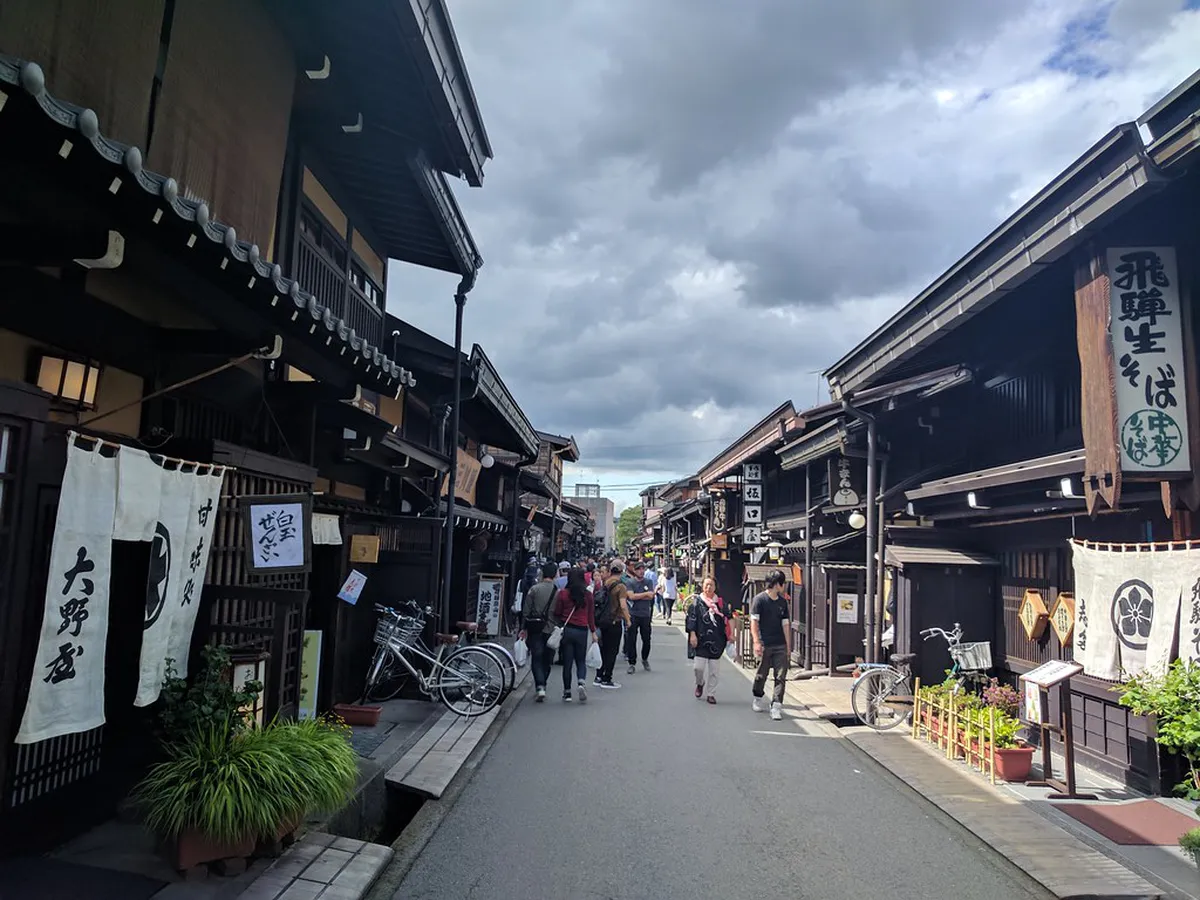
- Assuming trains reach Okuhida: there is no rail line into the hot spring towns, only the Nohi Bus from the terminal beside JR Takayama Station.
- Planning New Year shopping for December 31 to January 2: many shops and restaurants close for the holiday, even during Toshi-no-se-ichi season.
- Skipping footwear prep: icy slopes call for non-slip waterproof boots and heat packs (kairo), especially around Old Town's packed-snow streets and the Okuhida trailheads.
Frequently Asked Questions
When do winter illuminations start and end in Takayama?
Nakabashi Bridge in the Old Town typically runs December 1 through March 15, with no admission fee. Okuhida illuminations like Aodaru and Taruma Kanekori follow a similar late-December-to-late-February or March window, though exact 2026-2027 dates should be confirmed on the Hida Takayama official tourism site before you travel.
Can you visit the Nakao Kamakura Festival as a day trip from Takayama City?
Not reliably. The bus ride to Shinhotaka runs about 90 minutes each way, and public transport does not operate back to Takayama City after the festival's evening hours. Staying overnight in Shinhotaka or elsewhere in Okuhida is the practical way to see it lit up.
How much colder is Okuhida than Takayama city in winter?
Okuhida typically runs 2 to 3 degrees colder than the city center. Takayama's average low sits near -6°C (21°F), while parts of Okuhida above 1,000 meters drop to around -8°C to -9°C (18°F to 16°F).
What does the Hida Folk Village winter illumination cost?
In recent seasons, admission ran ¥300 for adults and ¥100 for children, with preschoolers free. The lighting typically runs from mid-January to late February, roughly 17:30 to 20:30, about 15 minutes by bus from JR Takayama Station.
Do New Year markets and shops stay open around January 1 in Takayama?
Not entirely. Many shops and restaurants close between December 31 and January 2 for the holiday, even though the Toshi-no-se-ichi market runs December 27 through 31. Plan meals and shopping around that gap, especially if arriving right at New Year.
Free: The Takayama Essentials guide
Top things to do, where to stay, a perfect day plan, getting around, and the best time to go — a Takayama mini-guide you can take offline.
You might also like


Continue reading
More guides you'll find useful