Hida Furukawa Festival Guide: Okoshi-Daiko, Yatai Floats & 2026 Dates
Plan the Hida Furukawa festival: April 19-20 dates, the Okoshi-Daiko drum battle, yatai floats, JR times from Takayama, and where to stay.
On this page
Last updated September 2026: the Hida Furukawa festival splits into two distinct nights that rarely get equal billing online. On April 19, hundreds of men wrapped in sarashi cloth carry a massive drum turret through Furukawa's streets until midnight. On April 20, nine lacquered yatai floats parade in near silence, and children perform kabuki at Shinshu-ji Temple.
What Is the Hida Furukawa Festival?
Furukawa Matsuri is the spring festival of Keta Wakamiya Shrine in Hida-Furukawa, a district of Hida City in Gifu Prefecture. Held every April 19 and 20, it splits into two contrasting halves: a chaotic night of drumming and a formal daytime float parade. Locals frame this split as motion versus stillness, a concept passed down for generations to mark the arrival of spring. It's one of 33 float festivals nationwide recognized together as UNESCO Intangible Cultural Heritage, registered in December 2016 under the Yama, Hoko, Yatai Events category. Longtime shrine parishioners, called ujiko, and the volunteers who support them, known locally as matsuribito, keep the festival's roles and rituals running year after year. Fearless Okoshi-Daiko participants earn the nickname Furukawa Yancha for the way they throw themselves into the drum battle. The festival runs rain or shine, though organizers may pull specific mikoshi or floats from the schedule in heavy weather. Planning a longer Gifu trip? Start with Takayama's full festival calendar to see how Furukawa Matsuri fits alongside the city's other events. Cross-check exact dates against the month-by-month festival calendar before booking, since April is dense with events across the region. There's no admission fee to watch from the street, and general public participation stays viewing-only.
- Dates: April 19-20 every year, fixed regardless of weekday
- Location: Furukawa-cho, Hida City, Gifu; a 5-minute walk from JR Hida-Furukawa Station
- UNESCO status: Intangible Cultural Heritage since December 2016, part of the Yama, Hoko, Yatai Events
- Floats: 9 yatai, paraded on April 20
- Cost: free to watch from the street
The Festival's Quieter Third Layer: Mikoshi Processions
Beyond Okoshi-Daiko and the yatai floats, a third ritual runs through both days of Furukawa Matsuri. On April 19, the deity of Keta Wakamiya Shrine is placed into a portable shrine, or mikoshi, and carried to a temporary resting site called Otabisho. Shishimai lion dancers and musicians accompany the procession through the streets. On April 20, the same mikoshi carries the deity back to Keta Wakamiya Shrine in a return procession that closes the festival's religious side. This layer moves quietly beneath the drum battle and the float parade. Longtime ujiko often treat it as the festival's actual center of gravity, even though visitors tend to notice the drums and floats first.
April 19: Okoshi-Daiko, the Rousing Drum Battle
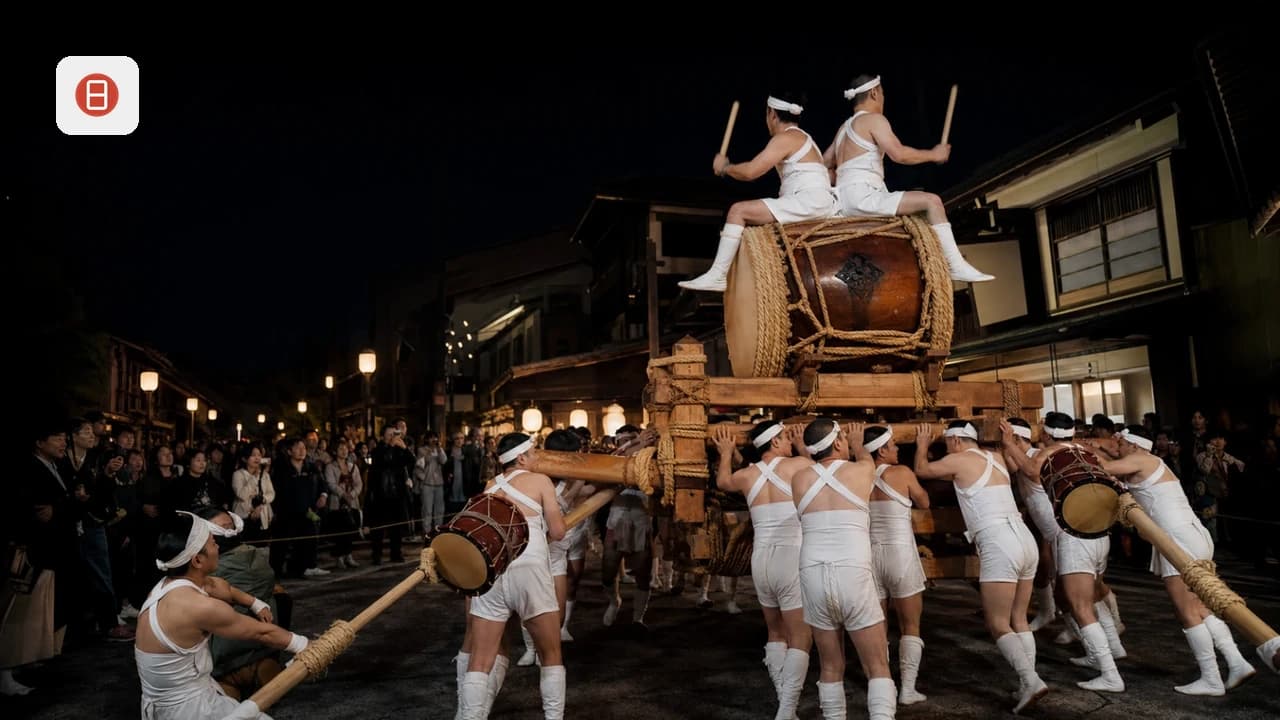
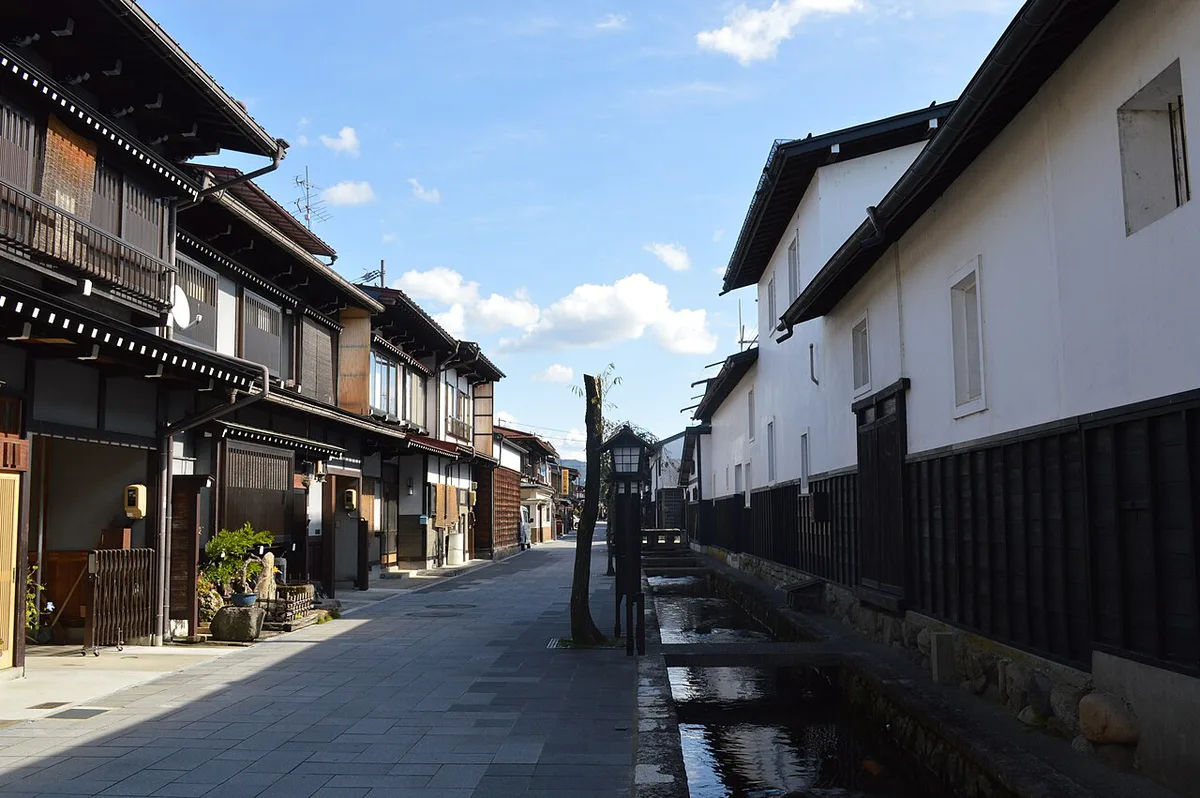
Okoshi-Daiko departs at 8:00 PM in a ceremony known as Shuttatsusai, and this is the loudest, most physical part of Furukawa Matsuri. Hundreds of men dressed only in sarashi, a long strip of white cotton wrapped around the torso, hoist a massive drum turret and carry it through the old town streets. Two drummers straddle the turret itself, one facing forward and one back, beating the main drum as the procession moves. Locals compare the pose to Ryomen Sukuna, a two-faced figure from local legend. Smaller drum teams called Tsuke-daiko race in from side streets, trying to jostle into position behind the main drum. Holding that spot right behind the Okoshi-Daiko is an honor every local group competes for. This offense-and-defense battle repeats through the night and runs until close to midnight. The drumming and shouting carry across the old town for hours, and hotel windows near the route rattle with the noise. Crowds pack close to the action, so local guidance warns visitors to stay clear of roadside ditches and the Setogawa canal edges as the crush moves through town.
The drum procession starts at 8:00 PM and runs late into the night, but trains to Takayama stop before midnight—overnight accommodation in Furukawa solves the timing conflict.
April 20: Yatai Floats, Karakuri, and Child Kabuki
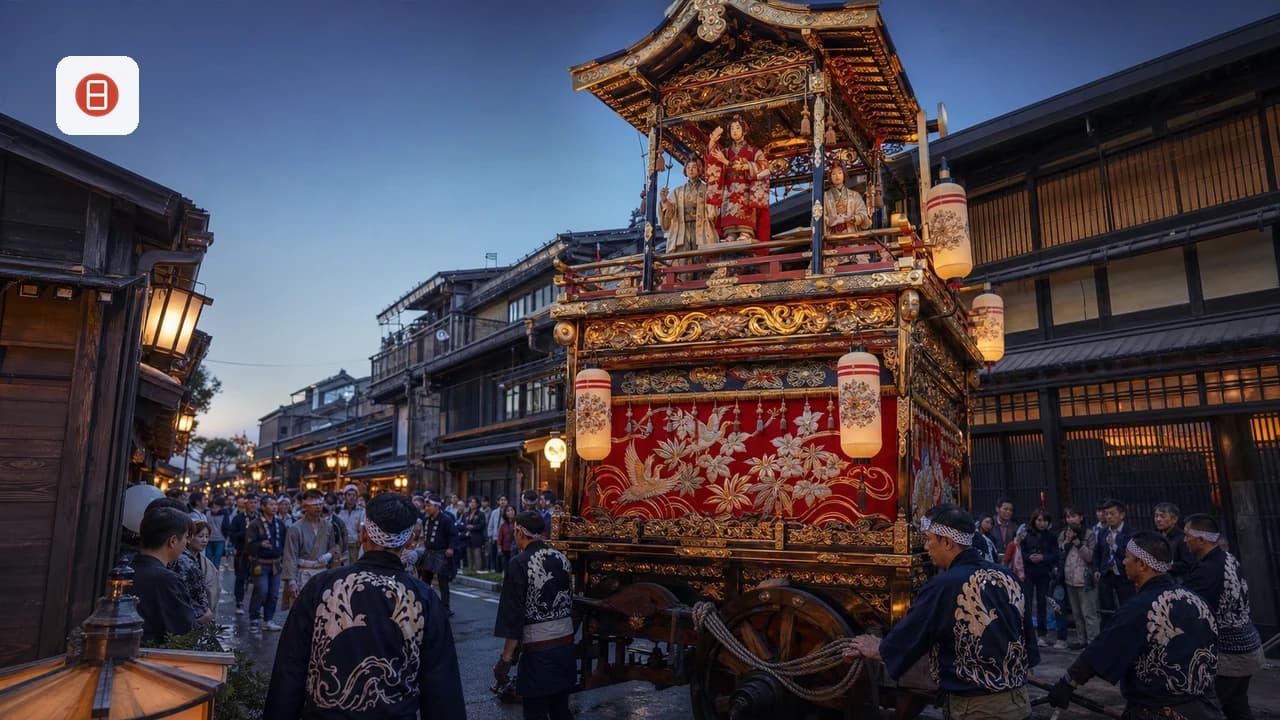
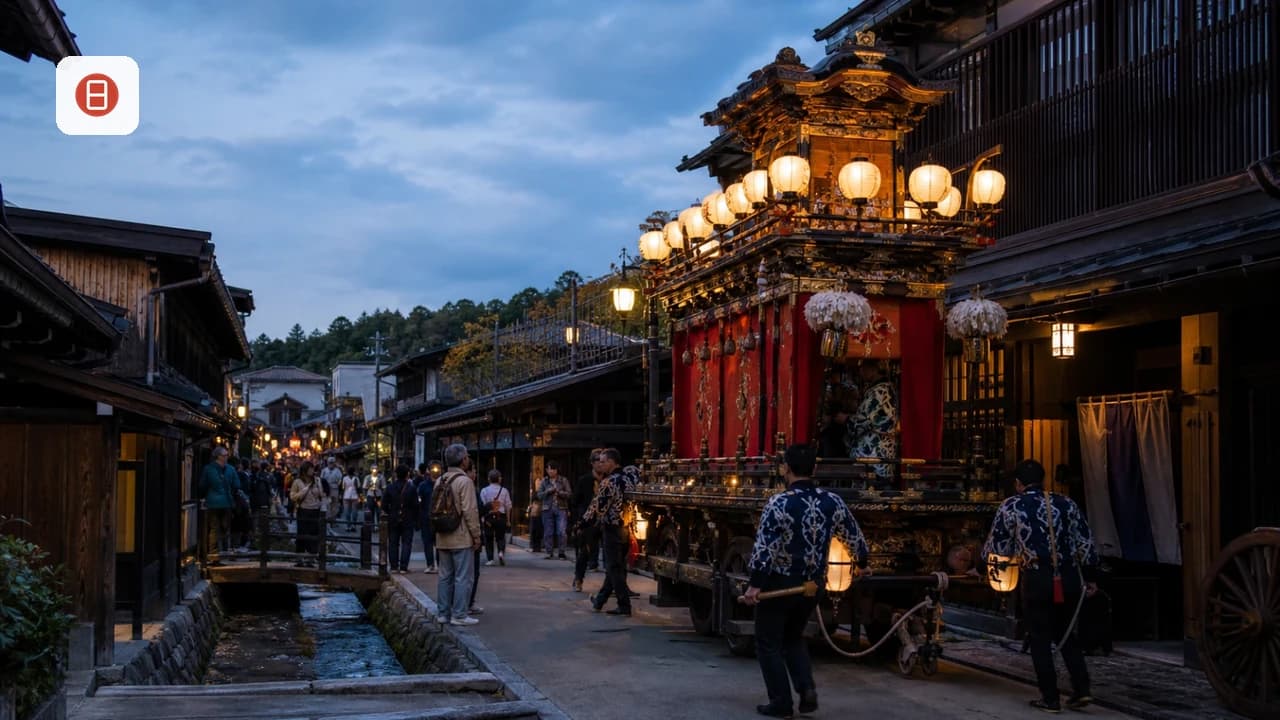
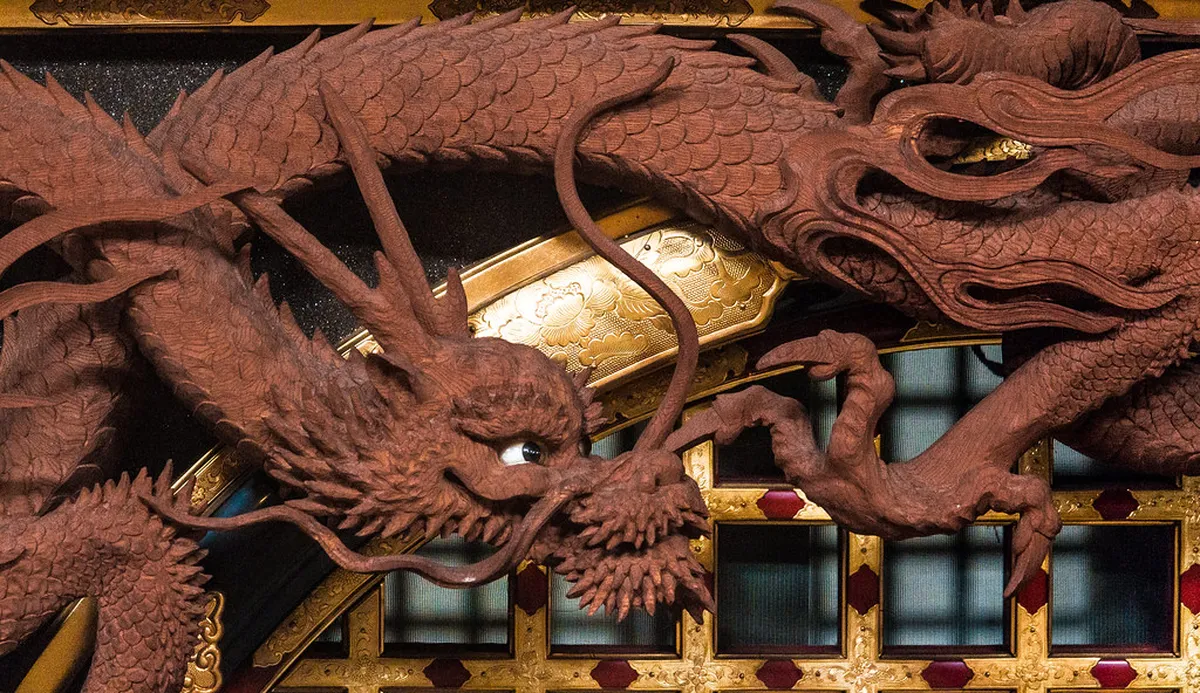
By 8:00 AM on April 20, all nine yatai floats leave their storehouses and parade through Furukawa's streets in complete contrast to the night before. The floats trace back to designs brought from Edo, refined over generations by Hida's own carpenters and carvers. Two of the nine carry karakuri ningyo, mechanical marionettes worked by strings and gears rather than electricity, a craft that arrived from Kyoto and fused with local woodworking. Each yatai carries carved panels and metal fittings added by different generations of craftsmen, so no two floats look alike up close. Children perform a kabuki play called Benkei and Ushiwakamaru on one float, staged near the Square in the late morning and again at Shinshu-ji Temple around 12:30 PM. Once evening falls, the floats parade a final time with paper lanterns lit for Yomatsuri, closing the festival in quiet contrast to the daytime crowds. Photographers should note the carved panels reward a slow pass rather than a quick photo stop.
Where April 19 erupts with drums and energy, the floats depart at 8:00 AM in formality and near silence—skipping either day sacrifices the festival's defining contrast.
Getting to Hida Furukawa from Takayama
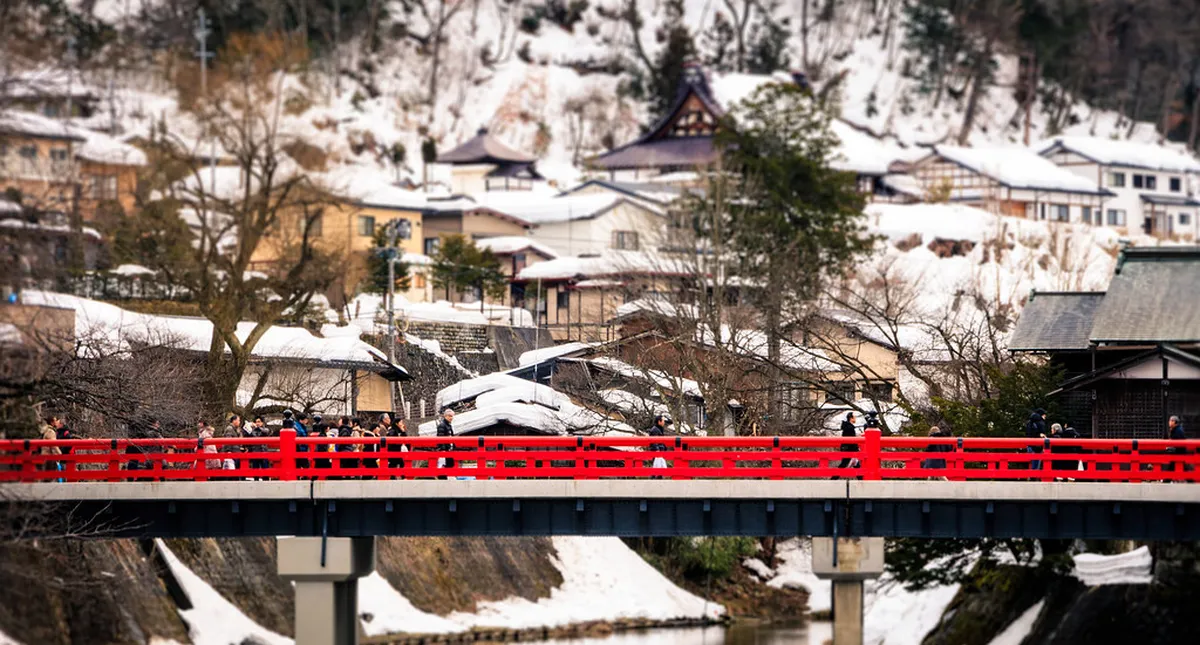
Most festival visitors base themselves in Takayama and travel in by train, since Hida-Furukawa sits on the same JR Takayama Main Line. The ride between the two stations takes about 15 to 20 minutes, and Hida-Furukawa Station is a five-minute walk from the festival's old-town core. Confirm current timetables with Hida City's tourism office before the trip, since rural JR schedules shift year to year. Free Wi-Fi is available near the station's waiting room and at the Machinaka Tourist Information Office, and staff there hand out English and Chinese pamphlets for international visitors. The real planning trap sits on the night of the 19th: Okoshi-Daiko runs close to midnight, but the Takayama Main Line does not run trains that late. Anyone attending the drum parade from a Takayama hotel needs a same-day plan for the last train, a pre-booked taxi, or a room in Hida Furukawa itself. Day-trippers who prefer not to rush can also treat the whole night as an overnight stay by booking a Furukawa ryokan far ahead of April. Reviewing a full Takayama itinerary ahead of time clarifies whether the festival works as a day trip or needs its own overnight stay.
Where to Stay: Hida Furukawa vs. a Takayama Base
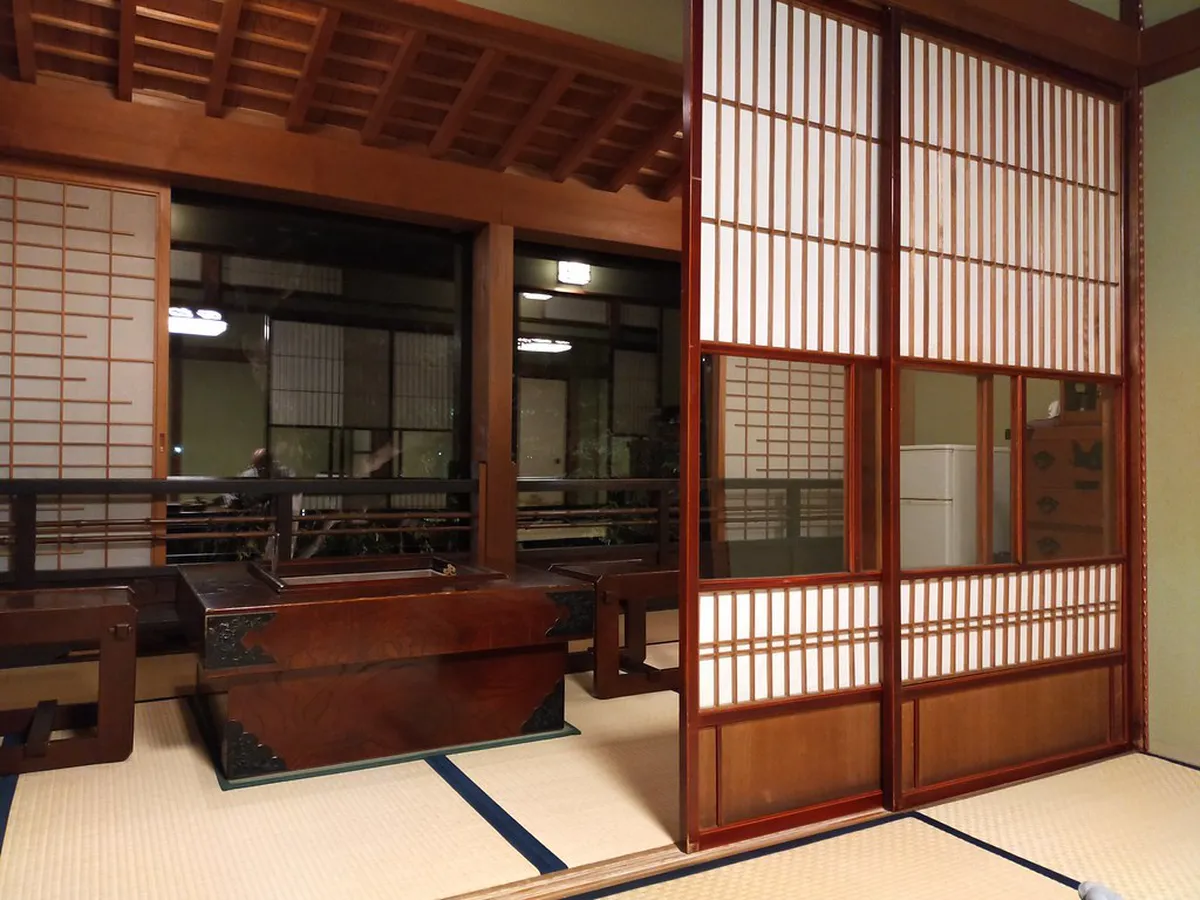
Hida Furukawa itself has only a handful of ryokans, and most sell out for festival weekend far in advance. Many of these are small, family-run properties with only a few rooms, which is part of why availability disappears so fast. Booking six months or more ahead is realistic for anyone who wants to sleep inside the festival town itself. Most travelers instead base themselves in Takayama, 15 to 20 minutes away by train, and commute in for both festival days. Start with where to stay for festival season for neighborhood-level picks timed to festival crowds. Comparing options through Takayama's best-rated hotels is worth doing early, since rooms near the station fill first. The Takayama City Tourist Association also tracks lodging availability as the festival dates approach.
Beyond the Festival: The Exhibition Hall and Nearby Gifu
Outside the two festival days, the Hida Furukawa Festival Exhibition Hall keeps the tradition visible year-round. Three real yatai floats stand on display alongside a 4K film of the festival. Together they capture both the drum battle and the float parade without the April crowds. Additional off-season event details are posted through Hida's official tourism portal. Ten yatai-gura, float storehouses, stand scattered around town and keep each float safe for the rest of the year. A private e-bike tour through the surrounding Hida countryside pairs a farm visit with lunch, a quieter contrast to festival week. Local sake breweries, including Watanabe and Hourai, keep the town's craft traditions running on non-festival dates too, and both sit within walking distance of the old town's storehouse street. From Hida Furukawa, Shirakawa-go's thatched farmhouse village works as a half-day add-on. Takayama's old town also rewards a full afternoon of walking; check Takayama's old town sights before you go. Travelers extending north toward the coast sometimes fold in Kanazawa's own festival calendar to build a longer Hokuriku loop. Visiting outside spring entirely is easy to plan around, since Takayama's winter illuminations cover the opposite end of the calendar. Budget-conscious itineraries can pair festival days with no-cost activities in Takayama.
Furukawa Matsuri vs. Takayama Spring Festival: Which Fits Your Trip
Hida Furukawa and Takayama hold separate spring festivals five days apart, and travelers building a Gifu itinerary often want to know which one to prioritize. Takayama Spring Festival happens April 14-15 in Takayama's old town, while Furukawa Matsuri follows on April 19-20 in a smaller neighboring town. See Takayama's spring festival dates for its own float schedule. In our editorial assessment, Furukawa's Okoshi-Daiko carries a rawer, closer-quarters energy than Takayama's daytime processions, while Takayama's floats and street crowds run considerably larger. Furukawa's compact old town also means less walking between viewing spots than Takayama's larger festival route. Neither festival replaces the other, and many Gifu trips are timed to catch both within the same week. Missing spring entirely still leaves an option: floats return each fall for the Takayama autumn festival.
| Factor | Furukawa Matsuri | Takayama Spring Festival |
|---|---|---|
| Dates | April 19-20, fixed every year | April 14-15, fixed every year |
| Signature moment | Okoshi-Daiko drum battle, 8:00 PM to near midnight on the 19th | Daytime yatai processions with karakuri performances |
| Floats | 9 yatai floats, paraded April 20 | Multiple yatai floats through Takayama's old town streets |
| Crowd feel | Intimate town streets; in our editorial assessment, more physically intense | Larger crowds across a bigger old-town circuit |
| Access from Takayama | 15-20 minutes by JR Takayama Main Line | Held in Takayama itself |
| Lodging lead time | 6+ months for Hida Furukawa ryokans | Months ahead for central Takayama hotels |
Mistakes to Avoid at Furukawa Matsuri
Furukawa Matsuri runs on a tight, two-day schedule that rewards preparation. Three planning mistakes come up again and again for first-time visitors, and any one of them can flatten an otherwise well-planned trip.
- Missing the last train back to Takayama: Okoshi-Daiko runs close to midnight, well past when the JR Takayama Main Line stops for the night.
- Booking too late: ryokans in Hida Furukawa and Takayama hotels both fill for festival weekend, and six months or more of lead time is realistic.
- Attending only one day: the 19th and the 20th show opposite sides of the same festival, and skipping one misses half its motion-versus-stillness identity. Arriving only for the daytime floats, or only for the night drum battle, means missing the contrast that makes the trip worthwhile.
Frequently Asked Questions
When is the Hida Furukawa festival in 2026?
Hida Furukawa festival dates are fixed at April 19 and 20, 2026, at Keta Wakamiya Shrine in Furukawa-cho, Hida City. That schedule holds every year regardless of the day of the week.
How do you get from Takayama to Hida Furukawa for the festival?
Take the JR Takayama Main Line north from Takayama Station; the ride takes about 15 to 20 minutes. Hida-Furukawa Station sits a five-minute walk from the festival's old-town streets.
Is Furukawa Matsuri the same as the Takayama Festival?
No, they're separate festivals in different towns. Takayama Spring Festival happens April 14-15 in Takayama itself, while Furukawa Matsuri follows on April 19-20 in Hida-Furukawa, about 15 minutes away by train.
Can you experience Furukawa Matsuri outside of April?
Hida Furukawa Festival Exhibition Hall displays three real yatai floats and a 4K film of the festival year-round. It gives visitors a sense of the drum battle and the float parade outside festival season.
Where's the safest place to watch the Okoshi-Daiko?
Stand back from the drum turret's path and away from the Setogawa canal edges, since the crowd surges as Tsuke-daiko teams jostle for position. Local guidance also warns against standing near roadside ditches during the crush.
How much does it cost to watch Furukawa Matsuri?
Watching from the street is free, and general public participation is viewing-only rather than hands-on. Budget instead for transit and lodging around Takayama or Hida Furukawa.
Free: The Takayama Essentials guide
Top things to do, where to stay, a perfect day plan, getting around, and the best time to go — a Takayama mini-guide you can take offline.
You might also like


Continue reading
More guides you'll find useful