What to Eat in Aizuwakamatsu: 12 Best Dishes and Sake Guide (2026)
What to eat in Aizuwakamatsu: sauce katsudon, kozuyu, basashi, and sake breweries, plus the 4:30 PM closing rule and loop bus routes to reach them in 2026.
On this page
Last updated August 2026, this guide covers what to eat in Aizuwakamatsu, from sauce katsudon and kozuyu to basashi and sake. Aizu's mountain water and four-season climate built a food culture centered on sake, soba, and preserved winter dishes. Attractions and cafes close by 4:30 PM, so use this list to plan meals around the loop bus schedule.
The Samurai City's Food Culture
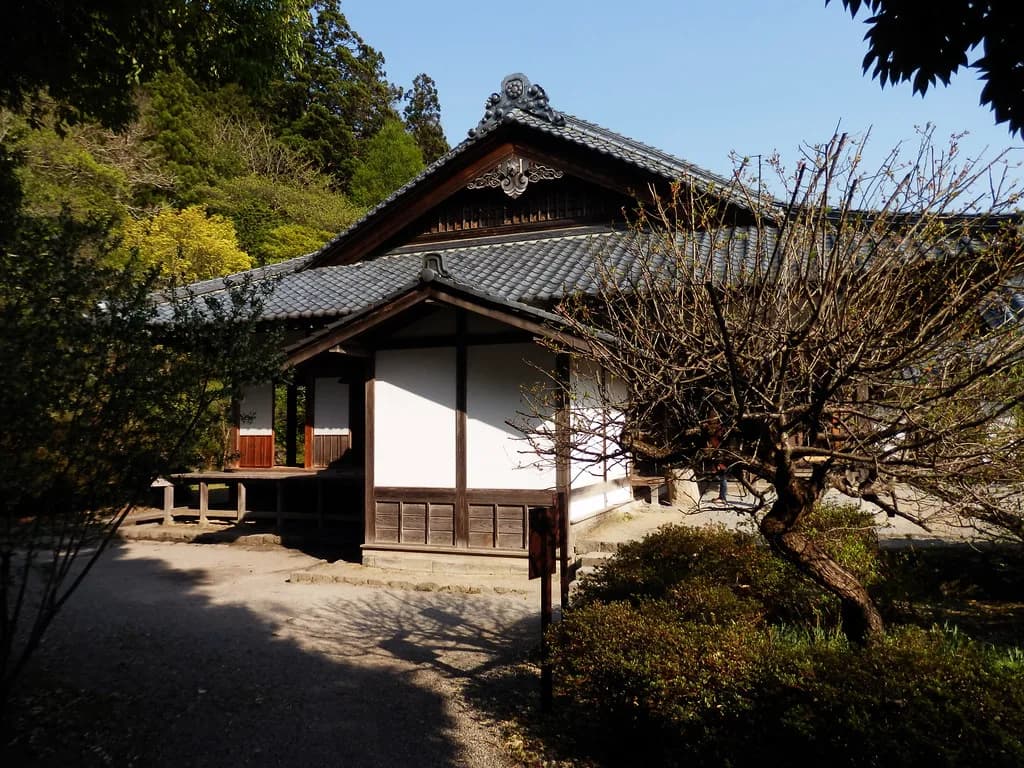
Aizu-Wakamatsu built its food identity around samurai-era traditions and a demanding mountain climate. Hot summers and cold, snowy winters push local cooks toward pickling and drying, and toward a water supply that also feeds dozens of sake breweries and soba fields. Tsuruga Castle and the Byakkotai story sit at the center of the city's history, so a food stop here often follows a morning of samurai-history sightseeing rather than standing alone.
12 Best Dishes to Eat in Aizuwakamatsu
These twelve dishes and drinks cover the range of what to eat in Aizuwakamatsu, from heavy comfort food to ceremonial soup and sake. Each entry notes where locals send visitors and any specifics on portion size, hours, or price.
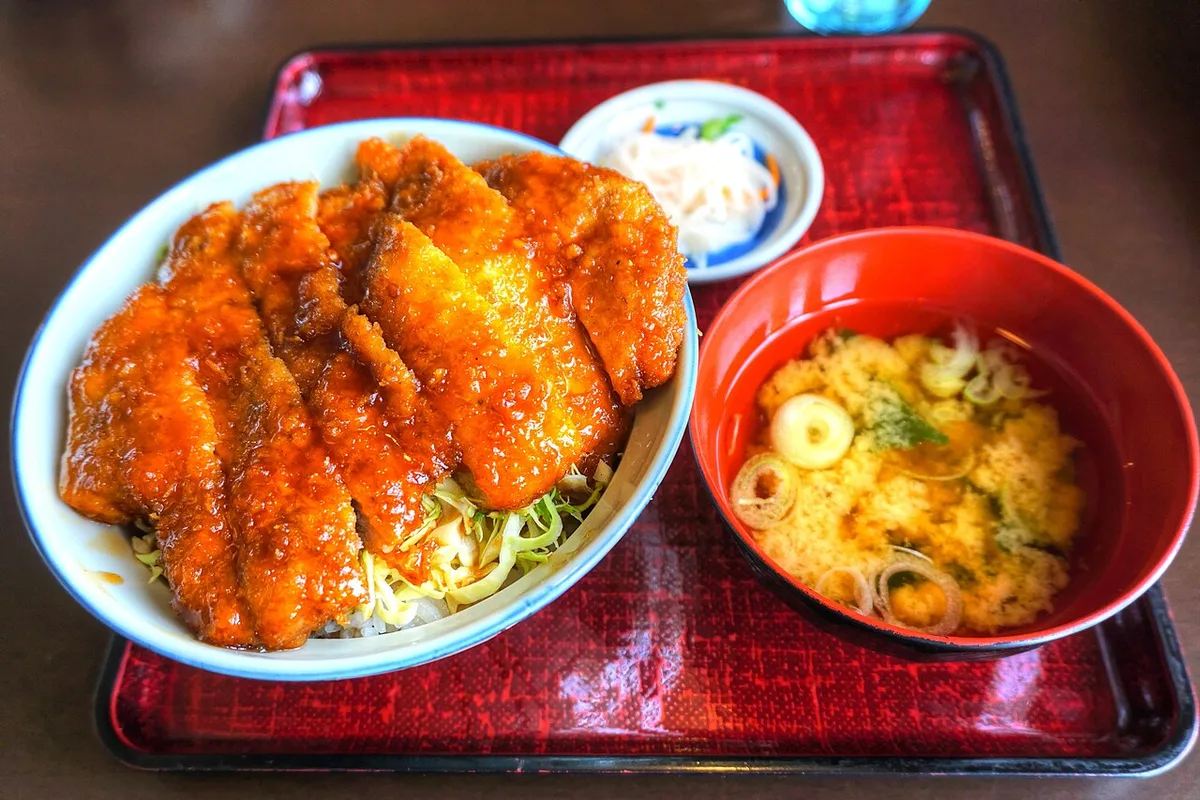
- Sauce Katsudon
- A breaded pork cutlet sits over rice with shredded cabbage and a Worcestershire-style sauce found on menus across Aizu-Wakamatsu.
- Jumonjiya serves a Bandai Katsudon with two 450-gram cutlets, named for the region's main mountain.
- The full sauce katsudon guide ranks shops by cutlet size and sauce style.
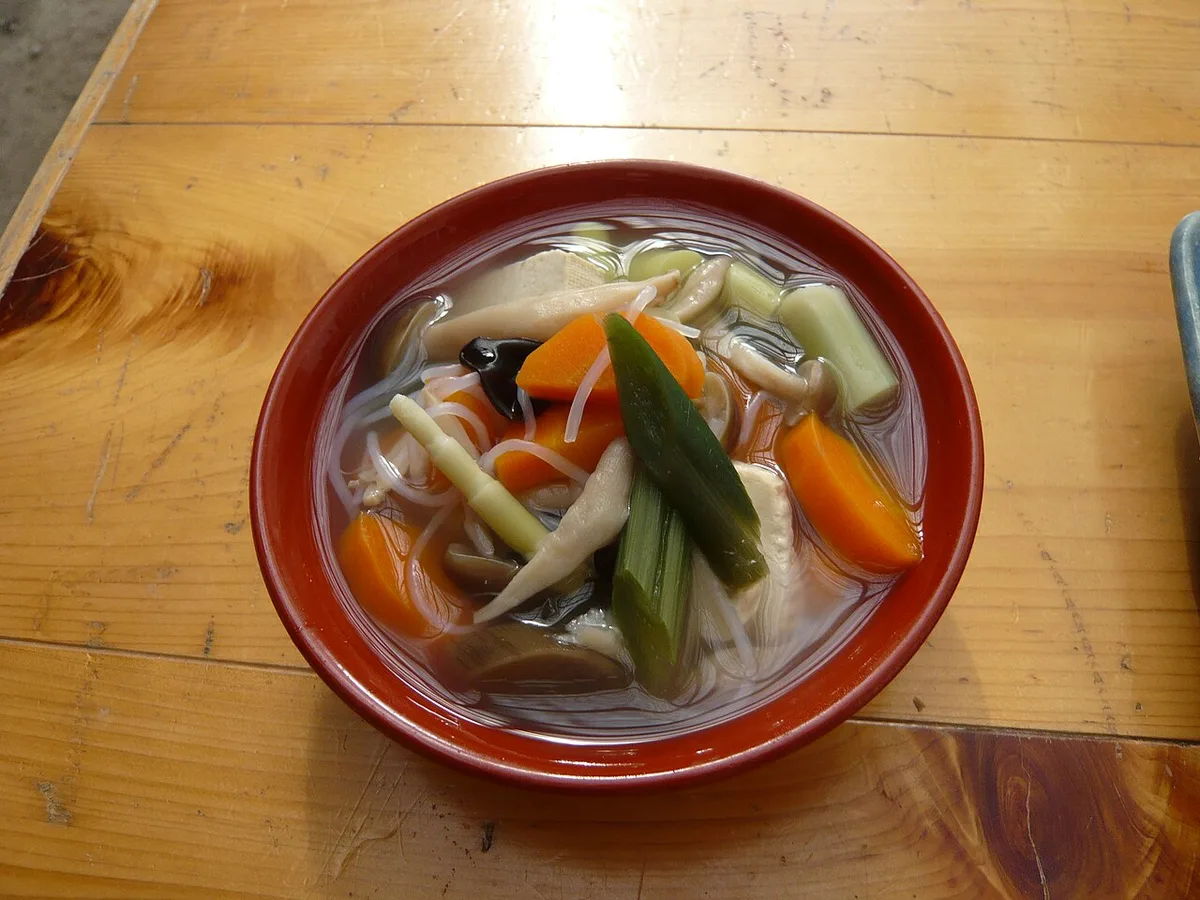
- Aizu Kozuyu
- This clear soup uses dried scallop stock with carrots, mushrooms, konjac noodles, and mame-fu wheat gluten croutons.
- Families serve it in red lacquerware bowls at New Year and other ceremonial gatherings, and each household keeps its own recipe.
- The kozuyu and traditional dishes guide covers where to try it outside a private home.
- Miso Dengaku
- Skewers of tofu, mochi, and konjac get a sweet miso glaze and a slow char over charcoal.
- Mitsutaya, open since roughly 1835 at the end of the Edo period, sells a six-item set for ¥1,850.
- It sits about a 3-minute walk from the Otanomachi bus stop on the Akabe loop, open 10:30 AM to 4:30 PM and closed Wednesdays.
- Aizu Basashi (Horse Sashimi)
- Aizu serves horse sashimi with a spicy garlic miso, a regional twist on the ginger-soy dip used elsewhere in Japan.
- Izakayas such as Hairansyo pair it with local sake as a starter.
- The Aizu basashi guide covers cuts, seasonality, and where to order it.
- Wappa-Meshi
- Rice steamed in a round cedar box, topped with fish and mountain vegetables, traces back roughly 600 years to Hinoemata woodcutters' lunchboxes.
- The rice cooks three-quarters through, then finishes under steam with seasoning added partway.
- Toppings shift with the season, so the dish changes across a year of visits.
- Nishin no Sansho-zuke
- Dried herring gets pickled with sansho pepper leaves and soy sauce, a preservation method specific to the Aizu region.
- The peppery bite balances the fish and makes it a standard order alongside sake or beer at an izakaya.
- Curry Yakisoba
- Fried noodles get a roux-based curry sauce, a cheap and filling plate locals treat as the city's soul food.
- Tommy Food is credited with popularizing the dish; look for it on casual cafeteria and diner menus.
- Kitakata Ramen
- Wide, flat, curled noodles in a soy-sauce broth come from nearby Kitakata town and dominate menus across Aizu-Wakamatsu.
- Kitakata Ramen Specialty Shop Kirin serves a Golden Shoyu Ramen for ¥1,200, blending three soy sauces with chicken and pork stock.
- In Kitakata town itself, some shokudo open for ramen at breakfast and draw a queue before the doors open.
- Negi-Soba (Takato Soba)
- Buckwheat soba arrives with a whole scallion instead of chopsticks, a specialty tied to Ouchijuku's Misawaya restaurant.
- Fresh buckwheat runs October to November, though shops serve the dish year-round.
- Reaching Ouchijuku takes about 35 minutes by train plus a 20-minute taxi or bus ride from Yunokami Onsen Station.
- Aizu Beef
- Aizu produces its own wagyu, marbled and tender, usually served as part of a multi-course set menu rather than a standalone steak plate.
- It carries less name recognition than Kobe beef, which keeps prices comparatively reasonable for the quality.
- Local Sake from Aizu Breweries
- Aizu's water and rice support dozens of breweries; Miyaizumi Sake Brewery has operated for roughly 400 years near the Kitakata Ramen shops.
- Suehiro Sake Brewery is one of the largest in the Tohoku region and pairs tastings with a small sake-dessert cafe.
- The Aizu sake breweries guide maps a walking route between tasting rooms.
- Hashigo Sake Bar-Hopping Crawl
- Hotel and ryokan guests in Aizu-Wakamatsu can buy a fixed-price pass for sampling sake at participating izakayas, restaurants, and bars across the city.
- Ask the front desk for current participating venues and pricing, since the lineup can change by season.
- Sake Bar Kanmasu offers a six-cup flight from 24 regional breweries for ¥1,000 if a full crawl doesn't fit the schedule.
Sauce Katsudon vs Wappa-Meshi vs Kitakata Ramen: Which to Order
These three dishes solve different problems: a heavy lunch, a light seasonal bite, or a fast bowl between sightseeing stops. Use the table to match the dish to the time available.
| Dish | What You Get | Heaviness | Time to Eat |
|---|---|---|---|
| Sauce Katsudon (Bandai size, Jumonjiya) | Two 450g pork cutlets over rice | Very heavy, enough for two smaller appetites | 30-40 minutes |
| Wappa-Meshi | Cedar-steamed rice with seasonal fish and mountain vegetables | Light to moderate | 20-30 minutes |
| Kitakata Ramen (Golden Shoyu, Kirin) | Soy-sauce broth bowl, ¥1,200 | Moderate | 15-20 minutes |
Is the Ouchijuku Side Trip Worth It for Negi-Soba?
Ouchijuku's negi-soba draws visitors on food alone, but the detour adds real transit time. Weigh the thatched-roof post town against the schedule before committing a half day to it.
A 20-minute taxi or bus ride, combined with venue closings by 4:30 PM, makes Ouchijuku impractical for rushed itineraries unless half-day travel time is available.
- Make the trip if
- A free morning or afternoon is open and the negi-soba experience matters on its own.
- Photos of the snow-roofed post town are part of the draw, not just the noodles.
- Skip it if
- The schedule is tight, since the round trip runs about 35 minutes by train plus a 20-minute taxi or bus ride each way from Yunokami Onsen Station.
- Negi-soba style noodles have already been tried elsewhere in Aizu.
Aizu's Sake Breweries and the Hashigo Sake Crawl
Aizu ranks among Japan's known sake regions, and several breweries sit within walking distance of downtown food stops. For a full walking route between tasting rooms, see the Aizu sake breweries guide. The Hashigo Sake pass described above pairs well with an evening at Kanmasu or a downtown izakaya.
Kanmasu's ¥1,000 six-cup flight from 24 breweries offers a sampler before breweries close at 4:30 PM, versus booking a full Hashigo crawl that may extend beyond daytime venue hours.
- Miyaizumi Sake Brewery
- About 400 years of brewing history, located on Higashisakaemachi across from the Kitakata Ramen shops.
- Published hours run 9 AM to 4:30 PM; check current tour and tasting availability before visiting.
- Suehiro Sake Brewery
- One of the largest breweries in the Tohoku region, with a sake-dessert cafe on site.
- Free brewery tours have run daily from 10 AM to 4 PM in roughly 30-minute sessions; confirm current tour times and the last registration slot before arriving.
- General shop hours run 9:30 AM to 4:30 PM.
- Sake Bar Kanmasu
- Pours from 24 regional breweries under one roof, useful for comparing Aizu sake without visiting each producer.
- The nomasse flight costs ¥1,000 for six cups, or order individual glasses from the full list.
Planning Your Food Route: Buses, Hours, and the 4:30 PM Rule
Many cafes, breweries, and attractions in Aizu-Wakamatsu close by 4:30 PM, well before typical Japan dinner hours. Plan lunch and early-afternoon stops at classic spots like Mitsutaya or a sake brewery, then shift to izakaya dinners once the daytime venues shut. The Aizuwakamatsu Washington Hotel serves a breakfast built around local produce and regional dishes, a practical way to sample Aizu flavors before a day of stops tied to the Aizuwakamatsu attractions guide along the loop bus route. For dessert after dinner, browse local sweets and cafes along Noguchi Hideyo Seishun Street.
- Akabe Town Bus (clockwise, red line)
- Runs clockwise past Iimoriyama and the castle area.
- Board at Bus Stop #4 outside Aizu-Wakamatsu Station.
- Haikara-san Town Bus (counter-clockwise, blue line)
- Runs counter-clockwise and reaches Nisshinmachi, home to Suehiro Sake Brewery.
- One Day Pass
- Priced at ¥600 as of the current published rate, valid on both loops for unlimited rides.
- A single ride without the pass costs ¥210, bought on board.
Mistakes to Avoid When Eating in Aizuwakamatsu
A few planning gaps repeat often enough to call out before a first visit.
- Arriving after 7 PM expecting a sit-down meal
- Many family-run restaurants close early, and non-izakaya options thin out fast after the dinner rush.
- Confirm the last order time before heading out, especially on weekdays.
- Underestimating Bandai-size portions
- Jumonjiya's Bandai Katsudon comes with two 450-gram cutlets, enough to share between two people with smaller appetites.
- Skipping the bus pass
- Three or four rides on the loop bus already cost more than the ¥600 One Day Pass at ¥210 per single ride.
- Saving Ouchijuku for a rushed afternoon
- The round trip takes about 35 minutes by train plus a 20-minute taxi or bus ride from Yunokami Onsen Station each way, so build in a buffer.
Aizu Soba: The Quieter Alternative to Ramen
Kitakata Ramen is the fast choice, but Aizu soba suits travelers who want a slower lunch. The region’s cold winters and clean mountain water support a long buckwheat tradition. Order chilled mori soba to taste the noodles directly before adding broth or condiments.
Negi-soba at Ouchijuku is the theatrical version. Standard Aizu soba is easier to fit into a day around Tsuruga Castle and Nanokamachi. Look for handmade soba shops at lunchtime, since many close once their daily noodles sell out.
- Choose soba when you want a lighter meal before more sightseeing.
- Choose Kitakata Ramen for a quick, warming bowl near the station or downtown.
- Save Ouchijuku negi-soba for a half-day outing, not a rushed afternoon stop.
Pairing soba with tempura or mountain vegetables makes a fuller meal. For dinner, switch to sake and small dishes instead, as dedicated soba shops often keep daytime hours.
Explore food in other cities
Frequently Asked Questions
What are the three dishes to try first in Aizuwakamatsu?
Sauce katsudon, kozuyu, and basashi cover three different sides of the city's food culture. Sauce katsudon is hearty comfort food, kozuyu is ceremonial soup, and basashi is an izakaya specialty.
Is Kitakata Ramen the same as Aizu Ramen?
Kitakata Ramen comes from Kitakata town near Aizu-Wakamatsu, though its shops dominate menus across the city. Wide, flat, curled noodles in a soy-sauce broth mark the signature style.
How much does the Aizu Loop Bus One Day Pass cost in 2026?
As of the current published rate, the One Day Pass costs ¥600 and covers both the Akabe and Haikara-san loops. A single ride without the pass costs ¥210, so three or more rides make the pass worth buying.
Is the side trip to Ouchijuku worth it just for negi-soba?
Budget about 35 minutes by train plus a 20-minute taxi or bus ride from Yunokami Onsen Station each way. The detour suits travelers who also want to see the thatched-roof post town, not just the noodles.
What time do restaurants close in Aizuwakamatsu?
Many cafes and attractions shut by 4:30 PM, and some family-run restaurants close early in the evening too. Shift to izakaya-style dinners after 5 or 6 PM, when sake bars and horse-sashimi spots stay open later.
Explore Aizuwakamatsu Food and Dining
Use these guides to compare local dishes, dining areas and practical food experiences in Aizuwakamatsu.
Food and Dining Guides
Free guide: Japan's Hidden Gems
12 under-the-radar places beyond Tokyo & Kyoto — with the best season to visit each and a local tip you won't find in the guidebooks.
You might also like


Continue reading
More guides you'll find useful