Yamadera Imoni and Local Food Guide
Plan Yamadera imoni and local food around the 1,015-step climb, from Power Konnyaku skewers to the Mamigasaki River imoni festival and Yamagata's soba highway.
On this page
Last updated August 2026, this guide covers Yamadera imoni and local food near the temple approach and JR Senzan Line station. Inland Yamagata cooking here favors beef, soy sauce, and mountain vegetables. Stall and restaurant prices change, so compare the current menu rather than relying on an older ¥100-¥200 skewer range.
Getting to Yamadera's Food Stops
Yamadera sits on the JR Senzan Line, the rail route connecting Sendai and Yamagata City. Day-trippers from either city can reach the station, eat, and climb the stairway without staying overnight. Food stalls cluster near the station exit and along the approach to the stairway, so the eating and climbing routes overlap rather than requiring a detour. Travelers continuing on to Yamagata City can time a stop at the Autumn Imoni Festival or other central-Yamagata food spots described in this guide, since both sit on or near the same line. Building in extra time for a snack before the climb keeps a food stop from delaying the temple visit.
Yamadera Imoni and Local Food: The Murayama Beef-and-Soy Stew
Imoni is Yamagata's signature autumn stew, built from satoimo taro root simmered with beef, konnyaku, and leek in a soy-sauce broth. Yamadera sits within the Murayama region, one of several Yamagata food zones that each cook imoni with a different combination of meat and seasoning. Murayama's beef-and-soy version is the one residents of central Yamagata grew up eating, and it differs clearly from the coastal and northern styles in the table below. Regional food guides describe many Yamagata recipes, including imoni, as dishes passed down within families across generations rather than restaurant inventions. Some cooks add Chinese cabbage, burdock root, or mushrooms alongside the core taro-beef-konnyaku base, depending on what's in season. Restaurants along the stairway serve individual bowls through most of the year, though the dish is most associated with the September and October harvest season. This guide is part of the wider Yamadera food guide, covering every stop near the temple.
Imoni is most strongly associated with autumn. Individual Yamadera restaurants may offer it outside the festival season, but year-round availability is not guaranteed; confirm the current menu.
| Region | Protein | Broth Base |
|---|---|---|
| Murayama (Yamadera) | Beef | Soy sauce |
| Shonai (coast) | Pork | Miso |
| Mogami (north) | Pork | Soy sauce |
The Imoni-Kai Festival on the Mamigasaki River
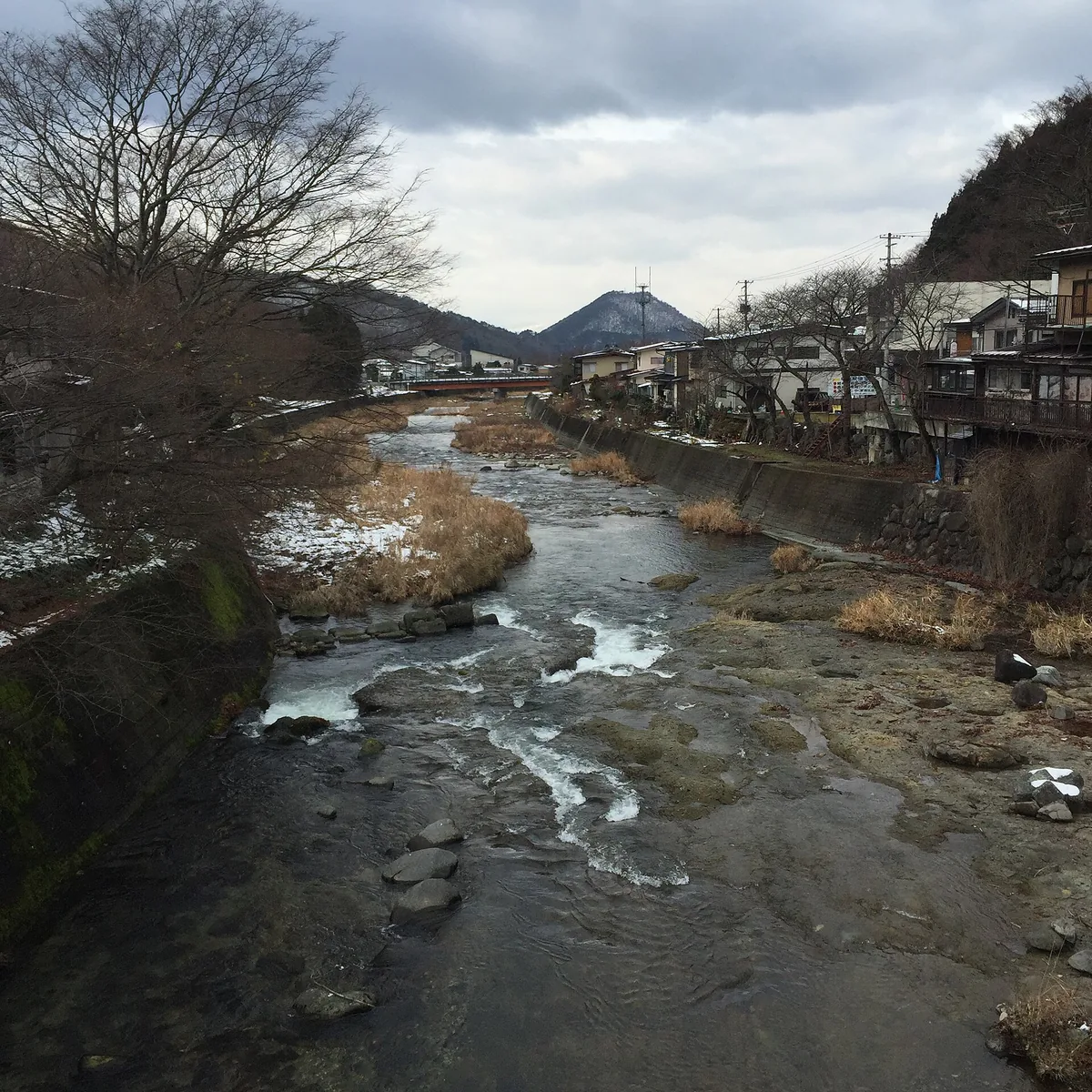
Yamagata City hosts the Autumn Imoni Festival on the Mamigasaki River, a separate trip from Yamadera. The date, pot size, access arrangements, and attendance can change, so use the current organizer notice instead of a fixed holiday formula or crowd estimate. Informal riverside imoni-kai are private gatherings unless visitors are invited. Travelers who miss the festival can ask Yamadera restaurants whether imoni is on the current seasonal menu.
Tama-Konnyaku: Power Konnyaku for the 1,015 Steps
Tama-konnyaku are konnyaku balls simmered in a soy-based broth and sold on skewers near the temple approach. Locals call the Yamadera version Chikara Konnyaku, or Power Konnyaku, because climbers eat it before the 1,015-step route. Prices, serving sizes, and payment methods vary by stall, so check the current counter notice. For the history and dietary cautions, see the power konnyaku guide.
Power Konnyaku is a quick pre-climb snack, but no official town-wide ¥100-¥200 price applies. Check the stall's current price and ingredients.
Ita Soba and the Soba Highway
Ita soba takes its name from the wooden board, or ita, it is served on. Yamagata's soba is darker, thicker, and chewier than the Shinshu style found around Nagano, a result of using unpolished buckwheat flour. Large boxes are built for sharing, so groups often order a single board for the table. Yamadera sits within Yamagata's noodle-focused central region, so a board of soba is available without renting a car. Travelers who do have a car can follow the Yamagata Big Three Soba Highway through Murayama, Oishida, and Obanazawa along the Mogami River basin. Yamagata City, a short ride away, also runs hands-on soba-making workshops for travelers who want to learn the process rather than just eat the result. Restaurant-by-restaurant picks for the highway route are in the soba highway guide.
Safflower Rice, Wild Vegetables, and Local Rice Dishes
Inland Yamagata cooking also includes safflower rice, a dish colored and flavored with the region's signature benibana safflower blossom. Safflower has been grown in Yamagata for centuries, historically as a dye crop, and today it flavors rice and a handful of local dishes. Sansai, or foraged wild mountain vegetables, appear as simple sides at set-meal restaurants near the temple, often pickled or simmered in soy sauce. Menus near the stairway occasionally list oyaki-style dumplings filled with wild vegetables or seasonal produce. Ask before counting on one for lunch, since availability shifts by season. These dishes are meant for a table and a set menu, unlike the walk-and-eat snacks covered separately in the sweets and gelato guide.
Dashi, Dondonyaki, and Yamagata Beef
Dashi means something different in Yamagata than it does elsewhere in Japan. Instead of fish stock, it is a finely chopped vegetable relish. The Murayama version mixes cucumber, eggplant, myoga ginger, and green perilla with soy sauce, served cold over rice or tofu in summer. Dondonyaki wraps okonomiyaki-style batter around a pair of chopsticks so festival crowds can eat it on the move. The snack traces back to 1938 in the Murayama area. For a seated splurge, Yonezawa beef is raised for around 32 months, well beyond the typical four to six months for standard cattle, and served as yakiniku or sukiyaki hotpot. Farmers credit the marbling to a strict diet of rice straw infused with minerals, alongside the long fattening period. On hot days, look for hiyashi ramen, a cold noodle bowl with icy broth. On cooler ones, hippari udon warms things up instead, pulled straight from the pot and eaten with natto and canned mackerel.
Where to Eat Near Yamadera Station
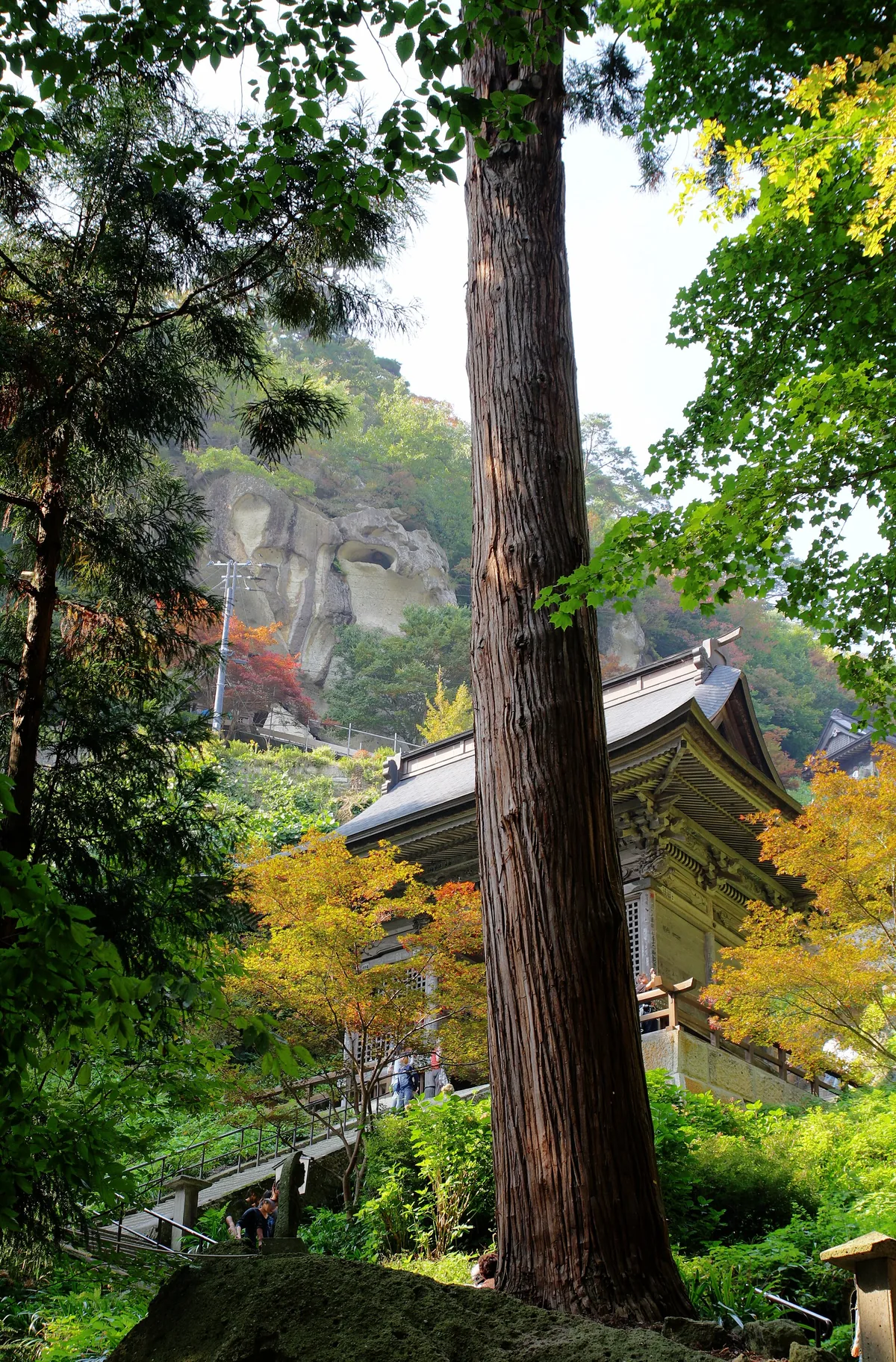
Most food stalls and restaurants line the path between Yamadera Station and the base of the temple stairway. Shops selling tama-konnyaku and other stand-up snacks stay open through the afternoon. Most open by mid-morning to catch the first climbers and wind down once the temple grounds quiet down for the evening. Many close early once the last temple visitors descend, so plan an early dinner if eating late matters. A skewer of tama-konnyaku runs a few hundred yen at most. A sit-down bowl of ita soba or a full imoni set costs several times that for a table meal. For specific restaurant names and reservation notes, check the sit-down lunch guide. Pair any meal stop with the main sights by following the Yamadera attractions guide for the stairway route.
Mistakes to Avoid When Planning Yamadera Meals
Visitors who plan a trip around Yamagata cherries should note the fruit is a summer crop, not something available on a fall or winter stairway climb. Ordering dashi and expecting a savory broth is a common mix-up. In Yamagata, it arrives as a cold vegetable topping, not a soup. First-time diners sometimes underestimate ita soba's texture. The noodles are noticeably firmer than standard soba, so chew before swallowing a full bite. Booking matters more in autumn during imoni season, when weekend restaurants near the stairway fill quickly. Double-check the festival date each year rather than assuming it repeats on the same calendar day.
How to Visit the Mamigasaki Imoni Festival from Yamadera
The Autumn Imoni Festival takes place in Yamagata City, not at Yamadera Temple. It works best as a separate stop before or after a Yamadera visit. Take the JR Senzan Line from Yamadera to Yamagata Station, then follow the organizer’s current directions to the Mamigasaki River venue.
Arrive early if seeing the giant pot matters. The event draws large crowds, and food lines can become long once the main cooking begins. The riverside setting is also worth visiting for the atmosphere, even if you do not plan to queue for a serving.
- Confirm the date and access route through official Yamagata tourism information.
- Wear shoes suitable for a riverbank event rather than temple stairs alone.
- Treat informal imoni-kai gatherings as private parties unless invited to join.
Outside the festival, Yamadera restaurants remain the simpler choice for an individual bowl of Murayama-style beef-and-soy imoni.
How This Guide Was Verified
Food availability, access details, seasonal rules, and the time-sensitive claims in this guide were checked on August 22, 2026 against the official sources below. Independent restaurant menus, prices, opening days, and sell-outs can change, so confirm the operator's same-day notice before making a special trip.
Frequently Asked Questions
What is imoni, and why is it linked to Yamadera?
Imoni is a Yamagata taro stew made with ingredients such as beef, konnyaku, leek, and soy sauce in the Murayama area. It is primarily an autumn dish. Some restaurants may offer it at other times, but confirm the current menu rather than assuming year-round availability.
What is Chikara Konnyaku, and how much does it cost?
Chikara Konnyaku, or Power Konnyaku, is the local name for soy-simmered tama-konnyaku sold near the temple approach. Prices and serving sizes vary, so check the current counter notice rather than relying on a fixed ¥100-¥200 range.
When does the Imoni Festival happen?
The Yamagata City festival date and access arrangements are announced for each year. Check the current official event page before travel rather than relying on a fixed holiday formula or historical attendance figure.
How is Yamadera's imoni different from the Shonai coast version?
Yamadera and the wider Murayama region use beef and a soy-sauce broth for imoni. The Shonai coast, further west, uses pork and miso instead. The Mogami region to the north uses pork with a soy-sauce broth, a third variation on the same base dish.
Is Yamagata soba different from soba found elsewhere in Japan?
Yes. Ita soba uses unpolished buckwheat flour, so the noodles turn out darker, thicker, and chewier than Shinshu-style soba. It's traditionally served on a wooden board, sometimes as a large box shared by a group at the table.
What should I eat if I'm only in Yamadera for a few hours?
Tama-konnyaku is the fastest option, since it's sold on skewers and eaten while walking toward the stairway. A quick bowl of soba or a small imoni bowl works if there's time to sit down before or after the climb. Save a full Yonezawa beef meal or the Imoni Festival for a trip with more time built in.
Free guide: Japan's Hidden Gems
12 under-the-radar places beyond Tokyo & Kyoto — with the best season to visit each and a local tip you won't find in the guidebooks.
You might also like


Continue reading
More guides you'll find useful