What to Eat in Yamadera: 6 Local Foods
Plan what to eat in Yamadera before and after the 1,015-step climb, from tama-konnyaku to Yamagata soba, imoni, and seasonal sweets, plus timing tips.
On this page
Last updated August 2026, this guide covers what to eat in Yamadera before and after the 1,015-step climb to Risshakuji Temple. Local specialties cluster between Yamadera Station and the temple entrance. Do not rely on finding a full meal above the Sanmon Gate; carry water and plan substantial food near the base, even though the official map shows a seasonal mountaintop shop selling cold drinks and souvenirs.
Eating Before and After the 1,015-Step Climb to Risshakuji Temple
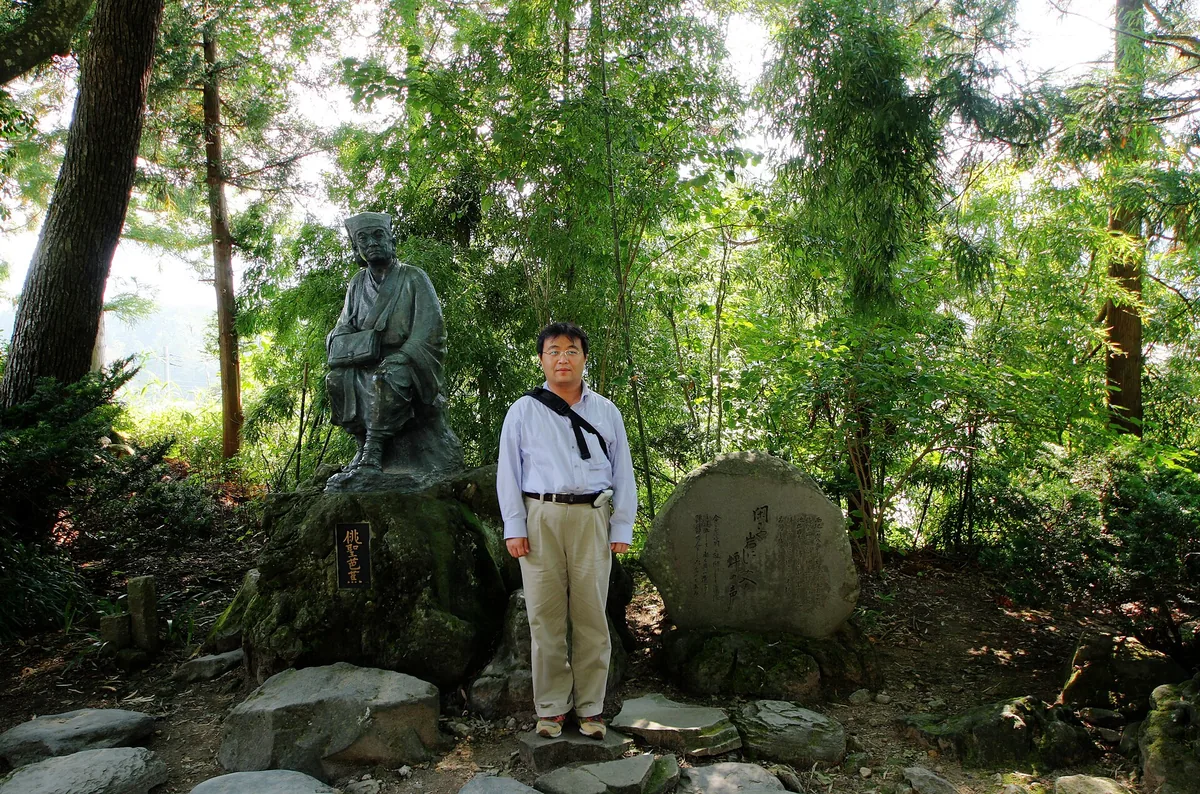
Timing matters more than appetite here. Eat a small, salty snack before starting the stairs, and save a full meal for after you descend. Risshakuji Temple's mountain section is a genuine hike, not a quick photo stop, and food choices should match that effort. From Yamadera Station's platform, the temple complex is already visible, perched on the cliff above the town. Reaching the top rewards you with the Godaido lookout and views back over the valley. Pair a temple visit with the Yamadera attractions guide for a full rundown of what's worth the climb. What you eat, and when, should work around the stairs rather than around a set mealtime.
Once past the Sanmon Gate, there is no dependable full-meal stop. The official map shows a mountaintop shop with cold drinks and souvenirs, but seasonal operation and stock should not replace carrying water.
The 6 Best Things to Eat in Yamadera
These six dishes cover a Yamadera visit from pre-climb snack to post-climb reward. Order matters as much as flavor. Eat light before the stairs, and save heavier dishes for afterward. Most of these options sit within a few minutes' walk of Yamadera Station or the temple base.
- Tama-Konnyaku (Chikara Konnyaku)
- Skewered konnyaku balls simmer in dashi soy sauce and arrive topped with hot karashi mustard at stalls near the temple base.
- Locals call it Chikara Konnyaku, or Power Konnyaku, because visitors eat it standing up right before the 1,015-step climb.
- It is low in calories but high in salt, which helps replace what you sweat out on the stairs. The tama-konnyaku stall guide maps the closest stands to the station.
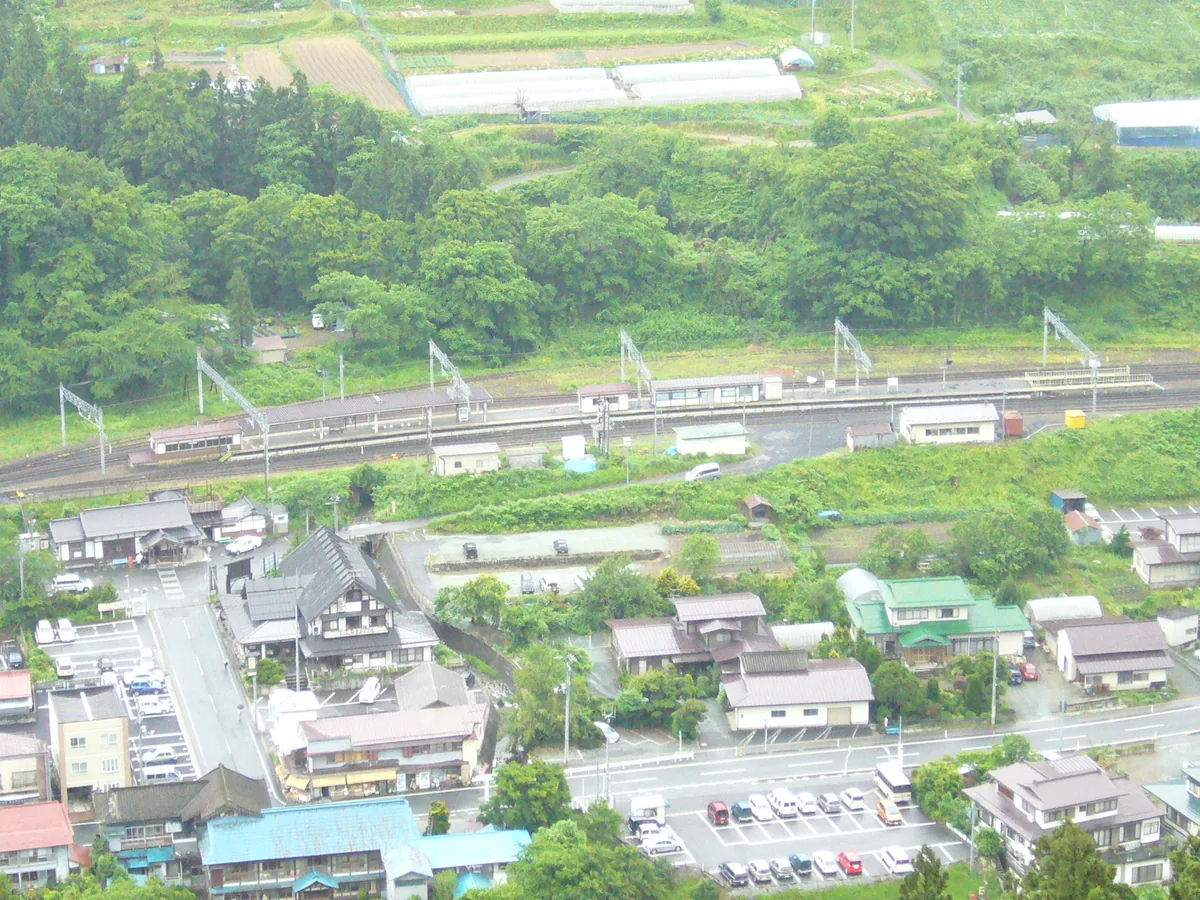
- Yamagata Soba
- Yamagata soba is darker, thicker, and chewier than the more familiar Shinshu soba from Nagano.
- Local restaurants serve it itagame-style on a wooden board, or as niku soba topped with chicken and green onion.
- Soba shops cluster between the station and the temple entrance bridge. The Yamadera Soba Restaurants: Where to Eat Before and After the Climb lists the closest options for a post-climb meal.
- Imoni Stew (Autumn, Roughly September–October)
- Imoni is an autumn stew of satoimo taro, beef or pork, and green onion, simmered in broth that varies by region.
- Seasoning for imoni differs by region within Yamagata. The Okitama and Murayama style uses soy sauce and beef. The Shonai style uses miso and pork instead.
- Locals gather for imonikai parties, seasonal riverside cook-outs. The imoni and local dishes guide covers where to find it near Yamadera in season.
- Dashi (Summer Vegetable Topping)
- Dashi is a cold summer dish of finely chopped cucumber, eggplant, myoga ginger, and okra, seasoned with soy sauce and bonito flakes.
- Order it spooned over hot rice or cold tofu, or stirred into soba broth as a light, appetite-friendly option.
- It works well as a low-effort meal after a hot climb, when a heavy dish feels like too much.
- Chilled Ramen (Hiyashi Ramen)
- Both the noodles and the soy-based broth arrive ice-cold, sometimes with ice cubes still in the bowl.
- The soup coats the noodles generously, giving the dish a clean, refreshing pull that suits a hot afternoon.
- Yamagata has a strong regional ramen culture, and chilled ramen is one of its signature summer variations.
- Fruit and Sweets (Cherries, La France Pears, Soft Serve)
- Yamagata is a major fruit-growing prefecture, known for cherries in season and La France pears later in the year.
- After descending the steps, cool down with cherry-flavored or soba-flavored soft serve sold near the station.
- The sweets and gelato guide covers seasonal flavors and exactly where to find them.
Getting to Yamadera and Timing Your Food Stops
Most visitors arrive on a day trip from Sendai or Yamagata City using the Senzan Line to Yamadera Station. The temple complex is a 7-minute walk from the station, and it is visible from the platform the moment you step off. A half day is enough to see the temple and eat well, according to past visitors who made the trip. That leaves a simple structure for your stops. Snack lightly near the station before you climb. Eat a real meal after you descend. Leave time afterward to browse the stalls at your own pace. Free walking sticks are sometimes available at the base, handy to grab alongside a pre-climb konnyaku skewer.
The climb commonly takes 40 to 60 minutes. Check the chosen restaurant's current hours before ascending and plan a meal near the base; do not assume every shop closes at the same mid-afternoon time.
A Sample Food Timeline for a Yamadera Day Trip
This simple timeline strings the food stops into one manageable day. Adjust the order slightly if you arrive later or want extra time at the top.
- Morning: Arrive and Snack Before the Climb
- Step off the train at Yamadera Station, where the temple complex is already visible on the cliff above.
- Grab a skewer of tama-konnyaku near the station or the bridge before starting the stairs.
- Late Morning: Climb the 1,015 Steps to Risshakuji Temple
- Budget roughly 40 to 60 minutes for the climb at a steady pace.
- Carry only a drink, and maybe a walking stick; save heavier food for after you descend.
- Early Afternoon: Descend and Eat a Full Meal
- Head back down to the bridge or station-area restaurants for Yamagata soba, niku soba, or a seasonal dish like imoni or dashi.
- Sit down before mid-afternoon, since several small shops close early.
- Late Afternoon: Dessert Before Your Train
- Finish with cherry or soba-flavored soft serve near the station.
- Pick up La France pears or other seasonal fruit if a nearby shop has them in season.
Where to Eat: Station Area, the Bridge, and the Temple Base
Yamadera's eating options split into clusters along the short walk to Risshakuji Temple. Near Yamadera Station are soba shops, konnyaku stalls, and vending machines; the bridge and temple approach add more restaurants and sweets. Each operator sets its own hours and payment methods, so carry cash as backup but do not assume every shop is cash-only or closes at the same time. The Yamadera lunch guide lists options to verify before travel.
| Area | What You'll Find | Notes |
|---|---|---|
| Near Yamadera Station | Soba shops, konnyaku stalls, vending machines | Good for a pre-climb snack |
| The bridge to the temple entrance | More soba restaurants, a few sweets stalls | Midway stop before the stairs |
| Temple base, before the Sanmon Gate | Tama-konnyaku, drinks, seasonal snacks | Hours and payment methods vary; carry cash as backup |
The No-Food Rule: Why You Must Eat Before You Climb
Once past the Sanmon Gate, do not count on a restaurant or vending machine along the stairs. The official tourism map identifies a mountaintop shop selling cold drinks and summit souvenirs, but its seasonal operation and stock are not a dependable meal plan. Buy water near the entrance before starting the 1,015 steps, which commonly take 40 to 60 minutes at a steady pace.
Temple Hours and Timing Your Meals Around Them
Risshakuji currently admits visitors from 8:00 to 16:00 April through November, with the gates closing at 17:00. From December through March, admission runs 8:30 to 15:00 and the gates close at 16:00. Admission is ¥500 for adults and ¥200 for children age four and over, cash only. Restaurant hours and prices are separate from temple hours, so verify the chosen shop rather than assuming a 15:00 lunch cutoff.
| Detail | Info |
|---|---|
| Admission hours (April–November) | 8:00–16:00; gates close 17:00 |
| Admission hours (December–March) | 8:30–15:00; gates close 16:00 |
| Admission | ¥500 adult / ¥200 age four and over; cash only |
| Credit cards | Not accepted |
The Culture Behind Yamadera's Food
Several of Yamadera's dishes carry a story beyond flavor. Tama-konnyaku earned its Chikara Konnyaku nickname, Power Konnyaku, because generations of climbers have eaten it right before the stairs. Imoni stew is tied to imonikai, open-air parties held along Yamagata's rivers each autumn where the stew is cooked in large pots and shared. The Basho Museum near the temple base honors haiku poet Matsuo Basho, whose stop at Yamadera shaped the area's literary reputation. None of this changes what to order, but it explains why locals treat these dishes as more than a quick bite.
Mistakes to Avoid When Eating in Yamadera
A few planning mistakes come up again and again around Yamadera's food scene. Avoid these before you set out, since a little planning changes the whole day.
- Waiting until mid-afternoon to eat
- Many small shops near the temple base close by mid-afternoon, so a 3:00 PM lunch plan often fails.
- Carrying a heavy meal up the steps
- Snacks like tama-konnyaku travel well; a full soba meal does not, so save it for after you descend.
- Expecting a convenience store at the base
- There is no conbini at the temple base, only vending machines up to the Sanmon Gate.
- Skipping cash
- Payment methods vary, and temple admission is cash-only, so carry yen as backup.
- Assuming seasonal dishes are always on the menu
- Imoni is largely an autumn dish, and fresh cherries have a short window, so check what's currently in season before you go.
How This Guide Was Verified
Food availability, access details, seasonal rules, and the time-sensitive claims in this guide were checked on August 22, 2026 against the official sources below. Independent restaurant menus, prices, opening days, and sell-outs can change, so confirm the operator's same-day notice before making a special trip.
Explore food in other cities
Frequently Asked Questions
What is the best food to eat before climbing to Yamadera Temple?
Tama-konnyaku, also called Chikara Konnyaku or Power Konnyaku, is the classic pre-climb choice. It is salty, low in calories, and quick to eat standing up near stalls at the temple base.
Is there anywhere to buy food on the Yamadera temple steps?
Do not rely on a full meal above the Sanmon Gate. The official map shows a mountaintop shop with cold drinks and souvenirs, but seasonal operation and stock can vary. Carry water and plan food near the base.
How is Yamagata soba different from Shinshu soba?
Yamagata soba is darker, thicker, and chewier than the more familiar Shinshu style from Nagano. Restaurants near Yamadera serve it itagame-style on a wooden board or as niku soba with chicken.
What time do restaurants near Yamadera Temple close?
Hours vary by shop, but many small places near the base close by mid-afternoon. Plan a full meal soon after you descend rather than waiting until later in the day.
Is imoni stew available year-round in Yamadera?
No, imoni is a seasonal autumn dish, typically found on menus from around September through October. Outside that window, look for soba, dashi, or chilled ramen instead.
Do restaurants near Yamadera accept credit cards?
Payment methods vary by operator, so carry cash as backup and check the chosen restaurant. Risshakuji admission itself is cash-only: ¥500 for adults and ¥200 for children age four and over.
What should you eat in Yamadera in summer versus autumn?
In summer, look for chilled ramen and dashi, both built to be light and refreshing in the heat. In autumn, roughly September through October, imoni stew and the surrounding imonikai culture take over local menus.
Is food near Yamadera expensive?
Small stalls and shops near Yamadera keep prices budget-friendly overall, similar to other rural station towns in Yamagata. Confirm current rates locally, since vendors adjust prices year to year and menus are not always posted in English.
Explore Yamadera Food and Dining
Use these guides to compare local dishes, dining areas and practical food experiences in Yamadera.
Food and Dining Guides
Free guide: Japan's Hidden Gems
12 under-the-radar places beyond Tokyo & Kyoto — with the best season to visit each and a local tip you won't find in the guidebooks.
You might also like


Continue reading
More guides you'll find useful