

5 Must-Try Dishes to Eat in Zao Onsen, Yamagata
What to eat in Zao Onsen: Genghis Khan BBQ, igamochi, tama konnyaku, Yamagata soba, and Yamagata beef, plus restaurant picks, prices, and the 19:00 dinner rule.
On this page
Last updated August 2026, this guide answers what to eat in Zao Onsen with the village's actual specialties, not a generic Yamagata food list. This is Yamagata Prefecture's Zao Onsen, not a Zao Onsen sometimes referenced on the Miyagi side of the mountain. Expect five defining dishes, a short list of restaurants that actually serve them, and the payment and timing details that keep skiers from missing dinner.
Zao Onsen's Food Scene, Yamagata Style
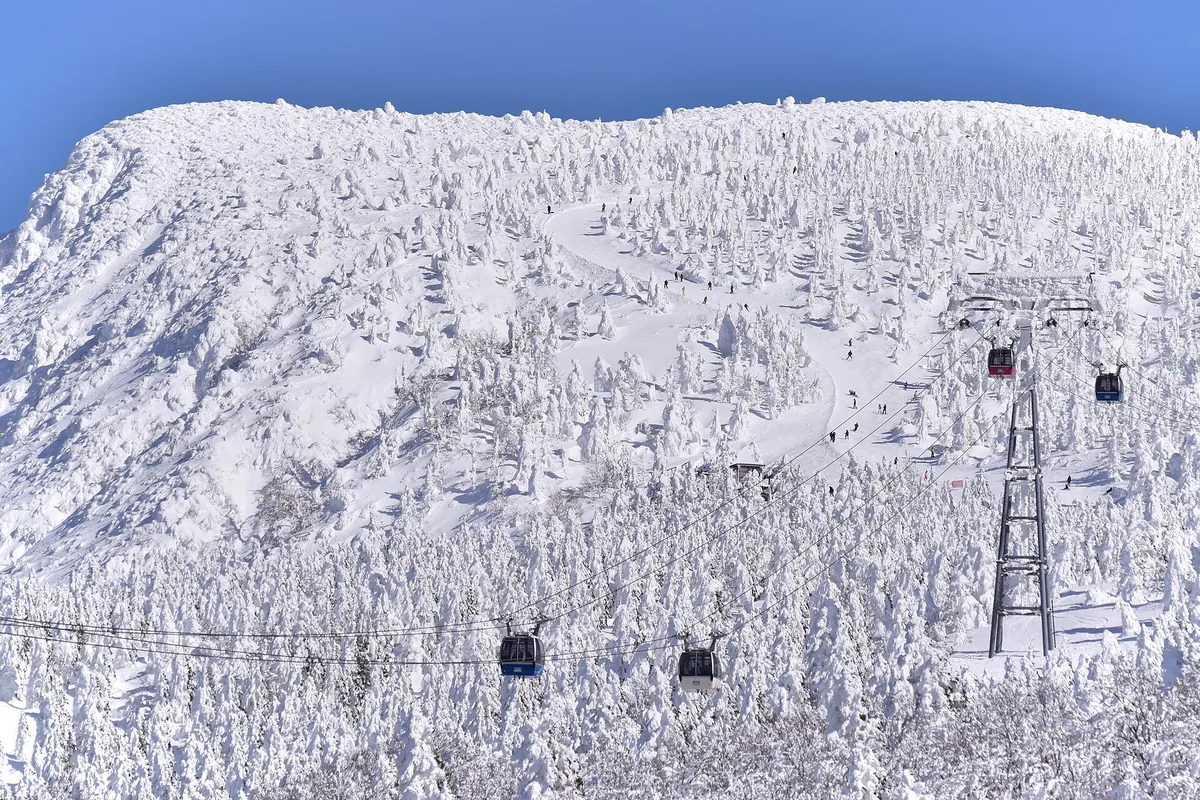
Zao Onsen sits in Yamagata Prefecture, a compact hot-spring village built around a handful of streets below the Zao Ropeway. Its hot springs have drawn visitors for generations, and today most travelers pair a soak with a ropeway ride up to see winter's snow monsters, or juhyo, before heading back down to eat. Family-run diners, wagashi counters, and ryokan kitchens dominate the food scene. Most menus lean on local buckwheat, mountain vegetables, and Yamagata's cattle and mutton, and many also mix in imoni, a potato-and-beef stew, and tsukemono pickles alongside the bigger specialties. Five dishes define a visit: Genghis Khan BBQ, igamochi, tama konnyaku, Yamagata soba, and Yamagata beef. High-quality spring water and the mountain's temperature swings shape the prefecture's soba flour and produce. That's part of why small shops still make their own noodles and mochi from scratch. Three kinds of visitors tend to ask what to eat in Zao Onsen: skiers wanting a filling meal after a full day, onsen enthusiasts chasing Yamagata's traditional flavors, and travelers deciding between a ryokan dinner and eating out in the village. Expect a walkable, low-key evening scene, since most restaurants and bars close early to match the village's ski-and-onsen rhythm. Because the village is small, walking its main streets end to end takes only a few minutes, which makes trying several specialties in one trip realistic. Pair a day of eating with the village's other winter draws by checking the Zao Onsen attractions guide before building an itinerary.
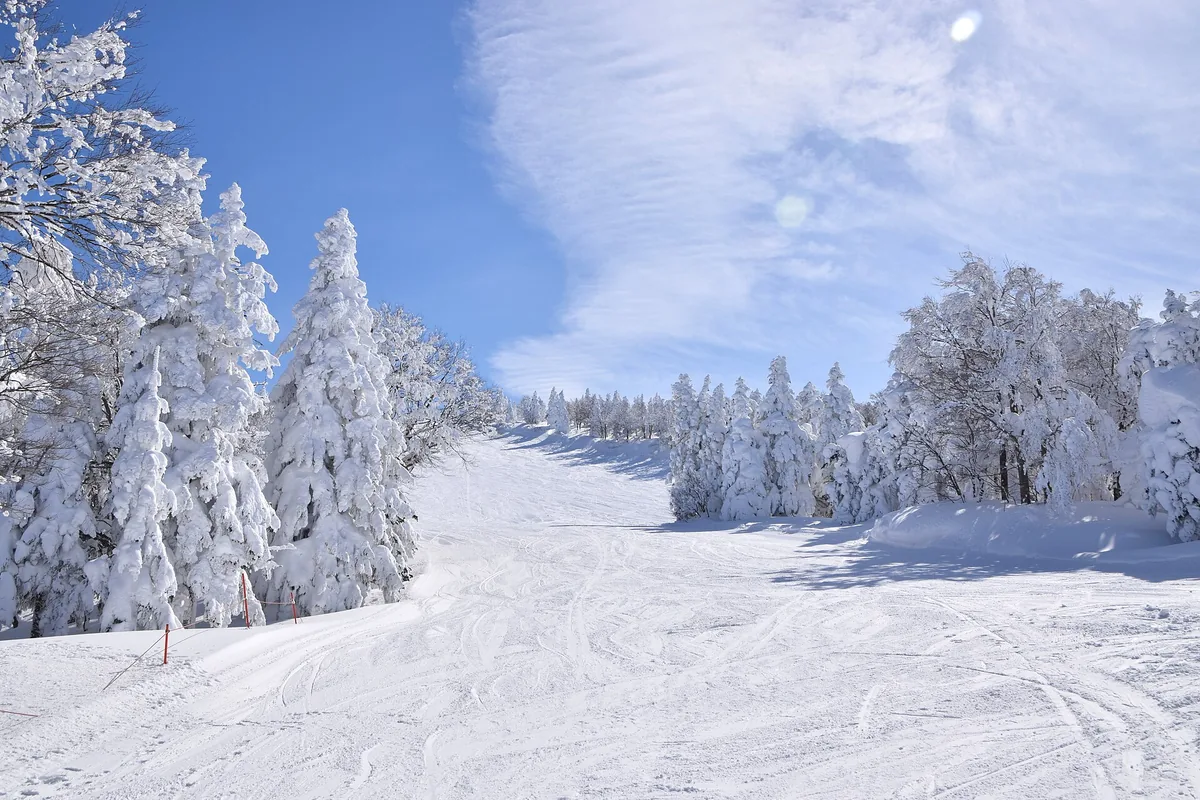
What to Eat in Zao Onsen: The 5 Must-Try Local Dishes
These five dishes turn up on almost every menu in the village, from ryokan dinner sets to ropeway-station snack counters. Each one comes from Yamagata's own ingredients and history, rather than being imported from elsewhere in Japan. Many ryokans already include Genghis Khan BBQ as part of a dinner set, so check the room plan before booking a separate restaurant. If only one night is available in Zao Onsen, plan that meal for lunch or dinner rather than treating it as optional. Igamochi dates back to the Edo period and remains one of the classic souvenirs bought along the hot-spring street. Buying a box to share back at the ryokan, alongside green tea, is a common way to close out an afternoon walk. Tama konnyaku shows up at nearly every souvenir shop and ropeway station, making it one of the easiest specialties to try without sitting down for a full meal. Ordering soba the day after a Genghis Khan dinner is a common pattern, since a lighter noodle meal balances a heavier BBQ dinner from the night before. Because Yamagata beef sits at the top of the price range, it works better as a splurge dinner on a longer stay than as a nightly order.
Hours vary considerably. Some small shops close early, while Robata's current official dinner service runs 17:00-22:00, last entry 21:00 and last order 21:30. Check each venue rather than applying a village-wide 19:00 cutoff.
- Genghis Khan (Jingisukan) BBQ
- Zao Onsen is considered one of the early birthplaces of Genghis Khan BBQ in Japan, with roots in early Showa-era ironwork.
- Restaurants grill thick-cut mutton on a raised, dome-shaped cast-iron pan so juices drip into cabbage and bean sprouts underneath, then it's served with an apple-soy dipping sauce.
- The Jingisukan restaurant guide covers the dish's full history and where to order it.
- Igamochi
- Igamochi wraps sweet red bean paste in white mochi, topped with a few grains of yellow-dyed rice and set on a kumasasa bamboo leaf.
- Shops make it without preservatives, so it typically sells out by early afternoon and doesn't keep past the day it's made.
- The igamochi and sweets guide lists which shops usually still have stock at lunchtime.
- Tama Konnyaku
- Tama konnyaku are round konnyaku balls, usually three or four to a skewer, simmered slowly in a soy-based dashi until they turn dark amber.
- Vendors serve them with a dab of hot yellow mustard, and pots stay simmering at souvenir shops and ropeway station snack counters.
- Yamagata Soba
- Yamagata is one of Japan's major buckwheat-growing regions, and several Zao Onsen shops mill or hand-cut their own noodles from local flour.
- Cold soba comes chewy and aromatic, while a hot bowl works as a warm-up after skiing or an evening soak.
- The Zao Onsen Soba Restaurants: A Local Guide to Yamagata Noodles breaks down the village's specialist shops.
- Yamagata Beef
- Yamagata beef is the village's higher-budget choice, known for heavy marbling and served as yakiniku, sukiyaki, or a gyudon beef bowl.
- Treat it as one deliberately expensive dinner during a trip rather than a running food budget.
Zao's Claim to Genghis Khan History
Genghis Khan BBQ is often associated with Hokkaido, but Zao Onsen is considered one of the dish's early birthplaces in Japan. Local accounts trace it to the early Showa era, when artisans in the area used iron-casting skills to build a raised, dome-shaped grill for cooking mutton over vegetables. That grill design is still used in village restaurants today. It's part of what separates Zao's Genghis Khan from other regional versions travelers may already know from Sapporo. The mutton itself is usually thick-cut and handled to avoid a strong gamey smell, which eases a common worry for first-time visitors.
Motte no Hoka: Zao's Edible Chrysanthemum
Motte no hoka is the name of a purple edible chrysanthemum grown in Yamagata Prefecture, served as a lightly vinegared side dish alongside soba or a set meal. The name is a regional expression roughly meaning "out of the question," a nod to how good the flower is once tried. Some Zao Onsen restaurant lists mention the name without explaining it, usually because it doubles as the name of a well-known local soba shop. Ordering the actual chrysanthemum side dish, when it's on the menu, is a way to taste something distinct from the standard soba-and-BBQ combination most visitors default to.
Where to Eat Each Specialty in Zao Onsen
Restaurant options in Zao Onsen cluster by dish, and most sit within a short walk of the ropeway base or the main onsen street. Genghis Khan and soba restaurants tend to open for both lunch and dinner. Some of the Western-style pensions focus on their own guests first and outside diners second, so calling ahead for Petit Resort Hotel DerBarte or Pension & Restaurant Putaro is worth it if not staying there. Between the BBQ halls, soba specialists, and western-style pensions, Zao Onsen packs a wide range of dinner styles into a village that's walkable in well under an hour.
| Dish / Category | Restaurant | Notes | Phone |
|---|---|---|---|
| Genghis Khan BBQ | Oshokujidokoro Robata | Village-center BBQ hall | — |
| Genghis Khan BBQ | Jingisukan Lodge | Dome-grill mutton sets | — |
| Genghis Khan BBQ | Kikuchi | Genghis Khan plus Chinese-style soba | 023-694-9302 |
| Soba | Soba Rian | Hot and cold buckwheat noodles | 090-9499-4947 |
| Soba | Motte no Hoka | Family-run, house-cut noodles | 023-694-9458 |
| Soba | Soba Restaurant Yuyu-tei | Noodles plus draft beer after an onsen soak | 023-694-9251 |
| Yamagata beef | Yakiniku Hachiman | Grilled Yamagata beef sets | — |
| Yamagata beef | Yunohana Chaya | Soba plus locally raised beef | 023-693-1212 |
| Sweets | Igamochi no Sato Sanbe | Fresh igamochi with tea seating | 023-694-9538 |
| Western / fusion | Petit Resort Hotel DerBarte | French-trained chef, dinner courses | 023-694-2225 |
| Western / fusion | Pension & Restaurant Putaro | Hearty Western meals, save room for dessert | 023-694-9872 |
| Western / fusion | Snow Dome | Log-cabin dining, cheesecake and curry | 023-694-9060 |
| Sushi | Sushi Yoshiraku | Fresh seafood, pairs with local sake | 023-694-2222 |
| Drinks | Pub Seiwa | Homemade pizzas, full bar | 023-694-9767 |
| Drinks | Oto Chaya | Lunch stop or evening drink | 023-694-9081 |
The Ryokan Dilemma: Half-Board Dinner or Explore the Village
Most Zao Onsen ryokans offer half-board rates that include a multi-course dinner cooked for a small number of guests. Booking half-board is worth it when arriving late from skiing, since it removes the risk of hunting for an open table after dark. Ryokan dinners are usually served at a set time chosen by the property, typically early evening, which matches the village's own early closing pattern. The trade-off is that a fixed ryokan menu can mean missing a specific dish, like Genghis Khan BBQ or Yamagata beef, if the kitchen doesn't serve it that night. Ask the ryokan directly which nights include Genghis Khan or beef on the half-board menu, since offerings rotate. A practical middle ground is booking half-board for at least one night, then keeping a second evening free to reserve at a restaurant serving the dish wanted most. Travelers on a single-night stay benefit most from simply committing to the ryokan's dinner, since there usually isn't time to also explore restaurant options across the village. The ryokan and evening dining guide compares specific half-board menus against village restaurant options.
Though Zao's 5 Must-Try Dishes appear on almost every menu in the village, a ryokan's fixed dinner set might still exclude the specialty you most wanted to experience during your stay.
Zao Onsen Dining Logistics: Hours, Cash, and Last Orders
Independent restaurants in Zao Onsen set their own schedules, and several close earlier than urban restaurants. Others run later: Robata currently lists dinner from 17:00 to 22:00, last entry 21:00 and last order 21:30. Skiers should still decide on dinner before leaving the slopes and confirm that day's service. Slope-side counters near gondola stations suit a short lunch break, while village restaurants make more sense for a longer Jingisukan or Yamagata beef meal. Payment methods and prices vary, so carry cash as backup and use each venue's current menu rather than a village-wide range.
| Item or Meal | Typical Price | Payment | Best Time to Go |
|---|---|---|---|
| Street snacks (igamochi, tama konnyaku) | Check the current counter price | Carry cash as backup | For Sanbe igamochi, sales begin 8:30 and end when sold out |
| Jingisukan BBQ | Check the current restaurant menu | Payment method varies | Use the venue's listed last entry and last order |
| Ropeway station snacks | Similar to street-snack range | Cash typically expected | Anytime the ropeway is running |
| Ryokan half-board dinner | Included in the room rate | Settled at check-in or checkout | Fixed seating time set by the ryokan |
| Yamagata beef course | Priced above a standard dinner | Cash preferred; reserve ahead | Evening, book in advance |
Mistakes to Avoid When Eating in Zao Onsen
A few habits that work in bigger Japanese cities don't translate well to a village this small.
- Assuming every restaurant takes cards
- Cards and mobile pay are spreading, but igamochi stalls, tama konnyaku vendors, and small soba shops are often still cash only.
- Assuming a village-wide dinner cutoff
- Some kitchens close early, while Robata runs to 22:00 under its current schedule. Confirm the chosen restaurant's last entry and last order.
- Showing up late for igamochi
- Shops sell out of igamochi by early afternoon since it's made without preservatives, so treat it as a midday stop, not an after-dinner dessert.
- Skipping the Jingisu Burger near the slopes
- A Genghis Khan-style burger is sold at the base area near Jupia, an easy way to try the local mutton flavor between runs without a sit-down meal.
How This Guide Was Verified
Food availability, access details, seasonal rules, and the time-sensitive claims in this guide were checked on August 22, 2026 against the official sources below. Independent restaurant menus, prices, opening days, and sell-outs can change, so confirm the operator's same-day notice before making a special trip.
Explore food in other cities
Frequently Asked Questions
Is Genghis Khan BBQ in Zao Onsen different from the Hokkaido version?
Zao Onsen is considered one of the early birthplaces of Genghis Khan BBQ in Japan, with roots in early Showa-era ironwork. The preparation is close to Hokkaido's, but the raised dome grill and apple-soy dipping sauce are specific to Zao's restaurants.
Are there vegetarian options in Zao Onsen?
Yamagata soba and tama konnyaku both work for vegetarians if any meat-based broth or topping is skipped. Some soba shops serve noodles with a meat-based dipping sauce by default, so confirming with staff directly is worth the extra minute.
Do you need a reservation for Yamagata beef in Zao Onsen?
Reserving ahead is worth doing, since Yamagata beef is the village's higher-budget option and tables can be limited on peak ski nights. Calling or booking through your ryokan the same day you plan to eat is usually enough.
What time do restaurants close in Zao Onsen?
There is no village-wide 19:00 rule. Some small kitchens close early, while Robata currently lists dinner until 22:00, last entry 21:00 and last order 21:30. Check the chosen venue's same-day notice or reserve a meal-inclusive ryokan plan.
Can you pay by card in Zao Onsen restaurants?
Card acceptance is inconsistent across the village. Street stalls selling igamochi and tama konnyaku are typically cash only, so carrying enough Japanese yen for a full day of meals is the safer plan.
Is Zao Onsen a good place to try sake?
Yes. Yamagata Prefecture has more than 56 sake breweries, and bars and ryokans in Zao Onsen typically pour a regional selection alongside beer and wine. Asking staff for a local recommendation is an easy way to narrow the list.
What is imoni, and does Zao Onsen serve it?
Imoni is a potato-and-beef stew found across Yamagata, and it shows up on menus in Zao Onsen alongside Genghis Khan and soba. It works well as a lighter option on a night when a full BBQ dinner feels like too much.
Explore Zao Food and Dining
Use these guides to compare local dishes, dining areas and practical food experiences in Zao.
Food and Dining Guides
Free guide: Japan's Hidden Gems
12 under-the-radar places beyond Tokyo & Kyoto — with the best season to visit each and a local tip you won't find in the guidebooks.
You might also like


Continue reading
More guides you'll find useful


