

Zao Onsen Jingisukan: Yamagata's Genghis Khan BBQ
Zao Onsen Jingisukan guide: where to eat grilled lamb in Yamagata, plus restaurant hours, ¥3,000–¥5,000 pricing, and reservation tips for 2026.
On this page
Last updated August 2026, this guide covers Zao Onsen Jingisukan, the grilled lamb dish tied to this Yamagata hot-spring village. Thick-cut fresh mutton, a domed cast-iron grill, and a soy-apple dipping sauce define the meal here. This guide covers where to eat, how the meal works, and how to time it around skiing or a soak in the onsen.
What Makes Zao Onsen Jingisukan Different
Zao Onsen Jingisukan is grilled lamb, cooked tableside on a domed cast-iron plate. Diners dip it in a soy-based sauce built from apple, garlic, and ginger. This version leans on fresh, thick-cut mutton rather than the frozen, pre-marinated rolls served in some other regions. Raw lamb grills up tender with a milder flavor, and it carries little of the gamey smell some travelers expect.
Local accounts trace the dish to the early Showa era, when sheep farming was common around Zao. Mutton became an affordable, practical meat for residents during that period. One local theory credits Yamagata's cast-iron artisans with shaping the raised, dome-center grill still used today, adapting techniques from the region's traditional ironware. Several towns across Japan claim a role in Jingisukan's history. Treat any single birthplace claim as a local tradition rather than a settled fact.
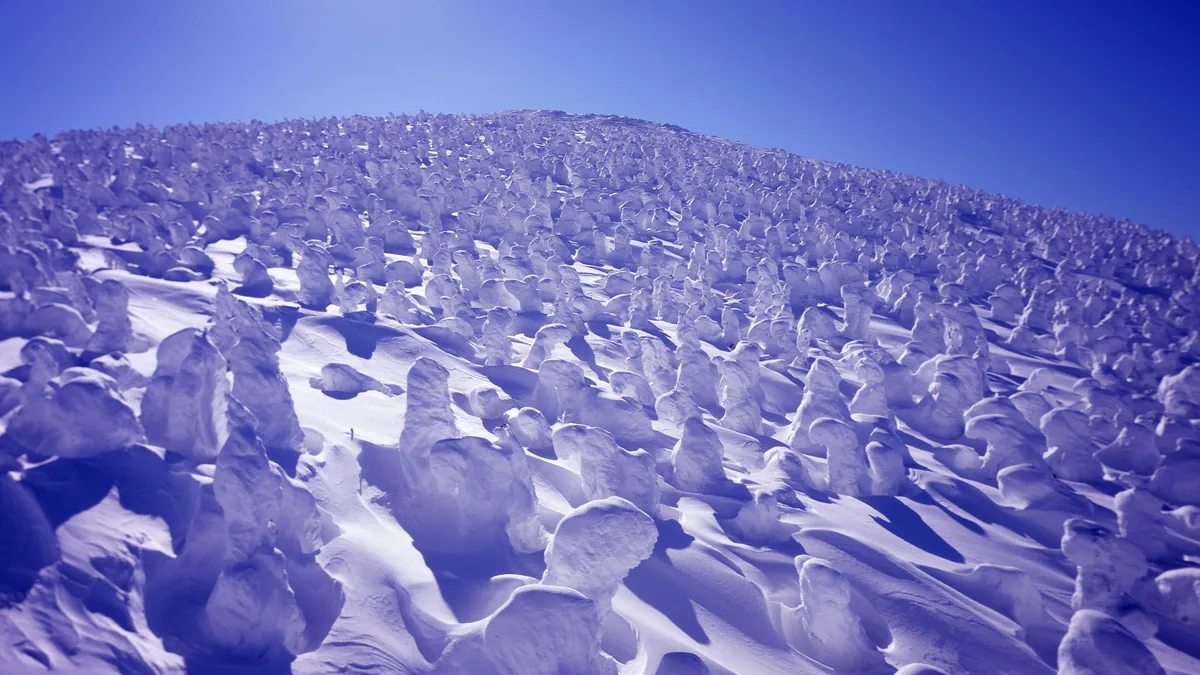
Skiers and onsen guests wanted a hearty, warming meal after a cold day, and grilled lamb filled that need at a fair price. For a broader look at the rest of the menu around town, see this guide to Zao Onsen dining. Beyond the table, the ropeway, the Juhyo snow monsters, and the sulfur baths round out most visits. Check the Zao Onsen attractions guide before building an itinerary around dinner reservations.
Where to Eat Jingisukan in Zao Onsen
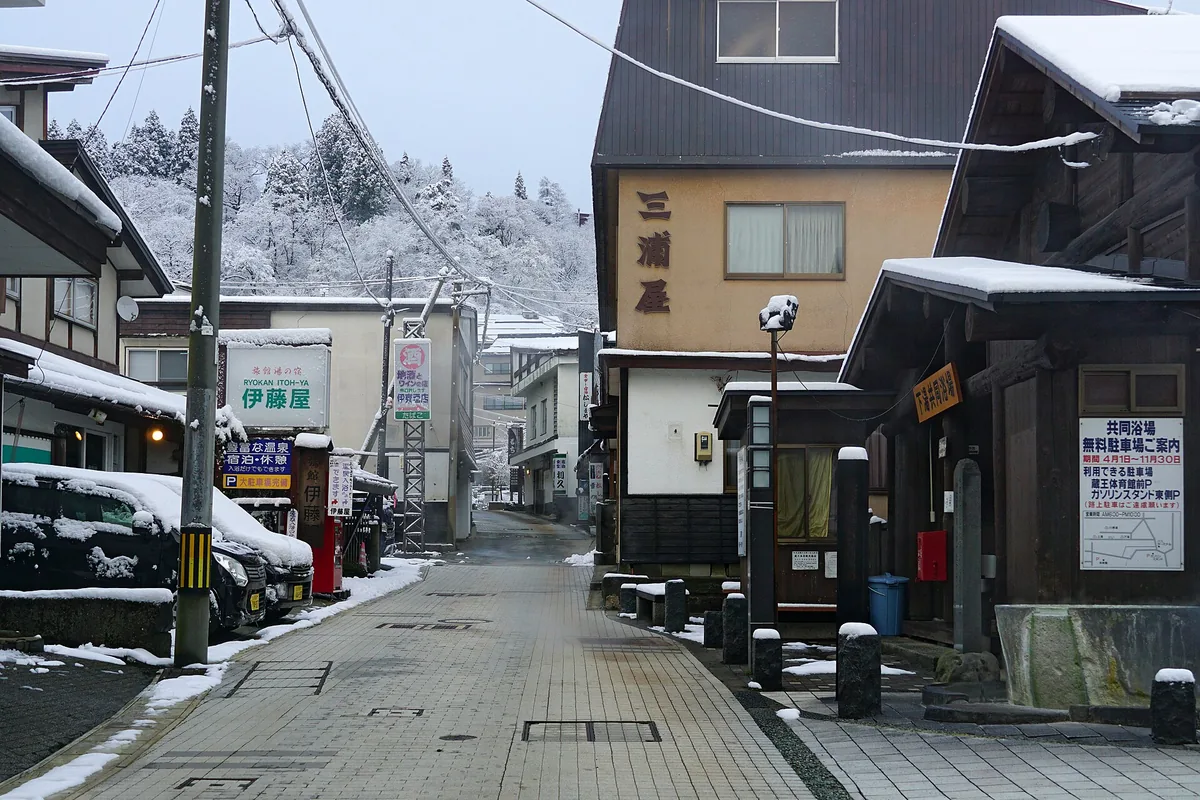
Zao Onsen sits roughly 30 to 40 minutes from Yamagata Station by car or bus, and its Jingisukan restaurants cluster tightly along the hot-spring street once you arrive. Three names come up most often: Robata, Kashieru, and Tomitaya, each with a distinct atmosphere and price point.
Robata publishes current service hours and entry cutoffs, but menu prices can change. Check its current menu and contact the restaurant ahead if a dinner table matters.
Robata is a central sit-down Jingisukan option near the Zao Onsen Bus Terminal. The current official listing gives 11:00-15:00 and 17:00-22:00, with last order 30 minutes before closing and final entry one hour before closing. Thursday is the regular closing day, but the operator notes that its calendar and social updates can supersede the weekly pattern. The official page does not support a “reservations only until noon” rule, so contact the restaurant ahead rather than relying on that cutoff.
Kashieru opened in August 2022, in a log-house building with a tatami room on the second floor. It grills the same fresh, thigh-and-shoulder lamb mix as its neighbors, then pairs it with handmade soba made fresh each morning. Because it is newer and smaller, hours can shift with the season, so check its official social accounts before walking over.
Tomitaya sits on Zao Onsen's main road and has served lamb barbecue set lunches for years. Atmosphere here is plainer than Robata's or Kashieru's, and the iron grills show their age. Its set lunch remains a reliable, no-frills option that doesn't require a reservation.
Jingisukan Lodge suits travelers staying near the ski slopes rather than in the village core, cutting out the walk down to the main dining street.
| Restaurant | Best For | Key Details |
|---|---|---|
| Robata | Sit-down Jingisukan near the bus terminal | 11:00-15:00 and 17:00-22:00; final entry one hour before closing; L.O. 30 minutes before; Thursday regular closure subject to the current calendar |
| Kashieru | A newer, log-house setting with handmade soba on the side | Opened August 2022; tatami seating upstairs; soba made fresh each morning; hours can vary by season, so check current listings |
| Tomitaya | A simple, long-running set-lunch option on the main road | Main-road location; konyaku dango sold at a streetside stall out front; set lunch is a longstanding value pick |
| Jingisukan Lodge | Travelers staying near the ski slopes | A slope-side alternative to the village-street restaurants |
How to Order and Cook Jingisukan Like a Local
Once the grill heats up, the arrangement follows a consistent pattern across Zao's restaurants. Once the meat and vegetables finish cooking, many diners spoon the pan drippings over a bowl of rice to finish the meal.
Dipping sauce here is soy-based, built with apple, garlic, and ginger for a sweet-savory profile that cuts through the richness of the lamb. Most restaurants treat their exact recipe as a house secret, so expect small differences from one restaurant to the next.
Lamb commonly comes in thigh and shoulder cuts: thigh is leaner, while shoulder carries more fat. Some restaurants offer mixed plates or sets with vegetables and rice. Prices and included sides vary, so check the current menu rather than relying on a ¥3,000-¥5,000 estimate or a third-party review site.
Vegetable-forward eating is limited at a Jingisukan restaurant, since the menu centers on lamb. Soba noodles are usually available as a side or a separate dish. They work as a substantial non-meat option for anyone skipping meat. Expect smoke and a lingering grilled-meat smell on clothing and hair. Some restaurants keep bags or hooks for coats near the entrance, so ask when you sit down if a smoke-free jacket matters.
- Fat goes on the raised center first, where it renders and runs down the sides.
- Meat cooks next, on the sloped sides of the dome.
- Vegetables — cabbage, bean sprouts, and onion — sit in the outer channel, soaking up the drippings.
What to Pair With Your Jingisukan
A full Jingisukan meal pairs naturally with a few other Zao specialties, before, after, or alongside the main event.
Yamagata is known for buckwheat, and a bowl of soba works as a palate cleanser after a plate of fatty lamb. Local shops serve it cold with a dipping broth or hot in a bowl. Some grind their own buckwheat flour for a firmer noodle. Find specific shop names and ordering tips in the Zao Onsen Soba Restaurants: A Local Guide to Yamagata Noodles.
Igamochi is a mochi sweet wrapped around red bean paste, topped with a few grains of dyed rice, and set on a bamboo leaf. It has almost no shelf life and typically sells out by afternoon. Treat it as a pre-dinner stop rather than a dessert saved for later. Specific shop names along the hot-spring street are listed in the Igamochi and sweets guide.
Tama konnyaku is Zao's street snack. Each skewer holds three or four konnyaku balls, slow-simmered in a soy dashi until dark amber. Most vendors serve it with a dab of hot mustard on the side. Ropeway stations and souvenir shops sell it year-round, and it works as a quick, cash-friendly bite between sightseeing stops.
Timing Your Visit: Zao Onsen's Early Closing Times
Robata's current service runs 11:00-15:00 and 17:00-22:00. Last entry is 21:00 and last order 21:30. Thursday is the regular closing day, subject to the operator's dated calendar and social notices. Peak ski evenings can still fill, so contact the restaurant rather than treating 18:30 as an official cutoff.
Robata's official dinner cutoff is last entry at 21:00, with last order at 21:30. Availability is separate from that cutoff, so contact the restaurant for a busy night.
If skiing fills the day, plan the last run to end with enough buffer time. Allow time to get down, change, and walk to a restaurant before the dinner window closes. Timing meals around lift hours is covered in the ski lunch and slope restaurants guide, which pairs directly with an evening booking.
Guests staying in a ryokan often have Jingisukan built into a set dinner course, which removes the timing pressure entirely. Travelers eating out independently need to book ahead or arrive early, since options thin out once the village settles in for the night. What to expect from an included dinner versus a standalone restaurant is covered in the ryokan and evening dining guide.
Mistakes to Avoid at Zao Onsen Jingisukan
A few planning slips account for most disappointing Jingisukan visits in Zao Onsen. Most of them come down to timing, payment method, or simply not checking ahead before walking over.
- Relying on an unsupported noon booking cutoff — contact Robata ahead and follow the operator's current instructions.
- Arriving after the last-entry cutoff — the current dinner last entry is 21:00, one hour before the 22:00 close.
- Carrying only cards — Igamochi stalls and tama konnyaku vendors are largely cash-only, even though Robata now takes credit cards and PayPay.
- Underestimating the walk — the main dining cluster sits about three to five minutes on foot from the Zao Onsen Bus Terminal, manageable in daylight but slower in snow or after dark.
How This Guide Was Verified
Food availability, access details, seasonal rules, and the time-sensitive claims in this guide were checked on August 22, 2026 against the official sources below. Independent restaurant menus, prices, opening days, and sell-outs can change, so confirm the operator's same-day notice before making a special trip.
Frequently Asked Questions
Is Genghis Khan BBQ really from Zao Onsen, or is that a Hokkaido dish?
Jingisukan is strongly associated with Hokkaido, but Zao Onsen has its own claim tied to early Showa-era sheep farming and Yamagata's cast-iron grill tradition. Several regions across Japan make similar claims. It is best understood as a shared regional dish with more than one origin story, rather than a single verified birthplace.
What time do Jingisukan restaurants in Zao Onsen close?
Robata currently runs 11:00-15:00 and 17:00-22:00, with last entry at 21:00 and last order at 21:30. Thursday is the regular closure, but check the operator's current calendar for changes.
How much does a Jingisukan meal cost in Zao Onsen?
Check the restaurant's current menu. Set contents and prices vary, and the previously quoted ¥3,000-¥5,000 range came from third-party listings rather than a current official menu.
Do you need a reservation, and can you pay by card?
Contact Robata ahead for a busy evening; its current official page does not support a noon-only reservation rule. Confirm the accepted payment methods when booking and carry cash as backup for small food stalls.
Are there options if you don't eat lamb?
Most Jingisukan menus center on lamb, so choices are limited. Soba noodles are usually available as a side or separate dish, and Kashieru in particular pairs its grill with handmade soba for a lighter alternative.
Free guide: Japan's Hidden Gems
12 under-the-radar places beyond Tokyo & Kyoto — with the best season to visit each and a local tip you won't find in the guidebooks.
You might also like


Continue reading
More guides you'll find useful


