

What to Eat in the Japanese Alps
Discover Japanese Alps food across Nagano, Gifu, Toyama, and Niigata, including soba, Hida beef, mountain vegetables, hut meals, and trail snacks.
On this page
Last updated August 2026. Knowing what to eat in the Japan Alps means choosing between valley kaiseki, roadside oyaki stalls, and trail-ready mountain hut curry, depending on where the day takes you. Nagano's Shinshu specialties and Gifu's Hida dishes both draw on preservation techniques, wild mountain vegetables, and hearty, high-altitude cooking. This guide breaks both down and points toward the region's mountain attractions for planning the rest of the trip.
What to Eat in the Japan Alps: 8 Signature Dishes and Drinks
These eight dishes and drinks define what to eat in the Japan Alps, from valley splurges to trail-ready staples. Each one below notes where to find it, what it costs, and which season it's tied to.
- Hida Beef with Hoba Miso
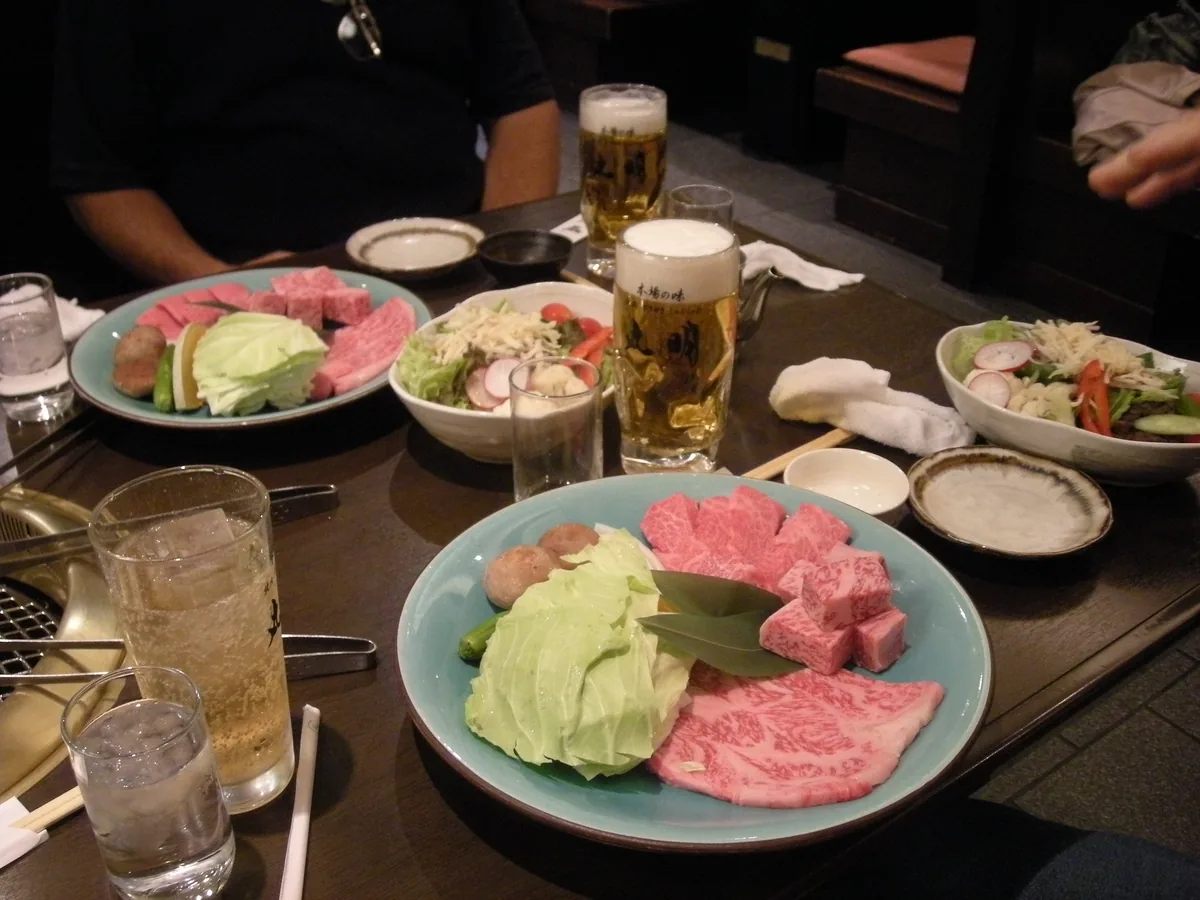
- Hida beef comes from Gifu Prefecture and is prized for its marbling, similar to other premium Japanese wagyu grades.
- The signature preparation, hoba miso, grills thin beef slices with miso and scallions on a dried magnolia leaf set over a small tabletop burner.
- A full Hida beef dinner in Takayama or Matsumoto typically runs ¥5,000–¥15,000+, depending on the cut and course count.
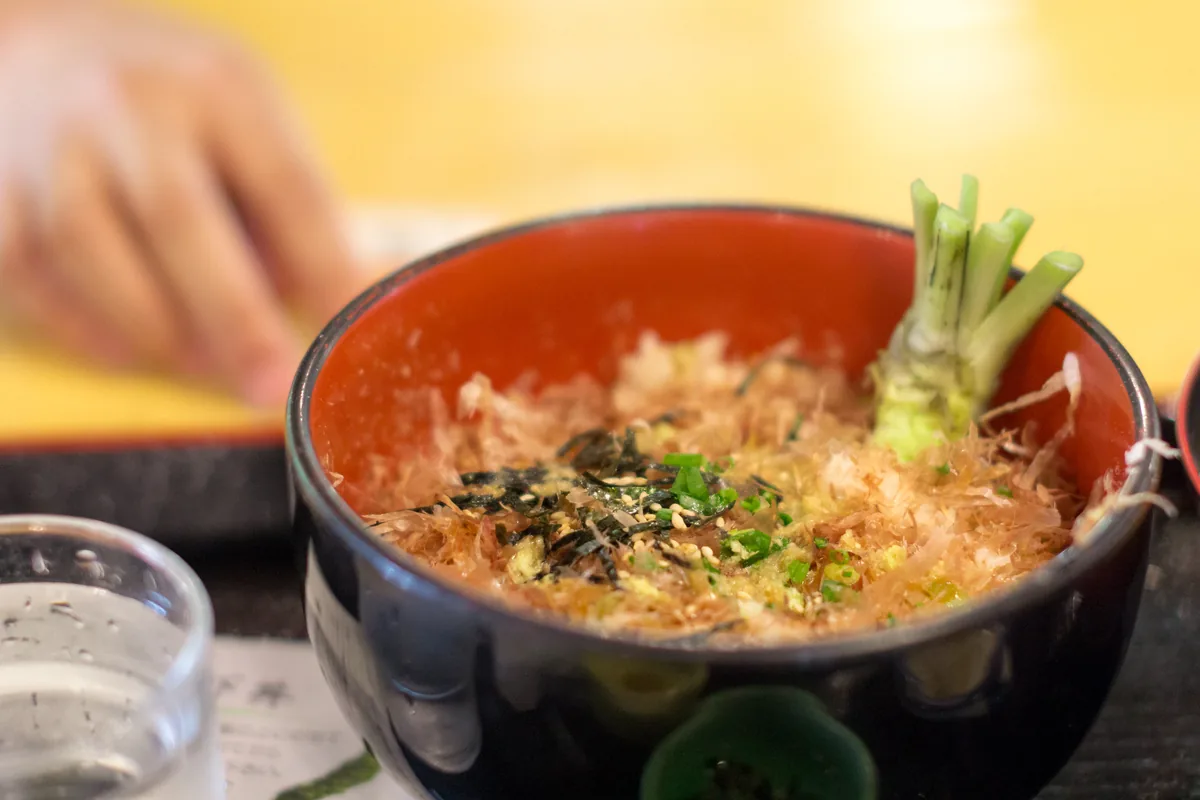
- Shinshu Soba
- Nagano Prefecture's high altitude and cold, mineral-rich water make it Japan's leading soba-growing region, known locally as Shinshu.
- Stone-ground, hand-cut noodles mark an artisan shop, while machine-cut versions turn up more often at tourist-focused counters near train stations.
- A soba lunch generally costs ¥1,200–¥2,000, cheaper at simple counters and pricier at shops that grind their own buckwheat.
- Oyaki Dumplings
- Oyaki are fermented wheat-dough dumplings, pan-seared then steamed, filled with nozawana pickled greens, pumpkin, eggplant, or sweet red bean.
- The dough is wheat, not buckwheat, so oyaki are not a gluten-free stand-in for soba despite looking similar on a menu.
- Street versions at roadside michi-no-eki stalls cost roughly ¥250–¥400 each, making them the cheapest hot food on this list.
- Gohei Mochi
- Gohei mochi differs from standard mochi because the rice is pounded but not fully mashed, leaving some individual grains visible.
- It's shaped flat on a skewer instead of rolled into a ball, then grilled over charcoal and coated in a walnut or miso glaze.
- Look for it at roadside stalls and rest stops across Nagano and Gifu, usually sold as a single grab-and-go skewer.
- Sansai (Wild Mountain Vegetables)
- Sansai are wild greens foraged as snow melts, available mainly from spring into early summer and absent the rest of the year.
- Kogomi (ostrich fern) and uudo are two common varieties, usually served tempura-fried or dressed with sesame.
- Menus rotate sansai dishes by what's currently in season, so ask staff what's available before ordering rather than expecting a fixed menu.
- Iwana and Amago (Grilled River Fish)
- Iwana (char) and amago (a native trout) come from cold Alpine rivers and streams running through the region.
- The standard preparation salt-grills the whole fish over charcoal, skin left crisp, with no sauce or seasoning beyond salt.
- Riverside restaurants across the valleys serve it fresh, especially during the warmer hiking months when the rivers run clearest.
- Mountain Hut Curry and Ramen
- Curry rice is the signature yamagoya dish because rice and curry roux store and reheat easily above 2,500 meters (about 8,200 feet).
- Ramen and simple noodle soups also appear on hut menus, though ingredients simplify the higher and more remote a hut sits.
- Dinner and breakfast are usually bundled into the ¥12,000–¥15,000 overnight stay fee rather than priced separately from the room.
- Local Sake and Craft Beer
- Matsumoto and Takayama both brew sake with alpine meltwater, valued for a soft, mineral-clear character distinct from coastal brewing regions.
- Tasting counters attached to breweries in both towns make for an easy stop on a walk through the old town.
- Hakuba and Kamikochi also have a growing craft beer scene worth a stop after a hiking day, though tap lists rotate by brewery.
Where You'll Eat: Michi-no-eki Stalls, Mountain Huts, and Trail Food
Location shapes the menu as much as the season does. Roadside michi-no-eki stations sell oyaki, grilled mochi, and local produce for quick refueling between drives. Michi-no-eki stations also stock local produce, pickles, and regional sake for travelers heading home, making them worth a stop even outside mealtimes. Mountain huts, called yamagoya, operate above 2,500 meters and bundle dinner and breakfast into the overnight stay fee rather than charging per dish. Staff carry rice, vegetables, and curry roux up by cargo lift or on foot, so hut menus stay simple and tend to repeat nightly. Fresh produce grows rarer the higher and more remote a hut sits, which is why curry and instant-style noodles dominate upper-mountain menus. Mountain hut meal planning covers which huts serve fresh vegetables versus dried rations. For day hikers who won't overnight at a hut, packing hiking food and bento matters more than any hut menu ever will.
Ryokan Kaiseki Dinners: What a Multi-Course Meal Looks Like
Ryokan dinners in Takayama and Matsumoto follow a set course structure rather than an à la carte menu. Expect a sequence of small courses rather than one large plate. Dinner typically opens with a seasonal appetizer, moves through sashimi and a grilled dish, then closes with a simmered dish and rice with pickles. Courses typically arrive one at a time rather than all at once, paced by the kitchen rather than the table. Hida beef often appears as a shabu-shabu or steak course, alongside river fish and mountain vegetables sourced from nearby valleys. Sake pairings are common, drawing on the same alpine meltwater breweries found in both towns. A ryokan kaiseki dinner is a 2-hour sit-down built around that fixed course order, not a meal to rush before an early trailhead start. A course-by-course kaiseki guide explains what changes by season.
A ryokan kaiseki dinner is a 2-hour sit-down because it follows a slow, fixed course sequence; by contrast, mountain huts carry pre-packed curry and instant noodles via cargo lift to 2,500-meter altitudes where fresh supplies don't arrive.
Vegetarian and Dietary Considerations
Vegetarian dining in the Japan Alps takes extra checking because dashi stock made from bonito or dried fish flavors soba broth, miso soup, and many simmered dishes by default. Oyaki fillings are usually plant-based, built around nozawana pickled greens, pumpkin, or eggplant, though some shops also sell meat versions on the same rack. Wild sansai vegetables are naturally vegetarian on their own, but a restaurant may still finish them with a fish-based dashi or bonito flakes. Gohei mochi's walnut or miso glaze is typically plant-based as well, though it's worth confirming at smaller stalls. Vegetarian mountain dining strategies lists which soba shops make dashi-free broth on request.
What Japan Alps Food Costs in 2026
Budget swings fast between street food and a Hida beef dinner, so decide upfront whether the moment calls for quick fuel or a sit-down splurge. Save the splurge for a sit-down Hida beef dinner in Takayama or Matsumoto. Treat oyaki and soba as fast, inexpensive fuel between stops instead.
| Meal or Stop | Typical 2026 Price |
|---|---|
| Oyaki or street snack | ¥250–¥400 |
| Soba lunch | ¥1,200–¥2,000 |
| Hida beef dinner | ¥5,000–¥15,000+ |
| Mountain hut dinner and breakfast | Bundled into the ¥12,000–¥15,000 overnight stay fee |
Sansai Season and Where to Find Local Mountain Cuisine
Sansai wild mountain vegetables are a spring and early-summer specialty, foraged as snow retreats from lower trails roughly between April and June. Kogomi and uudo are two common varieties, both served tempura-fried or lightly boiled with sesame dressing. Some shops pickle sansai to extend its availability slightly past the fresh foraging window, though flavor and texture differ from a freshly foraged plate. Iwana and amago, two cold-water fish, are grilled whole over charcoal with just salt, a preparation found at riverside restaurants and some ryokan. Hida beef, by contrast, is a year-round menu item with no seasonal window to plan around. Shinshu soba and oyaki are also available year-round, since both rely on stored buckwheat and wheat flour rather than fresh foraged ingredients. Local mountain cuisine by season maps out which valley towns serve sansai earliest as the thaw moves uphill.
Summer Hiking Season vs. Winter Ski Season Menus
Menu availability shifts hard between the two seasons the Japan Alps run on. Mountain huts above 2,500 meters generally operate only for the summer hiking season and close once snow sets in. Confirm exact opening and closing dates directly with each hut before building a trip around one. Foraging for sansai follows the same clock, appearing only as snow retreats each spring. Valley towns run the opposite pattern. Winter ski season in Hakuba and similar resort towns brings fuller restaurant hours and a busier craft beer and sake scene. Hida beef, soba, and oyaki stay available in valley towns regardless of season, so a snowbound trip still has plenty to eat.
Mountain huts above 2,500 meters operate only during summer hiking season because rice and curry roux store and reheat easily at high altitude, while fresh produce doesn't reach these remote locations once snow sets in.
Value, Time, and Authenticity: Choosing Where to Eat
Three factors decide where to eat on a given day. Budget, available time, and how much authenticity matters all play a role. Save the ¥5,000–¥15,000+ Hida beef splurge for an evening with no schedule pressure. Treat ¥250–¥400 oyaki as fast fuel between stops. A ryokan kaiseki dinner is a 2-hour sit-down built around a fixed course order, not a meal to squeeze in before an early trailhead start. Quick hiker fuel means grabbing a soba lunch or a hut curry and moving on. Gohei mochi and oyaki both work as an inexpensive bridge between a morning hike and a late ryokan dinner. Reservation policy is another signal worth reading: walk-in counters turn tables fast, while ryokan dinners are usually booked in advance as part of the room rate. Authenticity is easiest to judge by process. Stone-ground, hand-cut soba marks an artisan shop. Machine-cut noodles at high-turnover counters near stations signal a tourist-focused stop instead.
Explore food in other cities
How This Guide Was Verified
Mountain-hut meal patterns and hiking logistics were checked on August 22, 2026 against official national-parks and Nagano tourism guidance. Individual huts set their own menus, water policies, and dietary limits.
Frequently Asked Questions
What is the most famous food in the Japan Alps?
Hida beef and Shinshu soba are the two dishes most associated with the region. Hida beef, from Gifu Prefecture, is best known grilled hoba-miso style on a magnolia leaf. Shinshu soba, grown in Nagano's high-altitude, cold-water conditions, is considered some of Japan's best buckwheat noodles. Oyaki and gohei mochi are the region's best-known street snacks, if you're looking past the sit-down dishes.
Can you find vegetarian food in the mountains?
Vegetarian food exists, but it takes some checking first. Dashi made from bonito or dried fish flavors most broths, miso soup, and many simmered dishes by default. Oyaki fillings and sansai mountain vegetables are naturally plant-based on their own. A restaurant's dashi is the part to confirm, since it's rarely listed on the menu. Vegetarian mountain dining resources list which shops make broth without fish stock on request.
Do mountain huts accept credit cards for meals?
Plan to carry cash. Many yamagoya sit far from any bank or reliable card network, so cash-only policies are common at altitude. Bring enough yen to cover the overnight stay fee plus any drinks or snacks bought at the hut. Card acceptance varies by hut and can change season to season, so confirm directly with the hut before relying on one.
What is Hoba Miso?
Hoba miso is a Hida beef preparation. Thin beef slices, miso, and scallions grill together on a dried magnolia leaf set over a small tabletop burner. The leaf itself is not eaten. It's a specialty of Gifu Prefecture's Hida region and shows up on most Takayama-area dinner menus.
When is the best time to eat sansai mountain vegetables?
Sansai season runs from spring into early summer, roughly April through June, as snow retreats from lower trails. Kogomi and uudo are both foraged during this window and disappear from menus once it closes. Outside that window, restaurants substitute other seasonal vegetables rather than serving sansai out of season. Hida beef, soba, and oyaki stay on menus year-round if sansai timing doesn't line up with a trip.
Explore Japan Alps Food and Dining
Use these guides to compare local dishes, dining areas and practical food experiences in Japan Alps.
Food and Dining Guides
Free guide: Japan's Hidden Gems
12 under-the-radar places beyond Tokyo & Kyoto — with the best season to visit each and a local tip you won't find in the guidebooks.
You might also like


Continue reading
More guides you'll find useful


