

Japanese Alps Mountain Hut Meals Guide
Understand Japanese Alps mountain hut meals, reservations, dining times, packed lunches, water policies, dietary limits, costs, and cash planning.
On this page
Last updated August 2026, this guide breaks down what to expect from Japan Alps mountain hut meals before you commit to a multi-day itinerary. Reservations, fixed serving windows, and cash-only counters shape dinner, breakfast, and packed lunches at these high-altitude lodges. Understanding the system in advance keeps hikers fed on schedule and out of a hut manager's bad graces.
How Japan Alps Mountain Hut Meals Work
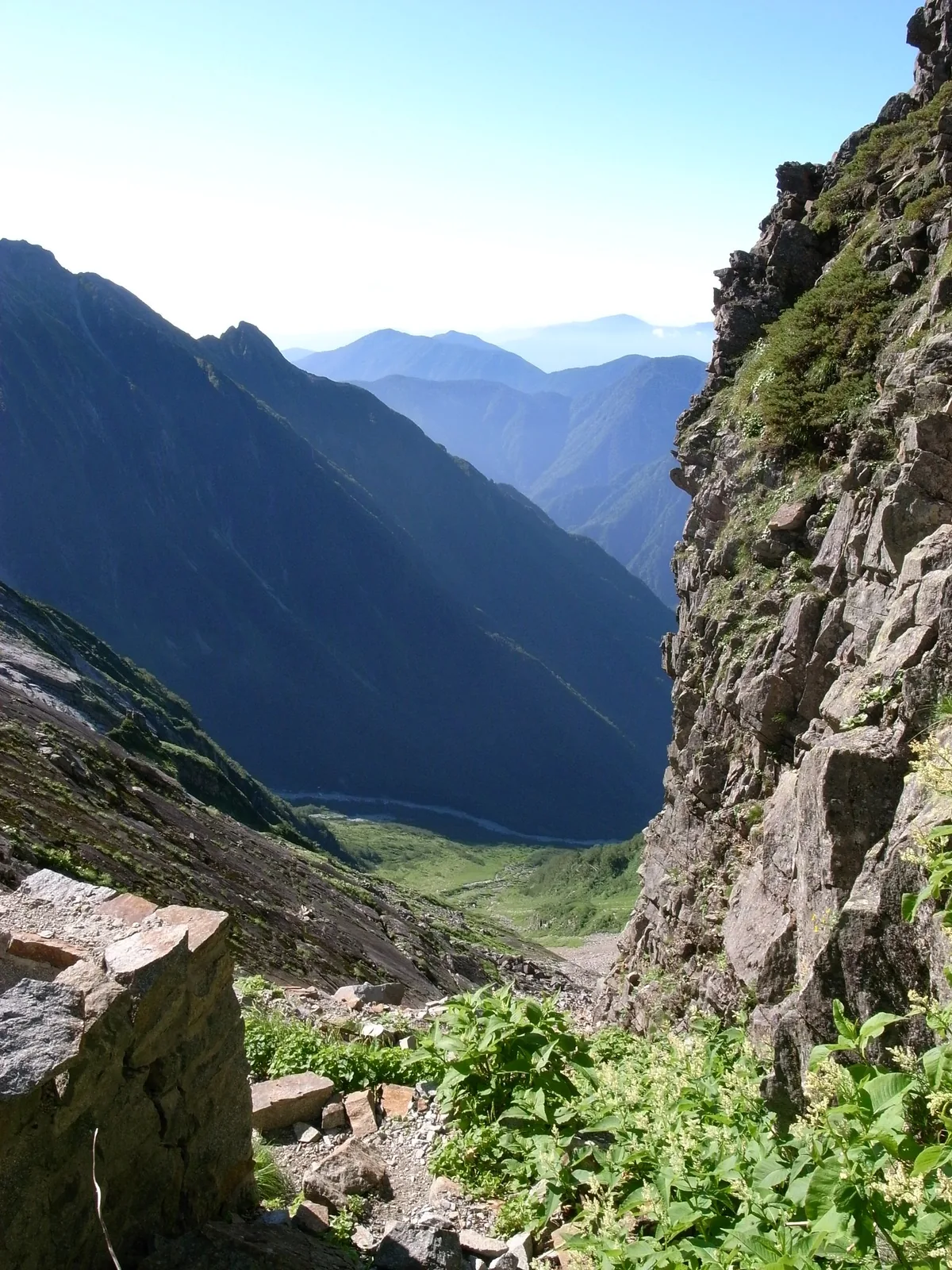
Most Japan Alps mountain huts, known as yamagoya, serve meals in staggered shifts at long communal tables. Staff call hikers in for dinner and breakfast in fixed windows rather than running an open kitchen. Larger huts split guests into two or three shifts when a busy weekend fills every bunk. They post a meal schedule at the entrance so you can plan your evening around it. Arriving a few minutes before your sitting keeps the schedule on track for every other hiker in the hut. You clear your own tray and bowl to the wash station before leaving your seat. Missing your shift without notice can mean a cold plate or no meal at all, so tell staff immediately if your schedule changes. Reservations for meals are mandatory at almost every hut, whether you book the bed too or arrive as a day hiker. Phone reservations in Japanese remain the norm, though a growing number of huts now take online booking forms. For the wider culinary context beyond hut walls, the Japan Alps food guide covers valley-level dining and specialties.
Typical Hut Menus: Dinner, Breakfast, and Lunch
Dinner service typically starts around 5:00 PM, and the kitchen serves one fixed plate rather than a menu you choose from. Breakfast opens early, often near 5:00 AM, timed for hikers heading out before sunrise. Dinner mains sometimes rotate between two or three options across the week, so the exact dish can vary by the day you arrive. Rice and miso soup are usually unlimited, even when the main dish is not. Hut menus stay simple by necessity, since every ingredient arrives by porter or helicopter. Many huts also stock a small shop counter with instant noodles, rice balls, and snacks for hikers passing through outside meal hours. Down in the valleys, the regional mountain cuisine draws on fresh local produce and a wider range of dishes.
- Dinner: hamburg steak, grilled fish such as mackerel, or curry rice, plus rice, miso soup, and small side dishes
- Breakfast: rice, miso soup, natto, an egg, grilled fish, and pickled vegetables
- Lunch, a la carte for day hikers: ramen, udon, or curry rice, typically ¥2,000–¥3,500
Booking Meals, Bento Boxes, and Costs
Huts typically sell two lodging formats. Ichi-paku ni-shoku, one night with two meals, bundles a futon with dinner and breakfast. Su-domari, stay only, covers the bed alone, and you add meals individually at the counter. Many trailheads also expect a Compass mountain-registration filing that lists your food and equipment plan before you set out. Showing up without a meal reservation at a popular hut on a weekend often means no dinner at all. Book as soon as your itinerary is fixed. If your schedule changes, call ahead to cancel a meal reservation you no longer need, since huts prep food to headcount. Hikers planning an early summit push before breakfast service can often request a bento box the night before. Ask at check-in for a packed trail breakfast instead of waiting for the 5:00 AM sitting. Hut staff need advance notice, so raise the request when you check in, not at lights-out. Exact meal times and prices vary by hut and season, so confirm current details when you reserve.
| Meal Plan | What's Included | Typical Cost |
|---|---|---|
| 1-paku 2-shoku (stay + 2 meals) | Futon, dinner, and breakfast | Bundled into the overnight rate |
| Su-domari (stay only) + meals added | Bed only; dinner and breakfast purchased separately | ¥2,000–¥3,500 per meal |
| Day-hiker lunch (no overnight stay) | Ramen, udon, or curry at the counter | ¥2,000–¥3,500 per meal |
Dietary Restrictions and Allergies in Remote Huts
Vegetarian and vegan requests are difficult in most mountain huts. Miso soup, simmered vegetables, and even rice are often cooked in fish-based dashi, and staff may not realize dashi counts as an animal product. Kitchens are small and pre-portioned, so substitutions stay limited even with advance notice. A few huts keep a packaged instant-noodle or retort-curry option at the shop counter as a fallback. If you have a food allergy, write it down in Japanese before you go. Learn the word arerugi, meaning allergy, plus the specific ingredient. Bringing a phrasebook or translation app helps when explaining an allergy to staff who may not speak English. Confirm any allergy or restriction again at check-in, even if you mentioned it when you booked. Front-desk and kitchen staff are not always the same shift. For hut-by-hut recommendations, check the vegetarian mountain dining guide. Carrying dedicated backup food, such as freeze-dried meals, is the more reliable strategy for anyone with strict dietary needs.
Regional Differences: Northern, Central, and Southern Alps
Northern Alps huts near the Kamikochi area tend to run the most developed food service. A few now include drip coffee counters and small cafe menus for day visitors. Central and Southern Alps huts generally keep menus simpler and lean more on self-sufficiency, since fewer huts sit along each route. Longer gaps between huts on those routes push more hikers toward carrying their own lunch and snacks. Choosing a Northern Alps route over a Central or Southern Alps route can simplify meal planning if you would rather not carry much food. Deep in the Southern Alps, some huts run on a generator for only part of the evening, which limits food prep equipment as well as lighting. Southern Alps huts are also more likely to charge for water rather than offer free spring taps. Budget extra cash for hydration on those routes. After a hut-based trek, many hikers head back down to the valley for a proper meal at the region's valley attractions and onsen towns.
Hut Etiquette: Trash, Alcohol, and Quiet Hours
Huts run a strict carry-in, carry-out policy. Food wrappers, orange peels, and any other trash come back down the mountain with you, since huts have no waste collection. Beer and sake are usually available for purchase at the counter. Speak quietly in the dining hall and shared sleeping areas, since walls between rooms are thin. Kitchens and common rooms typically close around 9:00 PM, when hikers are expected to go quiet before the next day's early start. Generators typically power down alongside the kitchen, so charge phones and headlamps before lights-out. Save any drinking for before lights-out rather than after. A yamagoya dinner is a fixed, single plate built for calories and an early night. It contrasts with the multi-course ryokan kaiseki dinners lower in the valley.
Water Access and Self-Catering Trade-offs
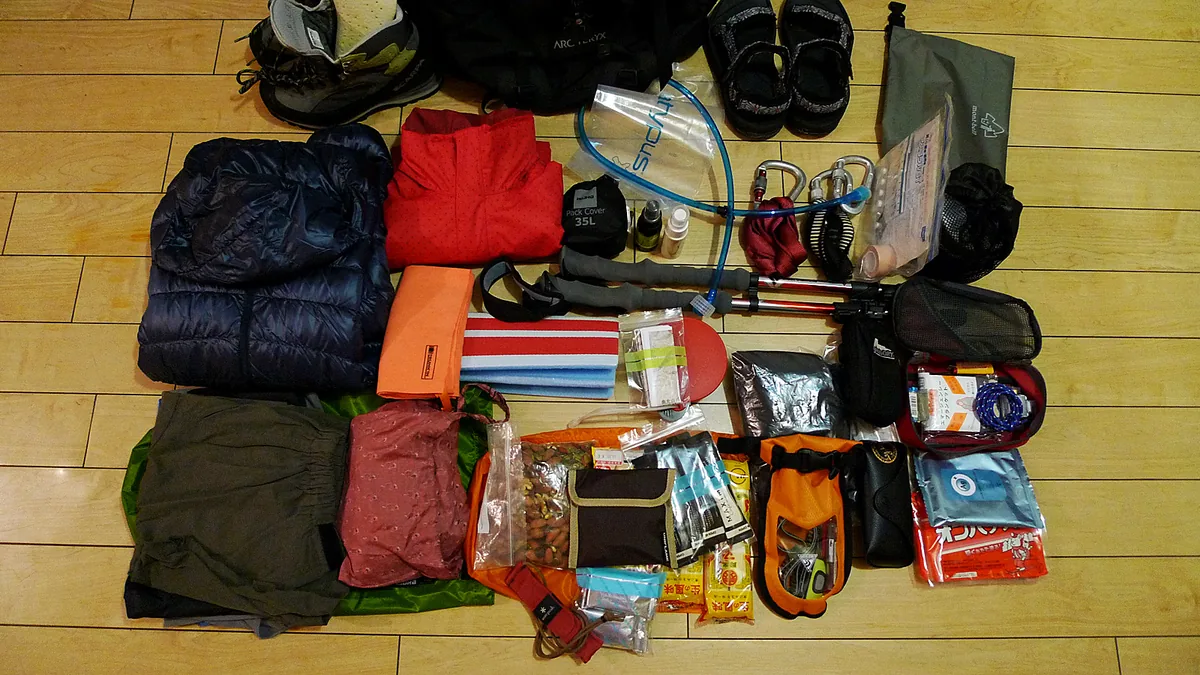
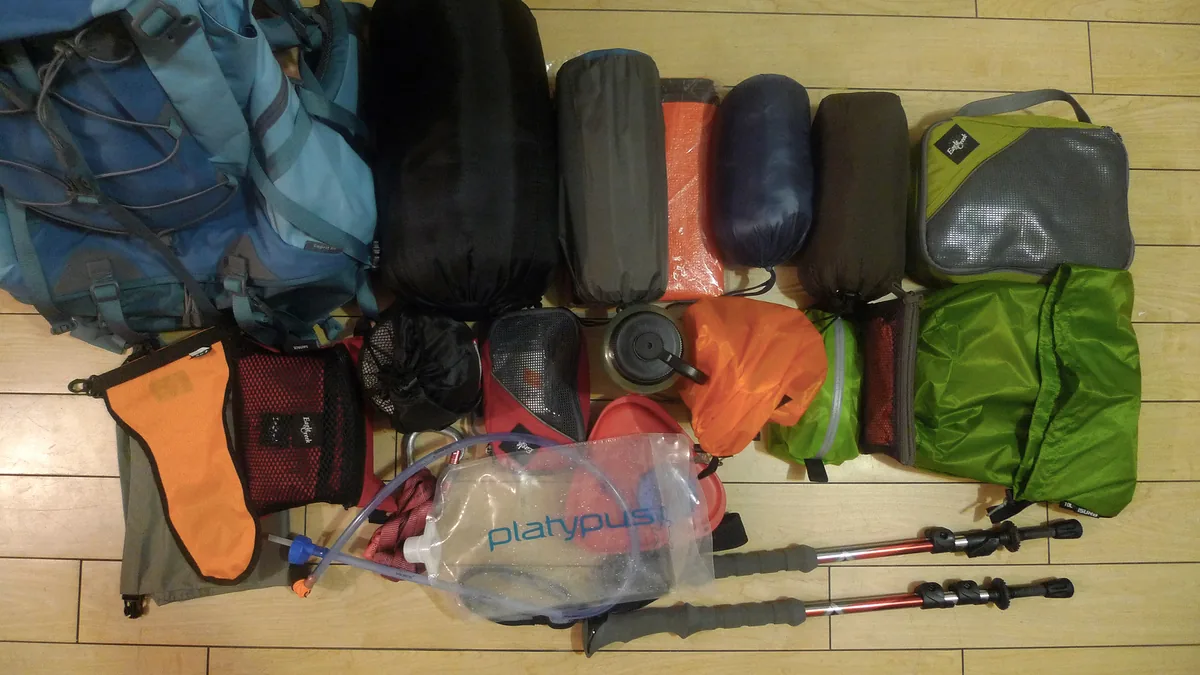
Carrying a stove, fuel canister, and dehydrated meals for a multi-day trek adds real weight to a pack. Weigh that against the ¥2,000–¥3,500 per meal you would otherwise pay at a hut. A single stove and a few dehydrated dinners can replace two or three hut meals on a longer trek, cutting the overall food bill. For a short two- or three-day route, hut meals are usually lighter on your back and simpler to plan around. On longer traverses with fewer huts, self-catering can cut costs and add scheduling flexibility. Compare the total trip cost both ways before you decide, since a heavier pack can also slow your pace on steep sections. A middle path works for many hikers: buy dinner and breakfast at the hut, then self-cater lunch on the trail. Spring water is free at many huts, but ask at check-in. Southern Alps huts sometimes sell water by the liter instead of offering it free. Pack a lightweight filter or purification tablets as backup on routes where water sources are uncertain.
Planning Meals Around the Hut Season
Most Japan Alps huts operate on a short seasonal window, typically opening in early summer and closing once autumn snow arrives. Meal service tends to be most reliable at the height of the season, when full staff are on site. Early or late in the season, some huts scale back to self-service or a reduced menu. A number of huts also close mid-week outside peak weeks, so double check the specific dates for the hut you plan to reach. Check each hut's published 2026 operating calendar before you build a meal plan around it, since dates shift by elevation and route. Booking a full board plan is more dependable in the core season than at the shoulder edges.
Budgeting for a Multi-Day Hut Trek
Food costs add up fast on a multi-hut itinerary. Three days of hut dinners and breakfasts add up to six meals in total. At the standard ¥2,000–¥3,500 per-meal rate, that runs roughly ¥12,000 to ¥21,000, not counting the bed itself. Buying lunch at the counter each day adds a similar amount again. Packing your own breakfast and lunch while still booking hut dinners is a common middle-ground strategy that trims that total. Add a further cash buffer for bottled drinks, extra snacks, or hut merchandise along the way. Set a per-day food budget before the trip, then decide, hut-by-hut, whether cooking your own meal is worth the extra pack weight.
What to Bring Even When You Book Hut Meals
Even with dinner and breakfast booked, carry snacks for the hours between meals. A route between huts can take four or more hours, longer than the gap between a 5:00 AM breakfast and a hut lunch counter. Trail mix, rice crackers, or a few onigiri from a valley convenience store cover that gap cheaply. Carry a reusable water bottle or soft flask so you can refill at free taps and avoid buying water at huts that charge for it. A headlamp matters too, since early breakfast sittings often start before sunrise.
Routes between huts take four or more hours, and meals at huts cost ¥2,000–¥3,500 each; this economic math makes carrying a lightweight stove worthwhile on longer multi-day treks.
How This Guide Was Verified
Mountain-hut meal patterns and hiking logistics were checked on August 22, 2026 against official national-parks and Nagano tourism guidance. Individual huts set their own menus, water policies, and dietary limits.
Frequently Asked Questions
Can you buy meals if you're camping near a hut?
Lunch is usually available to purchase without a reservation. Dinner, though, often requires booking in advance, even if you camp outside instead of sleeping inside the hut.
Is tap water safe to drink at mountain huts?
Spring water at many huts is safe to drink straight from the tap. Some huts still recommend boiling or treating water drawn from streams, so ask staff at check-in about the source for that specific hut.
Do huts accept credit cards for food and lodging?
Japan Alps mountain huts run on cash only for food and lodging at almost every location. Bring enough genkin, meaning cash, in small bills for meals, drinks, and any extra water charges. Card readers and mobile payment are rare this far from the valley floor.
Can you get coffee at high elevation in a mountain hut?
Yes. Many Northern Alps huts sit near 3,000 meters in elevation. A few now run a drip coffee counter alongside tea and instant coffee packets. Expect a short wait during peak breakfast and lunch hours.
How far in advance should you book hut meals?
Book your meal plan when you reserve your bed, ideally at least a few days before a summer weekend departure. Weekend and holiday sittings fill first, and huts that take same-day walk-ins often only guarantee lunch, not dinner.
What should you pack as backup food for mountain huts?
Carry compact, high-calorie snacks such as nuts, dried fruit, or an energy bar for the trail between huts. A lightweight instant meal is also useful if a hut's dinner service is full or unavailable.
Do mountain huts serve alcohol with dinner?
Most huts sell beer and sake at the counter alongside dinner. Sales usually stop around the same time the dining hall closes for the night.
What happens if you miss the dinner or breakfast sitting?
Huts prepare food to a fixed headcount, so arriving late to a sitting often means a cold plate or no meal at all. Tell staff as early as possible if you expect to miss your assigned time, and ask whether a later plate can be held.
Free guide: Japan's Hidden Gems
12 under-the-radar places beyond Tokyo & Kyoto — with the best season to visit each and a local tip you won't find in the guidebooks.
You might also like


Continue reading
More guides you'll find useful


