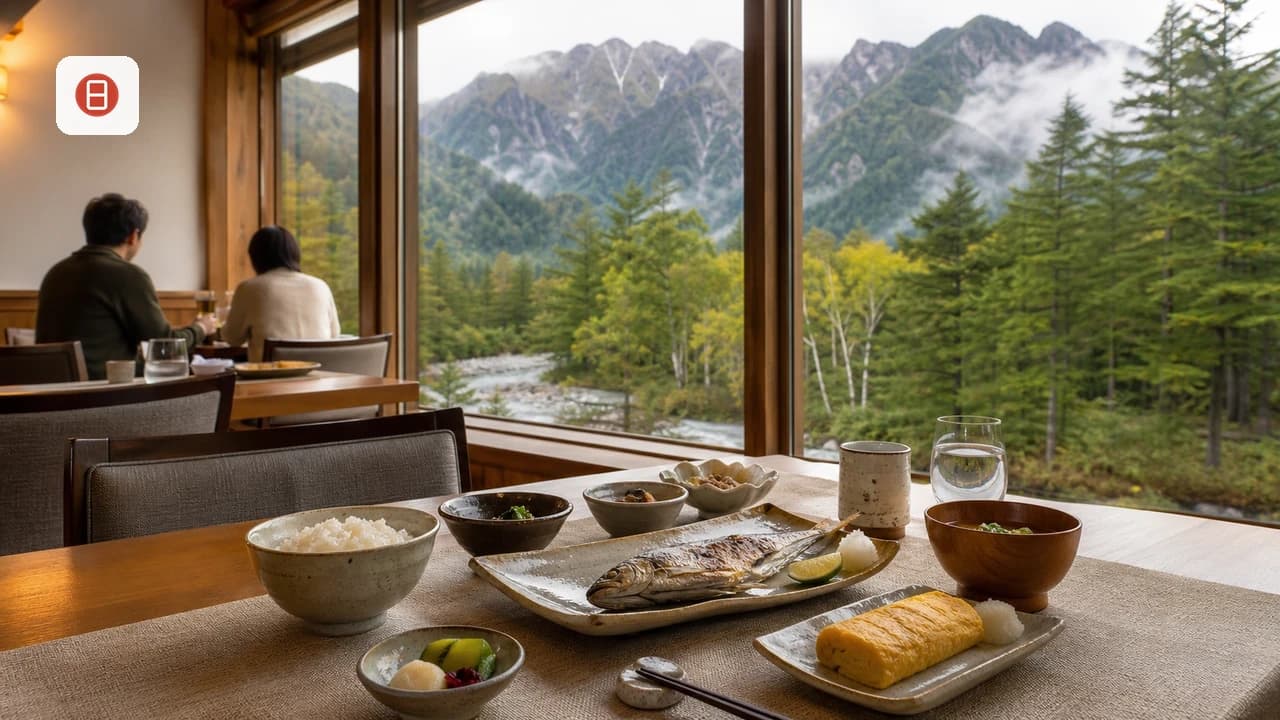
Kamikochi Trail Lunch and Bento Guide
Choose a practical Kamikochi trail lunch with current bento buying points, picnic locations, hut alternatives, food-safety cautions, and packing tips.
On this page
Last updated August 2026. Planning a Kamikochi hiking lunch and bento route means working around a valley with no convenience stores and only a few trailside shops. Bento appear at the bus terminal and Kappabashi in the early morning, and the mountain huts farther up the trail take over with sit-down meals.
Kamikochi Hiking Lunch and Bento: What to Expect at the Trailhead
Kamikochi's food options concentrate at two points inside the national park. Kappabashi, the hub near the bus terminal, anchors one end, and a string of mountain huts spaced along the main trails anchors the other. Shops at Kappabashi sell packaged bento, rice balls, and trail snacks for hikers heading out for the day. Once the trail leaves Kappabashi behind, options thin out fast, and no convenience store chain operates inside the valley. A quick 7-Eleven or Lawson run is simply not possible once you commit to a route. Deciding between a packed bento and a hut lunch before you leave Kappabashi saves you from making that call hungry, halfway up a trail. Both choices are reasonable, and the right one depends on how much time flexibility matters for your specific route. For a broader look at what the valley serves beyond trail food, see the Kamikochi food guide.
The Morning Window: Getting Food Before You Start Walking
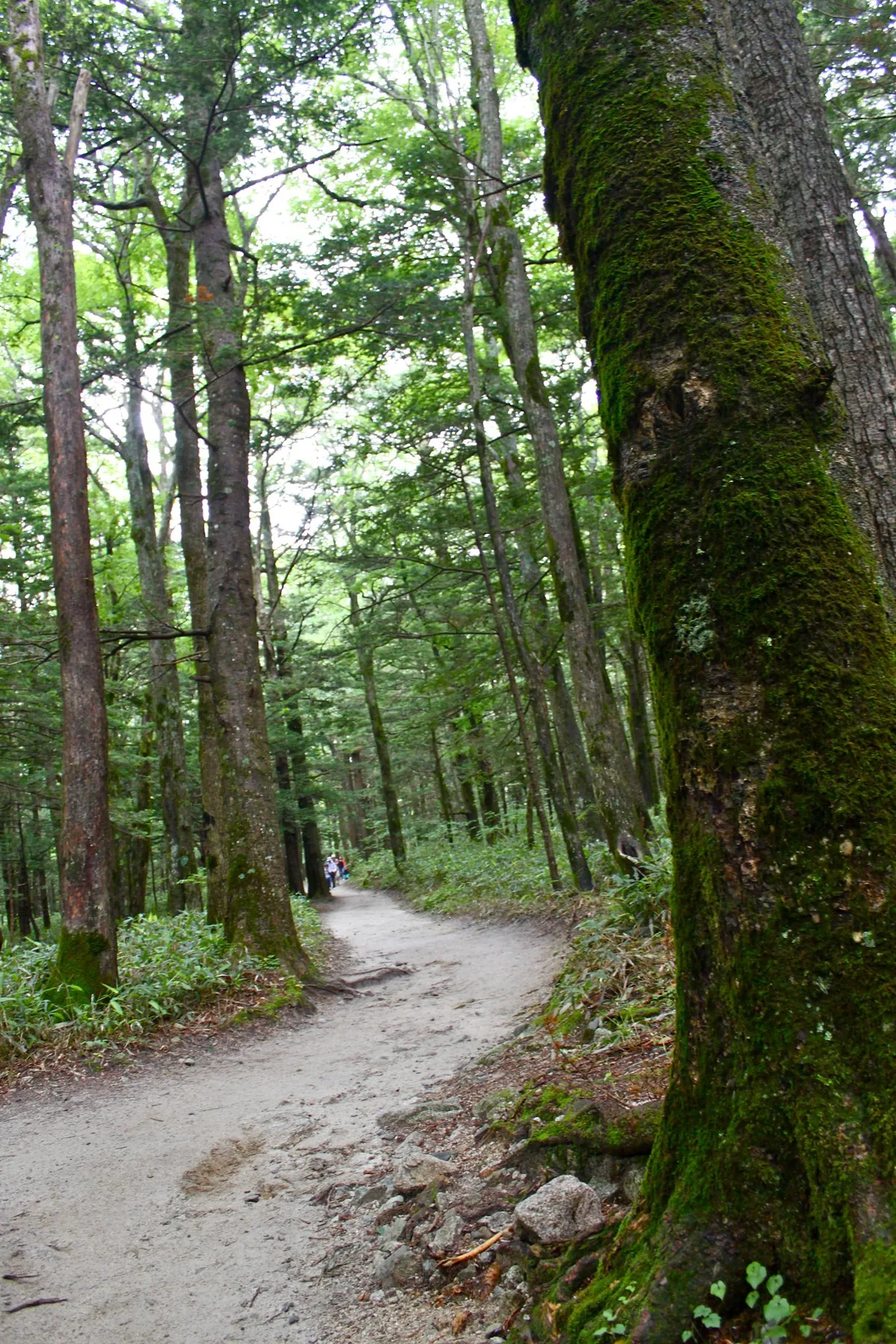
Early buses reach Kappabashi around 6:00 AM, well before most shop shelves are fully stocked. Bento selection at nearby kiosks often does not fill out until closer to 8:00 AM, which creates a gap for hikers who arrive on the first bus. That gap is the source of most morning food scrambles in the valley. Waiting for the later restock costs valuable trail time on a long day hike. Ordering a lunch box through your lodge the night before sidesteps the gap entirely, since it is ready for pickup at checkout. Guests staying at properties covered in the lodge dining guide can typically arrange this the evening before a hike. If a pre-order was not possible, build a short buffer into your schedule after 8:00 AM rather than counting on food being available the moment you step off the bus. Hikers heading toward Myojin or beyond on an early start should treat this buffer as part of the route plan, not an afterthought.
Buying Your Bento: Bus Terminal, Kappabashi, and Konashidaira
Three spots reliably sell packaged lunches once shops are open. Stock and hours shift by season, and a shop with a full bento case in one month may sell out earlier in a quieter one. Confirm current hours and offerings before you arrive, since kiosk stock is never guaranteed.
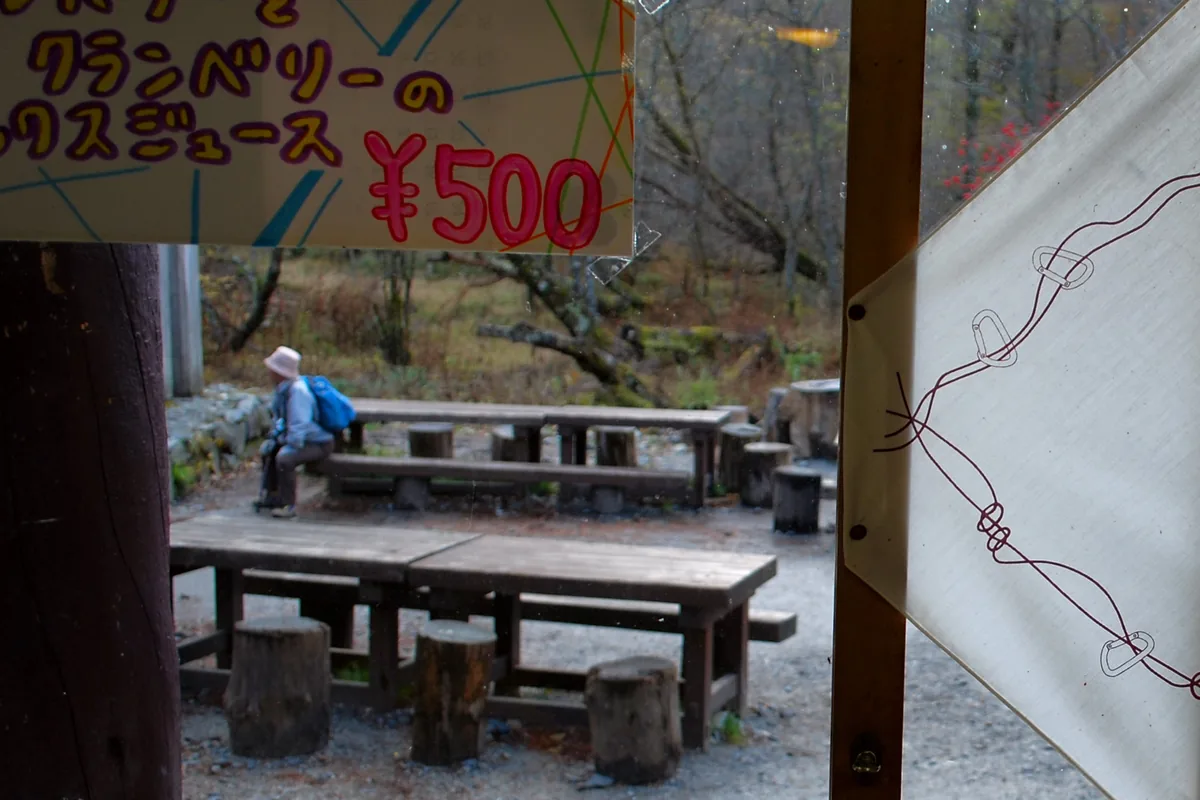
- Kamikochi Bus Terminal and Kappabashi shops: the main cluster of kiosks near the terminal carries the widest bento selection in the valley. Confirm current offerings at shops such as the Kamikochi Information Center before relying on a specific item being in stock.
- Konashidaira Campground: this stop along the valley floor offers simpler, more affordable takeaway food than the shops directly at Kappabashi. It works well if a full bento is more than you need for a short walk.
- Hut counters past Kappabashi: some huts sell a limited number of takeaway items alongside their sit-down menu. Treat this as a backup option rather than your main plan for the day, since stock is inconsistent.
Mountain Hut Meals at Myojin, Tokusawa, and Yokoo
Myojin marks the first major hut cluster past Kappabashi. Kamonjigoya is known there for grilled char cooked over charcoal, served as a sit-down meal rather than a packaged one. Myojinkan, nearby, offers a similar hot-meal stop for hikers who want to sit and warm up before continuing. Tokusawa, farther along the trail, shifts toward cafe-style food, and its soft-serve ice cream has become a reward stop many hikers plan around. Yokoo continues that shift, leaning more toward simple trekker fuel than a leisurely sit-down menu. Each hut sets its own hours and menu, so check specifics in the mountain hut meals guide before you commit to eating there instead of carrying a bento.
Hut meal service ends around 1:30 PM, with last orders sometimes extended to 2:00 PM—a window that favors early starts targeting lunch-focused routes but cuts off afternoon options for slower hikes with multiple stops.
The Carry-In, Carry-Out Rule and Other Trail Logistics
Kamikochi has no public trash cans anywhere on the trail network. Every bento container, wrapper, and skewer you carry in has to leave with you. These three logistics questions come up on almost every Kamikochi hike, regardless of route or season.
- Waste: pack a dedicated bag for trash, separate from your food bag, and carry it back to your hotel or out of the park. Huts generally only take trash from items purchased there, not from a bento bought elsewhere.
- Timing: many huts stop serving hot lunch by around 1:30 PM, and some hold last orders as late as 2:00 PM. Confirm the specific cutoff at each hut before building your route around a hot meal.
- Water: mountain huts are the most reliable refill point along the trail. Free tap water is limited once you leave Kappabashi, so treat huts as your backup, and buy bottled water there if you run low.
Best Picnic Spots Along the Azusa River
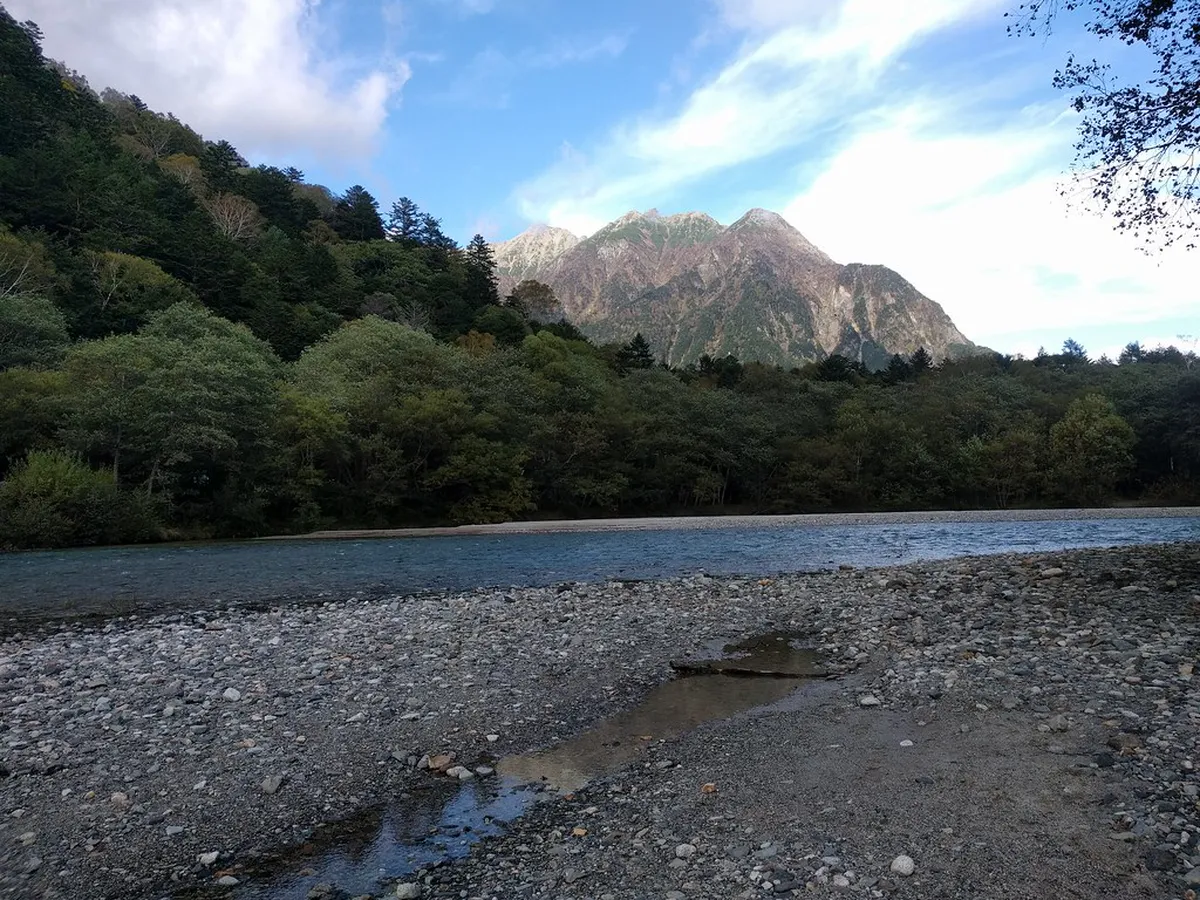
Flat gravel banks along the Azusa River give hikers an open spot to unpack a bento without blocking the trail. Benches near Myojin Bridge offer another option, with river views and enough room to sit as a group. Both spots work well for a mid-hike break, since they sit close to the main trail rather than requiring a detour. Areas near Kappabashi itself tend to draw the largest crowds around midday, so a picnic spot slightly farther along the trail usually means more room to spread out. Choosing a spot with a clear sightline also makes it easier to spot macaques before they get close to your food. Pack out every wrapper and container when you leave, the same as anywhere else in the valley.
Food Safety Around Macaques and Bears
Japanese macaques move through the Kamikochi valley and can approach hikers who are eating. Keep food sealed in a bag until you are ready to eat it, rather than carrying it loose or half-open. Offering food to a macaque directly teaches the animal to associate hikers with an easy meal, so avoid it entirely. Maintain distance if one approaches, and let it move on rather than trying to shoo it away at close range. Bears are present in the wider area, so store food securely and avoid eating near dense brush away from the main trail. Strong food smells draw both macaques and bears, which is one more reason to finish meals and pack out scraps promptly.
Dietary Needs and Allergies on the Trail
Specialized meals are hard to find once you are past Kappabashi. Packaged bento rarely list full allergen breakdowns, and mountain hut kitchens are small, with limited ability to modify a dish on request. Vegetarian hikers generally have an easier time at huts than with pre-packed bento, since a hut can leave meat off a plate more easily than a sealed box can be altered. Lodges that can prepare a modified bento in advance are generally a safer bet than hoping a hut can accommodate a request on the spot. Plan ahead rather than expecting to solve a dietary restriction mid-trail. For specific vegetarian, vegan, and allergy strategies, see the dietary needs guide before you travel.
Bento vs Hut Lunch: A Quick Comparison
Choosing between a packed bento and a hot hut meal comes down to trade-offs in cost, flexibility, and time. Eating a bento lets you stop and go anywhere, without waiting for a table or a last-order cutoff. Sitting down at a hut trades that flexibility for a hot dish and shelter from the wind. Cost typically favors the bento, since packaged food usually runs cheaper than a hot sit-down meal at a hut. Check current menu boards at Kappabashi shops and at each hut for today's prices before you decide. A short hike toward Myojin and back suits a bento, while a longer day toward Tokusawa or Yokoo often benefits from a hot meal partway through. After the trail, many hikers head back toward Kappabashi for something sweet. See the Kappabashi dessert options guide for what tends to be open post-hike. If you are timing lunch around sightseeing instead, the Kamikochi attractions guide helps map meal stops to major viewpoints along the route.
Incoming buses around 6:00 AM arrive before full bento selection emerges at 8:00 AM; mountain huts meanwhile close service around 1:30 PM—constraints that converge to make advance planning or lodge pre-orders critical for day-long meal flexibility.
| Factor | Bento | Hut Lunch |
|---|---|---|
| Cost | Generally lower than a hut meal | Generally higher than a bento |
| Flexibility | Eat anywhere, any time | Fixed to hut hours and last-order times |
| Warmth | Cold or room temperature | Hot, sit-down meal |
| Waste management | You carry all packaging out | Hut handles waste from items bought there |
| Time required | Minutes, no wait | Longer, includes wait and seating |
How This Guide Was Verified
Operational details were checked on August 22, 2026 against official Kamikochi restaurant, accommodation, and park guidance. Individual lodges can change menus and hours seasonally, so confirm the named property before travel.
Frequently Asked Questions
Can you buy a bento at the Kamikochi Bus Terminal at 6:00 AM?
Buses can reach Kappabashi as early as 6:00 AM, but shop stock is not guaranteed that early. Bento selection at nearby kiosks often fills out closer to 8:00 AM. Confirm current opening hours before counting on an early pickup, or order a lunch box through your lodge the night before.
Are there trash cans at the mountain huts for bento boxes?
Kamikochi has no public trash cans anywhere in the valley. Huts generally accept trash only from food purchased there, not from a bento bought elsewhere. Carry a dedicated bag for your own packaging and take it back to your hotel or out of the park.
Is there a convenience store in Kamikochi?
No 7-Eleven, Lawson, or similar convenience store chain operates inside Kamikochi. Food options are limited to shops at Kappabashi, mountain huts, and lodge pickups. Prices run higher than a typical convenience store stop elsewhere in Japan as a result.
What happens if a mountain hut stops serving lunch before you arrive?
Many huts stop hot food service by around 1:30 PM, with some holding last orders until 2:00 PM. Arriving after that window usually means falling back on a bento carried from Kappabashi or a lodge. Building a buffer into your hiking schedule avoids this problem entirely.
How should you handle food around the macaques?
Sealing food until you are ready to eat reduces the chance a macaque notices it. Offering food directly teaches the animal to approach hikers for meals, so avoid that entirely. Step back and let it move on if one gets close while you are eating.
What should you pack besides a bento for a Kamikochi day hike?
Bring a reusable water bottle you can refill at mountain huts along the way. Pack a separate bag for trash, since the valley has no public bins. Add a layer for temperature swings, since weather on the valley floor can change quickly between morning and afternoon.
Should you eat at a hut or bring a bento if you only have a few hours in Kamikochi?
A packed bento is usually faster if your time in the valley is short, since you can eat while walking or during a brief stop. Stopping at a hut makes more sense if you are already resting there to warm up. Either way, plan your stop around the hut's last-order window if a hot meal is part of the plan.
Free guide: Japan's Hidden Gems
12 under-the-radar places beyond Tokyo & Kyoto — with the best season to visit each and a local tip you won't find in the guidebooks.
You might also like


Continue reading
More guides you'll find useful