

Kamikochi Vegetarian and Allergy Food Guide
Plan vegetarian, vegan, gluten-aware, and allergy-conscious meals in Kamikochi with practical questions, backup food advice, and lodge contacts.
On this page
Last updated August 2026, this guide breaks down vegetarian and allergy food in Kamikochi by zone, from the Kappabashi bus terminal to fixed-menu huts deep in the valley. Kamikochi sits inside Chubu-Sangaku National Park and is reachable only by bus or taxi, so most ingredients arrive trucked or carried in rather than grown nearby. That supply chain, plus Japan-specific hazards like bonito-based dashi hiding in "vegetarian" dishes, means planning matters here more than in most destinations.
The Reality of Vegetarian and Allergy Food in Kamikochi
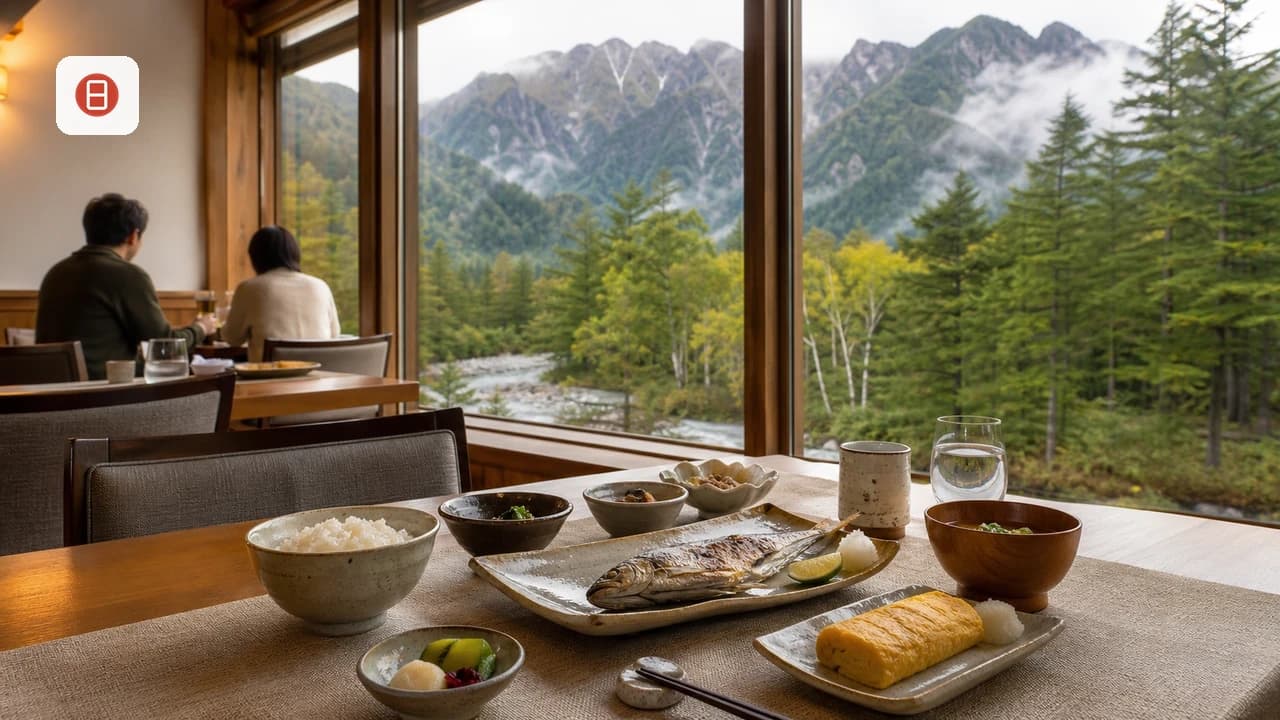
Finding vegetarian and allergy food in Kamikochi is possible, but it takes more planning than a city trip would. The valley's signature sansai, or mountain-vegetable dishes, look meat-free on a menu yet are often simmered in bonito-based dashi. That single ingredient is the biggest hidden risk for vegetarians, vegans, and anyone avoiding fish or shellfish. Options are widest at the bus terminal and thin out fast the farther you walk from it. This guide sits alongside the broader Kamikochi food guide and focuses specifically on meat-free, allergen-aware planning. Kappabashi's hotel dining rooms and cafes handle modification requests more often than a trailside hut ever will. Every section below breaks the valley into zones, categories, and a suggested day plan so you can decide how much backup food to carry.
Why the Car-Free Valley and Season Shape the Menu
Kamikochi bans private vehicles beyond its entry gates, so every kitchen in the valley depends on bus- and truck-delivered supplies rather than a local market. That single supply line limits how many substitute ingredients any kitchen can hold in reserve for a special request. Fresh produce, dairy, and specialty allergy-safe products are the first items to run short when a delivery is delayed by weather. That happens more often in a mountain valley than in a city. The tourist season runs roughly late April through mid-November. Supply runs thin out at both edges of that window, so shoulder-season menus tend to be shorter and less flexible than midsummer ones. Confirm current opening dates directly with your lodge before finalizing a shoulder-season trip, since access and services change year to year. A wider menu with more substitution room is the reward for visiting in peak months, when delivery trucks run more often.
Planning Before You Arrive in Kamikochi
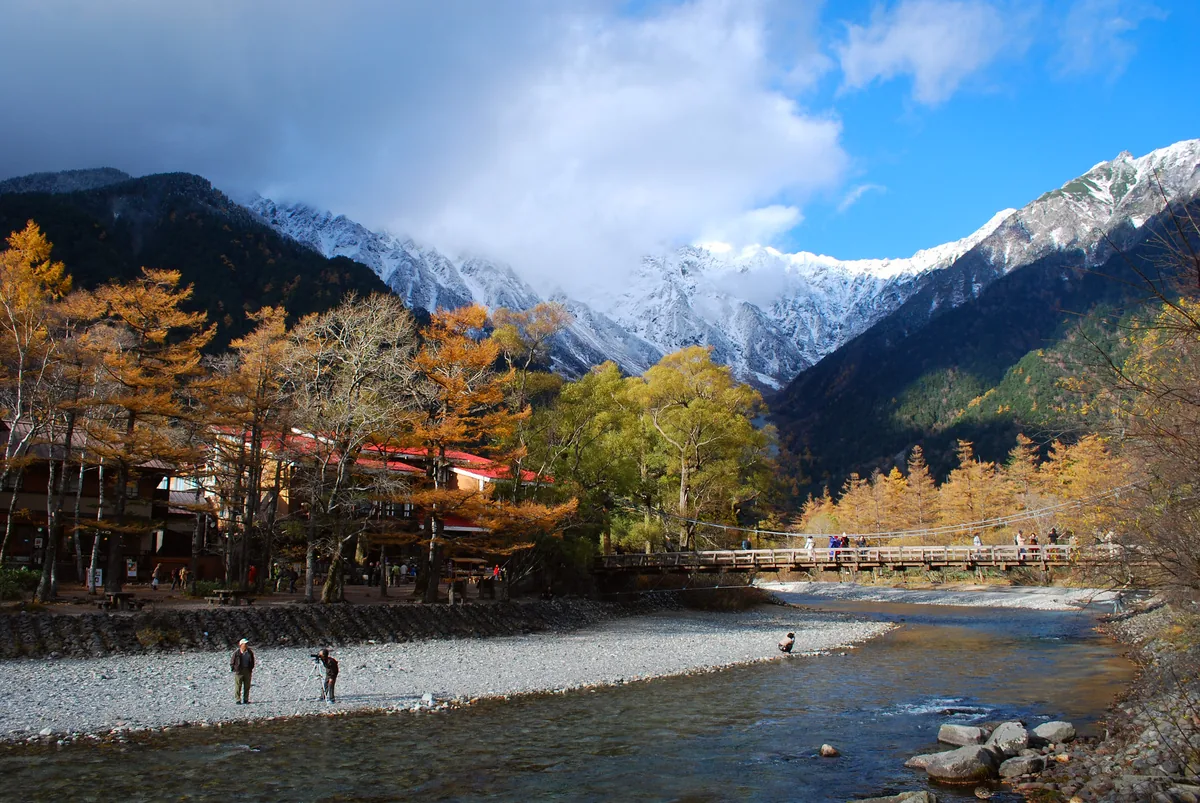
Kamikochi itself has no supermarket or convenience store. Stock up before boarding a bus in Matsumoto or Takayama, the two rail gateways most travelers use to reach the valley. Station-area shops in both towns stock packaged snacks with allergen labels that are easier to check than a verbal menu description. Carry a printed dietary or allergy card written in Japanese. Kamikochi's kitchens are small, and detailed translation can be difficult during a lunch rush. Flag dietary needs when you book and ask the individual lodge how much notice it requires; there is no single 72-hour rule covering every property. Several days or more gives a kitchen more time, but only the lodge can confirm whether it can manage the ingredients and cross-contact risk involved. Route your question through the lodge's booking contact by phone or message rather than asking at the front desk the same day. Keep a translation app with an offline Japanese pack as backup, and save the property's written reply so on-site staff can refer to it.
- Rice balls, dried fruit, and protein bars from a Matsumoto or Takayama convenience store
- Allergen-labeled instant noodles or freeze-dried meals as backup for hut stays
- A printed dietary or allergy card in Japanese, naming each restriction specifically
- A copy of the meal plan confirmed with your lodge, in case a kitchen needs a reminder
Reservation Criticality: Why Showing Up Doesn't Work
Japanese mountain lodges plan meals around a confirmed headcount, not a walk-in crowd, so kitchens often portion ingredients before service. Dietary flags added after that planning is done may arrive too late for staff to act on them. Flag your restriction when you book, repeat it in writing, and ask the property to confirm what it can and cannot accommodate. Advance notice does not guarantee an allergen-free meal because small kitchens may share broth, fryers, utensils, and preparation space. If a lodge cannot accommodate a request, leave enough time to adjust the booking or bring a complete backup meal.
Shoulder-season menus and supply deliveries can be less predictable. Contact the specific property early and rely on its written answer rather than a destination-wide notice period.
Where to Eat by Zone: Kappabashi, Myojin, and Tokusawa
Kappabashi, the bus terminal and bridge area, holds Kamikochi's highest concentration of restaurants and hotel dining rooms. Western-style dishes like curry rice and pasta are usually easier to adapt than a fish-based teishoku set, because kitchens make them to order. For a fuller list of hotel-run kitchens in this cluster, see the lodge dining guide. Cafes near the bridge handle lighter needs like coffee and pastries; the separate cafes and sweets guide covers that list in full. Shops around Kappabashi sell packaged snacks and drinks, which is different from a full grocery store and worth remembering if you are restocking mid-trip. Move up the valley toward Myojin, and the choice narrows to a small set of lodge menus. Each menu is built around whatever ingredients arrived on the latest supply run. Myojin draws a steady flow of day-hikers around lunchtime, so its kitchens plan tightly around that demand, leaving less room for a special order. Tokusawa, farther still, typically serves one fixed menu per meal, with no on-the-spot substitutions. Requests made after check-in rarely change what lands on the table at either stop. None of the three zones has a full-size supermarket, so treat every kitchen interaction as the primary safeguard rather than a backup plan.
| Zone | Dining Style | Reservation Reality |
|---|---|---|
| Kappabashi & Bus Terminal | Hotel restaurants, cafes, curry and pasta stands | Some walk-in choice; confirm allergies before ordering |
| Myojin | Lodge set menus with a shorter dish list | Flag dietary needs at booking, not on arrival |
| Tokusawa | One fixed set menu per meal | Notify the lodge in advance; no on-site substitutions |
High-Altitude Mountain Huts and the Fixed-Menu Reality
Huts above the valley floor run with limited storage and a fixed menu for each seating. Staff cook for many guests in compact kitchens, so keeping a nut-free or gluten-free plate separate from the rest of dinner can be difficult to guarantee. The mountain hut meals guide covers typical service, but anyone managing a serious allergy, a strict vegan diet, or gluten-related medical needs should carry a verified backup meal. Do not assume a hut will provide hot water for outside food; ask about that policy when booking. Also confirm seating times, ingredient limits, and whether shared equipment is used. Pack out all wrappers and unused food.
Vegetarian, Vegan, Gluten-Free, and Allergy Categories to Know
Not every meat-free plate is safe for every restriction. Name the specific ingredient you are avoiding rather than relying only on a category label; “no fish” catches bonito dashi in a way “vegetarian” may not. Ask for written confirmation when planning a lodge meal, and remember that a menu description or verbal assurance does not rule out cross-contact. Apply the same care to packaged trail lunches by checking the product's allergen statement.
- Vegetarian dishes exclude meat, though dashi, commonly a bonito or other fish stock, along with eggs and honey, can still appear.
- Vegan needs rule out dashi, eggs, honey, and dairy, so confirm each dish rather than trusting a vegetarian label alone.
- Gluten-free travelers should note that soy sauce contains wheat and many soba noodles are blended with wheat flour rather than pure buckwheat.
- Common allergens to flag include nuts and sesame in sauces, soy in most seasonings, and shellfish stock in some broths.
- Severe allergies deserve a direct question about shared fryers, shared broths, and shared cutting boards, since small kitchens often use the same equipment across dishes.
What Special Diets Cost in Time and Money
A property may charge for a special-order meal, include it in the room plan, or decline the request entirely. Ask about both feasibility and price when you book rather than assuming a standard surcharge. Sit-down lunch can also take longer when staff need to check ingredients. A packed bento, covered in the trail lunch and bento guide, is faster but still requires checking its printed allergen statement. Reservation deposits or cancellation rules may apply to specially prepared meals, so confirm the full policy in writing.
| Budget Tier | What to Expect |
|---|---|
| Budget | Self-carried snacks and a checked bento; no special order needed |
| Mid-range | Kappabashi hotel restaurant or cafe swaps a protein or sauce on request |
| Premium | Upscale lodge negotiates a fully separate dish with advance notice |
A Full Day of Safe Eating in Kamikochi
A single day plan reduces the number of on-the-spot decisions you have to make with a menu you cannot fully read. Anchor breakfast and dinner at the lodge that already has your dietary notice on file, and treat lunch as the one meal you can flex. Treat the plan as a framework, not a fixed script, and adjust the meal you flex depending on which lodge confirmed your request first. Keep a labeled snack in your day pack even on a day you expect full service, since a closed kitchen or a sold-out set menu can upend the plan. Carry a backup snack for the evening too, since cafes and restaurants near the terminal keep limited hours after dark in a valley with no late-night dining.
- Breakfast: confirm your order the night before with the restaurant tied to your room, since morning kitchens run on a set schedule.
- Lunch: pair a checked trail bento with a stop near Kamikochi's main trail sights, or sit down within Kappabashi's restaurant hours.
- Dinner: eat where your dietary request has already been confirmed in writing rather than hoping a second restaurant can accommodate you the same day.
What to Put on a Japanese Dietary Card
A Japanese dietary card works best when it names ingredients rather than only saying “vegetarian” or “allergy.” Print one card per traveler and show it before ordering or checking in. Staff can then compare it with their planned ingredients.
- Food allergy: 食物アレルギーがあります (shokumotsu arerugī ga arimasu).
- Vegetarian: 肉、魚、だしを食べられません — I cannot eat meat, fish, or dashi.
- Vegan: 肉、魚、だし、卵、乳製品を食べられません — also no eggs or dairy.
- Gluten concern: 小麦を食べられません — I cannot eat wheat.
Add every serious trigger in Japanese, including nuts, sesame, soy, shellfish, eggs, or milk. Ask whether shared fryers, broth pots, or utensils are used. A card communicates the restriction, but it does not guarantee an allergen-free kitchen. For anaphylaxis or strict cross-contact avoidance, carry a complete meal backup and choose accommodation that confirms its limits in writing.
How This Guide Was Verified
Operational details were checked on August 22, 2026 against official Kamikochi restaurant, accommodation, and park guidance. Individual lodges can change menus and hours seasonally, so confirm the named property before travel.
Frequently Asked Questions
Is there a convenience store inside Kamikochi?
No. Kamikochi has no convenience store or supermarket, so buy backup food before boarding the bus in Matsumoto or Takayama.
Can you find halal or kosher food in Kamikochi?
Halal and kosher options are extremely limited across Kamikochi's small kitchens. Self-catering, paired with a printed dietary card, is more reliable than expecting a certified kitchen on-site.
Do mountain huts provide hot water for your own dehydrated meals?
Policies vary, so do not assume hot water is included for outside food. Ask the specific hut when booking and carry a meal that still works if the answer is no.
Is English widely spoken when it comes to ingredients?
English ability varies by kitchen and is often limited for specific ingredient questions. A printed Japanese allergy card and simple pointing at a written list work better than a spoken explanation alone.
What is dashi, and why does it matter for vegetarians in Kamikochi?
Dashi is a Japanese soup stock, most often made from bonito flakes or a similar fish-based blend, used to season broths, sauces, and simmered vegetable dishes. A dish labeled vegetarian on a Kamikochi menu can still be built on a fish-based dashi, so ask directly rather than trusting the dish name alone.
What should you do if a hut or restaurant cannot accommodate your restriction at all?
Treat that as a normal outcome in a remote valley, not an exception. Eat from your carried backup food for that meal. Route must-have requests to lodges you contact before the trip, instead of hoping a kitchen adapts on the spot.
Free guide: Japan's Hidden Gems
12 under-the-radar places beyond Tokyo & Kyoto — with the best season to visit each and a local tip you won't find in the guidebooks.
You might also like


Continue reading
More guides you'll find useful


