

Japanese Alps Local Food Guide
Explore regional Japanese Alps cuisine, from Shinshu soba and oyaki to Hida beef, mountain vegetables, preserved foods, and Sea of Japan seafood.
On this page
Last updated August 2026, this guide maps Japan Alps local food specialties across four prefectures: Nagano, Gifu, Toyama, and Niigata. Isolation and steep seasonal shifts turned mountain survival food into today's regional cooking, from foraged sansai to salt-cured river fish. The route below moves from inland Shinshu buckwheat and Hida wagyu toward Toyama Bay's cold-water catch and Niigata's snowmelt-fed sake, without retreading city-specific dining guides.
Japan Alps Local Food Specialties: Mountains, Fermentation, and the Sea
The Japan Alps hold three ranges: the Northern, Central, and Southern Alps, cutting through Nagano, Gifu, Toyama, and Niigata. Long winters and steep terrain once forced households to preserve, ferment, and forage rather than farm rice. That survival logic still shapes the plate: pickled nozawana, aged miso, and foraged sansai all trace back to a season when fresh produce ran out fast. Inland Nagano and Gifu lean on buckwheat, river fish, and mountain-raised beef, while Toyama and Niigata pull straight from the cold Sea of Japan. For a broader overview of the region before drilling into individual prefectures, see the Japan Alps food guide.
Nagano (Shinshu): Soba, Oyaki, and Mountain-Bred Salmon
Nagano Prefecture, known historically as Shinshu, anchors the inland side of the Japan Alps food scene. Buckwheat, pickled vegetables, and farmed freshwater fish dominate menus here more than rice ever could, given the terrain. Matsumoto and Nagano City hold the highest concentration of soba shops and oyaki stalls, and guided soba tours in the prefecture let visitors compare noodle styles that shift from town to town. Nagano also produces much of Japan's miso using clear mountain water, so expect that flavor in soup bases throughout the region. Guided foraging trips near Lake Nojiri and Nozawa Onsen introduce the wider world of sansai that feeds into many oyaki fillings and kaiseki courses. For dishes built specifically around nozawana and other foraged greens, the nozawana and sansai dishes guide goes deeper than this overview allows.
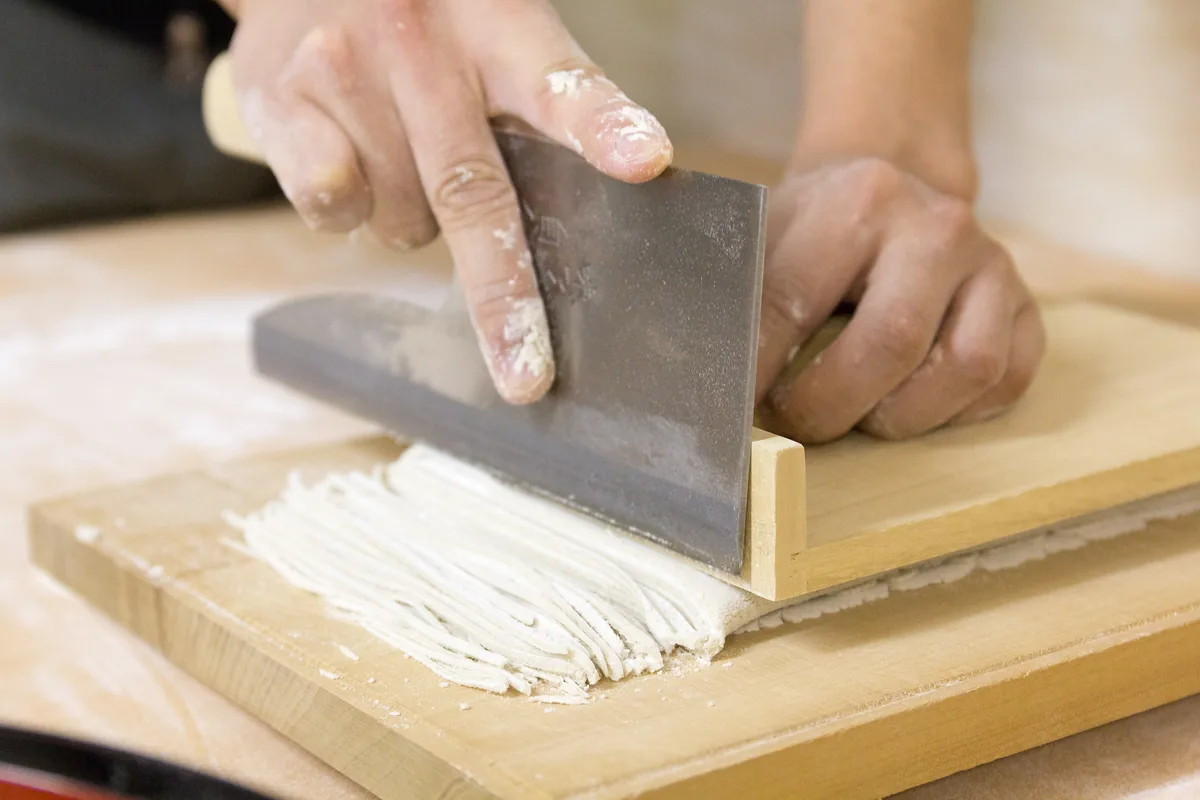
- Shinshu soba: High-altitude volcanic soil favors buckwheat over rice, and shops across Nagano serve the noodles with kurumi-dare, a walnut-based dipping sauce distinct to the region.
- Oyaki: Steamed or grilled dumplings made from wheat or buckwheat dough, most often filled with pickled nozawana, a mustard leaf that thrives in Nagano's cold climate.
- Shinshu salmon: A farmed hybrid of brown trout and rainbow trout, raised in alpine meltwater rather than the ocean, prized for a buttery texture and served raw in donburi bowls.
Gifu (Hida): High-Altitude Umami
Gifu Prefecture sits fully inland, its valleys threaded together by mountain roads that loop down from the high passes of the Japan Alps. Hida, the historic name for this district, built its food identity around cattle, river fish, and grilled miso. Takayama's morning markets are the easiest place to sample all three together, and croquettes, skewers, and even Hida beef sushi turn up on stalls that a formal restaurant menu would never carry. Beyond steak, Hida beef also shows up in ramen bowls, nigiri sushi, and fried croquettes, giving budget travelers an accessible way to try the same marbling without a full teishoku price tag.
- Hida wagyu: Black-haired cattle raised on Gifu's pastures and mountain river water, marketed alongside Kobe and Matsusaka beef for marbling that runs evenly through every cut rather than concentrating in the loin.
- Hoba miso: Miso sweetened with sugar, mirin, and sake, mixed with green onion, mushrooms, and wild vegetables, then grilled directly on a hoba (magnolia) leaf until fragrant.
- River ayu: A summer sweetfish grilled whole over charcoal or an indoor irori hearth. In Furukawa, a Hida town, fishers still catch it around August using yana, a bamboo-plank trap set across the river.
Toyama and Niigata: Where the Japan Alps Meet the Sea
Toyama and Niigata form the coastal half of this route, where Alps meltwater feeds directly into the Sea of Japan. Toyama Bay's cold, nutrient-rich water and Niigata's snow-fed rivers each shape a distinct seafood and sake culture. Sado Island, reachable by a 1- to 2-hour ferry from the Niigata coast, adds breweries such as Hokusetsu Shuzo and Obata Shuzo to a sake-focused day trip. Locally, shiroebi carries the nickname the jewel of Toyama Bay, reflecting both its pale color and its limited supply.
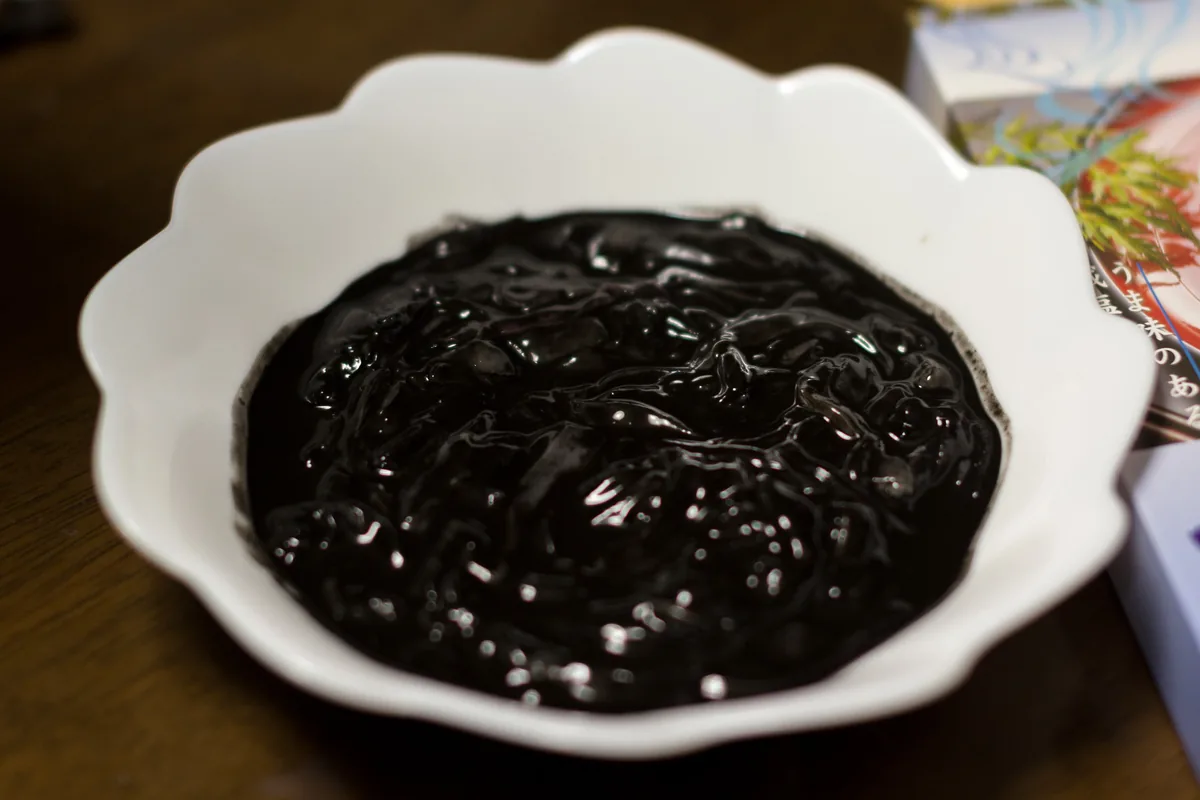
- Kan-buri (winter yellowtail): Fish fatten through the coldest months, and Himi, a port on Toyama Bay, supplies much of the catch behind dishes like buri-daikon (yellowtail simmered with daikon) and buri shabu.
- Hotaru ika and shiroebi: Firefly squid rise into Toyama Bay each spring and are eaten simmered, tempura-fried, or grilled. Shiroebi (glass shrimp) come from the same deep water and are usually served as sashimi or in gunkan sushi.
- Hegi soba: Niigata's Uonuma area binds its soba with funori seaweed instead of relying only on egg, giving the noodles a smoother, firmer bite, then serves them piled on a wooden hegi tray with mustard, wasabi, and green onion.
- Niigata sake: Around 90 breweries operate in the prefecture, more than anywhere else in Japan, drawing on snowmelt water and long summer sunlight for rice that together give many local sakes a dry, crisp finish.
Mountain Huts vs. Ryokan Kaiseki: Two Ways to Eat in the Alps
Where you eat in the Japan Alps changes the menu as much as which prefecture you're in. Trail huts and valley ryokans sit at opposite ends of the same mountain food culture. Huts above roughly 2,500 meters keep meals simple and filling, built around curry rice, tonkatsu, and hot soup that hold up well after being carried up the mountain. The mountain hut meal guide covers what specific huts serve and how meal timing works around a hiking schedule. Ryokan kitchens take the opposite approach, building multi-course kaiseki dinners around seasonal sansai such as fukinoto (butterbur) and kogomi (fiddlehead fern), foraged from the same slopes hikers cross above. Ryokan kaiseki dining is where those foraged vegetables reach their most refined form, often arriving as a single course rather than a side dish.
How to Plan a Food Route Across the Japan Alps
Getting between these food regions takes some planning, since train coverage thins out west of the main Nagano-Matsumoto corridor. The JR Shinano Limited Express connects Nagano and Matsumoto directly, putting Shinshu soba and oyaki within reach without a rental car. Reaching Hida's back valleys, Shirakawa-go, and Niigata's scattered sake breweries works better by car, since local bus schedules thin out fast once you leave the main stations. A rail pass covering the Nagano-Matsumoto corridor pairs well with a one-way car rental picked up in Takayama for the Hida and Niigata legs. A ferry adds another leg for Sado Island's breweries, running 1 to 2 hours from the Niigata coast depending on the boat. Pairing a bay-side meal with sightseeing is easy too: the Japan Alps sightseeing guide lists stops near Toyama Bay and the Hida valleys worth combining with a food day. Budget stays modest at street level as of 2026. A market oyaki runs about $2 to $4, while a sit-down Hida beef teishoku set typically runs $30 to $60 depending on the cut. Hikers planning meals between hut stops can check the trail food and bento guide for what to pack on trail days.
Oyaki, the Nagano dumplings traditionally filled with pickled nozawana, cost about $2 to $4 at markets, making them an affordable entry point to regional buckwheat traditions versus sit-down restaurants.
| Specialty | Peak Season | Primary City | Price Point | Best Access |
|---|---|---|---|---|
| Hida Beef | Year-round; richest in cooler months | Takayama | $$$ | Train to Takayama, then walk the old town |
| Shinshu Soba | Year-round; new-crop buckwheat in autumn | Matsumoto / Nagano City | $ to $$ | JR Shinano Limited Express |
| Kan-buri (Winter Yellowtail) | Winter | Himi (Toyama Bay) | $$ to $$$ | Rental car or local rail along Toyama Bay |
| Hegi Soba | Year-round | Uonuma, Niigata | $ to $$ | Rental car recommended |
Seasonal Timing and Mistakes to Avoid
A few assumptions trip up first-time visitors more than any language barrier does. Matching each dish to its season and city, rather than assuming year-round availability everywhere, is the simplest way to avoid disappointment.
Mountain-town soba shops close by around 4:00 p.m., so hikers descending from high-altitude huts face an afternoon eating gap unless they plan meals before leaving the trail or eat what huts provide at breakfast and lunch.
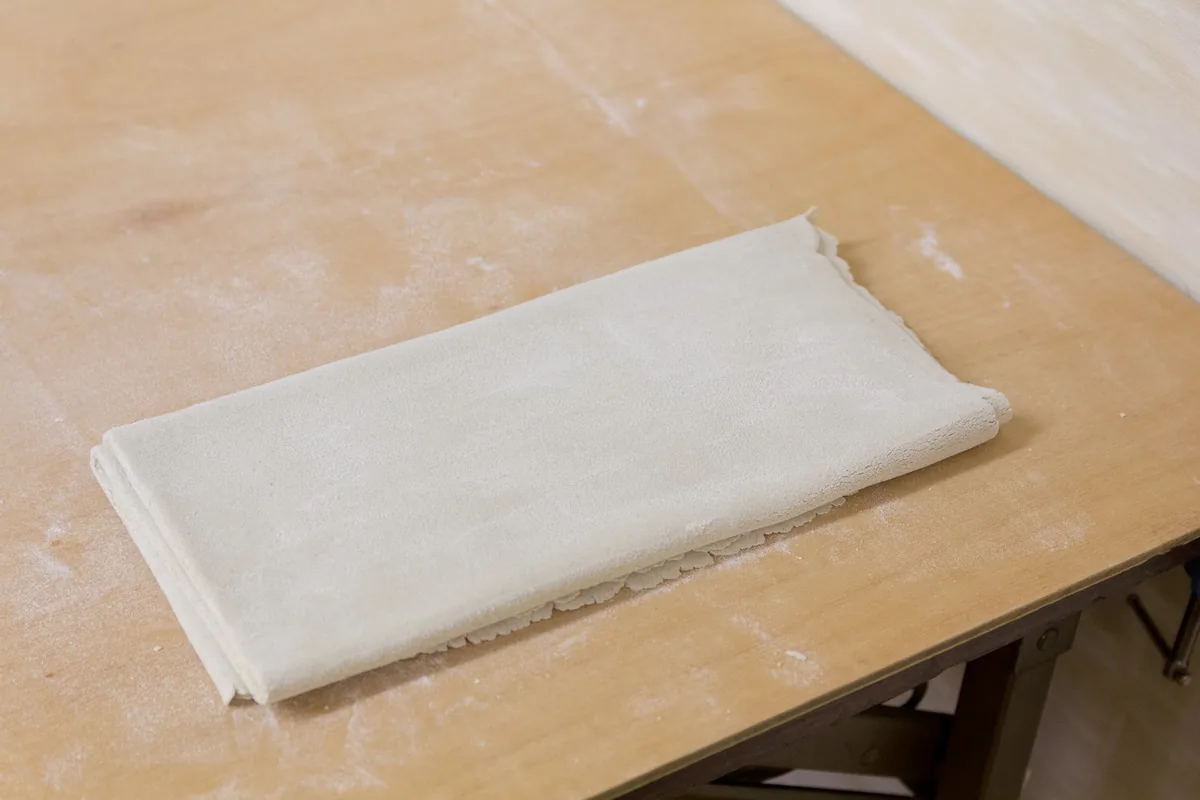
- Hunting for hotaru ika in winter: firefly squid peak in spring, when they rise near the surface of Toyama Bay. Look for it on menus from roughly March through May instead.
- Assuming lunch service runs late: many mountain-town soba shops close by around 4:00 p.m. once the midday crowd clears, well before typical dinner hours elsewhere in Japan.
- Calling Shinshu salmon a sea fish: it is a landlocked hybrid of brown trout and rainbow trout, raised entirely in freshwater, even though it is served raw like ocean-run salmon.
- Treating the whole Alps as one cuisine: inland Nagano and Gifu cooking (buckwheat, beef, river fish) differs sharply from Toyama and Niigata's bay-fed seafood and sake, so one short itinerary rarely covers both well.
How This Guide Was Verified
Mountain-hut meal patterns and hiking logistics were checked on August 22, 2026 against official national-parks and Nagano tourism guidance. Individual huts set their own menus, water policies, and dietary limits.
Frequently Asked Questions
What is the difference between Shinshu soba and other Japanese soba noodles?
Shinshu soba is made from buckwheat grown in Nagano's high-altitude volcanic soil, giving it a thicker, chewier bite than soba from lowland regions. It is often served with kurumi-dare, a walnut-based dipping sauce distinct to the region.
When is kan-buri, Toyama's winter yellowtail, in season?
Kan-buri peaks in the coldest winter months, when the fish fatten before spawning. Himi, on Toyama Bay, is the port most associated with the catch, and dishes like buri-daikon and buri shabu are widely available at that time of year.
Is Shinshu salmon safe to eat raw?
Yes. Shinshu salmon is a farmed cross of brown trout and rainbow trout raised in alpine meltwater, and despite being a freshwater fish it is commonly served raw in donburi rice bowls.
What kind of food is available at Japan Alps mountain huts?
Huts above roughly 2,500 meters keep menus simple and hearty, built around curry rice, tonkatsu, and hot soup rather than elaborate cooking, since supplies are limited at altitude.
Where can travelers find hegi soba, and what makes it different?
Hegi soba comes from Niigata's Uonuma area and is bound with funori seaweed instead of relying only on egg, giving it a smoother, firmer bite. It is served in bunches on a wooden hegi tray with mustard, wasabi, and green onion on the side.
Are there vegetarian options among Japan Alps local food specialties?
Sansai, or foraged mountain vegetables, form the backbone of vegetarian eating in the region and appear in tempura, pickles, and hot pots. Nozawana-filled oyaki are also widely available, though it is worth asking about broth ingredients since dashi sometimes contains fish.
Free guide: Japan's Hidden Gems
12 under-the-radar places beyond Tokyo & Kyoto — with the best season to visit each and a local tip you won't find in the guidebooks.
You might also like


Continue reading
More guides you'll find useful


