

Japanese Alps Ryokan and Kaiseki Guide
Plan a Japanese Alps ryokan dinner with kaiseki course order, half-board pricing, arrival times, regional ingredients, etiquette, and dietary requests.
On this page
Last updated August 2026, this guide breaks down what Japan Alps ryokan meals actually involve, from the multi-course mountain kaiseki dinner to the following morning's rice-and-miso breakfast. Valley ryokan dining differs from the simple curry or ramen served at trail huts, and arrival timing, booking lead time, and dietary requests all matter more here than at a city hotel. Below, find what to order, when to check in, and which Nagano and Gifu properties handle vegetarian, vegan, or allergy requests well.
Japan Alps Ryokan Meals: What Mountain Kaiseki Actually Includes
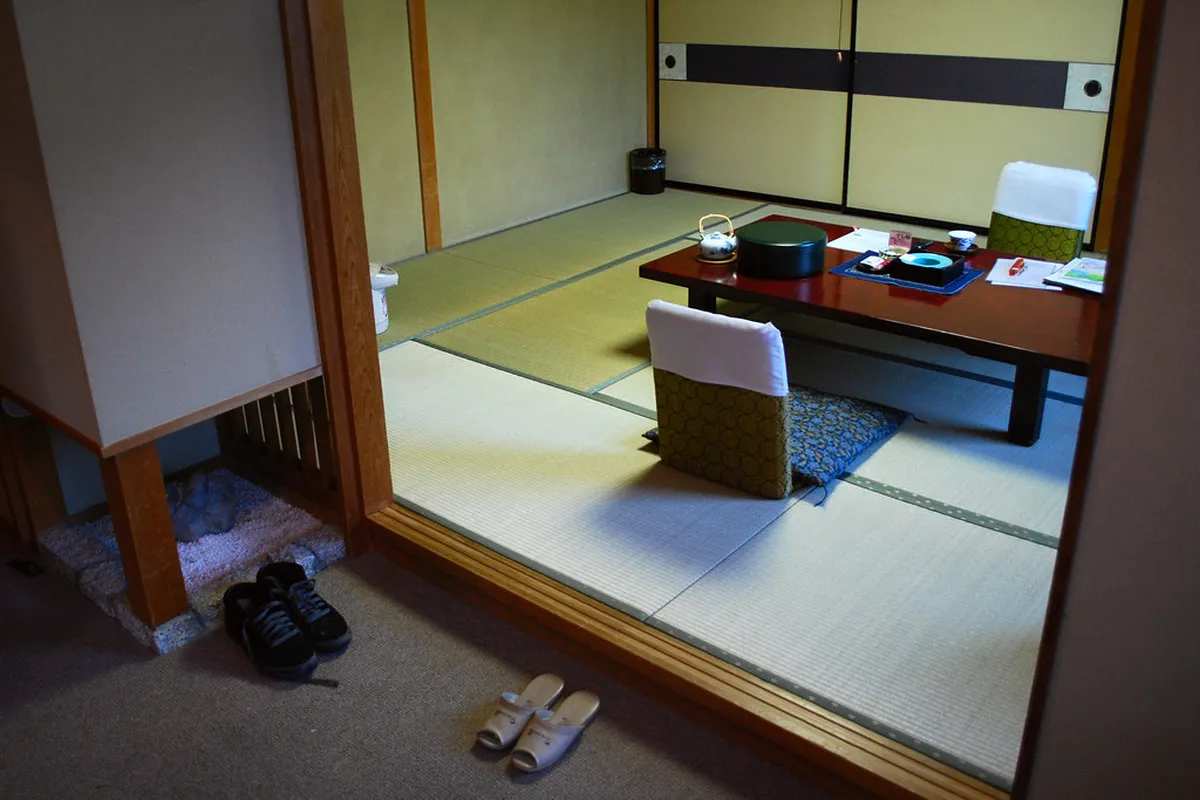
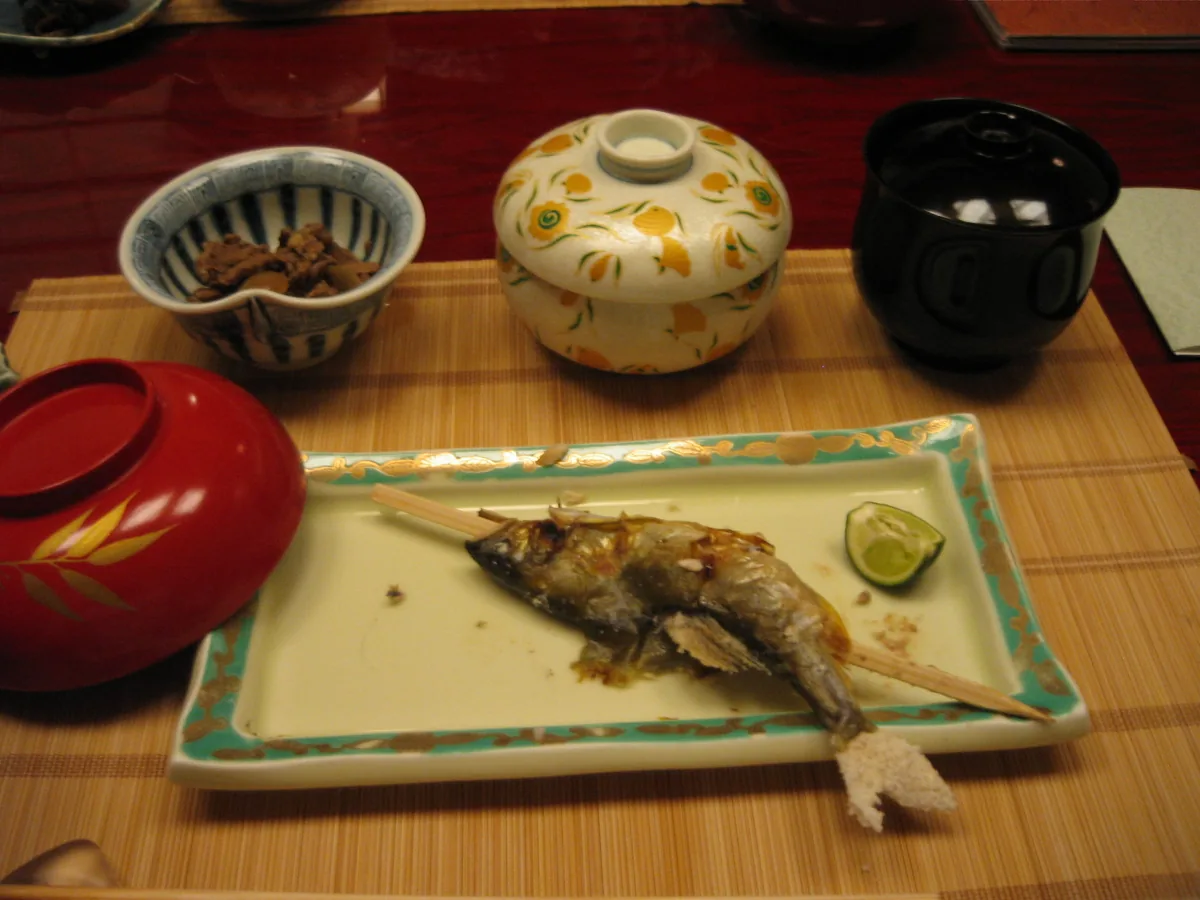
Mountain kaiseki, sometimes called sansai-ryori, builds each course around what the surrounding valleys produce rather than the seafood-heavy menus common in Kyoto or Tokyo. Expect grilled river fish such as iwana or yamame, simmered mountain vegetables, and a handful of regional specialties across a multi-course dinner. A typical sequence moves from a small appetizer through sashimi, a grilled course, a simmered course, and rice, finishing with a seasonal dessert. Gifu-prefecture properties near Takayama typically feature Hida beef, a marbled beef served as steak, shabu-shabu, or a sukiyaki-style hot pot. Nagano-prefecture kitchens lean on Shinshu soba, the region's buckwheat noodles, served cold with dipping sauce or hot in broth. Some ryokans extend the meal past the table: Wanosato, near Takayama, seats guests around an irori, a sunken hearth, for local drinks after dinner. For a broader introduction to what's on offer across the region, the Japan Alps food guide maps out every dining style covered here. To go deeper on specific ingredients like sansai and river fish, see the local mountain cuisine guide.
Planning Your Dining Schedule: Check-In Timing and Shuttle Logistics
Ryokan dinner service in the Japan Alps runs on a fixed schedule, and many properties set a single seating around 6:00 PM. Arrive later than your check-in window, and the kitchen may not serve the full course lineup. Build shuttle and transfer times into your plan before booking onward transport. From Shinjuku, a limited express train reaches Matsumoto in about two and a half hours. The Matsumoto-to-Takayama route runs by expressway bus in roughly one hour and thirty minutes when you skip stops along the way. Many guests bathe in the ryokan's onsen before dinner, so build extra time into your check-in window if you plan to soak first.
A visitor can depart Tokyo in the morning, reach Matsumoto in roughly two and a half hours, visit Matsumoto Castle before late afternoon, and still check into Myojinkan for its 6:00 PM dinner seating.
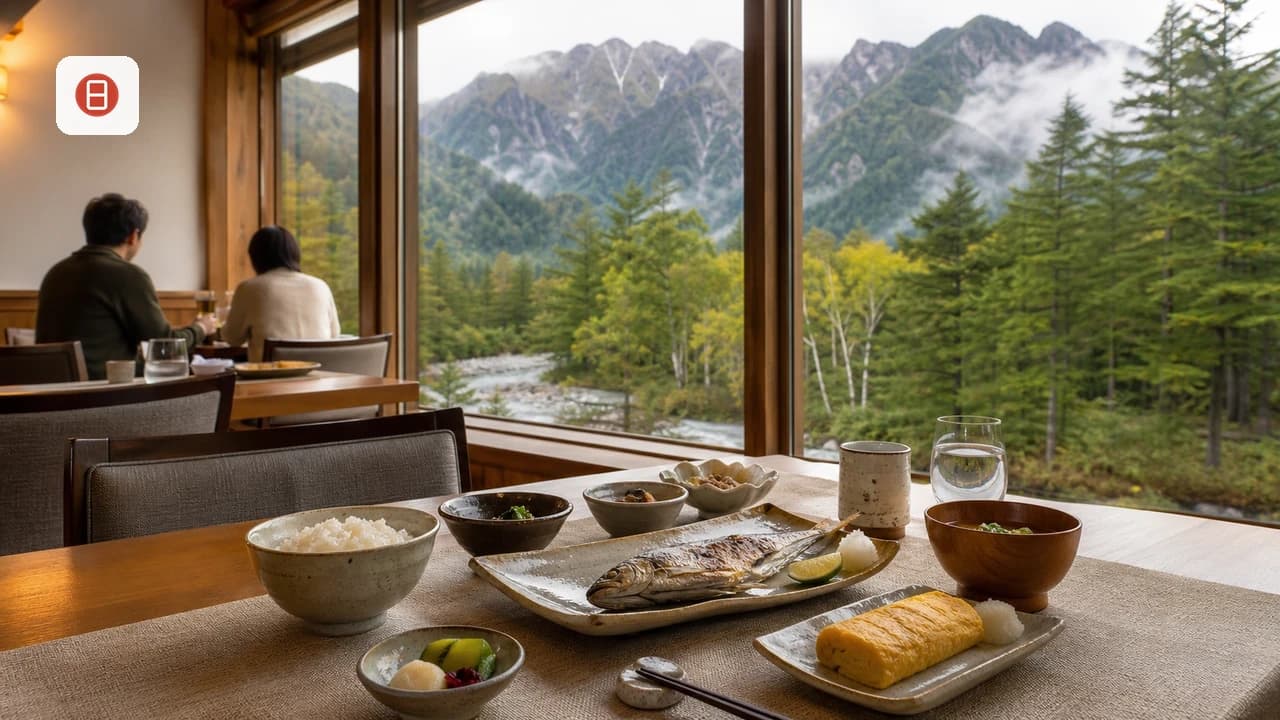
Breakfast the next morning typically follows a traditional Japanese format: steamed rice, miso soup, grilled fish, and a few pickled or simmered side dishes. Larger properties sometimes add a Western-style option with bread, eggs, and coffee. Confirm this when you book, since it isn't standard at every ryokan.
- Myojinkan (Matsumoto area): a free shuttle from Matsumoto Station departs at 15:15 and 16:30 daily; reserve a seat in advance.
- Wanosato (Takayama area): the morning shuttle to Takayama Station departs at 9:00, 10:00, and 11:00.
- Wanosato return shuttle: departs Takayama Station at 14:10, 15:10, 16:10, and 17:10.
- Takayama morning market: open daily from 6:00 to 12:00, easy to combine with an early Wanosato shuttle before checkout.
Costs, Half-Board Pricing, and Dietary Accommodations
Most Japan Alps ryokans price rooms on a half-board basis, bundling dinner and breakfast into the nightly rate rather than billing them separately. This structure usually costs less than paying for a kaiseki dinner and a hotel breakfast individually in town, though the exact rate varies by property and season. A minshuku is a smaller, family-run guesthouse, similar to a ryokan but with simpler rooms and less elaborate meal service, and tends to sit at the budget end of that range. Higher-end ryokans built around an organic kitchen or private dining rooms, like those at Takaragawa Onsen, sit at the top of the price range. High-end properties, including some represented by portfolios like the Ryokan Collection, often require booking three months or more ahead for peak autumn-foliage or cherry-blossom season stays. Check each property's official website for current half-board rates before booking, since published pricing changes by season and room type.
Vegetarian, vegan, and gluten-free requests take more coordination in the Japan Alps than at a city hotel, because dashi stock and river fish appear throughout a standard mountain kaiseki menu. Contact the ryokan directly, ideally three to seven days before arrival, and describe the restriction rather than naming a diet category, since kitchens interpret vegetarian differently. Gluten-free requests add another layer, since soy sauce and many simmering broths often contain wheat. Mention this specifically rather than assuming a kitchen will catch it automatically. For a deeper breakdown of what each course can substitute, the vegetarian mountain dining guide covers ingredient swaps ryokans in this region will make on request.
| Area | Ryokan Example | Vegetarian/Vegan Notes |
|---|---|---|
| Matsumoto/Azumino | Myojinkan | Organic-farm dinners; guests can pick vegetables for that night's meal in spring through autumn (not offered in winter); ask for a meat-free course at booking. |
| Takayama/Okuhida | Wanosato | Hida beef and irori dining are the signature; flag dietary needs when booking so the kitchen can build a sansai-based alternative. |
| Japan Alps foothills | Takaragawa Onsen | Private dining rooms make it easier to request a customized, meat-free course away from a shared hall. |
| Hakuba | Hotels and lodges | A larger concentration of Western-oriented hotels typically eases gluten-free and vegan requests; confirm with the specific property. |
Where to Eat: Matsumoto/Azumino, Takayama/Okuhida, and Hakuba Compared
Each base town in the Japan Alps leans toward a different plate. Matsumoto and the neighboring Azumino district center on buckwheat and farm produce. Takayama and the Okuhida hot-spring area center on Hida beef and sake. Hakuba's larger concentration of hotels and lodges tends to offer more modern, internationally adapted menus.
Sightseeing pairs naturally with each base. Matsumoto Castle, a National Treasure, has a main keep completed in 1598, making it a straightforward stop before an evening kaiseki dinner nearby. Near Takayama, Kamikochi inside Chubu-Sangaku National Park is only open from spring to autumn. Only taxis are permitted into the area, so check seasonal access before planning a same-day visit around a Wanosato stay. For a wider rundown of regional sights to combine with a ryokan stay, see the Japan Alps attractions guide.
| Area | Signature Food | Notable Nearby Stop |
|---|---|---|
| Matsumoto/Azumino | Shinshu soba, organic farm vegetables | Azumino Wasabi Fields, Japan's largest wasabi farm, planted in 1915 and roughly 40 to 60 minutes by car from Myojinkan |
| Takayama/Okuhida | Hida beef, sake, irori dining | Takayama morning market, open daily 6:00 to 12:00, and Takayama Jinya, a former public office used from 1695 to 1969 |
| Hakuba | Modern and international-adapted menus | Larger hotel and lodge cluster; often the easiest base for Western-style breakfast requests |
How the Menu Changes by Season
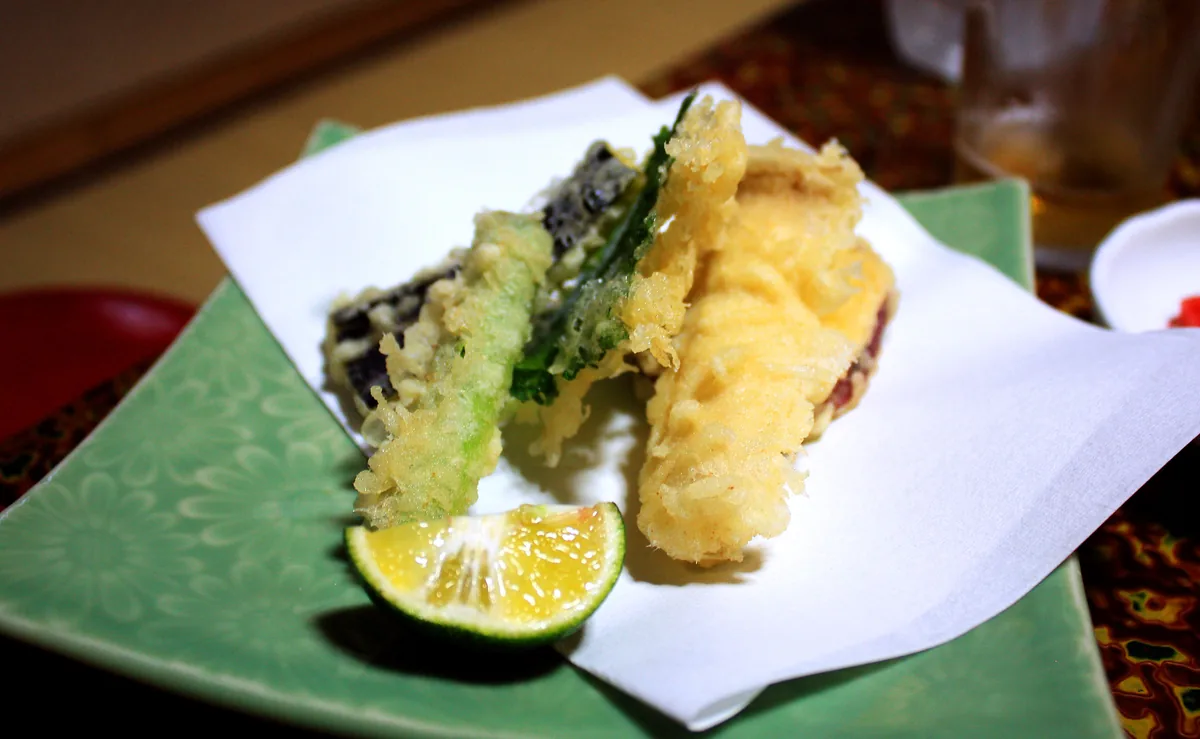
Mountain kaiseki menus shift with the season more than a typical city restaurant's menu does. Spring dinners lean on sansai, wild mountain vegetables foraged as the snow melts, served simmered, tempura-fried, or dressed with sesame or miso. Autumn menus pivot to mushrooms and chestnuts, often paired with the season's new-crop rice. Winter menus lose the vegetable-picking option at farm-based ryokans like Myojinkan, since that experience only runs outside the coldest months. Book a spring or autumn stay if sansai or chestnut-and-mushroom courses are the main reason you're choosing a mountain ryokan over a city one.
Spring sansai and autumn mushroom-chestnut courses are signature seasonal offerings that drive peak demand; expecting to experience them requires booking three months or more ahead to secure a preferred property.
In-Room Dining vs Dining Hall vs Irori Hearth: Which Fits Your Trip
Ryokans in the Japan Alps serve dinner in one of three formats, and each comes with a different trade-off. Private dining rooms, like those at Takaragawa Onsen, sit closer to in-room dining on the privacy scale, while still happening in a dedicated space rather than your own room. Budget travelers usually get the best value from a dining-hall format. Travelers prioritizing privacy or marking a special occasion should filter specifically for in-room or private-room dining when booking. Ask which format your ryokan uses when you book, since it affects both the price and how much you'll interact with other guests during dinner.
- In-room dining: served directly in your tatami room, the most private option, often reserved for higher room tiers or properties that build it into every stay.
- Dining hall: shared seating at set tables, the standard format at mid-range ryokans and minshuku, with less privacy but often a lower nightly rate.
- Irori hearth: an after-dinner, drinks-focused format built around a sunken hearth, offered at properties like Wanosato, that adds atmosphere rather than replacing the main meal.
Local Sake and Microbrews to Pair With Dinner
Alcohol service is part of the mountain kaiseki experience at several properties, and it's worth asking what's on offer when you book. Takaragawa Onsen sits in the Japan Alps foothills, about 90 minutes north of Tokyo by Shinkansen. It serves microbrewed sake alongside its multi-course dinner and offers private dining rooms for parties who'd rather not eat in a shared hall. Wanosato takes a different approach. After the meal, staff invite guests to the irori hearth for local drinks poured by hand rather than ordered from a menu. Ask your ryokan directly about its sake list, since selections are property-specific and change with the season.
Common Mistakes to Avoid With Ryokan Dining in the Japan Alps
A few planning mistakes repeat often enough to call out directly, and most come down to timing or communication rather than the meal itself. None of these are hard to avoid once you know the pattern. Confirm your seating time, message the kitchen early, and pace yourself before dinner. For daytime meal planning once you're on the trail, see the hiking food and bento guide. If your itinerary alternates a ryokan night with a hut stay, the mountain hut meals guide covers what's served at altitude instead.
- Arriving after your dinner seating: most ryokans hold a strict start time around 6:00 PM, and a late arrival can mean a truncated meal or none at all.
- Waiting to mention allergies or dietary restrictions: flag them three to seven days ahead so the kitchen can plan substitutions, not at check-in.
- Filling up at the Takayama morning market or on convenience-store snacks: a full multi-course dinner loses its impact on a half-empty appetite.
- Skipping the next-day bento request: many ryokans will pack a climbing bento, called a tozan bento, for an early trailhead start if you ask the night before.
How This Guide Was Verified
Mountain-hut meal patterns and hiking logistics were checked on August 22, 2026 against official national-parks and Nagano tourism guidance. Individual huts set their own menus, water policies, and dietary limits.
Frequently Asked Questions
What time do Japan Alps ryokans serve dinner?
Most Japan Alps ryokans set a single dinner seating, often around 6:00 PM, and expect guests checked in and ready by then. Confirm your exact seating time when you book, since it can shift by property and season.
How far in advance should you request vegetarian or vegan meals?
Contact the ryokan directly three to seven days before arrival and describe your restriction in detail rather than naming a general diet category. Mountain kaiseki menus lean on dashi stock and river fish by default, so kitchens need lead time to plan substitutions.
Is breakfast included in a Japan Alps ryokan stay?
Yes, most properties price rooms on a half-board basis that bundles dinner and breakfast into the nightly rate. Breakfast is typically a traditional Japanese set of rice, miso soup, and grilled fish. Some larger ryokans also offer a Western-style option with bread and coffee.
Can a ryokan pack a bento for a hike the next day?
Many Japan Alps ryokans can prepare a climbing bento, called a tozan bento, if you ask the night before. This is worth arranging any time your stay is followed by an early trailhead start or a long transfer day.
Which area has the most hiker-friendly food options: Matsumoto, Takayama, or Hakuba?
Matsumoto and Azumino center on Shinshu soba and organic farm produce. Takayama and Okuhida focus on Hida beef and sake. Hakuba's larger hotel and lodge cluster leans toward modern and international menus. Pick a base by cuisine style first, then confirm shuttle or transfer times for your specific ryokan.
What's the best season for Japan Alps ryokan dining?
Spring brings sansai, wild mountain vegetables foraged after the snow melts, onto most mountain kaiseki menus. Autumn shifts the focus to mushrooms, chestnuts, and new-crop rice, and it's also when high-end properties fill up fastest. Book three months or more ahead for either season if you're targeting a specific ryokan.
Do Japan Alps ryokans serve alcohol with dinner?
Yes, many properties serve local sake, and some, like Takaragawa Onsen, offer their own microbrewed sake alongside private dining rooms. Ask your specific ryokan about its list, since offerings vary by property and season.
Free guide: Japan's Hidden Gems
12 under-the-radar places beyond Tokyo & Kyoto — with the best season to visit each and a local tip you won't find in the guidebooks.
You might also like


Continue reading
More guides you'll find useful


