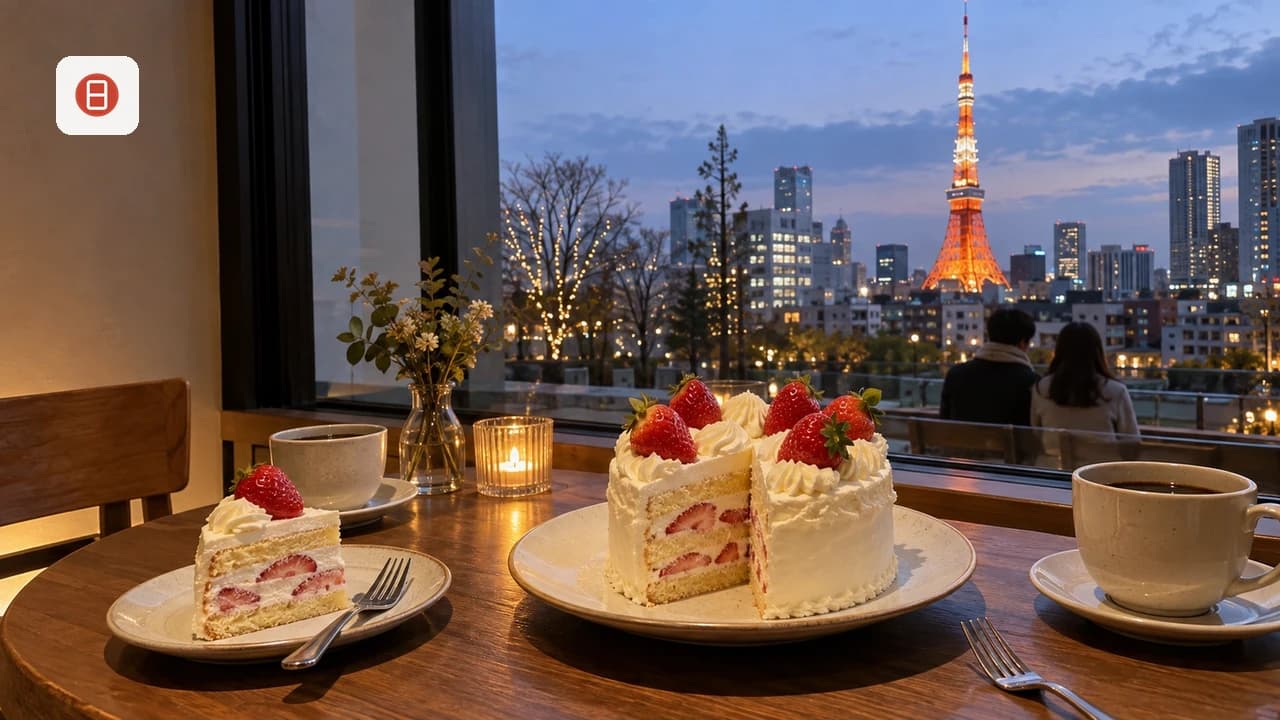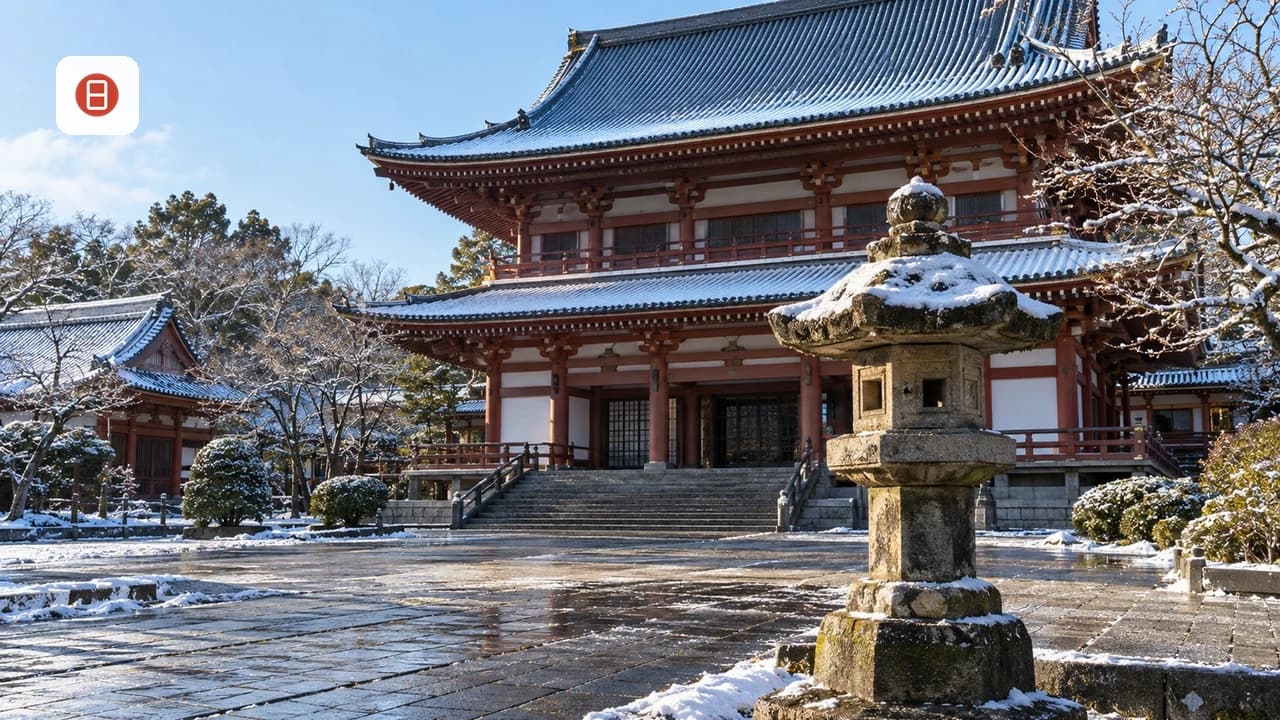
Japan in December: Weather, Illuminations, and What to Pack
Planning a trip to Japan in December? Get the weather, Mt. Fuji visibility odds, New Year closures, illumination dates, and what to pack.
On this page
Last updated September 2026, Japan in December rewards travelers willing to trade summer festivals for clear skies, winter illuminations, and thinner crowds on the Golden Route. Daylight runs short, with the sun setting near 4:32 PM in Tokyo, so outdoor plans need to end earlier than in other seasons. This guide breaks down regional weather, the Oshogatsu closures to plan around, and where the month delivers the best value before late-December prices climb.
Japan in December: Quick Verdict
December sits at the hinge between autumn color and true winter cold, a stretch Japan's national tourism organization frames as the silver season. Clear, dry air makes the month strong for photography, since winter skies sharpen views of Mount Fuji and city skylines. Illuminations, early skiing, and thinner Golden Route crowds all make a case for visiting. Light is the catch. December brings roughly 10 hours of daylight, so outdoor plans need a tighter schedule than a spring or autumn trip.
For a month-by-month comparison, the Best Time To Visit Japan: A Seasonal & Monthly Travel Guide guide weighs December against cherry blossom season and the summer typhoon window. Travelers building a longer cold-season trip can start from the Japan in Winter: Snow, Festivals, and Travel Logistics for 2026 overview, which frames December as the mild lead-in before January and February turn colder.
Weather and Daylight Across the Country
Conditions vary sharply by region in December, from mild city weather on the Golden Route to sub-zero mornings in the mountains. Hokkaido and the Japan Alps sit in a different season entirely, with heavy, near-daily snowfall setting in by mid-month. Okinawa barely notices winter and rarely drops below 57°F (14°C).
Daylight is the bigger planning constraint than temperature. Front-load outdoor sightseeing into the morning and early afternoon, then shift to indoor dining, shopping, and illuminations after dark.
Winter air also makes December one of the clearest months for Mount Fuji sightings, since it lacks summer haze. November and February are similarly strong months for a clear view. Fuji's hiking trails stay closed until July regardless of visibility, so December is a viewing month, not a climbing one. Lake Kawaguchi is a reliable spot for sunset views of the mountain when skies are clear.
| Region | Daytime Temps | What to Expect |
|---|---|---|
| Tokyo, Kyoto, Osaka | 52-59°F (11-15°C) days, 39-45°F (4-7°C) mornings | Mild, mostly dry, occasional rain |
| Hokkaido, Japan Alps | Sub-zero mornings | Heavy, near-daily snow by mid-month |
| Okinawa | Rarely below 57°F (14°C) | Cool, spring-like, little snow |
- Tokyo: sunrise around 7 AM, sunset near 4:32 PM, about 10 hours of daylight
- Sapporo: sunset near 4 PM, noticeably shorter than Tokyo's
Top Things to Do in Japan in December
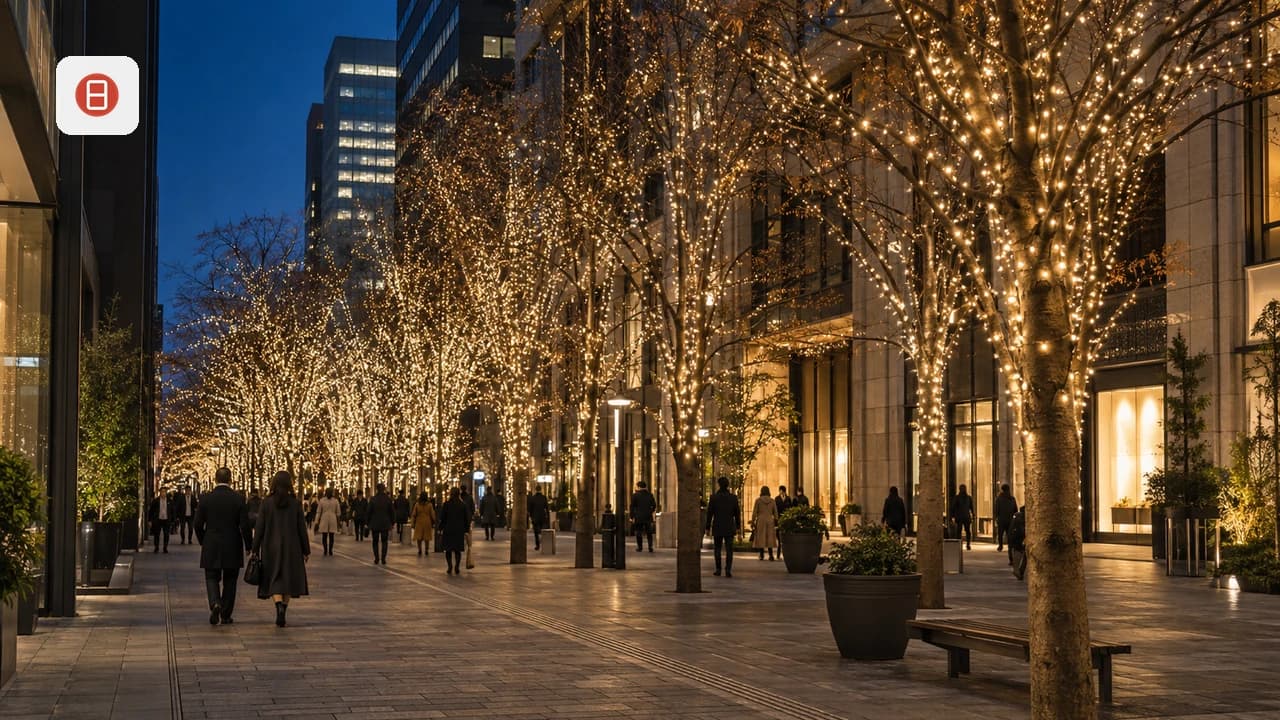
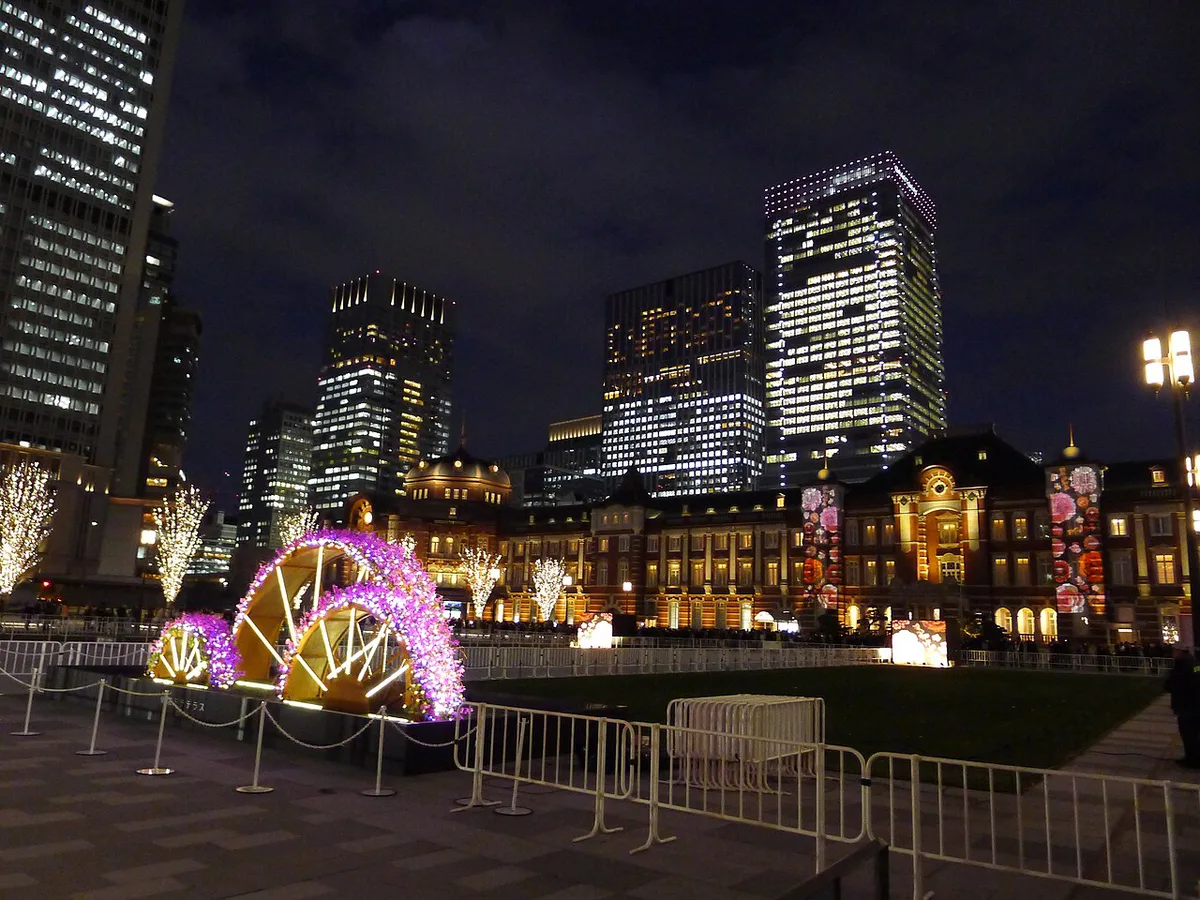
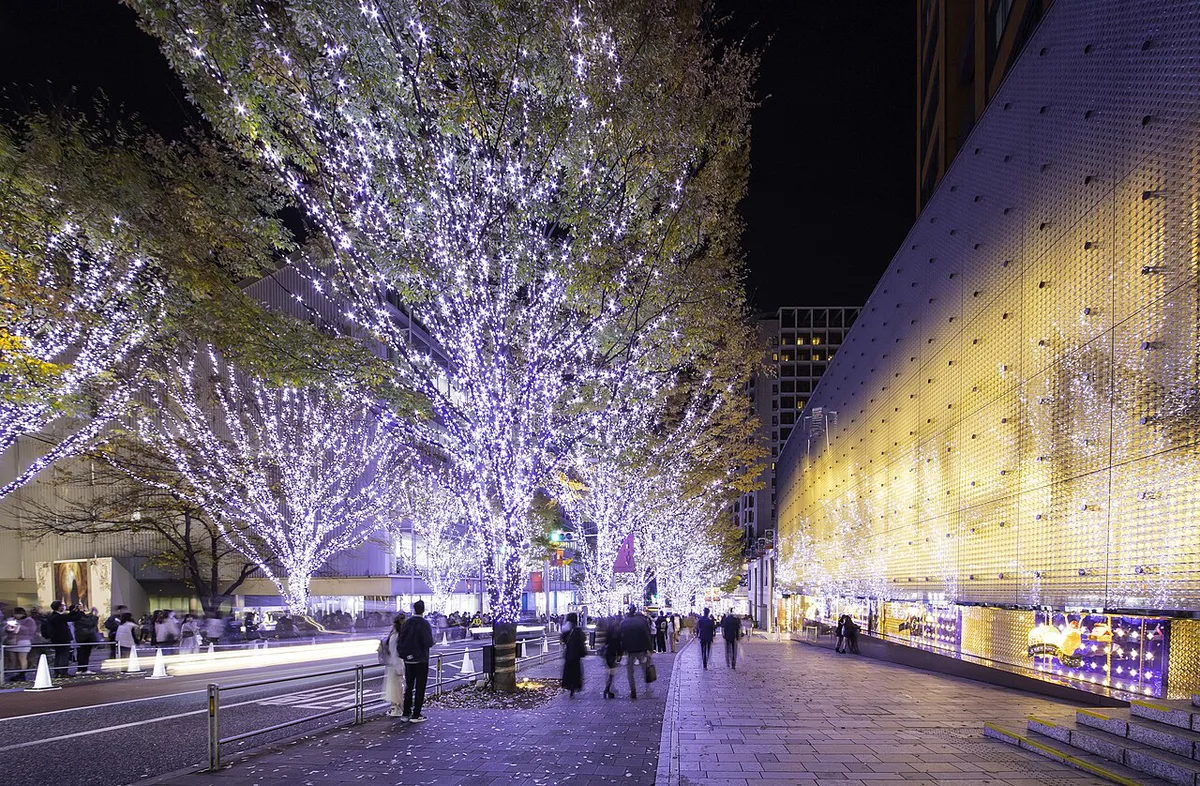
Light displays, known as Winter Illuminations, are December's signature draw, running from mid-November through the holiday season across train stations, parks, and shopping districts. Christmas in Japan is secular and commercial rather than religious, so the displays work as much as a shopping-and-dinner backdrop as a holiday tradition. Confirm exact dates each year, since illumination schedules shift annually. For a fuller regional list, the Japan Winter Festivals: A Complete 2026 Guide by Region guide tracks additional displays beyond Tokyo and Osaka.
Outdoor hot springs, or rotenburo, get more appealing as temperatures drop, and several mountain towns pair a ski day with a soak afterward. Cultural festivals add another reason to visit: the Chichibu Night Festival runs in early December, and Oga City in Akita Prefecture holds its Namahage event on New Year's Eve, when performers in demon costumes visit homes to drive out bad luck.
- Marunouchi and Ginza (Tokyo): illuminated streets near Tokyo Station, paired with dinner and shopping
- Shibuya and Roppongi Hills (Tokyo): city-center displays through the season
- Tokyo Midtown, Roppongi: Midtown Christmas runs through December 25
- Caretta Shimbashi (Tokyo): a short walk from Shimbashi Station
- Osaka Hikari Renaissance: December 14-25
- Kobe Luminarie: commemorates the 1995 Great Hanshin earthquake
Navigating the Golden Route in December
Tokyo, Kyoto, and Osaka stay fully open in December, so a first Japan trip does not need to avoid the month. December 25 is not a public holiday in Japan, so shops, trains, and offices run on a normal schedule that day.
Kyoto's temples thin out compared to spring and autumn, and Kiyomizu-dera is a reasonable December stop without peak-season lines. Kaiseki restaurants shift toward seasonal winter menus this time of year. See the Kyoto in Winter: 8 Best Things to Do & Travel Guide guide for which temples stay quiet and which still draw crowds.
Osaka typically runs its Ramen Expo across four weekends in December, with free admission and roughly 40 ramen stalls in one place. Kobe's Nankinmachi Lantern Festival lights up the Chinatown district from early December through the end of the month.
Nara's deer park stays open daily, and December visits skip the busiest crowds that build up in spring. Temperatures swing more here than in the cities: some December days reach as high as 64°F (18°C), while mornings run much colder, so layering matters even for a single day trip.
Travelers mapping a longer cold-season trip can start from the Japan Winter Itinerary: 7-, 10- and 14-Day Routes for 2026 guide, then narrow down to December specifics. Most first-time visitors build the Golden Route around a 7-day itinerary covering Tokyo, Kyoto, and Osaka. Travelers with more time can stretch that into a 10-day itinerary that adds more time in Nara and Kyoto. A 2-week itinerary leaves room to add Hokkaido's early ski season without rushing the cities. Tokyo-based travelers can also add a day trip. The Winter Day Trips From Tokyo Travel Guide guide covers options including Lake Kawaguchi.
Christmas and New Year Logistics (Oshogatsu)
Christmas in Japan is secular and commercial, not religious, and functions as a couples' holiday rather than a family gathering. Restaurants popular for a Christmas Eve dinner require reservations, and convenience stores play instrumental versions of Western Christmas songs through most of December. A well-known local custom has people ordering fried chicken, including from KFC, instead of a turkey dinner.
Oshogatsu, Japan's New Year period, is the bigger holiday, running from around December 29 to January 3. Many small shops, museums, and family-run restaurants close for some or all of those days, and long-distance trains fill up with domestic travelers heading home. Convenience stores and most shrines stay open, and some shrines serve sake, toshikoshi soba, and pork soup to visitors. Confirm hours for specific sites like the Toyosu fish market or the Imperial Palace grounds before building a New Year's itinerary around them, since holiday schedules shift year to year.
Hatsumode, the first shrine visit of the new year, is the tradition to plan around. Meiji Jingu alone draws crowds in the millions over the first few days of January, so travelers wanting a quieter version should pick a smaller neighborhood shrine instead. Many temples also ring their bells through the night on New Year's Eve, a tradition known as Joya no Kane.
Hokkaido and the Mountains: Early Ski Season
December is early ski season, not peak season, and conditions depend on natural snowfall. Big Hokkaido resorts can open as early as late November, while most resorts elsewhere target mid-December, using artificial snow to cover early gaps. Japan is roughly 73% mountainous, so options extend well beyond Hokkaido once the season gets going. For regional detail on how December compares to deeper winter, see the Hokkaido in Winter: 10 Essential Experiences and Itinerary Guide guide.
Opening dates shift with the weather each year, so check a resort's own site close to travel instead of assuming last year's calendar holds. Onsen resorts overlap with many of these mountain towns, so an afternoon soak is an easy add-on to a ski day, or a reason to visit on its own. Elsewhere in Nagano, wild macaques bathe in hot springs at the Jigokudani Snow Monkey Park Travel Guide.
Planning for February's biggest winter events also starts in December, even though the events themselves run outside the month. Each year, the Sapporo Snow Festival's official site posts updated dates and venue details, and Sapporo hotels fill up well ahead of the event. For what to book first, see the Sapporo Snow Festival guide. In Otaru, the Otaru Snow Light Path Festival lines the town's canal with thousands of lanterns. In Akita Prefecture, the Yokote Kamakura Festival runs February 15 and 16 and dates back roughly 400 years. Details are in the Yokote Kamakura Festival guide. For the rest of the post-New-Year lineup, see the Japan in February: Weather, Snow Festivals, and Travel Tips (2026) guide.
- Niseko (Hokkaido): among the earliest resorts running each season
- Hakuba and Shiga Kogen (Nagano)
- Echigo-Yuzawa and Myoko (Niigata)
- Zao Onsen and Appi Kogen (Tohoku)
What December in Japan Costs
December pricing splits into two halves. Early and mid-month rates run close to typical shoulder-season pricing, and travelers often find solid deals on both flights and hotels. Rates climb fast once the New Year travel window opens around December 29, so booking earlier in the month costs meaningfully less than booking during the last week.
Accommodation near Mount Fuji is the exception to the early-month savings pattern. Mount Fuji International Marathon runs December 12-13, 2026, and Kawaguchiko hotels around that weekend can run well over $1,000 for two nights, so avoid those dates unless the race is the point of the trip. Outside marathon weekend, a mid-range hotel budget of $100 to $150 per night covers most of the Golden Route comfortably.
| Expense | Typical December Range | Notes |
|---|---|---|
| Mid-range hotel, Tokyo | ~$100/night | Based on a multi-night December stay |
| Mid-range hotel, Kyoto | ~$75-100/night | Based on a multi-night December stay |
| Mid-range hotel, Osaka | ~$115/night | Based on a multi-night December stay |
| Meal (ramen or set lunch) | ~$15/person | Higher for sushi or wagyu |
| Round-trip international flight | From around $900 | Reported for an early-December booking; varies by origin |
What to Pack for December in Japan
Layering matters more than one heavy coat, since indoor spaces, trains, and shopping malls run warm even when it is cold outside. A HeatTech-style base layer, a sweater, and a packable rain jacket cover most December days in Tokyo, Kyoto, and Osaka. Add a beanie, gloves, and a fleece for mornings and for any time spent near Mount Fuji or in the mountains, where temperatures run noticeably lower than in the cities.
Nara temperatures swing from 64°F highs to cold mornings, making layering more practical than a single heavy coat for managing daily temperature variation.
Expect to walk a lot: 20,000-plus steps in a single Tokyo day is common once temple visits, train transfers, and neighborhood exploring add up. Layering breaks down by region in the Japan Winter Clothes: The Complete 2026 Layering and Packing Guide, and the general Japan Packing List: Seasonal & Essential Travel Guide covers everything else worth bringing.
- Base layers (HeatTech or similar) for city days
- A packable rain jacket, since December brings occasional heavy rain
- A warm sweater or fleece plus a beanie and gloves for mornings
- Comfortable, easy-to-remove shoes for temples that require taking footwear off
- Moisturizer and lip balm, since indoor heating and dry winter air chap skin fast
Mistakes to Avoid in December
A few planning mistakes show up repeatedly in December trip reports. Beyond the month itself, the Japan Travel Guide: Plan Your Trip with Expert Tips & Itineraries covers visas, transport passes, and other basics that apply regardless of season.
Tokyo's 4:32 PM sunset requires ending outdoor sightseeing by 3 PM to preserve daylight; plan temples and gardens for mornings, reserving illuminations for evening.
- Skipping Shinkansen seat reservations during the New Year rush, when trains fill up and oversized luggage needs a reserved space
- Assuming every museum, garden, or shop stays open; many close for several days for year-end cleaning or the Oshogatsu holiday
- Over-scheduling afternoons and losing daylight; outdoor sightseeing works best before 3 PM, with illuminations and indoor plans after dark
- Booking a ski trip without checking that year's opening dates, since natural snowfall varies and resorts adjust accordingly
Plan Around December’s Short Daylight Hours
In Tokyo, daylight is roughly 7 AM to 4:32 PM in December. Treat the early hours as your sightseeing window, especially for gardens, temple grounds, city views, and Mount Fuji day trips. Aim to arrive at popular outdoor sites near opening time. This also helps avoid the busiest periods.
- Morning: visit an outdoor landmark, temple district, garden, or observation deck.
- Early afternoon: schedule a museum, shopping area, or final outdoor stop before 3 PM.
- After dark: reserve dinner, see an illumination, or use the time for indoor attractions.
For a Tokyo day, Senso-ji and Asakusa work well in the morning. Save Ginza, Marunouchi illuminations, or a Roppongi dinner for evening. In Kyoto, begin at Fushimi Inari or Kiyomizu-dera, then move to Nishiki Market or a kaiseki meal after sunset. Keep a small buffer for train transfers, because winter darkness arrives quickly and outdoor photos become harder after mid-afternoon.
Frequently Asked Questions
Is Japan too cold to visit in December?
Not on the Golden Route, where daytime highs run about 52-59°F (11-15°C) in Tokyo, Kyoto, and Osaka. Hokkaido and the Japan Alps are a different story, with sub-zero mornings and heavy snow setting in by mid-month. Pack accordingly if the itinerary heads north.
Is Christmas a major holiday in Japan?
Not in the Western sense. Christmas in Japan functions as a couples' holiday rather than a family one. December 25 is not a public holiday, and a well-known local custom has people ordering fried chicken instead of turkey.
What closes in Japan during the New Year holidays?
Oshogatsu, Japan's New Year period, runs from around December 29 to January 3. Many museums, small shops, and family-run restaurants close for some or all of those days. Convenience stores and most shrines stay open throughout. Confirm hours for specific sites like the Toyosu fish market or the Imperial Palace grounds before planning around them, since holiday schedules shift year to year.
Can you see Mount Fuji in December?
Yes, and December ranks among the clearest months for Fuji sightings, since winter air lacks summer haze. Trails stay closed until July regardless of the season, so December is for viewing rather than climbing. Lake Kawaguchi is a reliable spot for sunset views when skies are clear.
When do ski resorts open in Japan in December?
Most major resorts target a mid-December opening. Big Hokkaido resorts can start even earlier, sometimes by late November, using artificial snow to cover early gaps. Exact dates shift with natural snowfall each year, so check a resort's own site close to travel instead of relying on the previous year's calendar.
Free guide: Japan's Hidden Gems
12 under-the-radar places beyond Tokyo & Kyoto — with the best season to visit each and a local tip you won't find in the guidebooks.
You might also like


Continue reading
More guides you'll find useful