Japan in February: Weather, Snow Festivals, and Travel Tips (2026)
Planning a trip to Japan in February? Find Sapporo Snow Festival dates, regional weather, Mt. Fuji visibility, and where plum blossoms open first.
On this page
Last updated September 2026: Japan in February splits into two very different trips depending on where you land. Tokyo and Kyoto stay dry, cold, and clear, while Hokkaido carries the year's deepest snow around the Sapporo Snow Festival. By late February, plum blossoms start opening in Kyoto and Tokyo gardens, giving the month a quiet head start on spring.
Is Japan in February a Good Time to Visit?
Japan in February works well if you want clear skies, active snow festivals, and prices below the spring rush. Budget-conscious travelers get the clearest win, since airfare and hotel rates generally sit below the following cherry blossom season. It works less well if cold weather bothers you, or if cherry blossoms are the goal, since sakura season does not begin until March. Japan's traditional calendar even marks February 4 as the start of spring, though most of the country still feels like deep winter through the month. Official tourism materials from Japan's national tourism office frame early February as the point where deep winter and early spring overlap.
| Pros | Cons |
|---|---|
| Clear Mt. Fuji views and dry city weather | Shortest daylight hours of the year |
| Sapporo Snow Festival and other winter festivals | Biting cold and wind in Tokyo and Yokohama |
| Lower hotel and flight rates outside festival week | Some rural attractions close for winter |
| Early plum blossoms in Kyoto and Tokyo gardens | Too early for cherry blossoms outside Okinawa and Kawazu |
- Go if: you want clear Mt. Fuji views, active snow festivals, and lower prices than spring.
- Skip it if: cold weather is hard to tolerate or a pink cherry blossom look is the main goal.
Weather in Japan in February by Region
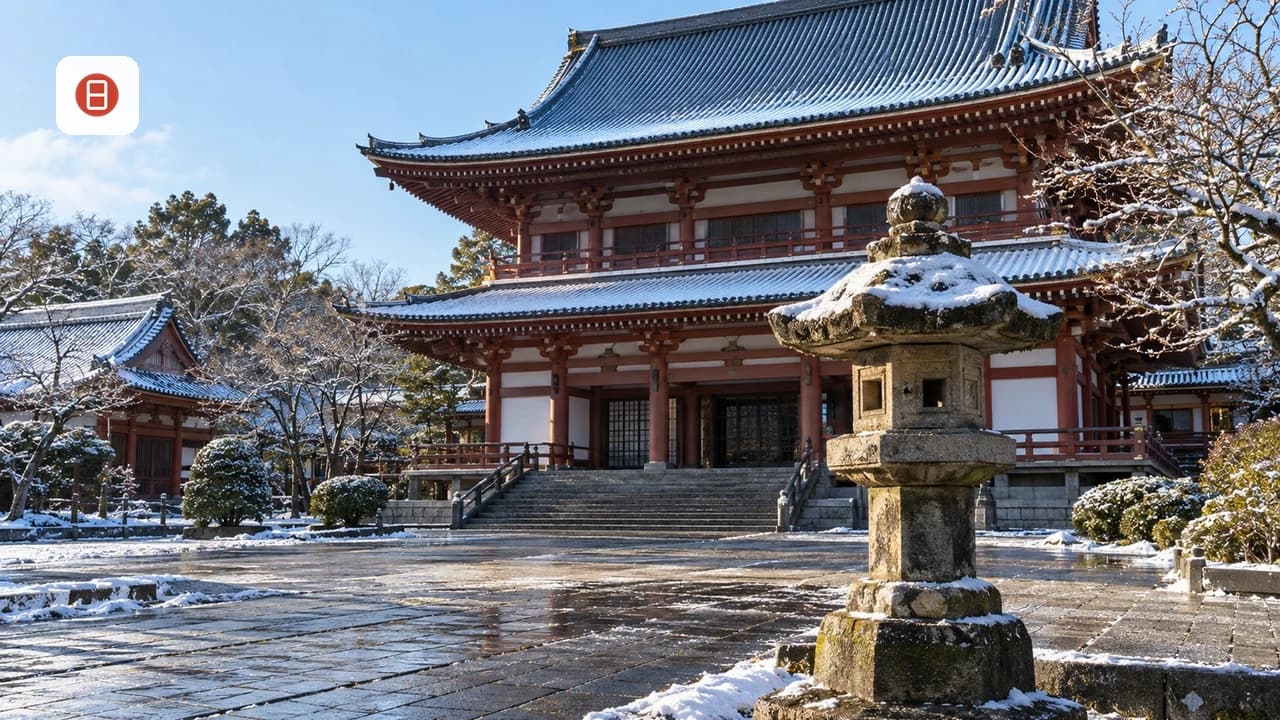
Tokyo holds a February high near 50°F (10°C) and a low around 37°F (3°C), with dry air and frequent sun. Kyoto runs slightly cooler, with highs near 48°F (9°C) and lows around 34°F (1°C), and occasional light snow on temple roofs. Hokkaido sits in deep winter; Hakodate's highs stay near 32°F (0°C) with lows down to 21°F (-6°C). Winter winds cross the Sea of Japan, pick up moisture, and dump heavy snow on west-coast towns like Niigata and Toyama. The Pacific side around Tokyo and Shizuoka sits in the same winter system yet stays dry, since mountains block most of that moisture first. Mt. Fuji's surrounding region shares Tokyo's daytime warmth near 50°F (10°C) but drops close to freezing, around 32°F (0°C), on cold mornings. Dry winter air also keeps the peak visible on more days than in summer, when haze and humidity build up. Okinawa runs far milder, in the 59-68°F (15-20°C) range. Its cherry blossoms are already blooming in early February, while the rest of the country stays in winter. For a fuller month-by-month comparison, see the guide to Japan in Winter: Snow, Festivals, and Travel Logistics for 2026. If a slightly milder, less crowded month appeals more, Japan in December: Weather, Illuminations, and What to Pack covers the early-winter alternative. Hokkaido's snow season and gear needs get their own breakdown in the Hokkaido in Winter: 10 Essential Experiences and Itinerary Guide guide. Kyoto's quieter temple season is covered separately in the Kyoto in Winter: 8 Best Things to Do & Travel Guide guide.
| Region | Daytime High | Nighttime Low |
|---|---|---|
| Tokyo | 50°F (10°C) | 37°F (3°C) |
| Kyoto | 48°F (9°C) | 34°F (1°C) |
| Mt. Fuji area (Shimizu) | 50°F (10°C) | 32°F (0°C) |
| Hakodate / northern Japan | 32°F (0°C) | 21°F (-6°C) |
| Okinawa | 59-68°F (15-20°C) | n/a |
Top Experiences Unique to February in Japan
Five experiences set February apart from the rest of Japan's calendar, and most cluster around snow, cold-season food, and the first flowers of the year.
Plum blossoms open in late February in Kyoto and Tokyo gardens, but cherry blossoms remain weeks away—plan flower viewing accordingly.
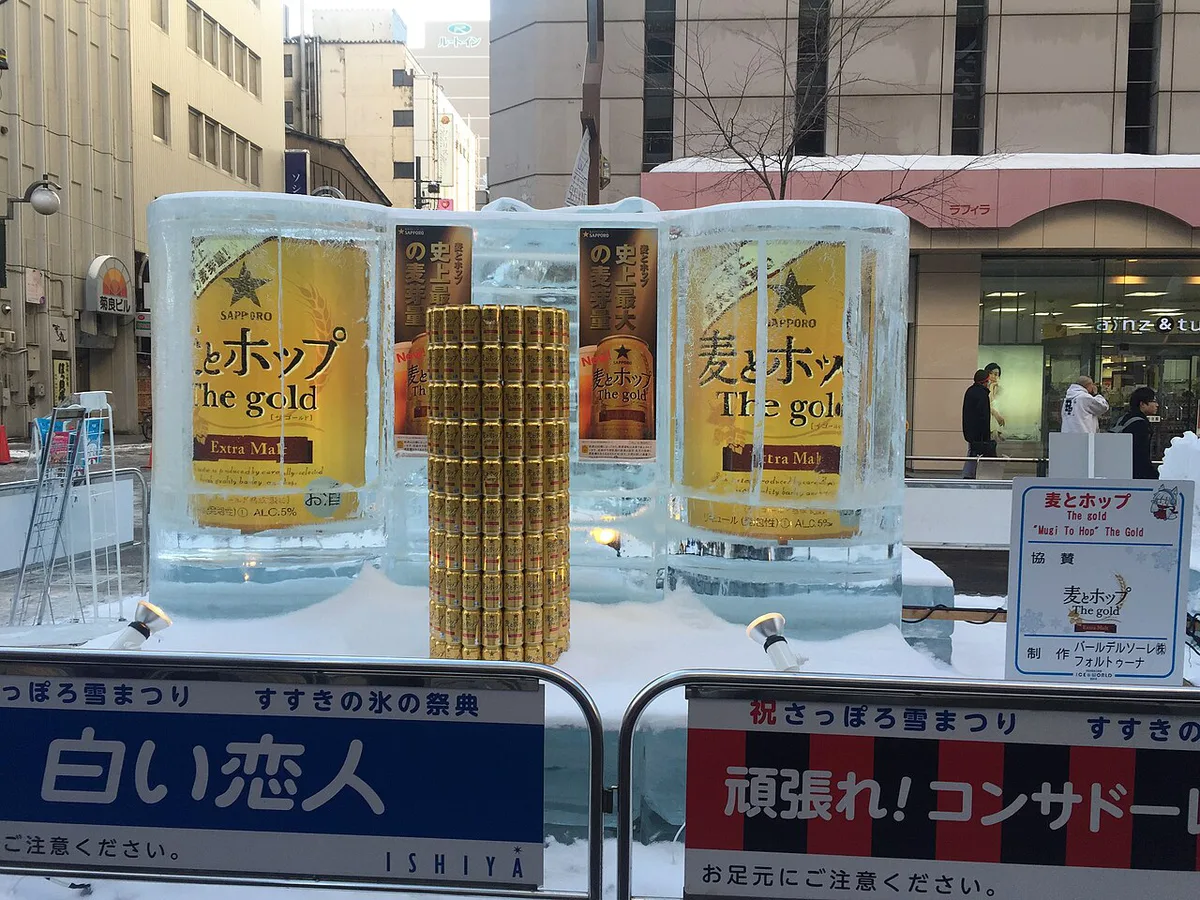
- Sapporo Snow Festival: The Sapporo Snow Festival guide fills Odori Park and the Susukino entertainment district with giant snow sculptures in early February. Check the official festival site for this year's exact dates, since planning around the wrong week is a common early mistake.
- Regional Snow Festivals: Smaller festivals worth the detour include the Yokote Kamakura Festival, Akita: Complete Visitor Guide for 2027 in Akita. Near Sapporo, the Otaru Snow Light Path Festival lines canals and streets with candlelight. A full calendar of the season's events sits in the Japan Winter Festivals: A Complete 2026 Guide by Region guide.
- Mt. Fuji Visibility: Haze drops sharply in February's dry air, which is why the month ranks among the clearest for Mt. Fuji sightings from Tokyo, Hakone, and the Shimizu coastline. Early morning works best, before afternoon clouds build around the peak.
- Setsubun: On February 3, shrines and temples nationwide hold bean-throwing ceremonies to drive out bad luck and welcome the spring marked by the old calendar. Most ceremonies are free to watch and need no advance booking.
- Snow Monkeys at Jigokudani: February is peak season for watching Japanese macaques soak in the hot-spring pool at Jigokudani Snow Monkey Park Travel Guide in Nagano, since deep snow keeps the monkeys close to the water. Trails into the park can be icy, so pack boots with solid grip.
- Plum Blossoms (Ume): Plum trees start opening in late February at Kairakuen in Ibaraki, Koishikawa Korakuen in Tokyo, and Kitano Tenmangu in Kyoto. Ume blossoms grow in clustered five-petal flowers on dark branches, distinct from the single pale-pink cherry blossoms that follow in late March and April.
- Naked Festival (Saidai-ji Eyo): At Saidaiji Temple in Okayama, men dressed only in loincloths compete in near-freezing temperatures to grab a pair of lucky wooden sticks thrown into the crowd. The event runs in February each year, so check the current date before planning a trip around it.
Planning a February Itinerary: Golden Route vs. Northern Route
Two route strategies work well for a February trip, and the choice comes down to gear, budget, and cold tolerance. Tokyo, Kyoto, and Osaka make up the Golden Route, and this corridor stays mostly dry with daytime temperatures rarely dropping below freezing. Hokkaido and Tohoku's Northern Route trades that comfort for festival season and Japan's best snow, with Hakodate-area lows reaching 21°F (-6°C). Choose the Golden Route for reliable train schedules and lighter luggage. The Northern Route suits travelers who want ski-quality snow or festival crowds more than comfort. A standard 7-day Japan itinerary fits the Golden Route comfortably. Adding Hokkaido without rushing fits comfortably into a 10-day Japan itinerary. Travelers with more time can stretch into a 2-week Japan itinerary that covers both routes in one trip. For a route built specifically around winter conditions, the Japan Winter Itinerary: 7-, 10- and 14-Day Routes for 2026 guide adjusts pacing for shorter daylight and snow delays. Travelers based in Tokyo who want a taste of snow country without switching hotels can add one of the Winter Day Trips From Tokyo Travel Guide. For broader trip-planning basics beyond February specifically, the Japan Travel Guide: Plan Your Trip with Expert Tips & Itineraries covers visas, rail passes, and first-time logistics.
Costs, Crowds, and Getting Around in February
February counts as low season across most of Japan, which keeps hotel and flight rates below the March and April cherry blossom peak. Sapporo breaks that pattern: rooms near the Sapporo Snow Festival routinely sell out, and rates climb sharply during festival week. Compare current pricing directly on the booking platforms you already use before locking in dates. Tourism sources describe the festival as drawing more than two million visitors most years. Because of that demand, accommodation tied directly to the festival often sells out roughly six months ahead. Lunar New Year falls within or near this window most years. Travelers from neighboring Asian countries can add noticeable crowds to Tokyo, Osaka, and Kyoto shopping districts during that stretch. Shinkansen service across central and southern Japan stays reliable through February, while trains in Hokkaido and Tohoku face occasional delays or suspensions during heavy snow. A handful of rural attractions and mountain trails close for winter safety in February, so confirm opening status before building a day trip around one. For how February stacks up against the rest of the year, the Best Time To Visit Japan: A Seasonal & Monthly Travel Guide guide compares all four seasons side by side.
What to Pack for Japan in February
Tokyo cold calls for a windproof outer layer over a warm mid-layer, since wind chill affects comfort more than the thermometer reading in most cities. Hokkaido cold is a different category: insulated, waterproof boots, thermal base layers, and disposable heat packs (kairo) matter more than a heavier coat. Kairo are sold cheaply at convenience stores throughout Japan and slip into gloves, pockets, or boots for hours of low-level heat. City sidewalks rarely ice over, so normal winter shoes work in Tokyo and Osaka, while onsen towns and ski bases call for boots with real tread. A full layering breakdown by region and activity sits in the Japan Winter Clothes: The Complete 2026 Layering and Packing Guide. For a general checklist covering the rest of the trip, see the Japan Packing List: Seasonal & Essential Travel Guide.
Mistakes to Avoid in Japan in February
A few recurring mistakes shape most of the below-average February trips, and each one is easy to avoid with a little planning.
Book Sapporo lodging six months ahead—the festival draws more than two million visitors and accommodation routinely sells out, leaving late bookers in distant suburbs.
- Underestimating the Wind: Tokyo and Yokohama sit exposed to cold coastal wind that makes the air feel colder than the forecast temperature. A windproof outer shell matters more than an extra warm layer underneath.
- Booking Sapporo Late: Rooms near the festival grounds fill up months ahead, and waiting until the month before often means a long commute from outlying hotels. Lock in Sapporo lodging as soon as travel dates are set.
- Mistaking Plum for Cherry Blossoms: Ume (plum) blossoms open first, in clusters of rounded five-petal flowers on dark branches. Sakura (cherry) blossoms follow weeks later in pale pink clusters on lighter bark, so a February trip built around flower viewing should target plum, not cherry.
- Ignoring Setsubun: The February 3 bean-throwing ceremonies at shrines and temples are free, brief, and easy to miss without planning ahead. Building one afternoon around a local Setsubun event costs nothing and adds a specific cultural stop to an otherwise weather-driven itinerary.
Frequently Asked Questions
Does it snow in Tokyo in February?
Snow in Tokyo is rare but possible in February, and when it falls it is usually light and short-lived. Osaka and Hiroshima see snow just as rarely, so pack comfortable, grippy shoes rather than heavy snow boots for city days.
Can you see cherry blossoms in Japan in February?
Sakura are not in bloom across most of Japan in February. Okinawa is the exception, where cherry blossoms are already mid-season in early February with temperatures around 59-68°F (15-20°C). Kawazu, on the Izu Peninsula, is also known for an early-blooming cherry variety around this time of year.
Is February good for skiing in Japan?
Yes, February is peak season for snow quality at most Japanese ski resorts, particularly in Hokkaido and Nagano. Powder conditions at resorts like Niseko and Hakuba Happo-one are typically at their most consistent this month, which is also when resort towns are busiest.
Is February a good time to visit Japan for Mt. Fuji views?
February ranks among the clearest months for Mt. Fuji sightings, since dry winter air cuts the haze that blurs summer views. Morning visibility from Tokyo, Hakone, and the Shimizu coastline tends to be best before afternoon clouds build.
Is February a peak or off-peak month in Japan?
Most of Japan sits in low season during February, which keeps hotels and flights below spring pricing. The first week of February is the exception, when the Sapporo Snow Festival pushes Hokkaido demand and prices well above the rest of the month.
What should you pack for Japan in February?
Pack a windproof outer layer, warm mid-layers, and comfortable shoes for city walking. Add insulated boots, thermal layers, and heat packs (kairo) for Hokkaido, Nagano, or any ski trip.
Is Japan crowded with tourists in February?
Most of the country feels quiet in February, since it falls before the cherry blossom rush. Sapporo is the main exception, since hotel demand and street crowds both spike during the Snow Festival.
When is Setsubun in February?
Setsubun falls on February 3 most years, marking the traditional turn from winter to spring. Shrines and temples hold bean-throwing ceremonies that day, and most are free to attend.
Free guide: Japan's Hidden Gems
12 under-the-radar places beyond Tokyo & Kyoto — with the best season to visit each and a local tip you won't find in the guidebooks.
You might also like


Continue reading
More guides you'll find useful