Japan Winter Clothes: The Complete 2026 Layering and Packing Guide
A 2026 guide to japan winter clothes: regional layering for Tokyo, Kyoto, and Hokkaido, Heattech tiers, boots, Workman Plus, and static-proofing tips.
On this page
Last updated September 2026, this guide covers japan winter clothes for Tokyo's mild chill, Hokkaido's deep snow, and the heated trains in between. Tokyo, Osaka, and Kyoto rarely drop far below freezing, so a wool coat with Heattech layers usually works, while Hokkaido needs technical waterproof gear instead. Layering has to work indoors and outdoors at once, since Japanese shops, trains, and restaurants run far warmer than the street outside.
The Golden Rules of Japan Winter Clothes
This walks through the same practical layering approach as the broader winter travel guide, adapted for what to actually wear. Japan's winter dress code runs more conservative than casual Western athleisure. Shrines, temples, and traditional restaurants expect covered shoulders and knees. Slip-on shoes matter more than style, since shoes come off constantly at temples, ryokan, and izakaya doorways. Between those stops, buildings crank the heat far above the outdoor temperature. Every outer layer needs to come off in under a minute without wrecking the outfit underneath.
Cross-check the rest against the general packing checklist for non-clothing essentials like adapters and toiletries.
- Choose slip-on boots or shoes that come off quickly at temples, ryokan, and izakaya entrances.
- Pack hole-free, presentable socks, since shoes come off in more places than expected.
- Build every outer layer so it comes off in under a minute once you step onto a heated train.
Regional Climate Guide: Tokyo, Kyoto, and Osaka vs. Hokkaido
Japan's winter splits sharply by region, so packing should follow the map, not one generic list. Tokyo, Osaka, and Kyoto keep relatively mild city centers. Hokkaido and the Japan Alps see genuine snow country conditions instead. Okinawa sits outside that pattern entirely, with a winter that barely dips below the mid-60s Fahrenheit. The official Japan travel site is a useful starting point for checking regional conditions first. Its month-by-month timing guide breaks down which weeks suit which region best.
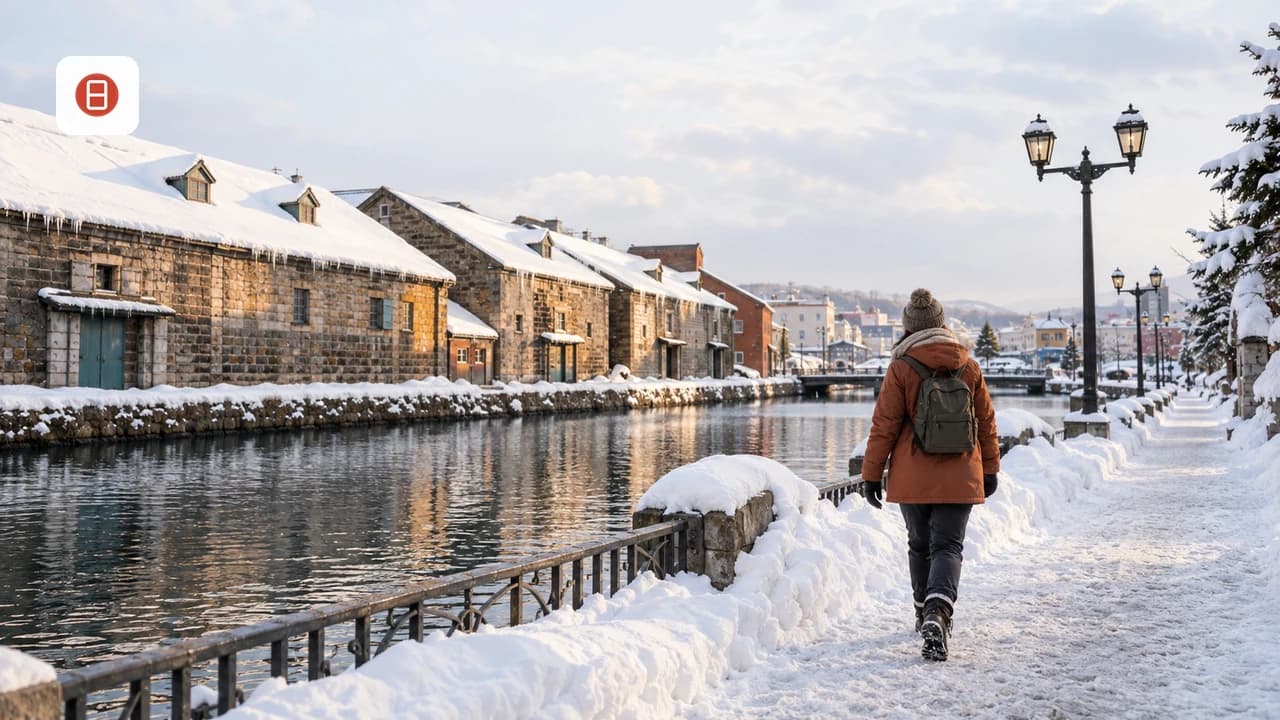
Sapporo's -3.2°C (26°F) climate demands Hokkaido-grade parkas costing ¥4,000–¥8,000, not budget Heattech basics at ¥1,500.
Sapporo's January average runs about -3.2°C (26°F), cold enough that black ice becomes a daily hazard downtown. Kyoto and Osaka trend a little milder than Tokyo across the same months. Naha, at the opposite end of the country, holds a winter average near 17°C to 19°C (63°F to 66°F). A light jacket is the ceiling there, not the floor.
For temple-heavy days, Kyoto's winter itinerary stays workable in a mid-weight coat. That calculus flips entirely in Hokkaido, where the Hokkaido winter guide assumes waterproof everything from day one.
| Region | Avg. Temp (Dec-Feb) | Snow Likelihood | Must-Pack Item |
|---|---|---|---|
| Tokyo, Osaka & Kyoto | 6°C to 8°C (43°F to 47°F) | Low, occasional light snow | Wool coat, Heattech base layer, slip-on boots |
| Hokkaido & the Japan Alps (Sapporo/Nagano/Shirakawago) | Sapporo: -3°C to -1°C (26°F to 30°F); Alps towns run similarly cold | Heavy, near-daily in Hokkaido | Insulated waterproof parka, slip-resistant boots, face covering |
| Okinawa (Naha) | 17°C to 19°C (63°F to 66°F) | None | Light jacket only |
The 3-Layer System for Cold-Weather Dressing
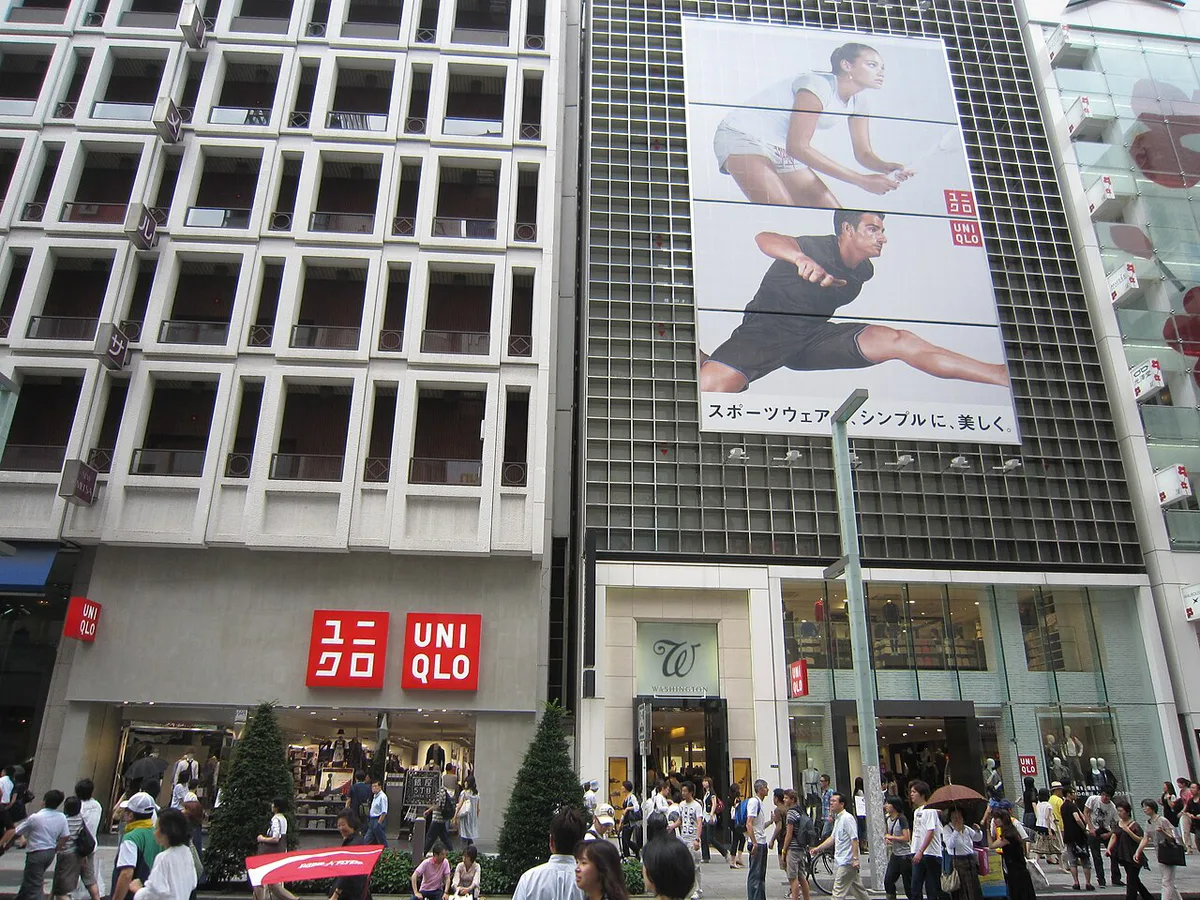
Base layers do the real work under a coat. Choose wool or a synthetic thermal fabric against skin, since cotton holds almost no heat once damp. Uniqlo's Heattech line comes in three warmth tiers, each suited to a different kind of cold.
A packable down vest or fleece pullover works well as the middle layer for most itineraries. It compresses small enough to stuff into a day bag once a train car heats up. For Tokyo, Osaka, and Kyoto, a wool-blend long coat covers most winter days and still looks fine at a nice restaurant. Hokkaido and the Alps call for a genuine down parka rated for sub-zero wind, not a fashion puffer.
- Heattech (standard): everyday base layer for Tokyo, Osaka, and Kyoto city walking.
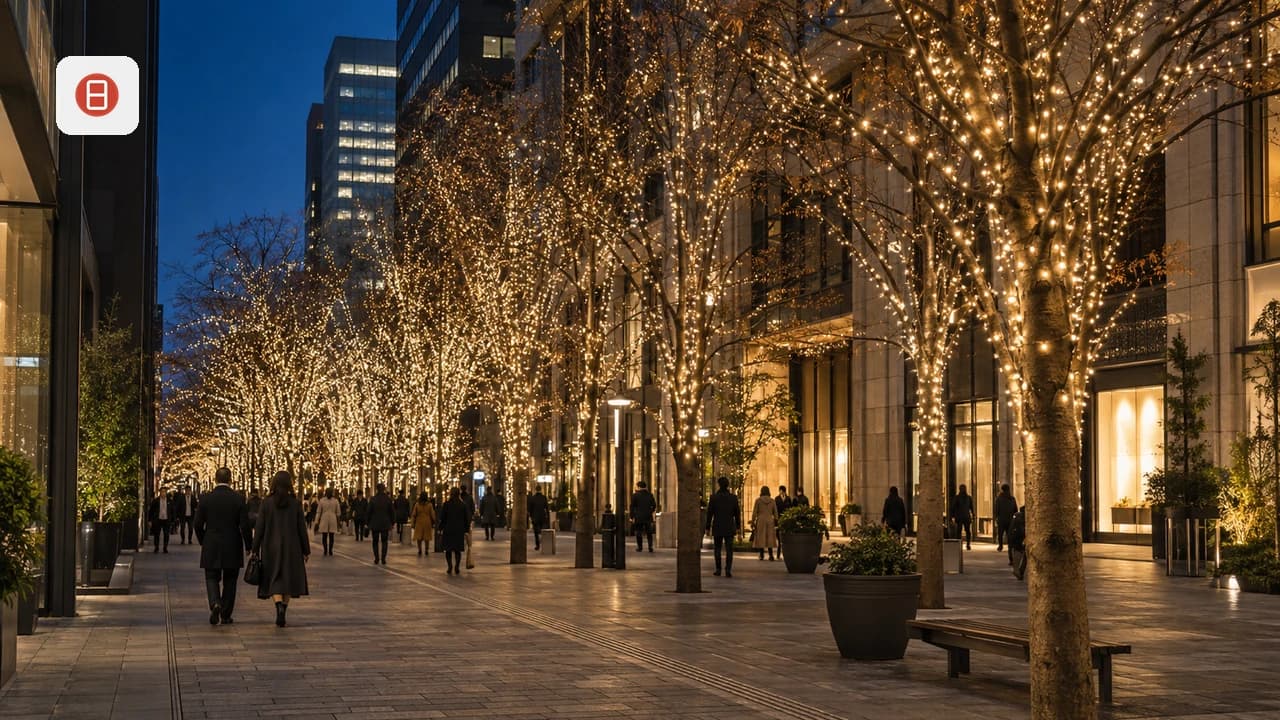
- Heattech Extra Warm: added insulation for early-morning sightseeing or winter illuminations.
- Heattech Ultra Warm: built for Hokkaido mornings and alpine cold.
Footwear: Traction, Waterproofing, and Foot Warmers
Sapporo and Kanazawa both test ordinary sneakers hard. Compacted snow turns to black ice on sidewalks and station steps. Look for soles labeled slip-resistant rather than a generic snow boot. Vibram outsoles or studdable soles handle that kind of ice far better than smooth rubber treads.
Wet, heavy snow along the Sea of Japan coast soaks through merely water-resistant boots by midafternoon. Full waterproofing matters more there than in drier Hokkaido interior towns. The wooden walkways at Jigokudani's monkey park near Nagano turn just as slick. Sapporo-grade waterproof, slip-resistant boots cover that stop too.
Cold feet ruin an outing faster than cold hands do. Disposable heat packs, sold locally as kairo, slip inside a boot or between sock layers and stay warm for hours. Both the stick-on and toe-shaped versions show up at any drugstore or convenience store once winter sets in.
Accessories That Actually Matter
A scarf blocks the wind chill that hits hardest once the sun drops, often well before 5 PM in December. Earmuffs or a knit hat cover ears fast without disturbing hair between stops. Both pack flatter than most travelers expect.
Touchscreen gloves matter more in Japan than almost anywhere else, since checking a map happens constantly outdoors. Standard wool gloves force a choice between frozen fingers and stopping to strip a glove at every intersection.
Dry winter air, wool sweaters, and metal train doors add up to a shock every time. Spray wool and fleece layers with an anti-static spray before packing them, then spray again the night before wearing them. Keeping hands and hair slightly moisturized cuts down on the jolt too. Touching metal doors with a gloved hand instead of bare skin helps as well.
Outdoor events during the winter festival calendar mean standing still in the cold for photos. Pack every accessory here rather than leaving one behind to save space.
Where to Buy Winter Gear Once You're in Japan
Uniqlo and its sister brand GU cover the budget basics if weather turns colder than forecast. Workman Plus, a Japanese work-wear chain most visitors have never heard of, sells genuinely technical snow gear at prices well below imported outdoor brands. Budget Heattech basics at Uniqlo typically start around ¥1,500. Its insulated, wind-blocking shells for real snow country typically run ¥4,000 to ¥8,000. Those figures are worth confirming in-store, since exact pricing shifts by item and season.
- Uniqlo / GU: Heattech base layers, packable down jackets, fleece-lined leggings.
- Workman Plus: technical waterproof shells, insulated snow boots, work-grade gloves.
- Don Quijote and drugstores: kairo heat packs, moisturizing sheet masks, medicated lip balm.
Skincare and Health for Japan's Dry Winter Air
Japanese winter air runs dry enough to crack knuckles and lips within days. Heated indoor air makes the effect worse, not better. Swap a lightweight summer moisturizer for a heavier cream once temperatures drop. Local pharmacy brands like Belif or Hada Labo stock formulas built for that combination of cold wind and hot indoor heat.
Vending machines double as an informal health system in winter. Hot canned ginger tea and C1000 vitamin C drinks sit in the red-labeled hot section of nearly every machine. That's a fast fix between train transfers when a cold starts creeping in.
Festival Season and Sunset Planning
Daylight disappears early across the entire winter season. Tokyo sunsets land around 4:30 PM through December's shorter days, early enough to reshape a sightseeing schedule. By February's later sunsets, that window stretches to roughly 5:30 PM, adding an hour of daylight for outdoor plans.
December sunsets around 4:30 PM trigger peak wind chill before 5 PM, making scarves and hats essential for afternoon outdoor activities throughout winter.
That early sunset shapes which festivals make sense on a given date. Site locations and exact dates for the illuminated ice sculptures show up on the Sapporo snow sculpture festival page. For the most current schedule, check the official festival site directly, since dates shift slightly year to year.
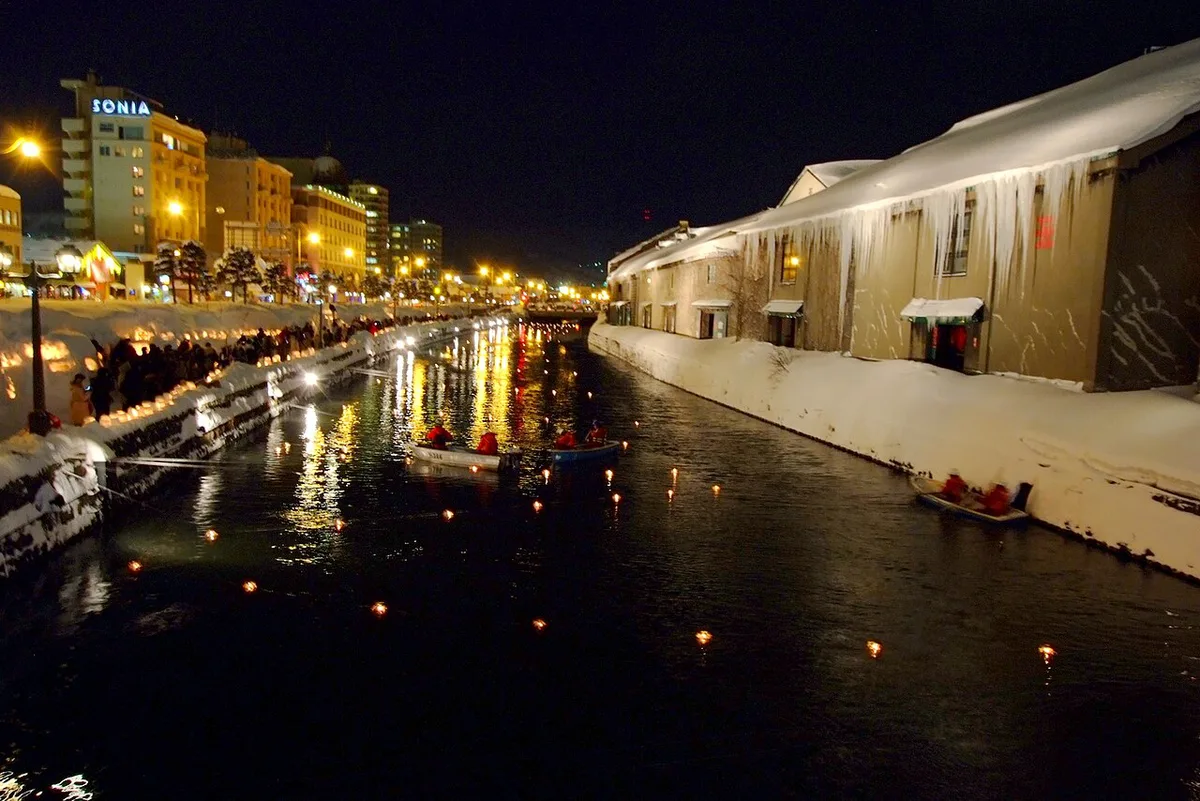
The Yokote snow hut festival runs primarily after dark, when candlelit kamakura huts light up. So does the Otaru snow light path, another evening event where full winter layers matter as much as daytime sightseeing.
Matching Winter Gear to Your Itinerary Length
Trip length changes how much cold-weather gear is worth packing versus buying locally. A one-week itinerary built around Tokyo and Kyoto rarely needs a Hokkaido-grade parka. Stretch to a ten-day route and there's room for one Hokkaido detour without overpacking for the rest. A longer two-week itinerary that adds Hokkaido or the Alps changes that math fast. Its winter itinerary planner maps out which regions pair well on a single trip. Day-trip options near the capital, covered in the Tokyo day-trip guide, let travelers test snow gear without committing a full suitcase.
Hauling a Hokkaido-grade parka and waterproof boots through every Shinkansen transfer gets old fast. Luggage forwarding, known locally as takkyubin, moves a packed suitcase between hotels overnight. Travelers carry only a day bag on transfer days as a result. The practical logistics guide covers how to arrange it at a hotel front desk or convenience store counter.
Frequently Asked Questions
What should you wear in Tokyo in winter?
Layer a Heattech or thermal top under a sweater, then add a wool or wool-blend coat you can remove indoors. Tokyo's daytime temperatures run roughly 6°C to 8°C (43°F to 47°F) from December through February. Slip-on boots work better than laced shoes, since shoes come off often at restaurants and temples.
Do you need snow boots for a Japan winter trip?
Snow boots matter most in Hokkaido and Sea of Japan coast towns like Kanazawa, where heavy snowfall is routine. Tokyo, Osaka, and Kyoto rarely need more than water-resistant shoes with decent tread. Pack real waterproof, slip-resistant boots only if the itinerary includes Sapporo, Shirakawago, or similar snow-country stops.
Is Uniqlo Heattech warm enough for Hokkaido?
Heattech works as a base layer everywhere in Japan, but Hokkaido needs it paired with real insulated outerwear, not worn alone under a light jacket. The Ultra Warm tier adds the most insulation of the three Heattech options and suits sub-zero mornings best. Workman Plus sells technical, wind-blocking parkas built for snow country at lower prices than most imported ski brands.
How do you stop static shocks in Japan's dry winter air?
Treat wool and fleece layers with an anti-static spray before packing them, then spray again the night before wearing them. Keep hands and hair lightly moisturized, since dry skin conducts more of the shock than damp skin. Touch metal doors and railings with a gloved hand instead of bare fingers to route the charge away.
How early does it get dark in Japan during winter?
Tokyo sunsets land around 4:30 PM in December and shift to roughly 5:30 PM by February, so afternoons shorten fast. Plan outdoor sightseeing and photography for the morning or early afternoon, then shift to illuminations or hot pot dinners after dark. Events like the Otaru snow light path lean into the early dark instead of fighting it.
Free guide: Japan's Hidden Gems
12 under-the-radar places beyond Tokyo & Kyoto — with the best season to visit each and a local tip you won't find in the guidebooks.
You might also like


Continue reading
More guides you'll find useful