Yokote Kamakura Festival, Akita: Complete Visitor Guide for 2027
Plan the Yokote Kamakura Festival in Akita: dates, the Omagari train transfer, kamakura etiquette, top sites, and where to eat this winter.
On this page
Last updated August 2026. The Yokote Kamakura Festival in Akita fills this snow-country city with more than 100 hand-built snow huts every February, each one sheltering a small altar to the water deity. This guide covers the Omagari train transfer, kamakura etiquette, top festival sites, and where to eat before the huts glow at dusk.
What Is the Yokote Kamakura Festival in Akita?
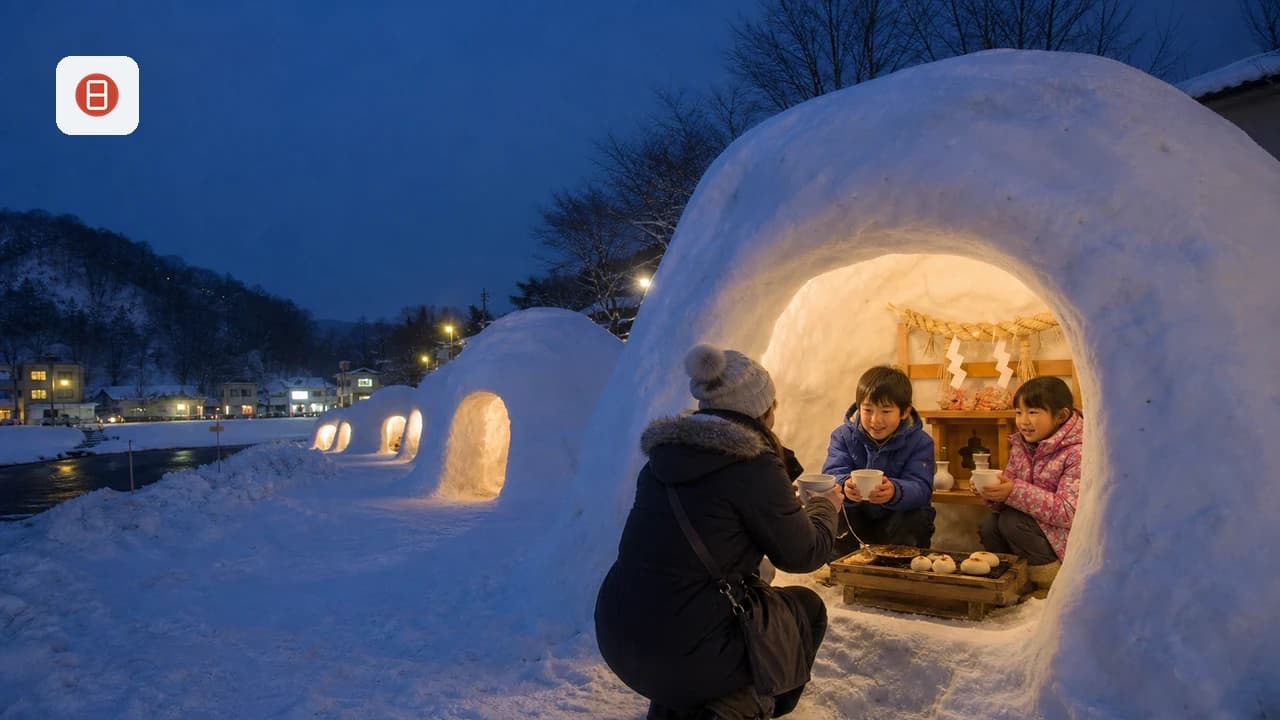
Yokote sits in southeastern Akita Prefecture, in Japan's Tohoku region, an area known for some of the country's heaviest snowfall. The Yokote Kamakura Festival dates back about 450 years, growing out of a Little New Year ritual honoring Suijin, the water deity, with prayers for good harvests and family safety. Snow huts called kamakura go up across the city, from the park in front of Yokote City Hall to the banks of the Yokote River. The largest kamakura reach roughly 10 feet high and 13 feet wide. Local children host most of the huts across both festival evenings, extending an invitation that visitors are expected to accept rather than watch from a distance. Hosts typically serve grilled mochi and amazake, and visitors leave a small offering at the snow altar in return. Where the summer Akita Kanto Festival Travel Guide balances lit lanterns on poles in Akita City, the Yokote event centers on snow, prayer, and hospitality in February. Regional listings also group it among the Michinoku Godai Snow Festivals, a set of five major winter festivals across the Tohoku region.
| Detail | Information |
|---|---|
| Traditional dates | February 15-16; 2026 ran February 13-14, and 2027 is set for February 13-14 pending final confirmation |
| Evening hours | 18:00-21:00 for hut visits and illuminations |
| Kamakurakan Hall | Open year-round, 9:00-17:00, ¥100 admission |
| Yokote Castle (festival hours) | 10:00-21:00 during the festival; closed December-March otherwise |
| History | About 450 years, rooted in prayers to the water deity Suijin |
Getting to Yokote: The Omagari Transfer Explained
No bullet train runs directly from Tokyo to Yokote, which trips up many first-time visitors. The route goes through Omagari Station instead, a transfer every itinerary needs to plan around. From Tokyo, the Akita Shinkansen reaches Omagari in about 3.5 hours, with tickets running around ¥17,500. Travelers coming from Sendai reach Omagari in about 2 hours for around ¥9,500. At Omagari, transfer to the JR Ou Line for the short ride to Yokote Station, about 20 minutes for ¥350, with hourly departures. A slower, cheaper option runs via Kitakami. The JR Kitakami Line connects Kitakami and Yokote in about 80 minutes for ¥1,230, though trains run only once every two hours. These segments are covered by the Japan Rail Pass, JR East Pass, and JR East South Hokkaido Pass, which helps offset the cost of the full Tokyo-Omagari-Yokote route. Omagari is also known for the Omagari fireworks festival, held later in the year at the same rail junction. For flight and full-network rail options into Akita Prefecture, the Akita transportation guide breaks down every route.
| Route | Time | Cost |
|---|---|---|
| Tokyo to Omagari (Akita Shinkansen) | ~3.5 hours | ¥17,500 |
| Sendai to Omagari (Akita Shinkansen) | ~2 hours | ¥9,500 |
| Omagari to Yokote (JR Ou Line) | ~20 minutes | ¥350 |
| Kitakami to Yokote (JR Kitakami Line) | ~80 minutes | ¥1,230 |
Getting Around Yokote During the Festival
Yokote Station sits at the western edge of the festival area, with Yokote Castle about 1.2 miles east across the Yokote River. Kamakurakan Hall is a 10-minute walk east of the station, an easy stop for anyone arriving outside evening hours. Reaching the castle on foot takes about 40 minutes through packed snow, so budget extra time walking after dark. A free festival loop bus connects Kamakurakan Hall, Minami Elementary School, and Yokote Castle, running roughly 17:40 to 21:00 on festival evenings. Younger visitors often gravitate toward the snow slide and sculptures on the Minami Elementary School grounds, another stop on that same bus route. Queues build fast between 18:00 and 20:00, the festival's peak window, so riders heading to the castle should catch the bus before 18:00 or plan to walk instead. Checking current road and transit conditions with the Akita Prefectural Government site is worth doing before a winter visit, since heavy snowfall can affect local schedules.
Top 4 Festival Experiences in Yokote
Four experiences anchor most visits, and each rewards a different kind of traveler. Visitors who want a hands-on option can join public kamakura-building sessions at Komyoji Park during the festival, weather and staffing permitting.
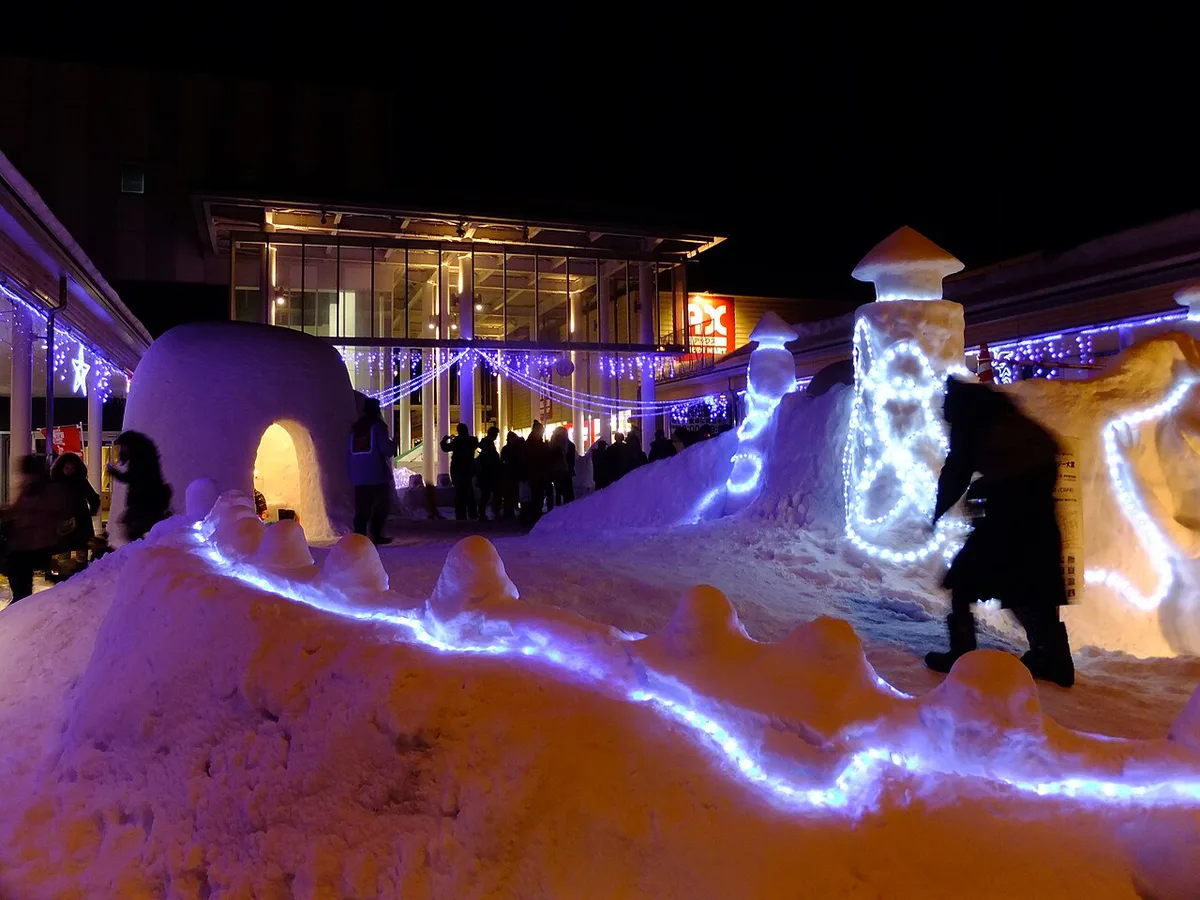
- Large kamakura huts: Enter the huts built near Yokote City Hall's Doro Park, share grilled mochi and amazake with the children hosting inside, and leave a small offering at the snow altar.
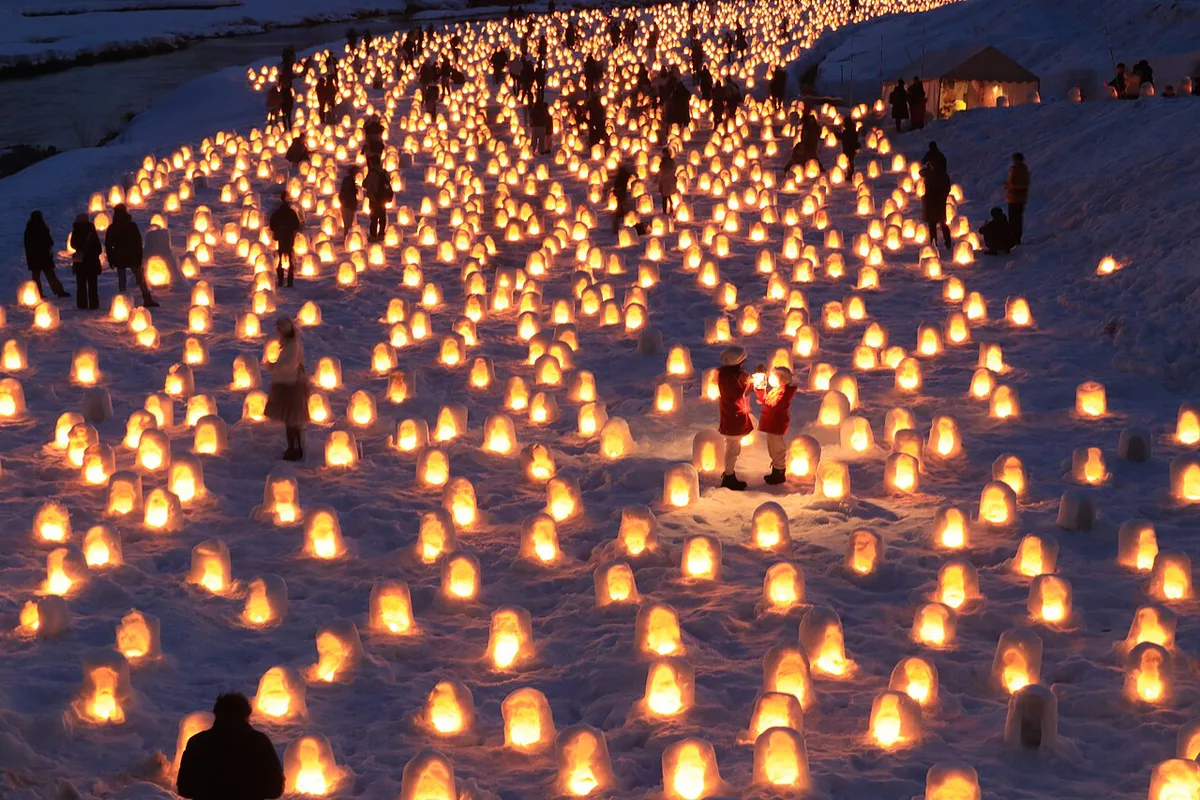
- Janosaki River mini-kamakura: Hundreds of lantern-sized snow huts line the riverbank, lit by candles from dusk. Arrive before 19:00 to see the display before the crowds peak.
- Yokote Castle observation deck: Its reconstructed 1960s keep opens specially during the festival, 10:00 to 21:00, for views over the illuminated town from the top-floor deck.
- Kamakurakan Hall: A year-round -10°C room preserves real snow huts, making this the best stop for visitors arriving before the evening illuminations begin.
Kamakura Etiquette: How to Accept an Invitation Inside
Each kamakura shelters a small altar to Suijin, the water deity honored throughout the festival. Children hosting the hut often call out Haitte tanse, meaning please come in, followed by Ogandetanse, meaning please pray. Step inside, face the snow altar, and offer a short prayer or a small coin as a gesture of respect. Hosts typically follow with grilled mochi and a cup of warm amazake, a low-alcohol sweet rice drink. Accepting the food is part of the exchange rather than an optional extra. A polite thank-you goes a long way with young hosts managing a busy evening. Photography inside the huts is generally welcome, but ask before pointing a camera directly at the children hosting.
Local Food to Try Beyond the Festival Stalls
Most festival food stalls cluster in the Hokkori Yokocho area near the main venues, an easy stop between kamakura visits.
- Yokote yakisoba: Thick noodles, a sweet-savory sauce, minced pork, and cabbage come topped with a fried egg and pickled red fukujinzuke on the side.
- Kiritanpo: Grilled skewers of pounded rice, often dipped in a savory miso glaze, rank among Akita's defining comfort foods.
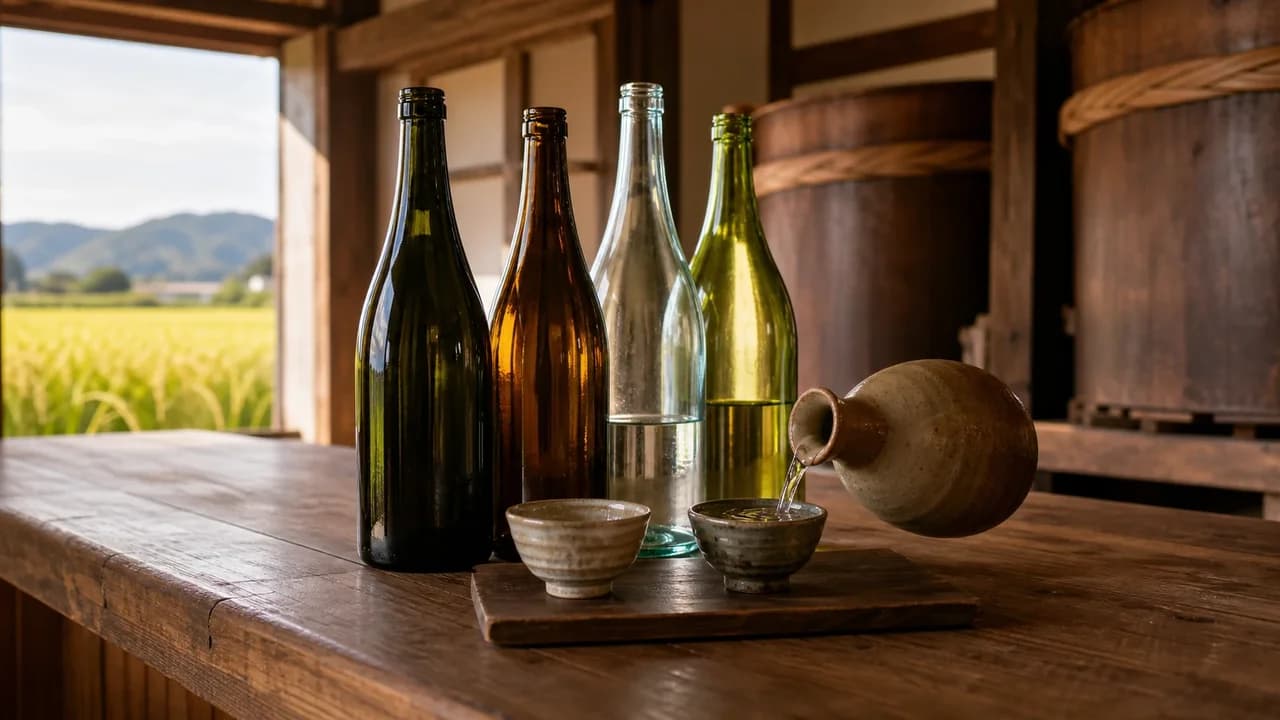
- Amazake: The warm, low-alcohol sweet rice drink served inside the kamakura huts is also sold hot at stalls for anyone skipping the hut visits.
- Mochi: Rice cakes grilled over charcoal braziers inside each hut are offered to visitors alongside amazake as part of the water-deity offering.
Day Trip or Overnight? Planning Your Yokote Visit
Yokote works as a day trip from Akita City, with last trains back typically running around 21:00 to 22:00 on festival nights. A day trip also leaves room to see other Akita City attractions before catching the afternoon train to Yokote. Staying overnight in Yokote or Omagari allows slower photography once crowds thin after 21:00, and it removes the pressure of catching a specific train home. Availability is the real trade-off. Festival-weekend hotels in both towns can sell out roughly six months ahead, so booking early matters more than for most Akita trips. A separate shuttle also reaches Kidogorobei Village, a cluster of preserved Edo- and Meiji-era houses away from the main festival crowds, for travelers with a full day to spend in Yokote. Travelers building a longer loop can fold the visit into a broader multi-day Akita itinerary. Pairing it with the Oga Peninsula's Namahage tradition adds a second dose of Akita winter culture to the same trip.
Festival dates can move by a day or two but require confirmation close to travel time; yet hotels sell out roughly six months ahead, demanding early reservations before final scheduling.
| Option | Best For | Trade-off |
|---|---|---|
| Day trip from Akita City | Simplicity, no lodging search | Last trains back around 21:00-22:00 limit late-night photography |
| Overnight in Yokote or Omagari | Night photography, less rush | Festival-weekend hotels can sell out roughly 6 months ahead |
Timing Tips and Mistakes to Avoid
Waterproof boots with real tread are not optional. Packed festival snow turns to ice by evening, and standard sneakers slip constantly. Arriving right at 18:00 misses the best light, since dusk photos of Yokote Castle against a darkening sky peak closer to 16:00. Layered clothing matters more than a single heavy coat, since walking between sites warms travelers while standing at the huts cools things down fast. Check Akita's winter weather patterns before packing for the trip. General cold-weather planning tips for Tohoku, including layering and regional transit passes, appear on the Japan National Tourism Organization site. Outside the festival, Yokote Castle keeps shorter hours, 9:00 to 16:30, and closes entirely from December through March in a typical year. Once the Kamakura Festival ends, Yokote's winter season keeps going with the Bonden Festival on February 17, when groups carry decorated ceremonial poles through the streets chanting Joyasa. For a fuller sense of how the two events and other regional dates line up, the Akita festival calendar maps the whole winter lineup. The festival also sits within a broader lineup covered in the Akita festivals guide.
The free loop bus starts at 17:40, but optimal Yokote Castle dusk photos peak around 16:00, so visitors arriving for evening illuminations must walk there early or photograph later.
Frequently Asked Questions
When is the Yokote Kamakura Festival held?
The festival traditionally runs February 15-16 each year. Recent scheduling has shifted slightly. The 2026 event took place February 13-14, and 2027 is planned for February 13-14 pending final confirmation from Yokote's tourism office. Because exact dates can move by a day or two, confirm them close to your travel dates.
How do you get from Tokyo to Yokote?
No direct train runs from Tokyo to Yokote. Take the Akita Shinkansen from Tokyo to Omagari Station, about 3.5 hours for around ¥17,500. From Omagari, transfer to the JR Ou Line for the 20-minute ride to Yokote Station, which costs about ¥350.
Can you visit the Yokote Kamakura Festival as a day trip from Akita City?
Yes, a day trip from Akita City is feasible. Last trains back typically run around 21:00 to 22:00 on festival nights, enough time to see the evening illuminations. Staying overnight in Yokote or Omagari instead allows more relaxed night photography once the crowds thin out.
What should you wear to the Yokote Kamakura Festival?
Waterproof boots with real tread are essential, since packed snow turns icy by evening. Layer clothing rather than relying on one heavy coat, since walking between sites warms travelers while standing at the huts cools them down. Warm gloves and a hat matter too, since evening temperatures in Yokote regularly drop well below freezing in February.
What is the etiquette for entering a kamakura snow hut?
Children hosting the hut typically call out Haitte tanse, meaning please come in. Step inside, face the small snow altar to the water deity, and offer a short prayer or a small coin. Hosts usually follow with grilled mochi and warm amazake, and accepting it is part of the custom rather than an optional extra.
Is Kamakurakan Hall worth visiting outside the festival dates?
Yes. Kamakurakan Hall stays open year-round, 9:00 to 17:00, for ¥100 admission, with a -10°C room that preserves real snow huts through summer. It closes December 29 through January 3 and for occasional maintenance, so travelers visiting outside February can still see kamakura up close.
Free: The Kamakura Essentials guide
Top things to do, where to stay, a perfect day plan, getting around, and the best time to go — a Kamakura mini-guide you can take offline.
You might also like

Continue reading
More guides you'll find useful