Best Time for Akita Festivals by Season: 2026 Calendar & Planning Guide
Find the best time for Akita festivals by season, from the Kanto Matsuri and Omagari Fireworks in August to Yokote's snow huts in February 2026.
On this page
Last updated August 2026, Akita's festival calendar splits sharply by season. Choosing the best time for Akita festivals by season mostly means picking between summer's scale and winter's quiet. Summer delivers the Akita Kanto Matsuri and Omagari Fireworks, while winter delivers the snow huts of Yokote and the paper lanterns of Semboku.
Best Time for Akita Festivals by Season: Quick Answer
Choose summer for high-energy nights and winter for quiet, atmospheric scenes. August packs Akita City's streets for the Kanto Matsuri and draws crowds south to Omagari for one of Japan's largest fireworks competitions. February moves the action to Yokote, Kamihinokinai, and the Oga Peninsula, where snow huts, paper balloons, and demon-mask processions replace summer's drumming and lantern poles. Japan's festival calendar peaks nationally in summer, and the Japan National Tourism Organization highlights Tohoku's matsuri season as one of the country's most distinctive travel windows. Compare all four seasons at a glance in the table below, from typical weather to booking windows. For year-round weather beyond festival dates, see this Akita weather guide. Every festival mentioned here also appears on the Akita festivals overview page.
| Season | Peak Months | Signature Festivals | Typical Weather | Booking Window |
|---|---|---|---|---|
| Winter | Early-to-mid February | Yokote Kamakura Festival, Semboku Paper Balloon Festival, Oga Namahage Sedo Festival | Cold and snowy, about -3°C to 3°C (27°F to 37°F) | About 1-2 months ahead |
| Spring | Late April-early May | Kakunodate Cherry Blossom Festival | Mild, about 10°C to 18°C (50°F to 64°F) | About 2-3 months ahead |
| Summer | Early-to-late August | Akita Kanto Matsuri, Omagari Fireworks | Hot and humid, about 24°C to 29°C (75°F to 84°F) | About 6 months ahead |
| Autumn | Late September-early November | Odate Kiritanpo Festival, Yokote Yakisoba and Chrysanthemum Festivals | Cool and crisp, about 12°C to 18°C (54°F to 64°F) | A few weeks ahead |
Summer in Akita: Kanto Matsuri and Omagari Fireworks
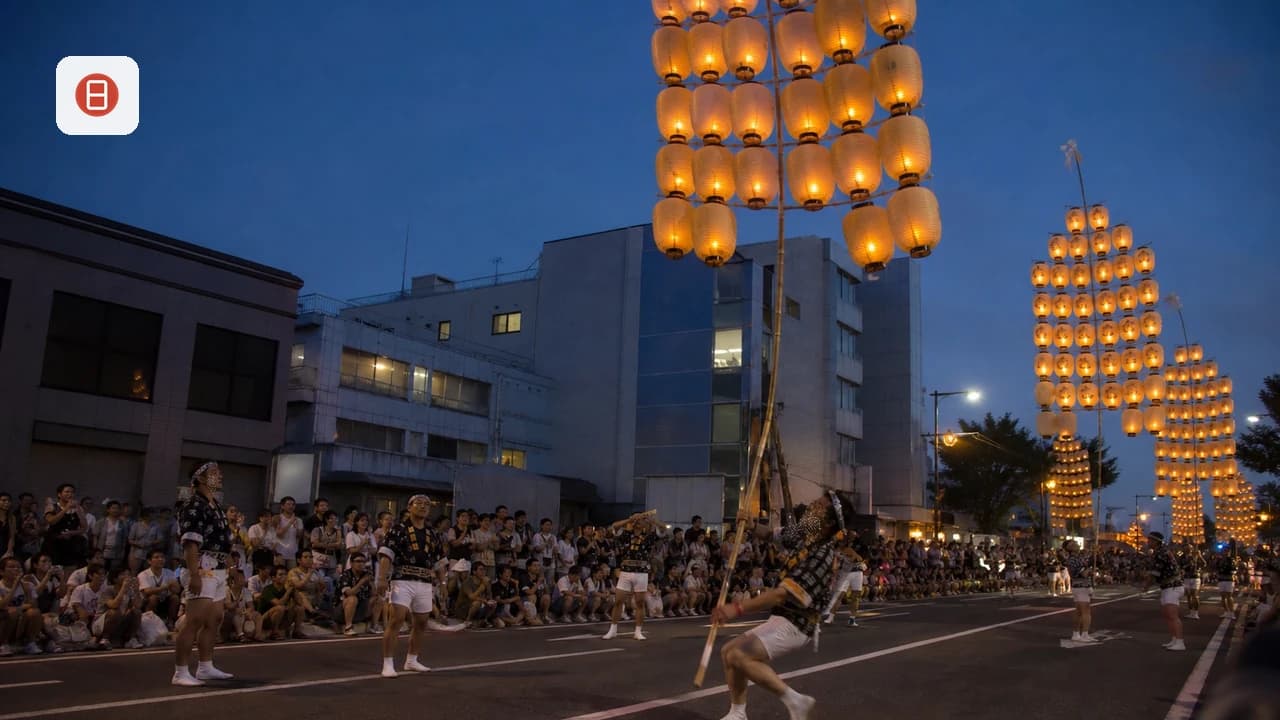
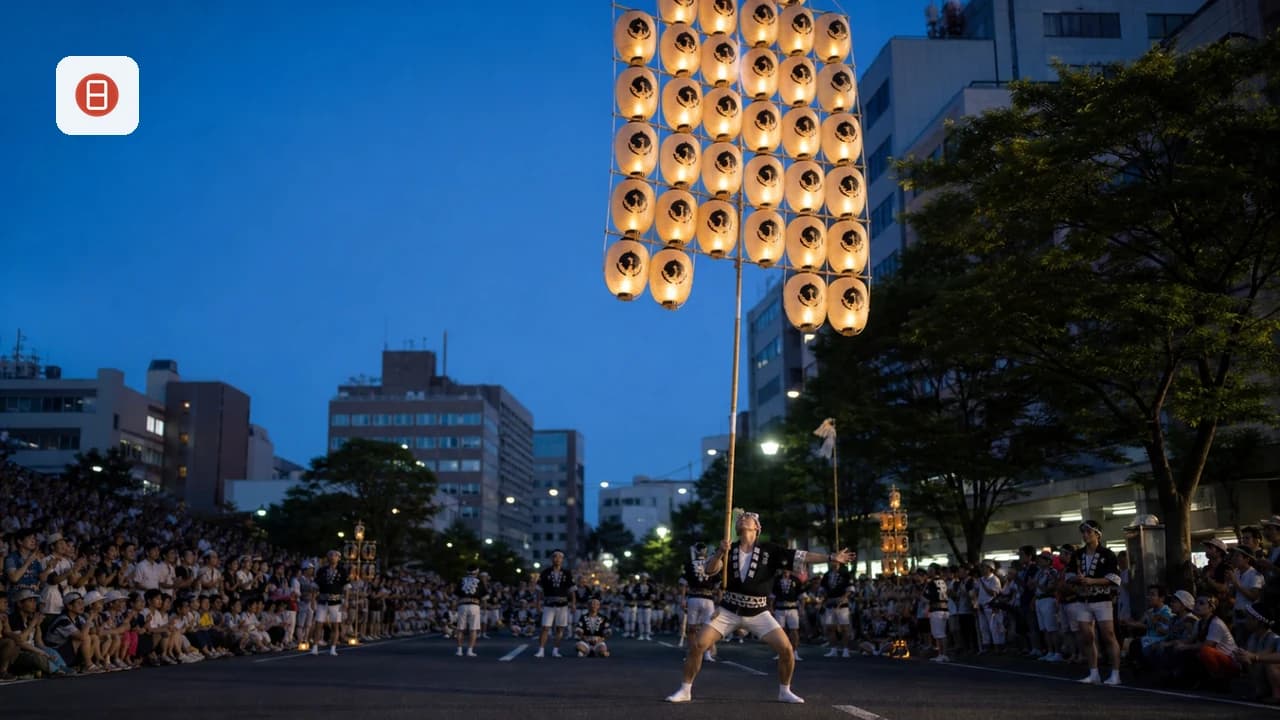
Akita's two signature summer festivals sit about three weeks apart, both centered on Akita City and nearby Omagari. Kanto Matsuri is a nationally designated intangible folk cultural asset built on roughly 270 years of practice balancing lantern poles on a palm, forehead, shoulder, or hip. Daytime Kanto offers closer viewing and stronger photo angles than the evening parade, since performers compete at close range rather than moving through a crowd. Omagari's fireworks competition draws a reputation travel writers often shorten to Japan's 'Olympics of Fireworks.' Both festivals suit travelers who want dense crowds, live taiko drumming, and food stalls running into the night. Akita Kanto Festival Travel Guide draws visitors from across the country every August. Omagari fireworks competition pulls a similar crowd about three weeks later. Getting to Akita City takes about four hours from Tokyo on the Komachi Shinkansen, which makes it the natural base for both events.
- Kanto Matsuri: August 3-6, evening performances 18:50-20:50 (main displays 19:15-20:35) on Kanto Odori Street
- Daytime Kanto (Display of Special Feats): August 4-6, 9:00-15:40, shifting to 9:20-15:00 on August 6, at Nigiwai Hiroba
- Owaka pole specs: 12 meters tall, 50 kilograms, 46 lanterns per pole
- Omagari Fireworks: last Saturday of August (August 29, 2026), over 100 years of history
Winter in Akita: Yokote Kamakura and the Snow Festivals
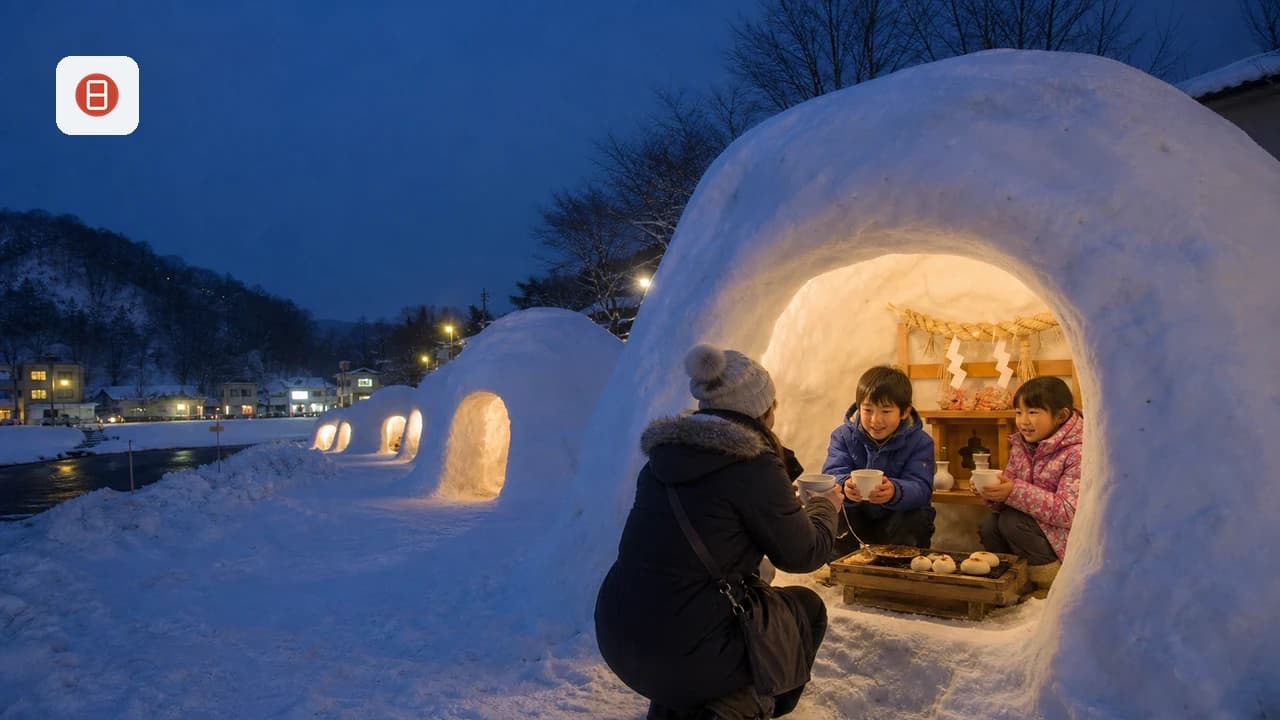
Winter shifts Akita's festival calendar away from Akita City itself, out toward Yokote, Kamihinokinai, and the Oga Peninsula. Yokote Kamakura Festival is a 400-year-old tradition of snow huts built along the town's streets and riverbanks, including a cluster of smaller kamakura at the Janosaki Riverbed. Dates are usually given as February 15-16, though some official listings show February 13-14, so confirm the current year's schedule before booking travel. Semboku Paper Balloon Festival lights up Kamihinokinai on February 10 each year, sending illuminated paper balloons into the night sky at no charge. Oga Namahage Sedo Festival, held on the Oga Peninsula in mid-February, centers on the region's demon-mask tradition, with performers in Namahage costume moving through torch-lit crowds. Daytime highs in Yokote during February often stay near 1°C (34°F), with lows dropping below -3°C (27°F), so heavy boots and layered outerwear matter more than a rain jacket. Heavy snowfall can also delay regional trains, so building a buffer day into a winter itinerary is worth the extra night's stay. Photographers and couples looking for a quieter, candlelit atmosphere tend to prefer this season over August's crowds and noise. Yokote Kamakura Festival guide covers hut-viewing spots and evening lighting times in more detail. Oga Namahage festival guide breaks down the peninsula's demon-mask traditions and how to reach the venue.
- Yokote Kamakura Festival: traditionally February 15-16 (confirm current dates; some listings show February 13-14)
- Semboku Paper Balloon Festival: February 10, Kamihinokinai, free entry
- Oga Namahage Sedo Festival: mid-February, Oga Peninsula
- Typical Yokote daytime temperatures: around 1°C (34°F) high, below -3°C (27°F) low
Spring and Autumn: Akita's Shoulder-Season Festivals
Spring and autumn trade festival intensity for comfortable weather and thinner crowds. Kakunodate Cherry Blossom Festival runs late April into early May, when weeping cherry trees line the town's preserved samurai district. Late-April afternoons there typically climb into the mid-teens Celsius, around 14°C (57°F), comfortable for walking the district's stone paths without winter gear. Autumn centers on food. Odate Kiritanpo Festival, held in mid-October, celebrates Akita's rice-harvest dish of pounded rice formed around a stick and grilled, alongside other regional cooking. Yokote adds its own autumn calendar with a yakisoba festival in late September and a chrysanthemum display running from late October into early November. Both events stay grounded in local food and craft traditions rather than the noise of Kanto or Omagari. Foodies and travelers avoiding summer's heat or winter's cold tend to favor these months. Akita itinerary guide can help sequence a shoulder-season trip around Kakunodate and Odate without wasted travel days.
- Kakunodate Cherry Blossom Festival: late April-early May, samurai district
- Odate Kiritanpo Festival: mid-October, rice-harvest food culture
- Yokote Yakisoba Festival: September 26-27, ¥2,000
- Yokote Chrysanthemum Festival: late October-early November, free entry
Getting Around: Akita City, Yokote, Omagari, and the Oga Peninsula
Akita City and Akita Prefecture are not the same trip. Kanto Matsuri happens inside Akita City, but Yokote's snow huts, the Semboku balloon launch, and Omagari's fireworks all sit in separate towns that require additional travel. Yokote and Omagari connect to Akita City by regional trains on the Ou Main Line. A festival day trip needs a return connection built into the schedule rather than assuming same-day proximity. Oga Peninsula, home to the Namahage Sedo Festival, sits on a separate rail and bus connection from the Yokote and Omagari direction. Pair it with a different day than the winter snow-hut circuit. Akita attractions guide can help fill gaps between festival dates with sights inside Akita City itself. Travelers combining several Tohoku stops sometimes use the JR East Tohoku Area Pass to offset ticket costs. Check current route coverage and validity dates before relying on it for the Ou Main Line legs to Yokote or Omagari.
When to Book: The Six-Month Rule for Akita's Big Festivals
Summer is the tightest booking window on Akita's festival calendar. Hotel rooms in Akita City for the Kanto Matsuri, and rooms near Omagari for its fireworks competition, often sell out roughly six months ahead of the event dates. Booking by February for an August trip is a reasonable target, especially for stays that include a weekend night. Winter festivals move faster and looser. A one-to-two-month booking window is usually enough for Yokote, Kamihinokinai, or the Oga Peninsula, though weekend dates around the Kamakura Festival fill first. Spring cherry blossom timing in Kakunodate shifts slightly year to year with bloom conditions, so a two-to-three-month window balances flexibility with securing a room in the samurai district itself. If Akita City sells out for peak summer nights, Omagari itself or Morioka, both reachable by Shinkansen, work as overflow bases with a short return trip on festival evenings. Check the Akita Prefectural Government event calendar each year, since a handful of festival dates shift by a day or two.
Summer festivals demand about 6 months ahead, yet winter's Yokote alternative needs just 1-2 months notice despite sitting 80 to 100 minutes away by train from Akita City.
- Summer (Kanto Matsuri, Omagari Fireworks): rooms often sell out about 6 months ahead
- Winter (Yokote, Semboku, Oga): far less pressure; a few weeks ahead is usually enough
- Spring (Kakunodate): book once bloom forecasts firm up, roughly 2-3 months out
- Autumn (Odate, Yokote food festivals): the lightest booking pressure of the year
Budgeting for Akita Festivals: Grandstand Seats vs Free Viewing
Watching Akita's festivals from the street costs nothing in every season. General viewing for the Kanto Matsuri, the Omagari fireworks, and every winter and shoulder-season festival covered here is free. Grandstand seating for the two biggest summer events is the one paid option, running roughly ¥3,000 to ¥5,000 or more depending on row and date. That premium buys a guaranteed sightline for the Kanto Matsuri's evening performances or a reserved view of Omagari's fireworks, both worth the cost if a fixed seat matters more than mobility. Winter festivals carry no comparable paid tier. Semboku Paper Balloon Festival, for example, is free entry with no reserved-seating option at all. Budget travelers can skip grandstand seats entirely and still see the full Kanto Matsuri parade or Omagari's fireworks from public viewing areas along the route, arriving early enough to claim a spot.
Mistakes to Avoid When Timing an Akita Festival Trip
A few planning mistakes show up repeatedly among Akita festival travelers. Treating Yokote or Kamihinokinai as a short hop from Akita City is the most common one, when both actually require a separate regional train trip on the Ou Main Line. Booking Shinkansen seats at the last minute during the August Obon period is another, since trains toward Tohoku run full and walk-up seats can disappear entirely on peak dates. Skipping Daytime Kanto in favor of only the evening parade means missing the closer viewing and stronger photo angles the daytime display offers at Nigiwai Hiroba. Assuming every Akita Prefecture festival sits inside Akita City itself is the mistake underneath most of the others, worth correcting before building any festival-season itinerary.
- Underestimating travel time between Akita City and Yokote or Kamihinokinai
- Booking Shinkansen seats late during the August Obon travel period
- Skipping Daytime Kanto (9:00-15:40, August 4-6) in favor of only the evening parade
- Assuming Akita City and Akita Prefecture festivals share one location
Festival Travel Times from Akita City
Plan festival days around actual rail travel, not just a prefecture map. Akita City is a practical base for Kanto Matsuri, but several major events need early departures and checked return connections.
- Omagari: Allow about 35 to 45 minutes by Komachi Shinkansen from Akita Station. Local Ou Main Line services take longer.
- Yokote: Allow roughly 80 to 100 minutes on the Ou Main Line. The Kamakura Festival is manageable as a day trip, but winter weather can disrupt the schedule.
- Kamihinokinai: Allow around 2.5 hours via Kakunodate and the Akita Nairiku Line for the Semboku Paper Balloon Festival. Confirm the final train before the evening launch.
- Oga Peninsula: Allow about one hour by JR Oga Line to Hadachi, then additional time for the festival shuttle or local bus to the Namahage Sedo Festival venue.
For Omagari fireworks, consider staying nearby after the event. Late-night crowds and limited trains make a same-night return to Akita City less flexible than the daytime timetable suggests.
Frequently Asked Questions
What is the best time for Akita festivals by season?
Summer, specifically early August, delivers the highest-energy festivals. Kanto Matsuri runs August 3-6, and Omagari Fireworks follow on the last Saturday of the month. Winter, especially mid-February, offers a quieter alternative built around Yokote's snow huts and the Semboku Paper Balloon Festival. Choose summer for scale and crowds, and choose winter for a slower, snow-lit pace.
When should you book accommodation for the Akita Kanto Matsuri?
Aim to book roughly six months ahead of the August dates, since Akita City hotel rooms for Kanto Matsuri week fill up early. That same six-month window applies to Omagari during fireworks weekend. Booking by February for an August trip is a safe target.
Is the Yokote Kamakura Festival free to attend?
Yes, general viewing of the snow huts is free, including the smaller kamakura at the Janosaki Riverbed. Dates are traditionally given as February 15-16, though some official listings show February 13-14. Confirm the current year's schedule before booking travel.
How do you get from Akita City to Yokote or Omagari?
Both towns connect to Akita City by regional trains on the Ou Main Line, not by a short local hop. Build a return connection into the schedule rather than assuming a quick same-day trip. The Getting to Akita guide covers the Komachi Shinkansen route from Tokyo before the regional legs.
What should you pack for Akita's winter festivals?
Pack heavy boots, insulated layers, and hand warmers, since daytime highs in Yokote during February often stay near 1°C (34°F) with lows below -3°C (27°F). Heavy snowfall can also delay regional trains, so build a buffer day into a winter festival itinerary.
Free guide: Japan's Hidden Gems
12 under-the-radar places beyond Tokyo & Kyoto — with the best season to visit each and a local tip you won't find in the guidebooks.
You might also like


Continue reading
More guides you'll find useful