Summer Festivals in Tokyo: A Month-by-Month 2026 Guide
Plan summer festivals in Tokyo month by month, from Tanabata and Sumida River Fireworks to Awa Odori and shrine processions, with 2026 dates and yen prices.
On this page
Last updated August 2026, this guide to summer festivals in Tokyo covers the July-through-September matsuri calendar in practical detail. Expect specific dates, arrival times, and yen prices for headline events, from Tanabata's paper wishes to the Sumida River's fireworks. Tokyo's summer heat is real, so each section below pairs a festival with the logistics needed to enjoy it.
Summer Festivals in Tokyo: What to Know Before You Go
Summer in Tokyo runs hot and humid from July through September, and the festival calendar tracks the same arc. GO TOKYO's official summer guide describes routinely intense July heat, summarized below. Heat builds further through August before September's nights begin to cool, though typhoon risk rises that month, and evenings stay muggy well after sunset even once daytime highs ease. A cotton yukata is the simplest way to dress for a matsuri without renting formal kimono. Wrap the left side over the right, secure the sash at the back, and expect a slower, shuffling pace in geta sandals. Rental counters cluster near major festival grounds in neighborhoods like Asakusa, and department stores stock ready-made sets through the summer. A fuller month-by-month breakdown of when to fly in sits in the Best Time To Visit Tokyo Month By Month 2026 guide. Spring's cherry blossom crowds are a useful comparison for the crush at Tokyo's biggest matsuri. Coverage of that earlier peak lives in the 11 Best Spots and Timing Tips for Tokyo Cherry Blossoms 2026. Tokyo's matsuri season effectively opens in mid-June with Sanno Matsuri, held annually June 7 through 17. That festival runs just ahead of the July-to-September stretch covered here. Its own details live in the Sanno Matsuri guide.
- Average July temperature: 28.4°C (83.1°F)
- Typical July highs: 33.2°C (91.7°F)
- Multi-day stretches above 30°C (86°F), with 25.5 mm of average July rainfall
- Sensu (folding fan) and a tenugui (thin cotton towel) for quick cooling between events
- A UV-protective folding umbrella for sudden showers and strong summer sun
- A light jacket for indoor spaces, since air conditioning creates sharp temperature swings
- A refillable water bottle; convenience stores near festival grounds sell cold drinks block by block
July Festivals: Tanabata Wishes and the First Fireworks
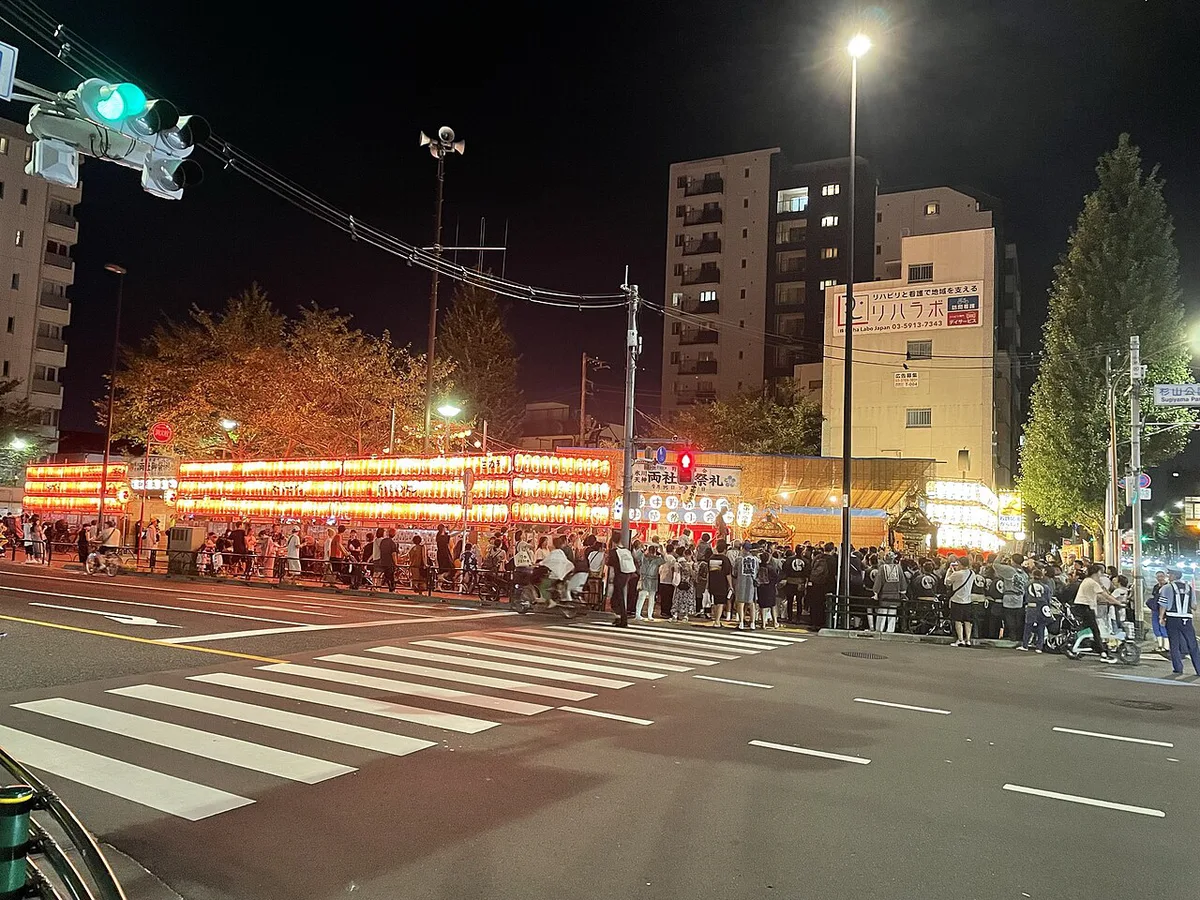
July opens Tokyo's matsuri season with wish-writing, lantern markets, and the city's most famous fireworks display. Festivals repeat on a similar schedule most years, though exact days can shift. This year's Sumida River Fireworks Festival already took place by late July 2026. The next edition is scheduled for late July 2027, with free general entry. Free riverside viewing for that show fills fast, so arriving in Asakusa well before the evening start matters more than for almost any other event. A full rundown of the year's other pyrotechnic displays sits in the Tokyo fireworks festivals guide.
- Tanabata Matsuri (around July 7): Write wishes on tanzaku strips and tie them to bamboo at Shitamachi Tanabata Matsuri or the Zojoji Tanabata Festival, then carry them to Tokyo Daijingu Shrine for prayers.
- Iriya Morning Glory Festival (Asagao Matsuri): About 30 stalls sell morning glory plants descended from nearly 1,000 locally cross-pollinated varieties, alongside roughly 100 general festival stalls.
- Japanese Lantern Plant Fair (Hozuki-ichi, July 9-10): Held at Sensoji Temple, where visiting on these two days is said to bring 46,000 days' worth of blessings.
- Kingyo Matsuri (Goldfish Festival): Edogawa City celebrates its namesake goldfish with scooping competitions, and the nearby Sumida Aquarium inside Tokyo Skytree Town displays around 15 goldfish varieties.
- Kagurazaka Matsuri: A lantern-plant market fills the grounds of Bishamonten Zenkokuji Temple with yatai food stalls, followed by Awa-odori dance performances on a sloped street.
- Sumida River Fireworks Festival: Tokyo's most-attended fireworks show, drawing about 950,000 spectators to watch close to 20,000 fireworks over the Sumida River in Asakusa.
- Tachikawa Showa Kinen Park Fireworks: Shakudama shells bloom roughly 400 meters wide here, inside a juried showcase of nationally competitive fireworks designs.
- Kiyose Sunflower Festival: Around 100,000 sunflowers fill a 24,000-square-meter field, Tokyo's largest sunflower display.
August Festivals: Bon Odori and Peak Heat
August is Obon season, when families traditionally honor ancestors and neighborhoods fill with dance. Bon Odori dancing is said to welcome ancestral spirits home, and Tokyo's largest versions turn into citywide street parties. That Asakusa mikoshi tradition gets full coverage in the Sanja Matsuri guide. Standalone concerts running alongside the matsuri circuit round up in the Tokyo Music Festivals 2026: The Ultimate Planning Guide.
- Koenji Awa Odori (August 29-30, 2026): More than 150 dance groups parade Koenji Station's Pal shopping arcade, Koenji Junjo Shotengai, and Konan street. Dancing starts at 5pm both days, so arrive well before then for a sightline.
- Asakusa Samba Carnival (August 29, 2026): About 14 samba teams parade Umamichi-dori and Kaminarimon-dori from 1pm near Sensoji's Nitenmon Gate. The event draws roughly half a million spectators, and selfie sticks, chairs, and tripods are barred from viewing areas.
- Tokyo Otsuka Awa Odori (August 28-29, 2026): Running since 1972, the main parade fills Minamiotsuka-dori in front of JR Otsuka Station's east exit from 4pm on the Saturday.
- Fullmetal Alchemist x Yomi no Tsugai Exhibition: A one-time 2026 show at Matsuya Ginza, on view August 13 through September 2, and not an annual fixture.
September Festivals: Shrines, Sumo, and Cooler Nights
September trades street dancing for shrine processions, sport, and indoor culture as nights start to cool.
- Kaminarimon Bon Odori (September 5, 2026): Dancers in yukata circle a lantern-decorated yagura turret near Sensoji's Kaminarimon Gate, across three 30-minute sessions between 5:30pm and 8pm.
- Kitazawa Hachiman Shrine Festival (September 5-6, 2026): More than 20 mikoshi parade through Shimokitazawa on the main day, Sunday. Children carry the first shrines to the precinct by noon, adults follow around 1pm, and a ceremonial ritual closes the day at 2:30pm.
- Chofu Fireworks (September 12, 2026): About 10,000 rockets launch over roughly an hour starting 6:15pm, some choreographed to music along the Tama River. Reserved seating runs ¥4,500 for floor seats at Dentsu University Field and ¥6,000 at Keio Tamagawa, while free non-reserved riverbank space clusters near Keio Tamagawa Station.
- September Grand Sumo Tournament (September 12-27, 2026): Top-division bouts fill the Kokugikan daily during this run, and popular weekend sessions are worth booking well ahead.
- Tokyo Game Show (September 18-21, 2026): This gaming showcase sits across the prefecture line in Chiba's Makuhari district, with general admission priced at ¥3,000.
Season Comparison: July vs. August vs. September
Weather and crowd energy shift noticeably across the three months, so match a trip to the mood wanted.
| Month | Weather | Signature Festivals | Atmosphere |
|---|---|---|---|
| July | Average 28.4°C (83.1°F); highs to 33.2°C (91.7°F); 25.5 mm average rainfall | Tanabata Matsuri, Sumida River Fireworks, Hozuki-ichi | Rainy-season tail into peak heat; fireworks crowds fill Asakusa |
| August | Tokyo's hottest month, per GO TOKYO's seasonal guide, with heat regularly above 30°C (86°F) | Koenji Awa Odori, Asakusa Samba Carnival, Tokyo Otsuka Awa Odori | Peak Obon dancing season; dense street crowds citywide |
| September | Nights begin to cool, though typhoon risk rises | Kitazawa Hachiman Shrine Festival, Chofu Fireworks, Grand Sumo Tournament | Shift from street dancing to shrine processions and indoor culture |
Which Tokyo Summer Festival Fits Your Trip
Budget, crowd tolerance, and photo priorities point toward different events.
| Festival | Best For | Cost | Crowd Level (Editorial Assessment) |
|---|---|---|---|
| Sumida River Fireworks | First-time visitors wanting the signature show | Free riverside viewing; limited paid seating where available | Heavy, with about 950,000 attending annually |
| Chofu Fireworks | Visitors wanting fireworks with more breathing room | Free riverbank spots; reserved seats ¥4,500-¥6,000 | Moderate, in our editorial assessment |
| Koenji Awa Odori | Dance photography and street-level energy | Free | Heavy, in our editorial assessment |
| Kitazawa Hachiman Shrine Festival | Neighborhood atmosphere and mikoshi photos | Free | Light to moderate, in our editorial assessment |
| Tokyo Racecourse Fireworks | Music-paired fireworks with reserved options | ¥5,000-¥50,000 | Moderate, in our editorial assessment |
Practical Planning: Where to Stay, Getting Around, and Budgeting
Basing near one festival hub cuts down on transit during the busiest nights. Asakusa concentrates the most events in one area: Sumida River Fireworks, Asakusa Samba Carnival, Kaminarimon Bon Odori, and the Hozuki-ichi lantern fair all sit within walking distance of Sensoji Temple. Koenji suits visitors who prioritize street-dance atmosphere over fireworks. Shimokitazawa works well for a September base, putting the Kitazawa Hachiman Shrine Festival within walking distance. Most street festivals cost nothing to attend, from Bon Odori dancing to shrine processions and lantern markets. Fireworks are where spending diverges. Free non-reserved riverbank viewing exists at nearly every show, but reserved seating runs from ¥4,500 at Chofu's Dentsu University Field up to ¥50,000 for premium seats at Tokyo Racecourse Fireworks. Yatai food-stall snacks add modest, cash-only costs on top of whichever viewing option gets chosen. More no-cost days between festivals fill out the 15 Best Free Things to Do in Tokyo 2026 guide. Daytime sightseeing pairs naturally with the Tokyo Trip Planner 2026: Attractions, Neighborhoods and Itineraries guide.
Sumida River's 950,000 spectators enjoy free viewing, while other shows charge ¥5,000-¥50,000 for reserved seating.
- An IC card such as Suica or Pasmo covers trains, buses, and konbini purchases without paper tickets at every gate.
- Stations near major fireworks shows see a sharp crowd surge the moment the show ends, including JR Otsuka Station's east exit, Tobu Asakusa Station, and Keio Tamagawa Station.
- Leaving before a finale's last few minutes, or waiting out the initial rush at a nearby stall, both beat standing in a packed station entrance.
Final Tips for Enjoying Tokyo's Matsuri Season
Tokyo's summer festival season rewards flexible planning more than a rigid itinerary. Check each event's official site or social channels close to the date, since exact times and locations can shift year to year even for long-running festivals. Pack for heat, book fireworks seating early if reserved seats matter, and treat a sudden downpour as part of the experience rather than a reason to cancel plans. The complete year-round calendar beyond summer continues in the Tokyo Events 2026: Festival Calendar & Dates guide.
July highs reach 33.2°C (91.7°F); yukata wearers need extra indoor cooling breaks since the heavy fabric and geta sandals slow movement.
Build a Cooling-Break Plan Around Each Festival
Fans and cold drinks help, but Tokyo’s summer heat calls for planned indoor breaks. Do not wait until you feel unwell. Choose a nearby air-conditioned stop before joining a crowded procession or claiming a fireworks spot.
- In Asakusa, use the Asakusa Culture Tourist Information Center or Tokyo Skytree Town for a break before heading to the river or Sensoji area.
- For Koenji Awa Odori, arrive early, eat and cool down near Koenji Station, then move to the parade route shortly before the dancers begin.
- Check the relevant ward website for designated cooling shelters during heat alerts. Opening hours and eligibility can vary by location.
Carry water, but also include electrolytes after long periods outside. Convenience stores can become crowded near headline events, so buy supplies before reaching the busiest streets. If you wear a yukata, schedule extra time indoors. The layered fabric and geta sandals make walking and cooling down slower than in light everyday clothing.
Frequently Asked Questions
Is July a good time to visit Tokyo for festivals?
July works well for culture, since Tanabata and the Sumida River Fireworks Festival both fall in the month. Comfort is the trade-off. GO TOKYO's own guide notes average temperatures of 28.4°C (83.1°F) with highs to 33.2°C (91.7°F). Pack light layers and plan indoor breaks between events.
Are Tokyo's summer festivals free to attend?
Most street festivals, dances, and shrine processions cost nothing to watch, including Koenji Awa Odori and the Kitazawa Hachiman Shrine Festival. Fireworks work differently. Free non-reserved riverside viewing exists, but reserved seats run from ¥4,500 at Chofu up to ¥50,000 at Tokyo Racecourse Fireworks. Street food at yatai stalls is the main cash expense either way.
What should you wear to a Tokyo summer festival?
A cotton yukata is the standard festival outfit and is widely available to rent near major venues. Breathable linen or cotton clothing works just as well if you skip the yukata. Bring a sensu fan and a tenugui towel regardless of what you wear, since both help manage the heat.
When is the Sumida River Fireworks Festival and how early should you arrive?
The show traditionally falls in late July, drawing around 950,000 spectators to watch close to 20,000 fireworks over the river in Asakusa. Free viewing spots fill hours ahead of the evening start given that attendance. Arriving early, or choosing a less crowded show like Chofu Fireworks or the Tachikawa Showa Kinen Park Fireworks instead, both cut down on the wait.
How do you get home after a fireworks show without getting stuck?
Stations next to major fireworks shows see a sharp crowd surge the moment the finale ends. An IC card like Suica or Pasmo speeds up the gate line considerably. Leaving before the very last few minutes, or waiting at a nearby stall until the initial rush clears, both help you avoid the worst of the station crush.
Should you pick the main Sumida River show or a smaller fireworks display?
The Sumida River show delivers the biggest scale, with close to 20,000 fireworks and roughly 950,000 attendees sharing the riverbank. Chofu Fireworks trades some scale for more personal space, with reserved seats from ¥4,500 and free riverbank spots near Keio Tamagawa Station. Tachikawa's Showa Kinen Park fireworks add wide-open sightlines and shakudama shells that bloom about 400 meters wide, a good middle option between the two.
Free: The Tokyo Essentials guide
Top things to do, where to stay, a perfect day plan, getting around, and the best time to go — a Tokyo mini-guide you can take offline.
You might also like


Continue reading
More guides you'll find useful