Shibuya at Night: Best Views, Bars, and Last-Train Logistics (2026 Guide)
Plan Shibuya at night: Shibuya Sky views 237 meters up, Nonbei Yokocho bars, Mega Don Quijote after 11 PM, and when the last train leaves.
On this page
Last updated September 2026, Shibuya at night trades daytime crowds for neon signage and giant video screens lighting up Shibuya Scramble Crossing. Vantage points range from street level to a 237-meter observation deck, and alleys, arcades, and 24-hour stores keep the district busy long after Shinjuku quiets down. This guide maps the best viewing spots, after-dark hubs, and last-train timing that catches first-time visitors off guard.
Shibuya at Night: The Neon-and-Vertical Energy That Sets It Apart
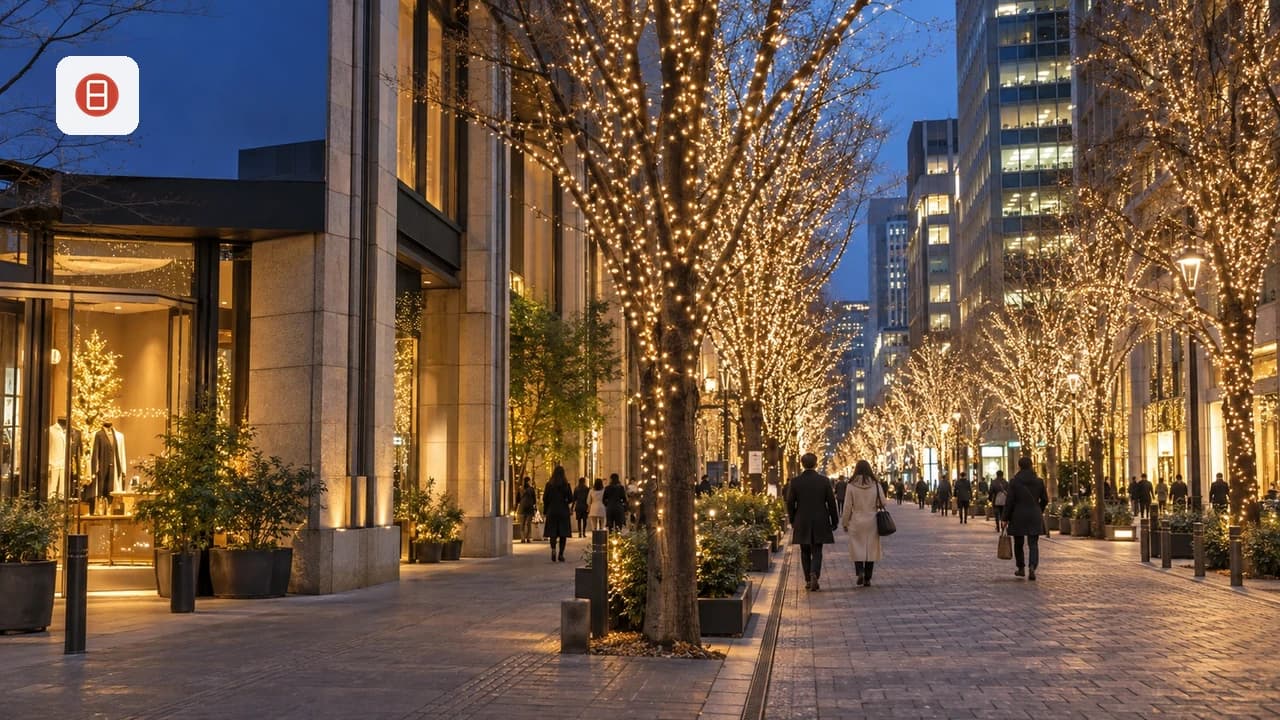
Shibuya packs bars, shops, and restaurants into buildings that stack up to 10 floors, turning single blocks into vertical nights out. Neon signage and jumbo screens frame Shibuya Scramble Crossing. Ongoing redevelopment has added Shibuya Stream and Shibuya Sakura Stage to the skyline in recent years. Shinjuku leans grittier and business-focused, built around Golden Gai's tiny stand-up bars; Shibuya skews younger, fashion-driven, and glossier by comparison. For a side-by-side comparison of the two districts after dark, see the Shinjuku nightlife guide. Travelers assembling a longer Tokyo night can start with the citywide after-dark guide. Those curious about Golden Gai's tiny bars specifically can check the Golden Gai guide.
At a Glance: Where to Go for Each Kind of Shibuya Night
Four core decisions shape most Shibuya nights, and the table below lines up cost and timing for each one. Ticket prices alone range from ¥2,200 to ¥2,500 for Shibuya Sky's standard time slots, which makes it worth weighing against the free vantage points covered next.
Shibuya Sky requires booking about 4 weeks ahead for sunset slots, but Mag's Park and Mark City walkways offer free viewing alternatives without reservations needed.
| Feature | Best For | Cost | Pro Tip |
|---|---|---|---|
| Shibuya Sky | Panoramic views and Mount Fuji silhouettes | ¥2,200–¥2,500 | Book the sunset slot about 4 weeks ahead |
| Nonbei Yokocho | Retro, Showa-era drinking in tiny bars | Mid-to-high, plus cover charges | Best for groups of 1–2; most bars seat only 5–6 people |
| Mega Don Quijote | Late-night souvenir hunting | Budget | Open 24 hours; go after 11 PM to dodge the heaviest crowds |
| Miyashita Park (Shibuya Yokocho) | Food halls and rooftop chilling | Variable by stall | Head to the ground-floor Shibuya Yokocho for regional dishes |
Where to See Shibuya Crossing After Dark
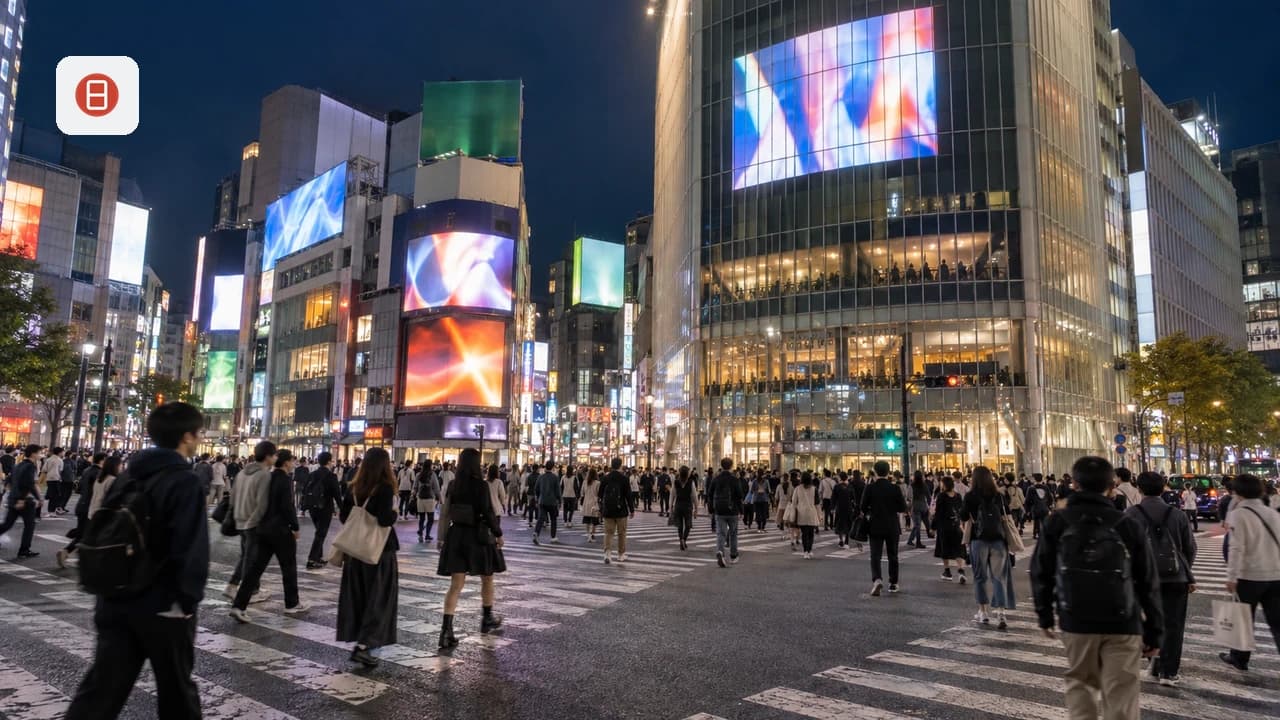
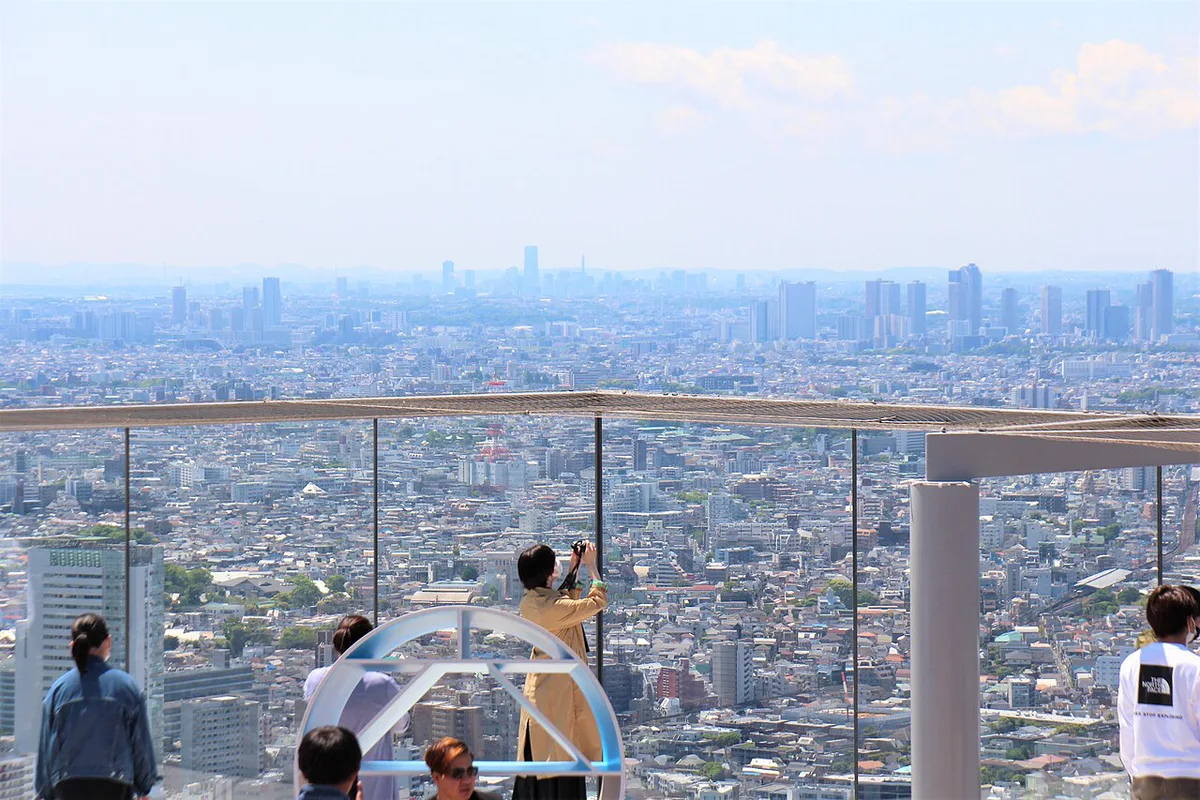
Shibuya Sky sits atop Shibuya Scramble Square, 237 meters above the crossing, and tickets run ¥2,200 to ¥2,500 depending on date and time slot. Its official site recommends booking the sunset slot roughly four weeks in advance, since that window sells out first. Shibuya Scramble Square itself rises 47 floors and holds more than 200 shops and restaurants, so Shibuya Sky sits on top of a much larger vertical mall. Budget-minded visitors can skip the ticket line entirely. For the full breakdown of tickets, floors, and photo spots, see the Shibuya Sky Guide 2026: Tickets, Sunset Timing & Rooftop Rules. Mark City's walkway view also appears in the free things to do in Tokyo guide. Crossing on foot delivers the classic Shibuya moment, especially on Friday and Saturday nights when foot traffic peaks and the screens sync their advertising loops. Up to 3,000 pedestrians cross on a single green light. Time a walk-through for photos around a gap in the surge instead of fighting through the middle of it. The Hachiko Exit at Shibuya Station, named for the statue just outside, is the easiest landmark to navigate toward before crossing.
- Mag's Park's rooftop terrace beside the Magnet building — free
- Shibuya Mark City walkway — free elevated view over the crossing
- L'Occitane Café — price of a coffee for a window seat
Shibuya's Nightlife Hubs: Nonbei Yokocho, Dogenzaka, and Center Gai
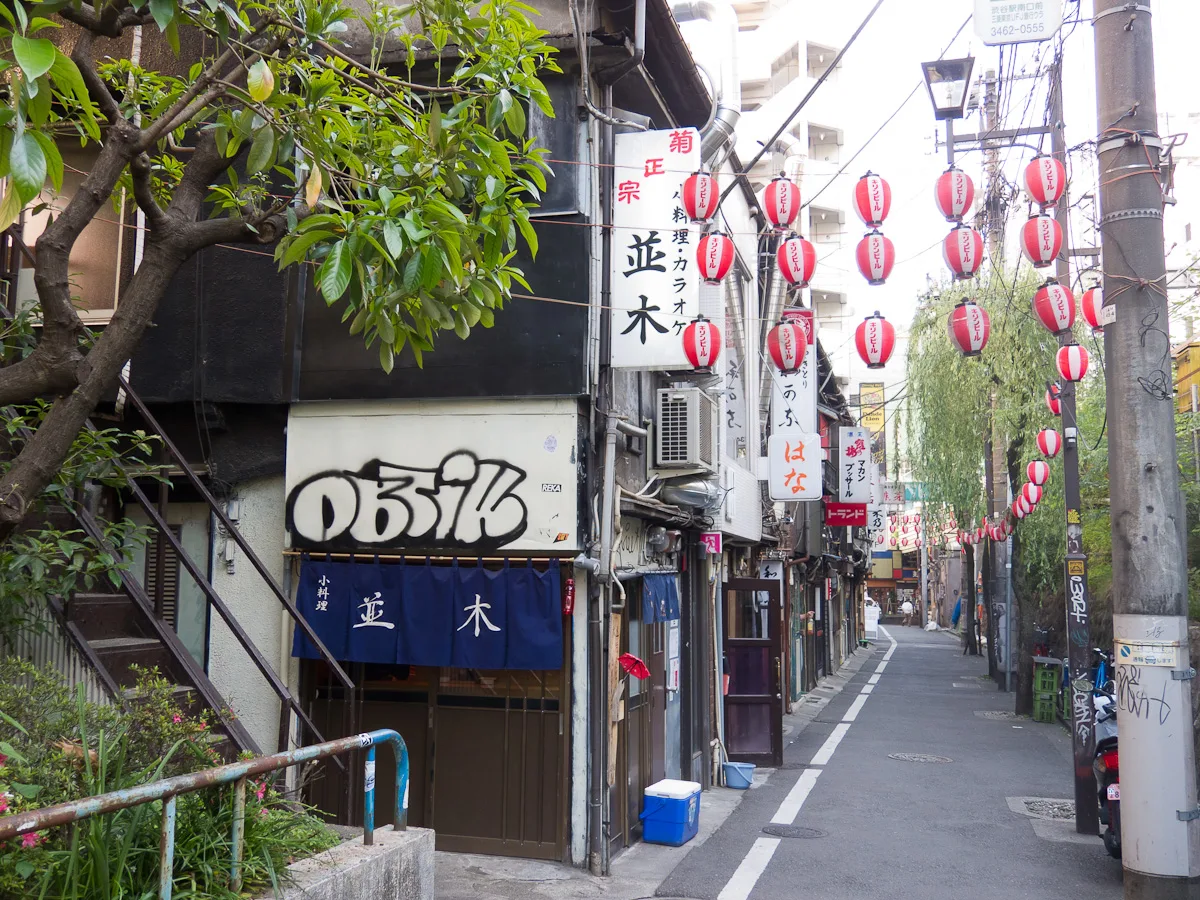
Nonbei Yokocho, or Drunkard's Alley, dates back to the 1950s and still runs narrow lanes of tiny bars squeezed beneath the elevated train tracks. Most of these bars seat only 5 to 6 people, so groups of 1 to 2 fit best. Many also charge an otoshi, a small seated cover charge that typically arrives with a starter snack. Dogenzaka, also called Love Hotel Hill, mixes love hotels with nightclubs such as WOMB and Contact, plus a scatter of live-music venues. Touts sometimes call out near the clubs; the simplest response is to keep walking without engaging. Center Gai stays the most photo-friendly strip after dark, filled with vertical neon signage, a 3D panda screen, and steady foot traffic. It works well for street photography and people-watching. For broader etiquette on tipping, queuing, and cover charges across the city's bar scene, see the Tokyo nightlife guide.
Late-Night Dining and Shopping in Shibuya
Miyashita Park reopened in July 2020 after a major renovation. Its ground floor now houses Shibuya Yokocho, an indoor laneway of stalls serving regional dishes from across Japan. Beyond the park, Shibuya's basement levels and side streets hide standing sushi counters and small ramen shops that rarely show up on English-language maps. Mega Don Quijote stays open 24 hours and stocks seven floors of clothing, snacks, electronics, and souvenirs, including a wall of Kit-Kat flavors popular as gifts. Arriving after 11 PM avoids the heaviest crowds, since the store draws a dinner-hour rush from nearby bars and offices.
Late-night shopping at Mega Don Quijote clears after 11 PM, but finish before 12:00 AM and 12:30 AM when most trains stop running, or budget for a pricey taxi instead.
Quieter Nighttime Entertainment: Planetarium, Comedy, and Karaoke
Cosmo Planetarium Shibuya offers a lower-key alternative to bar-hopping, with evening star shows on a rooftop dome above the ward office. Comedy fans can catch English-language sets at Tokyo Comedy Bar in Dogenzaka or at Yoshimoto Mugendai Dome in Udagawacho. Advance listings for Dogenzaka comedy nights have run from around ¥3,000, though showtimes and lineups change often enough to confirm before heading out. Karaoke chains including Big Echo and Karaoke Kan rent private rooms by the hour. Many offer all-night packs for groups planning to sing past the last train. Screens run English-language song catalogs and let groups order drinks and snacks straight to the room.
Getting to Shibuya and Managing the Last Train
Four train networks converge at Shibuya Station. From Tokyo Station, the Yamanote Line takes 26 minutes and costs ¥200. Haneda Airport's fastest train route runs about 40 minutes via the Keikyu Main Line and a transfer to the Yamanote Line, for a combined ¥470. A direct taxi takes under 30 minutes in light traffic. For broader Tokyo transit planning beyond Shibuya, the GoTokyo official tourism site keeps current route and fare information. Most lines, including the Yamanote and Ginza, stop running for the night somewhere between 12:00 AM and 12:30 AM. Final departures can fill up fast on weekend nights. Missing that window still leaves options. Nighttime exploration around Shibuya Station and Center Gai feels comfortable for most visitors. Some touts operate near the clubs on Dogenzaka, and the simplest response is to keep walking and skip unlicensed offers.
| Starting Point | Route | Time | Cost |
|---|---|---|---|
| Tokyo Station | JR Yamanote Line | 26 minutes | ¥200 |
| Haneda Airport (train) | Keikyu Main Line to Shinagawa, transfer to JR Yamanote Line | About 40 minutes | ¥470 |
| Haneda Airport (taxi) | Direct taxi | Under 30 minutes (traffic-dependent) | Fare varies |
- JR Yamanote Line
- Ginza Line
- Hanzomon Line
- Fukutoshin Line
- Capsule hotels around Shibuya Station often have same-night vacancies
- Several cafes stay open 24 hours for a cheaper wait
- A taxi back to central Tokyo remains reliable, though pricier than the train
Mistakes to Avoid on a Shibuya Night Out
A few planning slips account for most frustrated Shibuya nights, and each is avoidable with a bit of preparation. Shibuya works well as one stop on a longer Tokyo night, and the wider Tokyo attractions guide maps out where else to fit into the same trip.
- Arriving at Shibuya Sky without a pre-booked ticket during sunset hours, when that slot often sells out about 4 weeks ahead
- Assuming yokocho bars in Nonbei Yokocho take cards; many run cash-only, so carry yen before heading into the alley
- Treating Shibuya as a 24-hour city because Mega Don Quijote is; most train lines stop between 12:00 AM and 12:30 AM regardless of how busy the streets look
- Skipping a backup plan for the last train, since a missed departure means choosing between a capsule hotel, a 24-hour cafe, or a taxi on the spot
Night Photography Tips for Shibuya’s Neon
For a wide image of Shibuya Scramble Crossing, start at Shibuya Sky before nightfall. The open-air deck gives the cleanest elevated view, but loose items are restricted, so check the venue rules before bringing larger camera gear.
For a lower-cost angle, use the Shibuya Mark City walkway or a window seat at L’Occitane Café. These spots suit telephoto details of the crossing, screens, and streams of umbrellas below.
- Use a fast shutter speed for pedestrians crossing beneath the giant screens.
- For light trails, stabilize your camera against a railing or wall and avoid blocking walkways.
- Center Gai works best for close neon compositions, reflections after rain, and vertical street scenes.
Avoid setting up a tripod in the middle of the crossing or on crowded pavements. Step into a quieter side street, then frame the signs and passing traffic from the edge.
Frequently Asked Questions
What is the best place to see Shibuya Crossing at night?
Shibuya Sky offers the widest view, 237 meters above the crossing, with tickets running ¥2,200 to ¥2,500 depending on the time slot. Free alternatives include the Mag's Park rooftop terrace and the Shibuya Mark City walkway, both of which look directly down onto the intersection.
How much does Shibuya Sky cost, and when should tickets be booked?
As of 2026, the official Shibuya Sky site lists tickets from ¥2,200 to ¥2,500. Sunset slots are the most popular and are worth booking around 4 weeks in advance to avoid a sellout.
What time does the last train leave Shibuya?
Most lines, including the Yamanote and Ginza, stop running somewhere between 12:00 AM and 12:30 AM. Missing that window still leaves a capsule hotel, a 24-hour cafe, or a taxi as backup options.
Is Shibuya safe to visit at night?
Nighttime exploration around Shibuya Station and Center Gai feels comfortable for most visitors. Some touts operate near the clubs on Dogenzaka, and the simplest response is to keep walking and skip unlicensed offers.
How is Shibuya different from Shinjuku at night?
Youth culture and fashion define Shibuya after dark, centered on Shibuya Scramble Crossing and vertical malls. Shinjuku feels grittier and centers on Golden Gai's tiny bars; see the Shinjuku after-dark guide for a full comparison.
How do you get to Shibuya at night from Haneda or Tokyo Station?
From Tokyo Station, the JR Yamanote Line takes 26 minutes and costs ¥200. Haneda Airport's fastest train route runs about 40 minutes via the Keikyu Main Line and a transfer to the Yamanote Line, for a combined ¥470. A direct taxi takes under 30 minutes in light traffic.
Is Shibuya still under construction in 2026?
Parts of the district remain under redevelopment, with projects around Shibuya Station expected to continue until at least 2027. Shibuya Stream and Shibuya Sakura Stage have already opened as part of that work, adding new shops and dining floors to the nightly mix.
Free: The Tokyo Essentials guide
Top things to do, where to stay, a perfect day plan, getting around, and the best time to go — a Tokyo mini-guide you can take offline.
You might also like
Continue reading
More guides you'll find useful