Shibamata, Tokyo: Temple, Old Streets and Half-Day Plan
How to visit Shibamata in Tokyo: getting there, the Taishakuten temple, street food, festivals, and a realistic half-day route.
On this page
Last updated November 2026: shibamata tokyo is a retro shitamachi (old downtown) neighborhood in Katsushika Ward, built around Shibamata Taishakuten temple and its approach street. It suits slow walkers, film fans and snack browsers, and a half-day is the usual allowance. Readers who want big-ticket sights should start with our Tokyo attractions guide instead.
Is Shibamata Worth Visiting?
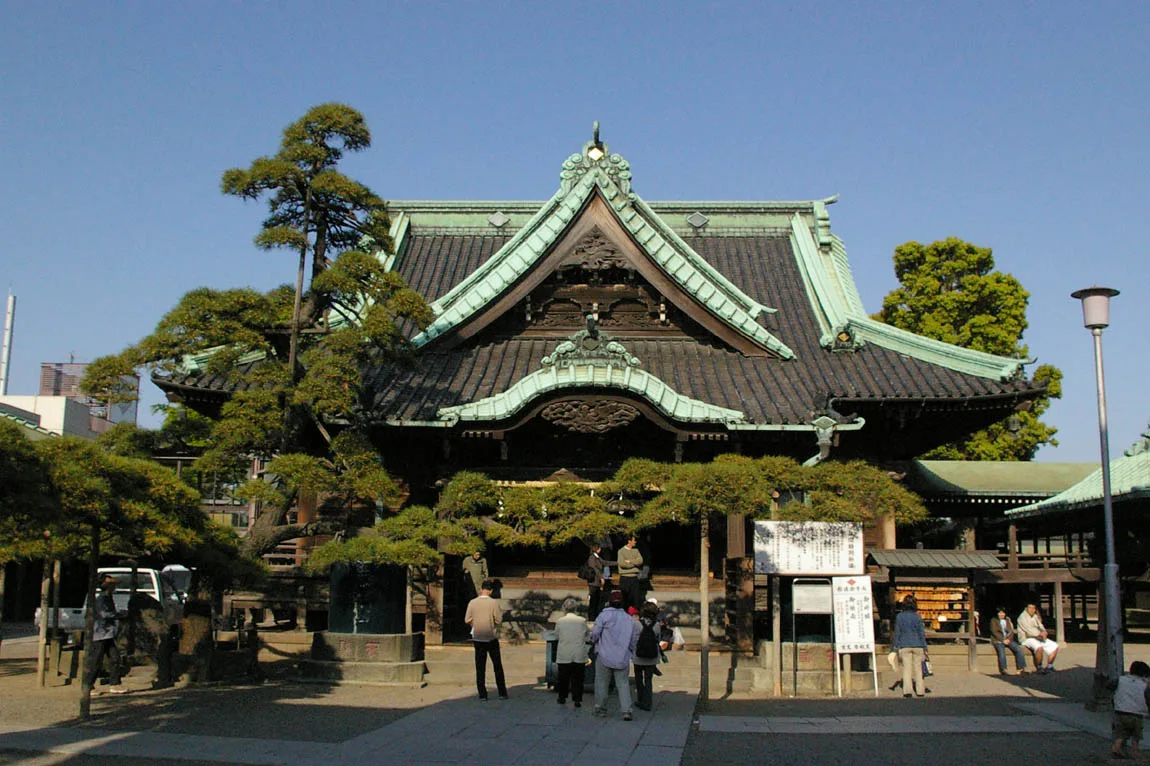
Yes, if you like old streets more than headline sights. Shibamata is a walk-and-graze neighborhood: a temple, a shop-lined approach, and the Edogawa river nearby. Film fans get an extra layer, because the Otoko wa Tsurai yo (Tora-san) series is tied to the area. Skip it if you want nightlife or a quick stop between major sights. Our Koenji neighborhood guide covers a west-side alternative with a similar local feel.
- Good fit: nostalgia walkers, film fans, sweets and snack browsers, temple carving viewers.
- Poor fit: nightlife seekers, travelers with only an hour to spare.
Best Things To Do in Shibamata
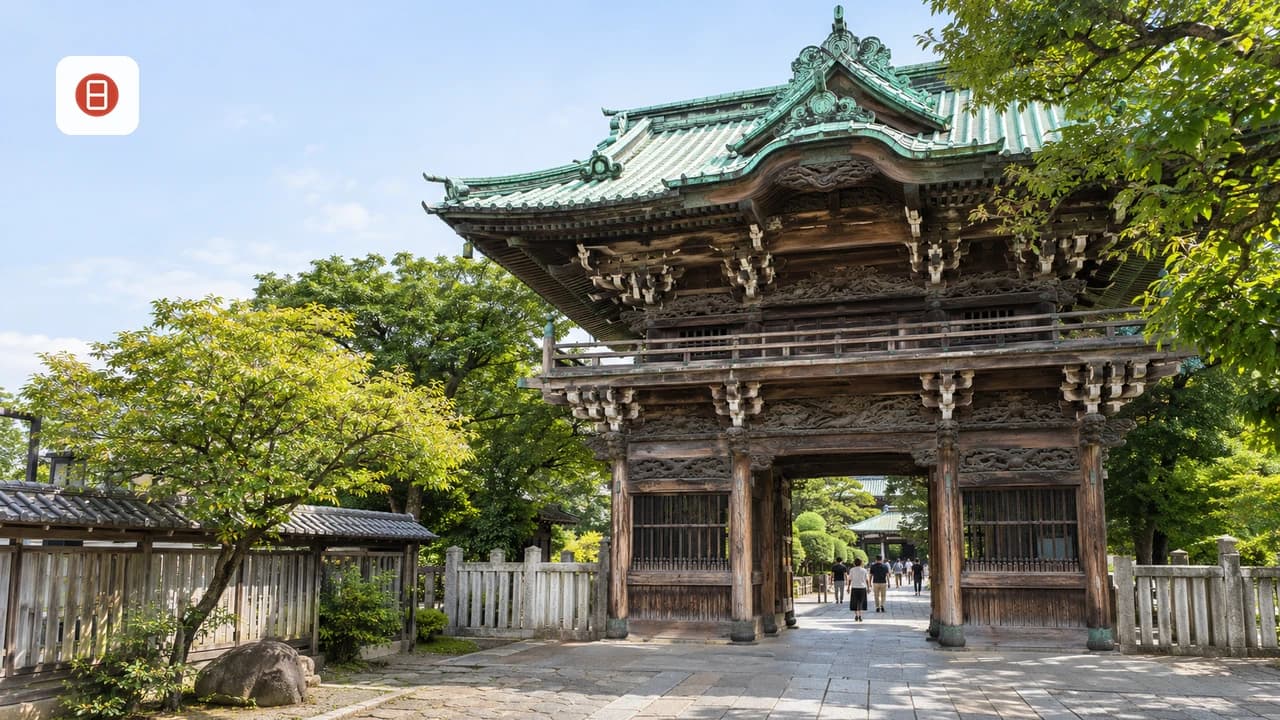
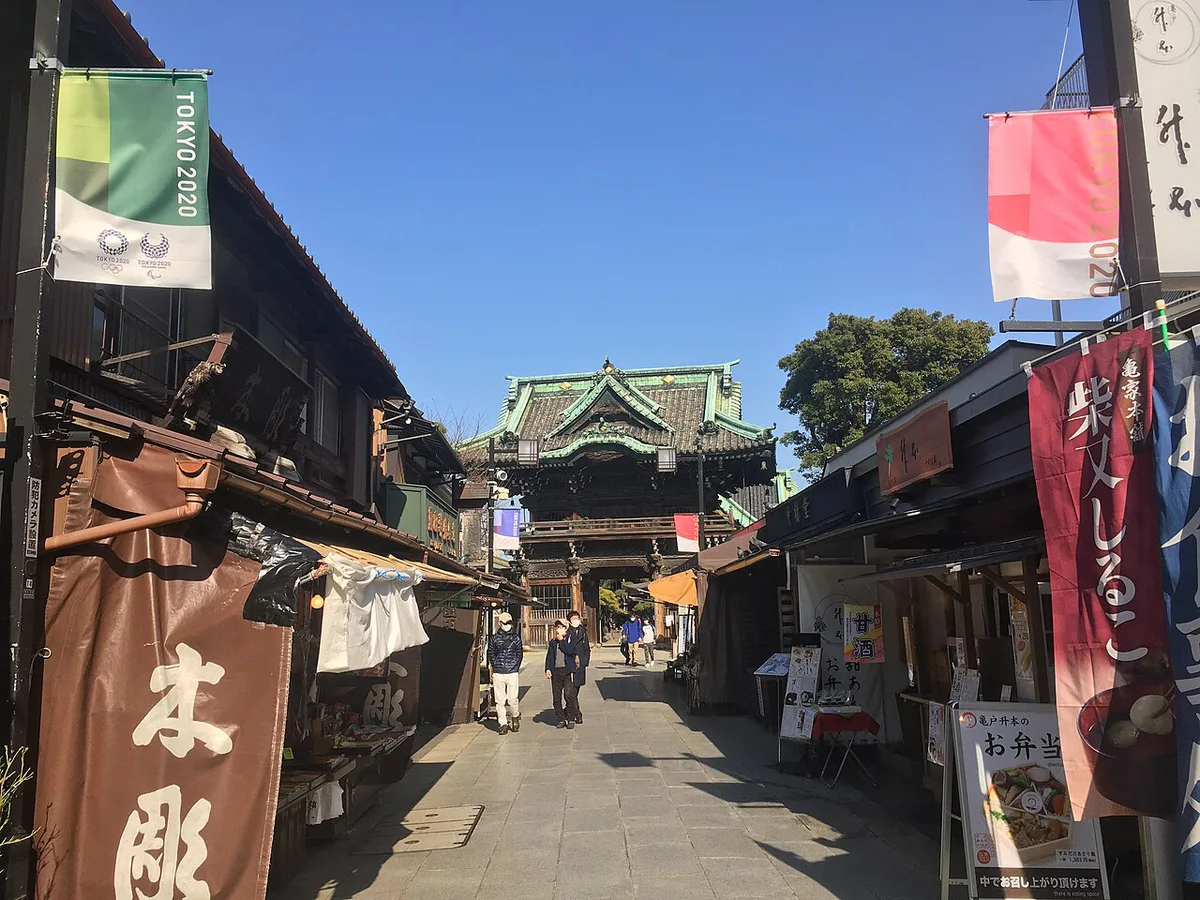
Start with Shibamata Taishakuten (also called Daikyoji), the temple the district is built around. Its woodcarvings are the main draw, so look at the detail rather than rushing through. Walk the approach street slowly, because the shops and snack stalls are the neighborhood's real texture. Then head toward the Edogawa river for open sky and a quieter finish. Local legend links a dragon to the river, but treat that as folklore, not fact.
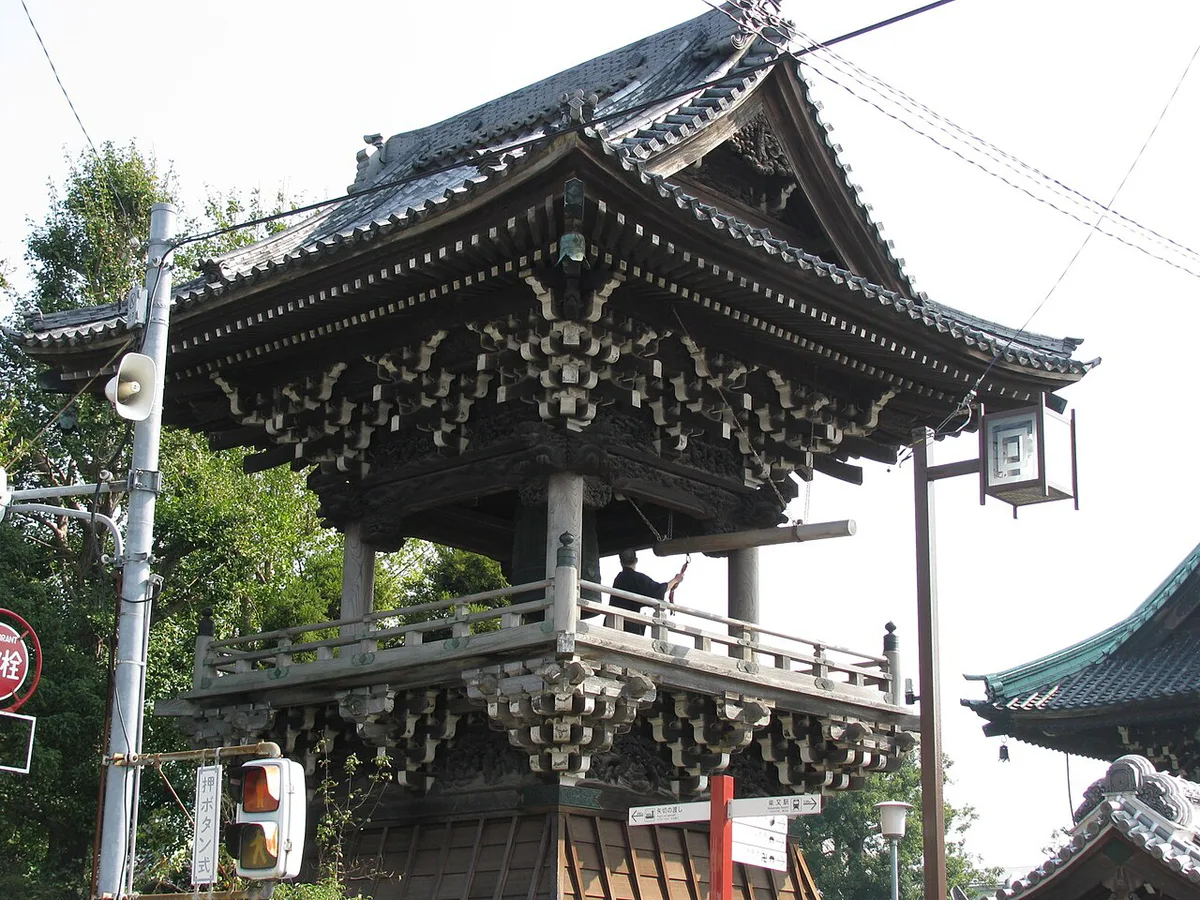
- Taishakuten temple and its carvings
- Approach street shops and snack stalls
- Edogawa riverside walk
- Tora-san film connections, including any statue or museum (confirm location and hours first)
Half-Day Itinerary and Time Trade-Offs
Walk in this order: station, approach street, temple, carving gallery or garden, river, then back. Leg times below are our estimates, not published figures. A short visit works on a weekday morning, while weekends reward a longer stay with a sit-down lunch. If time runs short, drop the river and keep the temple and approach street.
Based in central Tokyo, About 2 hours here fits between other stops and still covers the station, approach street and temple.
| Time available | Route | Skip first |
|---|---|---|
| About 2 hours | Station, approach street, temple | River walk, gallery |
| Half-day | Add carving gallery or garden, lunch, short river stretch | Side streets |
| Full day | Add slow riverside walk and a second meal | Nothing |
- Rain: shorten the river leg and linger in covered shop stretches.
- Summer heat: go early, drink often, and take shade breaks before the river.
- Winter: aim for midday light and warm snacks on the approach street.
Getting There From Central Tokyo

One competitor guide names Shibamata Station on the Keisei Kanamachi Line. That detail is unverified, so check it with a route planner or the railway operator. Confirm your transfers and the walking time to the temple at the same time. Fares and journey times should come from the operator, not from a guide. Staying in central Tokyo keeps most sights close, while the east side shortens this trip but puts you farther from other attractions.
Costs, Tickets and Opening Hours
Street walking is free, and that is where most of your time goes. Paid items are the likely carving gallery and garden entry, plus any museum. One competitor snippet cites 9:30–16:30 and open all year for the temple, but treat that as unconfirmed. Check admission, hours and closing days on the Katsushika tourism information site before you travel. Carry cash for small shops, since card acceptance there is unconfirmed.
What To Eat on the Approach Street
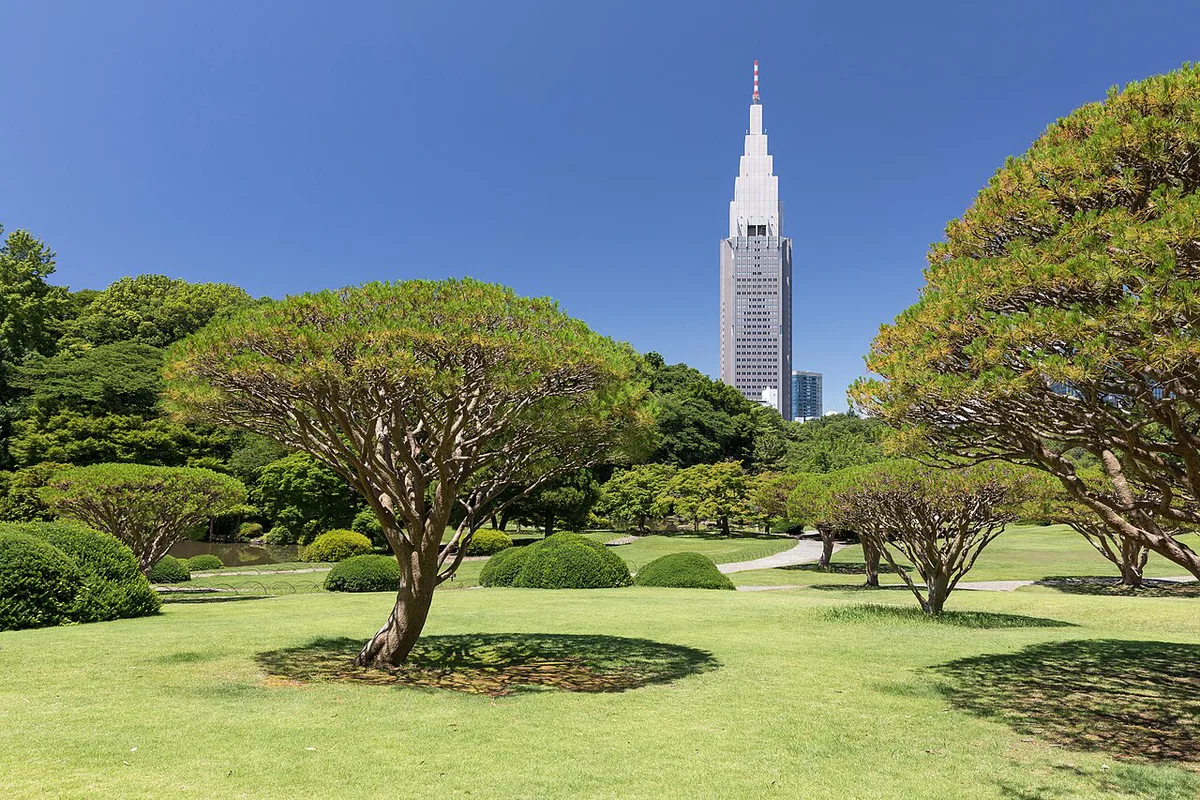
Expect sweets and snacks. Sources mention kusa dango, sweet potato, senbei and eel as local candidates, but none is confirmed here, so ask each shop what it is known for. Many small shops close early, so plan lunch before mid-afternoon. Vegetarians should know that dashi-based dishes are common. Ask about ingredients, and do not assume dedicated vegetarian options exist.
- Snacks to look for: kusa dango, sweet potato, senbei
- Heavier option: eel, if a shop is open
- Ask about dashi in soups and sauces
Festivals and Best Time To Visit Shibamata
One competitor guide mentions a Katsushika iris festival in June and a Noryo fireworks event in July. Names, venues and 2026–27 dates are unconfirmed, and fireworks may be on the Edogawa riverbank rather than in Shibamata itself. Festival days bring crowds, while quiet weekdays suit slow temple viewing. For seasonal context across the city, see our Best Time To Visit Tokyo Month By Month 2026 guide.
Mistakes To Avoid
Most problems come from timing and assumptions. Arrive with a loose plan and a few checks done.
- Arriving mid-afternoon after small shops have closed.
- Assuming card payment works at every stall.
- Visiting on a festival day expecting calm temple viewing.
- Treating unverified hours or fees as fixed.
- Packing the day with too many extra stops.
Where To Stay
Most visitors stay in central Tokyo and make Shibamata a half-day trip. Browse our 12 Best Areas and Tips for Booking Tokyo Hotels in 2026 for comfort-led bases. Choose 8 Best Tips and Stays for Budget Accommodation in Tokyo (2026) if you want to save for food and rail fares. Wider trip planning sits in our Japan Travel Guide: Plan Your Trip with Expert Tips & Itineraries.
Frequently Asked Questions
What is Shibamata famous for?
Shibamata is known for Taishakuten temple, its carvings and its old-fashioned approach street. It is also tied to the Otoko wa Tsurai yo (Tora-san) film series. Confirm current attractions and hours with the official tourism source.
Free: The Tokyo Essentials guide
Top things to do, where to stay, a perfect day plan, getting around, and the best time to go — a Tokyo mini-guide you can take offline.
You might also like

Continue reading
More guides you'll find useful