Tokyo at Night: The Complete Guide to Views, Neighborhoods & Last Trains
A practical guide to Tokyo at night: last-train cutoffs, observation deck hours, neighborhood picks, and 2026 prices for cruises and cover charges.
On this page
Last updated September 2026, this guide treats tokyo at night as a planning problem: pick a district that fits the evening you want, then plan the trip home before it closes. Observation decks including Shibuya Sky and Tokyo Tower generally close around 22:00, and most train lines stop running by roughly 12:30 AM. This guide covers skyline views, night walks, and yokocho alleys — the visual side of Tokyo after dark, distinct from the bar-and-club focus of Tokyo's nightlife guide.
Tokyo at Night: The Last Train Deadline That Shapes Everything
Trains define the shape of an evening in Tokyo. Most lines run their last departures between roughly 12:00 AM and 12:30 AM, and after that the options narrow quickly. Fares climb fast once the trains stop, so missing the last one by even a few minutes can turn a short ride into an expensive one. Google Maps shows real-time departure times for the last trains on each line, so check it as the evening winds down rather than guessing. Tokyo is generally regarded as safe to walk at night, according to the official tourism site. Two spots deserve extra caution: Roppongi and Kabukicho. In Roppongi, street touts often offer free drinks or cheap cover charges to passersby. Walking past without engaging avoids the inflated bills some visitors have reported. In Kabukicho, some hostess clubs and bars charge steep fees aimed at local regulars, and staff outside can be persistent. Established venues do not need to solicit customers on the street, so treat any unsolicited approach as a cue to keep moving. Daytime sightseeing across the city gets its own coverage in the broader Tokyo attractions guide.
- Taxi: fast, but fares climb once the trains stop for the night.
- Capsule hotel: a low-cost bed for a few hours near major stations.
- All-night district: stay out in Shinjuku, Shibuya, or Roppongi until morning service resumes.
Choose Your Tokyo Night: Five Neighborhoods, Five Vibes
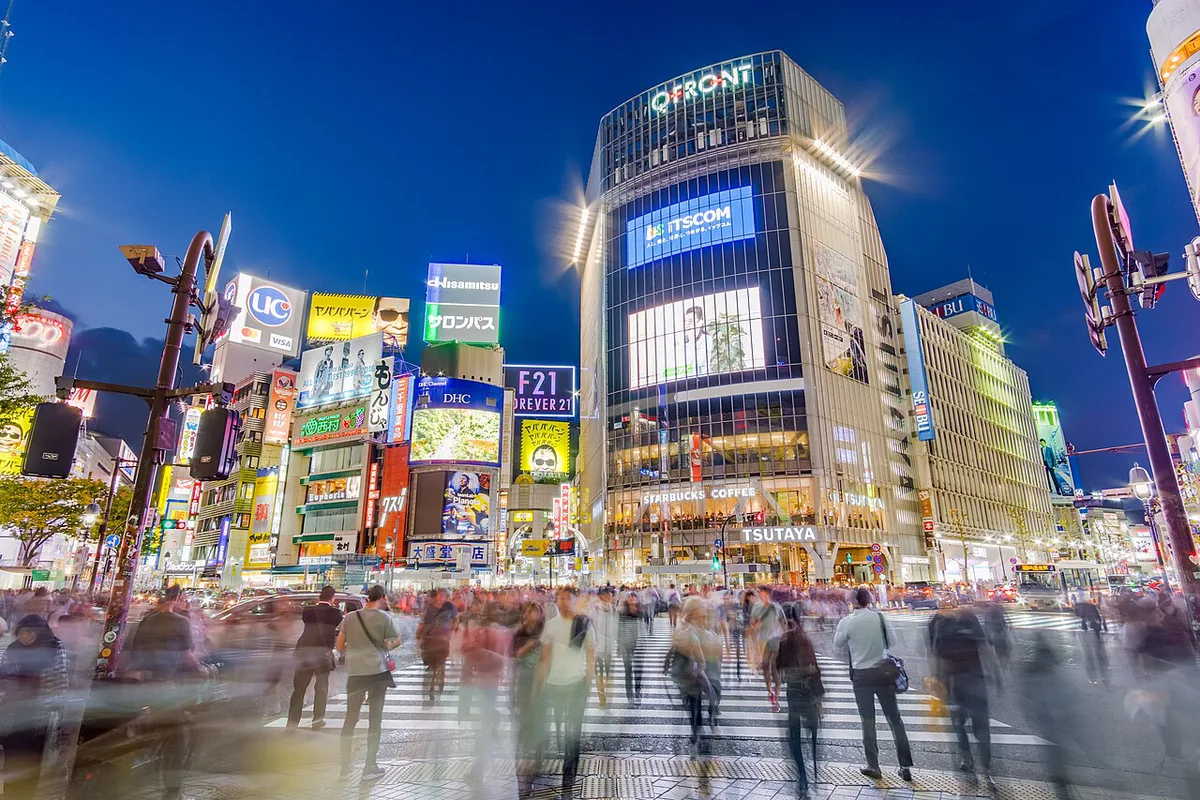
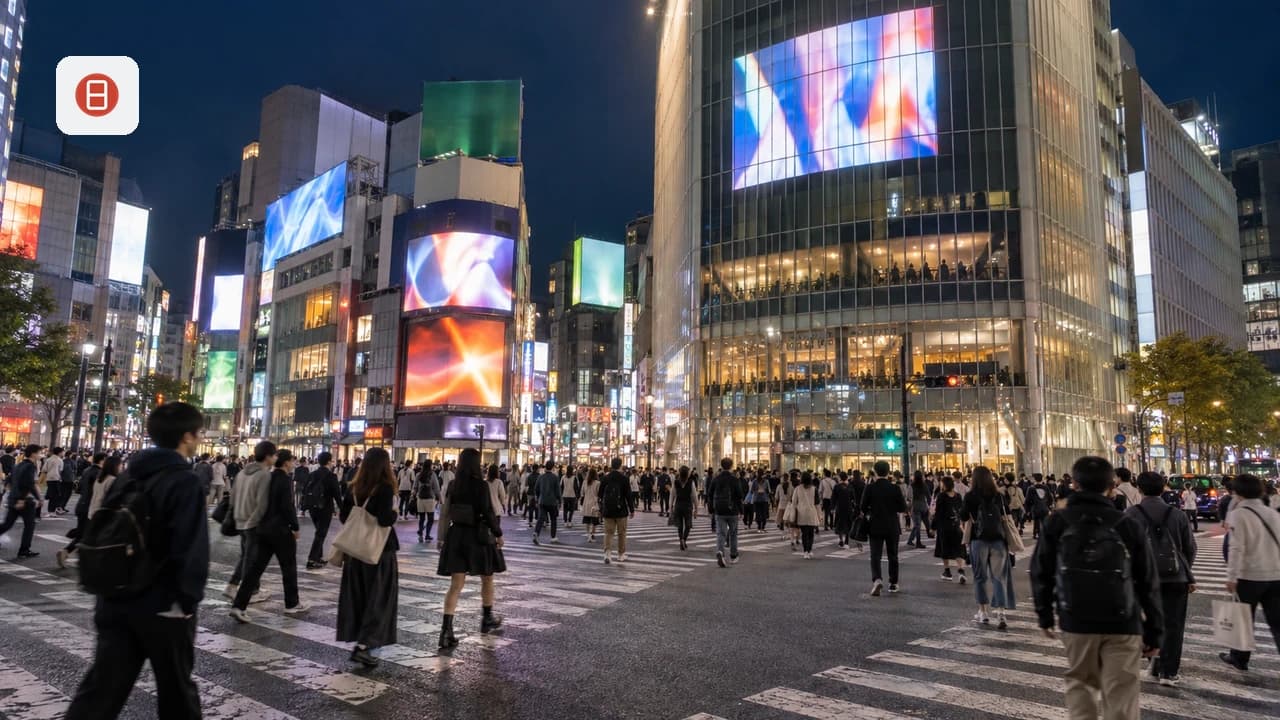
Each nightlife district in Tokyo rewards a different kind of evening. Photographers gravitate toward Shibuya's rooftop views and neon corners. First-time visitors tend to do best in Shinjuku, where alley bars and yokocho food stalls sit close together. Shibuya's club scene includes Harlem, a long-running hip-hop club, and Oath for house and techno, both open into the early hours. Roppongi pairs its international club scene with the Mori Art Museum, which keeps some of the latest hours of any museum in the city, and its own observation deck inside Roppongi Hills. Ginza suits a quieter, higher-budget evening. Its most cited late-night bar is the New York Bar, on the 52nd floor of the Park Hyatt Tokyo, the room used in the film Lost in Translation. Shinbashi and Ueno suit a lower-key night among off-duty office workers and affordable izakaya, especially around Ueno's Ameyoko strip. The table below breaks down where each district fits. Shinjuku's alley scene and Kabukicho get a deeper walkthrough in the guide to Shinjuku after dark. Club listings and the Scramble Crossing view get their own guide at Shibuya after dark.
| Neighborhood | Vibe | Best For | Signature Spot |
|---|---|---|---|
| Shinjuku | Neon-lit, chaotic alleys | First-timers, alley-bar crawls | Golden Gai, Omoide Yokocho |
| Shibuya | Youthful, high-energy | Rooftop views, nightclubs | Shibuya Scramble Crossing |
| Roppongi | International, English-friendly | English speakers, late-night clubs | Roppongi Hills |
| Ginza | Polished, upscale | High-end cocktails | New York Bar, Park Hyatt Tokyo |
| Shinbashi & Ueno | Local, unpretentious | Affordable izakaya | Ameyoko (Ueno) |
The Observation Deck Shootout: Shibuya Sky vs. Tokyo Tower vs. Skytree vs. the Metropolitan Government Building
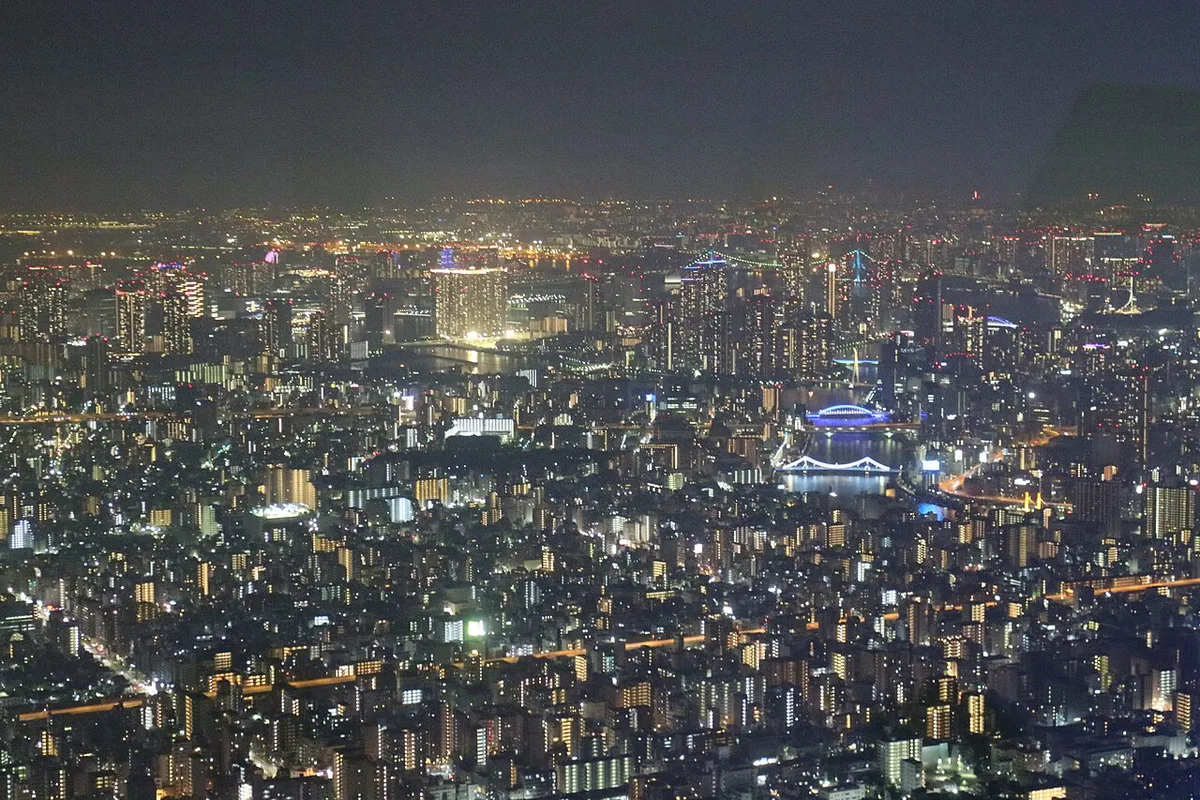
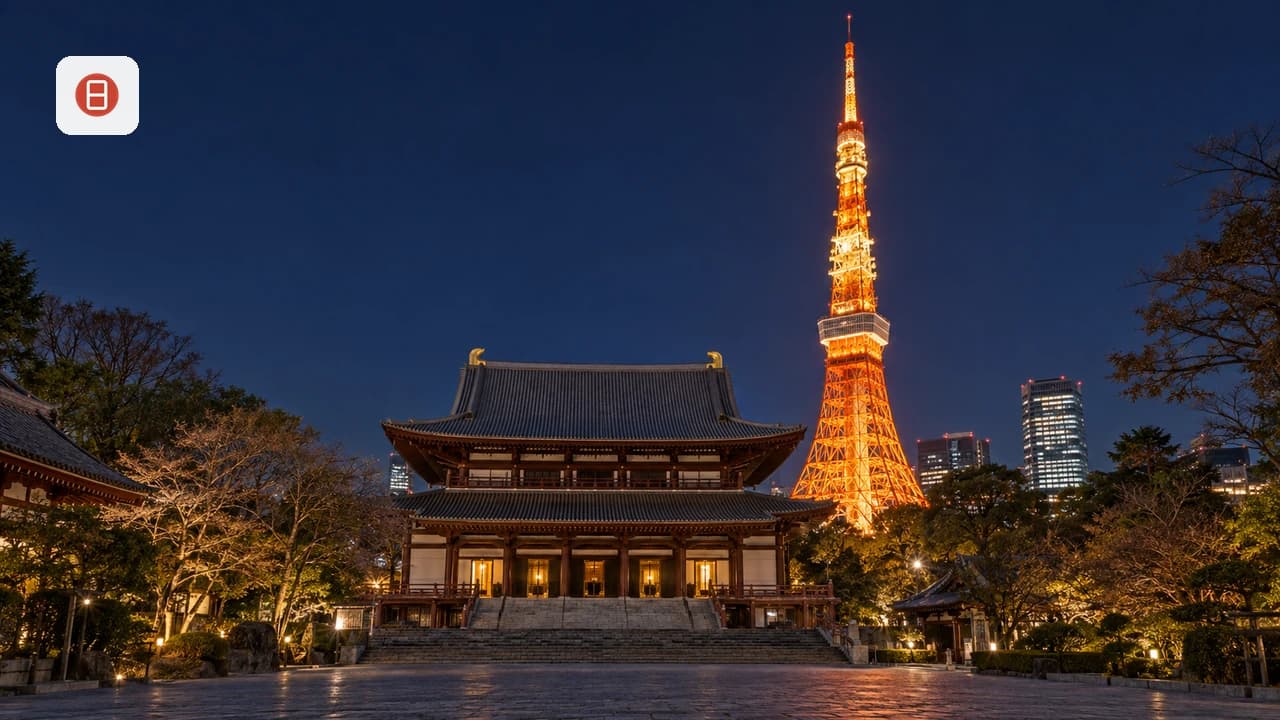
Tokyo's four best-known observation decks all keep similar hours. Most close around 22:00, so plan the ascent as the evening's centerpiece rather than an afterthought. Shibuya Sky's official site describes its rooftop deck as open-air, which means no glass between the camera and the skyline. Both Tokyo Tower and Tokyo Skytree sit behind glass, so night shots can pick up interior reflections unless the lens presses flush against the pane. Check Tokyo Skytree's official site for current hours before visiting, since observation decks occasionally adjust closing times around events. The Metropolitan Government Building's observatories sit lower than the other three, making them a practical first stop before heading to a higher deck later in the evening. Tokyo Tower's official site has the details on its own observation floors, and the tower doubles as the more recognizable subject when photographed from outside rather than from within. Ticket tiers and timing get a full walkthrough in the Shibuya Sky Guide 2026: Tickets, Sunset Timing & Rooftop Rules. Framing tips specific to the tower itself are in the guide to Tokyo Tower after dark.
Observation decks and major theme parks both close around 22:00. Trains don't stop until 12:00–12:30 AM, leaving hours for dinner or a bay cruise.
| Deck | Format | Typical Closing Time | Best For |
|---|---|---|---|
| Shibuya Sky | Open-air rooftop | ~22:00 | Reflection-free photos, Scramble Crossing views |
| Tokyo Tower | Enclosed, lit lattice tower | ~22:00 | Classic shot with the tower itself as the subject |
| Tokyo Skytree | Enclosed, tallest of the four | ~22:00 | Widest panoramic reach |
| Metropolitan Government Building | Enclosed, lower elevation | ~22:00 | Early-evening stop before a higher deck |
Night Walks, Photography Spots, and Illuminated Corners
Senso-ji's main hall closes at 17:00, but the temple grounds stay lit and open through the night. The lantern-lined approach feels quieter once day-trip crowds leave. Akihabara's main avenues stay bright with neon well into the evening, making it a reliable spot for neon photography without an observation deck. Naka-Meguro's stretch of the Meguro River makes a calmer walk, especially during the spring cherry blossom season when the banks light up. Odaiba's waterfront path looks across to the illuminated Rainbow Bridge, and the walk pairs well with a distant view of Tokyo Tower across the bay. Zojoji Temple's grounds, recommended by the official tourism site, put Tokyo Tower itself in the frame for a shot with a foreground subject. None of this costs anything beyond transit fares, and the free evening activities guide covers more no-cost options around the city.
Bay Cruises, Late-Opening Theme Parks, and After-Hours Museums
Tokyo Bay cruises run about two to three hours and range from roughly ¥4,000 without a meal to ¥8,000 or more for a dinner cruise. Traditional yakatabune boats offer a lower-key version of the same route, passing under Rainbow Bridge with the Odaiba shoreline lit up on one side. Disneyland and DisneySea typically stay open until around 22:00, and both parks sell discounted After 6 passes for an evening-only visit. Tokyo Dome City runs a discounted night pass after 17:00, with most attractions operating until 21:00. Odaiba's indoor arcade, Tokyo Joypolis, stays open daily until around 20:00, making it an earlier-evening stop before dinner. A handful of museums extend their hours on Friday and Saturday evenings, so check individual listings if a specific exhibition is the goal for the night.
Izakaya Culture, Yokocho Alleys, and Where to Eat After Dark
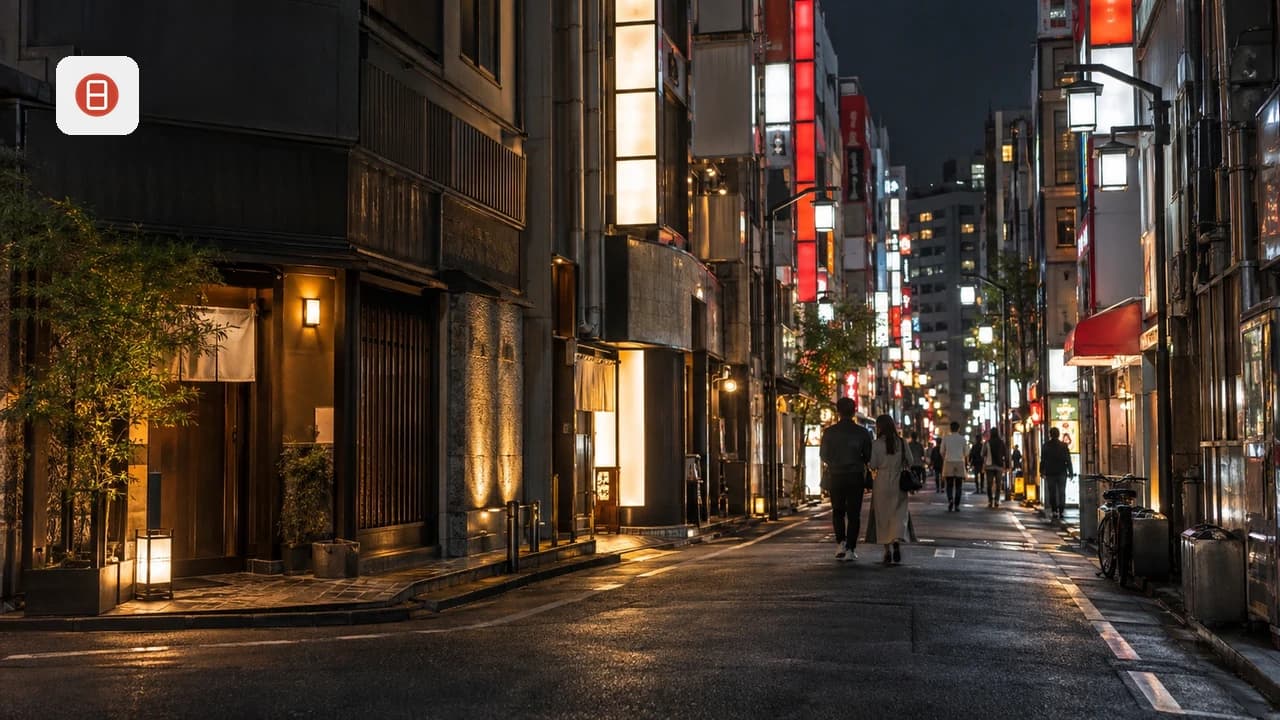
Sitting down at an izakaya usually comes with an otoshi, a small starter dish charged automatically as a seated cover fee. It isn't a scam, just standard practice, so treat it as a small charge rather than a billing error. Ordering happens dish by dish rather than as one large order, and sharing small plates across the table is the norm. A few specific spots stand out for a late-night stop. Alley-bar hopping starts with Shinjuku's Omoide Yokocho, sometimes called Piss Alley, a short walk from the more polished Golden Gai. Ebisu Yokocho offers a calmer, less crowded version of the same format when Shinjuku's alleys feel too packed. Golden Gai's narrow, six-seat bars get a full walkthrough in the guide to Golden Gai.
- Bar Orchard: no printed menu, and cocktails are built around a piece of seasonal fruit you choose.
- Tokyo Whisky Library: a large whisky selection at prices that stay reasonable for its size.
- Ginza Kagari: chicken-based ramen with past Michelin recognition; confirm current status before visiting.
Budgeting an Evening: Cover Charges, Shopping Hours, and Where to Stay
Cover charges at bars and small clubs typically run ¥500 to ¥3,000, depending on the venue and neighborhood. Ginza and members-only spots sit toward the higher end, while standing bars and casual izakaya sit toward the lower end. Most department stores close around 20:00, but electronics chains like Bic Camera often stay open until 22:00 for last-minute shopping. Don Quijote discount stores run 24 hours in many locations, making them a practical stop for snacks or supplies at any hour. If the night runs past the last train, a manga cafe with private booths works as a low-cost place to wait out the hours until service resumes. Booking a hotel in Shinjuku or Shibuya keeps you inside walking distance of the action after the trains stop. Staying in a quieter hub like Marunouchi trades that convenience for a calmer base with easy access to Ginza and Tokyo Station.
Mistakes That Ruin a Night Out in Tokyo
A few recurring mistakes catch visitors off guard after dark. Most are avoidable with a bit of planning.
Last trains run until around 12:00-12:30 AM. Missing this window means expensive taxis or waiting in a manga café until morning service restarts.
- Waiting for a 1:00 AM train: on most lines, the last one leaves closer to 12:00-12:30 AM, and there isn't a later option.
- Trusting a street tout in Roppongi or Kabukicho who offers a free drink or a cheap cover charge.
- Assuming every Golden Gai bar welcomes walk-ins: some are members-only, and others charge a cover aimed specifically at tourists.
- Skipping the otoshi line on the bill and assuming it's a mistake rather than standard izakaya practice.
- Booking a nightlife-adjacent hotel out of habit: a quieter Marunouchi base still reaches Shibuya or Shinjuku well before the last-train cutoff.
TeamLab Planets After Dark: A Timed Indoor Night Stop
TeamLab Planets in Toyosu is useful when rain, summer heat, or an early sunset makes an outdoor night walk less appealing. The immersive installation uses water, mirrors, projected light, and darkened rooms, so it feels distinct from Tokyo’s skyline viewpoints.
Book a timed ticket before travelling to Toyosu. Entry is controlled by time slot, and popular evening periods can sell out. Check the official calendar for the final admission time, since opening hours vary by date and special events.
Allow enough time to reach the venue before your entry window. The experience is not a drop-in attraction like an arcade or shopping street. Visitors remove shoes, and some rooms involve shallow water, so trousers that can be rolled up make the visit easier.
- Best fit: an indoor visual experience before dinner or a bay-area walk.
- Nearest area: Toyosu, with Odaiba and Rainbow Bridge views accessible later by transit.
- Planning tip: keep your last-train route handy before leaving the waterfront.
Frequently Asked Questions
What time does the last train run in Tokyo?
Last trains on most lines stop between roughly 12:00 AM and 12:30 AM, depending on the line and station. Missing it usually means a taxi, a capsule hotel, or waiting out the gap in an all-night district. Google Maps shows real-time last-train times as the evening goes on, so check it rather than estimating.
Which observation deck has the best night view in Tokyo?
It depends on what you want from the photo. Shibuya Sky is open-air, so there's no glass to cause reflections in night shots. Both Tokyo Tower and Tokyo Skytree are enclosed, and Tokyo Tower doubles as the photogenic subject if you shoot it from outside instead. Ticket details and timing get a full walkthrough in the Shibuya Sky Guide 2026: Tickets, Sunset Timing & Rooftop Rules.
Is it safe to walk around Tokyo at night?
Tokyo is generally regarded as safe to walk at night, and central districts stay busy well past midnight. The main exceptions are street touts in Roppongi and Kabukicho, who approach with offers of free drinks or cheap cover charges. Walking past without engaging avoids the inflated bills some visitors have reported.
How much does a night out in Tokyo cost?
Cover charges at bars and small clubs typically run ¥500 to ¥3,000. A Tokyo Bay cruise runs roughly ¥4,000 without a meal or ¥8,000 and up with dinner included. Izakaya add an otoshi, a small automatic starter charge, on top of whatever food and drink you order.
How is this different from a general Tokyo nightlife guide?
This guide focuses on the visual side of the city after dark: observation decks, illuminated temple grounds, and neighborhood sightseeing. Bar crawls, clubs, and drink-specific recommendations live in the Tokyo nightlife guide instead.
Free: The Tokyo Essentials guide
Top things to do, where to stay, a perfect day plan, getting around, and the best time to go — a Tokyo mini-guide you can take offline.
You might also like
Continue reading
More guides you'll find useful