6 Best Izakayas in Tokyo: A Guide to the City's Top Drinking Dens and Yokocho Alleys
Find the best izakaya Tokyo has to offer, from Shibuya's Kaikaya to Nakameguro's Ao Corner, plus yokocho alleys, otoshi costs, and etiquette for 2026.
On this page
Last updated August 2026, this guide to the best izakaya Tokyo has to offer maps six standout kitchens and the yokocho alleys where small izakayas cluster. Expect a mix of foreigner-friendly counters with English menus and grittier alley stalls where pointing at a neighbor's plate and saying Omakase gets you fed. Every listing below covers seating charges, ordering flow, and how to plan around last trains, so you can match a night out to your budget.
What Is an Izakaya? Understanding Tokyo's Pub Culture
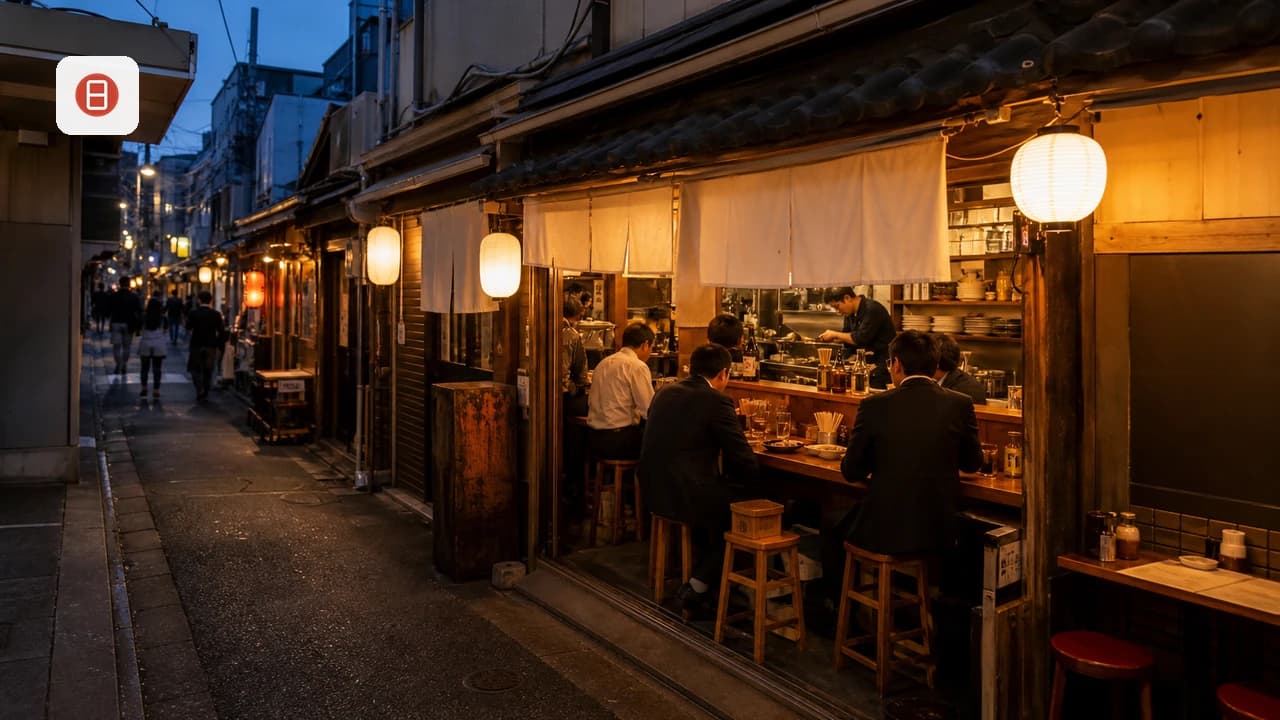
An izakaya pairs drinks with small, shareable plates, tapas-style, rather than treating food as an afterthought to the bar. Servers expect a drink order first. Dishes then arrive in waves, not all at once. Nearly every seat carries an otoshi, a small starter charged automatically as a table fee. Expect ¥300 to ¥600 per person. Treat it as a cover charge, not an optional dish; most izakayas will not let you decline it. Some izakayas also offer nomihoudai, an all-you-can-drink set bundled with a food course for a fixed time block, instead of ordering by the glass.
6 Best Izakayas in Tokyo: Our Top Picks
These six izakayas span the spectrum from foreigner-friendly to Japanese-only. At the harder end, an English menu will not save you, and Omakase becomes the simplest way to order. Confirm hours and reservation policies directly with each venue before you go, since izakaya hours shift seasonally.
- Kaikaya By The Sea (Shibuya)
- A high-energy seafood-forward izakaya built for first-timers, with staff used to walking English-speaking guests through the menu.
- Owner Tange-san's tuna ribs and sashimi plates anchor the menu, and sakura ice cream is the standard way to close a meal.
- Book a table a few days ahead where possible. The restaurant draws a heavy tourist crowd, and tables fill fast on weekend nights.
- Gonpachi Nishiazabu
- A two-story, timber-beamed izakaya whose interior inspired a fight scene in the film Kill Bill. That makes it one of the most photographed rooms in the city.
- Go for the atmosphere and the tempura, kakuni (simmered pork belly), and yakitori selection rather than expecting the best value in Tokyo.
- Large tour groups and a steady stream of visitors mean it books out. Reserve ahead rather than walking in on a weekend.
- Ao Corner (Nakameguro)
- A small, local-feeling izakaya tucked into a residential block in Nakameguro, with no English menu and a regulars-heavy room.
- Order ankimo (monkfish liver) and the minced tuna wrapped in nori. Saying Omakase to the staff is the simplest way through the rest of the menu.
- Seats are limited, so call or book a few days ahead if you can manage the Japanese. Otherwise, ask accommodation staff to call on your behalf.
- Yakitori Imai (Jingumae)
- An upscale, counter-seating yakitori specialist listed among Michelin's izakaya picks for Tokyo.
- The focus stays narrow: charcoal-grilled chicken skewers. Chefs prepare each one with the single-technique dedication Japan calls shokunin craft.
- Reservations are effectively mandatory. Prices sit well above a standard izakaya night, so budget this one as a splurge.
- Nakame no Teppen Honten
- Recent visitor accounts describe a half-height entrance guests duck through to reach the counter; confirm the layout hasn't changed before you go.
- Robata-style grilling defines the menu, with skewers of shiitake, squid, and tsukune (chicken meatballs) plated on long wooden paddles.
- It sits near the Nakameguro Canal area alongside Ao Corner, so pair the two on one evening if you are already in the neighborhood.
- Shinpo (Azabu-Juban)
- A blue-noren-curtained izakaya known for crab croquettes and agedashi tofu, deep-fried tofu in a savory dashi-based sauce.
- The room runs smaller than Kaikaya or Gonpachi, so it suits a quieter night with two or three people rather than a large group.
- Menus lean Japanese-only, so screenshot dish names ahead of time if you want to order beyond the croquettes and tofu.
Tokyo's Best Yokocho Alleys for Izakaya Hopping
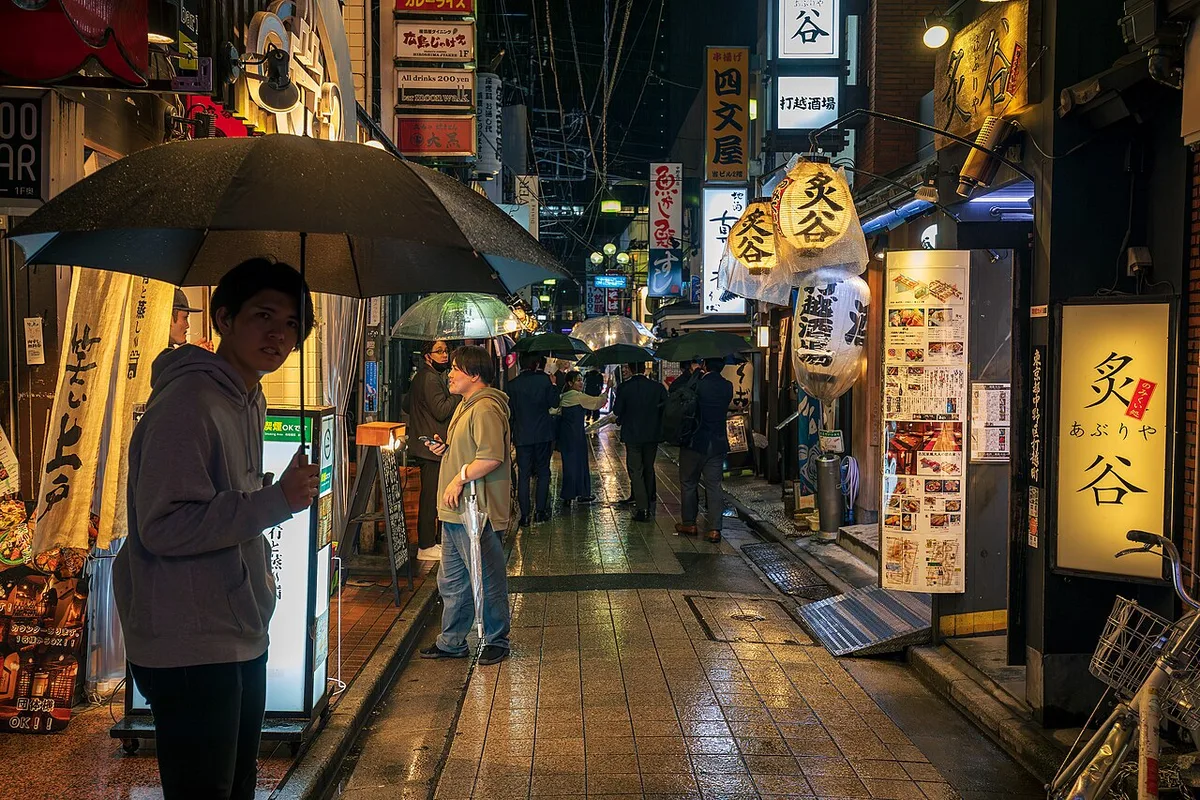
A yokocho is a narrow alley packed with tiny, counter-only izakayas, usually clustered around a train station. Each one seats a handful of guests, so alley-hopping between two or three stalls in one night is normal. For a broader spread of low-cost options beyond these three alleys, the budget eats guide covers Tokyo's cheapest reliable meals.
Premium counter-seating specialists like Yakitori Imai command ¥8,000 or more per person and require advance reservations, while yokocho alleys operate oppositely: walk-in stalls seating four to eight guests each cost ¥2,000 to ¥4,000 per person.
- Omoide Yokocho (Shinjuku)
- Known locally as Memory Lane, this alley off Shinjuku station is lined with narrow yakitori stalls seating four to eight guests each.
- Smoke from the grills fills the alley itself, so treat the smoking-heavy air as part of the experience rather than an exception.
- Ebisu Yokocho
- An indoor food hall version of a yokocho, with stalls arranged under one roof instead of strung along an open alley.
- The enclosed layout makes it easier to bar-hop between stalls without stepping back outside between rounds.
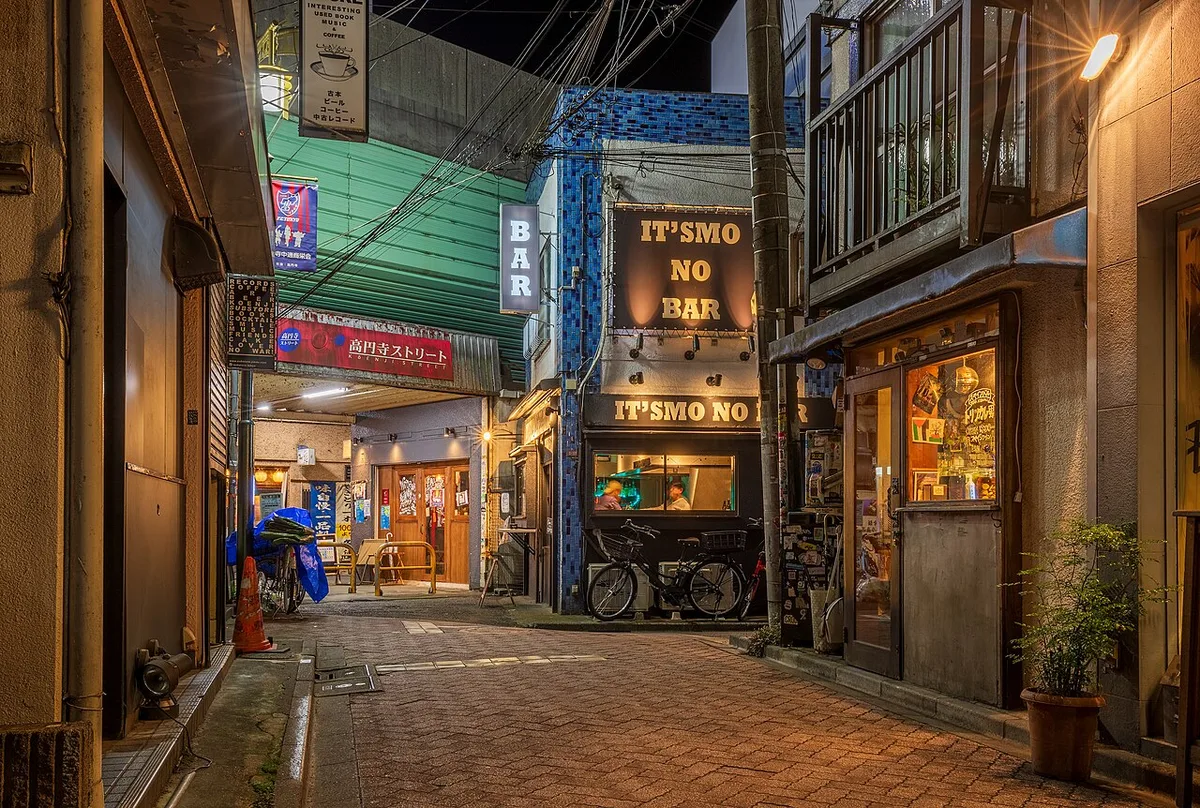
- Koenji Street (under the train tracks)
- A less touristy alternative to Shinjuku's alleys, set directly beneath the train tracks near Koenji Station.
- Stalls generally open around 5pm, so plan an early dinner elsewhere if you want to start before the alley fills.
How Much Does an Izakaya Cost in Tokyo?
Budget by the tier of izakaya rather than by neighborhood alone. A standard night of skewers, small plates, and two or three drinks runs ¥2,000 to ¥4,000 per person at most yokocho stalls and neighborhood spots. Push toward ¥8,000 or more per person at counter-seating specialists such as Yakitori Imai, where the craft and the reservation both cost more. A lemon sour, the shochu-and-soda drink on nearly every izakaya menu, typically runs ¥400 to ¥600. For a step up from izakaya pricing entirely, the Michelin dining guide covers Tokyo's fine-dining tier.
| Item | Typical Price |
|---|---|
| Otoshi (table charge) | ¥300–¥600 per person |
| Standard izakaya meal | ¥2,000–¥4,000 per person |
| Premium / Michelin-recognized izakaya | ¥8,000+ per person |
| Lemon sour or highball | ¥400–¥600 per glass |
Izakaya Etiquette: Otoshi, Ordering, and Smoking Rules
Order a drink before anything else. Most izakayas expect at least one drink per guest, even for those planning to eat lightly. Food then arrives as it is cooked, not all together, so do not expect a fixed course order. The otoshi charge is not optional. It appears on the bill automatically once you sit down. Tokyo banned indoor smoking at most restaurants in 2018, but many small, older izakayas still allow it, especially later in the evening once the early dinner rush clears. If clean air matters, ask before you sit down, or choose a larger, newer venue over a small alley stall. Groups typically split the final bill evenly rather than itemizing individual orders. For table manners specific to counter dining, the sushi counter etiquette guide covers similar unwritten rules.
Choosing the Right Izakaya for Your Night
Match the choice to budget, neighborhood, or comfort with Japanese-only menus. Shibuya's Kaikaya suits energy and easy ordering for first-timers. Nakameguro's Ao Corner and Nakame no Teppen Honten suit a quieter, local-feeling night. Azabu-Juban's Shinpo suits a more refined, low-key evening. When a menu is Japanese-only, saying Omakase and trusting the chef solves most of the ordering problem.
| Criterion | What to Consider |
|---|---|
| Budget | ¥2,000–¥4,000 for a standard night; ¥8,000+ at counter-seating specialists like Yakitori Imai |
| Neighborhood | Shibuya for energy, Nakameguro for a local feel, Azabu-Juban for a quieter, refined evening |
| Language | Say Omakase and let the chef choose when the menu is Japanese-only |
Solo Dining, Reservations, and Catching the Last Train
Eating alone at an izakaya is normal, and counter seating suits it well at most of the venues above. Several Shinjuku izakayas cater to solo diners with koshitsu, curtained private booths. Oidon Nishishinjuku has offered them in the past, so confirm current availability before counting on one. Reservations matter most at Yakitori Imai and Kaikaya By The Sea, where walk-ins risk a long wait or no table at all. Yokocho stalls run the opposite way. Walk-in culture is the norm, and reservations are rarely accepted. Tokyo's train lines stop for the night in the early hours, so check the last train time for your line before ordering a final round. Pair a night at any of these spots with the wider 10 Essential Chapters for Your Tokyo Food Guide 2026 for more meals across the city.
Frequently Asked Questions
Do you have to pay the otoshi charge at a Tokyo izakaya?
Yes. The otoshi is an automatic table charge, usually ¥300 to ¥600 per person, and it is not an optional dish you can send back.
Which Tokyo izakayas need a reservation?
Yakitori Imai and Kaikaya By The Sea both fill up, so book ahead for either one. Yokocho stalls in Omoide Yokocho and Ebisu Yokocho run on walk-in culture instead.
Can you smoke inside a Tokyo izakaya?
Indoor smoking rules tightened across Tokyo in 2018, though many smaller, older izakayas still allow it later in the evening. Choose a larger, newer izakaya over a small alley stall if smoke-free seating matters.
Is it normal to eat alone at an izakaya?
Solo dining is common, and counter seats at spots like Ao Corner and Nakame no Teppen Honten suit one person easily. Several Shinjuku venues also offer koshitsu, curtained private booths, for guests who want a quieter solo meal.
What should you order first at a Tokyo izakaya?
Put in a drink order before food; most izakayas expect at least one drink per guest. A lemon sour or highball is the standard opener, typically ¥400 to ¥600 per glass.
Free: The Tokyo Essentials guide
Top things to do, where to stay, a perfect day plan, getting around, and the best time to go — a Tokyo mini-guide you can take offline.
You might also like
Continue reading
More guides you'll find useful