Tokyo Michelin Star Dining 2026: 160 Restaurants, Booking Tips
Updated Aug 2026: which of Tokyo's 160 Michelin-starred restaurants you can actually book, lunch vs dinner pricing, and why Sukiyabashi Jiro dropped off the list.
On this page
Last updated August 2026, this guide breaks down Michelin star restaurants Tokyo travelers can actually book, not just admire from a wait list. The 2026 Michelin Guide lists 160 starred restaurants across the Greater Tokyo Area, spanning sushi counters in Chūō ward to French-Japanese tasting rooms in Minato. It also explains which platforms to book through, what a meal costs at lunch versus dinner, and why the original Sukiyabashi Jiro no longer appears on the current list.
Michelin Star Restaurants Tokyo: The 2026 Landscape
Michelin first covered Tokyo in November 2007, publishing it as the 2008 guide, and the city has anchored the franchise's Japan coverage ever since. By the 2026 edition, Tokyo carries 160 starred restaurants across the Greater Tokyo Area, according to Wikipedia's tracking of Michelin's own announcements. Inspectors added 18 newly starred restaurants in the 2026 edition alone. Anonymous inspectors visit each restaurant multiple times before a star is awarded, and none of the ratings are permanent. A kitchen that slips in quality or consistency can lose its star at the next update, which is part of why the roster shifts every year. Between 2011 and 2014, the guide also assessed neighboring Yokohama before narrowing back to Tokyo alone, so today's list reflects the capital only. Well-known three-star kitchens in the current guide include Ryugin, Narisawa, Quintessence, and Sézanne, spread across Minato, Shinagawa, and Chiyoda. Michelin also awards a Bib Gourmand for strong food at accessible prices and a Green Star for notable sustainability practices, both separate from the star count. You can check the current, full roster on the Michelin Guide's Tokyo restaurant list, since the lineup changes with each annual update. For the broader restaurant scene beyond starred kitchens, see the 10 Essential Chapters for Your Tokyo Food Guide 2026.
- One star: high-quality cooking worth a stop.
- Two stars: excellent cooking worth a detour.
- Three stars: exceptional cuisine worth a special journey.
Why Some Famous Tokyo Restaurants Are Missing From the List
Michelin's criteria require that a restaurant remain genuinely bookable by the public, not just by regulars or industry contacts. Wikipedia's tracking of Michelin's own footnotes shows several restaurants lost their stars specifically because they restricted reservations to a closed circle of guests. The original Sukiyabashi Jiro, made famous well beyond Japan, no longer appears in the 2021-2026 star tables for that reason. Sushi Saito follows the same pattern, absent from the current list despite its earlier three-star record. Other restaurants left the Tokyo list for different reasons: Araki relocated to London in 2014, and Esaki rebranded as Yatsugatake Esaki in 2018. Neither restaurant lost quality; they simply stopped taking outside bookings the way Michelin's public-access rule requires. This pattern isn't unique to Tokyo's most famous names, so travelers researching one specific restaurant should confirm it still appears in the guide before building a trip around it. Checking a restaurant's current listing takes a few minutes and prevents a wasted afternoon trying to book a table that no longer exists on the guide. If a table opens up through a personal connection, that access is still worth taking. Without a personal connection, focus on restaurants that currently hold stars and take standard reservations. Sushi Yoshitake and Harutaka, both in Ginza, currently hold stars and take outside reservations, making them realistic alternatives to restaurants that no longer publish availability. Hotel concierges and long-standing customers sometimes retain informal access to restaurants like these, but that access isn't something a first-time visitor can plan around.
The 2026 edition saw 18 newly starred restaurants arrive, yet the annual roster shifts not from cooking alone but also because some kitchens suddenly restrict access—Sukiyabashi Jiro and Sushi Saito exemplify how designation depends on staying publicly bookable.
Top Michelin Experiences by Cuisine in Tokyo
Tokyo's starred restaurants span far more than sushi. This year's guide covers Japanese kaiseki, French and French-Japanese fusion, Chinese, and ramen kitchens, each with its own price band and reservation rhythm. Kaiseki meals in particular are built around seasonal ingredients and typically unfold over multiple courses across several hours, longer than a sushi counter sitting. Chūō ward's sushi density and Minato's French-Japanese cluster mean a single neighborhood can anchor most of a food-focused itinerary. For more ramen options citywide, including non-starred favorites, see the 10 Best Ramen Shops in Tokyo: Michelin Stars to Local Favorites (2026 Guide).
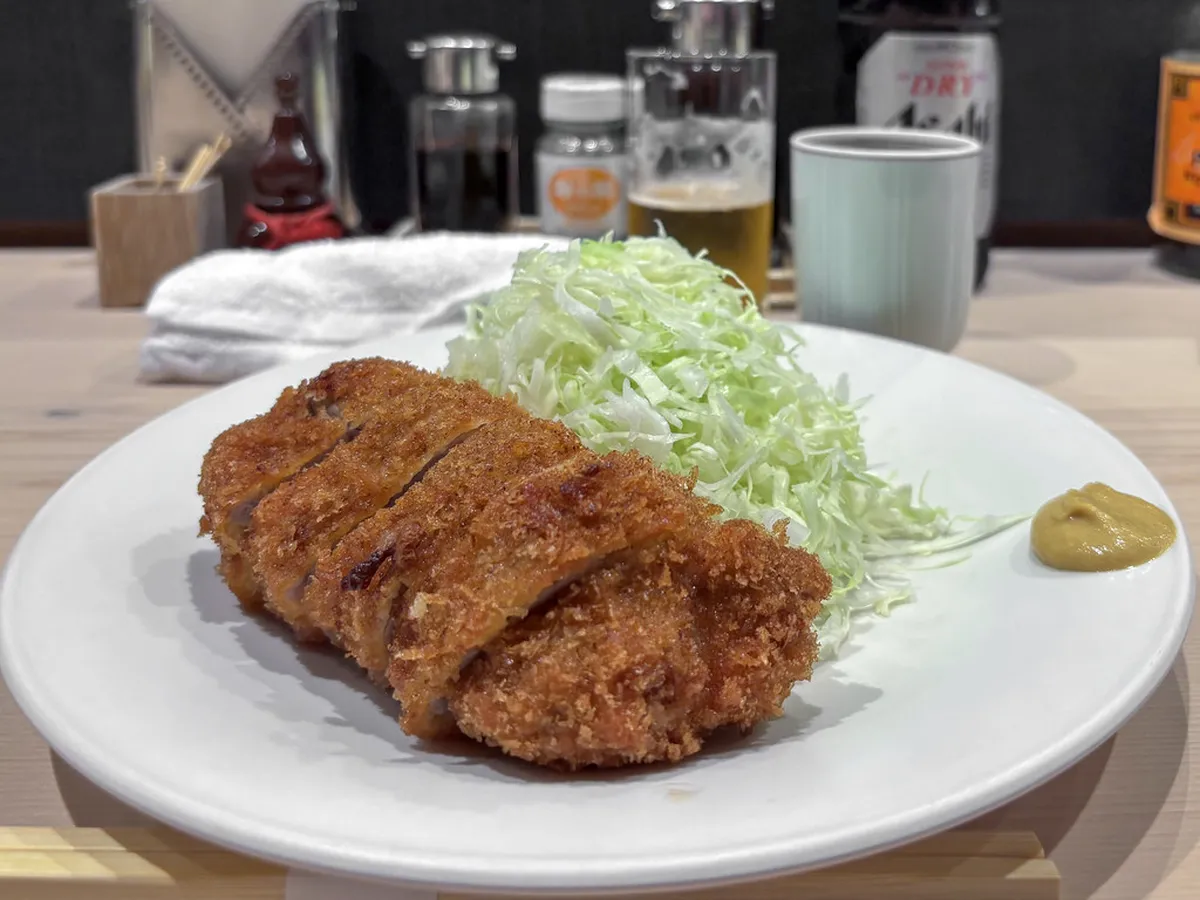
- Sushi: Sushi Yoshitake and Harutaka both hold stars in Chūō ward, the Ginza-area counter-dining core of the current list.
- Kaiseki and traditional Japanese: Kadowaki, Kagurazaka Ishikawa, and Nihonryori Ryugin serve multi-course seasonal menus across Minato and Shinjuku.
- Innovative and French-Japanese: L'Effervescence, Florilège, and Narisawa, all in Minato, blend French technique with Japanese ingredients on tasting menus.
- Ramen: Ginza Hachigo and Konjiki Hototogisu are two of the rare ramen shops carrying a Michelin star, priced well below tasting-menu dinners.
- Chinese and international: Sazenka and Chugoku Hanten Fureika, both in Minato, show the guide's reach beyond Japanese and French kitchens.
Choosing a Neighborhood: Ginza, Minato, and Shinjuku-Shibuya
Picking a neighborhood first narrows the search fast. Ginza restaurants cluster in Chūō ward and lean toward sushi counters and French dining rooms. Chūō ward also houses Sushi Kanesaka, Ginza Koju, and Ginza Okuda, giving Ginza the densest concentration of sushi stars in the current guide. Minato covers the Azabu and Roppongi pocket, home to many of Michelin's more experimental kitchens. Minato's roster also includes Ryugin and Kanda, both Japanese kaiseki-style kitchens sitting alongside the ward's French tasting rooms. Choosing Ginza suits travelers focused on sushi and classic French rooms, while Minato suits those chasing the guide's more experimental French-Japanese kitchens. Shinjuku and Shibuya mix kaiseki, soba, and the city's starred ramen shops. Den and Tamawarai, Shibuya's two entries on the list, sit within easy reach of the ward's wider restaurant scene. Several starred kitchens also sit inside hotel towers with skyline views. See the Tokyo Restaurants With a View: 2026 Guide by Landmark, Budget, and Season for that shortlist. A wider shortlist that includes non-starred favorites lives at the best restaurants in Tokyo.
| Neighborhood | Cuisine Focus | Example Starred Restaurants |
|---|---|---|
| Ginza (Chūō ward) | High-end sushi and French dining | Sushi Yoshitake, Harutaka, Ginza Hachigo |
| Minato (Azabu/Roppongi) | Innovative and French-Japanese tasting menus | L'Effervescence, Florilège, Narisawa |
| Shinjuku and Shibuya | Kaiseki, soba, and starred ramen | Kagurazaka Ishikawa, Konjiki Hototogisu, Den |
Booking, Costs, and Etiquette for Michelin Dining in Tokyo
Walk-ins rarely work at starred restaurants since most seats disappear weeks or months out. Hotel concierges hold direct lines to many Ginza and Minato kitchens and can secure tables guests can't book alone. Independent platforms such as TableCheck, Pocket Concierge, and Omakase.in list open slots directly from participating restaurants. Most three-star tables open one to two months ahead, so set a reminder as soon as travel dates are fixed. Many traditional Japanese and kaiseki restaurants still take reservations by phone only, in Japanese, which is where a hotel concierge or bilingual platform becomes essential. Some Minato and Ginza addresses only accept bookings through a concierge or an existing customer's introduction, regardless of platform. Traditional kaiseki restaurants in particular expect confirmed numbers and dietary details well before the meal, not adjustments at the door. Lunch service is consistently the more accessible way in. A one-star lunch set typically costs a fraction of the same kitchen's dinner omakase, since lunch menus run shorter with fewer premium ingredients. Three-star dinner tasting menus sit at the top of the price range citywide, reflecting both ingredient sourcing and the multi-hour format. The price gap between a one-star lunch and a three-star dinner is often large enough to fund two additional meals elsewhere in the city. Travelers who want a taste of the scene on a tighter budget can compare notes with the 9 Best Affordable Restaurants in Tokyo (2026 Budget Eats Guide) for contrast. Deposits are typically charged to the card on file if you cancel late or fail to show, which is why platforms and concierges both collect card details upfront. Sushi counters carry their own etiquette, covering everything from how you handle nigiri to when photography is appropriate. The Tokyo Sushi Counter Etiquette: A Guide to High-End Dining covers those specifics before your reservation.
While Tokyo's Michelin roster includes 160 restaurants, most require advance reservations through hotel concierges or bilingual platforms, two-month booking leads, or existing customer access—the practical booking pool is significantly smaller than the total count.
- A credit card for the deposit most starred restaurants require to hold a reservation.
- A hotel concierge contact if you're staying somewhere with restaurant relationships in Ginza or Minato.
- A written note of any dietary restrictions, translated into Japanese before arrival.
- A backup date in case your first choice is full, since availability shifts fast.
Mistakes to Avoid When Booking Michelin Restaurants in Tokyo
A few recurring mistakes trip up first-time bookers of Tokyo's starred restaurants. Most are avoidable with basic planning before the trip, not on the day itself.
- Counting on a walk-in table: nearly every starred kitchen in Tokyo runs on advance reservations only.
- Ignoring the dress code: most Japanese and French dining rooms expect smart casual at minimum, and some three-star rooms require jackets.
- Underestimating the time commitment: a full kaiseki or tasting menu can run three hours or longer.
- Missing the cancellation window: many restaurants charge close to the full menu price for cancellations inside 48 to 72 hours.
- Booking every meal at three-star level: mixing in one-star lunches and a ramen stop keeps both budget and schedule realistic across a multi-day trip.
Frequently Asked Questions
How many Michelin-starred restaurants are in Tokyo in 2026?
Tokyo carries 160 Michelin-starred restaurants in the 2026 guide, including 18 newly awarded that edition. The total spans all three star tiers plus the separate Bib Gourmand and Green Star distinctions.
Why isn't Sukiyabashi Jiro on the current Michelin list?
Booking access, not quality, explains the gap: the original restaurant restricts reservations to a closed circle of guests, which conflicts with Michelin's public-access requirement. Sushi Saito dropped off the list for the same reason.
How far in advance should you book a Michelin star restaurant in Tokyo?
Most three-star restaurants open reservations one to two months ahead, and popular sushi counters fill even faster. Book as soon as your travel dates are set, ideally through a hotel concierge or a platform like TableCheck. Sushi counters and ramen shops sometimes open shorter windows, so check each restaurant's specific policy.
Is lunch cheaper than dinner at Michelin-starred restaurants in Tokyo?
Yes. Lunch tasting menus typically cost a fraction of the same restaurant's dinner omakase, making lunch the more accessible way to try a starred kitchen on a tighter budget. Three-star dinner tasting menus sit at the top of the citywide price range, while one-star lunch sets are built to be a lighter, shorter meal.
Are Michelin-starred ramen shops in Tokyo worth booking?
Yes, and they cost far less than a tasting-menu dinner. Ginza Hachigo and Konjiki Hototogisu both hold stars for ramen in the current guide. They're a practical way to sample starred cooking without committing to a multi-hour tasting menu.
What should you wear to a Michelin star restaurant in Tokyo?
Smart casual works for most one- and two-star restaurants. Bring a collared shirt and closed-toe shoes, and skip shorts or flip-flops. Some three-star dining rooms expect jackets for men, so confirm the dress code when you book.
Can you cancel a Michelin restaurant reservation in Tokyo?
Cancelling is possible, but many restaurants charge close to the full menu price inside 48 to 72 hours of the reservation time. Confirm the specific policy when you book, since it varies by restaurant and platform. Confirming the policy in writing before you travel avoids a surprise charge on your card.
What is a Bib Gourmand restaurant in the Michelin Guide?
A Bib Gourmand recognizes restaurants with strong food at accessible prices, separate from the star ratings. It's a useful category to check if a starred restaurant's price or booking window doesn't fit your trip.
Free: The Tokyo Essentials guide
Top things to do, where to stay, a perfect day plan, getting around, and the best time to go — a Tokyo mini-guide you can take offline.
You might also like
Continue reading
More guides you'll find useful