10 Best Ramen Shops in Tokyo: Michelin Stars to Local Favorites (2026 Guide)
The best ramen in Tokyo, mapped by broth style and neighborhood: 10 shops covering Michelin picks, ticket systems, reservations, and queue times for 2026.
On this page
Last updated August 2026, Tokyo still has more ramen shops than any single guide can rank. This one narrows the best ramen in Tokyo down to 10 shops, grouped by broth style, neighborhood, and how you actually get a seat. Reservation-based Michelin counters and queue-only neighborhood shops both make the list, so pick based on how much planning you want to do before you eat.
Tokyo Ramen 101: Broth Styles to Know Before You Choose
Ramen in Tokyo splits into a handful of broth families, and picking one first narrows the shop list fast. For the wider dining picture beyond ramen, see the 10 Essential Chapters for Your Tokyo Food Guide 2026. The four categories below cover most of what appears on this list.
- Shio and shoyu (clear, refined)
- Clear broths seasoned with salt or a soy-based tare define Michelin-recognized shops like Ginza Hachigo and Konjiki Hototogisu.
- These bowls prioritize ingredient clarity over intensity, so expect delicate dashi and thin, snappy noodles.
- Tonkotsu and Jiro-style (bold, heavy)
- Pork-bone tonkotsu broths run thick and rich, with Tanaka Shoten standing as Tokyo's Hakata-style benchmark.
- Jiro-style bowls pile on garlic, fat, and cabbage; Mizoguchiya builds its Nepalmen on this same base.
- Niboshi (dried fish, adventurous)
- Niboshi broths concentrate dried sardine flavor into something far more assertive than a standard bowl.
- NIBOSHIMANIA's Nibopresso is the clearest entry point if you want to try the style once.
- Toripaitan and chicken-based broths (creamy, modern)
- Creamy chicken broths have become common at newer shops, including the Break Beats group's Nakameguro locations.
- Expect a lighter fat profile than tonkotsu with a similar body and richness.
How to Actually Get a Bowl: Tickets, Reservations, and Queues
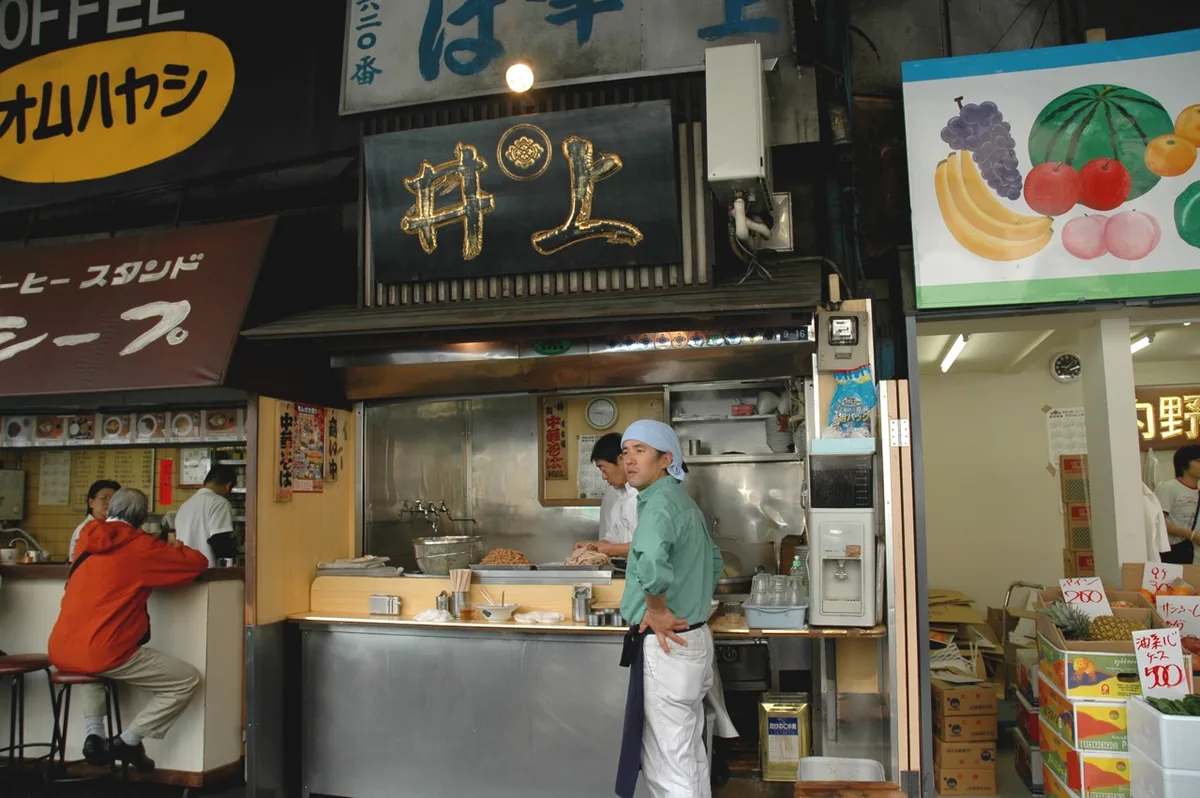
Entry method matters as much as broth style when planning a Tokyo ramen day. Some shops take online reservations, others hand out timed tickets, and the rest run on a plain queue. Many of the reservation-based shops overlap with the wider Tokyo Michelin dining scene, so book those slots first if a splurge meal is part of the trip.
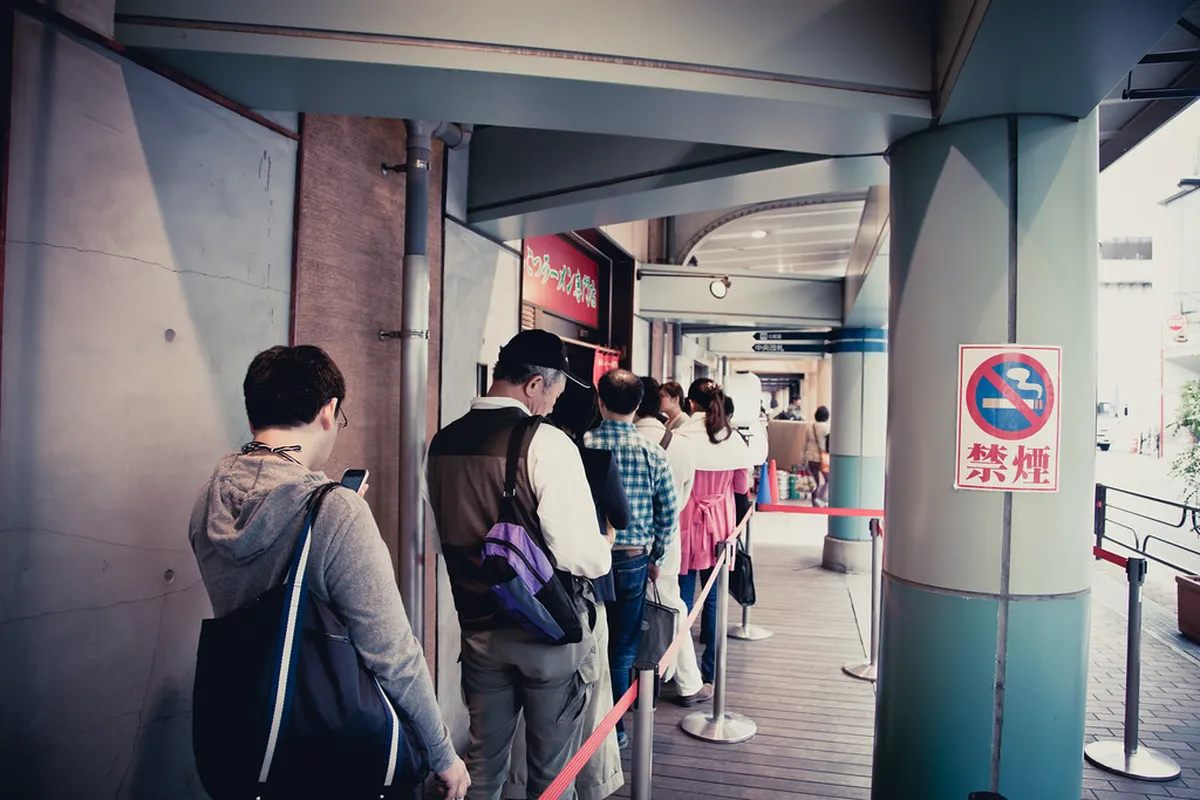
Michelin-recognized shops that distribute timed tickets, like Konjiki Hototogisu, see early-morning lines by 8:00 or 9:00 AM for walk-ins, well before the official 9:30 AM ticket distribution.
| Entry Method | How It Works | Example Shops |
|---|---|---|
| Online reservation | Book a fixed time slot in advance; some shops charge a small booking fee | Ginza Hachigo (TableCheck, ¥500 fee); Chukasoba Tomita (Omakase.in) |
| Timed ticket (seiri-ken) | Line up early for a paper ticket with a return time later that day | Konjiki Hototogisu: lunch tickets at 9:30 AM, dinner tickets at 5:30 PM |
| Standard queue | No booking or ticket; join the line and wait your turn | Motenashi Kuroki, Yakumo, Tanaka Shoten, and most other shops on this list |
- Vending machines and cash
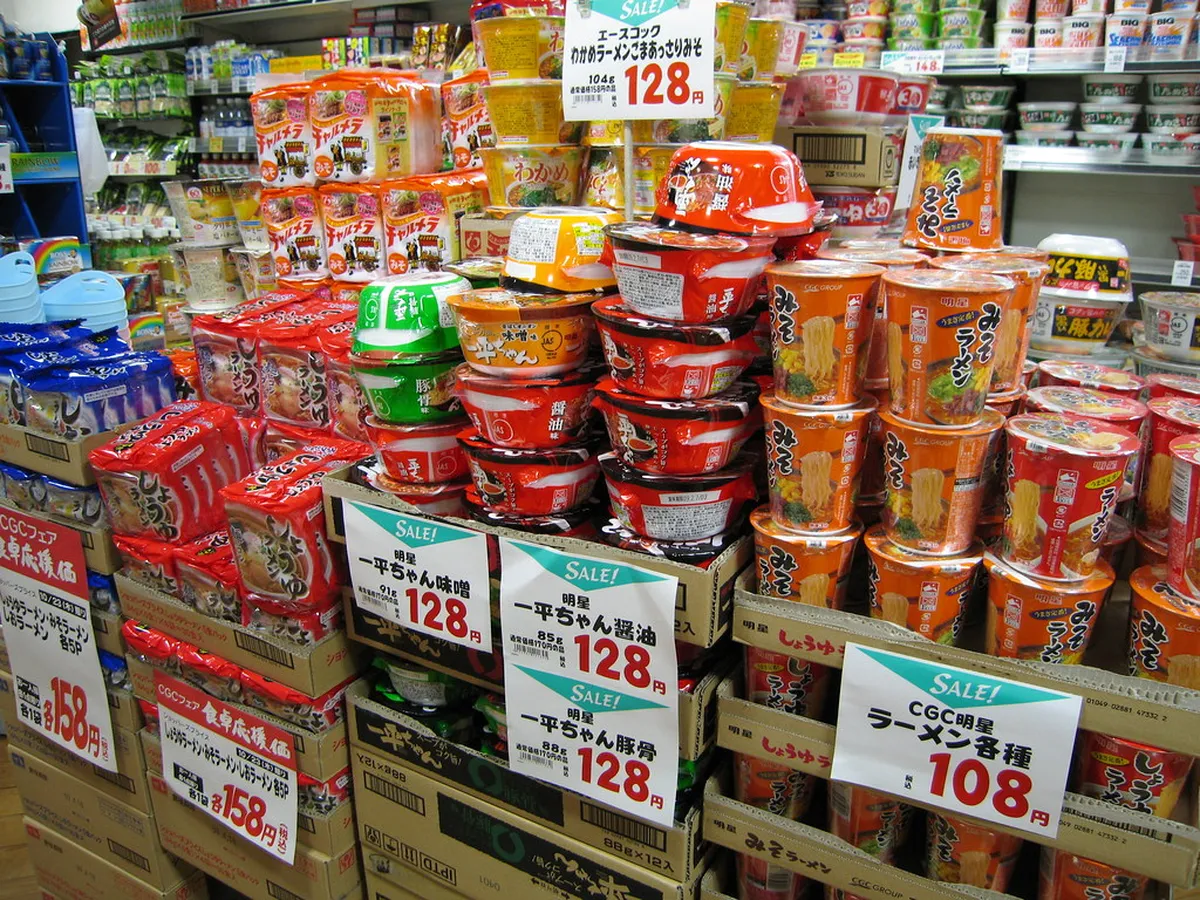
- Most shops without table service use a ticket vending machine at the entrance, and menus are rarely in English.
- Feed the machine a ¥1,000 or ¥2,000 note, since some machines reject larger bills and don't take cards.
- The 9 Best Affordable Restaurants in Tokyo (2026 Budget Eats Guide) covers other cash-friendly meals near major stations.
- Early lines and time limits
- Shops known for running out of tickets often see lines by 8:00 or 9:00 AM, hours before the lunch service the tickets cover.
- High-demand counters also tend to enforce an unspoken 30-minute limit at the seat, so eat and clear your spot once you're done.
10 Best Ramen Shops in Tokyo, by Style and Neighborhood
These 10 shops cover Tokyo's major ramen styles and neighborhoods, from Michelin-recognized counters to a single-topic specialist in the city's north end. Each entry names what the shop suits best, so a bowl can match the kind of day being planned.
- Ginza Hachigo (Ginza) — best for a Michelin splurge with a reservation
- Recognized in the Michelin Guide's Tokyo ramen selection, this six-seat counter builds its broth from duck, chicken, scallop, dried tomato, and matsutake.
- Reserve through TableCheck; the shop opens next week's slots every Saturday at 9:00 AM for a ¥500 booking fee and a 30-minute lunch seating.
- Walk-in queuing still works if you arrive before opening, though expect an early-morning wait on weekends.
- Konjiki Hototogisu (Shinjuku) — best for truffle-and-clam broth without a walk-in gamble
- This Michelin-recognized shop distributes lunch tickets at 9:30 AM and dinner tickets at 5:30 PM, so line up before either time.
- Shio and shoyu bowls share a dashi-clam-chicken base finished with black truffle sauce and porcini oil.
- Seating is limited to a seven-seat counter plus a couple of small tables, so solo diners often move faster than groups.
- Tsuta — best for ramen history and a tasting-course approach to broth
- Tsuta became the first ramen shop anywhere to earn a Michelin star, a milestone documented in the Michelin Guide's Tokyo coverage.
- Each bowl is built to shift in flavor from first slurp to last rather than stay flat.
- Confirm current hours and seating rules before visiting, since single-location, high-demand shops adjust queue systems often.
- Motenashi Kuroki (Asakusabashi) — best for award-recognized shio with a noodle choice
- The shio broth blends two types of chicken, duck, pork, niboshi, and kombu, seasoned with five kinds of salt.
- Order the tokusei shio, the "top left button" bowl, for the shop's signature topping combination.
- Choose thin straight noodles or hand-scrunched thick curly noodles; the shop moved recently, so confirm the current Asakusabashi address before going.
- Jun Teuchi Men to Mirai (Shimokitazawa) — best for handmade, mochi-mochi noodle texture
- Noodles are handmade in-house daily, with hydration adjusted for weather, producing a thick, doughy bite closer to udon than typical ramen.
- The broth combines chicken wings, bonito, dried niboshi, kombu, and clams with a light hint of yuzu.
- It runs weekdays 11:30 AM to 2:30 PM and 5:30 to 9:00 PM, with weekend hours 11:30 AM to 5:00 PM.
- Yakumo (Meguro) — best for wantanmen (wonton ramen) specialists
- Order wontons filled with pork, shrimp, or both, wrapped in a longer-tailed, thin wrapper.
- The shoyu broth comes in two styles: a mellow "white" soy tare or a more standard "black" tare.
- It's open daily 11:30 AM to 3:30 PM except Tuesdays, so plan a lunch visit rather than dinner.
- Tanaka Shoten — best for Hakata-style tonkotsu intensity
- This shop is widely regarded as the benchmark for Hakata Nagahama-style tonkotsu ramen outside Kyushu.
- Expect a thick pork-bone broth in the Nagahama tradition, paired with thin, straight noodles built for quick refills.
- It suits travelers who want Kyushu-style tonkotsu without a trip south of Tokyo.
- NIBOSHIMANIA (Kamata) — best for adventurous dried-fish (niboshi) broth
- Order the Nibopresso for a thick, concentrated niboshi broth built around dried sardine flavor.
- The style is polarizing outside Japan, but the kitchen's version is built to convert first-time niboshi skeptics.
- Kamata sits away from the central Yamanote loop, so budget extra travel time compared with the other shops on this list.
- Mizoguchiya (Higashi-Jujo) — best for a curry-ramen fusion
- The signature Nepalmen layers Nepali-style curry and masala spice over a Jiro-style ramen base.
- Toppings include achar-pickled bean sprouts and fermented butter for extra richness.
- This is a specialty bowl for travelers who already like curry, not a first ramen stop for purists.
- Ramen Jazzy Beats (Nakameguro) — best for a modern, music-driven ramen room
- This Nakameguro shop serves a simplified version of the Ramen Break Beats shio and shoyu recipes from the same chef group.
- Broth is creamy and frothy, built from a heirloom Kumamoto chicken breed and several types of dried niboshi.
- It's open daily 11:30 AM to 2:30 PM and 5:30 to 10:00 PM; the flagship Break Beats shop requires a TableCheck reservation, while Jazzy Beats is typically easier to walk into.
Short on Time? Tokyo Ramen Street at Tokyo Station
Travelers tight on time or carrying luggage between the airport and a hotel have a shortcut. Tokyo Ramen Street sits inside Tokyo Station near the Yaesu Underground Central Exit and gathers a rotating lineup of known shops under one roof, including Rokurinsha for tsukemen. Try Tomita Menban, the accessible spinoff of Chukasoba Tomita that still serves the shop's earlier recipe without a reservation. It makes a practical stop while exploring central Tokyo attractions before a train departure. Shops rotate periodically, so confirm the current lineup before you go.
Ramen Etiquette: What to Know Before You Slurp
Counter-seat ramen shops run on a few unwritten rules, and following them keeps lines moving for everyone behind you.
At shops like Konjiki Hototogisu and Ginza Hachigo, plan about 30 minutes for eating and remember that the one-bowl-per-person rule means groups cannot share orders.
- Don't linger after finishing
- Many counters expect diners to eat and leave within about 30 minutes, especially at high-demand shops like Ginza Hachigo.
- One bowl per person
- Most shops don't allow sharing a single order between two diners, even for a small bowl.
- Use the top-left button as a default
- It usually marks the shop's signature bowl, a safe pick when the machine has no English menu.
- For a broader dining-manners primer, see the sushi counter etiquette guide, since many of the same counter-seating norms apply.
- For a later dining option after a ramen run, izakaya and yokocho alleys keep serving well past ramen shops' lunch hours.
Dietary Caveats: Vegetarian, Vegan, and Allergy Notes
Most Tokyo ramen broths are built on pork, chicken, or dried-fish stock, even when the topping list looks meat-light. Shio and shoyu broths can still contain niboshi or bonito, so a bowl with vegetable toppings is not automatically vegetarian. Confirm ingredients with staff before ordering if pork, shellfish, or fish stock is a hard limit; ticket machines rarely list allergens in English. Travelers keeping strict vegan, halal, or kosher diets should treat ramen counters as a lower-priority stop on this trip rather than a guaranteed option.
Building a Full Tokyo Food Day Around Your Ramen Stop
Ramen pairs naturally with other Tokyo food stops when the day is planned around transit lines. Start the morning at the Tsukiji Outer Market breakfast stalls before a shop's late-morning ticket distribution. Between ramen shops, browse a depachika food hall for a snack that won't fill you up before lunch. For something to eat on the move, the Tokyo Street Food Guide 2026: 10 Essential Tips and Locations covers quick options near major stations. For a wider view of where ramen fits against the city's other kitchens, see the 15 Best Restaurants In Tokyo 2026: The Ultimate Foodie Guide roundup. Evenings favor a change of pace, and a restaurant with a view makes a good contrast to a six-seat ramen counter. On a slower afternoon, a coffee and kissaten guide or one of the city's themed cafes rounds out the day.
Plan Your Ramen Stops Around the Yamanote Line
Use the Yamanote Line as the spine of a ramen day, then make short transfers for the shops outside the loop. Tokyo Station Ramen Street is the simplest starting point if you arrive by Shinkansen or are changing hotels.
From Shinjuku Station, take the Odakyu Line to Shimokitazawa for Jun Teuchi Men to Mirai. Konjiki Hototogisu is also easy to pair with Shinjuku sightseeing, although it is closer to Shinjuku-gyoemmae than the main station.
- From Shibuya, use the Tokyu Toyoko Line for Nakameguro and Ramen Jazzy Beats.
- From Akihabara, the JR Chuo-Sobu Line makes Asakusabashi and Motenashi Kuroki a simple detour.
- Kamata and Higashi-Jujo need more travel time, so make NIBOSHIMANIA or Mizoguchiya the main food stop in that part of Tokyo.
Avoid scheduling two distant bowls on the same day. Pick one destination ramen stop, then use a central station area for snacks, coffee, or sightseeing.
Frequently Asked Questions
What is the best way to get into Tokyo's most popular ramen shops?
Reserve ahead through TableCheck or Omakase.in when a shop offers it, since walk-in lines for shops like Ginza Hachigo can start before 8:00 AM. If reservations aren't offered, plan to queue early or collect a timed ticket as soon as the shop distributes them.
Do Tokyo ramen shops take credit cards?
Some newer shops do, but many ticket vending machines are cash-only and reject large bills. Carry ¥1,000 or ¥2,000 notes so a ticket can be bought without hunting for change.
How much time should you plan for a ramen stop?
Budget 30 to 45 minutes at busy counters, since shops like Ginza Hachigo enforce a 30-minute seating window. Add extra time before opening if the shop runs a queue or a timed-ticket system.
Is there a reliable vegetarian ramen option in Tokyo?
Vegetarian and vegan ramen remain uncommon, since most broths use pork, chicken, or dried-fish stock even in vegetable-topped bowls. Confirm ingredients directly with staff before ordering if a strict vegetarian, vegan, or halal diet is a requirement.
What does the "top left button" on a ramen ticket machine mean?
It usually marks the shop's signature or most recommended bowl. Choosing it is a reliable default when the machine has no English menu.
Free: The Tokyo Essentials guide
Top things to do, where to stay, a perfect day plan, getting around, and the best time to go — a Tokyo mini-guide you can take offline.
You might also like
Continue reading
More guides you'll find useful