9 Best Affordable Restaurants in Tokyo (2026 Budget Eats Guide)
9 best affordable restaurants in Tokyo for 2026, from ¥100 conveyor-belt sushi to ¥1,000 ramen and Bib Gourmand counters under ¥1,500.
On this page
Last updated August 2026, this guide rounds up the best affordable restaurants in Tokyo, from ¥100 conveyor-belt plates to Bib Gourmand ramen under ¥1,500. Tokyo's reputation for expensive dining mostly applies to omakase counters and hotel restaurants, not the ticket-machine noodle shops and department-store basements where residents eat lunch. Below are specific restaurants, order-counter mechanics, and the neighborhood hubs where a filling meal still costs less than ¥1,000.
Why Tokyo Dining Costs Less Than You Think
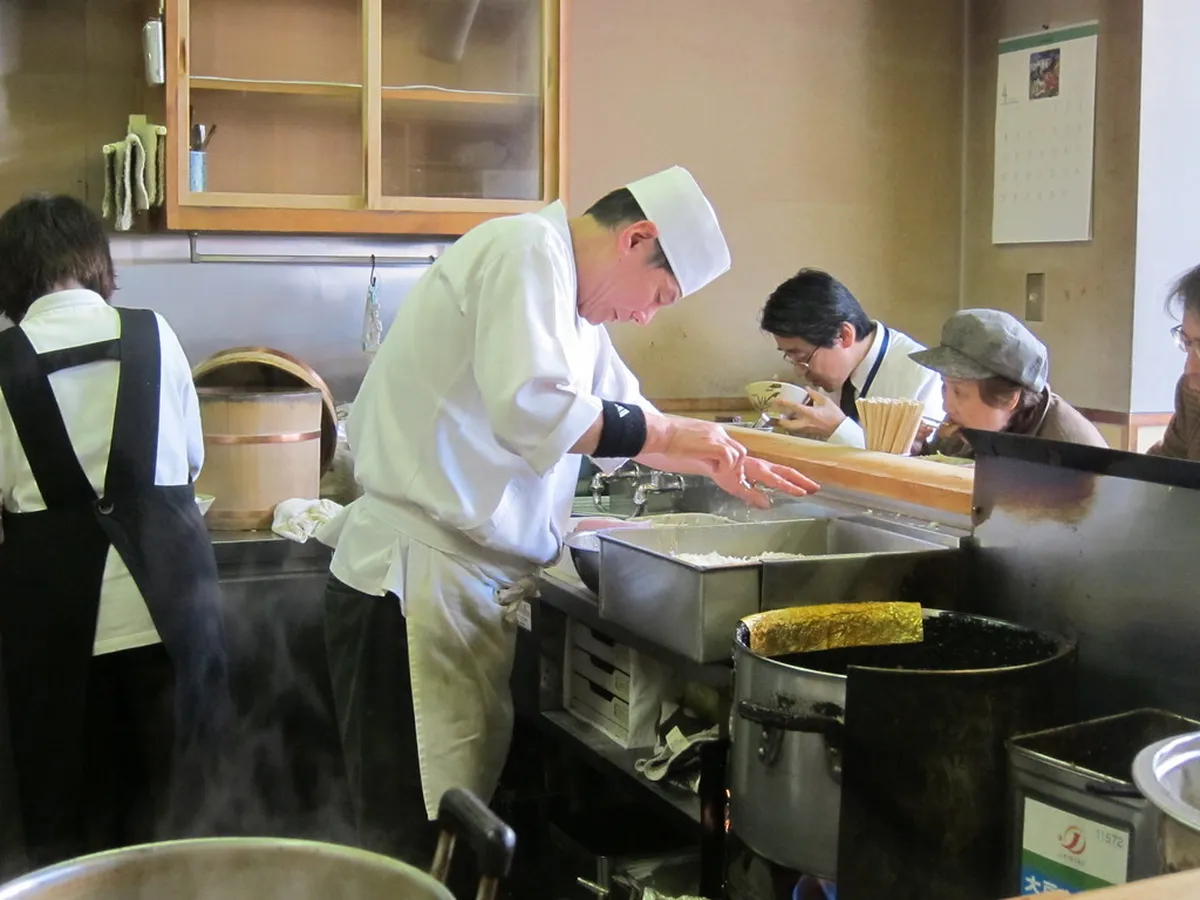
Tokyo's expensive reputation comes from omakase sushi and hotel kaiseki, not from where most residents eat on a Tuesday. Local budgeting runs on a ¥1,000 lunch ceiling. Anything below that price counts as a cheap eat. Meals between ¥1,000 and ¥2,000 count as affordable mid-range. To stay under that ceiling, some shops shrink portions or trim toppings rather than raise the price. Smaller portions don't mean lower quality, just a tighter price point. Lunch sets, called ranchi, often run 30 to 50 percent cheaper than the identical dinner plate at the same counter. Scheduling the main meal between 11:30 AM and 2:00 PM stretches a budget furthest. Many of the best-value counters sit below street level or up a narrow staircase, so watch for a fabric noren curtain rather than a storefront sign. Even a Bib Gourmand-recognized bowl or tonkatsu set can land under ¥2,500, so affordable in Tokyo rarely means giving up quality. This guide sticks to specific counters and price bands rather than vague reassurance, since exact numbers make a budget plan work.
While the window of 11:30 AM and 2:00 PM stretches budgets furthest, visiting an hour later at 3:00 PM eliminates queues entirely—timing shifts within a single hour can eliminate waits reported at up to 30 minutes during peak service.
- Konbini and stand-and-eat (under ¥600)
- Convenience-store rice balls, sandwiches, and tachigui stand-and-eat soba or udon counters fall in this band.
- Expect no seating and a fast, transactional pace.
- Standard budget (¥600–¥1,200)
- Most ticket-machine ramen, teishoku set meals, and chain curry land here.
- This is the price band most of the picks below fall into.
- Affordable Michelin and Bib Gourmand (¥1,200–¥2,500)
- Bib Gourmand-recognized tonkatsu, onigiri, and ramen counters sit in this range.
- Quality can rival a fine-dining plate at a fraction of the price.
How to Order Like a Local: Ticket Machines and Reliable Chains
A teishoku set pairs a main dish with rice, miso soup, and pickles on one tray, giving a balanced meal without ordering separate items. Ordering the same main and sides separately usually costs more than the set. Many counters use a ticket machine instead of table service. Pressing the top-left button is the standard shortcut for a shop's signature or best-value dish, useful when a machine has no English or pictures. Most machines take cash. A growing share also accept an IC card such as Suica or Pasmo. Card payment is far less common, so carrying yen remains the safer default. Chains fill in reliably when a specific counter has a long queue.
- Ichiran
- Tonkotsu ramen chain with ordering booths at multiple stations, including Ueno.
- The Ueno outpost opens early enough for a jet-lagged breakfast bowl, though it's worth confirming the current opening time on-site.
- The 10 Best Ramen Shops in Tokyo: Michelin Stars to Local Favorites (2026 Guide) explains its flavor-customization order form in detail.
- Coco Ichibanya
- Curry chain where diners choose spice level, rice portion, and toppings separately.
- A dependable fallback when a nearby ramen or teishoku counter has a long line.
- Kura Sushi
- Conveyor-belt sushi chain with per-plate pricing and a plate-return game.
- Works as a chain alternative to the independent kaiten-zushi counters below.
9 Best Affordable Restaurants in Tokyo
These nine spots span ramen, sushi, udon, yakitori, onigiri, and a craft beer happy hour, chosen for concrete prices and reliable quality at the counter. Prices reflect the latest available reporting; confirm at the counter since small shops adjust menus without much notice.
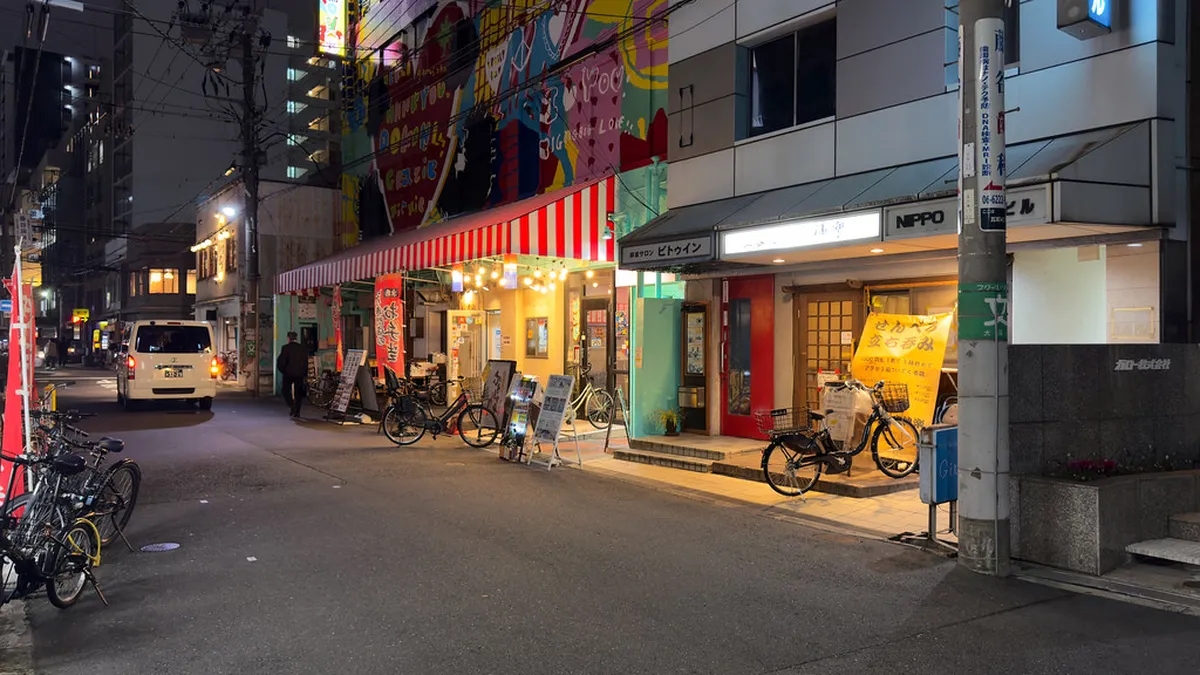
- Hanada (Ueno) — Miso Ramen
- Hanada specializes in miso ramen a short walk from Ueno Station, with a rich, spicy broth topped with garlic and vegetables at no extra charge.
- Queues have been reported at up to 30 minutes during peak hours, though an off-peak visit around 3:00 PM can mean no wait at all.
- Vegetables and garlic arrive automatically with the spicy version, a small extra that other counters sometimes charge for separately.
- Ginza Hachigo — Bib Gourmand Ramen
- Ginza Hachigo is a Michelin-recognized ramen counter in Ginza, popular enough that finding a seat can take patience.
- As of recent reporting, two dishes on the menu stay under ¥1,500, keeping a Bib Gourmand bowl inside the affordable-mid-range band.
- Demand runs high, so budget extra time before joining the counter line.
- Fuuji — Tsukemen
- Fuuji is a long-running tsukemen specialist where the signature dipping-noodle set costs ¥1,000 and the Special Tsukemen runs ¥1,200.
- The ticket machine also sells regular ramen, so skip the usual top-left-button shortcut and press the button marked つけめん instead.
- A boiled egg and sliced pork are both available as add-ons if the base bowl feels light.
- Uobei Sushi (Shibuya) — Tech-Forward Kaiten-Zushi
- Uobei uses iPad ordering that sends plates down a high-speed chute within minutes, and each plate is listed at ¥100 before tax, though it's worth confirming current pricing on-site.
- Order up to three plates at a time, and wait until every plate is off the tray before hitting the return button.
- For counter manners at pricier sushi-ya, the sushi counter etiquette guide covers the contrast with a kaiten-zushi visit.
- Miuramisaki Kou (Ueno) — Traditional Kaiten-Zushi
- Miuramisaki Kou seats about a dozen diners near Ueno Station, with two chefs taking custom orders while also placing popular cuts on the belt.
- Plates cost a little more than at tech-forward chains like Uobei, with pricing still marked by plate color.
- Its location near Ueno Station puts it within walking distance of Ameyoko Market.
- Konaya (Ueno Station) — Curry Udon
- Konaya sits inside Ueno Station and specializes in curry udon served in a rich, warming broth.
- Beef and roasted-vegetable versions are both on the menu alongside the standard curry udon set.
- The station location makes it a practical stop between train transfers rather than a destination in itself.
- Onigiri Asakusa Yadoroku — Onigiri Lunch Set
- Operating in Asakusa since 1954, Onigiri Asakusa Yadoroku is one of the city's original dedicated onigiri counters.
- A lunch set of two rice balls, tofu miso soup, and pickled radish costs ¥814.
- Expect a queue, since the shop has drawn steady lines for decades.
- Omoide Yokocho Yakitori Counters (Shinjuku) — Yakitori
- Omoide Yokocho, a narrow alley of yakitori counters near Shinjuku Station also known as Memory Lane, prices skewers individually rather than by set.
- Vegetable skewers run about ¥170 each and meat skewers run ¥190 to ¥200, so six or seven skewers make a full meal under ¥1,500.
- The izakaya and yokocho guide covers alley etiquette and more picks nearby.
- Popeye (Ryogoku) — Craft Beer Happy Hour
- Popeye pours one of the city's largest Japanese craft beer selections in Ryogoku, opening at 5:00 PM.
- Ordering a beer between 5:00 PM and 8:00 PM comes with a free small plate, such as pizza, sausage, or fried chicken.
- Confirm the happy-hour deal is still running before a visit, since bar promotions change.
The Affordable Michelin Angle: Bib Gourmand Picks Under ¥2,500
Michelin's Bib Gourmand designation flags counters that deliver excellent food without a full Michelin-starred price tag. Tokyo's list includes plenty of tonkatsu and noodle counters worth the detour. Onigiri Asakusa Yadoroku, listed above, is one example of Bib Gourmand-level quality served for a set well under ¥1,000. For a fuller rundown of the city's Michelin-recognized affordable picks, the Michelin Star Restaurants Tokyo: 2026 Guide & Booking Tips covers the wider list. When researching a specific neighborhood, checking the current Bib Gourmand list before a visit confirms which counters still hold the designation, since the list updates annually.
Neighborhood Budget Hubs Worth Wandering
Four areas cover most of the city's cheap-eat density, each with a different rhythm. Each also sits within walking distance of sights in the Tokyo Trip Planner 2026: Attractions, Neighborhoods and Itineraries guide. Mornings favor a different set of budget spots. The Tsukiji Outer Market Breakfast Guide 2026: Timing, Stalls, and Routes covers stalls that open early for a cheap, seafood-forward start. A retro kissaten pours coffee and toast for less than a convenience-store combo meal, and the 10 Best Coffee Shops in Tokyo: Specialty Roasters & Traditional Kissaten lists reliable ones nearby. Combining two of these hubs in one day, such as an Ueno lunch followed by a Ginza basement dinner, keeps transit time reasonable while sampling different formats.
- Ueno — Ameyoko Market
- Street stalls and izakaya counters line this market strip near Ueno Station, steps from the ramen and sushi picks above.
- The Tokyo Street Food Guide 2026: 10 Essential Tips and Locations covers takoyaki stalls and other Ameyoko snacks in more depth.
- Shinjuku — Omoide Yokocho and basement food halls
- Beyond the yakitori alley covered above, Shinjuku Station's basement level holds several inexpensive food-hall counters worth a wander before or after.
- Ginza — basement counters
- Ground-level Ginza looks expensive, but basement buildings hide budget counters like ABC Ramen, a sesame-broth ramen shop below street level.
- Look for a noren curtain marking a basement stairway rather than a storefront sign.
- Depachika — department store basements
- Department-store basement food floors discount prepared bento boxes and dinner sets, with the steepest markdowns after 7:00 PM as staff clear the day's stock.
- The depachika food halls guide explains which stores and counters to target.
Hidden Costs to Budget For: Otoshi, Drink Minimums, and Queues
Small appetizers that arrive automatically at an izakaya are not a free gift. This otoshi, or table charge, functions as a seating fee and typically costs ¥300 to ¥500 per person. It shows up on the bill even when nobody ordered it. A handful of standing bars and small counters also enforce a one-drink minimum per person, so factor a beverage into the budget even at a food-focused counter. This rule is more common at small standing bars than at set-meal restaurants, so it rarely affects the ramen and teishoku counters above. Queue length varies widely by counter. Some spots, including Tsujihan and Kaneko Hannosuke, are known for queues that stretch well past an hour at peak times. A queue that wraps around a corner or spills onto the sidewalk usually signals a longer wait, while a short line inside the doorway usually clears fast. Most neighborhood ramen and teishoku counters clear in fifteen minutes or less outside lunch and dinner rushes.
Beyond the visible otoshi and drink charges, depachika discounts steepen dramatically after 7:00 PM as staff clear stock—timing a department-store basement visit for evening hours offers savings that other neighborhood budget hubs cannot match through venue choice alone.
Tokyo Budget Meals at a Glance: Price vs. Experience
The categories above vary enough in price and pace that a side-by-side helps when deciding what fits the moment. Use the ¥1,000 lunch ceiling as a quick test. Meals under that price count as a certified cheap eat. Pricing that creeps toward ¥2,500 usually signals Bib Gourmand-level polish.
| Meal Type | Typical Price | Vibe |
|---|---|---|
| Konbini onigiri or sandwich | Under ¥600 | Quick, solo, no seating |
| Tachigui stand-and-eat soba or udon | ¥400–¥600 | Quick, solo |
| Ticket-machine ramen | ¥800–¥1,200 | Solo-friendly, fast turnover |
| Teishoku set meal | ¥900–¥1,300 | Balanced, sit-down |
| Kaiten-zushi at Uobei | ¥100 per plate | Casual, good for groups |
| Tsukemen at Fuuji | ¥1,000–¥1,200 | Sit-down, solo or pair |
| Yakitori per skewer, Omoide Yokocho | ¥170–¥200 per skewer | Lively, shareable |
| Bib Gourmand ramen or onigiri | ¥800–¥1,500 | Sit-down, worth the queue |
| Depachika bento after 7:00 PM | Discounted from listed price | Takeaway, solo |
Reliable Teishoku Chains for a Budget Dinner
Teishoku chains solve the budget-dinner problem when a specialist ramen counter has a long queue. Ootoya Gohan-dokoro and Yayoi Ken have branches near major stations and serve individual trays instead of shared dishes.
A typical order combines a grilled or fried main with rice, miso soup, and pickles. This makes the total easier to control than ordering several izakaya dishes. Both chains are useful for solo diners, families, and travelers who want vegetables alongside a main dish.
- Choose grilled fish, chicken, or tofu dishes for a balanced tray.
- Use the ordering screen or picture menu when Japanese-only signage is unclear.
- Check closing times near stations, as some branches stop taking orders before the listed closing hour.
Teishoku restaurants are generally more relaxed than standing noodle counters. They also avoid the otoshi and drink-minimum rules that can raise the cost of an izakaya meal.
Frequently Asked Questions
What counts as a cheap eat versus an affordable restaurant in Tokyo?
Konbini snacks and stand-and-eat noodle counters under ¥600 count as cheap eats. Meals from ¥600 to ¥1,200, including most ticket-machine ramen and teishoku sets, count as standard budget dining. Bib Gourmand-level tonkatsu, onigiri, and ramen counters that run ¥1,200 to ¥2,500 still qualify as affordable next to Tokyo's fine-dining scene.
Can you still find a ¥1,000 bowl of ramen in Tokyo in 2026?
Yes, at ticket-machine counters like Fuuji, where the signature tsukemen costs ¥1,000. Bib Gourmand-recognized counters run a little higher. Ginza Hachigo lists two dishes under ¥1,500 as of recent reporting, which still counts as affordable for that tier of quality.
How much does a full day of budget eating cost in Tokyo?
In our editorial estimate, stacking a sub-¥600 konbini breakfast, a roughly ¥1,000 ticket-machine lunch, and a ¥1,200 teishoku dinner keeps a full day of meals close to ¥2,800. Add a coffee break or an evening beer with otoshi for a bit more.
Do budget restaurants in Tokyo take credit cards?
Many ticket-machine shops remain cash-only or accept only an IC card such as Suica or Pasmo. Carrying enough yen, plus a topped-up IC card, avoids a stall at the machine when a card reader is not an option.
What if you want one nicer meal to break up the budget eating?
Pair a week of ¥1,000 lunches with a single dinner reservation from the 10 Essential Chapters for Your Tokyo Food Guide 2026. The restaurants with a view guide covers scenic splurge options. For a wider set of higher-end picks beyond this budget list, see the 15 Best Restaurants In Tokyo 2026: The Ultimate Foodie Guide roundup.
Are themed cafes in Tokyo an affordable option?
Usually not, compared with the counters in this guide. Themed cafes typically add a seating or cover charge on top of food and drink prices. If a themed visit is still worth it, budget it as a separate splurge. The Tokyo Themed Cafes: A 2026 Guide to Reservations, Closures, and What's New lists what to expect.
Which neighborhood has the most budget restaurants close together?
Ueno concentrates ramen, kaiten-zushi, curry udon, and Ameyoko street food within a few minutes' walk of the station, covering four of the picks in this guide alone. Shinjuku's Omoide Yokocho adds a dense cluster of yakitori counters near the station.
Free: The Tokyo Essentials guide
Top things to do, where to stay, a perfect day plan, getting around, and the best time to go — a Tokyo mini-guide you can take offline.
You might also like
Continue reading
More guides you'll find useful