10 Best Coffee Shops in Tokyo: Specialty Roasters & Traditional Kissaten
Navigate the best coffee shops in Tokyo, from specialty roasters like GLITCH to classic kissaten such as Chatei Hatou, with 2026 wait-time and etiquette tips.
On this page
Last updated August 2026, this guide to the best coffee shops in Tokyo separates specialty roasters from traditional kissaten. Third-wave shops pour light-roast single origins in minimalist rooms, while kissaten serve dark-roast pours in velvet booths where smoking is often still allowed. Expect a one-drink minimum at most counters, and pace a multi-stop day with batch brew or tea instead of espresso after espresso.
Specialty Coffee vs. Kissaten: How Tokyo's Coffee Scene Splits
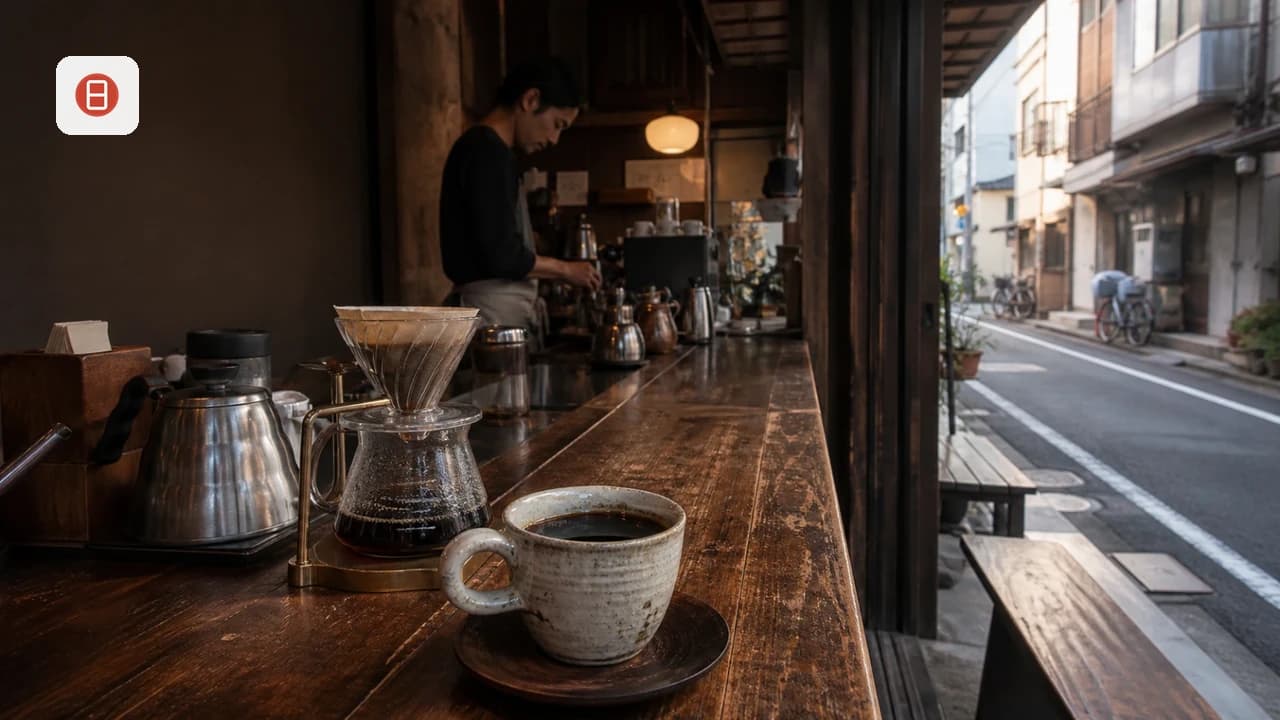
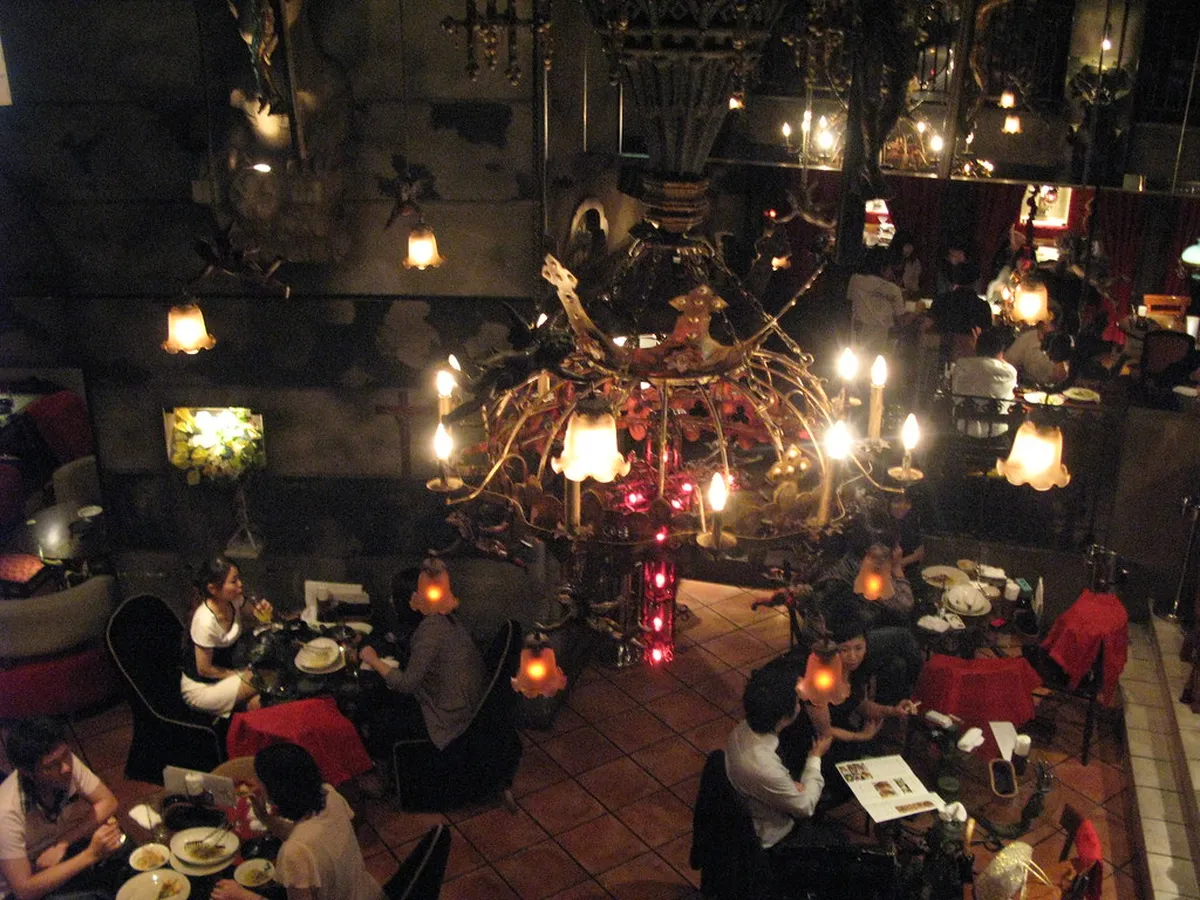
Tokyo's coffee scene splits into two distinct traditions, and knowing which one you're walking into changes what to expect at the counter. Third-wave specialty shops favor light-roast single origins, filter brewing, and minimalist rooms with card or Suica payment. Kissaten, the city's older coffee houses, pour dark-roast blends in low-lit rooms with velvet seating, and many still permit smoking. Both styles typically expect one drink per person if you're taking a seat, so plan cafe stops as deliberate breaks rather than quick stops. For broader context on the city's food scene, see the full culinary rundown of Tokyo.
| Aspect | Specialty (Third Wave) | Kissaten (Traditional) |
|---|---|---|
| Roast style | Light, single-origin | Dark, blended |
| Seating | Counter stools, minimal decor | Velvet booths, low lighting |
| Smoking | Not permitted | Often permitted |
| Payment | Cards and Suica common | Cash often required |
| Example shop | Onibus Coffee, Nakameguro | Chatei Hatou, Shibuya |
10 Best Coffee Shops in Tokyo: Specialty Roasters and Classic Kissaten
These ten stops cover Tokyo's coffee scene from filter-obsessed specialty roasters to smoke-friendly kissaten that have poured the same way for decades. Each one below comes with what to expect on arrival, from wait times to payment method.
- GLITCH Coffee & Roasters (Jimbocho)
- The Jimbocho shop sits just north of the Imperial Palace gardens, choosing beans through a tasting process closer to a wine list than a menu.
- Arrive at least 30 minutes before opening to beat the line; the wait can stretch to two hours later in the day.
- A second location, Glitch Coffee Brewed, operates inside the Nine Hours capsule hotel in Akasaka with fewer seats and weekday batch brew.
- Koffee Mameya (Omotesando)
- Staff ask about your taste preferences, then match you to one of dozens of partner-roaster beans before brewing it to order.
- The Kakeru location opened in 2021 in East Tokyo and serves a coffee omakase course of pour-overs, cocktails, and milk brews from a U-shaped counter.
- Expect no seating and a line for most of the day at the original Omotesando counter, since it runs as a takeout and retail bar.
- Onibus Coffee (Nakameguro)
- This two-story shop pours espresso and single-origin filter coffee, with open-air seating downstairs and bar seats upstairs facing the train tracks.
- Pastries sell out early, so grab one with your coffee before wandering the cafes lining the nearby Meguro River.
- Leaves Coffee Roasters (Asakusa)
- Founder Yasuo, a former boxing champion turned roaster, built the industrial-style space near Asakusa around light-roast single origins from Colombia and beyond.
- The nearby Leaves Coffee Apartment closed shortly after opening; confirm current status before adding a second Leaves stop to your route.
- Blue Bottle Coffee (Aoyama, Nakameguro, Shinagawa Station)
- The Aoyama branch carries the fullest food menu of the Tokyo locations and sits inside a small cluster of other coffee shops worth a walk-by.
- Nakameguro occupies a converted factory building, with six pour-over drippers set on built-in scales along the counter.
- Shinagawa Station is the station-adjacent option for a coffee before a shinkansen departure, with the same espresso and pour-over menu as the other branches.
- Chatei Hatou (Shibuya)
- Only pour-over is served, brewed one cup at a time; counter seats let you watch the process from grind to pour.
- Smoking is technically allowed, though the room has stayed clear on past visits thanks to the air conditioning.
- An extensive cake list and a sweetened milk-and-coffee drink round out the menu; bring yen, since kissaten of this style rarely take cards.
- Café de L'Ambre (Ginza)
- Beans are roasted on-site on small roasters at the front of the shop, some aged for years before brewing.
- Coffee is made tableside with a linen filter and no scales or timers, a deliberately old-school process worth watching from a counter seat.
- Smoking is allowed in the long, low room, so ask for a seat near the door if that matters to you.
- Coffee Seibu (Shinjuku)
- Decor here dates to the 1960s, with retro booths and a classic drip-coffee-and-parfait pairing on the menu.
- It's a rare kissaten stop inside Shinjuku, a district better known for nightlife and shopping than for coffee counters.
- Fuglen (Asakusa and Shibuya)
- The Norwegian import roasts in-house and pours a seasonal single-origin espresso alongside V60, Aeropress, and batch-brew filter options.
- By day it runs as a cafe; after dark, the same room turns into a cocktail bar, with the two-floor Asakusa branch open latest.
- About Life Coffee Brewers (Shibuya)
- This walk-up stand at the top of Dogenzaka pours the Onibus house blend plus beans from two other Tokyo roasters.
- Six single origins rotate every two to three months, available as espresso or V60 pour-over.
- There's a semi-secret indoor standing area for rainy days, plus a smaller walk-up window one block from Shibuya Station.
Tokyo's Best Neighborhoods for a Coffee Crawl
Rather than crisscrossing the city, pick one neighborhood per coffee crawl and let the walk between shops double as sightseeing. Slot a stop between attractions using a citywide sightseeing list to keep the day's route efficient.
- Shibuya and Harajuku pack in About Life Coffee Brewers, Fuglen, and The Local Coffee Stand within a few minutes' walk of each other. Arrive early on weekends, when crowds build fast.
- Nakameguro centers on Onibus, with Sidewalk Stand nearby on the Meguro River for a faster coffee, sandwich, or pastry.
- Akihabara and Ginza pair Kielo Coffee, a small specialty roastery tucked among Akihabara's maid cafes, with Tricolore, a European-style sit-down room in Ginza.
- Shimokitazawa suits slow wandering more than a fixed itinerary. W/O Stand, tucked on a side street, pours seasonal lattes worth the detour.
Matcha, Hojicha, and Coffee Pairings Worth Seeking Out
Coffee isn't the only reason to cafe-hop in Tokyo, and mixing in tea keeps a multi-stop day from tipping into a caffeine crash. Nadoya no katte sits inside a renovated traditional home and specializes in an unhurried coffee tasting guided by staff. It typically opens only on weekends, so check the schedule before visiting. Uni Stand in Kichijoji pours a hojicha au lait for travelers who want a roasted-tea alternative to matcha. Maruyama Coffee's Nishi Azabu location dates to 1991 and is one of three Tokyo branches. It serves a dried-fruit coffee pairing alongside a breakfast menu that runs 08:00 to 10:00. COBI Coffee in Harajuku is known for its Nel Drip preparation, a cloth-filter method worth trying if you haven't seen one poured before.
Tokyo's Themed Cafes: Worth the Wait for Coffee Lovers?
Character cafes draw long lines for the experience more than the coffee itself, so set expectations before you book. Pokemon Cafe releases reservations exactly 31 days before the date you want, with the booking window opening at 10:00 JST. Secure a slot the moment it opens, since travelers report availability disappears fast. DAWN Avatar Robot Café takes a different approach, with servers who have disabilities operating robot waitstaff remotely. A table with a robot server carries a surcharge over a standard table. Café Reissue draws crowds for 3D latte art and doesn't take reservations, so expect a wait during peak hours. For a full rundown of Tokyo's character cafes, see the dedicated character-cafe roundup. For coffee quality alone, the specialty roasters and kissaten above are the stronger bet. Treat themed cafes as an experience stop rather than a coffee stop, unless the character concept itself is the draw.
Pokemon Cafe requires booking 31 days before, with registration opening at 10:00 JST—a contrast to specialty roasters like GLITCH Coffee, where waits can stretch to two hours even if you arrive 30 minutes early.
Cafe Etiquette, Payment, and Avoiding a Coffee Hangover
Carry both cash and a card. Specialty roasters generally accept cards and Suica, while traditional kissaten often run cash-only. Order at the counter before you take a seat, and expect to buy at least one drink per person if you're sitting down. Traditionally, eating or drinking while walking is frowned on, though more shops now sell takeaway cups for cafes on the move. Tipping isn't expected, though a few counters keep a tip jar near the register. Wifi and power outlets are rare at specialty shops, and more reliably found at chains such as Streamer Coffee Company. Order a batch brew or a pot of tea instead of another espresso to pace a multi-stop crawl without a caffeine crash. Saving on meals elsewhere leaves more of the day's budget for pricier pour-overs. A city's cheap eats spots guide helps free up that room. Sushi counters follow a similarly strict order-then-sit rhythm; a separate guide covers sushi-counter etiquette rules in full.
Building a Coffee-Forward Day in Tokyo
A full day of cafe-hopping works best with a rhythm, not a checklist of every shop in this guide. Start near the market, where early-morning market stalls pair well with a first coffee before the crowds arrive. Save one neighborhood, such as Nakameguro or Shibuya, for a slower midday coffee crawl once the morning rush clears. Break up the crawl with a stop at one of the city's ramen counters for lunch. In the evening, trade the counter seat at a kissaten for a stool at an izakaya alley, where small plates replace pour-overs. For a wider dinner shortlist beyond coffee and small plates, cross-check the day's plan against a citywide restaurant shortlist.
Plan your morning stop before the crowd: Maruyama Coffee's breakfast menu runs 08:00 to 10:00, making an early visit essential when combining it with the recommended first coffee near market stalls.
Frequently Asked Questions
Do you have to order more than one drink at Tokyo coffee shops?
Most cafes expect one drink per person for a table or counter seat. Order before you sit down, and keep your visit to a single seating unless the shop is quiet.
Should you carry cash or card for coffee shops in Tokyo?
Carry both. Specialty roasters like Onibus and Blue Bottle generally accept cards and Suica, while traditional kissaten such as Café de L'Ambre often run cash-only.
How far in advance should you book Pokemon Cafe or other themed cafes?
Pokemon Cafe opens reservations 31 days before the date you want, starting at 10:00 JST. Travelers report the slots are hard to secure, so log on right when the window opens.
What's the real difference between a kissaten and a specialty coffee shop?
Kissaten are Japan's traditional coffee houses, pouring dark roasts in low-lit rooms where smoking is often allowed. Specialty shops focus on light-roast single origins, minimalist counters, and card payment.
How long is the wait at GLITCH Coffee & Roasters?
Arrive at least 30 minutes before opening at the Jimbocho shop to beat the line. Waits can stretch to two hours later in the day, especially on weekends.
Free: The Tokyo Essentials guide
Top things to do, where to stay, a perfect day plan, getting around, and the best time to go — a Tokyo mini-guide you can take offline.
You might also like
Continue reading
More guides you'll find useful