Tokyo Sushi Counter Etiquette: A Guide to High-End Dining
Master Tokyo sushi counter etiquette: hands vs chopsticks, the soy sauce dip, dress code, hinoki wood care, and how to book an omakase seat in 2026.
On this page
Last updated August 2026, this guide covers Tokyo sushi counter etiquette for first-time omakase diners and anyone moving up from conveyor-belt sushi. It explains the fast rules chefs expect at the counter, from soy sauce technique to hinoki wood care. Booking, dress, and ordering guidance follow for a smoother meal.
Tokyo Sushi Counter Etiquette: The Fast Answer
Edomae-style sushi at a Tokyo counter carries more unspoken rules than a Western sushi roll. Chefs prepare each piece to be eaten within seconds, at a specific temperature, so most etiquette is really about respecting that timing. Five rules cover most situations during a first omakase meal. How strictly these rules apply depends on the format you choose:
| Factor | High-End Omakase | Mid-Range / Kaiten |
|---|---|---|
| Price range | ¥20,000-¥50,000+ | ¥2,000-¥7,000 |
| Etiquette level | Strict: hinoki care, no perfume | Casual, family-friendly |
| Time investment | 2-3 hours | 45-60 minutes |
| Interaction | Direct with the chef | Tablet or minimal contact |
- Eating nigiri with your hands is fine; chopsticks are for sashimi.
- Dip the neta, the fish side, in soy sauce, not the rice.
- Eat each piece in one bite instead of splitting it in half.
- Skip strong perfume or cologne before you sit down.
- Eat every piece as soon as the chef sets it in front of you.
Before You Sit Down: Reservations, Scent, and Dress
High-end sushi counters in Tokyo usually run on a reservation system rather than walk-in seating. Book through the restaurant's website, a booking platform, or by phone. Confirm the cancellation policy when you do, since many counters charge a fee for a late cancellation or no-show. Each seat is provisioned with a set amount of fish for a set number of guests, so an empty chair is a real cost to the chef. Start your search with Tokyo's best sushi restaurants for counters that fit different budgets.

Strong scent is treated as a problem at the counter, not a personal choice. Perfume, cologne, and scented lotion compete with the aroma of the fish in a small room. Keep any scent minimal, or skip it before you sit down.
Dress code varies more than most travelers expect. Some higher-end counters expect smart casual at minimum, and a rare few request a jacket. Sandals, shorts, and beach wear are the safest things to leave at the hotel. Other counters stay more relaxed about clothing and only draw the line at anything visibly dirty. Check a restaurant's own guidance before you book, since the standard is not uniform across Tokyo.
The Counter Is a Stage: Hinoki Wood, Phones, and Workspace
A high-end sushi counter is often carved from a single, rare piece of hinoki cypress, and chefs treat it like a workbench, not a table. Hard objects can scratch or stain the wood, so keep them off the surface entirely.
- Phones stay off the counter; use a bag, pocket, or the smartphone stand some restaurants provide.
- Watches, bracelets, and rings are worth removing before you sit down.
- Wallets and keys belong in a bag or pocket, not on the wood.
How to Eat Nigiri and Sashimi at the Counter
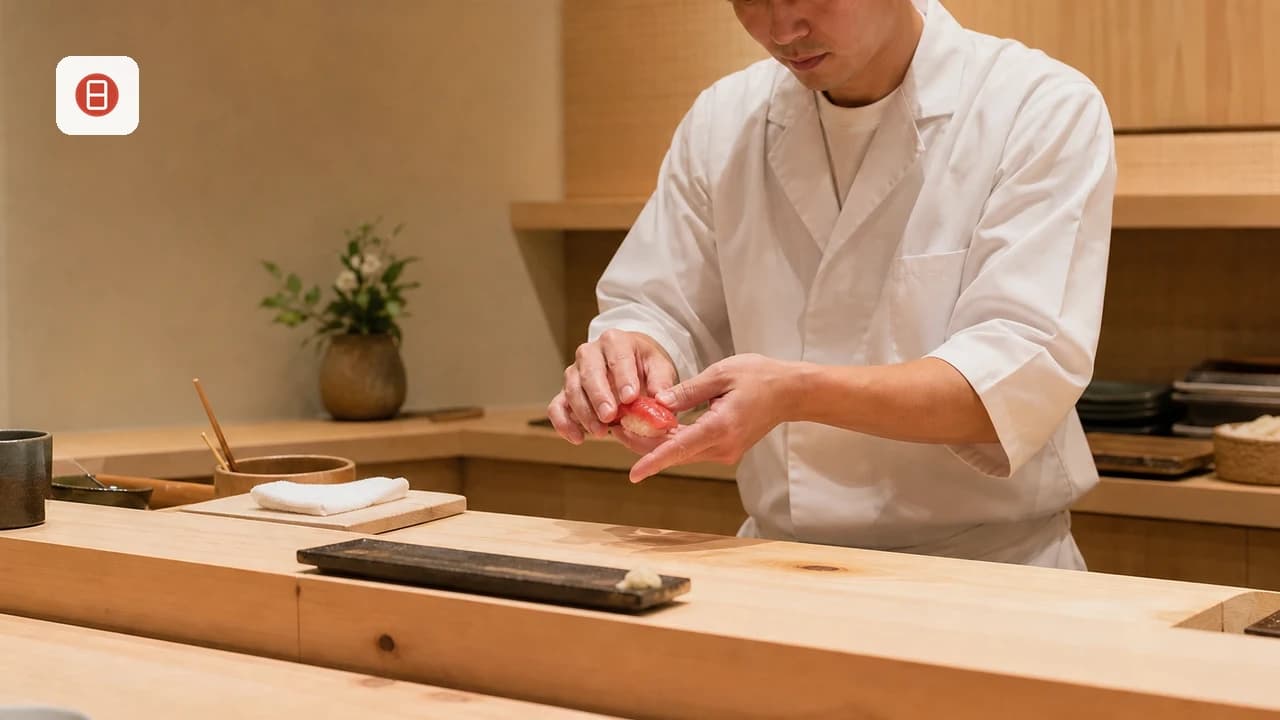
Hands or chopsticks both work for nigiri, and the choice comes down to how the rice is packed. High-end chefs often press the rice lightly, so pinching it with chopsticks can break the piece apart. Eating with your hands keeps it intact. Chopsticks stay standard for sashimi, since there is no rice base to hold onto. To pick up a piece, grip the sides of the rice gently between your thumb and middle finger, and rest your index finger on top of the fish.
Soy sauce goes on the neta, not the shari. Turn the piece over and touch only the fish to the sauce. Dipping the rice side soaks up too much liquid and can make the piece fall apart. Gunkan maki, rolls wrapped in nori like sea urchin or roe, do not dip cleanly. Dip a piece of gari, the pickled ginger, into the soy sauce instead and brush it lightly over the top.
Eat each piece in one bite. Sushi in Tokyo is cut to a size meant for a single mouthful, and cutting or biting a piece in half is considered poor form. Gari itself is a palate cleanser between different pieces of fish, not a topping to pile onto the sushi. Most nigiri already carries a small amount of wasabi tucked between the rice and the fish, placed there by the chef, so extra wasabi on top is rarely necessary. The official Japan Travel guide to sushi notes that the rice is as central to good sushi as the fish itself, part of why handling it correctly at the counter matters.
Advanced Counter Interaction: Ordering, Omakase Flow, and Drinks
Say sabi-nuki to order a piece without wasabi. It is a normal request, and chefs would rather hear it upfront than watch a guest peel back the fish to scrape wasabi out afterward, which reads as wasteful.

Omakase means the chef chooses the full course, piece by piece, usually moving from milder fish toward richer, fattier cuts. Okonomi means ordering specific pieces by name instead, which some counters allow alongside or after an omakase course. A broader look at Tokyo's food scene helps place sushi counters against the city's other dining formats, from ramen counters to depachika halls.
Sake with sushi is fine, despite a persistent myth that pairing two rice-based products is bad form. That rule does not hold up in practice. Tea, often called agari at the counter, is a common way to reset the palate between pieces. Skip using chef slang yourself, such as murasaki for soy sauce or oaiso for the bill. Those terms are shorthand between chefs and staff, not customer vocabulary, and using them can come across as trying too hard.
Local Logistics: Toyosu Market Timing and the Quiet Months
Much of the fish on a Tokyo sushi counter passes through Toyosu Market's daily auctions before it reaches the chef's case. The auction cycle shapes what is actually available that day, so asking the chef what is fresh is a reasonable question, not an amateur one.
Some well-known Tokyo restaurants run noticeably quieter in February and August than during the rest of the year, according to accounts from working sushi chefs. Booking a counter seat can be easier in those months, worth remembering if a specific restaurant looks fully booked during a peak season.
For a lower-pressure introduction to Tokyo's seafood before committing to a formal counter, the Tsukiji Outer Market Breakfast Guide 2026: Timing, Stalls, and Routes covers a casual, walk-around alternative near the original fish market site.
Recommended High-End Counters to Book
Counters across Tokyo range from formal, traditional rooms to smaller neighborhood bars, and a few examples show that range.
Sushi Masashi's counter seats 10, positioning guests within the ¥20,000-¥50,000+ price tier and 2-3 hour time commitment of high-end omakase; scale and expense reflect the intensive, personalized attention this format demands.
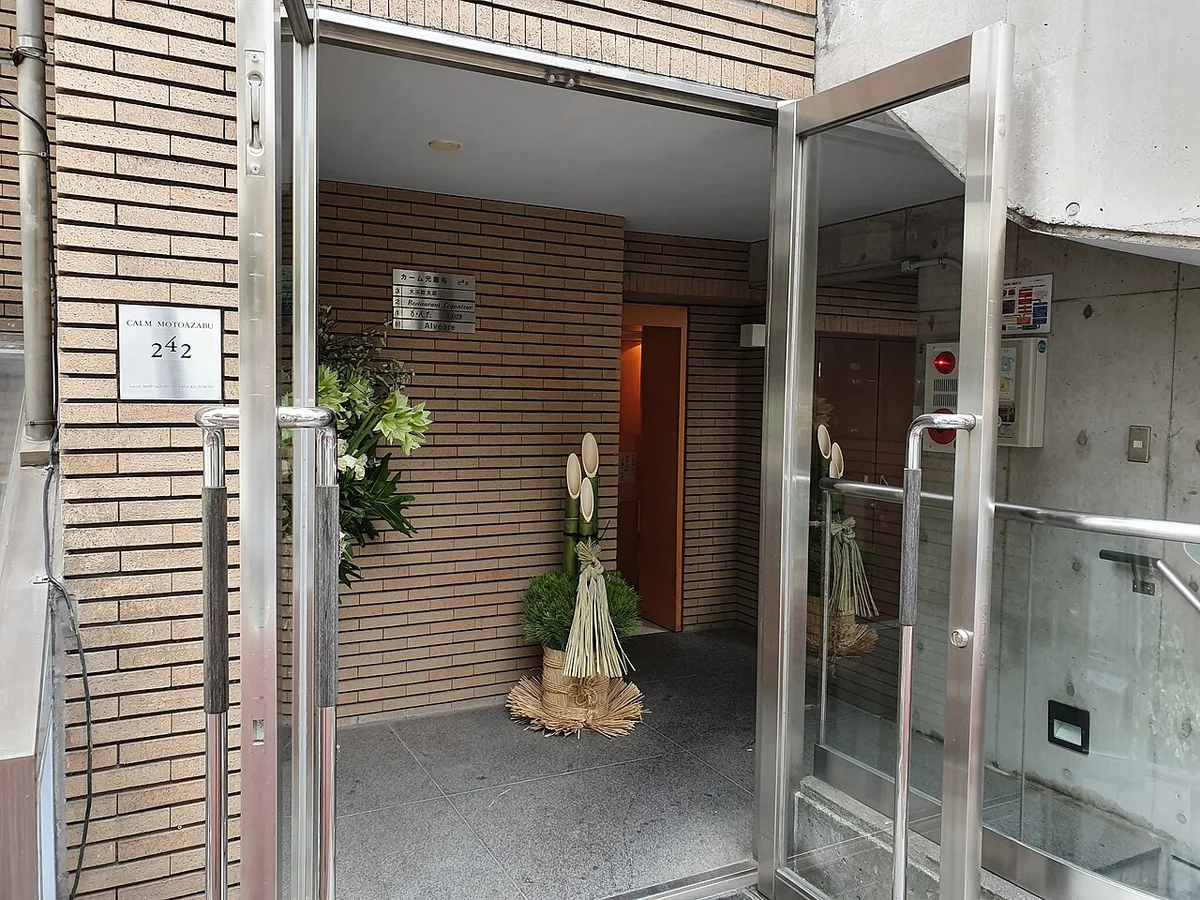
Sushi Masashi, in Kita-Aoyama near Gaienmae Station, holds a Michelin one star and is run by a chef trained at the Ritz-Carlton and at Sushi Wakon. The counter seats 10, with a separate 4-seat room, and the course is built around the balance of temperature, texture, and fat in each piece, including a signature tuna sukiyaki dish.
Udatsu Sushi is another Michelin Guide-selected counter in Tokyo, representing the more traditional end of the Edomae style.
Sushi Shutatsu, in Ogikubo about 10 minutes from Shinjuku, runs a monthly seasonal menu built on Edo-style technique and Toyosu Market ingredients, paired with Japanese teas including sencha and matcha, for a smaller-scale, more contemporary take on the same format.
For more options across price points, Tokyo's top restaurants covers additional sushi counters alongside the city's other standout kitchens.
Common Mistakes to Avoid at the Sushi Counter
A short checklist covers most of what trips up first-time guests:
The ¥20,000-¥50,000+ price point aligns with strict etiquette around timing: leaving pieces uneaten, over-dunking in soy sauce, or leaning into the chef's workspace all disrupt the precise conditions each piece requires to reach you at intended temperature.
- Leaving rice or fish uneaten on the plate; flag allergies or dislikes when you book instead.
- Rubbing chopsticks together, which implies you think they are cheap or splintering.
- Over-dunking a piece in soy sauce, especially rice-side down.
- Speaking loudly in what is usually an intimate, quiet room.
- Leaning into the chef's workspace or handling the tools yourself.
Lower-Pressure Alternatives When You Want a Break
If the etiquette load feels like a lot for one meal, easier formats exist without lowering the quality of the fish. Depachika food halls sell high-quality sushi to take out, with no dress code or seating etiquette involved. Tokyo's wider street food scene offers another low-formality way to eat well between more formal meals, useful on days built around sightseeing rather than a reserved counter seat.
Frequently Asked Questions
Is it rude to eat sushi with your hands in Tokyo?
No. Eating nigiri with your hands is traditional and widely accepted, especially at high-end counters where lightly pressed rice can fall apart under chopsticks. Sashimi is the exception; use chopsticks for that, since there is no rice to hold onto.
Do you dip the rice or the fish in soy sauce?
Dip the fish side, called the neta, not the rice side, called the shari. Turn the piece over so only the fish touches the sauce, which keeps the rice from soaking up too much liquid and falling apart.
What does sabi-nuki mean?
Sabi-nuki is how you order a piece without wasabi. Say it when you order rather than removing the wasabi yourself after the piece arrives, since picking it apart at the counter reads as wasteful.
What should you wear to a high-end sushi counter in Tokyo?
Smart casual works for most counters, and a few higher-end rooms expect a jacket. Skip sandals, shorts, and beach wear. Some neighborhood counters stay more relaxed, so check the restaurant's own guidance before you book.
Can you take photos of your sushi at the counter?
Usually yes, if you ask the chef first. Keep it to one quick shot rather than a long session, since the fish changes temperature and texture the longer it sits under a camera.
Is it okay to drink sake with sushi?
Yes. The idea that pairing two rice-based products is bad form is a myth, not an actual rule. Tea, often called agari at the counter, is another common choice between pieces.
Free: The Tokyo Essentials guide
Top things to do, where to stay, a perfect day plan, getting around, and the best time to go — a Tokyo mini-guide you can take offline.
You might also like
Continue reading
More guides you'll find useful