Toyosu Market is Tokyo's working wholesale fish market and the place to watch the famous tuna auction that moved from Tsukiji in 2018. The operation is enormous but tightly controlled: professionals trade below while visitors follow enclosed observation corridors above. Come for the early-morning logistics, then stay for sushi, market tools, and views across the waterfront.
Toyosu and Tsukiji Outer Market are complementary, not interchangeable. Toyosu shows the wholesale system and auction; Tsukiji offers dense outdoor food stalls and street atmosphere. Both belong in the Tokyo attractions guide, but travelers short on time should choose by interest.
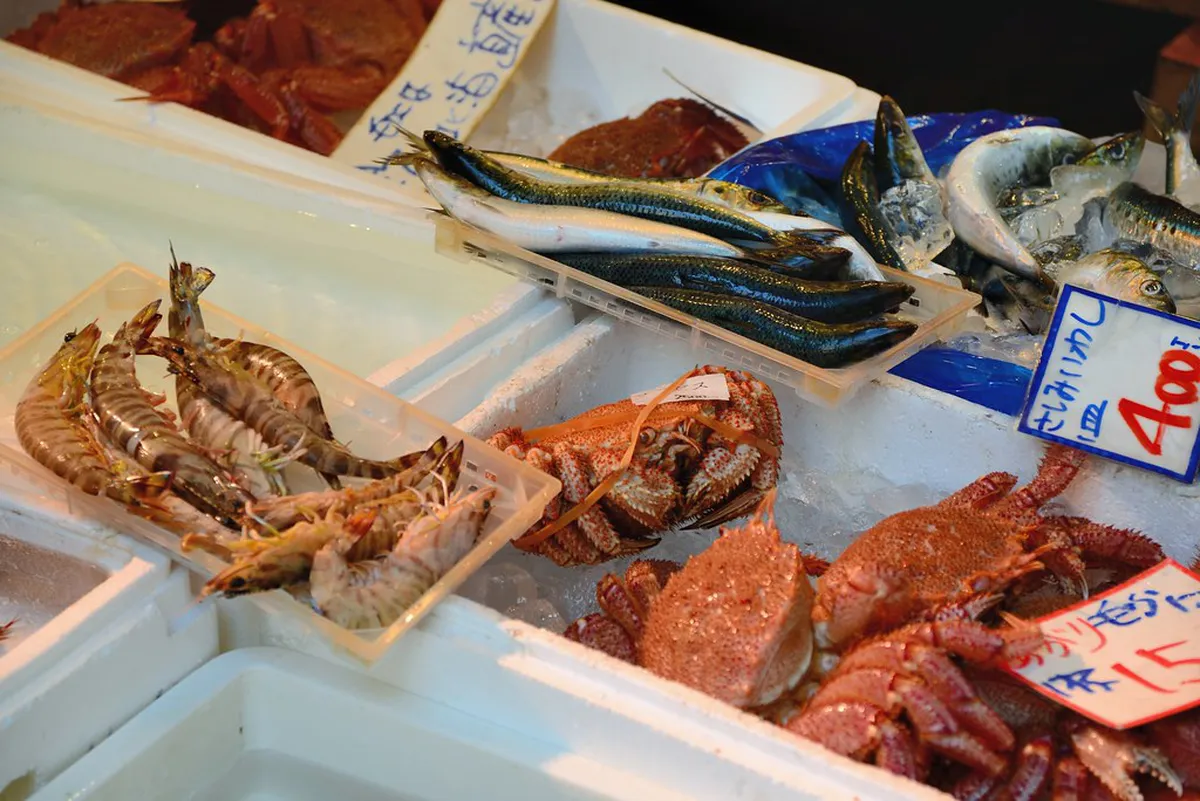
How to See the Tuna Auction
The tuna auction normally runs around 5:30–6:30 on market days. Anyone can look down through glass from the upper observation corridor, where speakers carry some of the auction sound. Arrive early enough to orient yourself in the Fisheries Wholesale Market Building before the most active bidding finishes.
A lower observation deck sits closer to the floor and has clearer sound, but spaces are limited and assigned through an advance lottery. The application window and eligible dates change monthly. Use the official tuna-auction page; do not pay a third party merely for a public lottery entry.
The market does not operate every day. Sundays, national holidays, and selected Wednesdays are common closure days. Check the official market calendar before setting a 4:30 alarm—restaurants and observation areas may also close when wholesale trading stops.
Understanding the Three Market Buildings
The Fisheries Wholesale Market Building contains the tuna auction and its visitor corridor. The Fisheries Intermediate Wholesale Market Building holds professional seafood stalls on restricted floors, plus public restaurants and Uogashi Yokocho shops in designated areas. The Fruit and Vegetable Market Building has another observation route but draws fewer visitors.
Colored floor paths and English signs help, yet walking between buildings takes longer than expected. Prioritize the tuna corridor first, breakfast second, and shopping third. Wholesale floors are not public attractions; barriers protect hygiene, safety, and professional work.
Sushi Breakfast and Market Food
Restaurants open early to serve market workers. Famous sushi counters can develop long queues by 7:00, while equally capable neighboring shops may have seats. Decide whether one celebrated restaurant is worth an hour of your morning. Kaisendon, grilled fish, tempura, soba, and coffee are available if raw fish at dawn is not appealing; the broader Tokyo food guide explains how a market breakfast fits with the city's other dining districts.
Prices inside Toyosu reflect premium ingredients and the market location. Budget roughly ¥2,000–¥5,000 for a satisfying breakfast, more for an omakase set. A shorter queue and a well-selected seasonal bowl often deliver a better trip than pursuing a viral shop name.
Uogashi Yokocho and Toyosu Senkyaku Banrai
Uogashi Yokocho sells knives, tea, dried seafood, kitchen tools, pickles, and professional supplies in the Intermediate Wholesale Market Building. Many businesses finish early, so shop after breakfast rather than returning in the afternoon. Ask before photographing small stores.
Toyosu Senkyaku Banrai, beside the market, is a separate visitor-oriented dining and shopping complex designed with Edo-style facades. It stays lively later than the wholesale areas and includes an elevated footbath. Treat it as an easy extension, not evidence that the working market remains active all day.
Access and a Sensible Morning Plan
Shijo-mae Station on the driverless Yurikamome Line connects directly to the market by covered walkways. The Yurikamome is not covered by Tokyo Metro-only passes, but Suica and Pasmo work. Before the first trains, a taxi may be necessary for the earliest auction arrival; compare that cost with the value of seeing only the busiest minutes.
- Check the market calendar and auction-lottery result.
- Reach the fisheries auction corridor around 5:30.
- Eat breakfast around 6:30–7:30.
- Browse Uogashi Yokocho as shops open.
- Continue to teamLab Planets or Odaiba later in the morning.
Market Etiquette
Stay on public routes, never block doors or carts, and keep children close near working areas. Avoid flash against observation glass. Restaurants are compact and operate on quick turnover: order promptly, do not spread luggage between seats, and leave after finishing when people are waiting.
The market is at its best as a real logistics system, not as a staged seafood theme park. Watching respectfully from the designated route is the point.
Frequently Asked Questions
Is Toyosu Market free to visit?
Yes, public observation corridors are free. The closer tuna-auction deck requires a successful advance lottery but does not need a paid tour.
What time should you arrive?
Arrive around 5:30 for the tuna auction on an operating day. For breakfast and shopping without the auction, 7:00–8:00 is more practical.
Should you visit Toyosu or Tsukiji?
Choose Toyosu for the wholesale auction and modern market operation; choose Tsukiji for street food and atmosphere. Visit both if food is a major trip interest.