

Toba Seafood Markets and Cheap Eats: A 2026 Budget Guide
Discover how to eat fresh seafood in Toba on a budget: Toba Marché tips, DIY seafood bowls, Ama hut trade-offs, and station-area cheap eats for 2026.
On this page
Last updated August 2026, this guide breaks down Toba seafood markets and cheap eats so you can eat well without resort pricing. Toba Marché sits two minutes from Toba Station and turns same-day catch into a DIY rice bowl for a fraction of a restaurant tab. Beyond the market, station stalls, Ama hut lunches, and hotel buffets each land at a different price, and this guide sorts out which one fits your day.
Toba Seafood Markets and Cheap Eats: The Budget Landscape
Mie Prefecture carries a historical identity as Miketsukuni, sometimes translated as the Land of Sacred Food, tied to food offerings for nearby Ise Jingu. Toba sits at the center of that reputation, and its seafood economy runs on a wide price range. Street-level snacks start around ¥500. A full market feast at Toba Marché can run close to ¥3,000 once you add sides and drinks. Between those two figures sit dozens of options, from grilled shellfish stalls to sit-down lobster sets. Most of the city's budget-friendly eating clusters within a few minutes of JR/Kintetsu Toba Station, near Toba Bay and within reach of Mikimoto Pearl Island. A single day here can mix a market breakfast, a station-area lunch, and an optional splurge dinner without booking a formal reservation. For background on the city's full dining scene, see the full Toba seafood guide. This page focuses only on the budget end of that spectrum.

Toba Marché: Your Home Base for DIY Seafood Bowls
Toba Marché is a producer-direct market two minutes on foot from JR/Kintetsu Toba Station. Vendors sell same-day seafood alongside farm produce, deli items, and wellness-themed foods. Its address is 1-2383-42 Toba, Toba-shi, Mie, a short walk from the station exit. Wednesdays are the market's weekly closure day, and the attached restaurant also closes on Tuesdays. Year-end and New Year holidays close the market too. Hours run 10:00am to 6:00pm at the market itself. Credit cards work at the counters. Smaller street stalls elsewhere in town may be cash-only. Amenities stay basic. Free wifi and coin lockers are not available, though a smoking area sits outside the shop. Outside the shop, a free footbath faces the harbor, a good stop while fish is being cleaned. That buffet restaurant rotates tekone-zushi, sashimi, tempura, gratin, and curry by day. Tables come with views of Toba Bay. Skipping restaurant markup only takes four steps at the direct-sales counters:
- Pick your catch at a seafood stall — daily options depend on what boats brought in that morning.
- Pay a small fee to have it scaled, gutted, filleted, or sliced into sashimi on the spot.
- Buy rice at the Toba Marché takeout counter.
- Combine the two into a DIY seafood bowl and eat at the ocean-view tables overlooking Toba Bay.
Toba Seafood Prices at a Glance
Budget in Toba scales with the experience around the food as much as the food itself. A market-bought bowl costs the least because you assemble it yourself. A hotel buffet costs the most because it bundles unlimited premium shellfish with table service and a view. Everything else in town lands somewhere between those two ends. Use the table below to match your budget to the right stop.
| Option | Typical Price | What You Get |
|---|---|---|
| Street snack near Toba Station | ¥500+ | Grilled or handheld seafood bites |
| Toba Marché DIY seafood bowl | ¥1,500 | Sliced sashimi plus rice, eaten at the market's ocean-view tables |
| Toba Marché market feast | ¥3,000 | Multiple stalls, sides, and a drink or dessert |
| The Kaiya shellfish sampler | from ¥3,000 | Market-weight lobster, abalone, turban shell, and Ise udon |
| Ama hut charcoal-grilled lunch | ¥4,000+ | Charcoal-grilled shellfish and lobster with a diver-led talk |
| Sit-down lobster sashimi set | ¥3,500–¥5,000 | Ise Ebi sashimi set at a station-area restaurant |
| Toba Grand Hotel seafood buffet | ¥6,000+ | Unlimited sashimi, oysters, and small spiny lobster with a live kitchen |
Why Ise Ebi and Abalone Prices Swing Day to Day
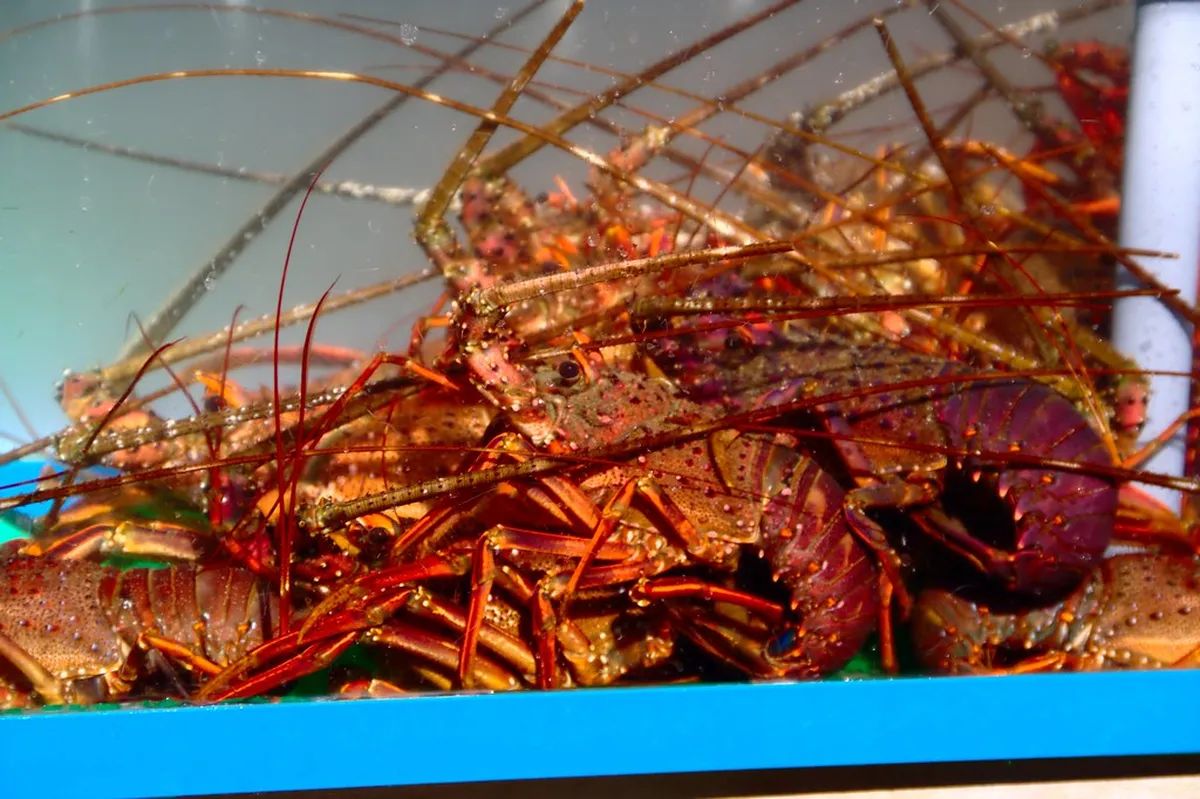
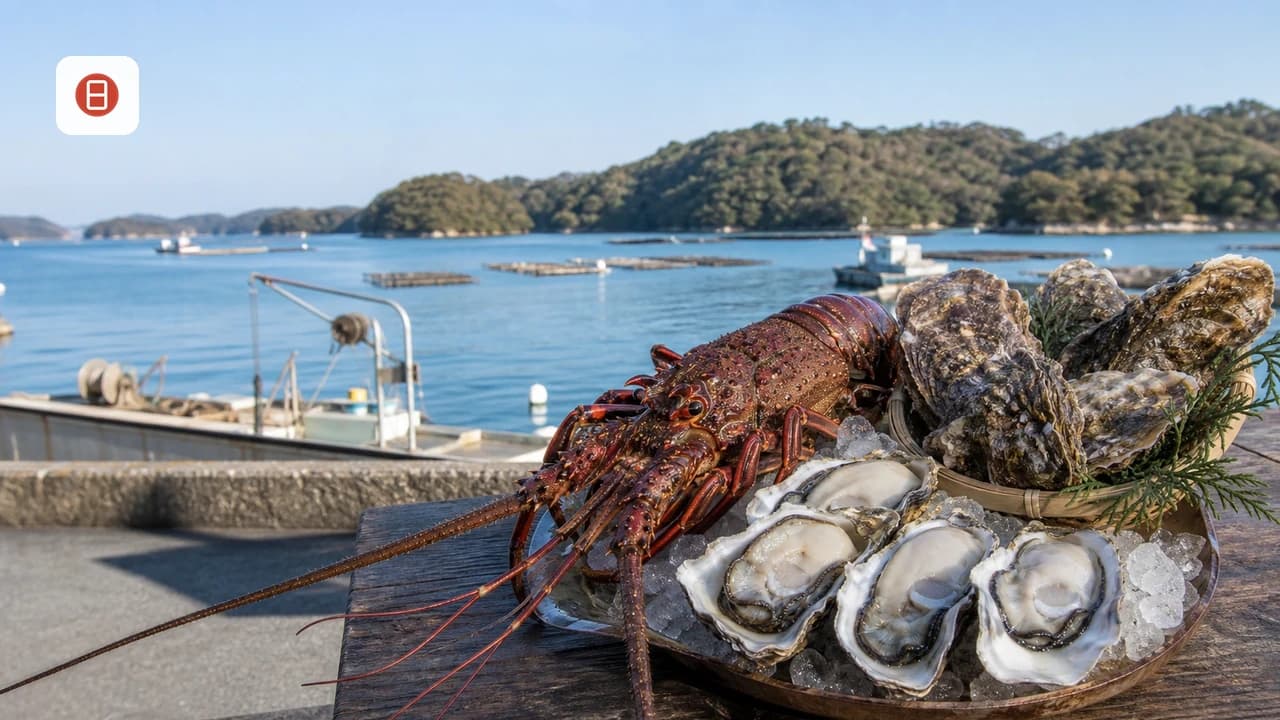
Premium items carry a different pricing model than the rest of the menu. Ise Ebi (spiny lobster) and abalone are priced by market weight, not by a fixed menu number. Catch volume, size, and season all move the per-gram rate, sometimes within the same week. A market-value listing means the final price depends on which lobster or abalone piece you pick that day. Ask a vendor for the current per-gram rate before committing to a specific piece, especially at stalls without a posted flat price. Budget travelers can sidestep this variability by sticking to the fixed-price DIY bowl or a set-menu option instead of an à la carte, weighed item. Those who do want the splurge should expect a range rather than one number. A sit-down lobster sashimi set runs roughly ¥3,500 to ¥5,000. À la carte pricing by weight can land above or below that band depending on the day's catch.
Premium items including Ise Ebi and abalone carry market-weight pricing that varies by catch and season, but the fixed ¥1,500 DIY bowl option at Toba Marché provides budget certainty. Travelers prioritizing price predictability can assemble their own rice bowl instead of ordering à la carte seafood.
Cheap Eats Near Toba Station
Toba Station anchors most budget options because nearly everything sits within walking distance. Ise udon, a thick wheat noodle in dark tare sauce, is a filling, low-cost choice in the area. Tekone-zushi, a Mie specialty of marinated fish over vinegared rice, is another high-value filler. Toba Marché's buffet serves it, and independent shops around the station do too. For a full rundown of where to find it, see the tekone-zushi guide. Near the station, The Kaiya specializes in shellfish sold by weight. Menu regulars include spiny lobster, abalone, turban shells, and the local Appa-gai noble scallop, grilled or sautéed in butter. Hours there run 9:00am to 5:00pm, and Thursdays are the closure day. Expect to spend around ¥3,000 and up to sample a handful of items. Portions at station stalls run smaller than at the market, which suits travelers grazing between trains. For dessert, Toba Hotel International sells its long-running cheesecake by the slice, a budget-friendly way to try a specialty usually reserved for hotel guests.
Toba Marché vs. Ama Huts: Which Fits Your Budget
Toba Marché and the local ama huts solve different problems. It wins on speed, variety, and price, since a DIY bowl costs roughly ¥1,500 and takes minutes to assemble. Ama huts such as Hachiman-kamado and Osatsu-kamado add a cultural layer. Divers grill the day's catch over charcoal and share stories from the water. Ama divers freedive without scuba gear, relying on breath control alone to gather abalone, sea urchin, and shellfish from shallow water near the huts. That skill is part of what the higher ama hut price pays for, alongside the charcoal grilling and hut seating. That experience runs from about ¥4,000 and up, reflecting the seating, service, and performance built into the price. Pricing for premium items like spiny lobster shifts by season and by weight. See the Ise Ebi and oyster season guide for that seasonal detail. Booking requirements can shift between the snack-tier and full-meal options at ama huts, so confirm current reservation policy before planning around one. Choose the market for a fast lunch on a tight schedule. An ama hut fits better when the meal itself is the point of the day.
Seafood Buffets: The Occasional Splurge
A hotel seafood buffet is the most expensive way to eat well in Toba, but it can be the best value for big appetites. Toba Grand Hotel's dinner buffet includes sashimi, seared bonito, unlimited steamed oysters, and small spiny lobster served all-you-can-eat. Its live kitchen adds fresh sushi, shrimp tempura, and grilled options. Expect to pay roughly ¥6,000 and up per person for this format. That price only beats à la carte ordering if you plan to eat several premium items. One lobster sashimi set alone can run ¥3,500 to ¥5,000 at a sit-down restaurant. Light eaters usually save money by skipping the buffet entirely and choosing two market-priced meals instead. Travelers who want a quieter, course-led meal instead of a buffet line can compare notes with the ryokan kaiseki dinners guide.
A Sample Budget Day for Toba Seafood
Mixing price tiers across one day keeps the total reasonable while still leaving room for one splurge. A typical day might combine a market bowl, a station snack, and either a repeat bowl or a bigger evening meal, depending on how the budget looks by dinnertime.
An ama hut meal from ¥4,000 and up can be a memorable cultural experience, but requires booking confirmation beforehand since reservation requirements differ between snack-tier and full-meal options. Verify policies directly with Hachiman-kamado or Osatsu-kamado before finalizing your day.
- Morning: a DIY sashimi bowl at Toba Marché, about ¥1,500, eaten at the ocean-view tables before 11:00am.
- Midday: a shellfish sampler at The Kaiya near the station, from ¥3,000.
- Afternoon: a single slice of Toba Hotel International cheesecake, priced individually.
- Evening, budget option: a second Toba Marché bowl, keeping the day near ¥3,000 total.
- Evening, splurge option: an ama hut meal from ¥4,000 or a Toba Grand Hotel buffet from ¥6,000.
Timing, Closures, and Parking: Toba Logistics for Foodies
Arrive before 11:00am on weekdays to beat the wait and get first pick of the freshest catch. Wednesdays are the single biggest trap for visitors, since Toba Marché closes entirely that day. Its restaurant also closes on Tuesdays, on top of the Wednesday shutdown. Other favorites keep their own schedules. The Kaiya and Nishimura Shokudo, an old fishing-port restaurant known for a ¥5,900 daily omakase, both close on Thursdays. Checking each venue's specific day before you plan a route saves a wasted walk. Parking is straightforward if you're driving. Toba Marché sits inside the Sadahama Daiichi Parking Lot, and passenger cars park free for the first hour. Much of the budget eating in Toba does not require a car at all, since the station cluster covers market, snacks, and dessert within a short walk. A car matters mainly if the day also includes an ama hut visit or a drive toward Ise. Everything covered so far sits within a two-minute walk of JR/Kintetsu Toba Station. Drivers connecting onward toward Ise can take the Ise-Shima Skyline, a 16km toll road that costs ¥1,270 for a standard car and does not accept ETC. Nearby, Toba Aquarium pairs naturally with a market stop. Admission runs ¥2,400, though it comes free with a Kintetsu Pass. See the Toba attractions guide for timing on both stops.
Frequently Asked Questions
What is the cheapest way to eat well in Toba?
The DIY route at Toba Marché is the cheapest reliable option. Buy sliced sashimi, then add rice from the takeout counter. Eating at the market's ocean-view tables brings the total to around ¥1,500 per person.
Can you buy fish at Toba Marché and have it shipped home?
Some vendors can arrange shipping for a purchase, priced at market weight plus a shipping fee. Not every stall offers this service, so ask before you buy if shipping matters to your plans.
Are there vegetarian options at Toba's seafood markets?
Vegetarian options stay limited, since most stalls and menus center on fish and shellfish. Toba Marché's farm-produce counters carry some vegetable-forward items. For dedicated picks, see the non-seafood dining options guide.
Is a credit card accepted at Toba's seafood spots?
Its main counters at Toba Marché accept credit cards. Smaller street stalls and independent shops near the station often take cash only, so carry yen for those stops.
When should you visit Toba Marché to avoid crowds?
Arrive before 11:00am on a weekday for the best selection and the shortest wait. Avoid Wednesdays entirely, since the market is closed that day. The attached restaurant keeps a separate Tuesday closure worth noting too.
Do the ama huts require advance booking?
Booking requirements can differ between the snack-tier and full-meal options at huts like Hachiman-kamado and Osatsu-kamado. Confirm current policy directly with the hut before finalizing plans, since reservation rules can change.
How much should you budget per day for seafood in Toba?
Plan for roughly ¥1,500 to ¥3,000 for a market-based lunch built around a DIY bowl or a station snack. Add ¥4,000 or more if an ama hut is on the agenda, or ¥6,000 and up for a hotel buffet dinner. Most travelers can eat well on the lower end and treat the pricier options as an occasional add-on rather than a daily habit.
Free guide: Japan's Hidden Gems
12 under-the-radar places beyond Tokyo & Kyoto — with the best season to visit each and a local tip you won't find in the guidebooks.
You might also like


Continue reading
More guides you'll find useful


