

Ama Divers of Toba (2026): Pearl-Diving Culture & Ama Huts
Meet the ama divers of Toba and experience pearl-diving culture firsthand: amagoya hut lunches, harvest history, and how to visit respectfully in 2026.
On this page
The ama (海女) are Japan's female breath-hold divers — women who have plunged into cold Pacific waters, without air tanks, to harvest shellfish and seaweed for over 2,000 years. The Mie coast around Toba and Osatsu holds the highest concentration of active ama anywhere in Japan, and the amagoya hut lunch experiences near Osatsu put visitors directly across a charcoal fire from the women who still do this work. Our Toba attractions guide covers the city's broader sights if you are building a full-day itinerary.
This guide covers who the ama are, what they actually harvest, how the amagoya hut experience compares with the demonstrations at Mikimoto Pearl Island, and the practical steps to book and visit respectfully in 2026. Details last confirmed June 2026.
Key Takeaways
- Ama have worked these waters for over 2,000 years — the Toba and Osatsu coast is their heartland in Japan.
- Today they harvest abalone, sazae turban shell, sea urchin, and seaweed; pearl diving was always a historical byproduct, not the main work.
- Amagoya huts near Osatsu offer grilled-seafood lunches with ama divers — reserve at least one week ahead in summer.
- Mikimoto Pearl Island's demonstrations are polished and scheduled; amagoya huts offer the working-ama encounter — plan time for both.
- Active ama numbers in Mie have fallen to roughly 1,000; visiting amagoya directly supports their livelihoods.
- Best experienced June through September when diving is active and shellfish are freshest.
Who the Ama Are: 2,000 Years of Female Free-Diving
The ama appear in Japan's earliest written records. The Man'yoshu, compiled in the 8th century, contains dozens of poems describing women gathering seaweed and shellfish along the rocky Mie coastline. Modern shell-midden archaeology pushes the practice back further still. For most of this history, diving was women's work in these communities — the prevailing belief held that women's bodies tolerate cold water better, and the social structure of coastal villages reinforced that division across generations.
Each dive lasts 30 to 90 seconds and typically reaches depths of 5 to 10 metres, though experienced divers have recorded dives beyond 20 metres. Between submersions, ama float at the surface and perform the iso-bue, a controlled exhale-and-inhale whistle that regulates breathing after exertion. The sound carries across the water with a quiet, haunting quality that sets ama fishing apart from any other kind of ocean work. The technique is passed woman to woman and cannot be learned from a book.
At their peak in the mid-20th century, around 6,000 active ama worked the waters of Mie Prefecture. Today that number has fallen to roughly 800 to 1,000, many in their 60s and 70s. In 2017 Japan's Agency for Cultural Affairs recognised ama culture as a significant intangible folk cultural property. The designation has helped rekindle interest among some younger women in coastal communities, though the demographic challenge remains acute.
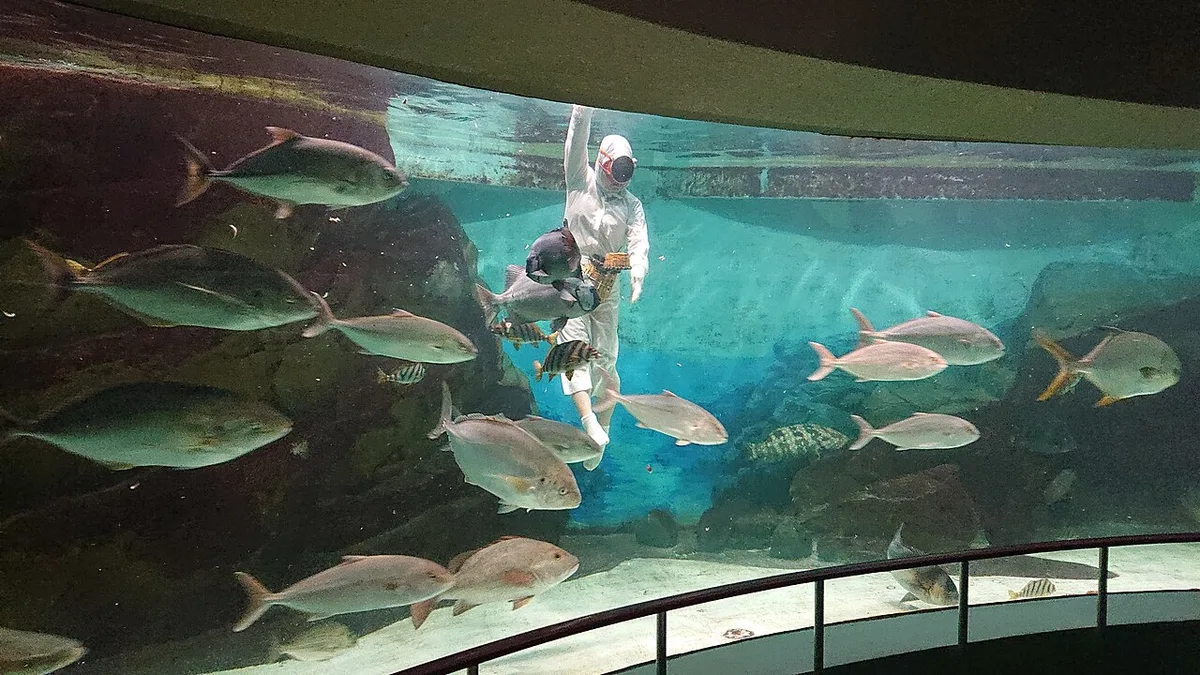
What Ama Harvest — and Why It Is Not Pearls
Most visitors arrive expecting ama to be primarily pearl divers. The reality is more layered. Today's ama harvest awabi (abalone), sazae (turban shell), sea urchin (uni), and various edible seaweeds. These are exactly what you will see grilled at an amagoya hut — pulled from the same reef that morning.
Pearls enter the story historically. Ama occasionally found natural pearls inside wild oysters as a byproduct of shellfish gathering. When Kokichi Mikimoto perfected cultured pearl cultivation in Ago Bay in 1893, he industrialised what had previously been a lucky accident. Modern pearl farming involves tending suspended nets of cultivated oysters; it bears no resemblance to the breath-hold ama tradition. The pearls for sale at shops across Toba come from aquaculture, not free-dives.
Japanese law protects the reef ecosystems the ama work. Abalone harvesting carries seasonal restrictions — typically closed December through February — and per-diver daily catch limits. The ama themselves are vocal advocates for these rules, knowing that a healthy seabed is the only guarantee their work continues.
Ama dive seasonally. The active period runs roughly May through October as sea temperatures rise enough for comfortable breath-hold dives. Some amagoya huts operate year-round using frozen or preserved shellfish outside this window, but the live-catch grilled experience is at its best June through September.
The Amagoya Lunch Experience Near Osatsu and Toba
An amagoya (海女小屋, literally "ama hut") was originally the small stone or timber shelter where divers warmed themselves by a central fire after cold-water sessions. Communities around Osatsu — a fishing village roughly 20 minutes south of Toba city centre by bus or taxi — have opened several of these huts as visitor dining experiences. You sit around an irori (sunken hearth) while ama grill the morning's catch over charcoal: sazae with butter and soy, whole awabi, seasonal oysters from Ago Bay, and small whole fish.
A typical session runs 60 to 90 minutes. Prices range from ¥3,000 to ¥5,000 per person, varying by season, hut, and which shellfish are available. Ise-ebi (spiny lobster) sets carry a significant premium in autumn and winter. Most sets include rice and miso soup alongside the grilled seafood; confirm the current menu and price with the hut when you book. For context on the wider Toba seafood scene, our Toba seafood guide covers harbour-front fish markets and restaurants as well.
Reservations are essential. Walk-in spots are uncommon, and popular huts book out days or weeks ahead during Golden Week and July through August. Book at least one week in advance in peak season; a few days' notice is usually sufficient in spring and autumn. The Toba Tourism Association website lists participating huts with contact details, and several have added online booking options for English-speaking visitors. English menus exist at some huts; at others, a translation app and willingness to point work fine. The ama cooking the meal are typically happy to explain what you are eating through gestures.
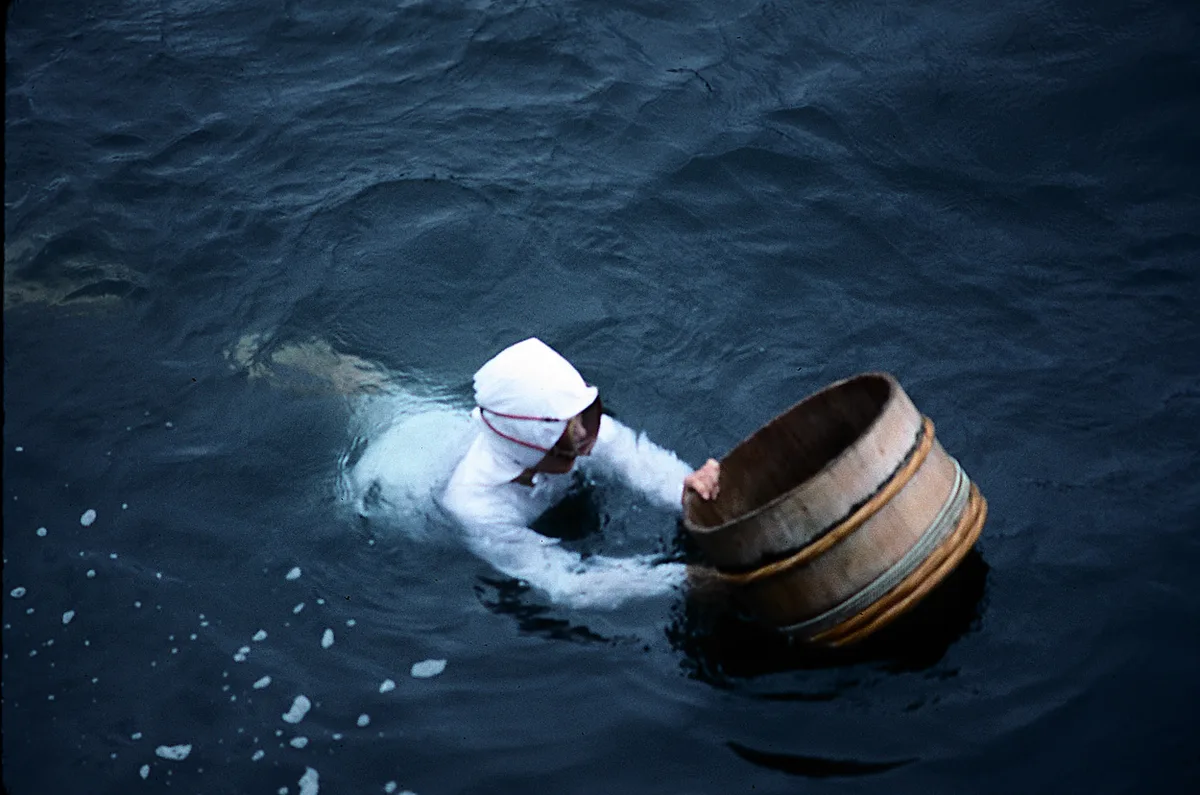
Amagoya Huts vs Mikimoto Pearl Island Demonstrations
Visitors who have already been to Mikimoto Pearl Island sometimes arrive at an amagoya expecting a similar experience. The two are genuinely different. Mikimoto's ama wear traditional white dive suits (iso-gi) and perform choreographed dives at scheduled show times. The demonstrations are informative, photogenic, and easy to slot into a short Toba visit — the island is a five-minute walk from Toba Station.
At an amagoya, the woman grilling your sazae may have been in the water before breakfast. Retired ama often run the huts, bringing decades of ocean experience into the conversation. Language barriers exist, but the encounter carries a weight that a stage-managed performance cannot replicate. Neither experience cancels the other: Mikimoto Pearl Island is more accessible and historically contextualised; the amagoya hut requires advance planning and rewards it with a closer look at the real working tradition.
Cultural Significance and the Challenge of Decline
The 2017 intangible cultural property designation, combined with growing international attention, has had a modest but measurable effect. Some younger women in Toba-area communities have entered or returned to the profession, drawn partly by the cultural pride that the recognition has rekindled. The amagoya tourism model contributes financially — offering revenue during seasons when diving income alone would not sustain a household.
The long-term picture remains challenging. The average active ama in Mie is over 60. Breath-hold diving takes years to develop and demands consistent physical conditioning; there is no shortcut. Every visitor who books an amagoya lunch and pays the full rate for a fresh-catch meal is making a direct, small contribution to the economics that keep this tradition viable.
Ask before photographing ama, both at huts and on the water. Many are comfortable with cameras, but checking first is the respectful approach. Some huts post clear signs about photography; follow them.
How to Get There and Plan Your Visit
From Nagoya, the Kintetsu Limited Express runs directly to Toba in roughly 80 to 90 minutes for approximately ¥2,810. From Toba Station, local buses connect to Osatsu; a taxi is faster if you are travelling with a group. Our guide to getting to Toba covers all transit options from Nagoya, Ise, and Osaka in detail, including JR alternatives for rail-pass holders.
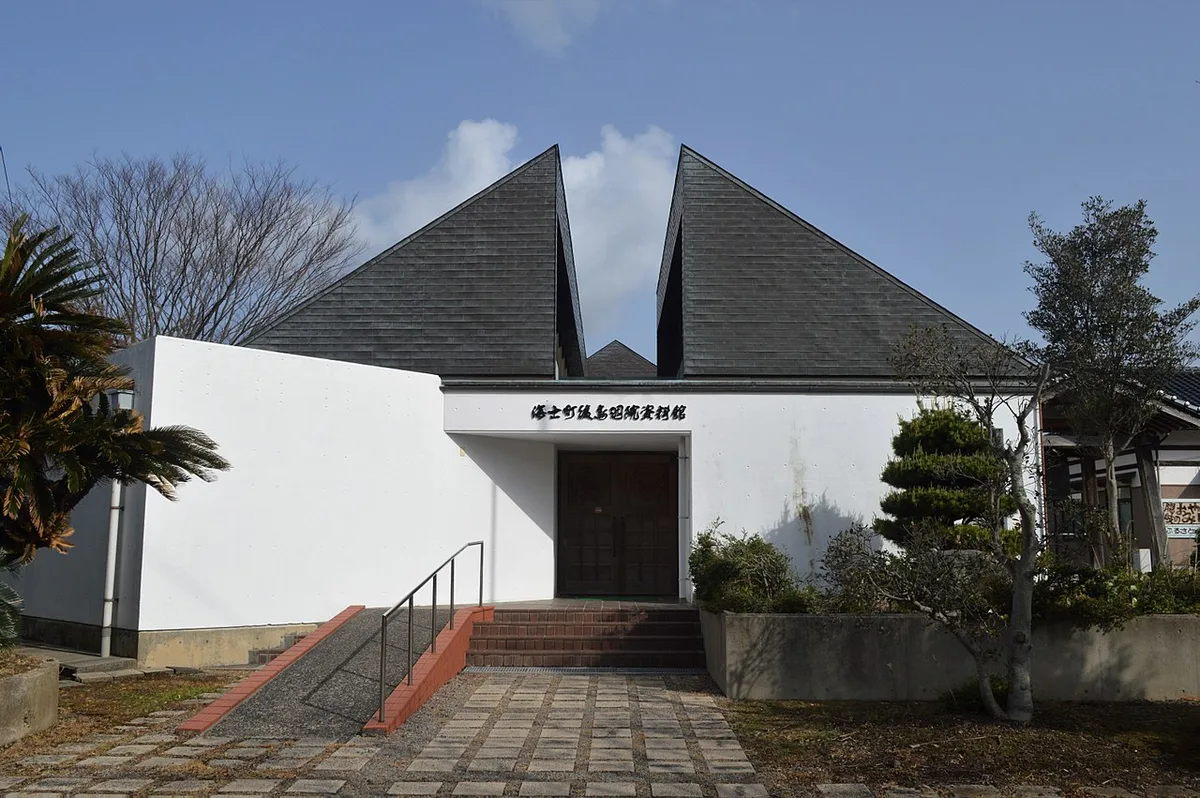
After the amagoya lunch, the Toba Sea-Folk Museum (鳥羽市立海の博物館, ~¥800 adult) in the Uramura-cho area houses Japan's most comprehensive collection of ama boats, diving equipment, and archival photographs — it puts everything you just experienced in a wider historical frame and is worth the 30-minute detour.
Travelers spending a night can pair the amagoya experience with a Mikimoto Pearl Island visit in the morning and an evening meal at the Toba harbour. Our where to stay in Toba guide compares bay-view ryokan near the harbour against budget-friendly guesthouses further from the water, including properties that serve multi-course seafood kaiseki dinners.
Frequently Asked Questions
Do I need to reserve an amagoya hut lunch in advance?
Yes — reservations are essential for most amagoya huts near Osatsu and Toba. Walk-in availability is uncommon and popular huts fill up well ahead during Golden Week and July through August. Book at least one week in advance in peak season and a few days ahead in spring or autumn. The Toba Tourism Association website lists participating huts with contact and booking details.
What is the difference between an amagoya hut and Mikimoto Pearl Island?
Mikimoto Pearl Island offers structured costumed ama dive demonstrations on a fixed schedule — informative and easy to fit into a short visit near Toba Station. Amagoya huts near Osatsu are run by active or retired ama who cook a grilled-seafood lunch from the morning's catch. The hut experience is less polished and more personal; Mikimoto is more accessible and historically contextualised. Both are worth experiencing if you have the time.
How much does an amagoya lunch cost?
Prices typically range from ¥3,000 to ¥5,000 per person depending on the season, the hut, and which shellfish are available. Ise-ebi (spiny lobster) sets carry a premium in autumn and winter. Most sets include grilled sazae and awabi with rice and miso soup; confirm the current menu and price directly with the hut when booking.
Do ama divers actually dive for pearls?
Not today. Modern ama harvest abalone, sazae turban shell, sea urchin, and edible seaweed. Natural pearls were an occasional historical byproduct of wild oyster gathering, but when Mikimoto perfected cultured pearl cultivation in 1893, pearl production shifted entirely to aquaculture. The pearls sold across Toba come from cultivated oyster farms, not ama free-dives.
Ama diving is one of Japan's rarest living traditions — older than most of the country's famous monuments and still alive along the Toba and Osatsu coastline. Booking an amagoya lunch puts you in the room with the women who carry it forward. The grilled shellfish is exceptional on its own terms; the encounter it frames is something that no museum display quite replaces.
From Toba, the day extends naturally in either direction: a morning at Mikimoto Pearl Island for the pearl-cultivation story, or an afternoon exploring the full range of what Toba offers along the Ise-Shima coast.
Free guide: Japan's Hidden Gems
12 under-the-radar places beyond Tokyo & Kyoto — with the best season to visit each and a local tip you won't find in the guidebooks.
You might also like


Continue reading
More guides you'll find useful

