

How to Get to Toba (2026): From Ise, Nagoya, Osaka & Kyoto
Reach Toba from Nagoya by Kintetsu in ~100 min (¥3,000), from Ise in 15–20 min, or from Osaka/Kyoto in ~2 hrs. 2026 transport guide with passes, ferries & local bus.
On this page
Toba sits roughly 15–20 minutes south of Ise by rail, which makes it the natural second stop on any Ise-Shima itinerary. Both the Kintetsu private line and JR's Sangu Branch Line run directly into Toba Station, so there are real options depending on whether you hold a Japan Rail Pass or want the faster Kintetsu express. Our editors last confirmed fares and timetables in June 2026. For everything to see and do once you arrive, start with the Toba attractions guide.
From Nagoya, a Kintetsu Limited Express reaches Toba in roughly 100 minutes for around ¥3,000 including the reserved-seat surcharge — the most frequent and comfortable approach. JR Pass holders can take the Rapid Mie instead, which covers the same ground in about 110 minutes at a lower out-of-pocket cost. From Osaka-Namba the journey is around 2 hours 10 minutes; from Kyoto, add another 30–40 minutes via a change in the Kintetsu network.
Key Takeaways
- Fastest from Nagoya: Kintetsu Limited Express, ~100 min, ~¥3,000 — no Rail Pass required.
- JR Pass holders: take the Rapid Mie from Nagoya to Toba, ~110 min, fully covered by the national pass.
- From Ise: just 15–20 min by Kintetsu or JR Sangu Line — virtually every itinerary pairs the two cities.
- The Kintetsu Ise-Shima Area Pass covers unlimited trains and express surcharges across the whole peninsula.
- Toba Station is a shared Kintetsu–JR building; the Kamome bus and island ferries extend your range along the coast.
From Ise to Toba (15–20 Minutes)
The Ise–Toba leg is one of the most-traveled short rail hops in the Mie Prefecture. From Ise-shi Station or Ujiyamada Station, a Kintetsu local or semi-express train reaches Toba in 15–20 minutes for around ¥280–350. JR trains on the Sangu Branch Line make the same journey from Ise-shi Station in about 20 minutes and are fully covered by the Japan Rail Pass. Trains run frequently — roughly every 10–30 minutes during the day — so there is no need to rush from the shrine to catch a specific departure.
If you are finishing at Naiku (the inner shrine of Ise Grand Shrine), the nearest Kintetsu access is Isuzugawa Station, a 15-minute walk from the Uji Bridge. Alternatively, take the local bus back to Ujiyamada Station and board the Toba-bound service from there. Either way, once you are on the train the coast comes up quickly. The full logistics for reaching and moving around Ise are in our how to get to Ise guide.
Kintetsu trains stop at both Ujiyamada and Ise-shi on the way south to Toba. If you have just visited Naiku and are weighing which station to use, Ujiyamada is marginally closer to the bus stop at Uji Bridge and avoids backtracking toward Ise-shi. Both platforms offer the same onward service.
From Nagoya to Toba (100–110 Minutes)
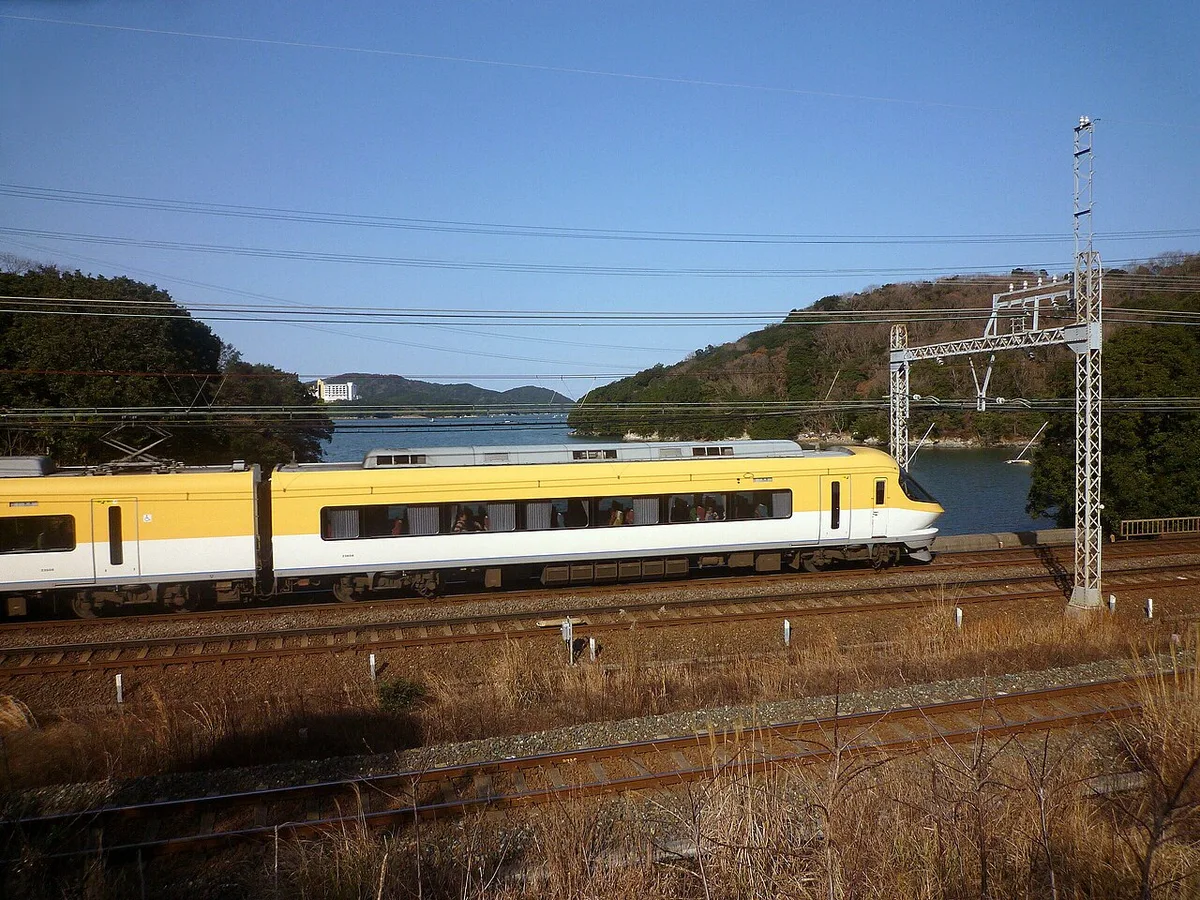
Kintetsu operates several Limited Expresses daily from Kintetsu Nagoya Station directly to Toba, with many services continuing to Kashikojima. The journey takes approximately 100 minutes and the fare — including the reserved-seat limited-express surcharge — is around ¥3,000. Trains depart roughly once per hour and seats are comfortable with assigned places, so there is no race for a spot. You can book at Kintetsu Nagoya Station's ticket windows or through the Kintetsu online reservation system.
JR operates the Rapid Mie (快速みえ) from JR Nagoya Station via the Kisei and Sangu lines to Toba in about 110 minutes. The fare without a pass is approximately ¥2,270, and the route is fully covered by the national Japan Rail Pass. The trade-off is frequency: the Rapid Mie runs only four to six times per day in each direction, compared with near-hourly Kintetsu departures.
The JR Rapid Mie is not an all-day service. Check the timetable before committing — especially for an early departure or an evening return to Nagoya. If the next departure does not suit, the Kintetsu is usually the easier fallback.
Kintetsu Nagoya Station is in the basement of Nagoya Station's main complex, one floor below JR — follow the signs to the Kintetsu concourse from the main hall. For most visitors without a JR Pass, Kintetsu wins on frequency, journey time, and comfort; the JR option is a genuine money-saver only when the Rail Pass is already paid for.
From Osaka and Kyoto to Toba
From Osaka-Namba, Kintetsu Limited Expresses run directly to Toba in approximately 2 hours 10 minutes, with many services continuing through to Kashikojima. The fare is around ¥3,700 including the express surcharge. Services depart roughly once per hour throughout the day from Kintetsu Osaka-Namba Station. From Osaka-Uehonmachi the journey is virtually identical. Check whether your train is a through-service to Toba before boarding, as some services require a change at Ise-shi.
From Kyoto, the most practical Kintetsu route involves a change at either Kintetsu Yamato-Saidaiji or at Ise-shi for the south-bound Toba service. Total journey time is roughly 2 hours 30–45 minutes and fares are approximately ¥4,000–4,500. An alternative for Kyoto travelers is the shinkansen to Nagoya (35 minutes) followed by the Kintetsu Limited Express — useful if the next through-Toba departure from Nagoya aligns better than the next Kintetsu service from Kyoto. There is no shinkansen station in the Ise-Shima region; Nagoya is the closest bullet-train hub for all long-distance visitors.
Toba Station and Getting Around
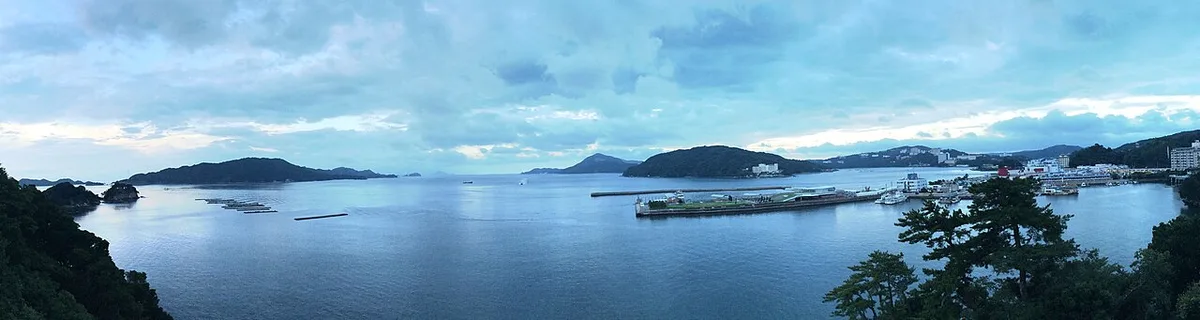
Toba Station is a shared Kintetsu–JR facility on the central waterfront. Both operators use the same building, making it easy to exit toward the seafront without navigating between separate stations. Coin lockers are available at the station — useful for day-trippers who want to walk light while covering the main sights.
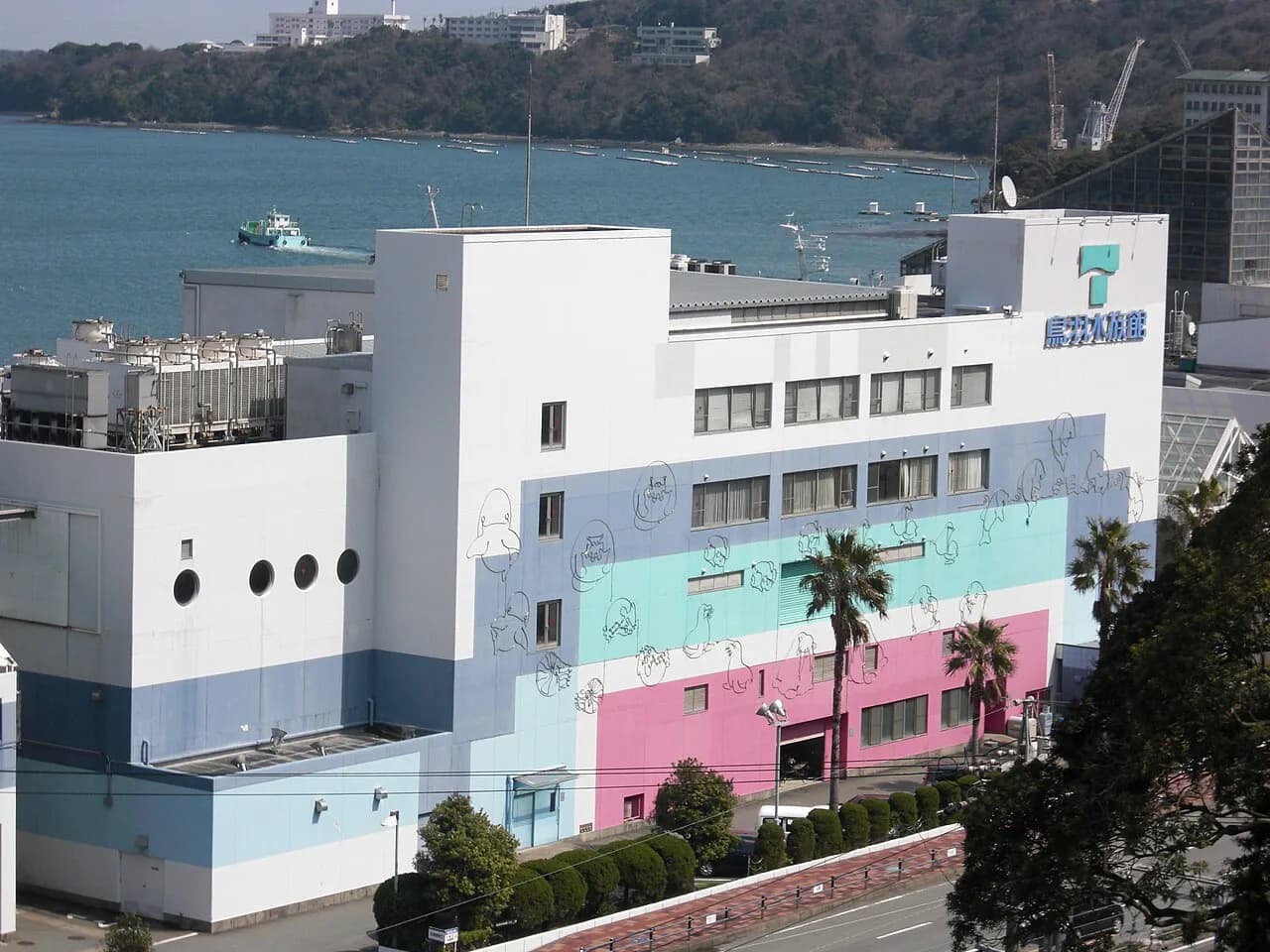
From the exit, Mikimoto Pearl Island is about five minutes on foot along the seafront, reached via a short footbridge. The Toba Aquarium — home to Japan's only dugong and more than 1,200 species — is around 10 minutes in the same direction. The Kamome (Sea Gull) bus runs a short waterfront loop from Toba Station with stops near both attractions; a single fare is around ¥200 and is worth taking if you have luggage or want to conserve energy for the sights themselves.
Island ferries depart from Toba Port, a few minutes' walk from the station. Day-trip options include Toshi Island (ama hut seafood lunches, ~25 min), Sugashima (lighthouse and fishing village, ~35 min), and Kamishima (the setting of Mishima Yukio's The Sound of Waves, ~30 min). A longer sea cruise continues to Kashikojima through Ago Bay's pearl-raft waters, taking around 50–60 minutes. Return ferry fares typically range from ¥1,000 to ¥2,500 depending on the island; buy tickets at the port.
Kintetsu Rail Pass and Combining Ise + Toba
Kintetsu's Ise-Shima Area Pass covers unlimited travel on Kintetsu lines within the Ise-Shima zone — Ise, Toba, Kashikojima — and includes the limited-express surcharge, so you ride the fast trains without paying extra per leg. A 2-day pass costs around ¥3,000 for adults (confirm 2026 pricing on the official Kintetsu website before purchasing). Visitors traveling from Nagoya can upgrade to the Ise-Shima Wide Area Pass (around ¥5,000 for 5 days), which adds the Nagoya–Ise-Shima return to the unlimited zone — cost-effective for anyone spending two or more nights across the peninsula. Japan Rail Pass holders should note that the pass does not cover Kintetsu services or the island ferries; buy Kintetsu tickets or passes separately.
A Nagoya-based day that takes in both Ise Grand Shrine and Toba is one of the most rewarding single-day itineraries in central Japan. Leave Nagoya around 8:00–8:30 AM on the Kintetsu Limited Express, arrive at Ise-shi by 9:30–10:00 AM, visit Geku (the outer shrine, near the station) and then Naiku (the inner shrine, bus from Ujiyamada), then board the Kintetsu south to Toba by early afternoon. That leaves two to three hours for Mikimoto Pearl Island and the Toba Aquarium before the return express to Nagoya. The full suggested sequence with timings and meal stops is in our Ise–Toba day itinerary; the key rule is to leave Naiku by 1:00–1:30 PM at the latest if you want a comfortable afternoon in Toba.
Frequently Asked Questions
How long does it take to get from Nagoya to Toba?
The Kintetsu Limited Express from Kintetsu Nagoya Station to Toba takes approximately 100 minutes, with fares around ¥3,000 including the reserved-seat surcharge. Trains run roughly once per hour. The JR Rapid Mie is slightly slower at about 110 minutes, costs around ¥2,270 without a pass, and is fully covered by the Japan Rail Pass — but only runs four to six times daily.
Can I use the Japan Rail Pass to get to Toba?
Yes. The JR Rapid Mie from Nagoya to Toba is fully covered by the national Japan Rail Pass. The journey takes approximately 110 minutes. Kintetsu services and the island ferries are not covered by the JR Pass — you will need separate Kintetsu tickets or a Kintetsu Rail Pass for those.
How far is Toba from Ise, and how do I travel between them?
Toba is about 15–20 minutes from Ise by either Kintetsu (from Ise-shi or Ujiyamada Station) or JR (from Ise-shi Station on the Sangu Branch Line). Kintetsu fares are around ¥280–350; the JR leg is covered by the Japan Rail Pass. Trains run every 10–30 minutes during the day.
How do I travel from Toba to Kashikojima?
From Toba Station, Kintetsu trains continue south to Kashikojima in approximately 35–40 minutes. Alternatively, a sea cruise from Toba Port passes through Ago Bay's pearl-raft waters and reaches Kashikojima in around 50–60 minutes. Ferry tickets are sold at the port and are not included in the Kintetsu rail fare; check whether your Kintetsu pass covers ferry travel before purchasing separately.
Is the Kintetsu Rail Pass worth buying for a Toba visit?
The Kintetsu Ise-Shima Area Pass (around ¥3,000 for 2 days) pays for itself if you make the Toba–Ise return plus one or two additional Kintetsu legs within the zone. The Ise-Shima Wide Area Pass (around ¥5,000 for 5 days) adds the Nagoya–Ise-Shima return, making it cost-effective for multi-day visits across the peninsula. Both passes are sold at major Kintetsu stations and through authorized travel agents — confirm 2026 pricing on the official Kintetsu website.
Getting to Toba is straightforward from any direction: Kintetsu's Limited Express is the fastest and most frequent option, the JR Rapid Mie serves Rail Pass holders well, and the short Ise–Toba hop makes it easy to combine both cities in a single day from Nagoya, Osaka, or Kyoto. Once at Toba Station, the seafront attractions are mostly walkable and the Kamome bus covers the rest. The complete picture of what to see and do is in the Toba attractions guide.
Free: The Nagoya Essentials guide
Top things to do, where to stay, a perfect day plan, getting around, and the best time to go — a Nagoya mini-guide you can take offline.
You might also like


Continue reading
More guides you'll find useful


