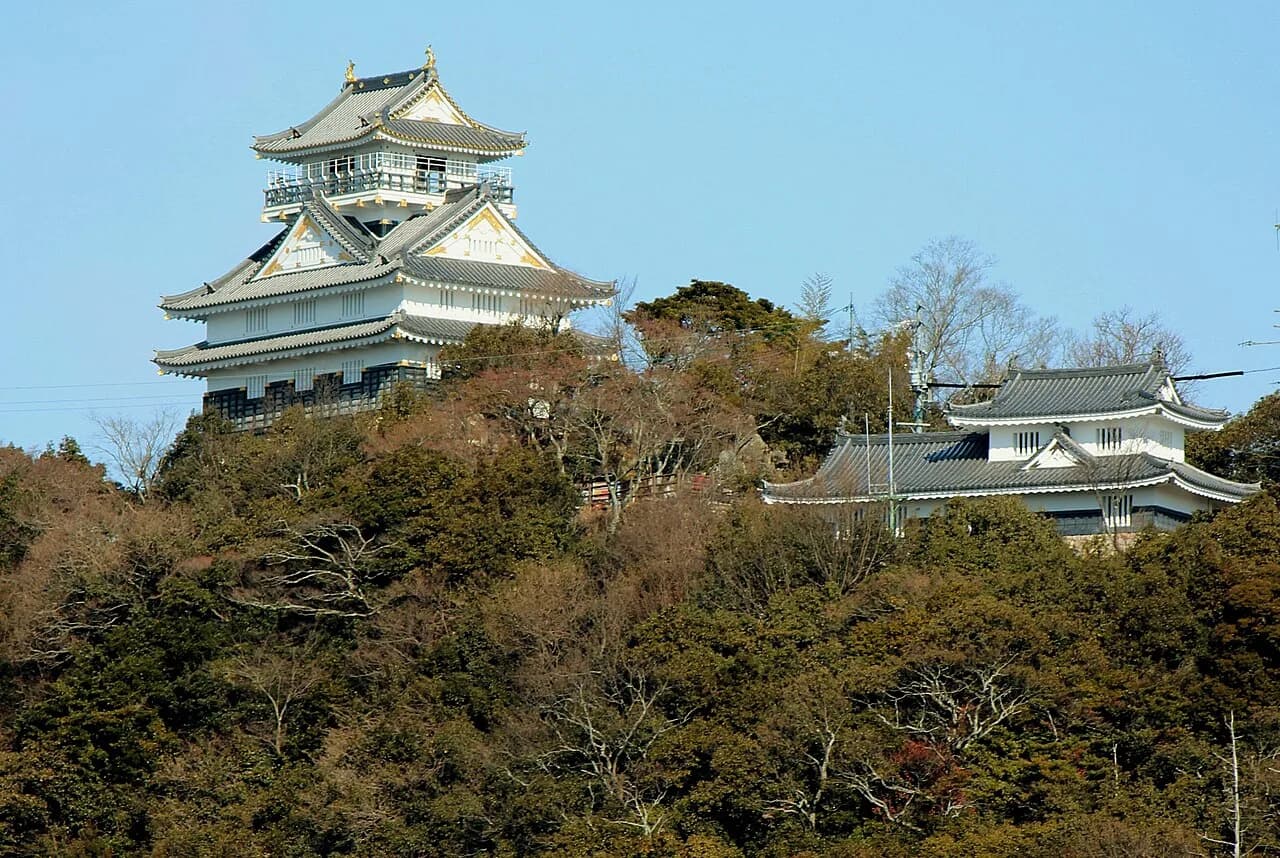
9 Best Things to Do in Ise (2026)
Discover the 9 best things to do in Ise in 2026 — Ise Jingu, Oharaimachi, Meoto Iwa, and more — with prices, hours, and transit tips from Nagoya.
On this page
A 90-minute Kintetsu ride from Nagoya drops you into Mie Prefecture's most sacred city, and yet Ise never feels buried under the tourist infrastructure that crowds out shrines elsewhere in Japan. At its heart sit the two compounds of Ise Jingu — Geku and Naiku — home to Japan's most revered Shinto deity and rebuilt faithfully every 20 years in a rite of cyclical renewal that will next take place in 2033. Everything else in town, from the Edo-style merchant street of Oharaimachi to the sacred Wedded Rocks at Futami, radiates outward from that spiritual center.
We last refreshed this guide in June 2026 to confirm shrine hours, bus frequencies, and current food prices along Oharaimachi. Ise works well as a single packed day from Nagoya, though pairing the afternoon with a short hop to Toba expands the trip into a broader Ise-Shima experience. Below we rank nine specific things to do in Ise, each with real costs, hours, and a transit note so you can move between them without guesswork.
One custom worth building into your plan before you arrive: always visit Geku, the outer shrine, before Naiku, the inner shrine. This is the traditional order followed for centuries and local guides will mention it without prompting. Structure your morning around that sequence and the rest of the route falls into place naturally.
Key Takeaways
- Best overall: cross Uji Bridge and visit Naiku — Japan's most sacred Shinto shrine, completely free to enter.
- Best unique experience: Akafuku mochi at Akafuku Honten (est. 1707), eaten fresh while strolling Oharaimachi toward the shrine.
- Best free picks: Geku, Naiku, and Meoto Iwa at Futami all cost nothing to enter; your main spend is transit and food.
- Most scenic add-on: Meoto Iwa Wedded Rocks (~15 min by JR from Ise-shi), best at sunrise May–July when the sun rises between the two rocks.
- Easiest extension: Toba is 15–20 min east by Kintetsu — Mikimoto Pearl Island and Toba Aquarium fill a comfortable 3–4 hour afternoon.
9 Best Things to Do in Ise
The core of any Ise visit is the Ise Jingu complex and the neighborhood that grew up along the road to its inner sanctum. We have ordered this list to follow a logical day: start at Geku near the train stations, ride the bus through Oharaimachi to Naiku, then branch out to Futami for the rocks and either circle back for food or push east to Toba. Each entry names a specific site with real hours and a cost estimate so you can plan without hunting for the basics later.
Prices and opening hours reflect 2026 data; always check the official shrine or attraction site before you travel, as seasonal adjustments happen without much notice. Most of these stops cluster within a short bus ride of each other, which is exactly why Ise rewards a logical sequence over aimless wandering.
- Ise Grand Shrine Geku (Outer Shrine)
- Geku is dedicated to Toyouke Omikami, goddess of food and agriculture, and sits a 10-minute walk from Ise-shi Station and Ujiyamada Station.
- Entry is free and the forested grounds open from roughly 5–6 am to 5–6 pm depending on the season — check the official Jingu calendar before arriving near dawn.
- Photography beyond certain approach points is not permitted; follow the rope fences that mark sacred inner areas and you will not go wrong.
- Budget 30–60 minutes here, then catch the Geku-Naiku shuttle bus rather than walking the 5km to Naiku.
- Ise Grand Shrine Naiku (Inner Shrine)
- Naiku enshrines Amaterasu, the sun goddess and mythological ancestor of the Imperial family — the single most sacred Shinto site in Japan.
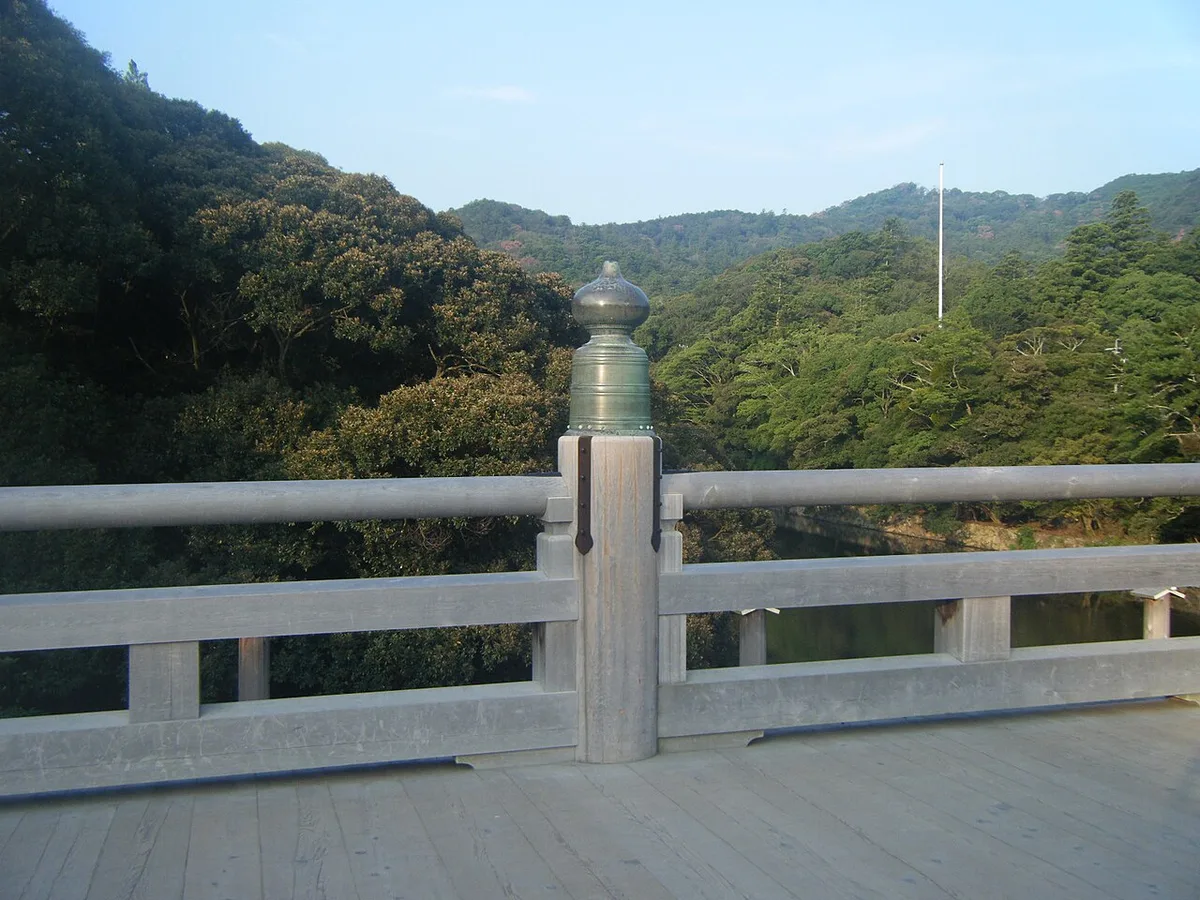
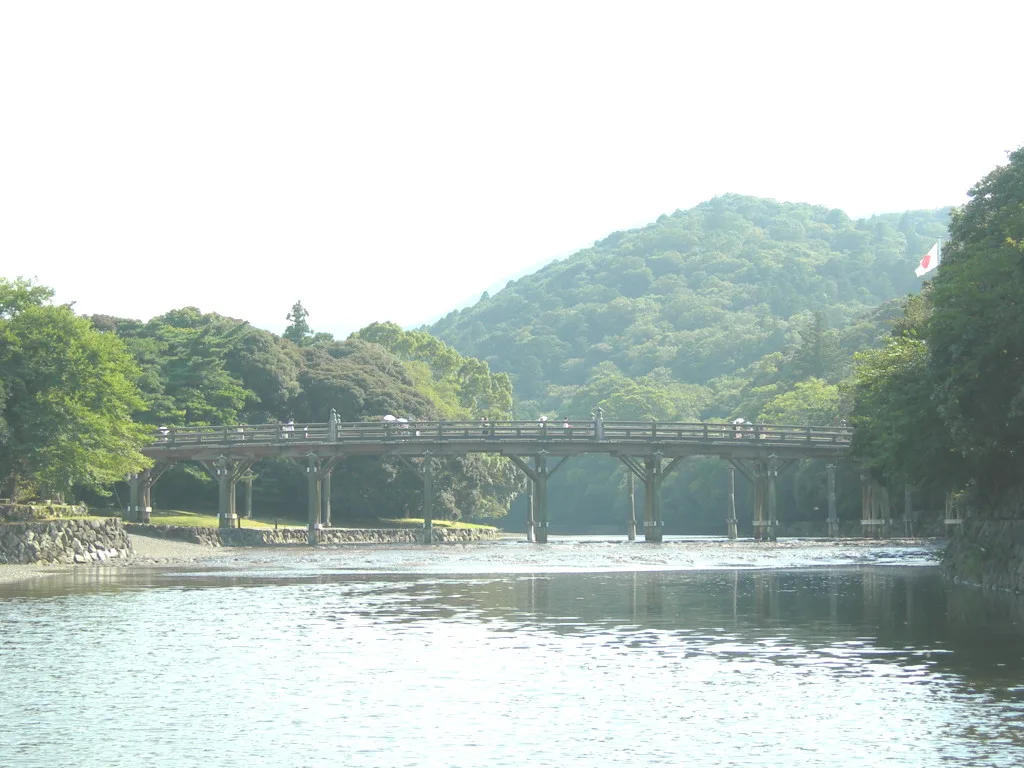
- Entry is free; the approach crosses the iconic Uji Bridge over the Isuzu River, the traditional boundary between the everyday world and the shrine precincts.
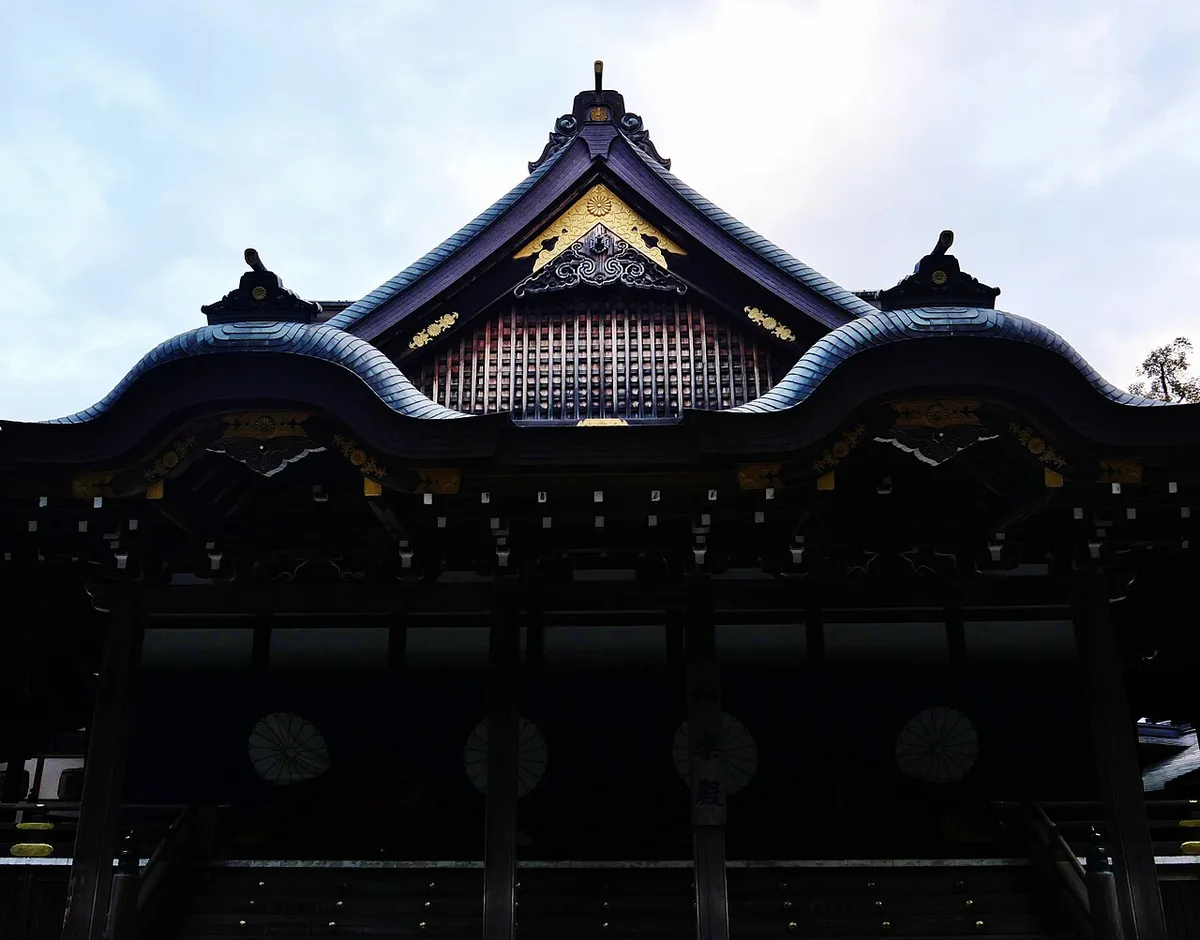
- The main hall is not visible from the public path; you bow at the steps of the outer hall as is the custom, then take your time in the forested grounds.
- Ride the Geku-Naiku CAN Bus from Ise-shi or Ujiyamada in roughly 15 minutes (around ¥450 round trip on a single ticket, or covered by the ¥800 day pass).
- Oharaimachi Street
- The roughly 800-meter Edo-style stone-paved street running from the outer torii toward Uji Bridge is the commercial and culinary spine of the Ise pilgrimage town.
- Dozens of shops sell Mie specialties — dried seafood, Matsusaka beef buns, local sake, and handmade crafts — with most opening around 9:30 am and closing by 5 pm.
- Strolling Oharaimachi is free; budget ¥500–1,500 for snacks and a souvenir or two along the way.
- Walk the full length before or after Naiku; the bus drop-off sits near the Uji Bridge end, so most visitors naturally drift through the street as they leave the shrine.
- Okage Yokocho and Akafuku Honten
- Okage Yokocho is the lively central block of Oharaimachi, lined with tasting stalls, small restaurants, and retro wooden facades that recreate a Meiji-era market atmosphere.
- Akafuku Honten, founded in 1707, serves the town's signature red-bean mochi; expect to pay roughly ¥300–400 for a small fresh set eaten on the spot — it is not sold outside the Ise area for freshness reasons.
- The block fills quickly on weekends, so arrive before 11 am or after 2 pm to browse at a comfortable pace.
- Even if you skip every other snack on the street, the Akafuku mochi is worth stopping for — it has been made to the same recipe for over 300 years.
- Meoto Iwa (Wedded Rocks) at Futami
- Meoto Iwa are two sacred offshore rocks joined by a thick shimenawa rope at Futami Okitama Shrine, the larger representing Izanagi (about 9 meters tall) and the smaller Izanami.
- The rope is re-tied in a public ceremony three times a year; from May to July, the sun rises cleanly between the two rocks at dawn, one of Mie's most photographed moments.
- From Ise-shi Station, take the JR Sangu Line to Futaminoura Station (roughly 15 minutes, ¥230), then walk about 15 minutes to reach the rocks — shrine grounds are free.
- A small detour on the way back to Ise-shi, Futami works best as either a sunrise visit or an afternoon add-on before your return train.
- Sarutahiko Shrine
- Sarutahiko Shrine is dedicated to Sarutahiko no Mikoto, the earthly guide deity who is said to have led the heavenly procession down to earth — an easily overlooked stop a 10-minute walk from Ise-shi Station.
- The compact cedar-and-lantern grounds are free to enter and pair naturally with the Geku visit since both sit near the same station cluster.
- The shrine is associated with safe travel and is particularly popular with locals before long journeys or major life transitions.
- Allow 15–20 minutes; it adds almost nothing to your transit time between Geku and the bus to Naiku.
- Ise Udon
- Ise udon uses unusually soft, thick noodles served in a dark, sweet tare made from tamari soy — the texture is unlike any other regional udon in Japan and requires no chewing effort, which suits a pilgrimage town where people walked all day.
- A bowl costs roughly ¥600–900 at most Oharaimachi shops and comes together in minutes, making it a practical mid-day fuel stop between Geku and Naiku.
- Look for shops in the Oharaimachi–Okage Yokocho strip; several long-running spots display certificates of traditional craft recognition on their walls.
- Pair it with a small serving of tekone-zushi (see below) for a single sitting that covers both of Ise's signature dishes.
- Tekone-zushi (Marinated Bonito Sushi)
- Tekone-zushi is vinegared rice topped with marinated sliced katsuo (bonito), a dish rooted in the ama diver and coastal fishing culture of Ise-Shima.
- The fish is marinated in soy and mirin until it deepens in color and flavor — richer than plain bonito sashimi and better suited to being eaten at room temperature during a walking tour.
- Expect to pay roughly ¥1,000–1,500 for a set plate at a sit-down restaurant; some Oharaimachi shops sell smaller tasting portions for less.
- For a deeper look at both dishes and other Mie coastal specialties, our Ise food guide covers the best spots by neighborhood and meal type.
- Day Out to Toba
- Toba sits just 15–20 minutes east of Ise by Kintetsu or JR, making it a natural second act when your Ise morning wraps up by early afternoon.
- Mikimoto Pearl Island (¥1,650 adult, roughly 9 am–5 pm) tells the story of Kokichi Mikimoto's 1893 cultured-pearl breakthrough and includes live ama diver demonstrations at the water's edge.
- Toba Aquarium (¥2,800 adult, roughly 9 am–5 pm) holds around 1,200 species — the highest count in Japan — including a dugong, one of only a handful in the country.
- Both attractions are walkable from Toba Station; combining them fills a comfortable 3–4-hour afternoon before the last Kintetsu express back to Nagoya.
| Attraction | Cost (per adult) | Hours | Time needed |
|---|---|---|---|
| Ise Grand Shrine Geku | Free | Dawn–dusk (~5/6am–5/6pm, seasonal) | 30–60 min |
| Ise Grand Shrine Naiku | Free | Dawn–dusk (~5/6am–5/6pm, seasonal) | 60–90 min |
| Oharaimachi Street | Free (pay per snack) | Shops ~9:30am–5pm | 45–90 min |
| Okage Yokocho / Akafuku | ~¥300–400 for mochi | ~9:30am–5pm | 30–45 min |
| Meoto Iwa (Futami) | Free | Shrine grounds open daily; best at sunrise | 30–45 min + transit |
| Sarutahiko Shrine | Free | Open daily | 15–20 min |
| Mikimoto Pearl Island (Toba) | ¥1,650 | ~9am–5pm | 1.5–2 hours |
| Toba Aquarium | ¥2,800 | ~9am–5pm | 1.5–2 hours |
How to Get to Ise from Nagoya
The Kintetsu Limited Express is the fastest and most comfortable option from Nagoya, taking roughly 80–90 minutes and costing around ¥2,810 for a reserved seat. Trains run regularly throughout the day and arrive at either Ise-shi Station or Ujiyamada Station, both within walking distance of Geku. Seat reservations are strongly recommended on weekends, during Golden Week, and around New Year.
If you hold a JR Pass, the JR Rapid Mie from Nagoya covers the route in around 90 minutes and stops at Ise-shi Station. The Kintetsu Rail Pass is worth checking if you plan to cover Toba and the wider Ise-Shima peninsula across multiple days — it can meaningfully reduce costs for a two-day itinerary. For a step-by-step breakdown of all transit options, including the Geku-Naiku shuttle fares and bus stops, our Ise transport guide has the full detail.
The dedicated Geku-Naiku CAN Bus runs every 10–15 minutes between the main stations and Naiku, with a stop at the Meoto Iwa/Futami loop. A one-day CAN Bus pass (roughly ¥800) covers unlimited rides on the route and is the most efficient way to link Geku, Naiku, Oharaimachi, and Futami without needing to navigate JR connections mid-day.
For a full Nagoya-to-Ise day plan including suggested departure times and last-train windows, see our Ise day trip from Nagoya guide. That guide also covers how to chain the day through to Toba and back on a single ticket or pass combination.
How Many Days Do You Need in Ise?
A single full day from Nagoya comfortably covers Geku, a lunch stop, the bus ride to Naiku, a wander through Oharaimachi and Okage Yokocho, and a side trip to Futami for Meoto Iwa. That seven-to-nine-hour shape is how most visitors approach the day, and it works because the core sights are connected by frequent buses rather than scattered across the city.
The one reason to add an overnight is the early-morning shrine atmosphere. Naiku at dawn — before the tour groups arrive and while the cedar forest is still draped in mist — is genuinely one of the most atmospheric experiences in central Japan. An overnight near the shrine also removes the pressure of catching the last Kintetsu express home, which can feel rushed if you have added Toba to the afternoon.
For a structured route with timing, our Ise itinerary guide maps out both one-day and overnight shapes with realistic buffers built in. Travelers weighing neighborhoods for a hotel stay can compare proximity to the stations versus walking distance to Naiku in our Where to Stay in Ise guide.
Best Time to Visit Ise and What to Skip
Spring and autumn offer the most comfortable temperatures and the strongest photography light. Cherry blossoms in late March to early April frame the Isuzu River banks and the Oharaimachi lanterns. Autumn color arrives in November and turns the forested approach paths inside both Geku and Naiku into slow walks through amber and red.
Avoid New Year (January 1–3) if crowds unsettle you: Naiku alone draws millions of Hatsumode visitors in the first three days of January, queues to the worship hall stretch back for an hour or more, and access roads close to private vehicles. Summer is manageable but humid — plan to be inside the shrine forests before 9 am in July and August when the heat becomes real.
Ise Jingu's main shrine buildings are completely rebuilt every 20 years in the Shikinen Sengu ceremony. The last rebuilding was in 2013; the next is scheduled for 2033. In the years approaching 2033, preliminary construction on adjacent lots begins, which can subtly change sight lines around the sacred inner compounds. Visiting well before 2033 gives you the current layout at its clearest.
The single most overrated move at Ise is spending too long trying to catch a glimpse of the inner hall at Naiku — it is deliberately hidden behind multiple fences and a wood-slatted gate. Approach the outer hall steps, bow respectfully, and move on. The forest itself and the river crossing are where the atmosphere lives, not the architecture.
Browse the Ise attraction directory for individual visitor guides, access details, and practical tips.
Frequently Asked Questions
Is Ise worth visiting as a day trip from Nagoya?
Yes, Ise is one of the most rewarding day trips from Nagoya, roughly 80–90 minutes by Kintetsu Limited Express for around ¥2,810 reserved. A single day covers both shrine compounds, Oharaimachi, and Meoto Iwa at Futami. An early start also allows an afternoon extension to Toba before the last express home.
Do you need to visit Geku before Naiku at Ise Jingu?
It is the traditional custom to visit Geku, the outer shrine, before Naiku, the inner shrine. There is no enforcement at the gates, but local guides and shrine signage consistently recommend this order as a mark of respect. Geku is also practically the first stop — it sits near Ise-shi Station, which is where you alight from Nagoya.
How much does it cost to visit Ise Grand Shrine?
Both Geku and Naiku are completely free to enter. Your main costs are the train fare from Nagoya (roughly ¥2,810 by Kintetsu Limited Express), the CAN Bus shuttle between the shrines (roughly ¥800 for a day pass), and food along Oharaimachi. Budget around ¥2,000–4,500 per adult for the full day including lunch.
What is Meoto Iwa and how do I get there from Ise?
Meoto Iwa are two sacred offshore rocks joined by a thick shimenawa rope at Futami Okitama Shrine, around 15 minutes from Ise-shi Station by JR Sangu Line (¥230 each way) to Futaminoura Station, then a 15-minute walk. The shrine grounds are free. From May to July, sunrise between the two rocks is a famous sight that rewards an early start.
Can you visit Ise and Toba in one day?
Yes, if you start early. Arrive at Ise-shi by 9 am, complete Geku and the walk through Oharaimachi to Naiku by 1 pm, then take the Kintetsu or JR to Toba (15–20 minutes). That leaves a comfortable 3–4 hour window for Mikimoto Pearl Island and Toba Aquarium before the last express back to Nagoya. The CAN Bus day pass helps link Futami into the morning without needing separate JR tickets.
Ise rewards travelers who approach it with a clear sequence: Geku first near the stations, then the bus through Oharaimachi to Naiku, a lunch stop at a tekone-zushi counter or Ise udon shop, and an afternoon at Meoto Iwa before heading east to Toba. The shrines cost nothing to enter, the food is genuinely unlike anything you find elsewhere in Japan, and the 80-minute Kintetsu ride from Nagoya makes this one of central Japan's most accessible sacred destinations. These nine things to do in Ise give you a complete, logically sequenced route that works equally well as a focused day trip or a more unhurried overnight stay.
Lock in your Kintetsu seat reservation ahead of any holiday weekend, build the Geku-first custom into your morning, and you will leave with a clear sense of why Ise has drawn pilgrims for over a thousand years. We will keep this guide current through 2026 as seasonal hours and bus fares shift.
Explore More Ise Guides
Plan an Ise day trip from Nagoya: Ise Grand Shrine Geku and Naiku, Oharaimachi and Okage Yokocho, Meoto Iwa at Futami, Ise food specialties, plus how to get there, when to go, an itinerary, and where to stay.
Top Sights
- Ise Grand Shrine Naiku and Geku Travel Guide
- Oharaimachi and Okage Yokocho Travel Guide
- Meoto Iwa Wedded Rocks Travel Guide
- Ise Food Guide: Udon, Tekone-zushi and More
Day Trips & Itineraries
- Ise Day Trip From Nagoya Travel Guide
- Ise Itinerary One Day Travel Guide
- Day Trips From Ise Travel Guide
Plan Your Trip
- How to Get to Ise: 2026 Travel Guide
- Best Time to Visit Ise Travel Guide
- Where to Stay in Ise Travel Guide
More guides in this cluster
Free guide: Japan's Hidden Gems
12 under-the-radar places beyond Tokyo & Kyoto — with the best season to visit each and a local tip you won't find in the guidebooks.
You might also like


Continue reading
More guides you'll find useful