

Where to Stay in Ise (2026): Best Areas & Hotels
Find the best places to stay in Ise in 2026 — Ise-shi Station, near Naiku, Futami seafront, or Toba seaview ryokan — with price ranges and booking tips.
On this page
Ise holds Japan's most sacred Shinto complex, and where you sleep determines whether you walk to Geku before the first tourists arrive or scramble for a bus with the day-trip crowds. Four distinct bases serve different travelers: the transit hub around Ise-shi Station, the quiet lanes near Naiku and Oharaimachi, the seaside village of Futami, and — for those who want an ocean-view ryokan — Toba or Kashikojima across the bay. Our editors confirmed prices and property availability in June 2026 so you can match your base to your itinerary.
This guide covers accommodation only. For the full sightseeing picture — both shrines, the Oharaimachi shopping street, Meoto Iwa, and what to eat — start with our Ise attractions guide and then return here once you know which sights you're prioritising. The neighborhood logic below maps cleanly to whichever experience anchors your trip.
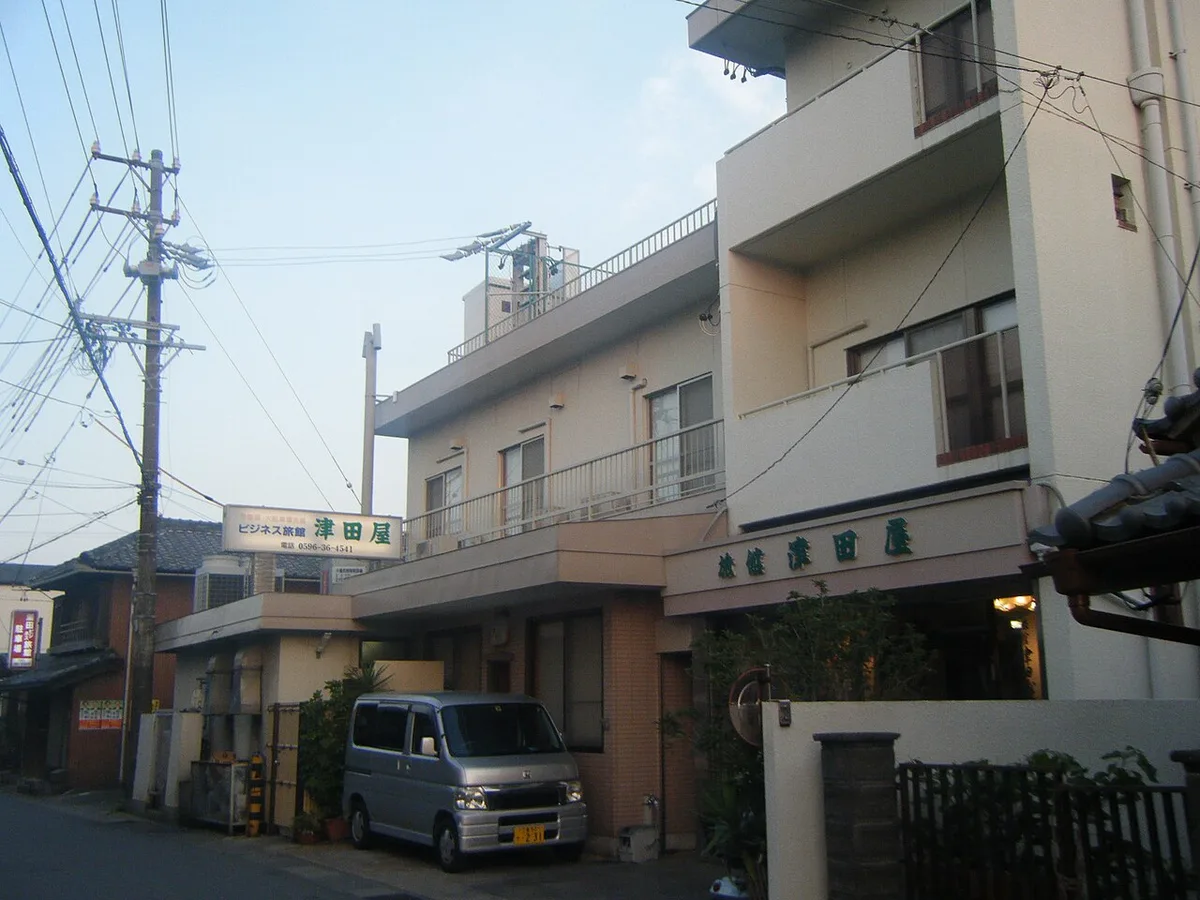
One honest upfront note: dedicated hostels are scarce in Ise. Budget travelers will find a handful of guesthouses near Ise-shi Station, but prices start higher than in typical Japanese cities. A clean business hotel close to the station runs ¥7,000–¥13,000 per night; a traditional ryokan with two meals ranges from ¥18,000 to ¥35,000 per person. If the ryokan experience matters to you, factor that cost in before booking transport.
Key Takeaways
- Ise-shi Station is the most flexible base: Geku is a 10-minute walk and buses to Naiku depart every 10–15 minutes during peak daytime hours.
- Staying near Naiku or Oharaimachi puts you at the Inner Shrine before the first tour buses roll in — worth the premium over a business hotel for a shrine-focused trip.
- Futami suits travelers who want a seaside atmosphere and are visiting Meoto Iwa at sunrise; plan for 45 extra minutes each way to reach Naiku.
- For ocean-view ryokan and Ise-ebi lobster dinners, basing in Toba (15–20 min by Kintetsu) is a serious alternative — day-trip the shrines and still reach them before crowds.
- Business hotels near Ise-shi Station are the right call if you want an early start, late finish, and control over your own meal schedule.
- Budget guesthouses and minshuku exist but require active searching; "ゲストハウス + 伊勢" in Japanese booking platforms turns up the most affordable options.
Ise-shi Station Area — The Most Practical Base
Ise-shi Station is where the JR Sangu Line and Kintetsu Yamada Line converge, making it the default arrival point for most visitors from Nagoya, Osaka, and Kyoto. The Outer Shrine — Geku, dedicated to Toyouke Omikami — sits a flat 10-minute walk north of the station, so you can visit before your luggage has even been stored. Buses to Naiku depart from the station forecourt every 10 to 15 minutes during daytime hours, with the CAN bus loop ride taking 15 to 20 minutes and a round-trip fare of roughly ¥440.
Accommodation here leans toward business hotels, though a handful of small ryokan and minshuku operate within 15 minutes on foot. Business hotel rates run ¥7,000–¥13,000 per night for a standard twin or double; optional breakfast adds ¥1,000–¥1,500. The trade-off is atmosphere: rooms are efficient and clean, but you will miss the slow morning ritual of a proper ryokan stay. If you are visiting primarily for the shrines and plan to cram in both Geku and Naiku on the same day, a station-area business hotel lets you move fast without any logistics overhead.
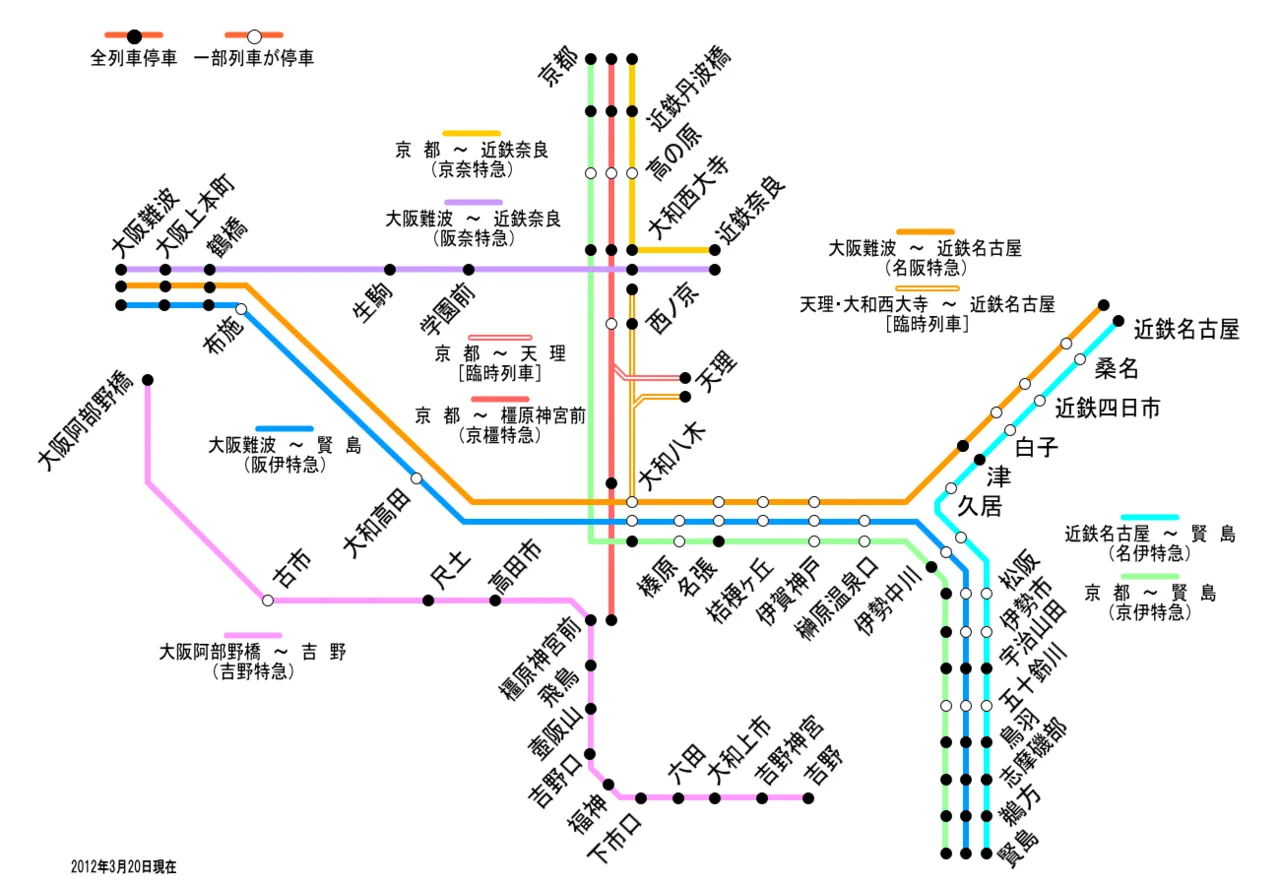
Kintetsu's Ujiyamada Station sits about one kilometre north and serves as the main Kintetsu terminus for limited express trains arriving directly from Osaka-Namba and Kyoto. Some trains that pass through Ise-shi continue to Ujiyamada, and vice versa; the two stations are close enough that staying near either one keeps you in the same practical zone. The CAN bus day pass (around ¥800) covers unlimited travel between Ise-shi, Geku, Ujiyamada, and Naiku — worth buying if you plan to move between the shrines more than twice.
The CAN bus (Community Access Network Bus) loops between Ise-shi Station, Geku, Ujiyamada Station, and Naiku several times an hour. A one-day pass costs around ¥800 for adults and covers all legs. Single fares for each Naiku trip cost roughly ¥220 each way, so the day pass pays off quickly if you're making more than two journeys. Buy it at the station tourist information counter.
For a full breakdown of train options, IC card tips, and JR Pass validity, our guide to getting to Ise covers every approach including the JR Rapid Mie from Nagoya.
Near Naiku and Oharaimachi — Stay for the Shrine at Dawn
If the Inner Shrine is the whole point of your trip, staying within walking distance of Uji Bridge changes the experience entirely. The roughly 800-metre Oharaimachi shopping street quiets sharply after 6pm when the day-trippers leave on the final buses, and the Edo-style stone-paved lanes become almost entirely the territory of overnight guests. The following morning, the path along the Isuzu River toward Naiku's inner sanctuaries carries a different weight when you arrive before 8am rather than at 10am with a coach group.
Accommodation near Naiku skews strongly toward traditional ryokan with kaiseki dinner and Japanese breakfast packages. Rates start at roughly ¥18,000 per person per night with two meals and climb toward ¥35,000 for rooms with private gardens or river-facing windows. Availability is tighter than the station area: spring cherry blossom season (late March to early April) and autumn foliage peak (November) require booking two to three months in advance for the better properties.
The neighborhood has fewer convenience stores than Ise-shi Station, so pick up medicine, snacks, or cash before the shuttle bus drops you here. Most ryokan in this zone will arrange luggage forwarding to or from Ise-shi Station if you prefer to arrive light and check luggage in later.
Most ryokan set check-in at 3pm and dinner at 6pm or 6:30pm with no flexibility. If you want to reach Naiku early on the morning of your checkout (check-out is typically 10am), tell the property in advance — many will serve a simplified early breakfast at 7am or let you skip breakfast for a small discount. Plan your Naiku visit for departure morning to see it at its calmest.
Futami — Seaside Village and Wedded Rocks Base
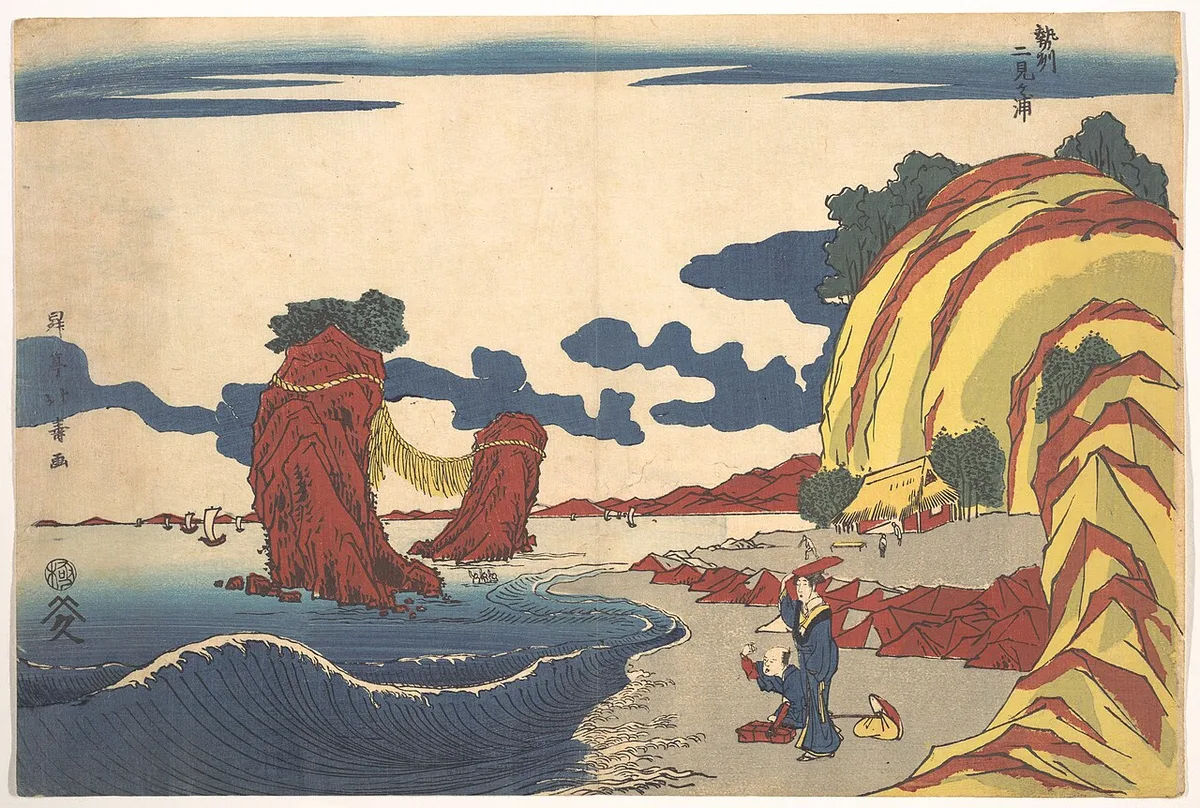
Futami is a small coastal village 15 minutes from Ise-shi by JR Sangu Line (alight at Futaminoura Station), built around Futami Okitama Shrine and the famous Meoto Iwa. The two sacred rocks — known as the Wedded Rocks — are joined by a thick shimenawa rope in the sea, and between May and July the sun rises directly between them at dawn. If catching that sunrise is on your agenda, basing in Futami is the only sensible choice.
Accommodation options here run mainly to small ryokan and family-run minshuku at ¥10,000–¥22,000 per night with meals. The atmosphere is noticeably quieter than central Ise, with a harbor edge and fewer tourists after 5pm. The trade-off is that reaching Naiku requires taking the JR train back to Ise-shi and then the CAN bus — budget 45 minutes each way. For a shrine-focused itinerary with Futami sunrise on day one and both Geku and Naiku on day two, the arithmetic works cleanly with two nights split across Futami and the station area.
Basing in Toba or Kashikojima — Ocean Ryokan, Day-Trip Ise
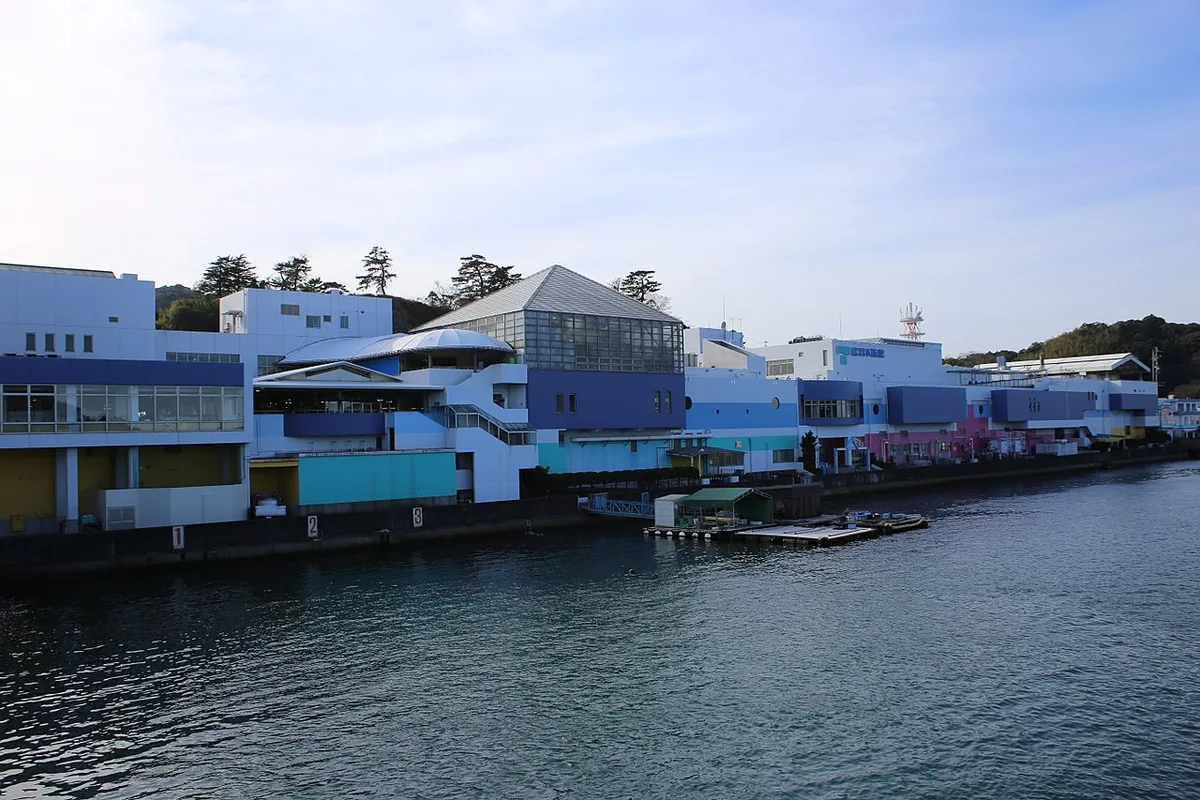
Some travelers skip Ise-town accommodation entirely and base at Toba or Kashikojima, day-tripping the shrines by Kintetsu rail. The logic is straightforward: the most atmospheric ryokan in the Shima region face Ago Bay or Toba harbor, and they sell out faster than anything in central Ise. A night in Toba also layers in Mikimoto Pearl Island and Toba Aquarium without an extra journey — both are walkable from Toba Station.
Toba is 15 to 20 minutes from Ise-shi by Kintetsu or JR Sangu Line. Luxury ryokan with ocean-facing rooms and multi-course kaiseki dinners start around ¥25,000 per person per night and reach ¥55,000 at top-tier properties. Kashikojima — 30 to 40 minutes further along the Kintetsu Shima Line — sits at the innermost crook of pearl-cultivating Ago Bay, where the 2016 G7 Summit was held. Resort-style hotels and ryokan here offer some of the most distinctive coastal views in Mie Prefecture.
The practical downside of basing this far out is that your shrine visit becomes a half-day excursion rather than an immersive stay. If you take the first Kintetsu train from Toba toward Ise-shi (service begins around 6am), you can reach Geku by 6:30am and Naiku before 8am — ahead of the day-trippers and well ahead of the coach buses. For a full tier-by-tier breakdown of Toba lodging options, see our where to stay in Toba guide. Combining one night in Toba with one night near Naiku is the trip shape that delivers both coastal luxury and shrine immersion.
Ryokan, Business Hotels, and Budget: What to Choose
The three accommodation types in Ise deliver sharply different experiences. A business hotel gives you flexibility: eat where you like, leave early, come back late. A ryokan locks in dinner at 6pm and breakfast at 8am — but the trade-off is a full kaiseki dinner, a deep cypress-wood ofuro bath, and a futon laid out on tatami while you eat. For most first-time visitors, a single ryokan night near Naiku alongside a business hotel night at the station is the best of both worlds.
| Type | Typical price per night | Meals | Best for |
|---|---|---|---|
| Budget guesthouse / minshuku | ¥3,500–¥6,500 | None or basic | Solo traveler, cost-focused |
| Business hotel | ¥7,000–¥13,000 | Optional breakfast (+¥1,000) | Early starts, flexible itinerary |
| Mid-range ryokan | ¥18,000–¥28,000 per person | Dinner + breakfast included | Shrine atmosphere, slow mornings |
| Luxury ryokan | ¥30,000–¥55,000 per person | Multi-course kaiseki | Full immersion, premium views |
Travelers building a two-day visit around our suggested Ise itinerary typically find that a business hotel works for the transit-heavy day and a ryokan rewards the slower, shrine-focused morning. If you're choosing purely on cost, search for minshuku in the Ise-shi Station area — rates are the lowest in the region and many include a simple Japanese breakfast.
When booking a ryokan with two meals, confirm whether the dinner is served in your room or a communal dining room — both are common. Room service kaiseki is the more traditional option, but dining-room meals are easier if you travel with young children or have dietary restrictions. Contact the property directly before booking if you need vegetarian or allergen-aware meals; most ryokan accommodate with 48 hours' notice.
Frequently Asked Questions
What is the best area to stay in Ise for visiting the Grand Shrine?
For maximum flexibility, the Ise-shi Station area is the best base: Geku is a 10-minute walk and Naiku buses run every 10–15 minutes from the station forecourt. For a more immersive experience, staying near Naiku or Oharaimachi lets you visit the Inner Shrine at dawn before the day-trippers arrive. The right choice depends on whether convenience or atmosphere matters more to you.
Is it better to stay in Ise or base in Toba?
Stay in Ise if the shrines are your main focus and you want easy access to both Geku and Naiku without a long transit leg. Base in Toba if ocean views, high-end kaiseki ryokan, and attractions like Mikimoto Pearl Island matter as much as the shrines — Toba is only 15 to 20 minutes from Ise-shi by Kintetsu, so day-tripping the shrines is straightforward. Combining one night in each location gives you the best of both.
How far ahead should I book a ryokan in Ise?
Book two to three months ahead for spring (late March to early April, cherry blossoms) and autumn foliage peak (November), and at least three months ahead for Golden Week (late April to early May). Outside those peak windows, one to two months is generally sufficient for mid-range ryokan, though the most sought-after near-Naiku properties can fill even in off-peak months. Business hotels near Ise-shi Station can usually be booked two to four weeks out.
Are there budget accommodation options near Ise's shrines?
Budget options exist but require searching. A handful of guesthouses and minshuku near Ise-shi Station offer private rooms from ¥4,000–¥6,500 per night without meals. Search Japanese booking platforms using "ゲストハウス 伊勢" (guesthouse Ise) for the widest results, as some smaller properties do not list on international OTAs. There are no large hostel dorms in Ise — budget travelers willing to share a room typically do better staying in Nagoya and day-tripping.
The right Ise base comes down to one question: do you want maximum shrine access or maximum atmosphere? Ise-shi Station gives you both shrines by bus, flexible meal times, and all transit connections from a single practical hub. Staying near Naiku or Oharaimachi trades a little convenience for a genuinely quieter, more immersive experience of the Inner Shrine's surroundings. Futami suits anyone whose itinerary begins with a Wedded Rocks sunrise. And if ocean-view ryokan and Toba's coastal dining are part of the appeal, the 15-minute Kintetsu hop makes combining both areas straightforward.
Whatever neighborhood you choose, book two to three months ahead for any ryokan during the spring and autumn peaks — the properties closest to Naiku fill faster than anything else in the region. Business hotels near the station have more flexibility, but even those sell out during Golden Week. For help sequencing the sights once you've chosen your base, our Ise itinerary guide maps out a two-day plan that covers both shrines, Oharaimachi, and a Futami morning without rushing.
Free guide: Japan's Hidden Gems
12 under-the-radar places beyond Tokyo & Kyoto — with the best season to visit each and a local tip you won't find in the guidebooks.
You might also like


Continue reading
More guides you'll find useful


