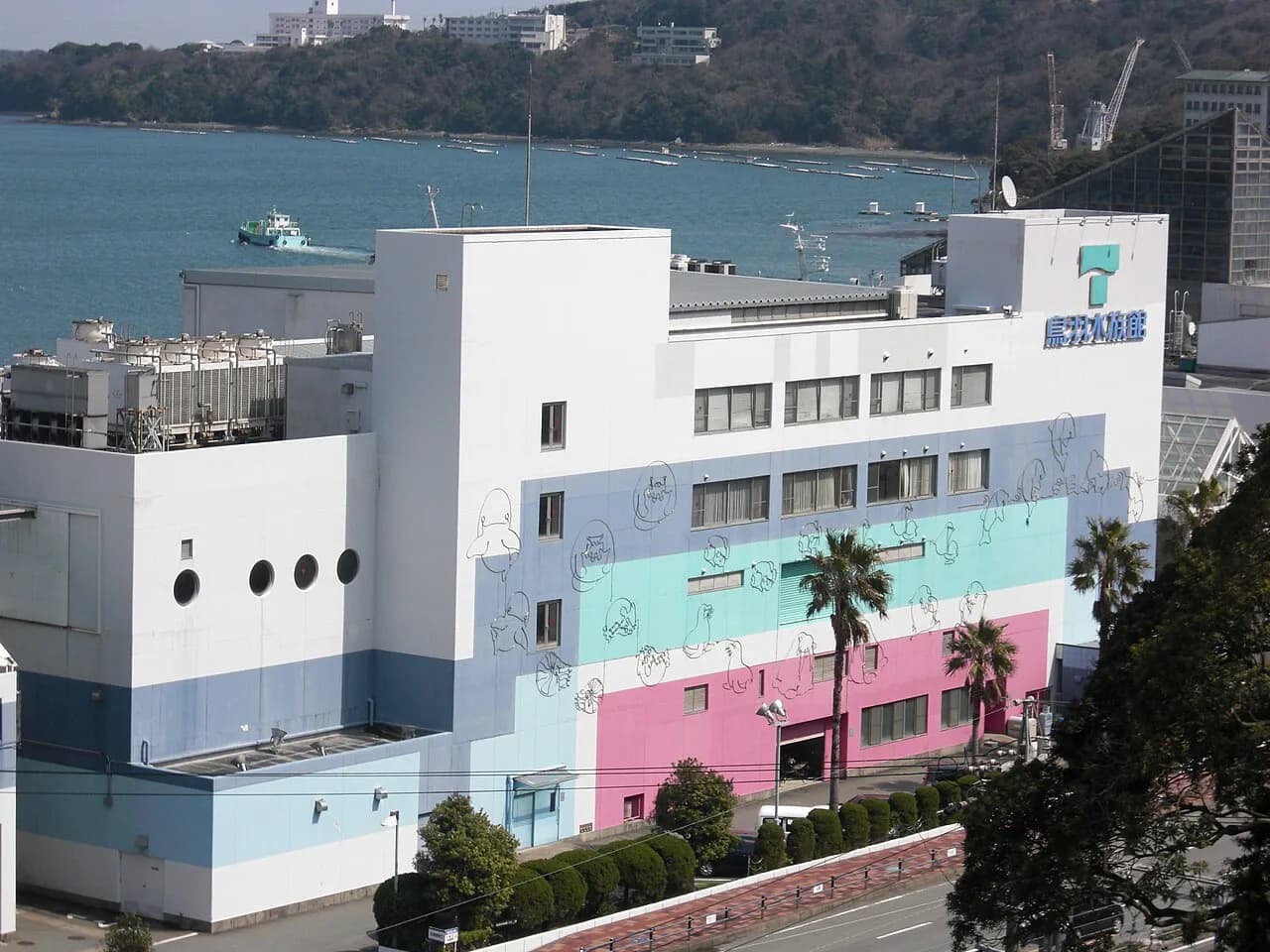
Toba Seafood Guide (2026): Ise-Ebi, Oysters & Ama-Hut Eats
What to eat in Toba in 2026: Ise-ebi spiny lobster, Ago Bay oysters, sazae, abalone, tekone-zushi, and the amagoya ama-hut grilled seafood lunch — with seasons and prices.
On this page
Toba sits on a protected inlet of the Ise-Shima coastline in Mie Prefecture, and the fishing boats that leave before dawn each morning explain why the town's restaurants serve some of the freshest shellfish in Japan. Our editors have eaten their way through the Toba waterfront multiple times, and the range here — Ise-ebi spiny lobster, cultured oysters, hand-dived abalone, sazae turban shells grilled over charcoal — genuinely rewards anyone willing to plan around the season.
Toba is only 15 minutes by Kintetsu train from Ise, making a half-day food stop easy to fold into a shrine visit. This guide covers what to eat, where to find it, and what it costs in 2026 — from a ¥1,200 tekone-zushi set at a market stall to a ¥15,000 full Ise-ebi kaiseki at a seafront inn. We last updated this page in June 2026; confirm prices directly with restaurants before visiting.
Key Takeaways
- Ise-ebi (spiny lobster) peaks October–January; a single lobster set lunch costs ¥3,500–6,000 at Toba waterfront restaurants.
- Ago Bay oysters are sweetest November through February — grilled sets from ¥1,500–2,500 at seasonal kaki-goya stalls.
- The amagoya ama-hut experience at Osatsu is Toba's most memorable food stop; reserve at least three to five days ahead, lunch only.
- Sazae (turban shell, grilled) and awabi (abalone) are available year-round at casual restaurants and seafood stalls around the harbour.
- Tekone-zushi — marinated bonito over sushi rice — is the region's go-to quick lunch from ¥1,200 at Toba's morning market.
Ise-Ebi: Toba's Prestige Spiny Lobster
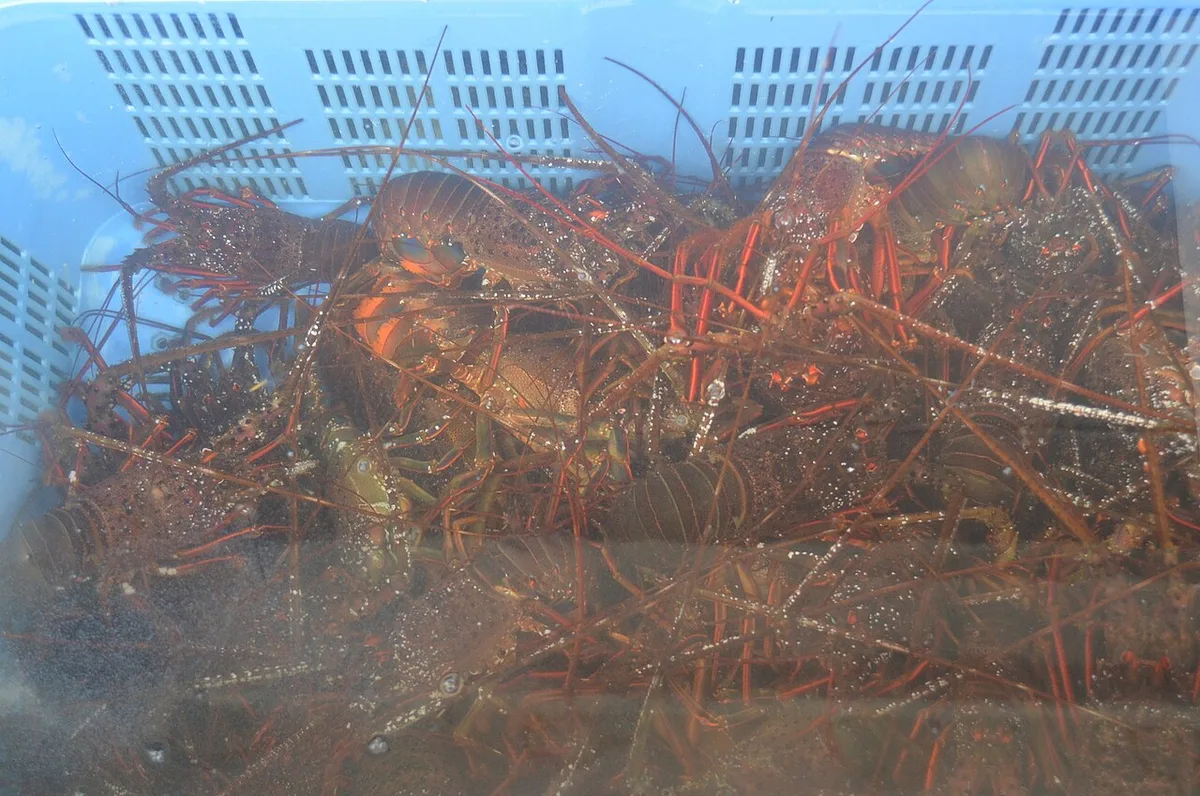
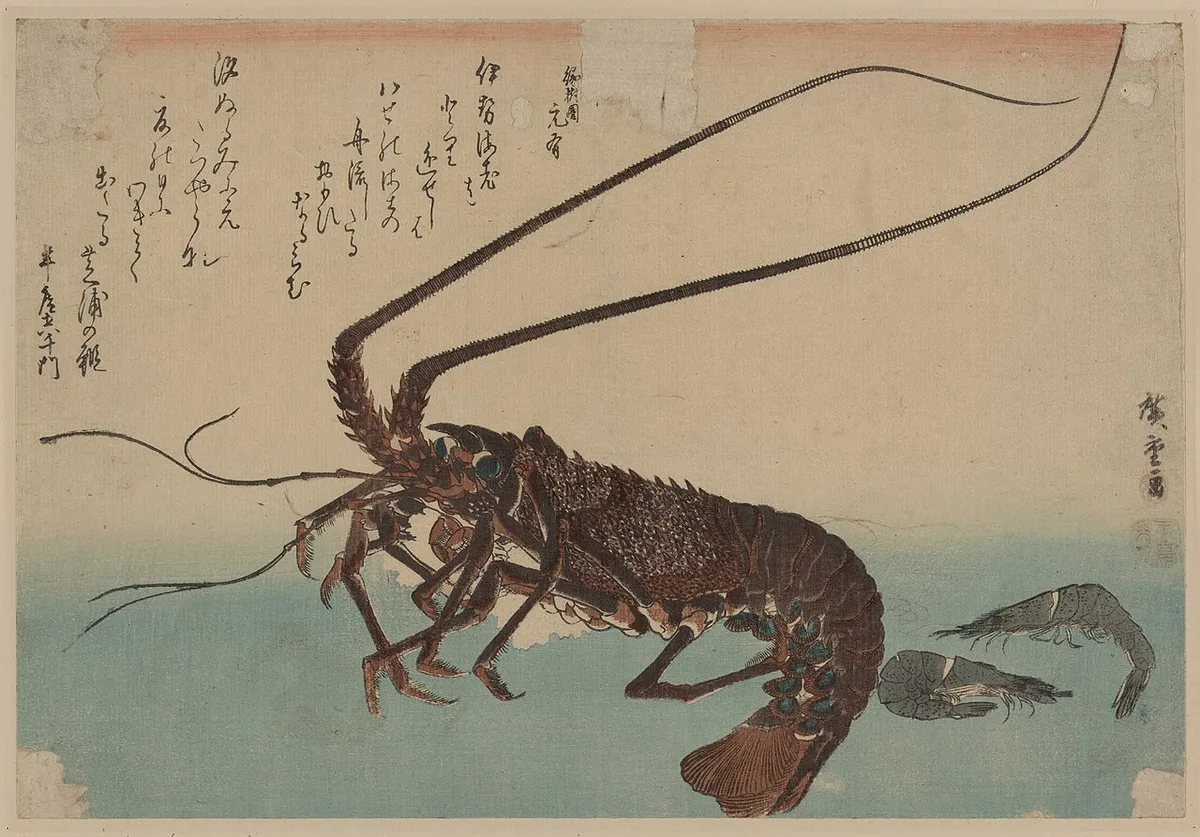
Ise-ebi (Japanese spiny lobster) is the flagship seafood of the Ise-Shima coast and the ingredient that draws serious food travelers to Toba in autumn and winter. Peak season runs from October through January, when lobsters are fished in Ago Bay and sold live at Toba's pier market on the morning they are caught. Outside this window most restaurants use frozen stock, so timing your visit for the October–January peak makes a meaningful difference to quality and flavour.
A single Ise-ebi prepared as sashimi or grilled with butter and salt at a Toba waterfront restaurant costs ¥3,500–6,000 for a set lunch, depending on size. Full kaiseki courses at ryokan or specialty restaurants — where the lobster arrives across multiple preparations alongside other local shellfish — run ¥10,000–15,000 per person. If your budget is tighter, some market stalls sell bisque or miso soup made from the carapace for ¥500–800 a bowl, giving you genuine Ise-ebi flavour without the full outlay.
Fishing for Ise-ebi is legally prohibited from June through mid-September to protect breeding stocks. Any restaurant advertising fresh Ise-ebi in July or August is almost certainly serving imported or frozen lobster — worth asking directly before ordering.
Oysters and Sazae: Ago Bay's Winter Shells
Ago Bay, southeast of Toba and best known for Mikimoto's cultured-pearl industry, also produces excellent kaki (oysters) from November through February. The bay's sheltered, nutrient-rich waters give the shellfish a clean brine and plump, creamy flesh. Roadside stalls along the Ago Bay waterfront and at Toba's covered morning market sell oysters in the shell for ¥150–250 each or in grilled sets for ¥1,500–2,500. From November, seasonal kaki-goya huts appear along the shoreline and offer all-you-can-eat grilled oysters at a fixed ¥2,500–3,000 per person — one of the region's best casual food deals.
Sazae (turban shell) is a different beast but equally prized. Unlike oysters, sazae are available year-round, though summer catches are considered sweetest. Vendors grill them directly in the shell over charcoal, add a splash of soy sauce and sake, then serve them with a small pick. Expect ¥350–500 per shell at a casual izakaya or roadside stall. The satisfaction of levering a sazae from its spiky shell at a plastic table by the water is one of Toba's quietly perfect pleasures.
Tekone-Zushi and Abalone (Awabi)
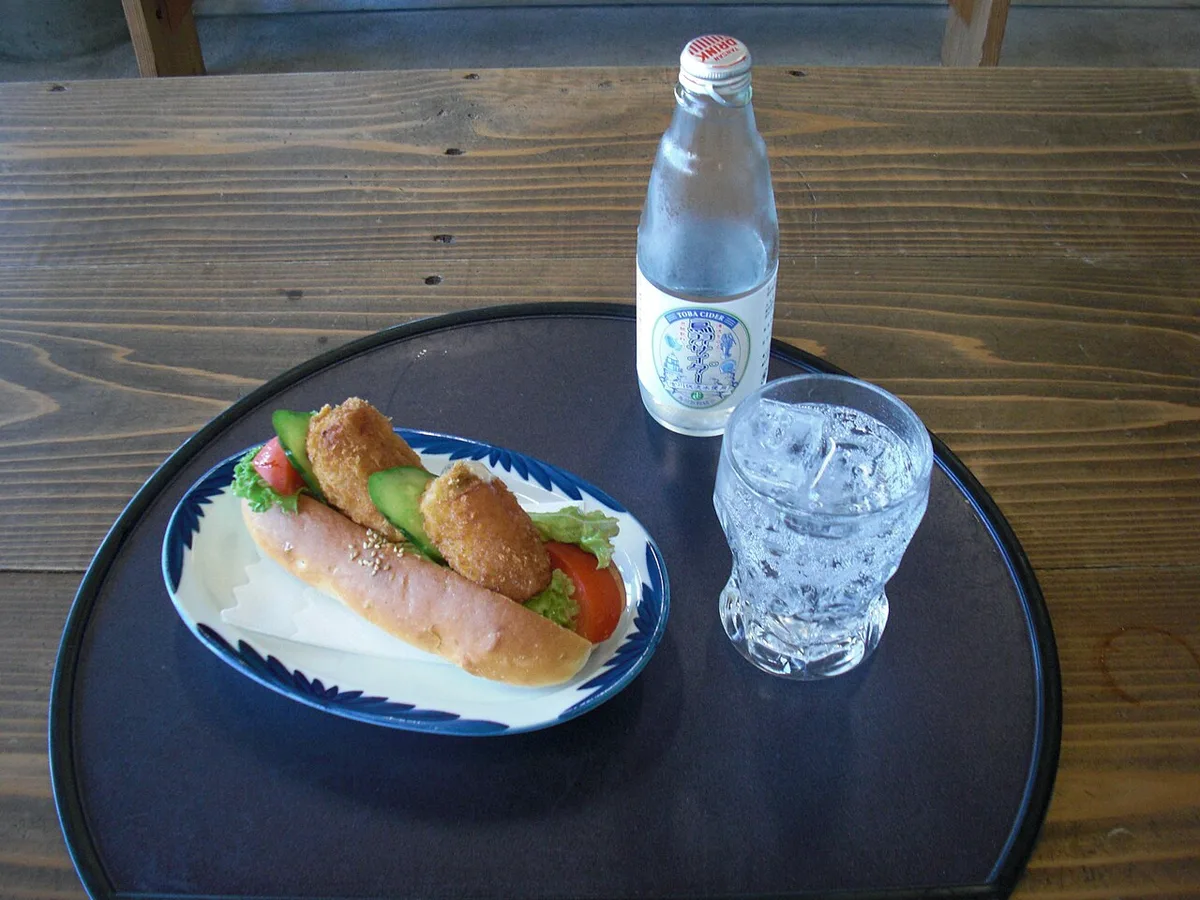
Tekone-zushi is Mie Prefecture's answer to a satisfying seafood lunch: thick slices of skipjack tuna (katsuo) or yellowtail, marinated in soy and mirin, laid over sweet sushi rice and finished with ginger and shiso. It is deliberately humble food — originally the lunch fishermen made at sea with the day's catch — and the best versions still taste like that. Market stalls near Toba Station and in the Osatsu harbour area serve tekone-zushi sets from ¥1,200–1,800, usually accompanied by clam miso soup.
Abalone (awabi) occupies the premium end of Toba's shellfish menu. Because awabi is still harvested largely by hand — many by the same ama divers who worked the pearl beds — supply is limited and prices reflect it. A grilled or steamed half-shell abalone at a mid-range Toba restaurant costs ¥2,500–5,000 depending on size. The most economical way to try awabi properly is at an amagoya lunch (see below), where a small piece is often included in the set course at no extra charge.
The Amagoya Experience: Grilled Seafood with Ama Divers
The amagoya is the warming hut where ama divers rest and eat between dives. Around Osatsu, a fishing village about 20 minutes by bus southwest of Toba Station, several amagoya have opened to paying visitors for grilled-seafood lunches hosted by the divers themselves. You sit around a central charcoal hearth as a diver grills sazae, oysters, clams, shrimp, and a piece of abalone directly in the shell, hands the food across, and talks about the morning's dives. The whole experience runs 60–90 minutes and leaves most visitors with a clearer sense of the ama tradition than any museum exhibit.
Most amagoya charge a flat set price of ¥3,500–5,000 per person covering the full grilled course plus rice, miso soup, and pickles. Lunch service runs roughly 11:30am–2:00pm. A handful of huts take same-day walk-ins, but the majority require a reservation at least three to five days ahead — phone bookings are most reliable, and some now list through the Mie tourism portal. To understand the history and practice behind what you are experiencing, our ama pearl-diving culture guide covers the tradition in depth. For a taster closer to Toba Station, Mikimoto Pearl Island runs ama demonstrations daily just a short walk from the pier.
Amagoya operate on reduced schedules during rough weather and certain summer months when diving restrictions apply. Always confirm your reservation the day before visiting, and check whether the hut can accommodate any dietary restrictions — the grilled-shellfish format is incompatible with shellfish allergies by definition.
To reach Osatsu from Toba Station: the Mie Kotsu bus runs roughly hourly and takes 20–25 minutes for about ¥480. A taxi takes 15 minutes and costs approximately ¥2,500–3,000. No rental car is needed for this half-day excursion.
Seasonal Calendar and Where to Eat in Toba
Matching your visit to the right season avoids paying a premium for out-of-season ingredients. The table below is the quickest planning reference.
| Seafood | Peak Season | Price Range (casual) | Where to Find |
|---|---|---|---|
| Ise-ebi (spiny lobster) | October–January | ¥3,500–6,000 (set lunch) | Toba waterfront restaurants, pier market |
| Oysters / Kaki | November–February | ¥200/shell; ¥1,500–2,500 (grilled set) | Ago Bay stalls, kaki-goya huts, Toba market |
| Sazae (turban shell) | Year-round (best July–Aug) | ¥350–500 per shell | Izakaya, amagoya, roadside stalls |
| Abalone / Awabi | October–March (peak) | ¥2,500–5,000 (half-shell) | Amagoya sets, ryokan kaiseki |
| Tekone-zushi | Year-round | ¥1,200–1,800 (set) | Market stalls, casual restaurants |
For a budget day, the covered morning market near Toba Station is the right base — stalls open around 8:00 AM and many pack up by noon. A full market breakfast of tekone-zushi, a grilled sazae, and clam miso soup costs ¥1,500–2,000 total. For a mid-range sit-down lunch, the restaurants lining Toba Ekimae Sanbashi offer Ise-ebi and oyster sets in proper dining rooms with inlet views for ¥3,000–6,000 per person. Dinner at a Toba ryokan, where Ise-ebi kaiseki is the signature offering, runs ¥10,000–18,000 with accommodation — see our where to stay in Toba guide for ryokan picks that bundle dinner into their room plans. For the broader Ise-Shima food picture — including Oharaimachi's Akafuku mochi and Ise udon at Okage Yokocho — our Ise food guide covers the neighbouring city's eating scene in full.
Explore Toba Food and Dining
Use these guides to compare local dishes, dining areas and practical food experiences in Toba.
Explore seafood guide in other cities
Frequently Asked Questions
When is the best time to eat seafood in Toba?
October through February is the strongest overall window, when Ise-ebi and Ago Bay oysters are simultaneously at peak season. If you can only visit in summer, sazae and tekone-zushi are available year-round, but Ise-ebi is off-limits from June through mid-September by regulation, so restaurants substitute frozen or imported stock in that period.
How do I book an amagoya lunch at Osatsu near Toba?
Most amagoya near Osatsu require a reservation at least three to five days ahead, either by phone or through the Mie tourism portal. Lunch service runs roughly 11:30am–2:00pm and seats fill quickly on weekends from October to February. Always confirm your booking the morning of your visit, as rough weather or dive-day schedules can close a hut at short notice.
How much does Ise-ebi (spiny lobster) cost at Toba restaurants?
A single lobster prepared as sashimi or grilled at a Toba waterfront restaurant costs ¥3,500–6,000 for a set lunch during peak season (October–January). Full kaiseki multi-course dinners at a ryokan run ¥10,000–15,000 per person. Market stalls sell Ise-ebi bisque or miso soup for ¥500–800 as a budget alternative that still delivers the essential flavour.
Is tekone-zushi available in Toba as well as Ise?
Yes. Tekone-zushi is a regional Mie specialty found throughout the Ise-Shima area, not just in Ise city. Market stalls near Toba Station and casual lunch spots in Osatsu both serve it year-round as a set with miso soup for ¥1,200–1,800. The Ise versions at Okage Yokocho draw more tourists; Toba's market stalls are typically quieter and just as good.
Do I need a reservation at seafood restaurants in Toba?
For amagoya, a reservation is essential. Waterfront lunch restaurants near Toba Station generally take walk-ins on weekdays, but weekend lunch queues at popular spots can run 30–45 minutes in peak lobster season. Ryokan kaiseki dinners always need advance booking, typically with at least one night's accommodation. Market stalls need no reservation.
Toba's seafood culture runs deeper than a simple market crawl. The same bay where Kokichi Mikimoto perfected the cultured pearl in the 1890s still produces oysters and abalone harvested by ama women who have worked these waters for generations. Eating a grilled sazae at a harborside stall in November, or sitting around a charcoal hearth at an Osatsu amagoya as a diver grills abalone for your lunch, is the kind of experience that justifies the 100-minute journey from Nagoya on its own.
For the full picture of what to do around the bay, our Toba attractions guide covers the aquarium, castle ruins, and pearl island alongside the food scene. If you are weighing whether to stay overnight for a ryokan kaiseki dinner, where to stay in Toba breaks down the inn options that bundle Ise-ebi courses into their room plans.
Free guide: Japan's Hidden Gems
12 under-the-radar places beyond Tokyo & Kyoto — with the best season to visit each and a local tip you won't find in the guidebooks.
You might also like


Continue reading
More guides you'll find useful