8 Best Things to Do in Toba (2026)
Discover the 8 best things to do in Toba in 2026 — from Mikimoto Pearl Island and the dugong aquarium to ama seafood huts and Toba Bay cruises, with prices, hours, and transit tips.
On this page
Toba sits on the pearl-studded coast of Mie Prefecture, roughly 15 minutes by Kintetsu train from Ise, and it earns every minute of the detour. This small harbor city gave the world cultured pearls, keeps one of the very few dugongs in Japan in captivity, and feeds visitors grilled shellfish served by the traditional ama free-divers who have worked these waters for centuries. Most travelers treat Toba as a half-day add-on to Ise; our editors think it rewards a full day of its own. If you are planning the wider Mie coast, our guide to Ise attractions covers the sacred shrines and Oharaimachi shopping street that bookend Toba nicely on the same rail line.
We last refreshed this guide in June 2026 to confirm current aquarium admission prices, Mikimoto Pearl Island hours, and amagoya reservation rules for 2026. Toba is compact enough that the harbor waterfront, the island footbridge, and the aquarium are all within ten minutes' walk of Toba Station — no local bus needed for the main sights. Below we rank eight specific things to do in Toba, each with real costs, hours, and a transit note so you can plan without guesswork.
Combining Toba with Ise makes the most efficient use of a long day from the Nagoya direction. Our Nagoya day trips guide maps the Kintetsu journey and suggests whether to base yourself in Nagoya or overnight in Ise-Shima for a slower pace. Either way, Toba's seafood, pearls, and genuinely unusual marine wildlife make it one of central Japan's most distinctly local detours.
Key Takeaways
- Best overall: Mikimoto Pearl Island, a five-minute walk across the footbridge from Toba Station, combines the world's first cultured-pearl story with live ama diving demos for ¥1,650.
- Best wildlife experience: Toba Aquarium is one of Japan's largest and one of the only places to see a live dugong.
- Best unique lunch: book an amagoya seafood hut near Osatsu village ahead of time — ama divers host a grilled-shellfish lunch you cannot replicate anywhere else in Japan.
- Best free stop: Toba Castle ruins on the hill behind the station give a sweeping bay panorama with no admission charge in about 10 minutes.
- Easiest access from Nagoya: Kintetsu Limited Express reaches Toba direct in about 100 minutes, no transfer required.
8 Best Things to Do in Toba
The heart of any Toba visit radiates outward from the harbor, where Mikimoto Pearl Island sits on a short footbridge just off the waterfront and the aquarium faces the bay a walkable stretch east. We have ordered this list by impact — anchoring the first entries around the attractions that justify a special trip and working outward to the smaller discoveries that reward a full day.
Prices below reflect 2026 figures; confirm the official sites before you go as admission can shift seasonally. Several of these stops cluster within fifteen minutes' walk of each other near Toba Station, which keeps the logistics refreshingly simple even on a tight day trip.
- Mikimoto Pearl Island
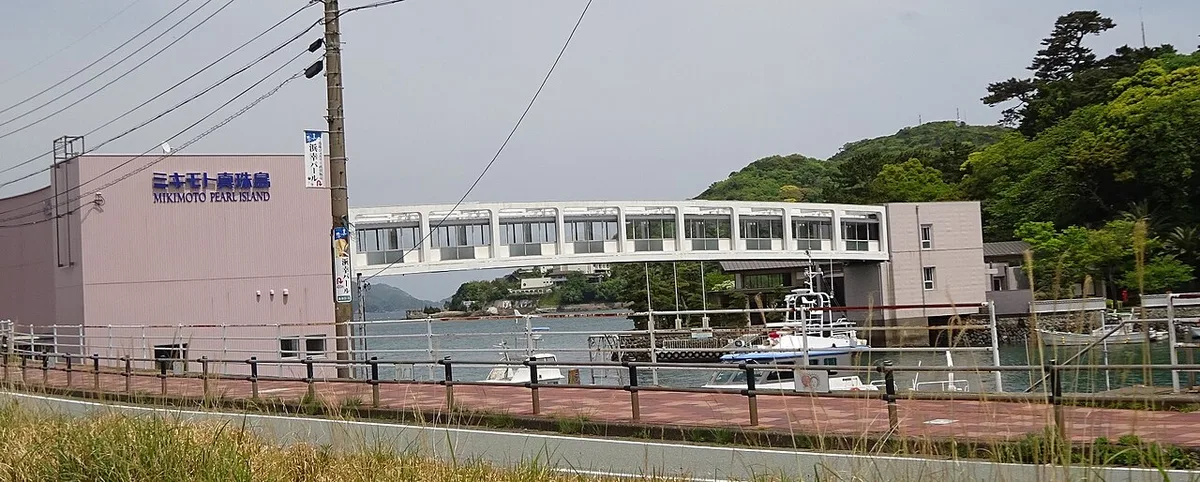
- Kokichi Mikimoto successfully cultivated the world's first round pearl here in 1893, and the island preserves that achievement with a genuinely engaging museum.
- The Pearl Museum traces the biology and artistry of akoya pearl farming; ama divers give three live demonstrations daily from the harbor jetty below the viewing platform.
- Admission is approximately ¥1,650 for adults; the island opens daily around 9 am to 5 pm (hours can shorten in winter — check the official site).
- Cross the short pedestrian footbridge directly from the Toba Station waterfront exit; the entire walk from the platform takes under five minutes.
- Toba Aquarium
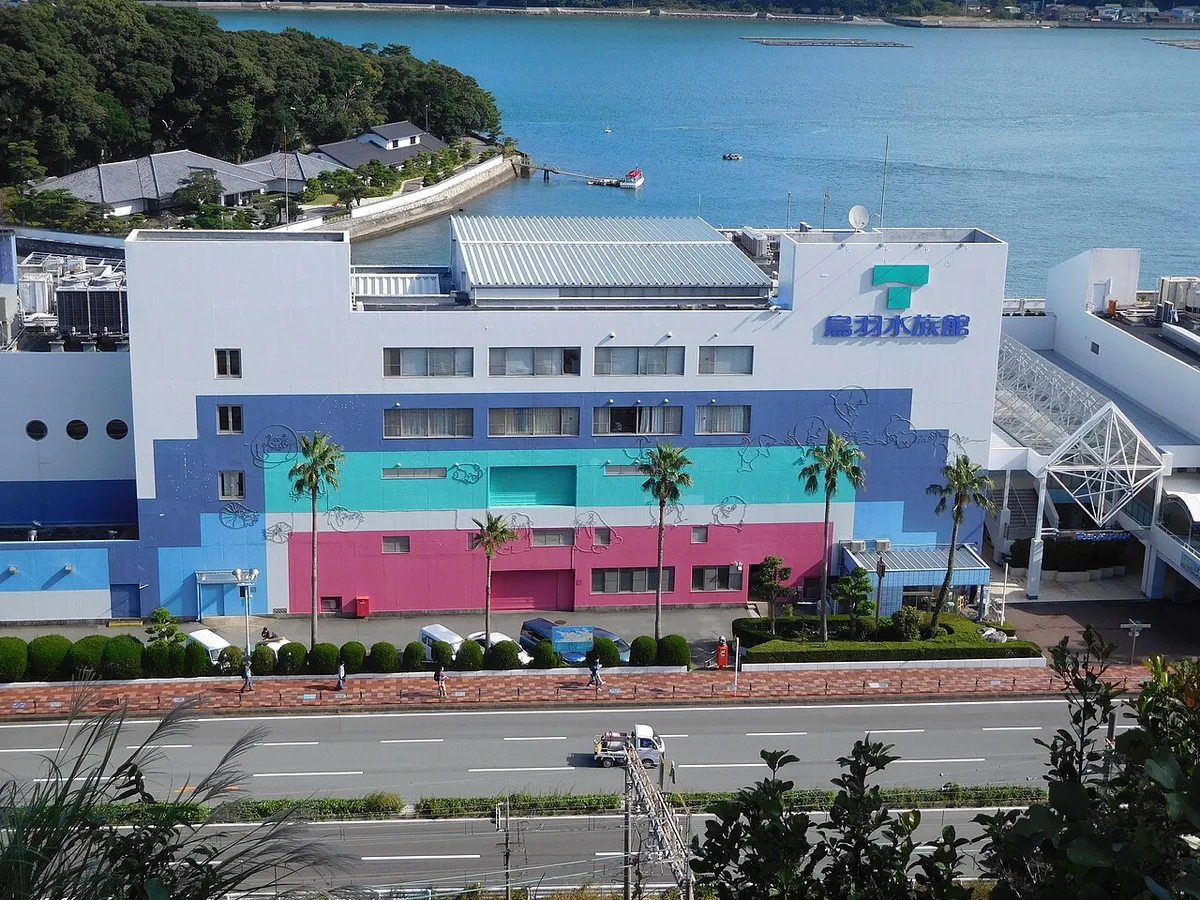
- With around 1,200 species on display, Toba Aquarium counts among Japan's largest and most species-diverse marine facilities.
- The resident dugong — one of only a handful in captivity anywhere in Japan — is the single creature most visitors have never seen elsewhere.
- Adult admission is approximately ¥2,800; the aquarium opens daily from 9 am to 5 pm, with last entry one hour before close.
- Walk east along the waterfront from Toba Station for about eight minutes, keeping the bay on your left; no bus needed.
- Amagoya Seafood Experience near Osatsu
- The ama tradition of female free-diving without a tank dates back over 2,000 years in Mie, and several ama huts (amagoya) near Osatsu village now welcome visitors for a grilled-seafood lunch hosted by the divers themselves.
- Expect abalone, sazae turban shell, Ise-ebi spiny lobster in season, and fresh oysters grilled tableside on a charcoal brazier — the kind of lunch that defines a trip.
- Prices range from roughly ¥3,500 to ¥6,000 per person depending on the seafood spread; reservations are essential as capacity is tightly limited.
- Osatsu is about 10–15 minutes by bus or taxi from Toba Station; our full ama pearl diving culture guide covers logistics, recommended huts, and the best months to visit.
- Ishigami-san Shrine
- Tucked inside the Koshima Shrine complex near Toba Port, the small Ishigami-san Shrine honors a female deity believed to grant one sincere wish to any woman who prays there.
- The shrine draws a devoted following of Japanese women from across the country; its atmosphere is quietly powerful rather than touristic.
- Entry is free and the shrine is open during daylight hours; it is about a ten-minute walk from the pier area.
- Arrive in the early morning before day-trippers reach the waterfront — the approach path along the shore is especially calm then.
- Toba Castle Ruins
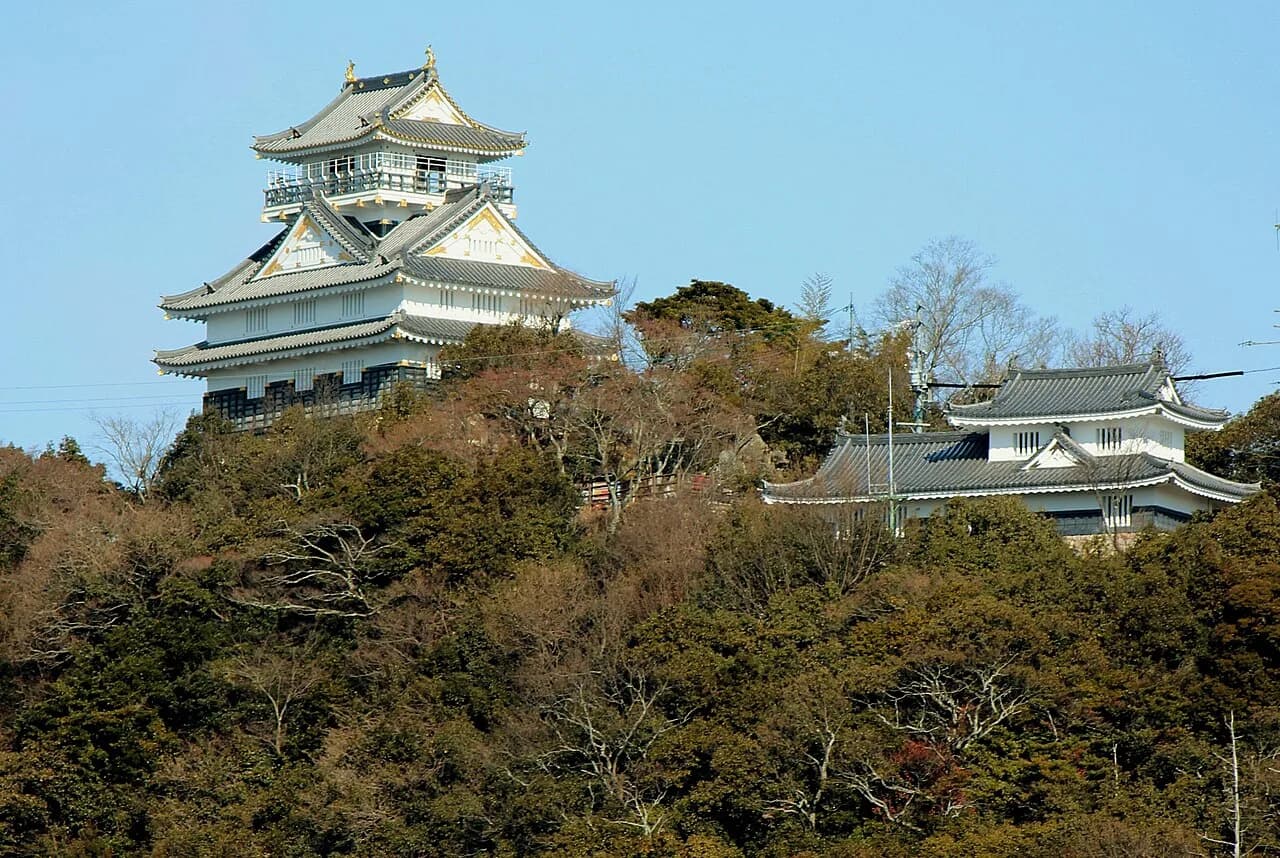
- The stone ramparts of Toba Castle (Toba-jo) crown a small hill directly behind the station, offering a free panorama across Toba Bay and the pearl-farming rafts dotting the water.
- Built in 1594 by the Todo clan, the original castle keep no longer stands, but the foundations and bay view make the ten-minute climb genuinely worthwhile.
- The hilltop is accessible at any hour and costs nothing; it makes an ideal first stop in the morning before the paid attractions open at 9 am.
- No food or facilities at the top — buy drinks at the convenience store near the station first.
- Toba Bay Island Cruise
- Ferry routes from Toba Port connect to the small islands of Kamishima and Toshijima, and short sightseeing cruises let you see the pearl-farming floats up close from the water.
- Sightseeing cruises depart from the waterfront near the aquarium and typically last 30–60 minutes; fares run roughly ¥1,000–¥2,000 per adult.
- The bay perspective frames the surrounding Ise-Shima National Park coastline in a way that no land-based vantage point replicates — worth it on a clear day.
- Check the Toba Port Ferry schedule before you go, as departure times vary by season; spring and autumn offer the calmest crossings.
- Toba Sea-Folk Museum
- The Toba Sea-Folk Museum (Toba Umiminzoku Hakubutsukan) sits on the Toba Bay shore and documents the lives of the fishing and diving communities who shaped this coast across the centuries.
- Exhibits cover traditional ama tools, shellfish-farming techniques, and the wooden boats of the region, with strong English-language signage throughout.
- Adult admission is approximately ¥800; the museum opens from 9 am to 5 pm and closes on Wednesdays.
- Pair this with the amagoya experience for a logical sequence: understand the tools in the morning, then eat the catch at a seafood hut at lunch.
- Pearl Shopping at Mikimoto Boutique and Toba Station Shops
- Toba is one of the best places in Japan to buy cultured pearls directly from producers, with prices that can undercut Tokyo department stores significantly for comparable quality.
- The Mikimoto boutique on Pearl Island is the prestige option; the covered shopping arcade near Toba Station has independent jewelers offering akoya pearl strands across a wide price range.
- Quality varies considerably, so shop in good daylight and compare lustre on multiple strands before committing; a trustworthy seller will explain overtone, surface grade, and nacre thickness.
- Budget from roughly ¥3,000 for a simple strand to well over ¥100,000 for certified high-grade jewelry — know your ceiling before you browse.
| Attraction | Cost (per adult) | Hours | Time needed |
|---|---|---|---|
| Mikimoto Pearl Island | ¥1,650 | 9 am–5 pm daily | 1.5–2 hours |
| Toba Aquarium | ¥2,800 | 9 am–5 pm daily | 2–3 hours |
| Amagoya seafood experience | ¥3,500–¥6,000 | Lunch sittings; reservation required | 1.5 hours |
| Ishigami-san Shrine | Free | Daylight hours | 20–30 min |
| Toba Castle Ruins | Free | Any time | 30 min |
| Toba Bay Island Cruise | ¥1,000–¥2,000 | Seasonal; check port schedule | 30–60 min |
| Sea-Folk Museum | ~¥800 | 9 am–5 pm; closed Wed | 1 hour |
How to Get to Toba from Nagoya
The Kintetsu Limited Express is the smoothest option, departing Kintetsu-Nagoya Station and running directly to Toba Station in approximately 100–110 minutes with no transfer. The one-way fare is around ¥3,060 as of 2026. The Kintetsu Ise-Shima Rail Pass (¥3,000 for two days) covers unlimited rides across the Ise, Toba, and Kashikojima corridor and pays for itself quickly if you plan to make multiple stops. JR passes do not reach Toba directly, though JR Rapid Mie trains reach Ise-shi in about 90 minutes, from where a short Kintetsu transfer adds 15 minutes to Toba.
For a full breakdown of all transport combinations — including day-pass comparisons, IC card tips, and the journey from Osaka or Kyoto — our guide to getting to Toba covers every option step by step. Once at Toba Station, the main waterfront sights are on foot: Mikimoto Pearl Island, the aquarium, Ishigami-san Shrine, and the castle ruins all sit within walking distance. Mie Kotsu buses and taxis reach Osatsu village and the Sea-Folk Museum further along the coastal road.
Pairing Toba with Ise: a Note on Timing
Toba and Ise sit 15 minutes apart on the same Kintetsu line, and they reward a combined visit. The natural sequence is to arrive in Ise in the morning, visit Geku first and then Naiku, browse Oharaimachi's Edo-style stone lane for Akafuku mochi, then catch the Kintetsu east to Toba for the afternoon. Mikimoto Pearl Island and the aquarium both run until 5 pm, giving comfortable time for one or both after an Ise morning. Factor in around 30 minutes at Ishigami-san Shrine and a walk to the castle ruins for the bay view as a free addition.
Staying overnight in the region unlocks the ryokan seafood tradition — a proper Mie kaiseki with Ise-ebi, abalone, and sashimi — and means you are not racing the last Kintetsu back to Nagoya. Our Ise-Toba itinerary guide maps a two-day sequence that fits Ise Grand Shrine, the Meoto Iwa wedded rocks at Futami, and Toba's top sights without overlap or rushed gaps.
The Kintetsu Ise-Shima Liner Pass (¥3,000 for 2 days) covers unlimited Kintetsu rides from Ise to Toba, Kashikojima, and Futaminoura. Buy it at Kintetsu-Nagoya or Kintetsu Osaka-Namba before boarding — it cannot be purchased at smaller stations along the route.
Toba Budget and Practical Tips
A focused Toba day covering Mikimoto Pearl Island (¥1,650), the aquarium (¥2,800), and a bay cruise (¥1,500) will cost roughly ¥7,000–¥10,000 per adult once you include the Kintetsu return fare from Nagoya. Adding an amagoya lunch pushes the total toward ¥12,000–¥15,000, but that is the one experience Toba does that nowhere else in Japan replicates at this price point. Budget travelers can cut costs by visiting only one major paid attraction and pairing it with the free castle ruins and shrine walk.
For seafood beyond the amagoya, our Toba seafood guide lists the best harbor restaurants for grilled Ise-ebi in season, winter oyster shacks along the bay, and affordable tekone-zushi sets under ¥1,500. Hotels cluster around Toba Station and along the bay coast; the ryokan options range from compact business inns to full-service onsen properties. Our where to stay in Toba guide breaks down the options by budget and walking distance to the main sights.
Browse the Toba attraction directory for individual visitor guides, access details, and practical tips.
Frequently Asked Questions
Is Toba worth visiting as a day trip from Nagoya?
Yes, especially when paired with Ise. The Kintetsu Limited Express reaches Toba in about 100 minutes from Nagoya without a transfer. A packed day covers Mikimoto Pearl Island, Toba Aquarium, and the harbor area. Stay overnight if you want an amagoya seafood lunch or a Mie kaiseki ryokan dinner without racing the last train.
What is the dugong at Toba Aquarium?
Toba Aquarium is home to one of the very few dugongs in captivity in Japan. The dugong is a large marine mammal closely related to the manatee and is rarely seen in zoos or aquariums worldwide. It has been a signature resident of Toba Aquarium for many years. Admission is around ¥2,800 for adults and the aquarium opens at 9 am daily.
How much does Mikimoto Pearl Island cost in 2026?
Adult admission to Mikimoto Pearl Island is approximately ¥1,650 in 2026. The ticket includes the Pearl Museum, access to the island grounds, and three daily ama diver demonstrations at the harbor jetty. The island is a five-minute walk across the footbridge from Toba Station and opens daily around 9 am to 5 pm; hours can shorten in winter, so confirm on the official site before visiting.
What is the Ishigami-san Shrine famous for?
Ishigami-san Shrine in Toba is known for the belief that the enshrined female deity grants one sincere wish to any woman who prays there. The shrine is small, free to enter, and sits near Toba Port inside the Koshima Shrine complex. It draws a notably devoted following of Japanese women from across the country and is at its most peaceful in the early morning.
What seafood is Toba known for?
Toba and Mie Prefecture are celebrated for Ise-ebi (spiny lobster, in season October–February), fresh oysters from Ago Bay in winter, abalone, sazae turban shell, and tekone-zushi — a local pressed sushi made with marinated bonito. The most memorable way to eat across all these categories is at an amagoya seafood hut near Osatsu village, where ama divers host a grilled-shellfish lunch. Reservations are essential.
Toba rewards travelers who follow the Kintetsu line past Ise's sacred shrines and take the coast seriously. Mikimoto Pearl Island, the dugong aquarium, the ama seafood huts, the castle ruins, and the quiet intimacy of Ishigami-san Shrine each deliver something you will not easily find elsewhere in Japan. Lock in your amagoya reservation before you leave home and let the rest of the waterfront day fall into place around it.
Both major paid highlights are within walking distance of Toba Station, and the free stops — the castle, the shrine, the harbor promenade — slot easily between them. With a Kintetsu Limited Express from Nagoya, the whole coastal day takes shape without complicated logistics. We will keep this guide current through 2026 as admission prices, ferry schedules, and seasonal hours are confirmed.
Explore More Toba Guides
Plan a Toba visit from Nagoya or as part of an Ise-Shima overnight: Mikimoto Pearl Island, Toba Aquarium, the ama culture and seafood experience, Toba Bay cruises, and how to get there, stay, and make the most of your time.
Top Sights
- Mikimoto Pearl Island Travel Guide
- Toba Aquarium Travel Guide
- Ama Pearl Diving Culture Travel Guide
- Toba Seafood Guide
Day Trips & Itineraries
Plan Your Trip
Free guide: Japan's Hidden Gems
12 under-the-radar places beyond Tokyo & Kyoto — with the best season to visit each and a local tip you won't find in the guidebooks.
You might also like


Continue reading
More guides you'll find useful