Where to Stay in Toba (2026): Seaview Ryokan & Best Areas
Find the best areas and hotels in Toba for 2026 — seaview ryokan with onsen, Ago Bay pearl resorts, budget picks near Toba Station, and seasonal booking tips.
On this page
Toba is an easy fifteen-minute Kintetsu ride from Ise, which makes it the most practical overnight base for combining Ise Grand Shrine with a proper coastal stay. Sleep here and you can reach Geku before the day-trip crowds arrive from Nagoya — then return to a tatami room angled toward Toba Bay and a kaiseki dinner built around fresh Ise-ebi or abalone. It is a far better arrangement than day-tripping both cities and rushing everything. Our full Toba attractions guide covers what fills the rest of your day.
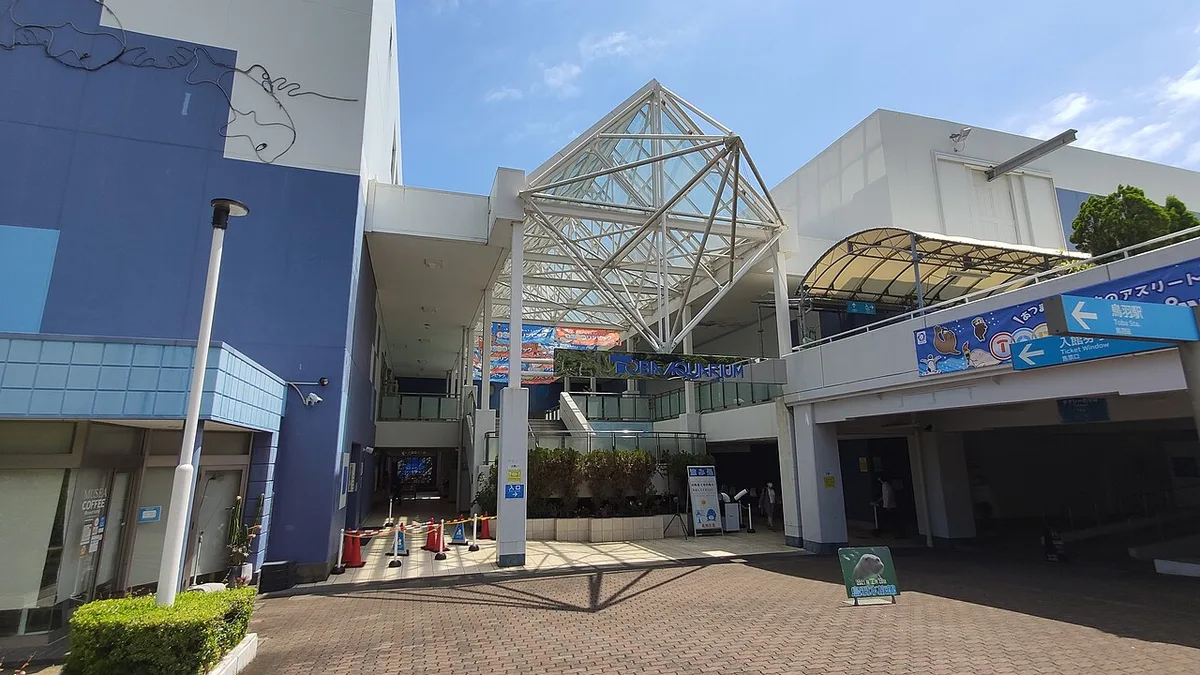
Accommodation falls into three zones: the Toba Station waterfront for convenience and walkability to Mikimoto Pearl Island and Toba Aquarium; the bay-facing hillside belt of traditional onsen ryokan; and the Kashikojima peninsula, thirty to forty minutes south, for Ago Bay luxury. This guide covers all three with prices, booking windows, and seasonal tips. Last updated June 2026.
Key Takeaways
- Toba Station area is the most convenient base — Mikimoto Pearl Island and Toba Aquarium are both walkable and the Kintetsu platform puts you fifteen minutes from Ise.
- Bay-facing onsen ryokan on the hillside offer multi-course kaiseki built around the day's seafood catch; mid-range rates run ¥20,000–¥40,000 per person including dinner and breakfast.
- Kashikojima and Ago Bay (~30–40 min south by Kintetsu) is the luxury tier — pearl-view rooms, G7-era resort infrastructure, from ¥40,000+ per person.
- Ise-ebi season runs September through April; oysters peak December to February — book two to three months ahead for autumn and winter weekends.
- Sleeping in Toba and day-tripping Ise is the strongest strategy: arrive at Geku by 8 AM, finish Naiku by mid-morning, back in Toba for lunch.
Around Toba Station: Budget and Mid-Range Options
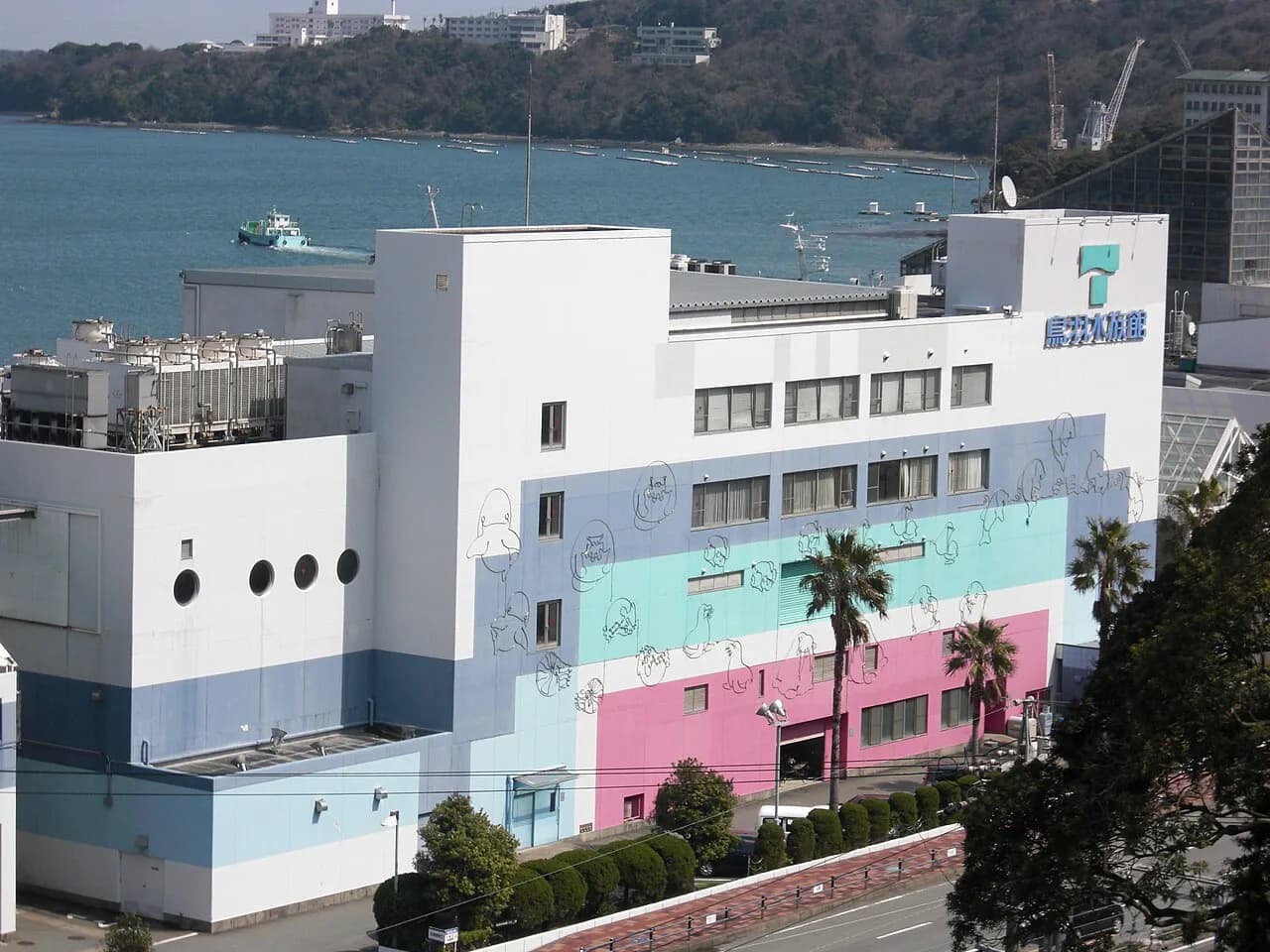
The station district is flat and compact — Mikimoto Pearl Island sits across a short footbridge, Toba Aquarium is a ten-minute walk, and the ferry terminal for the Toba Bay island boats is adjacent. Business hotels and tourist inns here charge ¥6,000–¥15,000 per room per night without meals. Simpler tatami ryokan in this zone typically run ¥10,000–¥18,000 per person, often with a shared bath rather than a private onsen and an optional breakfast.
The trade-off is ambiance: the station area is more urban and not every property faces the water. It works well for travellers who want to check in late, leave early for Ise, and keep accommodation costs manageable. For all transit options into and out of Toba, see our Toba transport guide.
Coin lockers at Kintetsu Toba Station take large bags for ¥700 — useful if you are arriving before check-in time and want to head to Mikimoto Pearl Island first.
Seaview Ryokan on Toba Bay: Onsen and Kaiseki
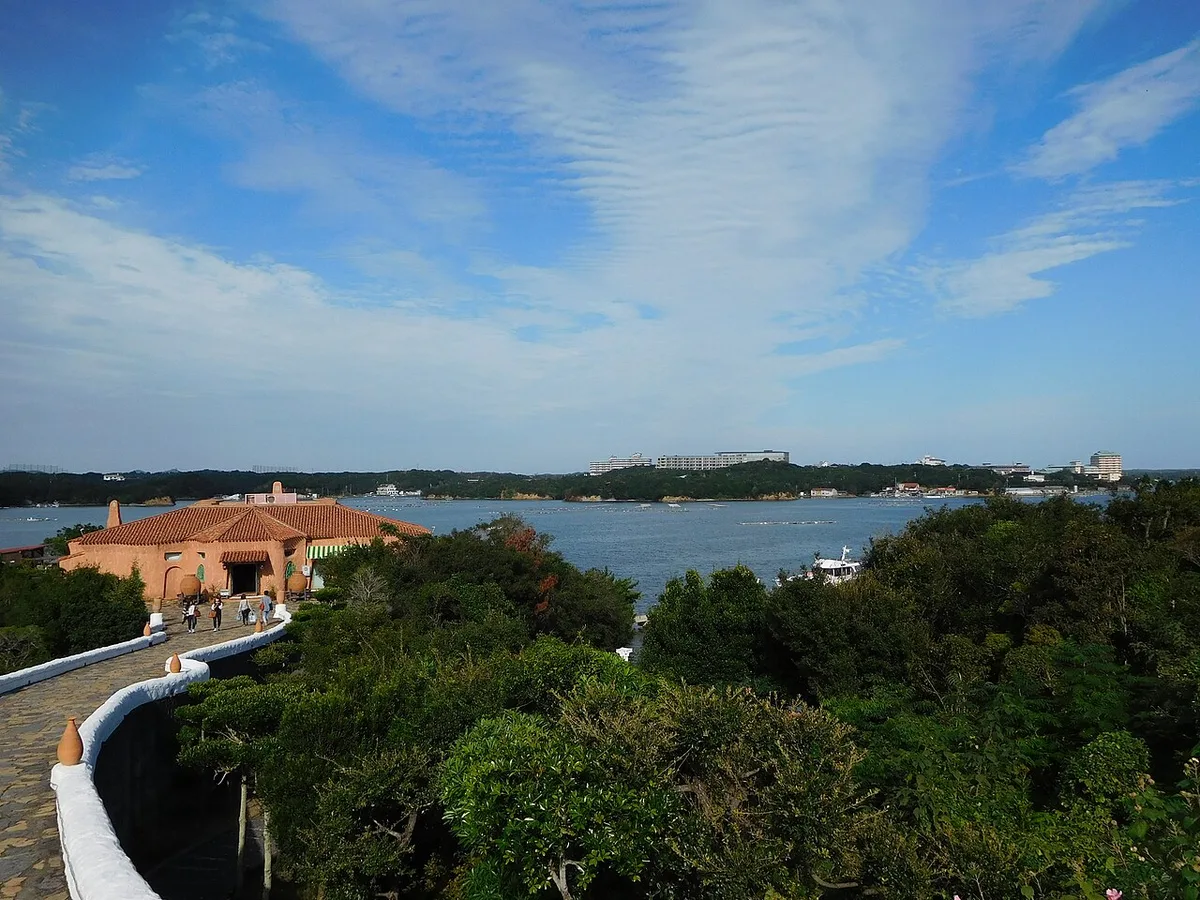
The hillside belt above Toba Bay is where the classic Mie overnight stays concentrate. Rooms face the water; many properties have open-air baths (rotenburo) on upper-floor terraces or rooftops. Kaiseki dinners here run seven to ten courses centered on whatever came off the boats that morning — sashimi of sea bream and fresh tuna, grilled sazae with soy butter, abalone steamed in sake, and in season, Ise-ebi miso soup alongside a grilled lobster half. Our Toba seafood guide details which ingredients peak in which months.
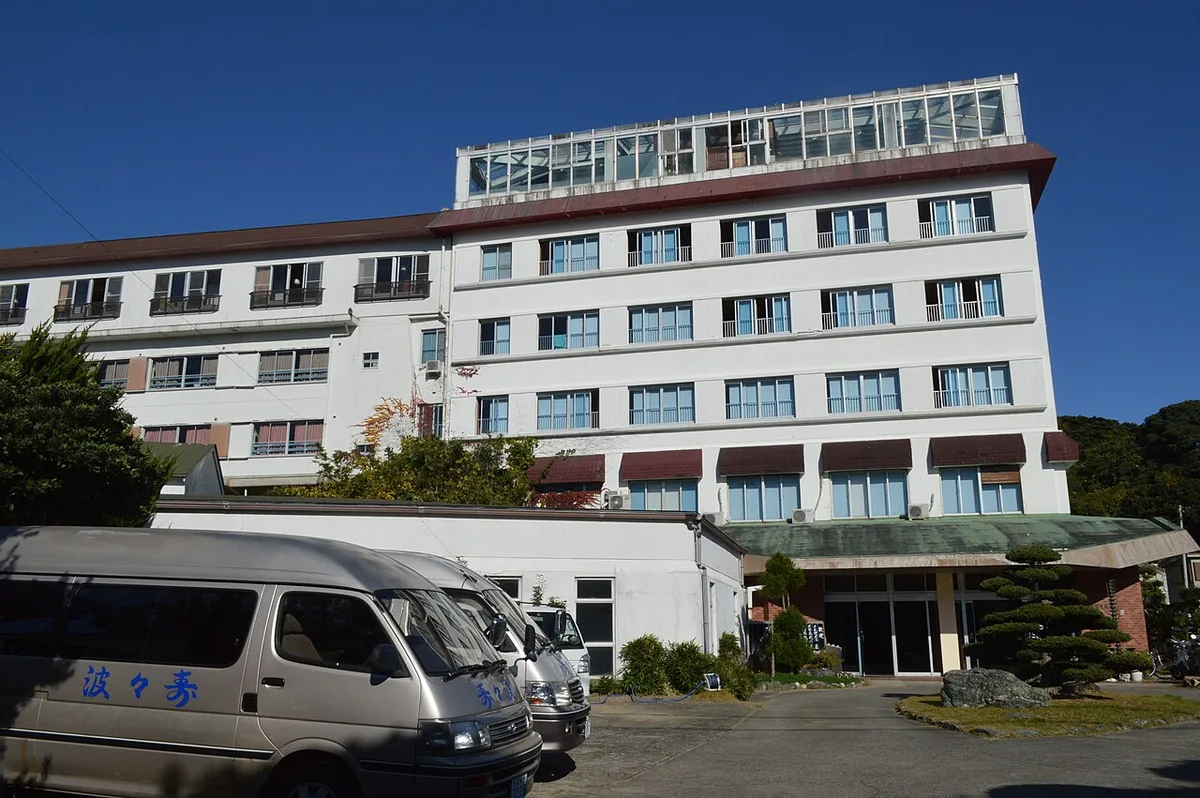
Mid-range bay-facing ryokan run ¥20,000–¥40,000 per person per night including two meals in 2026. Premium rooms with a private outdoor bath (hinoki buro) or balcony tub start around ¥35,000–¥60,000 per person. A hot-spring tax of roughly ¥150 per person per night is usually added at checkout. Rates are per person, not per room — confirm the total when searching.
Seaview ryokan with Ise-ebi kaiseki plans sell out fast on October–January weekends. Book two to three months ahead for those dates; three to four months for Golden Week (late April–early May) or Obon (mid-August). Jalan and Ikyu often carry exclusive ryokan plans not listed on international OTAs — worth checking both.
Kashikojima and Ago Bay: Pearl-View Luxury
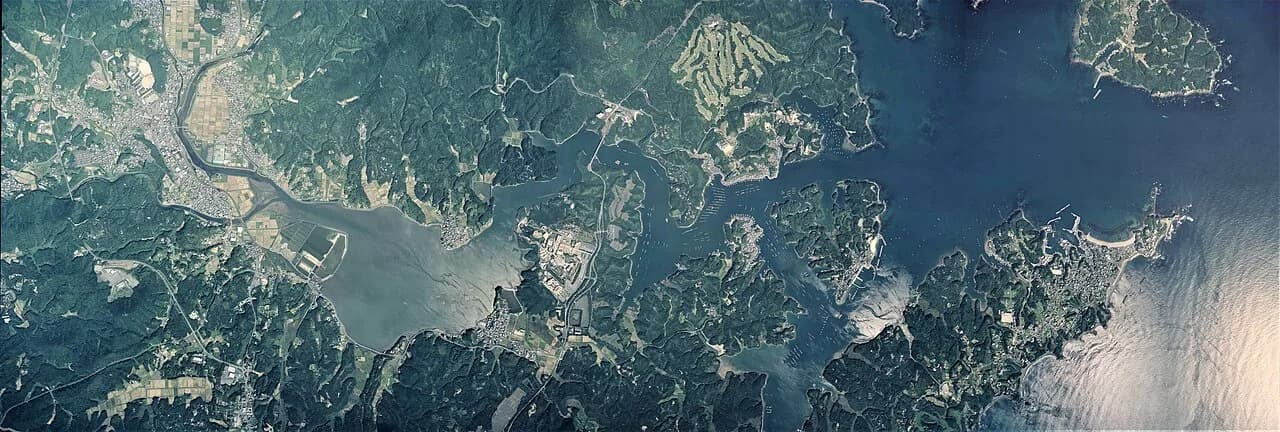
Ago Bay is the heart of Japan's cultured pearl industry, and staying here means waking to pearl rafts floating on still water. Kashikojima hosted the G7 Summit in May 2016, and the luxury resort infrastructure built for that event remains. Properties in this area run ¥40,000–¥100,000+ per person per night with full-board kaiseki, and the setting — quieter and more isolated than central Toba — suits couples celebrating anniversaries or anyone wanting genuine seclusion.
The Kintetsu Shima Line connects Kashikojima Station back to Toba in thirty to forty minutes and to Ise-shi in about sixty minutes. Without a rental car you rely on the train and taxis, so factor that in when scheduling a morning shrine visit.
Using Toba as Your Base for Ise Grand Shrine
The Kintetsu Toba to Ise-shi run takes around fifteen minutes and costs approximately ¥290. Most visitors then take the express bus from Ise-shi or Ujiyamada stations to reach Naiku (the inner shrine), adding another fifteen to twenty minutes. Arriving at Geku by 8:00 AM and Naiku by 10:00 AM puts you ahead of the larger tour groups from Nagoya and Osaka. Ask your ryokan to prepare a 6:30 AM breakfast — most will do this if you request it at check-in the night before.
The overnight-in-Toba strategy also beats staying in Ise itself: Toba's onsen ryokan are more scenic, the seafood is better, and you still have Ise Grand Shrine well within reach. For a day-by-day plan, our Ise-Toba itinerary covers exact train times and how to sequence both Geku and Naiku comfortably. If you prefer a shrine-side base, where to stay in Ise covers your options there.
Seasonal Demand and Booking Tips
Toba's ryokan market runs on seafood seasonality. Ise-ebi (spiny lobster) is legal to fish September 1 through April 30; peak supply and the most elaborate kaiseki plans cluster October through January. A dedicated Ise-ebi plan typically adds ¥3,000–¥8,000 to the base room rate. Ago Bay oysters are at their sweetest December through February and appear in dedicated kaki plans at select properties. The Toba seafood guide maps the full seasonal calendar.
For accommodation search, Jalan (じゃらん) and Ikyu (一休) carry the widest ryokan inventory in Japanese — often at lower prices than Booking.com or Expedia for the same rooms. If you want to eat independently rather than pay for in-ryokan dinner, look for a "room and breakfast" (朝食付き) plan — it typically cuts ¥5,000–¥10,000 per person from the total.
Frequently Asked Questions
What is the best area to stay in Toba for first-time visitors?
The Toba Station waterfront is the most convenient base — Mikimoto Pearl Island and Toba Aquarium are both walkable, and the Kintetsu platform puts you fifteen minutes from Ise. For a more memorable experience, book a seaview ryokan on the bay hillside with an onsen and kaiseki dinner.
How much does a ryokan in Toba cost per night?
Bay-facing onsen ryokan run ¥20,000–¥40,000 per person per night in 2026, including dinner and breakfast. Premium rooms with private outdoor baths start around ¥35,000–¥60,000 per person. Budget guesthouses and business hotels near Toba Station start from ¥6,000 per room without meals.
When should I book a Toba ryokan to get an Ise-ebi plan?
Ise-ebi plans peak October through January and sell out fast on weekends — book two to three months in advance for those dates. For Golden Week (late April–early May) or Obon (mid-August) book three to four months ahead. Checking Jalan and Ikyu alongside international booking platforms often uncovers better rates and ryokan-only plans.
Is there public transport between Toba and Kashikojima?
Yes — the Kintetsu Shima Line connects Toba Station to Kashikojima Station in thirty to forty minutes. Limited Express services require a seat reservation (tokkyu-ken) on top of the base fare, typically ¥700–¥900 one way. Local trains are slower but cheaper and run without reservation.
Toba rewards visitors who stay at least one night. A tatami room overlooking Toba Bay, a rotenburo bath at dusk, and a kaiseki dinner built around Ise-ebi or abalone are experiences no day trip can replicate. Base yourself here, cover Ise Grand Shrine on an early-morning train, and you have one of the most complete two-day itineraries in the Kinki region. Start planning with our Ise-Toba itinerary and check what is in season before you book.
Free guide: Japan's Hidden Gems
12 under-the-radar places beyond Tokyo & Kyoto — with the best season to visit each and a local tip you won't find in the guidebooks.
You might also like


Continue reading
More guides you'll find useful