

Mikimoto Pearl Island, Toba (2026): Tickets, Ama Divers & Tips
Visit Mikimoto Pearl Island in Toba in 2026 — birthplace of cultured pearls, with live Ama diver shows, the Pearl Museum, tickets from ¥1,650, and access tips.
On this page
A short footbridge off the Toba waterfront leads to Mikimoto Pearl Island, the site where Kokichi Mikimoto grew the world's first cultured pearl in 1893. The island packs a thoughtful Pearl Museum, live Ama diver demonstrations, and a working pearl shop into a visit that fits comfortably inside two hours. Our Toba attractions guide ranks it the city's top paid experience — and with the entrance just five minutes from Toba Station on foot, there is almost no logistical friction.
We refreshed this page in June 2026 to confirm current ticket prices, Ama demonstration schedules, and Pearl Museum hours. The island rewards visitors who arrive with a clear sense of what each section offers, so this guide walks through every element in order. Last entry is typically 30 minutes before closing, so plan your arrival accordingly. Mikimoto Pearl Island fits naturally into a wider Ise and Toba day itinerary, pairing well with a morning at Ise Grand Shrine before an afternoon in Toba.
Key Takeaways
- Kokichi Mikimoto produced the world's first cultured pearl here in 1893, launching a global industry that still centres on the Toba bay.
- Live Ama diver demonstrations run multiple times daily; arrive 10 minutes before each session to secure a clear poolside viewing spot.
- Adult admission is ¥1,650 in 2026 and covers the Pearl Museum, the demonstration viewing area, and the pearl shop — no add-ons.
- The island entrance is a five-minute flat walk from Toba Station, making it the easiest sight in Toba to reach.
- Toba Aquarium is a 10-minute walk away and pairs naturally for a full morning without needing a taxi or bus.
- Last entry is typically 4:30 PM on standard operating hours; arriving after that means missing a portion of the museum.
Kokichi Mikimoto and the Birth of Cultured Pearls
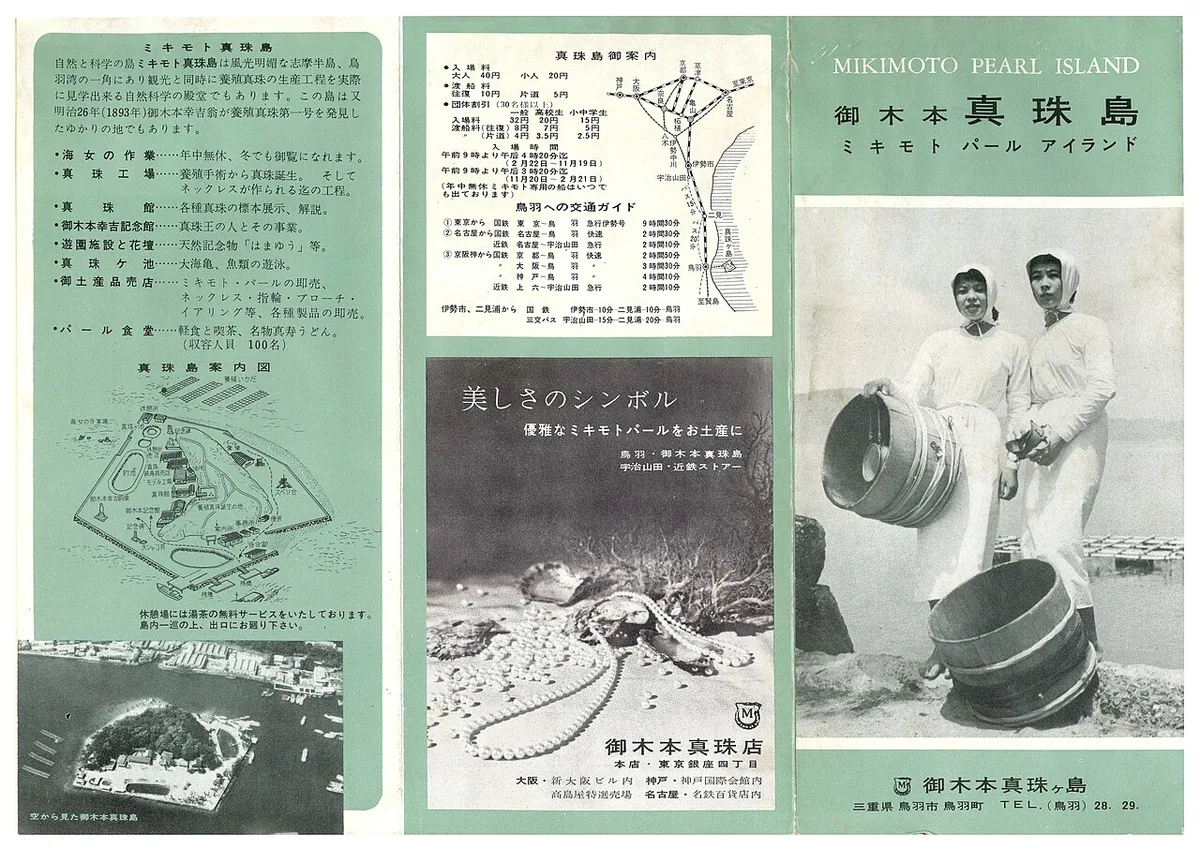
Kokichi Mikimoto was born in 1858 in what is now Toba, the son of a noodle-shop owner in a coastal town whose economy revolved around the sea. Fascinated by the Ama divers who harvested wild oysters in the surrounding bay, he spent years studying pearl formation and experimenting with methods to trigger it artificially. On 11 July 1893, he lifted a cage of oysters from the waters near this island and found a single hemispherical cultured pearl — the first of its kind anywhere in the world. The moment changed fine jewellery permanently and gave Toba a permanent place in industrial history.
The road from that first pearl to global prominence was neither short nor easy. A devastating red-tide outbreak in 1905 killed most of Mikimoto's oyster beds, wiping out years of cultivation work almost overnight. He rebuilt, refined the nucleation technique — the precise insertion of a shell nucleus into the mantle of a living oyster — and pushed beyond the hemisphere to achieve the round cultured pearl for which the Mikimoto brand became famous. By the 1920s, Mikimoto pearls were on display in the great jewellery houses of London and Paris. He died in 1954 at age 96, widely known as the Pearl King.
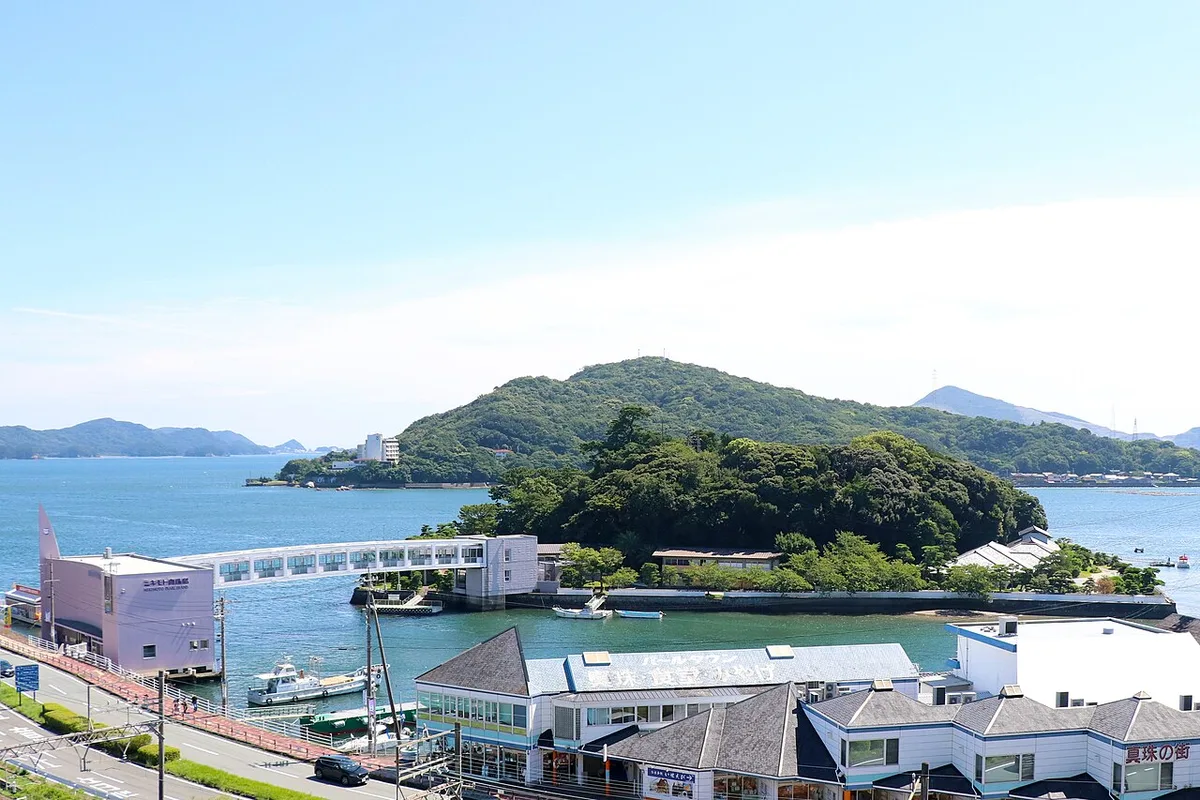
The island — Mikijima in Japanese — was his original oyster cultivation grounds, sitting roughly 100 metres offshore. It became a visitor attraction in the mid-20th century without abandoning its working identity: pearl cultivation continues in the surrounding bay, and the Ama divers who tend the oyster beds carry on a tradition that predates Mikimoto by over a thousand years.
Tickets, Hours, and What Is Included
Adult admission to Mikimoto Pearl Island costs ¥1,650 in 2026. That single entry fee covers access to the Pearl Museum, the Ama diver demonstration viewing area, and the pearl shop floor — there are no additional charges once you are inside. The island is generally open from 9:00 AM to 5:00 PM daily, with last entry at 4:30 PM; seasonal hour extensions sometimes apply in peak summer months, so confirm on the official Mikimoto website before travelling.
Tickets are purchased at the booth beside the footbridge entrance. Walk-in is standard — no advance reservation system exists for general admission. On busy spring and autumn long-weekend days, a brief queue at the booth is possible but rarely lasts more than 10 minutes. Credit cards and IC card payment are accepted at the ticket counter, so cash is not essential. There are coin lockers near the entrance for large bags.
The island has a compact, mostly flat footprint with paved paths between buildings. It is largely accessible to visitors using strollers or mobility aids, though a few uneven stone sections near the waterline require care. A small cafe near the pearl shop serves light refreshments.
For the transit journey to Toba itself from Nagoya, Ise, or Kyoto, our Toba transport guide covers Kintetsu Limited Express and JR options with current fares. From Toba Station, turn left out of the exit, follow the harbour front for roughly five minutes, and the footbridge to the island is directly ahead.
Ama Diver Demonstrations
The Ama demonstration is the most memorable element of the Mikimoto Pearl Island visit. White-clad women in traditional Ama dress descend into a large open-air seawater pool, retrieve shellfish from the bottom, and surface while a guide explains the technique and the history of Ama diving through a loudspeaker commentary. Sessions run multiple times daily — typically four or five between mid-morning and mid-afternoon — with each lasting around 20 minutes. Current session times are posted at the entrance gate and can shift seasonally, so check before planning your schedule around a specific slot.
Arriving at the poolside viewing area 10 minutes before a demonstration ensures a clear spot along the guardrail. The pool is open-sided and viewed from an upper walkway and a lower deck, giving most angles a clean sightline. These are experienced working divers, not performers hired for the occasion; the calm efficiency of their breath-hold dives and the way they surface without urgency is itself worth watching closely.
The island demonstration is an introduction. The Ama diving culture of Mie Prefecture goes much deeper: around the Osatsu district north of Toba, Ama huts (amagoya) offer grilled-seafood lunches prepared and served by active divers — a reservation-only experience that turns a sightseeing stop into a genuine encounter. If the Mikimoto demonstration sparks interest, the amagoya is the natural next step.
The Pearl Museum
The Pearl Museum occupies the main building on the island and walks visitors from Mikimoto's early experiments in the 1880s through to the international reach of the brand today. Display panels are bilingual in Japanese and English. Several interactive elements illustrate the nucleation process — the careful insertion of a shell nucleus and tissue graft into a live oyster that triggers the pearl-forming response — in enough detail to demystify it without requiring any prior knowledge.
Two exhibits stand out. A cross-section display comparing natural and cultured pearls under magnification clarifies a distinction that still confuses most buyers. A replica of an elaborate pearl-encrusted ceremonial piece originally commissioned for an international exhibition shows the scale of ambition behind the Mikimoto brand at its early peak. Budget 30 to 40 minutes for the museum; the exhibits are not vast but reward unhurried reading.
Photography is permitted throughout most of the Pearl Museum. The building is climate-controlled, which makes it a welcome refuge during the midday heat of July and August before heading back outside for an afternoon Ama demonstration.
Combining Mikimoto Pearl Island with Toba Aquarium
Toba Aquarium sits roughly 10 minutes along the harbour front from the Mikimoto Pearl Island footbridge. It houses approximately 1,200 species — the widest collection in Japan — including the country's only captive dugong. Adult admission runs around ¥2,800 and the aquarium opens from 9:00 AM to 5:00 PM daily. Our Toba Aquarium guide covers the key exhibit halls, dugong feeding show schedule, and access details.
A practical half-day sequence: arrive at Toba Station by 9:30 AM, walk to Mikimoto Pearl Island, catch the first morning Ama demonstration at approximately 10:00 AM, tour the Pearl Museum, then head to the aquarium for a 12:30 PM arrival. Two to three hours at the aquarium puts you back at Toba Station by 3:30 PM — comfortable for a late Kintetsu Limited Express toward Nagoya or back toward Ise.
No combined ticket exists between the two attractions in 2026, but the short flat walk between them makes the pairing painless. For a wider day across the Ise-Shima peninsula that adds Ise Grand Shrine to the same itinerary, see our full Ise and Toba day itinerary with transit times and suggested sequencing from Nagoya.
Frequently Asked Questions
What time do the Ama diver demonstrations happen at Mikimoto Pearl Island?
Demonstrations typically run four or five sessions daily, spread between mid-morning and mid-afternoon. Exact times shift seasonally and are posted at the entrance gate each day. Arriving 10 minutes before a scheduled session secures a good viewing spot at the poolside rail. Check the official Mikimoto website for the current day's schedule before visiting.
How long do you need at Mikimoto Pearl Island?
Plan 1.5 to 2 hours to cover the Pearl Museum, watch an Ama diver demonstration, and browse the pearl shop. Visitors who read every exhibit panel thoroughly and spend time at the pearl shop will fill a comfortable two hours. Those on a tight half-day schedule can cover the main highlights in 90 minutes.
Can you buy pearls at Mikimoto Pearl Island?
Yes. The pearl shop and Pearl Plaza are accessible as part of the island admission and stock a wide range of Mikimoto pearl jewellery, from individual loose pearls to full necklace sets. Prices vary considerably by pearl size, grade, and metal setting. Browsing is welcome without any obligation to buy, and English-speaking staff are usually available at the counter.
How do you get to Mikimoto Pearl Island from Toba Station?
From Toba Station on the Kintetsu or JR line, turn left out of the exit and follow the harbour front for about five minutes. The footbridge to the island is clearly visible from the station and is signposted in English. No bus or taxi is needed. For transit directions from Nagoya, Ise, or Kyoto, see our Toba transport guide.
Is Mikimoto Pearl Island worth visiting?
For most visitors to Toba, yes. The live Ama diver demonstration is a genuine spectacle, the Pearl Museum is well-produced and informative in English, and the ¥1,650 admission sits comfortably below a typical aquarium or theme-park ticket. Visitors with no particular interest in pearls or history may find the island a short outing, but the Ama show alone justifies the entry price for most. Read our Toba attractions guide for a fuller picture of how to sequence it with the rest of the city.
Mikimoto Pearl Island earns its standing as Toba's top paid attraction not on nostalgia alone but because the combination of a well-told founding story, skilled Ama divers working in a real pool, and a genuine pearl-shopping floor is difficult to replicate anywhere else in Japan. At ¥1,650 for a two-hour experience, it competes comfortably against much pricier options across the Ise-Shima region. The footbridge access removes every logistical hurdle, and pairing the island with Toba Aquarium next door rounds out a satisfying morning without needing to move far from Toba Station.
For broader planning across Mie Prefecture, our Toba attractions guide covers all the key sights with transit tips and suggested sequences from Nagoya. First-time visitors who combine Mikimoto Pearl Island with the aquarium and a late-afternoon Kintetsu express back to Nagoya will find the logistics slot together cleanly — and will leave with a clearer sense of why Toba has shaped Japan's pearl industry for over a century.
Free guide: Japan's Hidden Gems
12 under-the-radar places beyond Tokyo & Kyoto — with the best season to visit each and a local tip you won't find in the guidebooks.
You might also like


Continue reading
More guides you'll find useful

