

Ise & Toba Itinerary (2026): How to Combine Both in 1-2 Days
Plan your perfect Ise Toba itinerary day trip in 2026: one-day and two-day options covering Ise Grand Shrine, Mikimoto Pearl Island, and Toba Aquarium.
On this page
Ise and Toba sit just 15 to 20 minutes apart by train, yet most visitors treat them as separate day trips and miss the natural pairing that makes Mie Prefecture one of central Japan's most rewarding excursions. Ise anchors the spiritual half of the journey — Japan's most sacred Shinto shrine, an Edo-style market street, and the windswept Meoto Iwa Wedded Rocks. Toba delivers the coast: cultured pearls born in Ago Bay, one of Japan's largest aquariums, and the ama free-divers who have worked these waters for centuries.
Our editors have run this route in a single packed day and in a relaxed two-day loop, and both approaches work well. The guides to Ise and Toba cover each city's full attraction lineup; this article concentrates on how to connect them, how to time each stop, and the one advance booking that will make or break the overnight version. We last refreshed this itinerary in June 2026.
Key Takeaways
- Always visit Geku before Naiku — this is the customary order at Ise Grand Shrine and matters to local etiquette.
- The Kintetsu Toba Line runs from Ujiyamada (Ise) to Toba in about 20 minutes; JR from Ise-shi also works for JR-pass holders.
- Mikimoto Pearl Island ama demonstrations run on a fixed schedule — arrive at Toba by early afternoon to catch one.
- For the two-day trip, book a Toba seaview ryokan and the ama hut lunch at Osatsu well in advance; both sell out in peak months.
- The Kintetsu Ise-Shima Pass (1-day ¥3,000 / 2-day ¥3,700) covers all rail legs and pays for itself on a Ise–Toba–Kashikojima loop.
Why Combining Ise and Toba Makes Sense
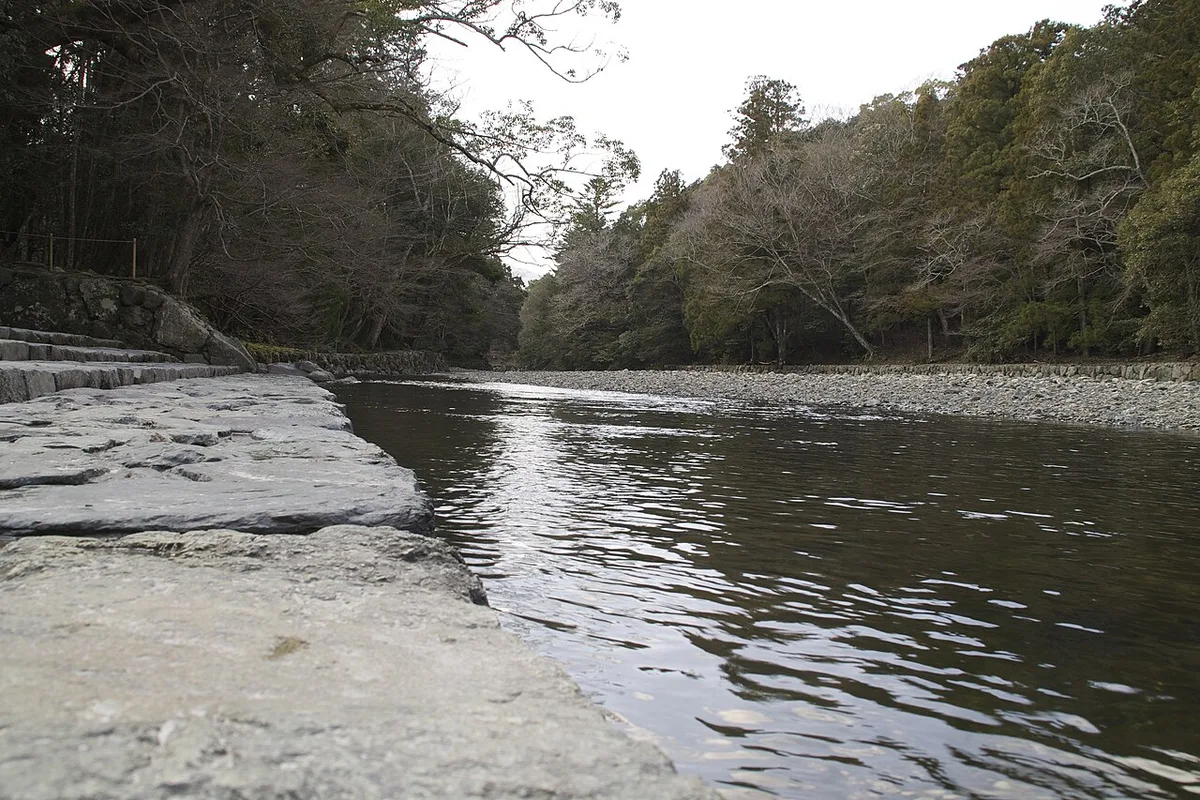
The two cities are natural complements rather than rivals. Ise centers on Ise Grand Shrine — the Geku and Naiku complexes that draw millions of Japanese pilgrims every year — plus the 800m Oharaimachi street leading to Uji Bridge. The atmosphere is contemplative: gravel paths under ancient cedar, the faint sound of water, no photography beyond the inner torii. Plan two to three hours minimum for the shrines alone, and more if you want to linger in Okage Yokocho for Akafuku mochi (red-bean rice cake, est. 1707) and a bowl of Ise udon.
Toba, by contrast, is a working coastal port that happens to hold two of the prefecture's headline attractions. Mikimoto Pearl Island tells the story of how Kokichi Mikimoto perfected cultured pearl cultivation in 1893 and changed the global jewellery trade forever. The ama diver demonstrations — women in traditional white suits surfacing without air tanks — are the most vivid fifteen minutes in the Ise-Shima region. Toba Aquarium, a five-minute walk along the harbour, houses around 1,200 species including one of Japan's few dugongs.
The two cities connect as a single corridor: the Kintetsu line runs from Nagoya through Ise and on to Toba without any backtracking. You travel in one direction, clear both cities, and return from Toba — a clean, efficient loop.
One-Day Ise & Toba Itinerary
This plan works best if you leave Nagoya Station by 7:00–7:30 AM, arriving at Ise-shi or Ujiyamada around 8:40–9:00 AM. The Kintetsu Limited Express (¥2,810) covers the 80–90 minutes quickly, and the morning light in the shrine forest is worth the early alarm.
8:40–9:30 AM — Geku (Outer Shrine). Start at Geku, dedicated to Toyouke Omikami. It is a five-minute walk from Ise-shi Station. The main sanctuary is closed to visitors, but the forested outer approach — gravel paths under towering cedar — takes a genuine 30–40 minutes to walk at a respectful pace. Entry is free.
9:30 AM — Bus to Naiku. Take the CAN Bus (¥200) or any Sanco bus on the Geku–Naiku route; the ride takes 15–20 minutes. Taxis cost around ¥1,000 one way if you prefer door-to-door.
10:00 AM–12:00 PM — Naiku (Inner Shrine) and Oharaimachi. Cross Uji Bridge, walk the cedar-lined path to Shoden (enshrining Amaterasu, the sun goddess), then work your way back along Oharaimachi. Okage Yokocho is the liveliest block — grab Akafuku mochi (~¥600 for a boxed set) or sit down for Ise udon (thick noodles in dark sweet-soy tare, ¥700–900). Both are the region's signature flavours and genuinely worth a stop.
Photography is prohibited beyond the inner torii at both Geku and Naiku. Respect the signage — staff will stop you. The outer approach, Uji Bridge, Oharaimachi, and Okage Yokocho are all freely photogenic.
12:30 PM — Train to Toba. Head to Ujiyamada Station (a five-minute walk or short taxi from Oharaimachi) and board a Kintetsu local to Toba (~20 min, ~¥280). Alternatively, JR from Ise-shi to Toba is JR-pass valid and runs a similar time (~18 min).
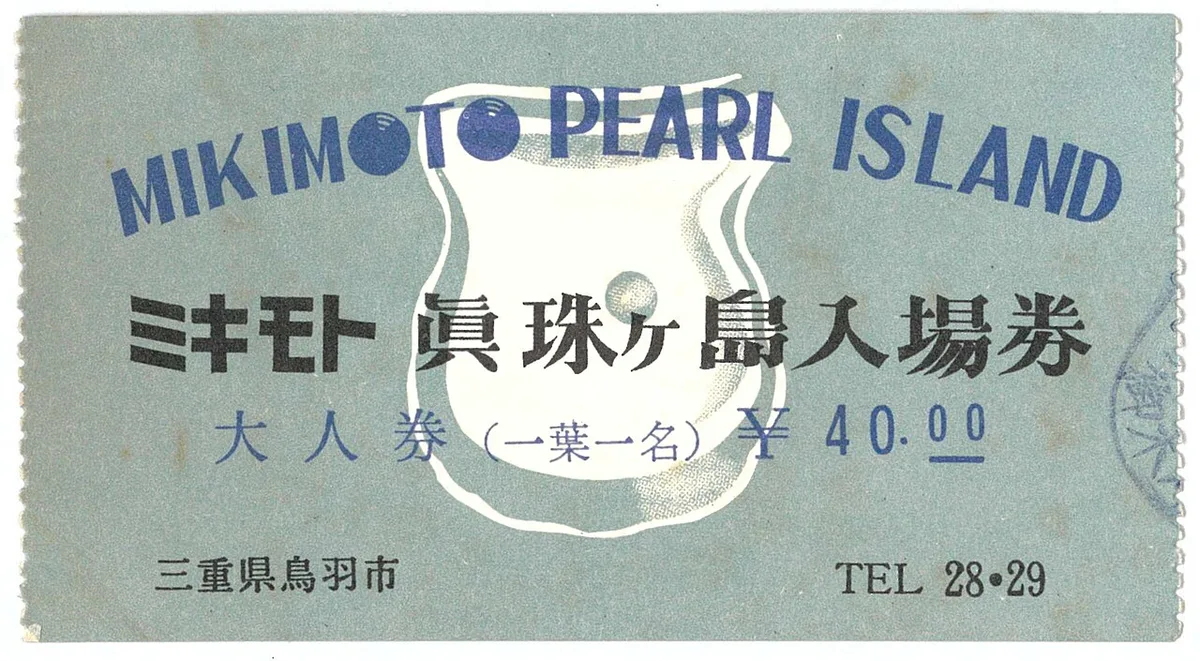
1:00–2:30 PM — Mikimoto Pearl Island. The island sits just minutes from Toba Station via a footbridge. Adult entry is ¥1,650 (open ~9am–5pm). Check the ama demonstration schedule on arrival and time your walk around the outdoor exhibits accordingly — each show runs about 15 minutes. The Pearl Museum has strong English signage and traces the full story from Kokichi Mikimoto's first experiments in Ago Bay to today's global pearl industry.
2:30–4:30 PM — Toba Aquarium. Walk five minutes along the harbour. Adult entry is ¥2,800 (open ~9am–5pm, last entry ~4:30 PM). Budget at least 90 minutes; the dugong tank is the signature draw, but the Pacific white-sided dolphin pool and the vast open-ocean tank both reward unhurried time. Leave Toba Station by 5:00 PM to return to Nagoya on a Kintetsu Limited Express (~100–110 min, ~¥3,060), arriving by 7:00 PM.
Two-Day Ise & Toba Itinerary
Two days lets you do justice to Ise's outer edges and spend a real morning in Toba without clock pressure. It also opens up the ama hut lunch — arguably the most memorable meal in the region.
Day 1 — Ise in full. No need for a 7 AM alarm: arrive mid-morning, clear Geku then Naiku and Oharaimachi at a comfortable pace. After lunch, take the 15-minute JR Sangu Line from Ise-shi to Futaminoura Station, then walk about 15 minutes to reach Meoto Iwa at Futami Okitama Shrine. The two sacred rocks bound by a thick shimenawa rope are free to view, and sunset catches them in golden light worth photographing. From May through July the sun rises directly between the rocks — if you are an early riser that morning view is spectacular. Head to Toba by early evening, check in, and arrange a kaiseki seafood dinner at your ryokan featuring Ise-ebi (spiny lobster, in season October–April), sazae (turban shell), or winter Ago Bay oysters.
Overnight — Toba seaview ryokan. Several mid-range to upscale ryokan sit on the Toba Bay waterfront with bay-facing rooms and in-house onsen. Rates run roughly ¥15,000–30,000 per person including dinner and breakfast in peak season. Book three to four weeks ahead for spring, August, and autumn. Our Where to Stay in Toba guide covers specific options by budget and neighbourhood.
The amagoya (ama huts) near Osatsu, about 20 minutes by taxi from central Toba, offer grilled-seafood lunches prepared by retired ama divers. Abalone, turban shell, and oysters cooked over an open charcoal grill at your table are the draw. Reservation is essential — call ahead or ask your ryokan concierge. Expect ¥3,000–5,000 per person; open roughly 11am–2pm.
Day 2 — Toba's coast. Open with Mikimoto Pearl Island first thing (9 AM doors) before tour groups arrive, then move to Toba Aquarium for a leisurely pass. At midday, head out to the ama hut lunch at Osatsu (reservation required). If time allows, board a Kintetsu local from Toba to Kashikojima (30–40 min, ~¥510) for a cruise across Ago Bay, where pearl-cultivation rafts dot the sheltered inlet that hosted the 2016 G7 summit. Return to Nagoya from Toba or Kashikojima on the afternoon Kintetsu Limited Express.
Getting Between Ise and Toba
Two rail options connect the cities and both are fast.
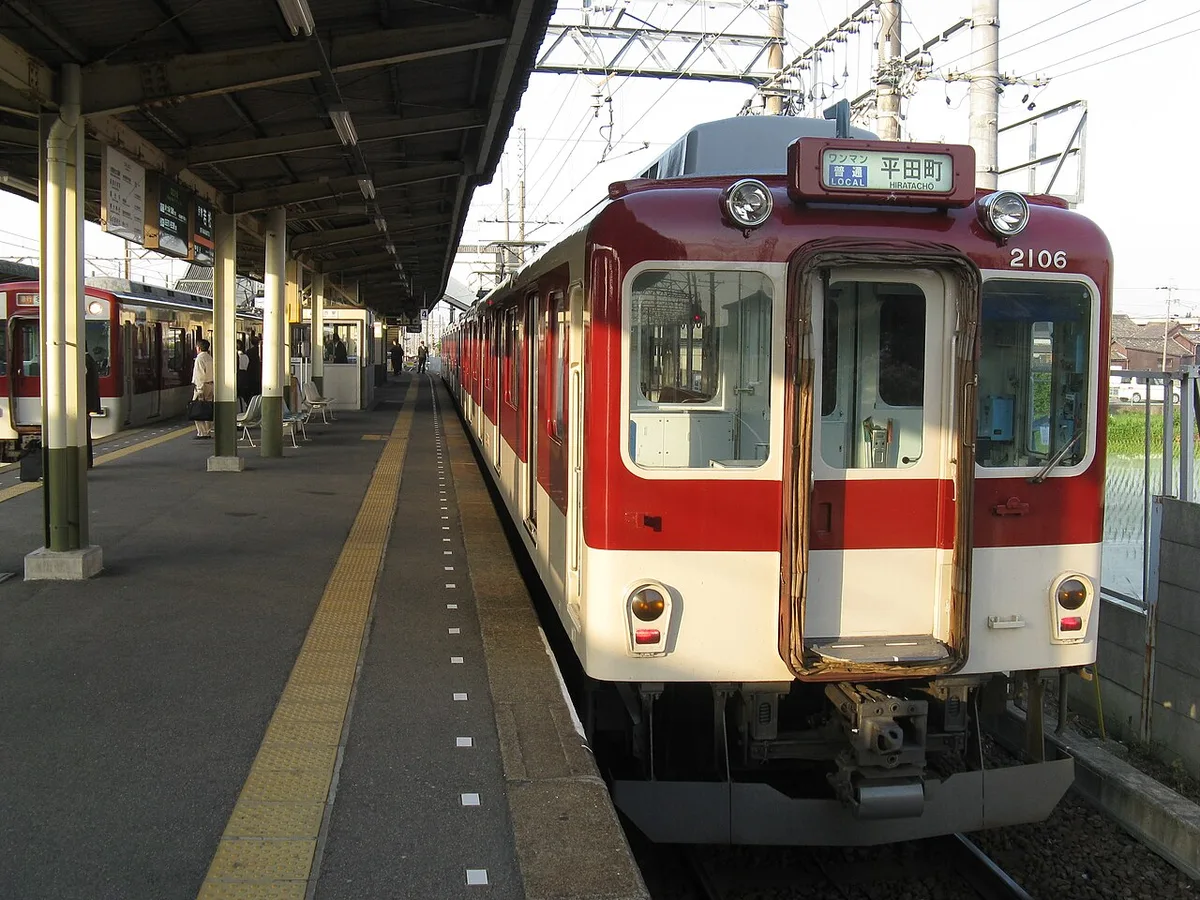
Kintetsu Toba Line — from Ujiyamada Station (the Kintetsu station nearest Naiku and Oharaimachi) to Toba Station takes about 20 minutes and costs roughly ¥280. Trains run every 15–20 minutes during daytime, making this the most convenient option. The Kintetsu Ise-Shima Pass covers this leg.
JR Sangu Line — from Ise-shi Station (a two-minute walk from Ujiyamada) to Toba runs a similar 18 minutes and is covered by a JR pass. JR trains run roughly hourly, so Kintetsu wins on frequency unless you hold a pass. The full arrival-and-transit picture is in our guide to getting to Toba.
If you are driving, the route via the Ise-Shima Skyline toll road (¥1,270) takes about 25 minutes and delivers panoramic Ago Bay views — a worthy upgrade if you have a rental car.
Getting There From Nagoya, Osaka, and Kyoto
Ise and Toba are among the easiest prefecture day trips from the Nagoya region. For a full menu of day-trip options from Nagoya, see our Nagoya day trips guide.
From Nagoya — Kintetsu Limited Express from Nagoya Station runs to Ise-shi and Ujiyamada in about 80–90 minutes (¥2,810; standard cars need no advance reservation). JR's Rapid Mie covers the same route in roughly 90 minutes and is JR-pass valid, though the Kintetsu service is generally faster and more comfortable.
From Osaka — Kintetsu from Osaka-Namba reaches Ise-shi in about 105 minutes (¥2,680 reserved seat on limited-express services). From Osaka an Ise–Toba combined trip fills a long day, so an overnight in Toba is worth considering.
From Kyoto — Board a Kintetsu train at Kyoto Station toward Yamato-Yagi, transfer to a Toba-bound Limited Express; total journey is roughly 2 hours. Shinkansen to Nagoya then Kintetsu is a similar time with better seat comfort.
Frequently Asked Questions
Can you do Ise and Toba in one day from Nagoya?
Yes, with an early start (leave Nagoya by 7:00–7:30 AM), you can comfortably cover Geku, Naiku, Oharaimachi, Mikimoto Pearl Island, and Toba Aquarium before catching a 5 PM train from Toba back to Nagoya. The Kintetsu Limited Express handles the transit efficiently. Expect a full 10-hour day at a brisk but manageable pace.
Which should I visit first — Ise or Toba?
Visit Ise first. Ise Grand Shrine is at its most serene in the morning before tour groups arrive, and the Kintetsu line runs naturally from Nagoya through Ise to Toba in one direction so there is no backtracking. Within Ise itself, always visit Geku before Naiku — that is the customary and respectful order at the shrine complex.
How long should I spend at Mikimoto Pearl Island?
Plan 60–90 minutes. The ama diver demonstration runs roughly on the hour for about 15 minutes and is the main event — your arrival time should be timed around it. Add the Pearl Museum, the outdoor pearl-cultivation viewing platform, and the pearl shop and the total fills 75–90 minutes comfortably. Check the demonstration schedule posted at the ticket counter when you arrive.
Do I need to book anything in advance for this Ise-Toba itinerary?
For the one-day itinerary, nothing needs advance booking. For the two-day version, reserve the ama hut lunch at Osatsu as early as possible — it has very limited capacity. Book your Toba ryokan three to four weeks ahead in peak season (spring cherry blossoms, August, and autumn foliage). Ise Grand Shrine, Mikimoto Pearl Island, and Toba Aquarium all welcome walk-ins, though arriving early avoids the worst crowds at each.
Is the Kintetsu Ise-Shima Pass worth buying?
For most visitors the one-day pass (¥3,000) pays for itself. A Kintetsu round trip from Nagoya to Ise-shi costs ¥5,620, so the pass saves money immediately. It also covers the Ise-to-Toba leg and the extension to Kashikojima, removing any need to buy individual tickets. The two-day version (¥3,700) is an easy choice for the overnight itinerary. JR-pass holders should note that Kintetsu trains are not covered and may prefer the JR Rapid Mie route to Ise-shi combined with the JR Sangu Line to Toba.
The Ise–Toba corridor is one of the most coherent two-stop itineraries in central Japan. Ise's cedar-forest shrines and Oharaimachi lanes feel worlds apart from Toba's pearl island and dugong tank, yet the Kintetsu line stitches them together in under 20 minutes. Whether you push it into a single packed day or slow down for a seaview ryokan overnight, you will leave with a fuller picture of Mie Prefecture than most visitors ever reach. Start with our full guides to Ise attractions and Toba attractions for the individual deep-dives on each city's sights.
Free: The Nagoya Essentials guide
Top things to do, where to stay, a perfect day plan, getting around, and the best time to go — a Nagoya mini-guide you can take offline.
You might also like


Continue reading
More guides you'll find useful


