

Ise Day Trip from Nagoya (2026): The Complete Guide
Everything you need for an Ise day trip from Nagoya in 2026: Kintetsu vs JR, Geku-to-Naiku one-day plan, cost breakdown, and whether Toba fits in one day.
On this page
Ise holds Japan's holiest Shinto shrines and sits just 80–90 minutes from Nagoya on the Kintetsu Limited Express — the single most rewarding full-day trip you can make from the city. At the core are two sacred complexes: Geku (Outer Shrine) near Ise-shi Station and Naiku (Inner Shrine) five kilometres away, linked by the Edo-era stone-paved shopping street of Oharaimachi. Both are free to enter.
Our editors last refreshed this guide in June 2026 to confirm Kintetsu timetables, bus fares, and current food prices. This page covers the Nagoya-specific logistics: which train to take, how to sequence the day, whether the Meoto Iwa detour fits before the return express, and what the trip costs. For a deeper look at the individual sights, see our Ise attractions guide; for how Ise compares with other regional excursions, see the Nagoya day trips guide.
Key Takeaways
- Take the Kintetsu Limited Express from Kintetsu Nagoya Station unless you hold a JR Pass — direct, frequent, and 80–90 minutes.
- Visit Geku first, then Naiku — the traditional custom and the logical order from Ise-shi Station.
- Both Ise Grand Shrines are free; your main costs are transport, the Naiku bus, and food in Oharaimachi.
- Akafuku Honten mochi (Oharaimachi, established 1707) is the one food stop you should not skip.
- Adding Toba to the same day is possible but forces a rushed schedule; a separate trip gives both places their due.
How to Get from Nagoya to Ise
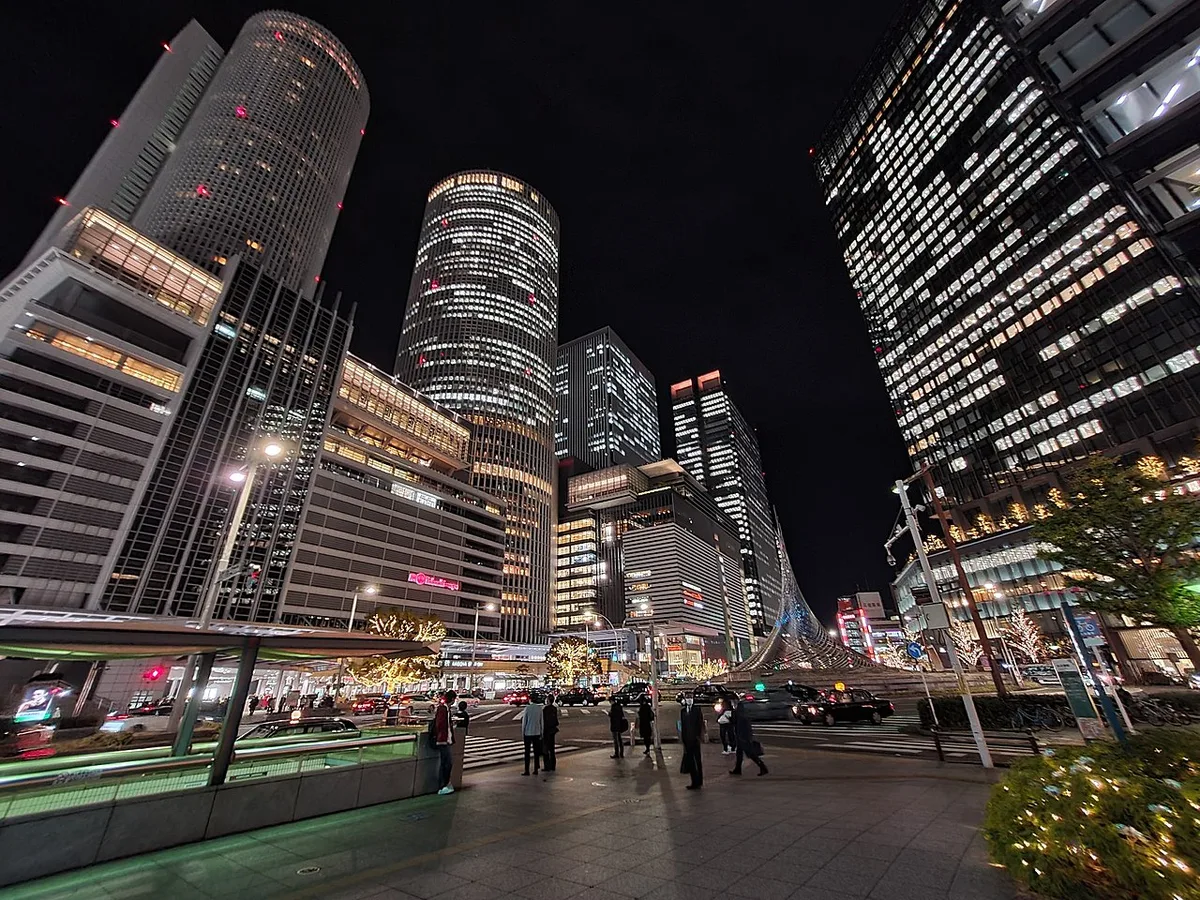
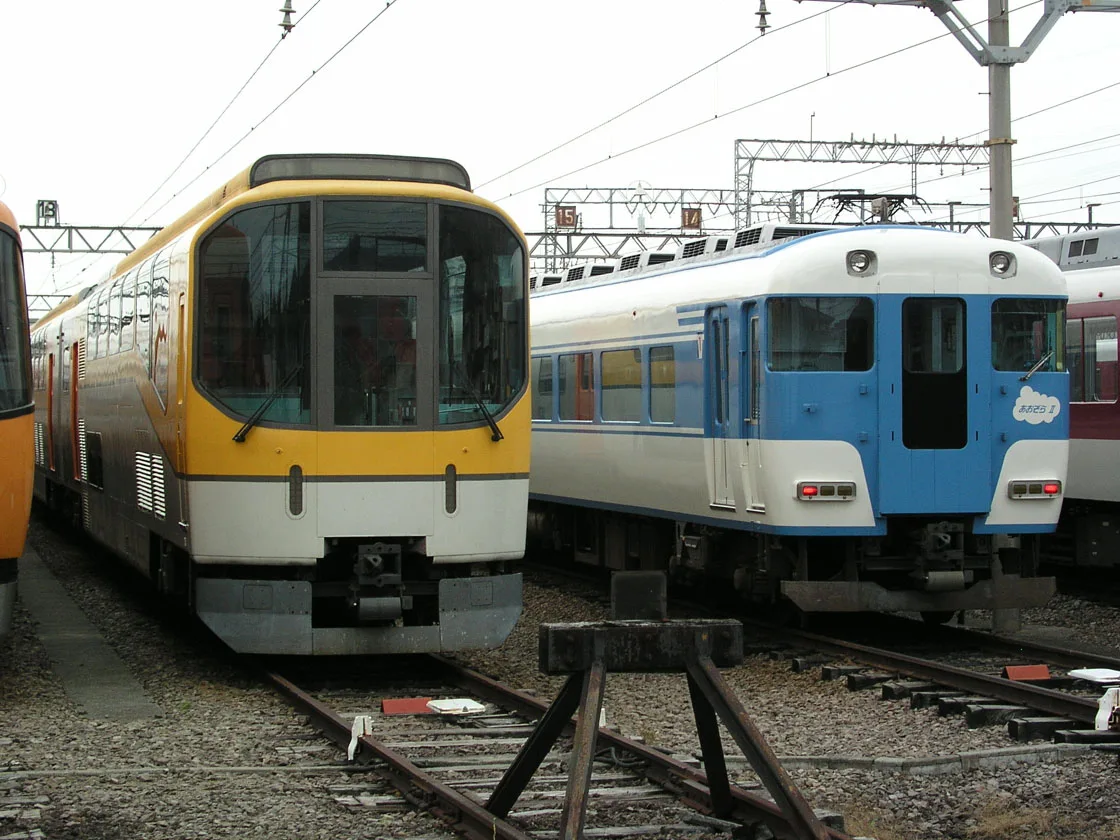
The Kintetsu Limited Express is the default choice. Trains depart Kintetsu Nagoya Station — connected underground to JR Nagoya — roughly every 30–60 minutes and reach Ise-shi or Ujiyamada in 80–90 minutes. The fare of around ¥2,810 covers both the base fare and the limited express surcharge; seats are reserved, so buy them at the Kintetsu ticket counter or via the app before boarding. Note that Ise has two Kintetsu stations close together: buses to Naiku all depart from Ise-shi Station, so exit there regardless of whether your train also stops at Ujiyamada.
The JR Rapid Mie is the alternative from JR Nagoya Station, reaching Ise-shi in roughly 90 minutes and accepting the JR Pass — a significant saving for pass holders. It runs approximately once per hour on weekdays, making timing less flexible. Without a JR Pass, Kintetsu wins on frequency and directness. Our full Ise transport guide covers IC card tips, luggage storage at Ise-shi, and the Toba onward leg. If you plan to continue to Toba or Kashikojima, the Kintetsu Rail Pass (from ~¥3,000 for one day; check current rates at Kintetsu Nagoya Station) covers all those legs under one pass.
One-Day Ise Plan from Nagoya
This itinerary follows the traditional pilgrimage order — Geku before Naiku — and builds in realistic travel time between each stop. For a detailed look at each site's layout, see our Ise itinerary guide.
8:00–8:30 AM — Depart Nagoya on the Kintetsu Limited Express, arriving at Ise-shi around 9:30 AM.
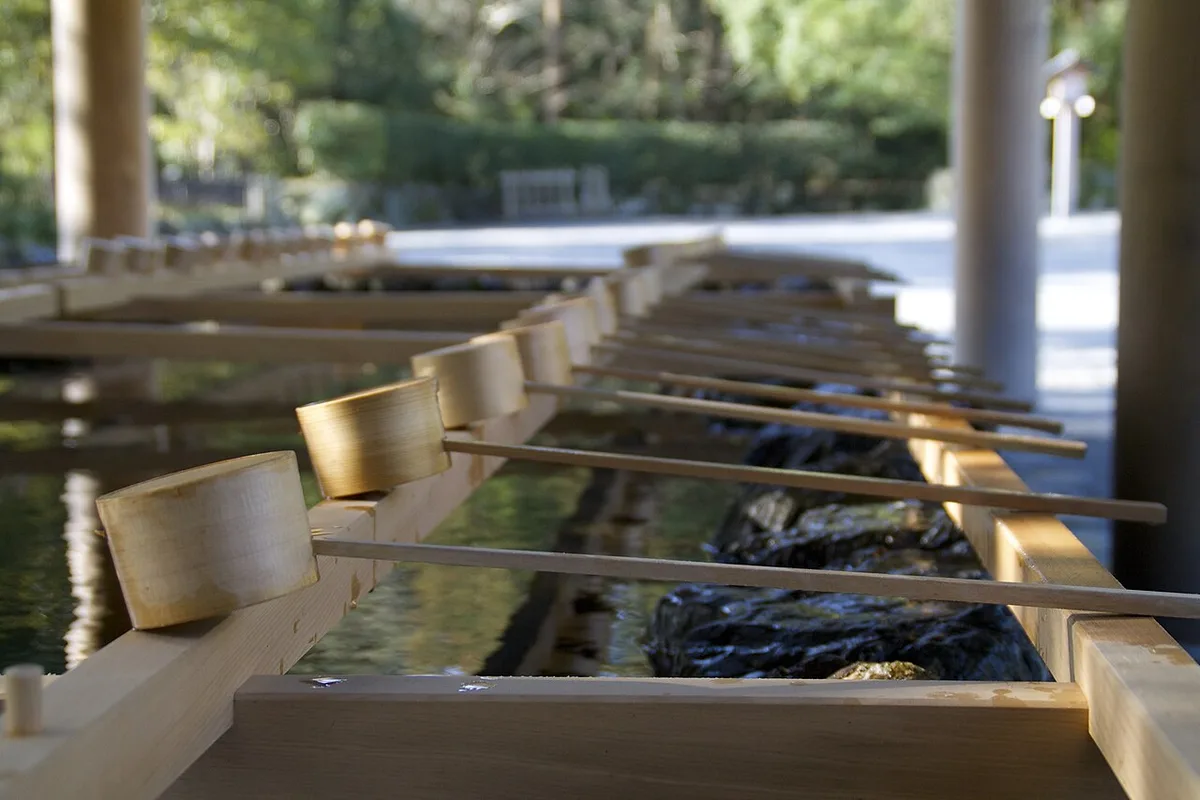
9:30–10:30 AM — Geku (Outer Shrine). Walk 5–10 minutes from Ise-shi Station to the main torii of Geku, dedicated to Toyouke-Omikami, deity of food and agriculture. The forested precinct takes 40–50 minutes to walk properly. Entry is free; photography is restricted once past the second torii — follow the wooden barriers. There are no food stalls inside: pick up breakfast at a convenience store near the station before you start.
10:30–11:00 AM — Bus to Naiku. Bus No. 51 or the CAN bus runs from near Ise-shi Station to Naiku in 15–20 minutes (¥430 one way; IC card accepted), dropping you at the Uji Bridge entrance.
11:00 AM–12:30 PM — Naiku (Inner Shrine). Cross the wooden Uji Bridge over the Isuzu River and walk the broad gravel approach through ancient cedar to the sanctuary of Amaterasu-Omikami. The Ise Grand Shrine's inner and outer precincts are rebuilt every 20 years (Shikinen Sengu — most recent 2013, next 2033). Allow 60–90 minutes; free entry.
12:30–2:00 PM — Oharaimachi and Okage Yokocho. Walk from the Uji Bridge entrance into the 800-metre Edo-period stone street of Oharaimachi. Lunch options: Ise udon (thick noodles with dark tare, ¥700–¥900) or tekone-zushi (marinated bonito rice, ¥1,200–¥1,800). Stop at Akafuku Honten for mochi with red bean paste (~¥800 for a tea set). Shops open around 9:30 AM; most close by 5:00 PM.
2:00–3:30 PM — Optional Meoto Iwa detour. From Ise-shi Station, JR reaches Futaminoura in about 15 minutes (¥230), then a 15-minute walk leads to Futami Okitama Shrine where two ocean boulders are joined by a shimenawa rope. Best at sunrise May–July, but striking any time; free. Leave Futaminoura by 3:30 PM to catch a comfortable 4:30–5:00 PM express from Ise-shi.
Last Trains Back to Nagoya
Aim for a 4:30–5:30 PM departure from Ise-shi to be back in Nagoya by 6:00–7:00 PM. Kintetsu Limited Express services run into the evening — the last express typically departs around 8:00–9:00 PM (confirm via the Kintetsu app, as times shift seasonally). On weekends and public holidays, afternoon expresses fill fast: buy your return ticket at Ise-shi Station first thing in the morning before heading out. Missing the Limited Express still leaves slower local services, but they add 30–60 minutes and usually require one change at Matsusaka or Tsu.
Can You Add Toba in One Day?
Yes, but it is tight. Toba is 15–20 minutes from Ise-shi by Kintetsu or JR, and its two main draws — Mikimoto Pearl Island (¥1,650, ~9:00 AM–5:00 PM), birthplace of cultured pearls, and Toba Aquarium (¥2,800, ~9:00 AM–5:00 PM), home to over 1,200 species including Japan's only resident dugong — each need 90 minutes to two hours. Squeezing both in after the shrines produces a 10–11 hour day with a rushed Oharaimachi and no Meoto Iwa.
A workable one-day combination: finish Geku and Naiku by midday, take 30–45 minutes in Oharaimachi for lunch, then train to Toba by 2:00 PM and visit Mikimoto Pearl Island only (catch the last Ama diver demonstration at ~3:30 PM before heading back). The Toba attractions guide has the full layout, hours, and what each site covers. For a first trip from Nagoya, keeping Ise and Toba as separate days lets you do justice to both.
Ise Day Trip Cost Breakdown (2026)
Typical costs per person from Nagoya using the Kintetsu Limited Express:
| Item | Cost (per person) |
|---|---|
| Kintetsu Limited Express return (Nagoya–Ise-shi) | ~¥5,620 |
| Bus to Naiku, return | ~¥860 |
| Ise Grand Shrine (Geku + Naiku) | Free |
| Lunch in Oharaimachi | ¥800–¥1,800 |
| Akafuku mochi tea set | ~¥800 |
| Meoto Iwa JR detour (optional) | ~¥460 |
| Snacks and drinks | ¥500–¥1,000 |
| Total (without Toba) | ¥8,600–¥10,500 |
JR Pass holders taking the Rapid Mie instead save around ¥5,620 on transport. The Kintetsu Rail Pass (from ~¥3,000/day) covers the Nagoya–Ise and Ise–Toba legs and pays for itself if you visit both on the same or consecutive day.
Frequently Asked Questions
How long does the Kintetsu Limited Express take from Nagoya to Ise?
Approximately 80–90 minutes from Kintetsu Nagoya Station to Ise-shi or Ujiyamada. The fare is around ¥2,810 each way, covering both the base fare and the limited express surcharge. Seats are reserved — buy at the Kintetsu counter in Nagoya or via the Kintetsu app. Services run roughly every 30–60 minutes throughout the day.
Is Ise Grand Shrine free to visit?
Yes. Both Geku (Outer Shrine) and Naiku (Inner Shrine) of Ise Jingu are free to enter. The main expenses are the train fare, the bus from Ise-shi Station to Naiku (¥430 one way), and food in Oharaimachi. Photography is restricted beyond certain torii gates in each precinct; follow the wooden barriers and posted signs.
In what order should you visit Geku and Naiku?
The traditional custom — and the most logical route from Ise-shi Station — is Geku first, then Naiku. Geku is a 5–10 minute walk from the station; Naiku requires a 15–20 minute bus ride. Allow 40–50 minutes at Geku and 60–90 minutes at Naiku.
Can you visit Ise and Toba as a day trip from Nagoya?
Combining Ise with one Toba attraction — typically Mikimoto Pearl Island — in a single day is possible but makes for a 10–11 hour itinerary and forces you to rush Oharaimachi. Most visitors find it more satisfying to keep Ise and Toba as separate day trips from Nagoya.
When does the last Kintetsu express leave Ise for Nagoya?
Services run until around 8:00–9:00 PM from Ise-shi; confirm on the day via the Kintetsu app or station boards as times shift seasonally. For a relaxed day trip, a 4:30–5:30 PM departure is most practical. On weekends, afternoon expresses fill quickly — buy the return ticket at Ise-shi Station before setting out in the morning.
An Ise day trip from Nagoya is one of the most logistically clean big-ticket excursions in central Japan: 80 minutes each way, free entry at both shrines, and a pedestrian street that handles lunch and souvenir shopping in one sweep. Take the Kintetsu Limited Express, do Geku before Naiku, eat Akafuku mochi in Oharaimachi, and close the day at the Wedded Rocks if energy allows. The shrines are modest in the way truly sacred places tend to be — no spectacle, just ancient cedar paths and gravel and the sense of something much older than ordinary sightseeing.
For everything Ise offers beyond the shrines — Sarutahiko Shrine, the best Ise udon spots, and seasonal highlights — see our Ise attractions guide. Travelers planning a wider Mie itinerary can add the coastal south using our Toba guide and a Kintetsu Rail Pass.
Free: The Nagoya Essentials guide
Top things to do, where to stay, a perfect day plan, getting around, and the best time to go — a Nagoya mini-guide you can take offline.
You might also like


Continue reading
More guides you'll find useful


