What to Eat in Ise (2026): Akafuku, Ise Udon & Local Specialties
Discover what to eat in Ise in 2026 — Akafuku mochi, Ise udon, tekone-zushi, Matsusaka beef, and Ise-ebi. Prices, best spots, and budget tips included.
On this page
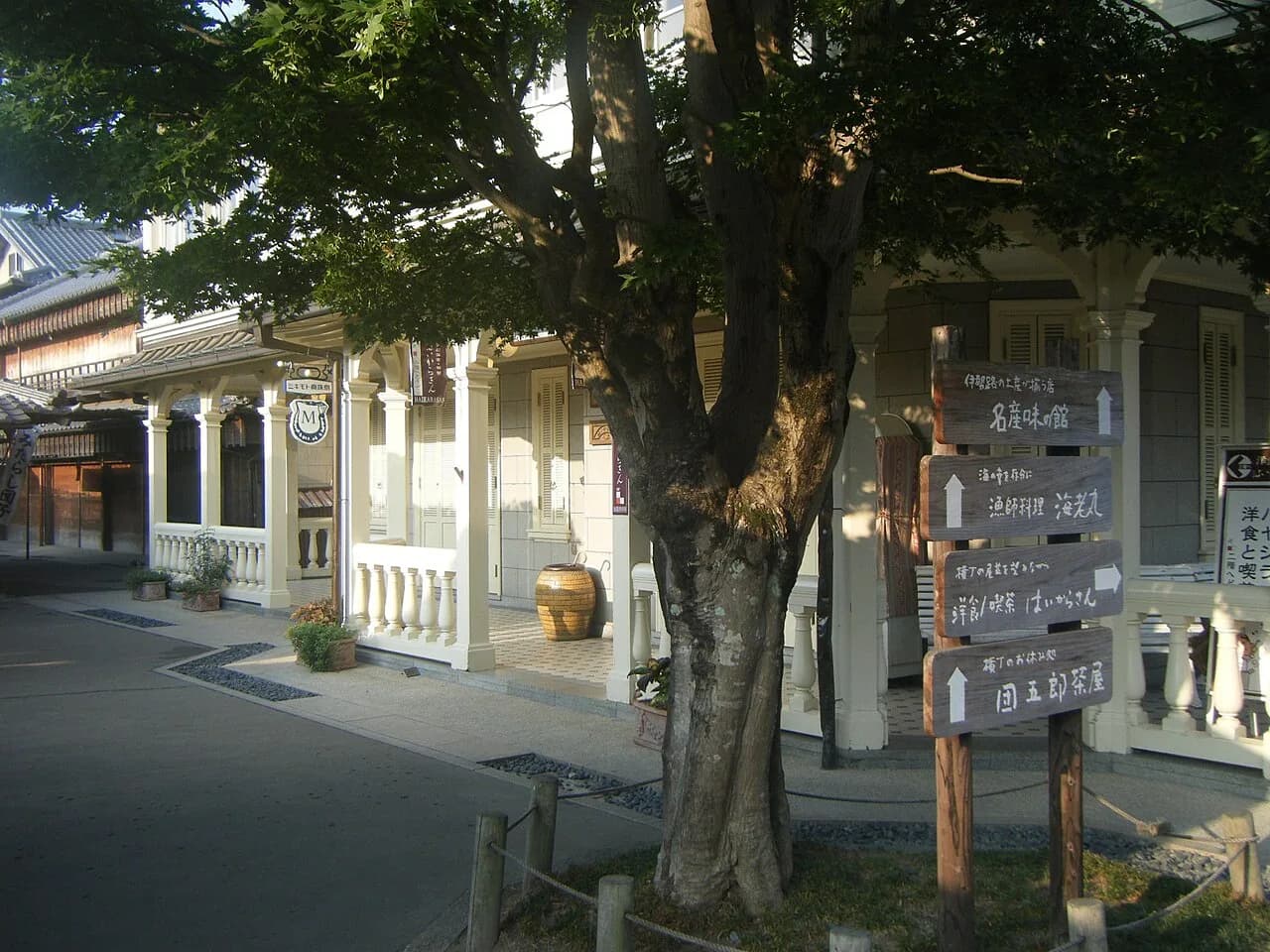
Ise feeds its pilgrims as devotedly as it tends its shrines. The 800-metre stretch of Oharaimachi and Okage Yokocho has been supplying snacks to shrine visitors for three centuries, and the food culture that grew up around those Edo-style lanes is unlike anything else in Japan. Akafuku mochi, soft Ise udon, vinegar-touched tekone-zushi — each dish traces its roots to the pilgrimage economy surrounding Ise Grand Shrine.
This guide covers the essential Ise dishes for 2026 — what to order, where to eat, and what to pay. For the full picture on sights and logistics, start with the Ise attractions guide. Our editors last refreshed this food guide in June 2026.
Key Takeaways
- Akafuku mochi (est. 1707) expires the same day — buy take-home boxes on your way back to the station, not at the start of your visit.
- Ise udon is ultra-soft thick noodles with dark concentrated tare — intentionally the opposite of firm Sanuki-style udon.
- Tekone-zushi is hand-mixed marinated bonito with sushi rice; ¥1,500–¥2,500 for a lunch set.
- Matsusaka beef (from Matsusaka City, ~30 min by train) ranks among Japan's three great wagyu; street skewers start around ¥800.
- Ise-ebi spiny lobster peaks October–April; for year-round seafood options see the Toba seafood guide.
- Carry cash — many Oharaimachi vendors and sit-down spots do not accept cards.
Akafuku Mochi: Ise's Most Famous Sweet
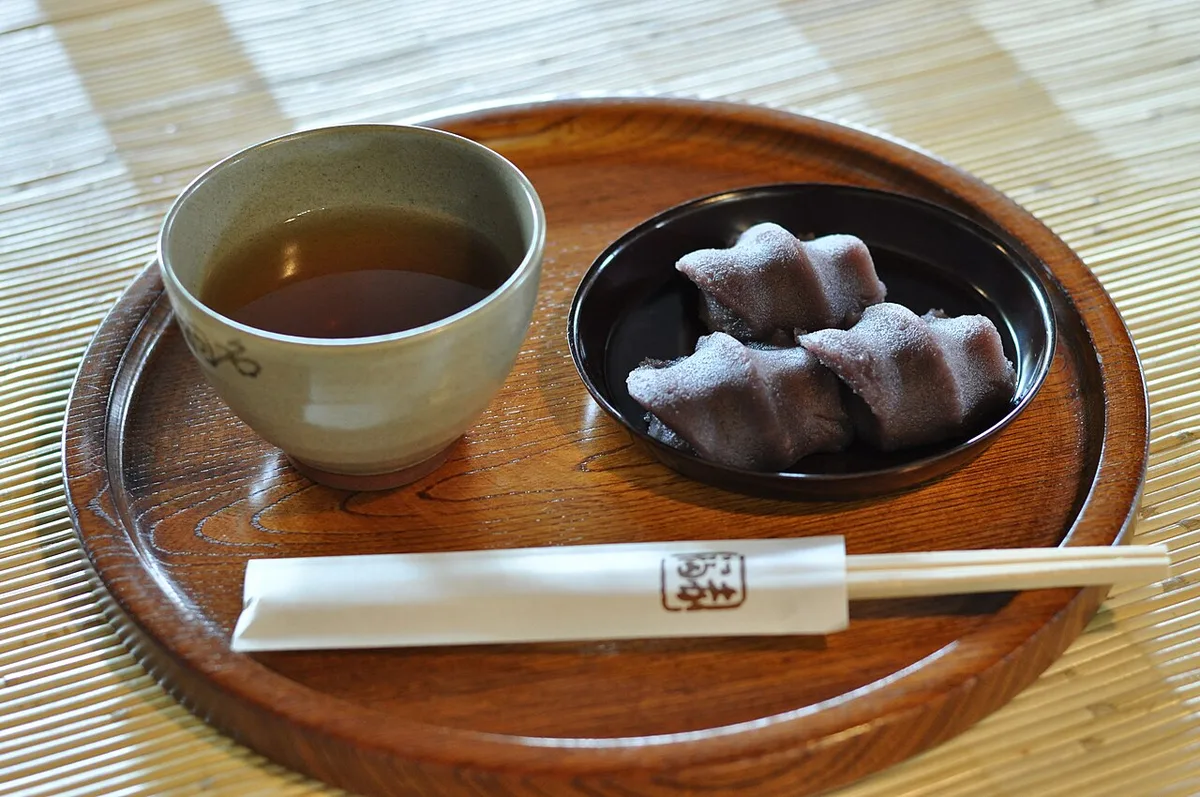
No food is more synonymous with Ise than Akafuku mochi. Akafuku Honten on Okage Yokocho has been making these rice cakes since 1707: three rounded lumps of smooth red-bean anko pressed onto a single mochi to echo the shapes of the Uji River's pebbles. A set of three pieces with green tea costs roughly ¥450–¥600, served fresh in the shop's tatami tea room. The Okage Yokocho branch opens around 9:30 AM; the main Honten can open as early as 5:00 AM and sometimes sells through by mid-afternoon on busy weekends.
The single most important rule: Akafuku mochi expires the same day. The shop includes a refrigerant in take-home boxes, but the official advice is to eat them that day. Buy your omiyage box at the end of your visit, close to your departure, not at the start of the morning.
The Akafuku Okageza museum, adjacent to the main shop, lets you watch mochi being made through a glass window — free to enter, roughly 15 minutes, and a good stop before the tea room queue builds.
Ise Udon: Soft Noodles with Dark Tare
Ise udon is Japan's softest regional noodle. Where Sanuki udon from Kagawa prizes a firm, springy bite, Ise udon is deliberately cooked until the thick noodle becomes almost collapsingly soft. The seasoning is a small pool of dark, concentrated tare — tamari, mirin, and dashi — pooled at the bottom, not a broth to drink. A bowl costs ¥600–¥900 at most restaurants.
The logic is historical: pilgrims arriving after days of walking needed something gentle, quick, and easy to eat at a counter. Well-regarded local shops such as Tsuta-ya and Daiki-ya, both just off the main Oharaimachi strip, serve the real thing without tourist markup. Most bowls come plain or with a raw egg and sliced green onion — the point is the noodle and the tare, not elaborate toppings.
Ise udon's extreme softness can surprise visitors used to firm noodles. Order the plain bowl first before judging — the dark tare carries the flavour, and the texture makes more sense once you stop comparing it to Sanuki.
Tekone-zushi: Marinated Bonito Sushi
Tekone-zushi (手こね寿司) is the oldest sushi tradition of the Ise-Shima coast. The Ama female free-divers historically made a fast pre-dive meal: fresh bonito briefly marinated in soy sauce, mirin, and ginger, then tossed by hand with warm sushi rice and served in a lacquered box with shiso and sesame. Lunch sets run ¥1,500–¥2,500 including miso soup and pickles. Sushikyu and Ebiya on or near Oharaimachi have served it for several generations. The dish also appears widely in Toba — see the Toba seafood guide if you plan to continue east.
Matsusaka Beef and Ise-ebi: The Premium Splurges
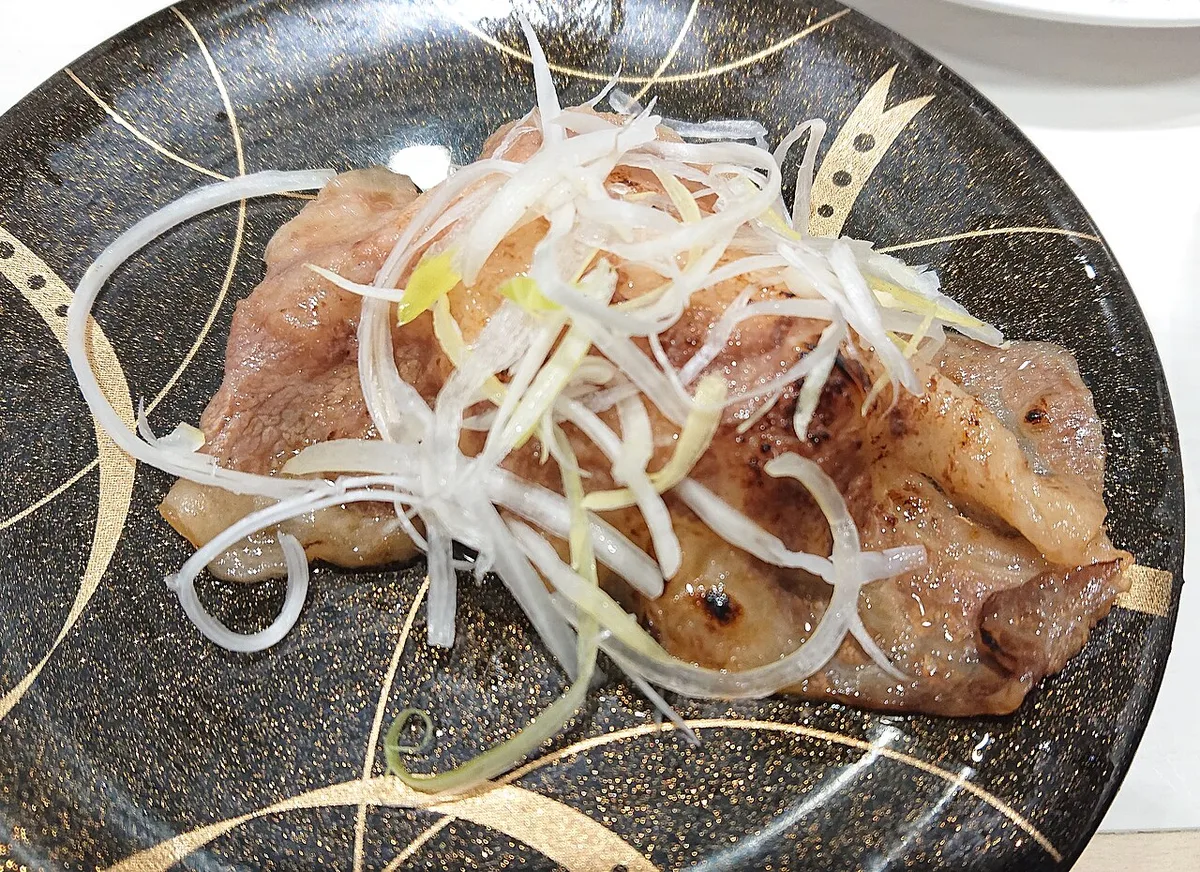
Matsusaka beef (松阪牛) comes from Matsusaka City, ~30 minutes northeast of Ise. It ranks with Kobe and Omi wagyu among Japan's three great branded beefs — extreme marbling, distinctively buttery. Restaurants near Ise-shi Station serve it without a detour to Matsusaka itself. Lunch steak sets run ¥3,000–¥5,000; Oharaimachi beef skewers cost ¥800–¥1,500 and are the budget-friendly entry point.
Ise-ebi (伊勢海老) spiny lobster is the coast's prestige seafood, peaking October–April. Outside that window supply thins and prices jump; summer visitors may prefer to skip it. When in season, a grilled half-lobster in Oharaimachi costs ¥3,500–¥5,000. The Toba coast offers the widest year-round Ise-ebi selection — see the Toba seafood guide for restaurant picks and seasonal pricing.
Where to Eat: Oharaimachi and Beyond
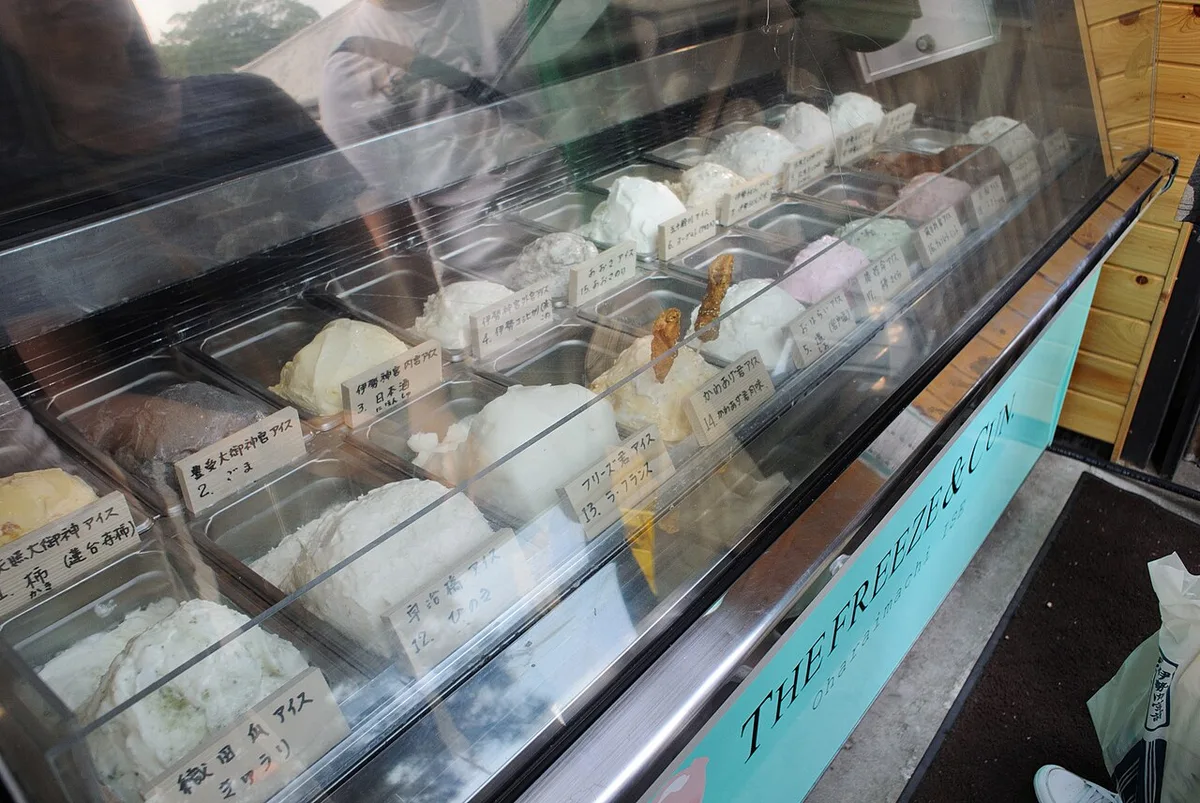
Oharaimachi and its central block Okage Yokocho are the right starting point. The 800-metre strip from Uji Bridge back to the bus stops sells nearly every Ise specialty — mochi, udon, tekone-zushi, Matsusaka beef skewers, grilled sazae, and matcha soft-serve — making it easy to graze without committing to a sit-down meal.
For sit-down lunch, arrive before 11:30 AM on weekends to avoid queues. Quieter alternatives sit around Ise-shi Station, a 10-minute walk from the Geku outer shrine, with far less tourist traffic. Staying overnight opens dinner service at restaurants that close early for the lunch crowd; our where to stay in Ise guide covers the best options near both shrine precincts.
Okage Yokocho shops open around 9:30 AM and wind down by 5:00 PM. Plan your main food stop in the morning or early afternoon — late afternoon sees fewer queues but also fewer menu options.
Budget Tips for Eating in Ise
At the low end, ¥1,000–¥1,500 covers an Akafuku mochi tea set, a bowl of Ise udon, and a couple of street snacks. The mid-range sweet spot is ¥2,500–¥4,000 for a tekone-zushi lunch set and dessert. Matsusaka steak and whole Ise-ebi push into ¥5,000–¥10,000 per person and are best treated as deliberate splurges.
Quick snack options: Matsusaka beef skewers (¥800–¥1,200), grilled sazae turban shell (¥500–¥800), and plain Ise udon at a counter shop (¥600–¥800). Graze Oharaimachi in the morning, sit down for tekone-zushi before 1:00 PM, then buy Akafuku omiyage on the way to the bus stop. The Ise attractions guide maps a full-day sequence combining shrines, food, and sightseeing without doubling back.
Explore Ise Food and Dining
Use these guides to compare local dishes, dining areas and practical food experiences in Ise.
Explore food guide in other cities
Frequently Asked Questions
What is Ise's most famous food?
Akafuku mochi is Ise's most iconic food — soft rice cakes with smooth red-bean paste, made at Akafuku Honten since 1707. Ise udon (ultra-soft noodles with dark tare sauce) and tekone-zushi (marinated bonito hand-mixed with sushi rice) are the other essential local specialties every visitor should try.
Can you take Akafuku mochi home from Ise?
Yes, but Akafuku mochi expires on the day of purchase. The shop includes a refrigerant in take-home boxes, but the official guidance is to eat them that day. Buy your omiyage box at the end of your visit, as close to your departure as possible, rather than at the start of the day.
What is the best time to eat in Oharaimachi?
Weekday mornings before 11:30 AM are least crowded for sit-down restaurants. On weekends, popular udon and tekone-zushi spots queue by noon. Shops open around 9:30 AM and close by 5:00 PM — plan eating in the morning or at lunch, not after the shrines.
Is Matsusaka beef from Ise?
Matsusaka beef comes from Matsusaka City in Mie Prefecture, about 30 minutes northeast of Ise by Kintetsu or JR. It is widely served in Ise restaurants and at Oharaimachi stalls, so you can taste it during a shrine visit without travelling to Matsusaka. Expect ¥3,000–¥5,000 for a lunch steak set, or ¥800–¥1,500 for a street skewer.
When is the best time to eat Ise-ebi lobster?
Ise-ebi season runs October to April, peaking in November and December. Outside this window, supply drops and prices rise considerably. The Toba coast has the widest year-round Ise-ebi selection — see our Toba seafood guide for restaurants and seasonal pricing.
A morning in Oharaimachi moves through three centuries of pilgrimage cooking in a few hundred metres: a 1707-recipe mochi, Edo-period pilgrims' udon, and Ama-diver tekone-zushi. Add a Matsusaka beef skewer and you cover Ise's essential food experience for under ¥3,000.
For a full steak or whole Ise-ebi, book ahead — popular spots fill fast on weekends. Staying overnight unlocks dinner service at restaurants that close after the lunch rush; see our where to stay in Ise guide for the best options near both shrine precincts.
Free guide: Japan's Hidden Gems
12 under-the-radar places beyond Tokyo & Kyoto — with the best season to visit each and a local tip you won't find in the guidebooks.
You might also like


Continue reading
More guides you'll find useful